
You can refresh any room without a full remodel by choosing a few smart decor moves that fit your style and space. This article shows 15 stylish room decor ideas you can use to make your room look fresher, more functional, and more like you.
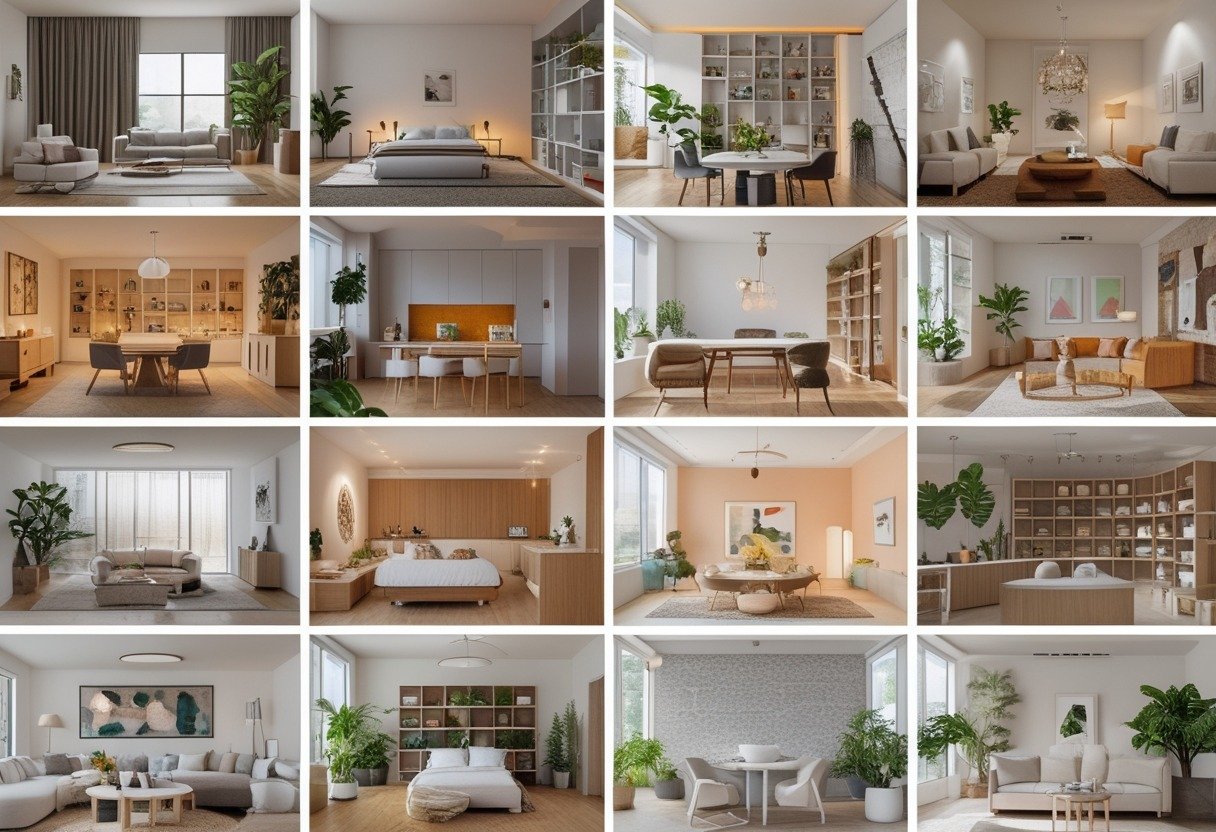
You’ll find options that work for small spaces and larger rooms, plus design tips that help pieces feel balanced together. Expect simple swaps, lighting upgrades, storage fixes, and creative accents that make a real difference.
1) Pastel accent wall with matte finish
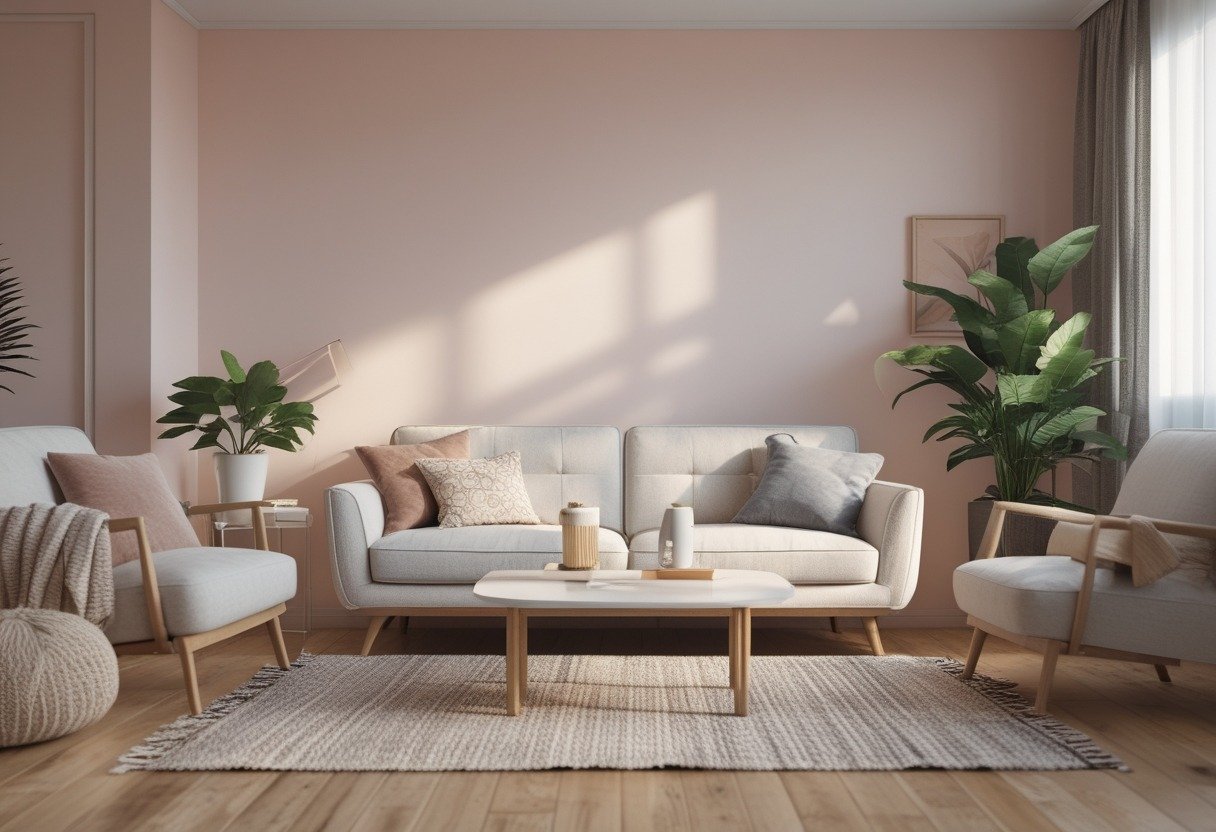
Choose a soft pastel shade to give your room calm color without glare. Matte paint hides imperfections and feels smooth to the eye.
Paint a single wall to create focus while keeping the rest neutral. This works well behind a bed, sofa, or reading nook.
Pair the wall with textured fabrics and simple decor to balance the flat finish. The result is a gentle, modern look that stays subtle and inviting.
2) Gallery wall of mixed-frame art and photos
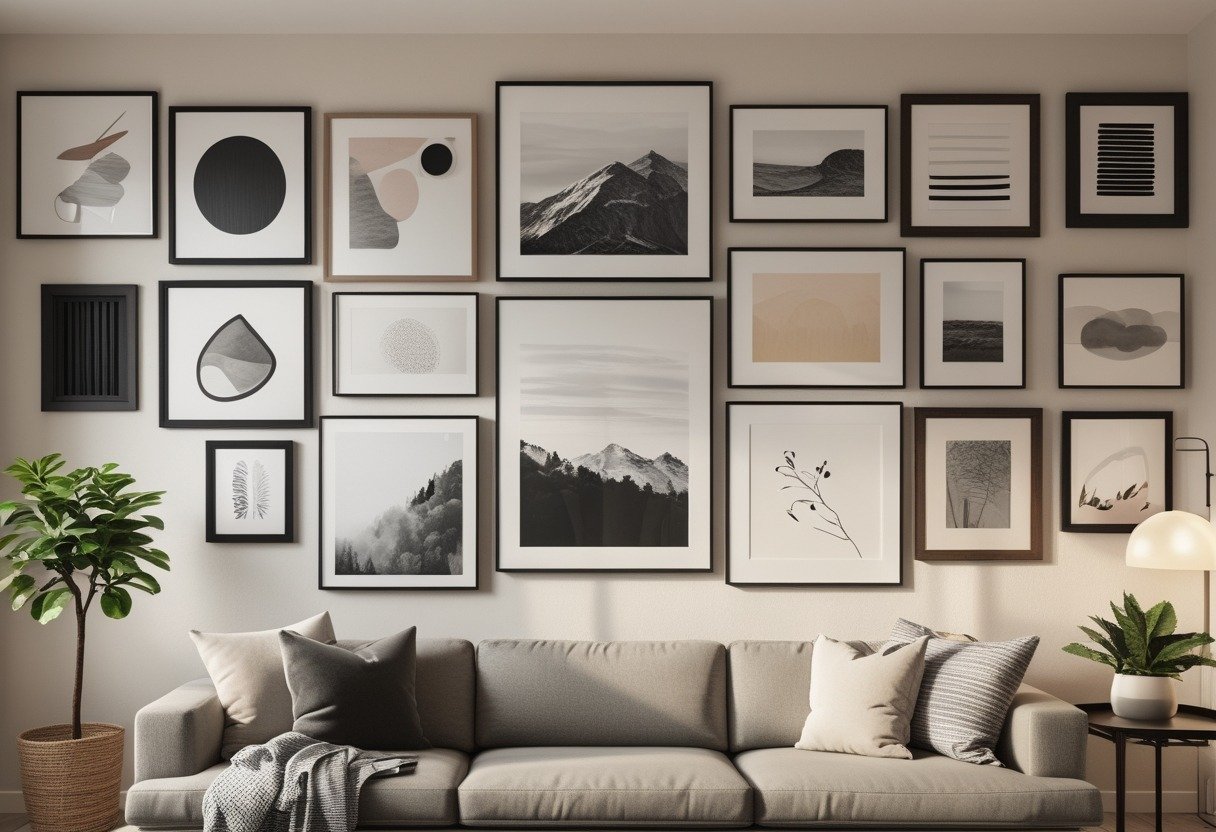
Create a gallery wall that mixes frame styles, sizes, and art types to give your room personality. Start with a focal piece, then arrange smaller frames around it until the layout feels balanced.
Use a mix of photos, prints, and small objects to add texture. Keep consistent spacing and a limited color palette so the display looks intentional and not cluttered.
3) Layered area rugs for texture contrast
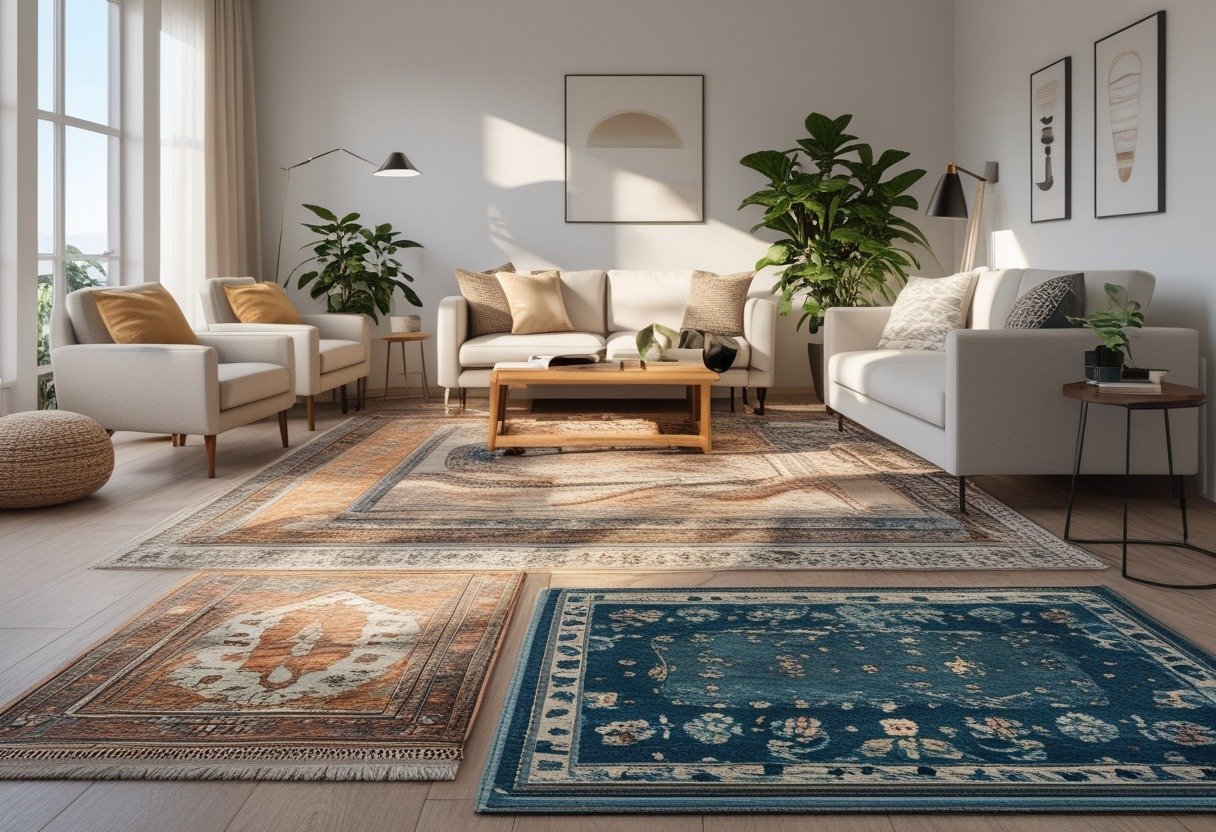
Layering rugs adds depth and keeps your room from feeling flat. You can place a smaller patterned or plush rug over a larger neutral jute or flatweave to mix soft and rough textures.
Choose colors that share a tone so the layers feel deliberate, not chaotic. Use layering to define zones—like seating or a reading nook—without extra furniture.
4) Floating walnut wall shelves with brass brackets
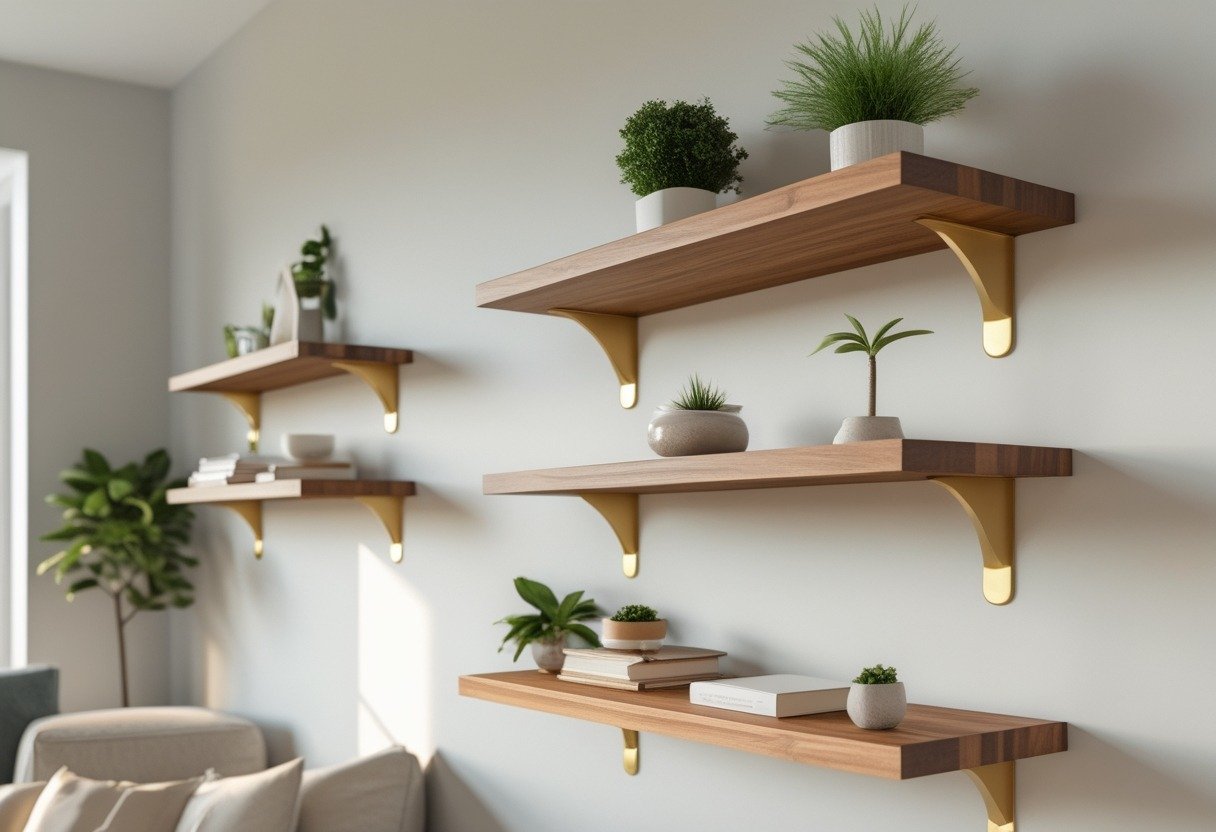
Choose walnut shelves for a warm, natural look that fits modern and classic rooms. The brass brackets add a subtle shine and a bit of contrast without stealing attention.
Mount them at eye level to display plants, books, or framed photos. You can group two or three shelves for a layered effect that saves floor space.
Secure the brackets to studs or use solid anchors so your items stay safe. Keep styling simple to highlight the wood grain and brass details.
5) Macramé plant hangers with trailing pothos
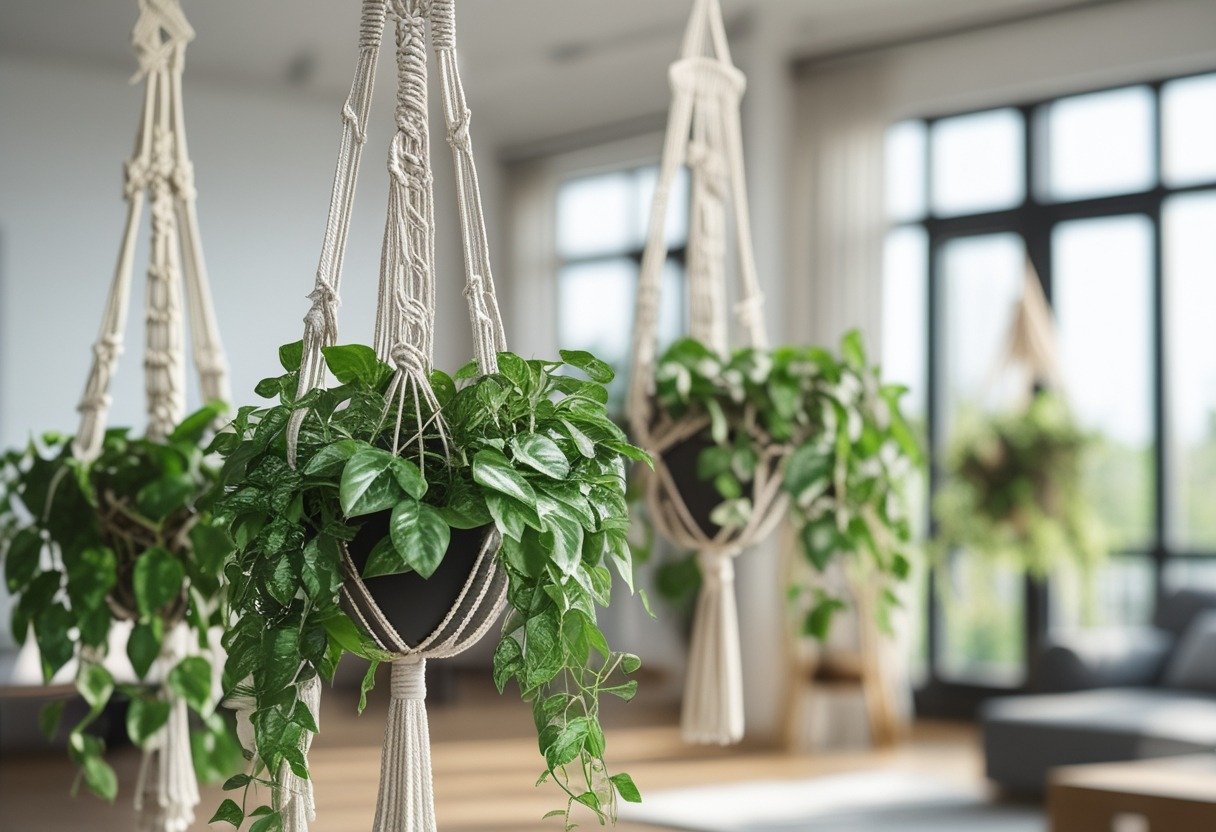
You can hang pothos in a macramé holder to save floor space and add texture. The trailing vines soften corners and work well near windows or shelves.
Choose a simple single-pot design for beginners; it cradles most ceramic pots securely. Use cotton cord for a natural look and check knots and hooks regularly for safety.
6) Statement geometric wallpaper on a single wall
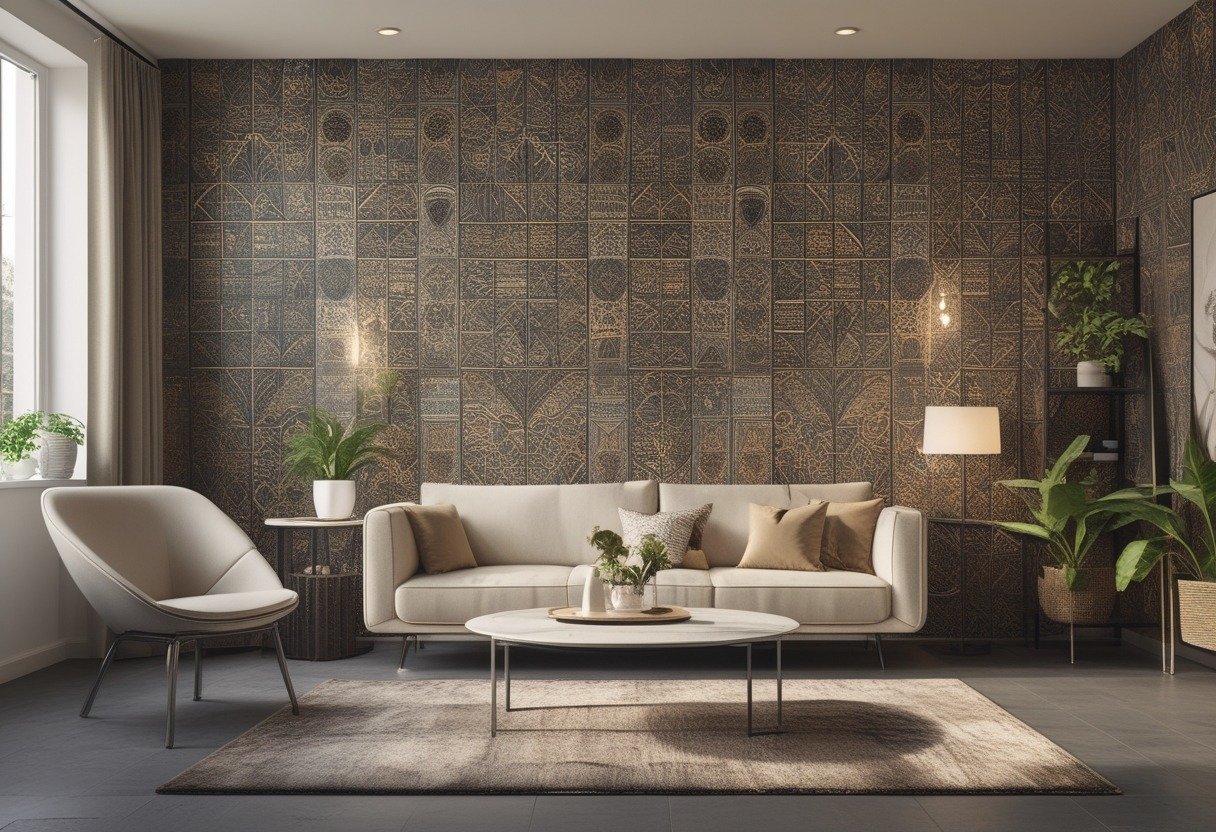
Choose a bold geometric wallpaper to make one wall the room’s focal point. You can pick triangles, hexagons, or layered shapes to add depth and energy.
Keep the other walls neutral so the pattern stands out and the room feels balanced. Match a few small decor items to the wallpaper’s colors to tie the look together.
Peel-and-stick or traditional wallpaper both work; pick the method that fits your skill and timeline. Measure carefully and plan the pattern placement before you start.
7) Velvet emerald sofa with tapered legs
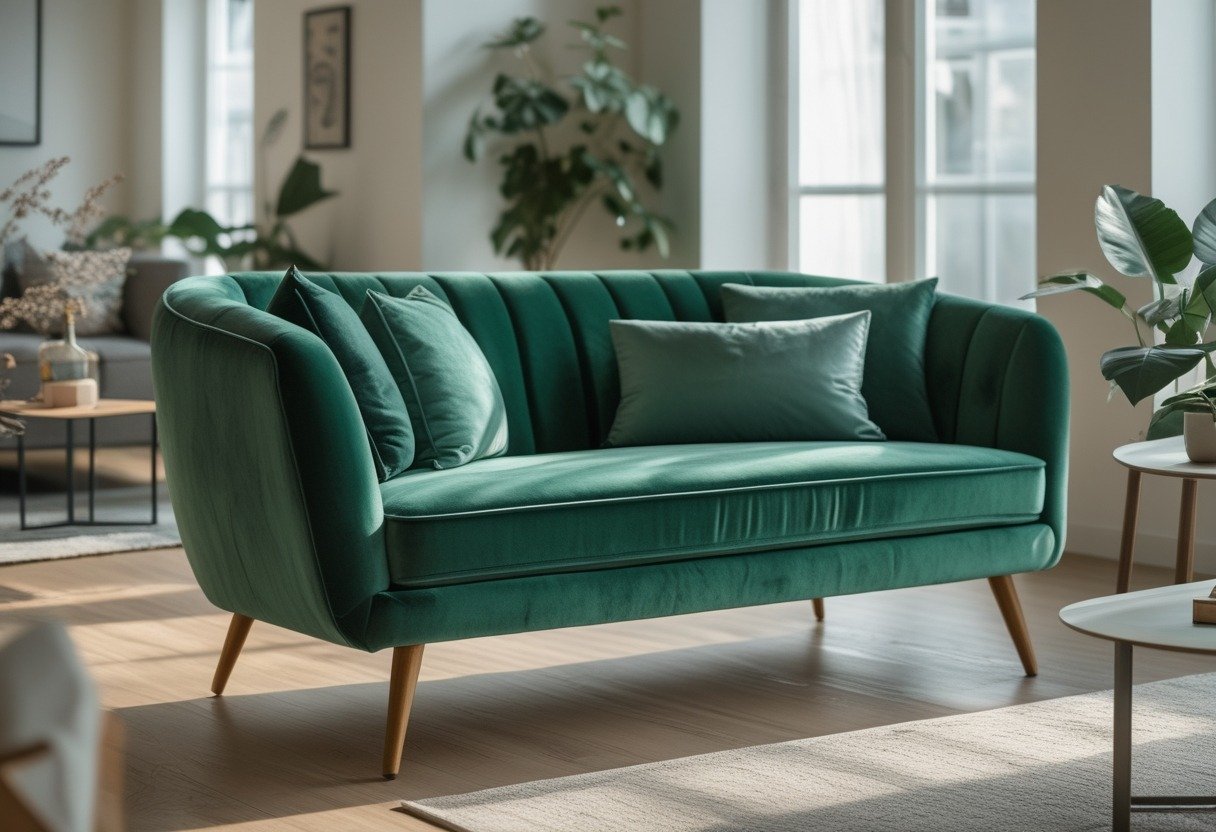
Choose a velvet emerald sofa to add rich color and soft texture to your room. The deep green works well with warm woods, brass accents, or neutral walls.
Tapered legs lift the sofa visually and create an airy feel in smaller spaces. They also pair nicely with mid-century or modern decor, keeping the look polished but not heavy.
Balance the bold sofa with simple pillows and a light rug. This helps the piece stand out without overwhelming the room.
8) Reclaimed wood headboard with built-in lighting
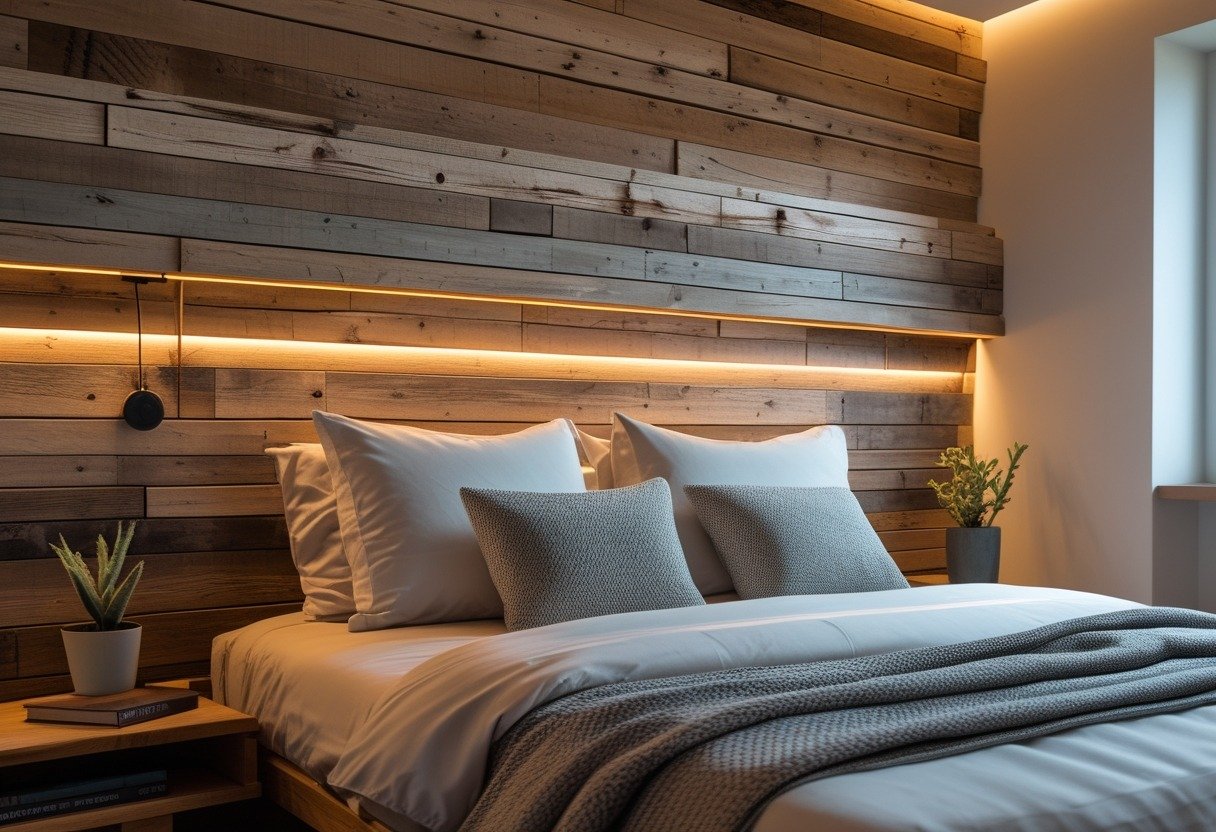
You can make a warm, rustic focal point by using reclaimed wood for your headboard. The wood adds texture and history without looking fussy.
Add low-profile LED strips or puck lights along the back or in inset shelves for soft, usable light. Built-in lighting gives you reading light and highlights the wood grain.
Keep wiring simple and hidden for a clean look. This combo works well with neutral bedding and metal or matte black accents.
9) Smart LED strip lighting with tunable white
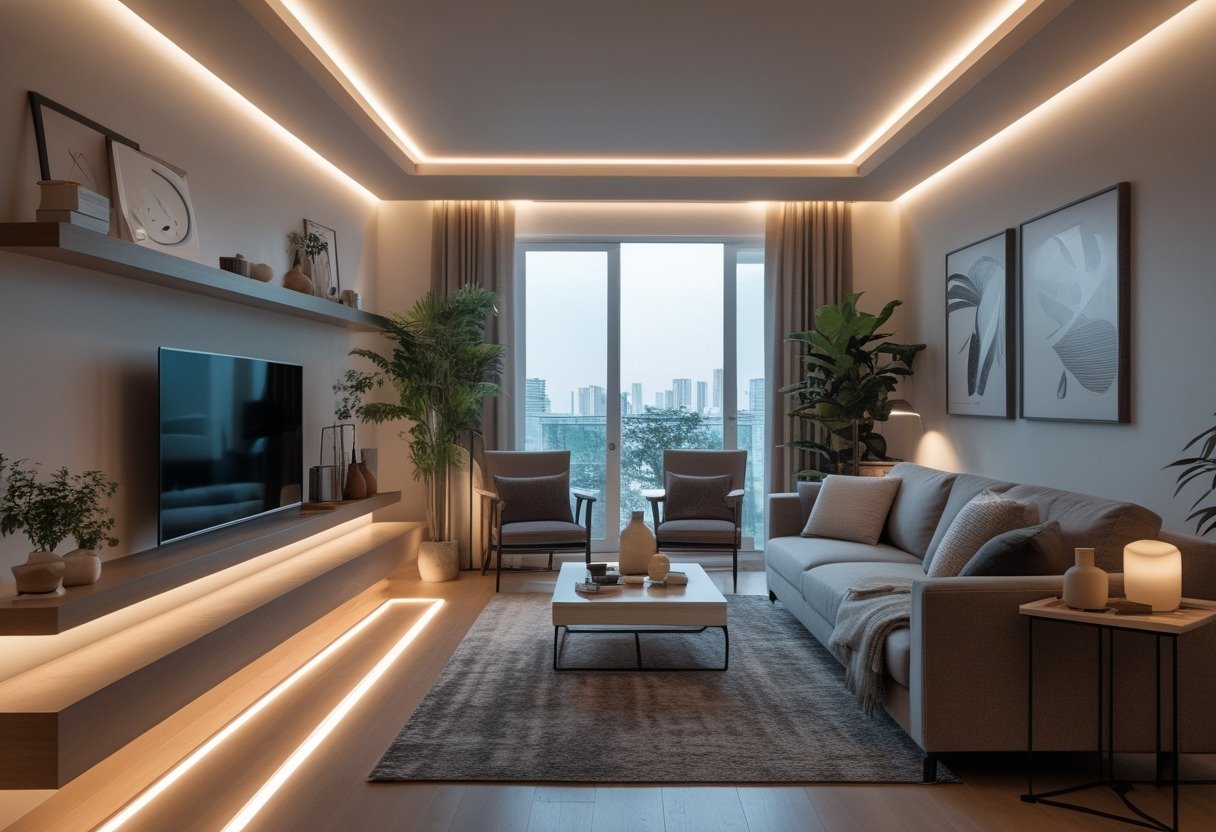
You can change light color temperature to match tasks or mood, from warm to cool white. This helps with reading, relaxing, or staying alert without swapping bulbs.
Smart strips work with apps or voice assistants so you can schedule scenes and dim lights easily. They save energy compared to many lamps and fit under cabinets, behind TVs, or along ceilings for subtle, even glow.
Pick strips with good color rendering (CRI 90+) for truer colors in your room.
10) Curated bedside vignette with ceramic lamp and books
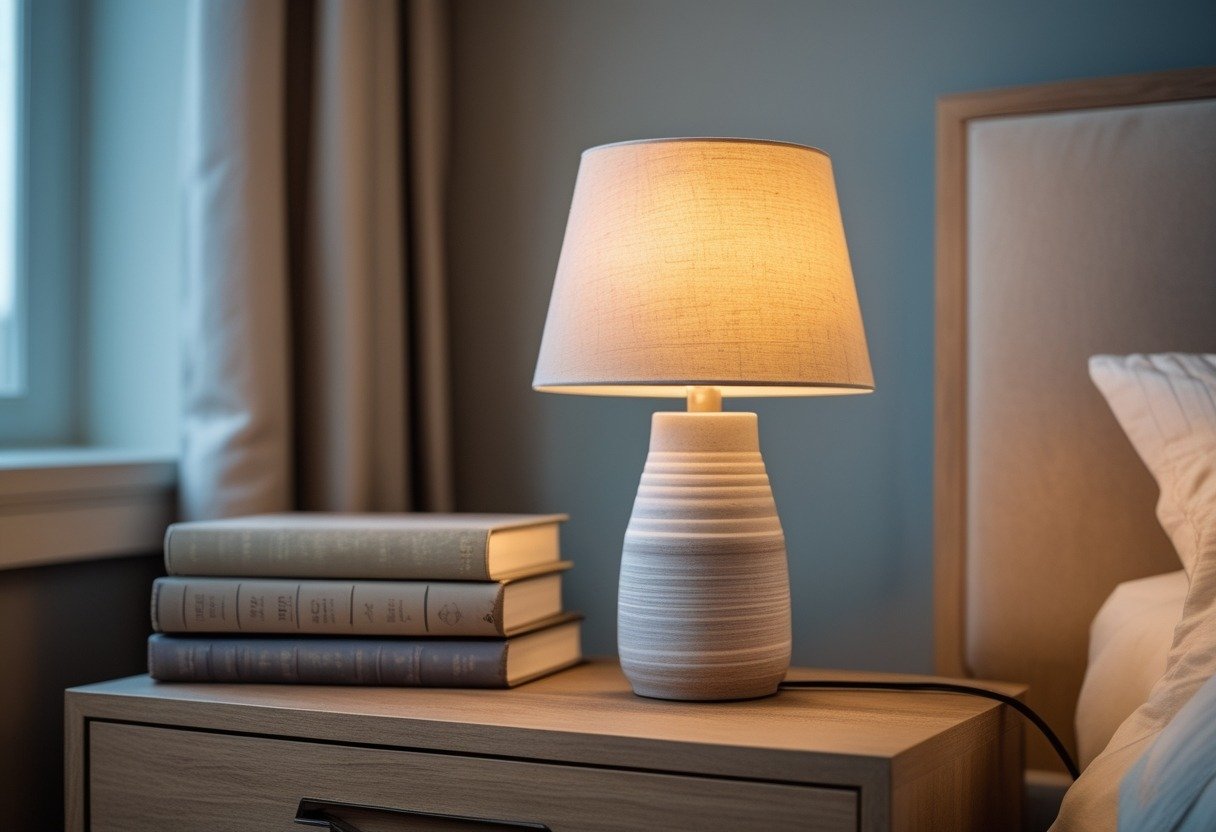
Choose a ceramic lamp that matches your room’s color and texture to anchor the vignette. You get warm light and a sculptural piece that feels intentional.
Stack two or three books beside the lamp for height and interest. Add a small dish or a sprig of greenery to keep the look tidy and personal.
Keep items few so the surface stays functional. This makes your nightstand both stylish and easy to use.
11) Minimalist black metal floor mirror
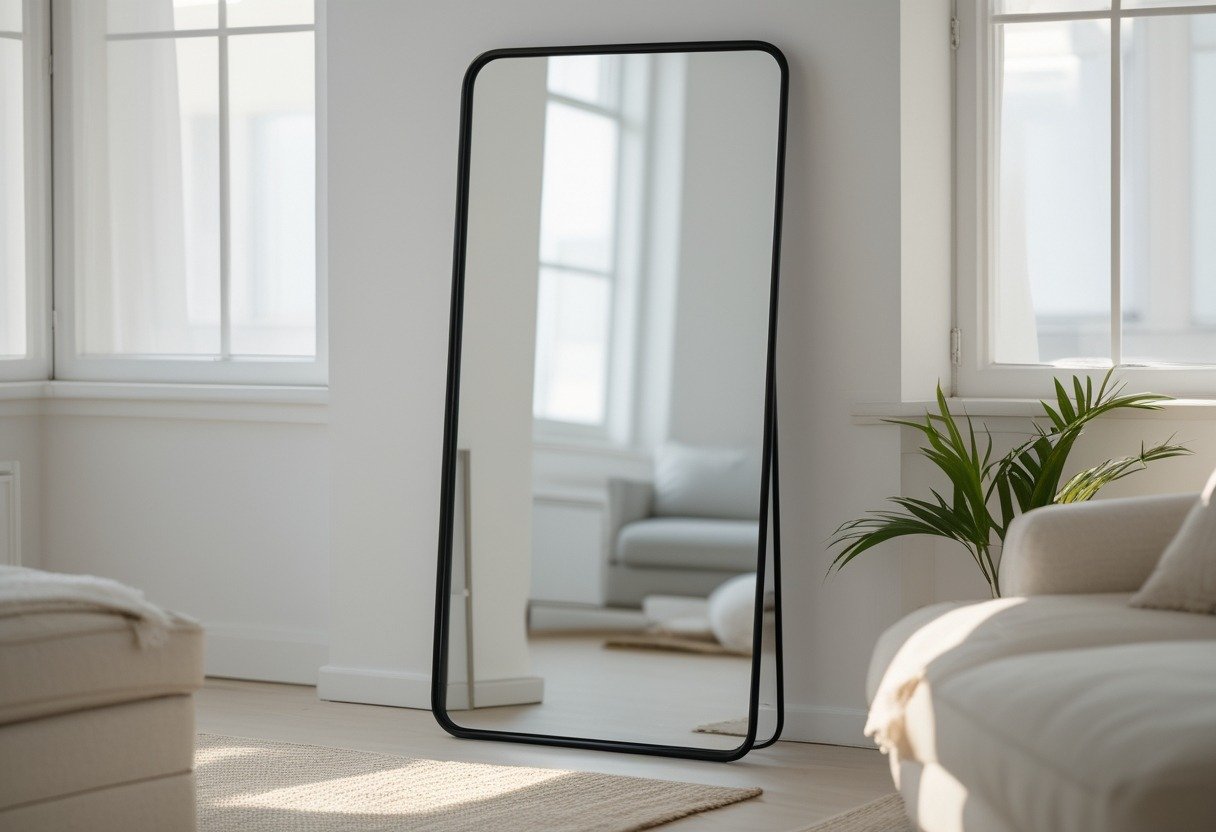
A black metal floor mirror gives your room a clean, modern look. You can lean it against a wall for an easy, stylish display.
Choose a thin frame to keep the feel light and minimalist. It reflects light and makes small rooms look bigger without adding clutter.
12) Modular storage cubes for an open closet
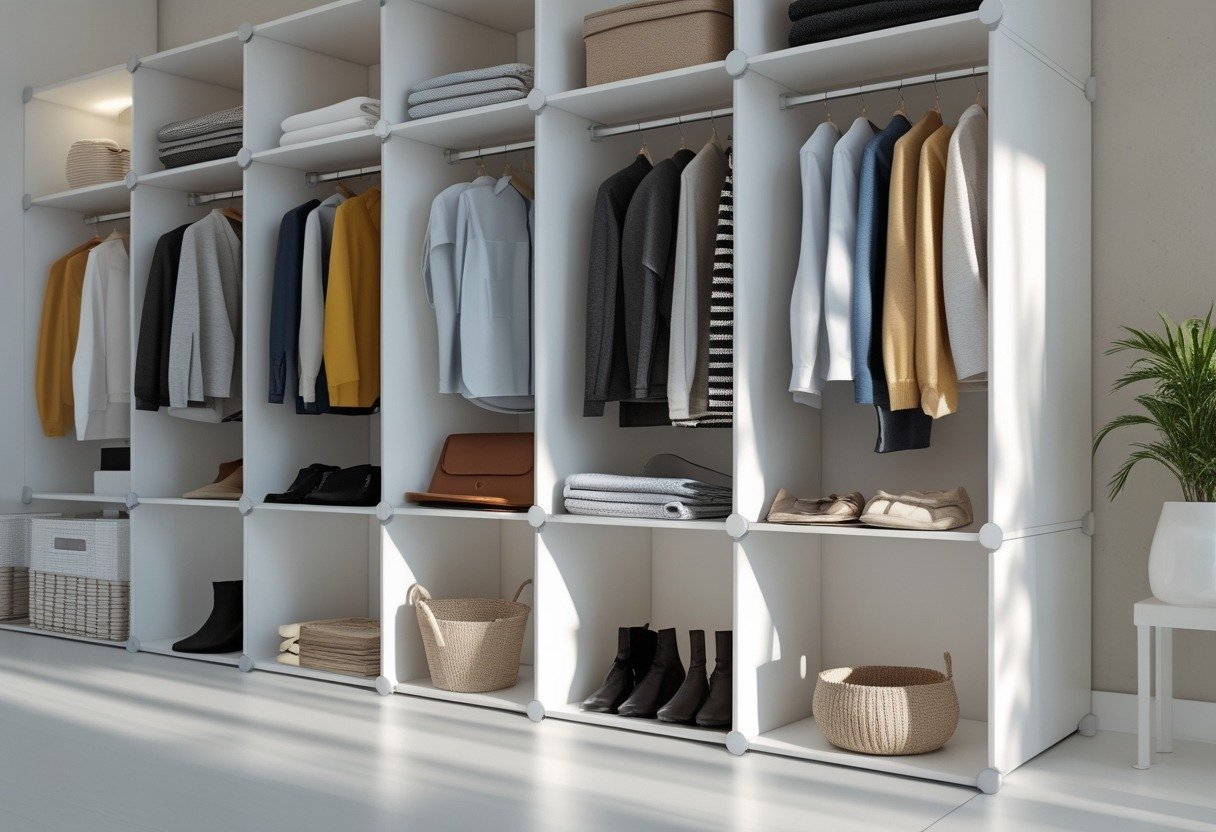
Use modular storage cubes to make your open closet work for you. They give clear zones for shoes, folded clothes, and bins you can swap out.
Pick cubes you can anchor to the wall for safety, especially if kids might climb nearby. Mix open cubes with bins or doors to hide clutter and keep a neat look.
13) Woven seagrass baskets for concealed storage
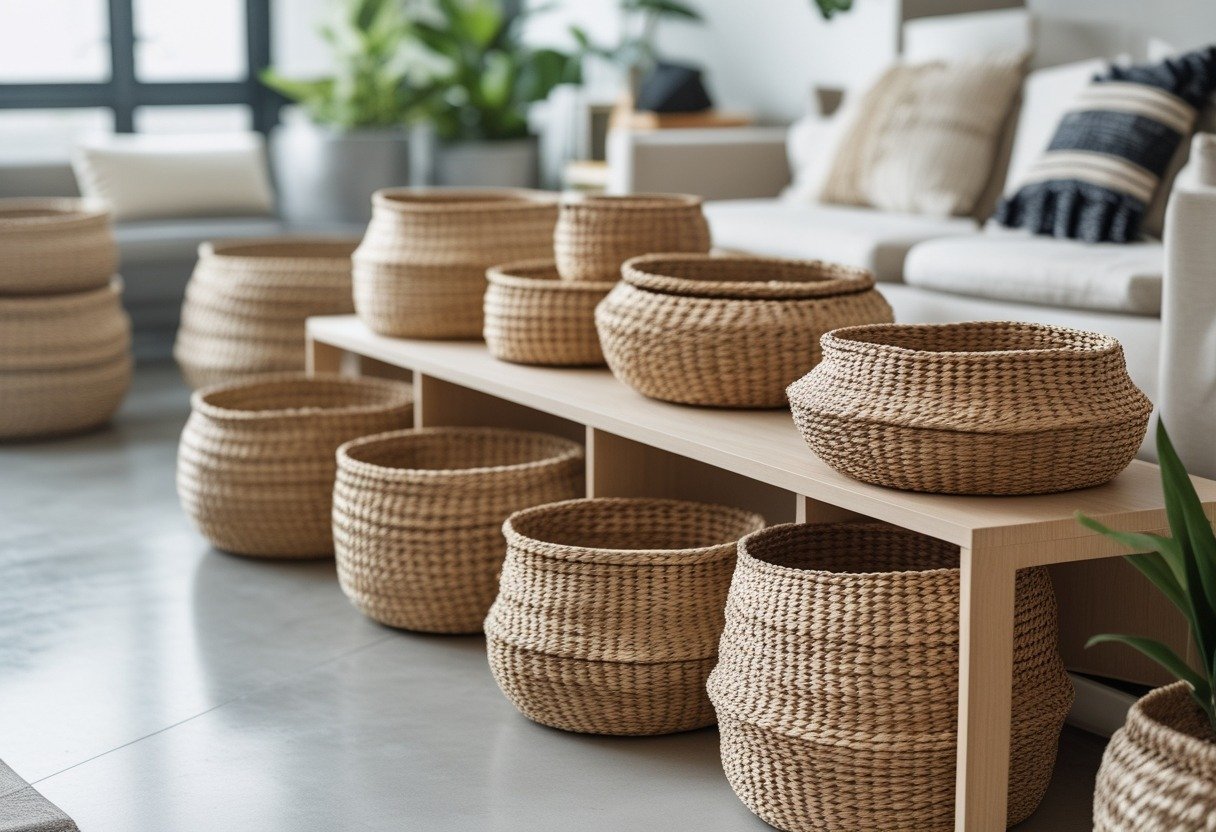
Use seagrass baskets to hide clutter while keeping items easy to reach. They blend with many styles, from coastal to farmhouse, and add natural texture to your room.
Choose sizes that fit shelves or corners and pick lids for dust-free storage. Group a few for a tidy look and label them if you want quick access.
14) Gallery-style picture ledges for rotating art
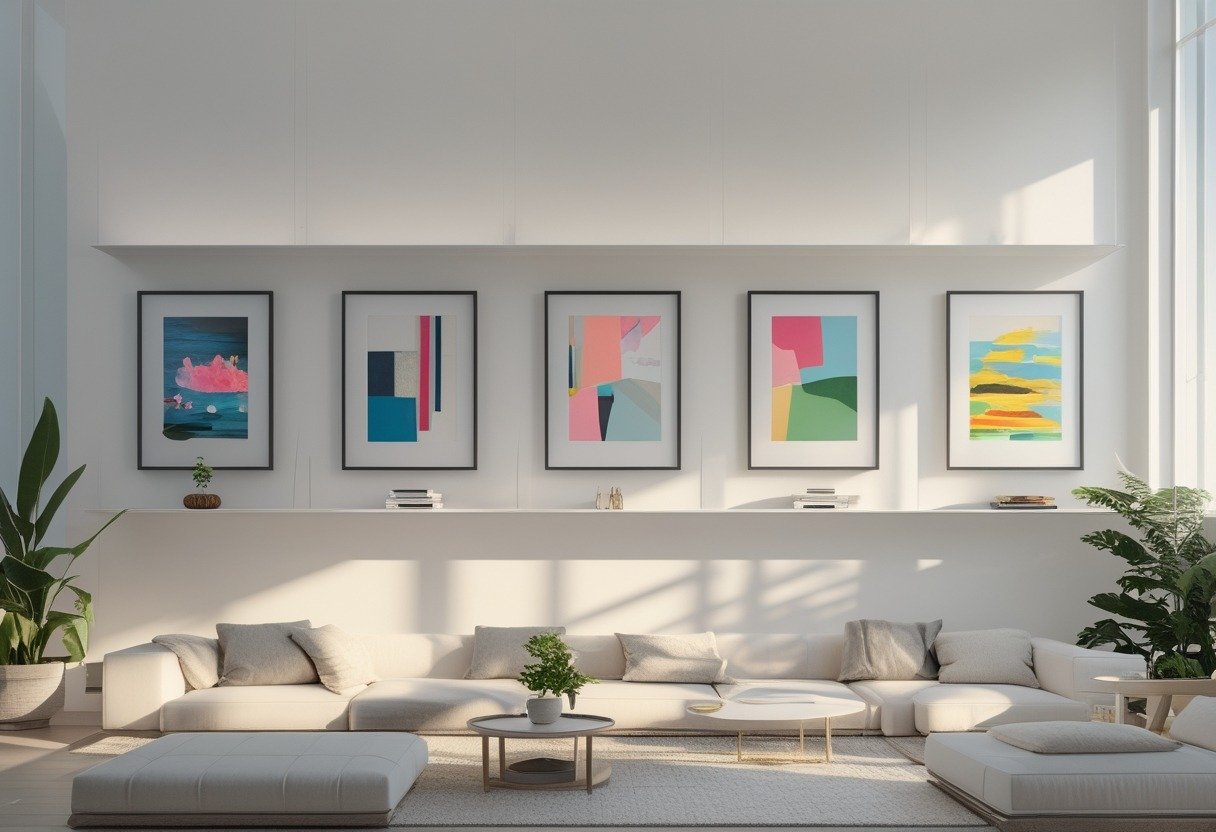
Picture ledges let you display art without permanent holes in your walls. You can layer frames, small objects, and plants to build depth and interest.
Swap pieces often to freshen a room—seasonal prints, new photos, or thrifted finds. This system keeps your space flexible and lets you try different layouts until one feels right.
15) Ambient salt lamp paired with dimmable lamp
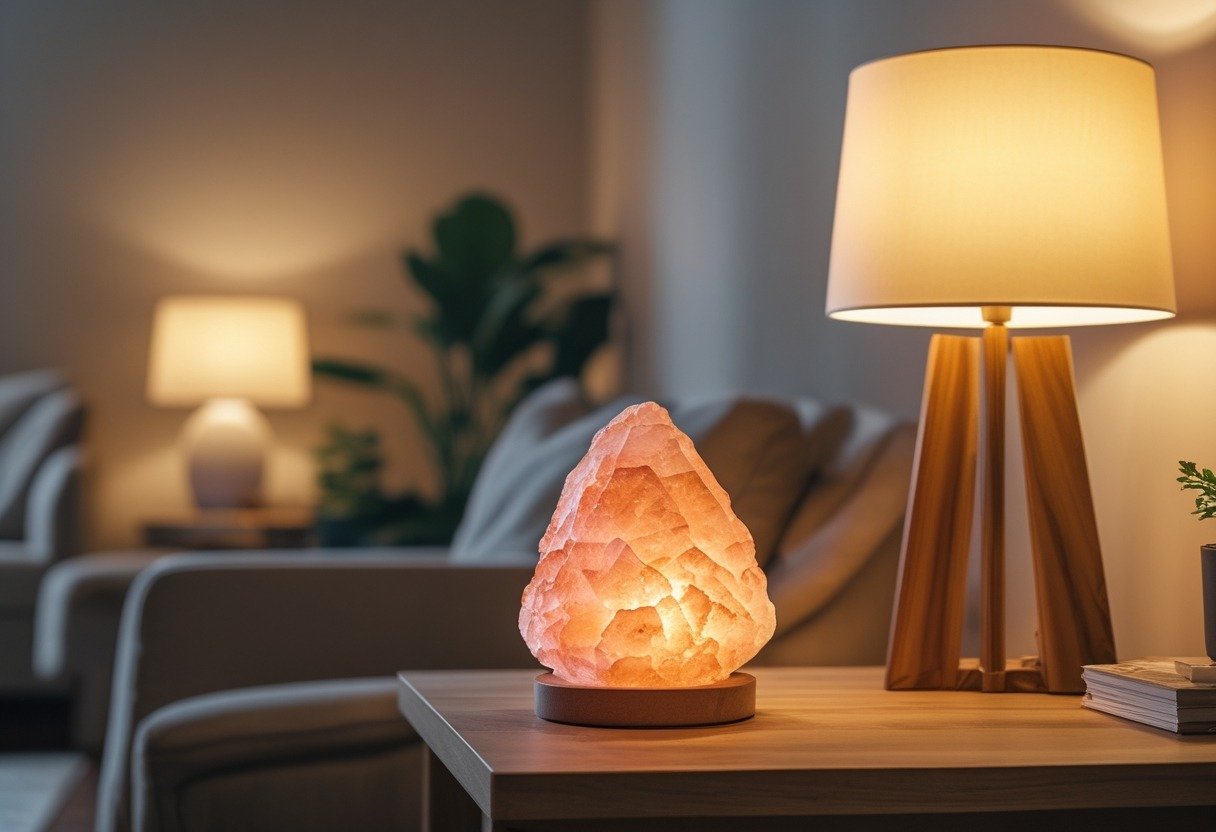
Place a salt lamp where you want a warm, soft glow. Its amber light adds a calm, natural touch to your room.
Add a dimmable lamp for flexible brightness. Use the dimmer to shift from task light to low mood lighting.
Keep both lights on separate circuits or plugs so you can mix levels easily. This combo gives you cozy ambiance without losing practical lighting when you need it.
Design Principles That Elevate Any Room
Balance color, texture, and light to make your space feel intentional and calm. Pick one strong element to anchor the room, then arrange furniture and lighting so each piece has a clear role.
Balancing Color and Texture
Choose a main color, a secondary color, and one accent color to keep the palette simple and cohesive. Use a 60-30-10 rule: 60% dominant (walls, large rug), 30% secondary (sofa, curtains), 10% accent (pillows, art). Mix textures to add depth: pair a smooth leather sofa with a chunky knit throw and a matte ceramic vase. Keep contrast in mind—light walls need darker furnishings to avoid a washed-out look. Test small swatches or fabric samples in the room light before buying large pieces. Limit busy patterns to one or two items so the space doesn’t feel chaotic.
Choosing a Focal Point
Decide what you want people to notice first—a fireplace, a large window, a statement sofa, or a piece of art. Place the largest furniture to face or frame that focal point; for example, angle the sofa toward the fireplace and hang art above it at eye level (about 57–60 inches from the floor to the center). Use scale to reinforce the focal point: a large rug or oversized light fixture draws attention. Add layers like accent lighting, a textured rug, or matching side tables to support the main feature. Keep clutter away from the focal area so the eye rests on that single, clear highlight.
Maximizing Natural Light
Start by removing heavy drapes from windows; use sheer curtains or blinds that tuck away fully. Arrange mirrors opposite windows to reflect light deeper into the room. Choose light-reflective finishes—glossy tiles, satin paint, or glass tables—to boost brightness. Place seating where it benefits from daylight for reading or socializing, but avoid direct sun on fabrics that may fade. If privacy is needed, use top-down shades or frosted film that lets light through while blocking views. Keep window sills clear of tall items that block light and consider a light-colored ceiling to bounce light back down.
Mistakes To Avoid When Refreshing Your Space
Focus on three big issues that often spoil a room: crowded layouts that block flow, ignoring what you actually like, and skipping practical needs like storage and lighting. Fixing these keeps your space useful and calm.
Overcrowding the Layout
Putting too much furniture or too many accessories makes movement hard and the room feel smaller. Measure your space before you buy. Use painter’s tape to mark furniture footprints on the floor so you see real clearance for walking paths and doors.
Choose pieces that fit the scale of the room. A large sofa can overpower a small living room; a tiny table can look lost in a big dining area. Aim for at least 30–36 inches of clear walkway in main paths and 18–24 inches from a coffee table to seating for comfort.
Edit decor regularly. Keep a short list of items you want to display and rotate pieces in and out. Use multi-use furniture—like storage ottomans or nesting tables—to reduce visual clutter while keeping function.
Ignoring Personal Style
Following every trend erases your voice. Identify three elements you like—colors, materials, or a pattern—and build around them. That creates a consistent look you’ll enjoy long-term.
Mix trends with classic pieces you already own. For example, add a trendy rug or lamp, but keep a neutral sofa you like. This keeps the room fresh without forcing you to replace core items every season.
Make a simple mood board on your phone. Pin photos of colors, furniture shapes, and textures you prefer. Compare items before you buy to make sure new pieces match your personal choices.
Neglecting Functional Needs
A pretty room fails if it’s not practical. List daily activities you do in the room—work, reading, eating—and design storage and surfaces around those tasks. For example, add a lamp for reading areas and a charging station near seating.
Lighting matters. Combine ambient light (overhead), task lights (desk or reading lamps), and accent lights (wall sconces or picture lights). Use dimmers where possible to control mood and function.
Think about maintenance. Choose fabrics and finishes that match your lifestyle—stain-resistant upholstery for homes with kids, hard floors if you prefer easy cleaning. Plan for cords, pet areas, and seasonal storage so the space stays usable.
