
You want a boys’ bedroom that feels fun, grows with your child, and stays organized without constant redoing. This article gives ten practical boys bedroom decor ideas for kids that balance play, comfort, and long-term use so you can make thoughtful choices for a room that works today and adapts over time.
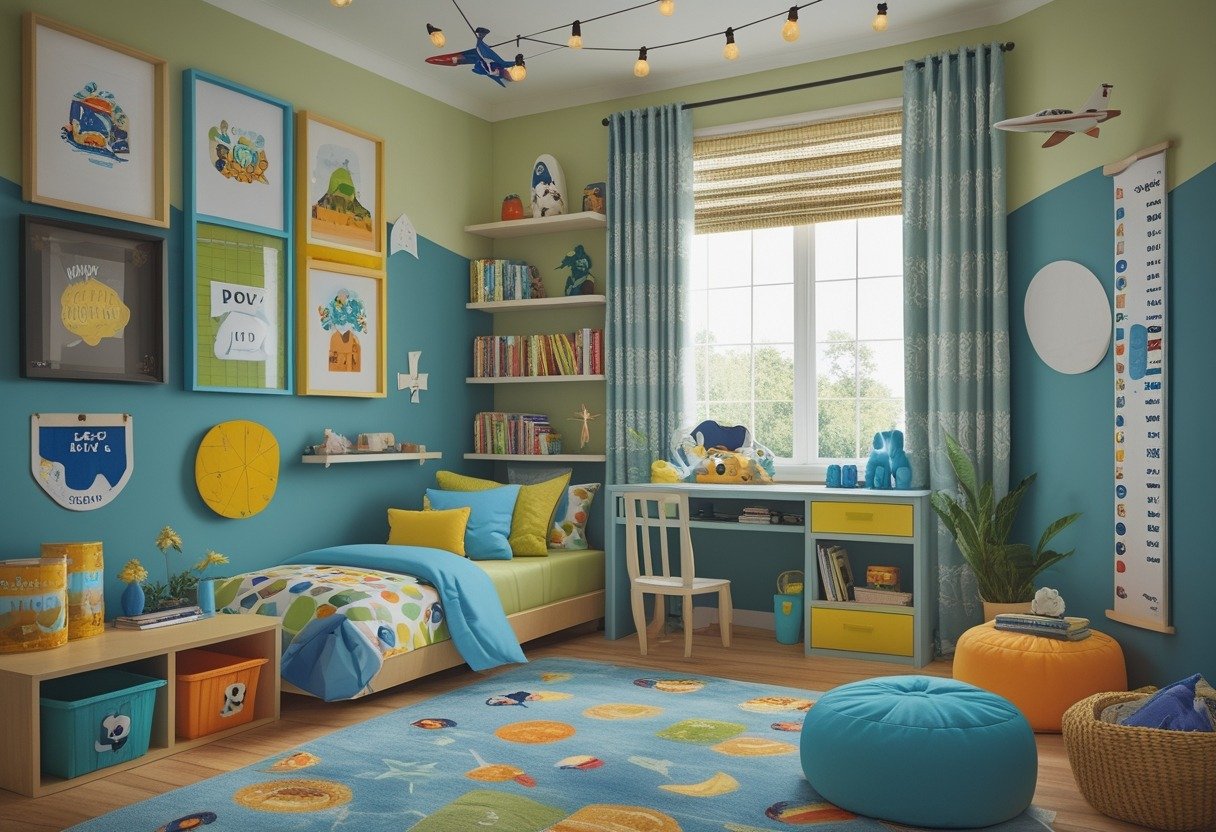
Expect ideas that mix bold themes, smart storage, and safe materials to create a space your child will love and you can keep tidy. You’ll find options from playful murals and themed beds to simple shelving, calming color schemes, and durable finishes that support both imagination and everyday life.
1) Space-themed mural with glow-in-the-dark stars
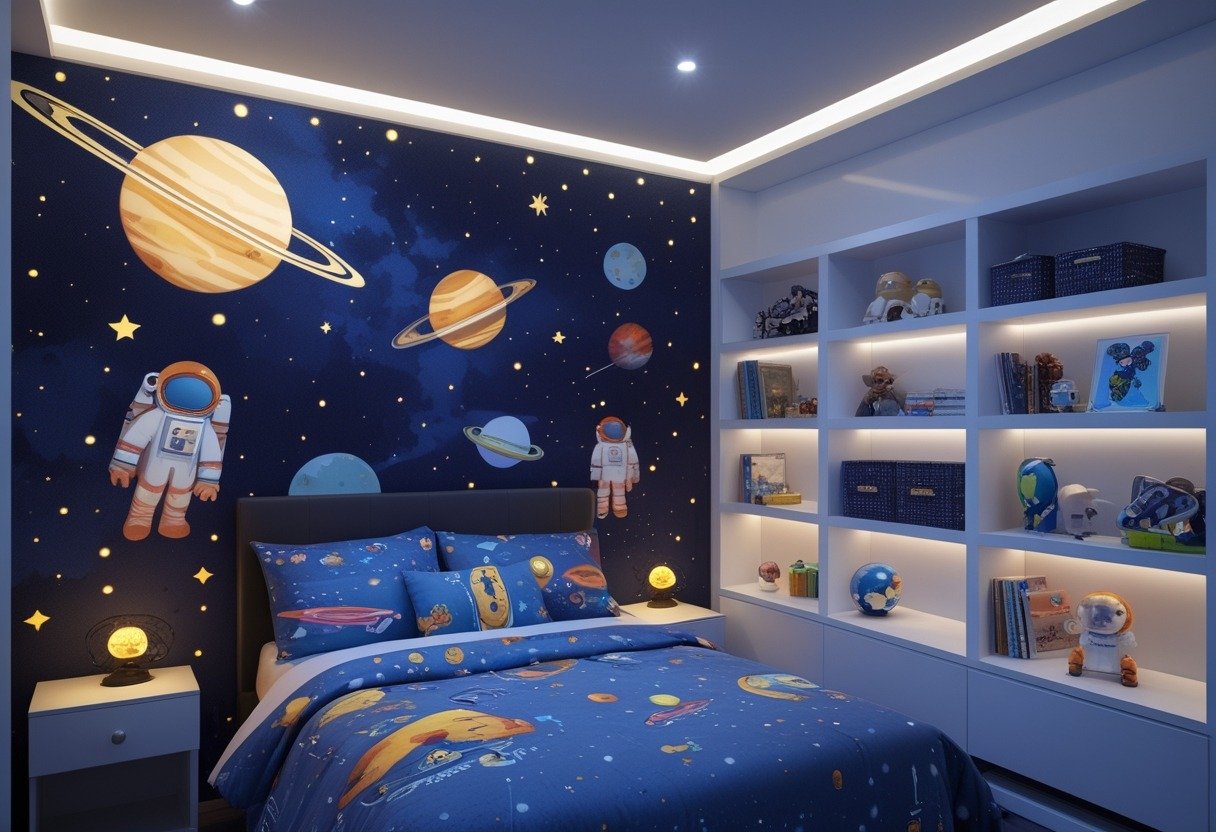
You can turn your child’s room into a calm night sky with a space mural and glow stars. Peel-and-stick murals make installation fast and less messy, while glow-in-the-dark stars add soft light at bedtime.
Place larger planets or a rocket where your child plays or reads for visual interest. Choose durable, removable materials so you can change the look as they grow.
2) Convertible loft bed with built-in desk
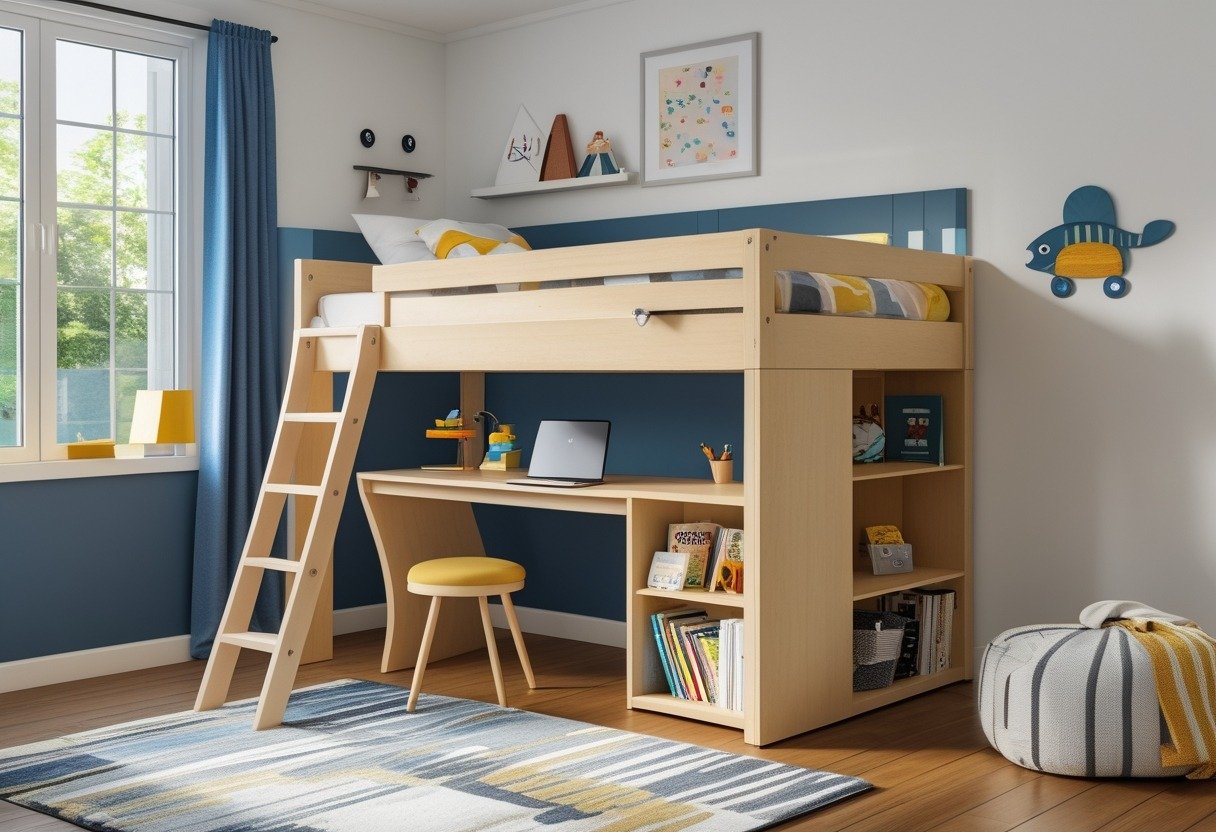
A convertible loft bed saves floor space and gives your child a clear study spot. You can switch configurations as needs change — more play area now, more storage or a full bed later.
Built-in desks often include shelves and drawers, so you keep supplies tidy and in reach. Pick durable materials and simple colors to match the rest of the room.
3) Neutral safari palette with textured wall decals
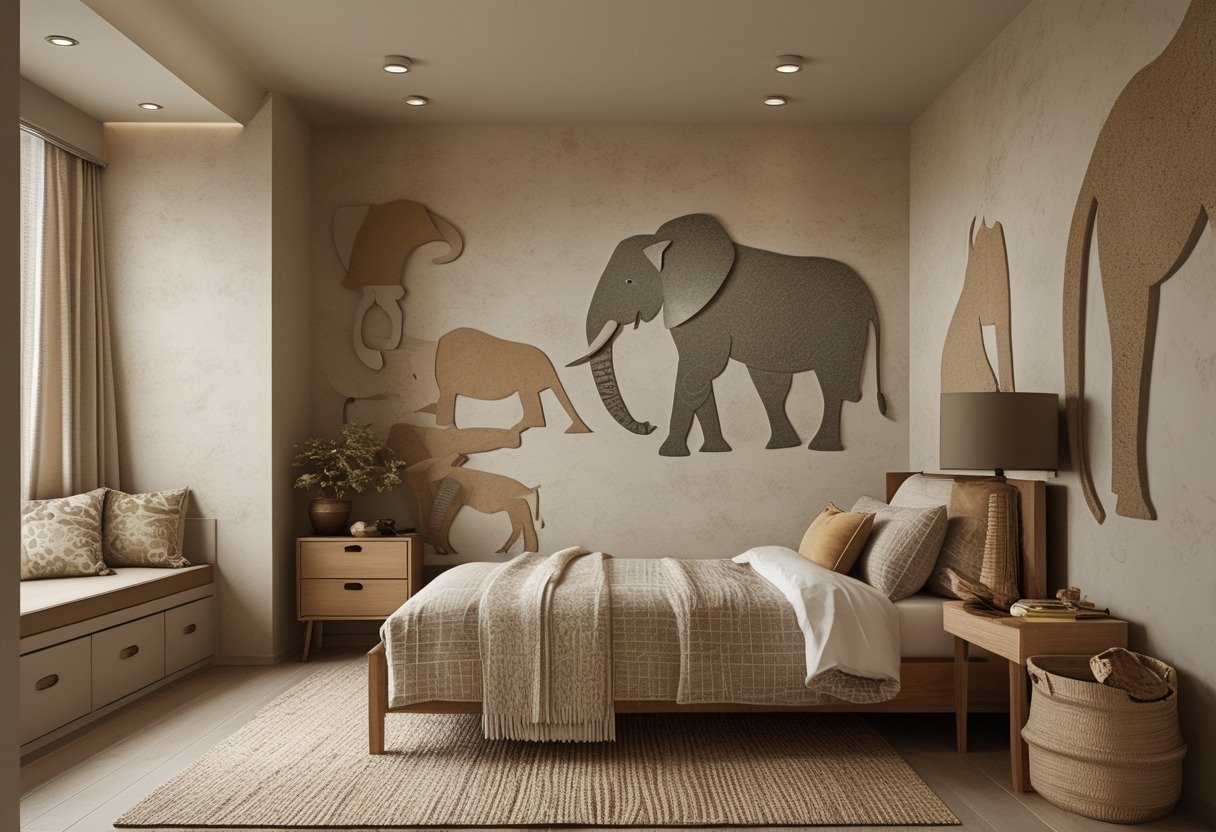
Choose soft neutrals like beige, cream, and sage to keep the room calm and cozy. These colors let playful accents stand out without feeling busy.
Add textured wall decals of leaves, animals, or tracks for depth. Peel-and-stick decals are easy to apply and remove as your child grows.
Mix in natural materials like woven baskets and linen cushions to reinforce the safari feel. Texture keeps the space warm and tactile for play and rest.
4) DIY pallet shelving for toy and book storage
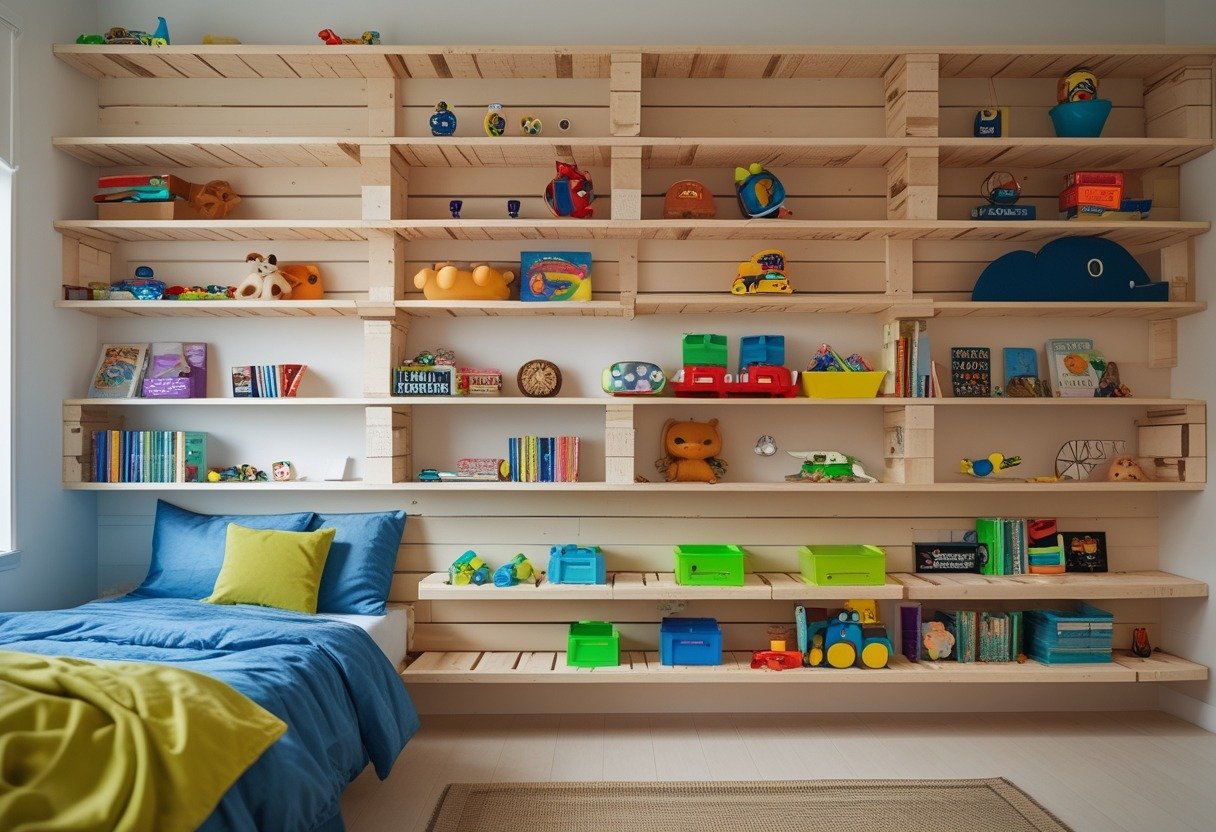
You can turn pallets into sturdy shelves for toys and books without spending much. Sand and seal the wood, then cut and stack slats to fit your wall space.
Paint or stain to match your room. Add small bins or rope handles to keep items tidy and easy to reach.
Mount shelves low so your child can access favorites safely. Secure brackets to studs for stability and check for splinters before use.
5) Racing-car bed frame in red with low profile
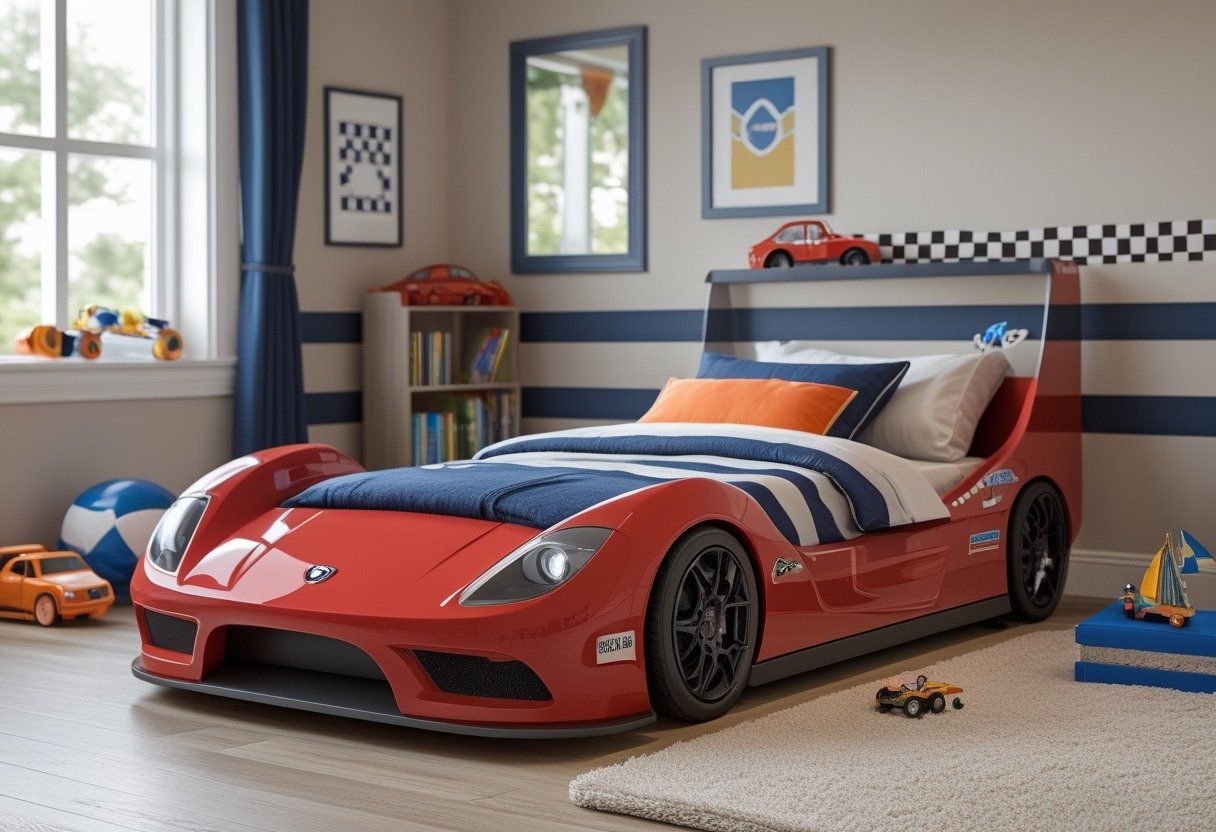
You can make the bed the room’s focal point with a red racing-car frame that sits low to the floor. Low profile design helps younger kids climb in and out by themselves and lowers fall risk.
Choose a sturdy platform model with slats so you don’t need a box spring. Look for LED headlights or wheels for playful detail, but keep safety and durable materials as top priorities.
6) Interactive chalkboard accent wall
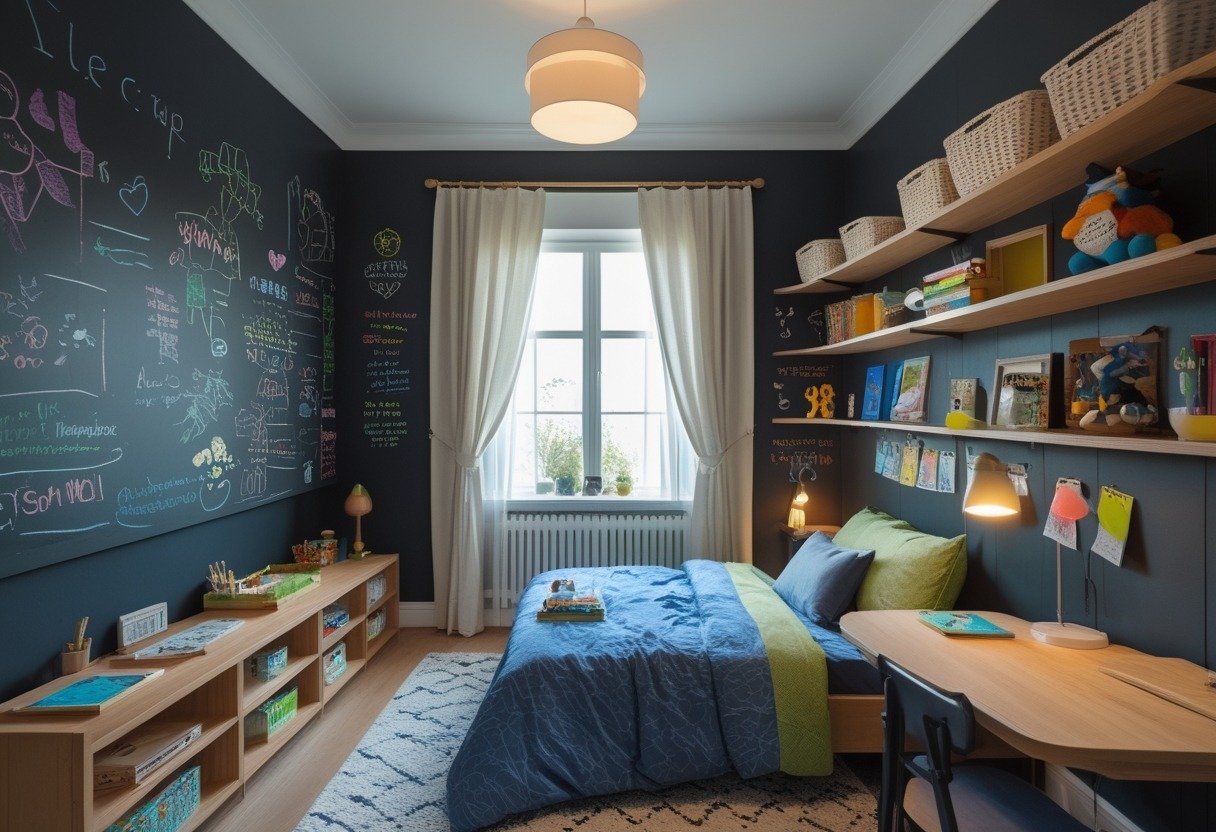
Give your child a wall they can draw on, erase, and redo without worry. Chalkboard paint turns a plain wall into a play surface for doodles, learning, and daily reminders.
You can paint a full wall or a framed accent area. Add trim or magnetic primer for more function and a neater look.
Keep chalk and erasers nearby in buckets or small shelves. This makes cleanup easy and keeps the space organized.
7) Floating bedside ledge shelves with USB ports
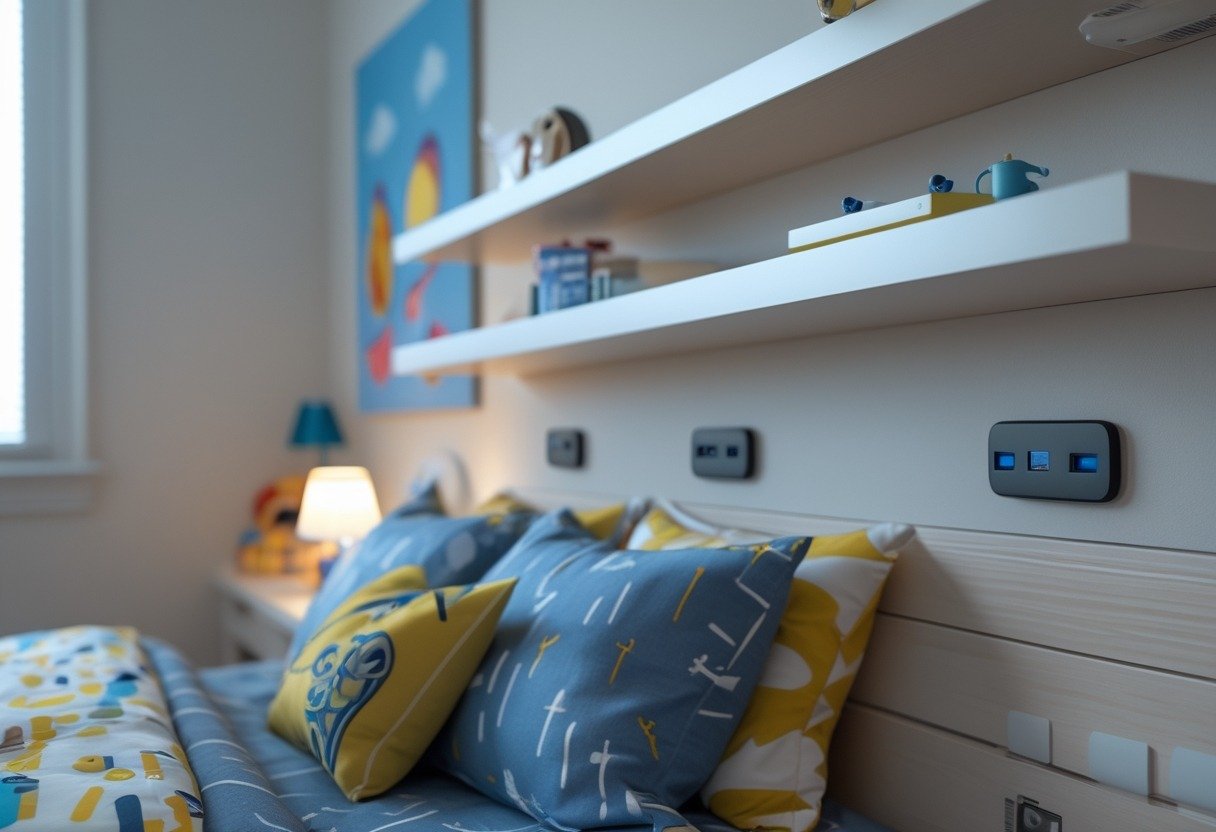
You get a clean, modern nightstand without taking up floor space. These wall-mounted ledges hold a book, phone, or alarm clock and keep cords tidy.
Many models include USB ports or AC outlets so you can charge devices overnight. Pick a sturdy wood or metal shelf and mount it at a kid-friendly height for safety and reach.
8) Montessori floor bed with soft linen bedding
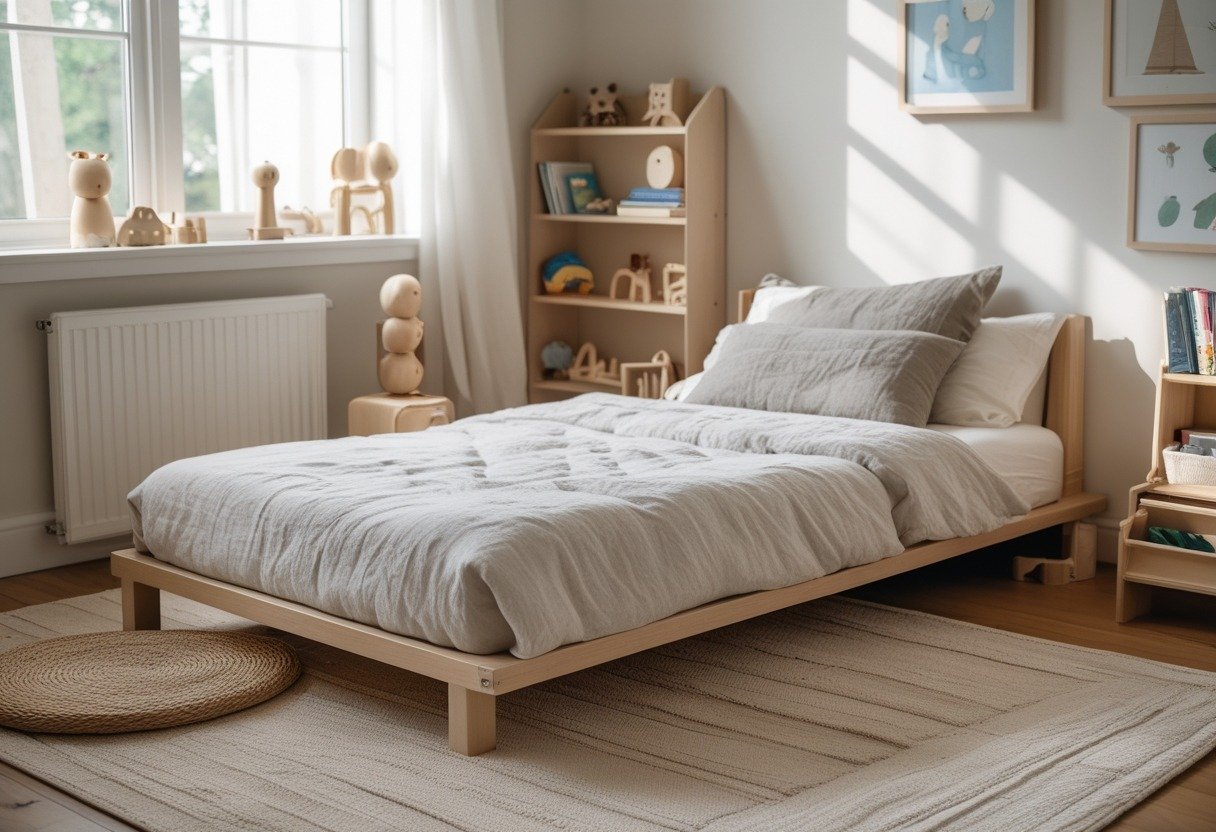
A low floor bed lets your child climb in and out safely and build independence. Place a simple wooden frame or mattress on the floor and keep toys and books within reach.
Choose breathable linen sheets and a light duvet for comfort and easy washing. Use neutral colors or soft pastels to keep the room calm and reduce visual clutter.
9) Vintage map wallpaper for explorer theme
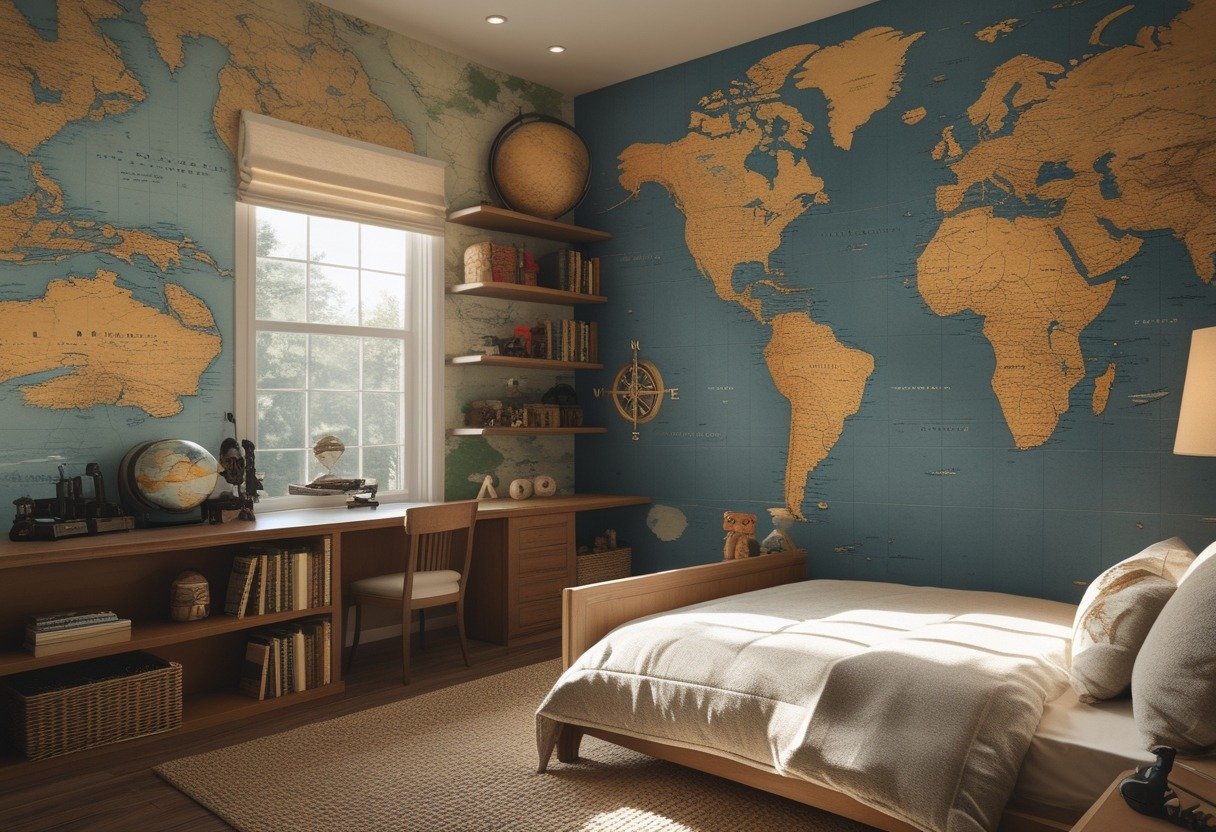
Choose vintage map wallpaper to turn your child’s room into an explorer’s lair. The faded colors and old-style charts add character without overwhelming the space.
Use peel-and-stick options for easy changes as your child grows. Pair maps with wooden shelves, globes, and leather accents to keep the theme cohesive and durable.
10) Bedding and rugs in calming ocean blues
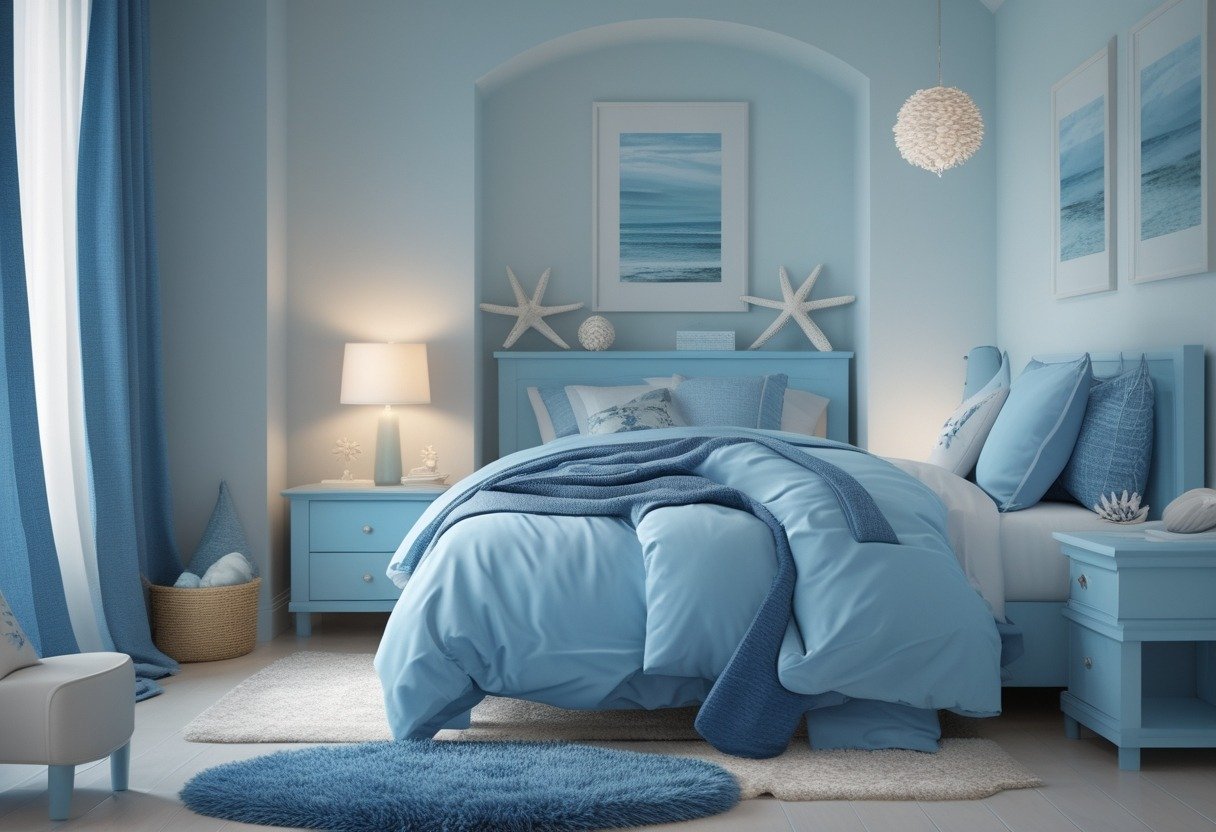
Choose bedding in soft ocean blues to make your child’s room feel calm and steady. Mix solid sheets with a patterned duvet or throw for visual interest without clutter.
Pick a low-pile rug in sandy or sea-glass tones to add warmth and reduce noise. These colors work well with wood furniture and simple nautical accents.
Design Principles for a Functional Space
Focus on clear zones, smart storage, and furniture that grows with your child. Prioritize safety, easy cleanup, and surfaces that support both play and schoolwork.
Balancing Play and Study Areas
Define two distinct zones within the room so play doesn’t spill into homework time. Place the desk near a window for natural light and put toy bins or a play rug on the opposite side. This separation helps your child switch modes quickly.
Choose a desk with a simple layout: flat work surface, one shelf for books, and a drawer for pens. Use task lighting that clips to the desk and a lamp with a warm LED bulb. Keep the study zone free of screens during homework by routing outlets and charging stations away from the desk.
Make the play area flexible. Use a low table or foldable mat for crafts and puzzles. Keep frequently used toys in open bins and rotate items monthly to reduce clutter. A small corkboard or whiteboard near the desk can hold schedules and reminders to reinforce routine.
Incorporating Storage Solutions
Think vertical and labeled to keep things organized. Install low shelves for toys and higher shelves for older-child items. Use clear bins or labeled baskets so your child can find and put away things independently.
Select multipurpose furniture: a bed with drawers, a bench that opens, or a bookcase with cubbies. Anchor tall units to the wall for safety. Reserve one shelf or drawer for school supplies and another for art materials to avoid mixing items.
Use hooks and a pegboard for backpacks, helmets, and jackets. Add a laundry hamper with a simple lid to hide dirty clothes. Regularly edit the stash: donate or store outgrown toys to keep storage working and the room tidy.
Choosing Safe and Durable Materials
Pick paints and finishes that don’t emit strong odors and choose solid, easy-to-clean furniture that resists dents and stains. Focus on labeled safety certifications and materials you can repair or refinish as your child grows.
Non-Toxic Paints and Finishes
Choose low-VOC or zero-VOC paints labeled by EPA Safer Choice or GreenGuard to cut indoor air pollution. These paints release fewer harmful chemicals, so your child breathes cleaner air during and after painting.
Look for water-based primers and finishes. They dry fast, have less smell, and clean up with soap and water. Avoid oil-based paints and solvent-heavy varnishes for walls and trim in kids’ rooms.
Check labels for “lead-free” and confirm any old paint is tested before sanding or scraping. Use non-toxic wood stains and water-based polyurethane on furniture to keep surfaces durable without strong fumes.
Long-Lasting Furniture Choices
Pick solid hardwoods like oak, maple, or birch for bed frames and dressers. These woods resist cracking and can be sanded and refinished if scuffed or marked.
Choose furniture with reinforced joints (dovetail or mortise-and-tenon) and metal corner brackets for long life. Avoid particleboard for load-bearing pieces; it swells with moisture and breaks more easily.
Select fabrics rated for stain resistance and easy washing—polyester blends or treated cottons work well. For mattresses, choose a certified foam or innerspring with removable, washable covers to extend use and hygiene.
