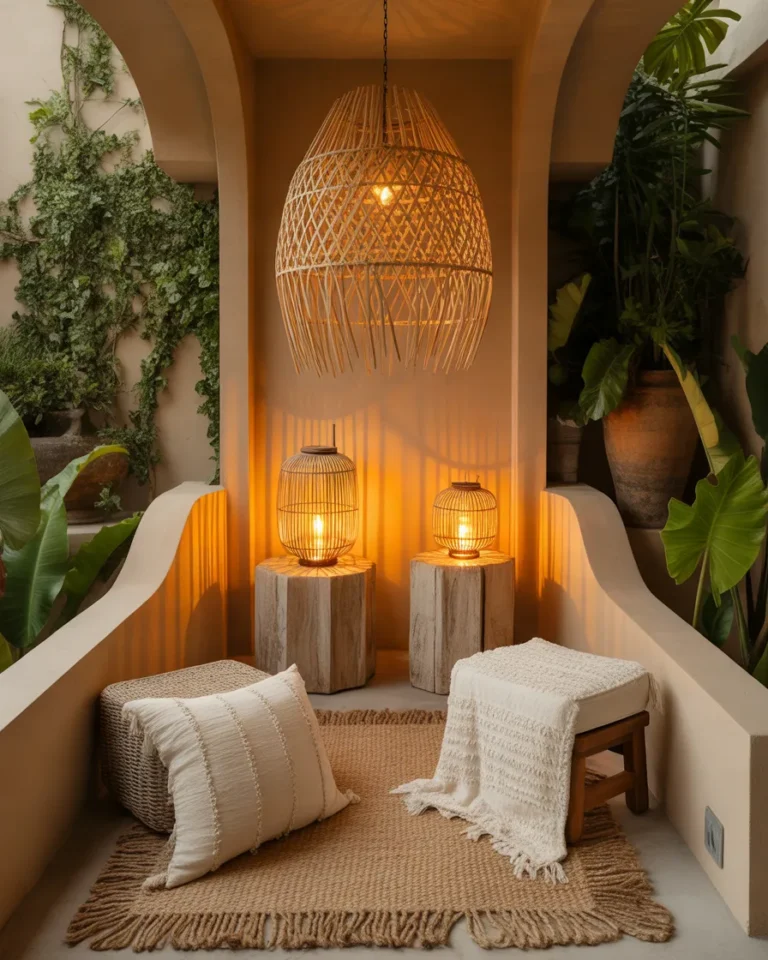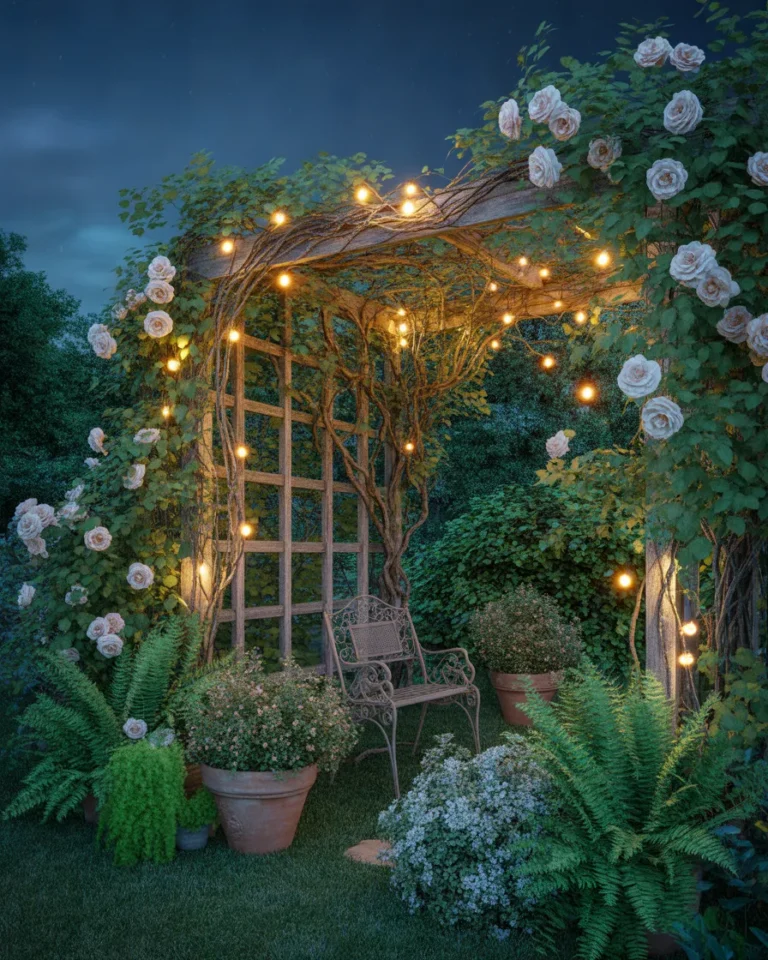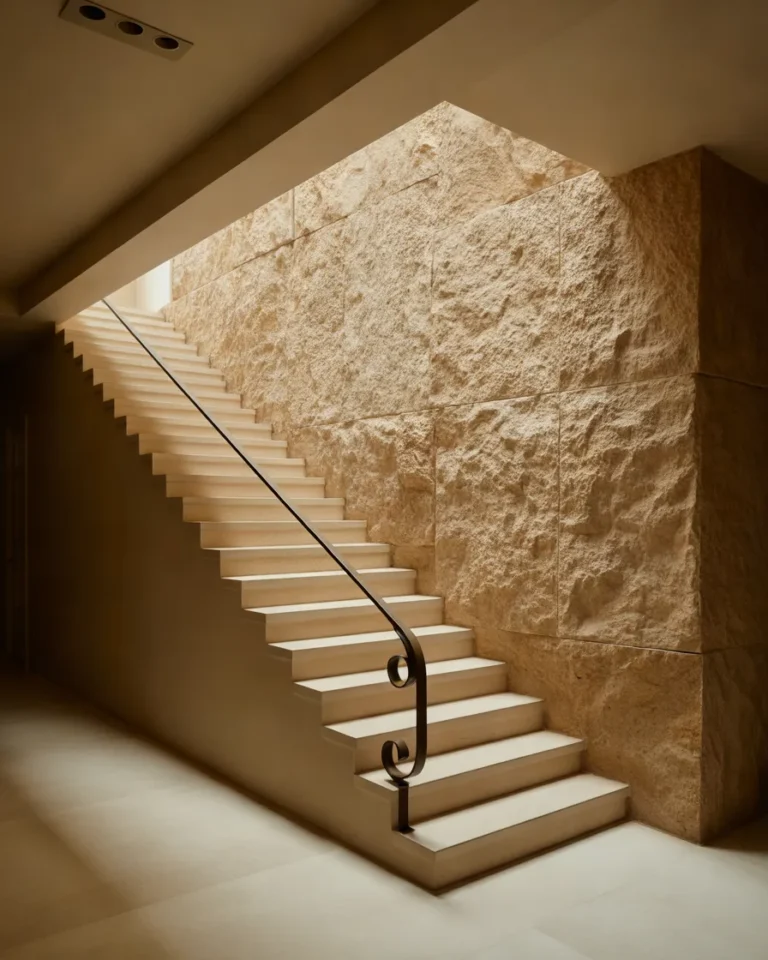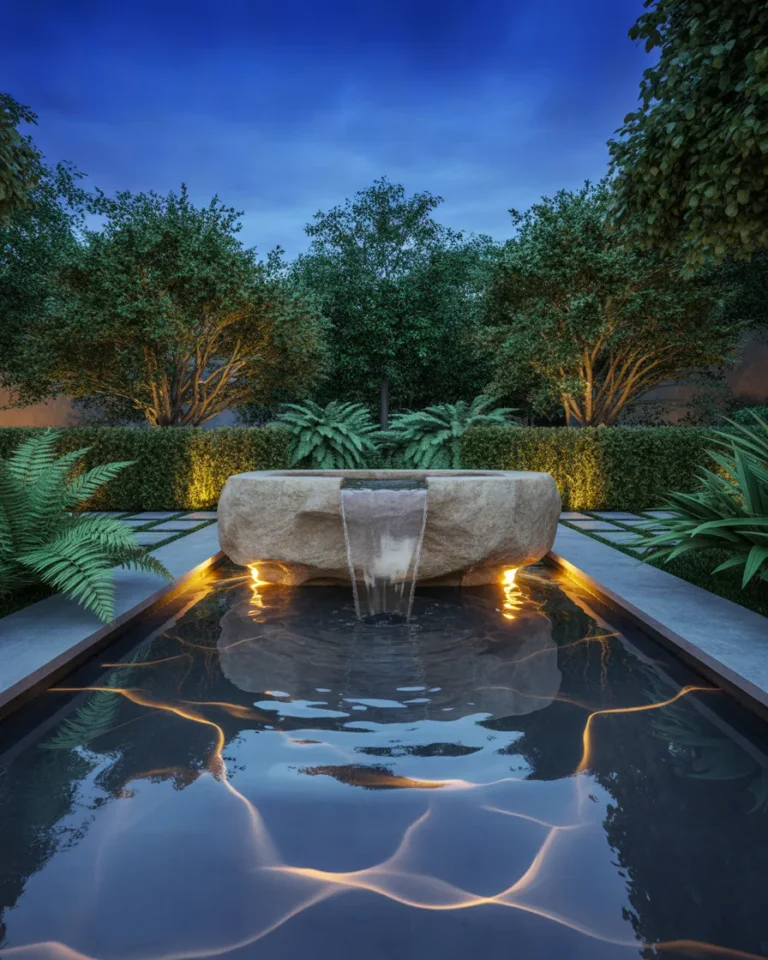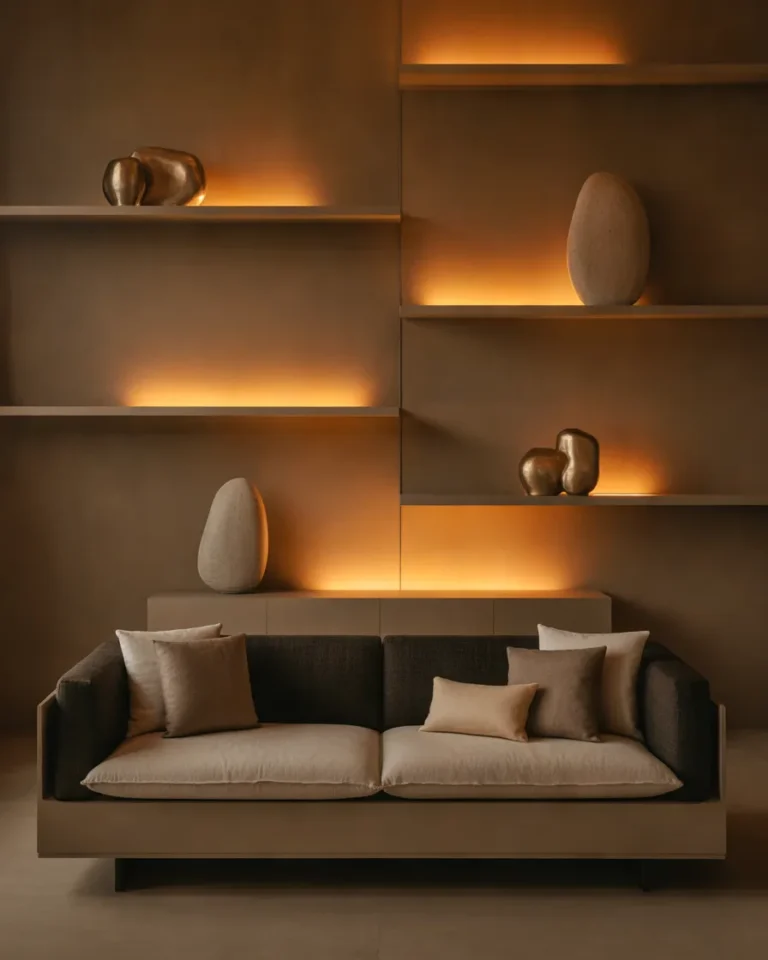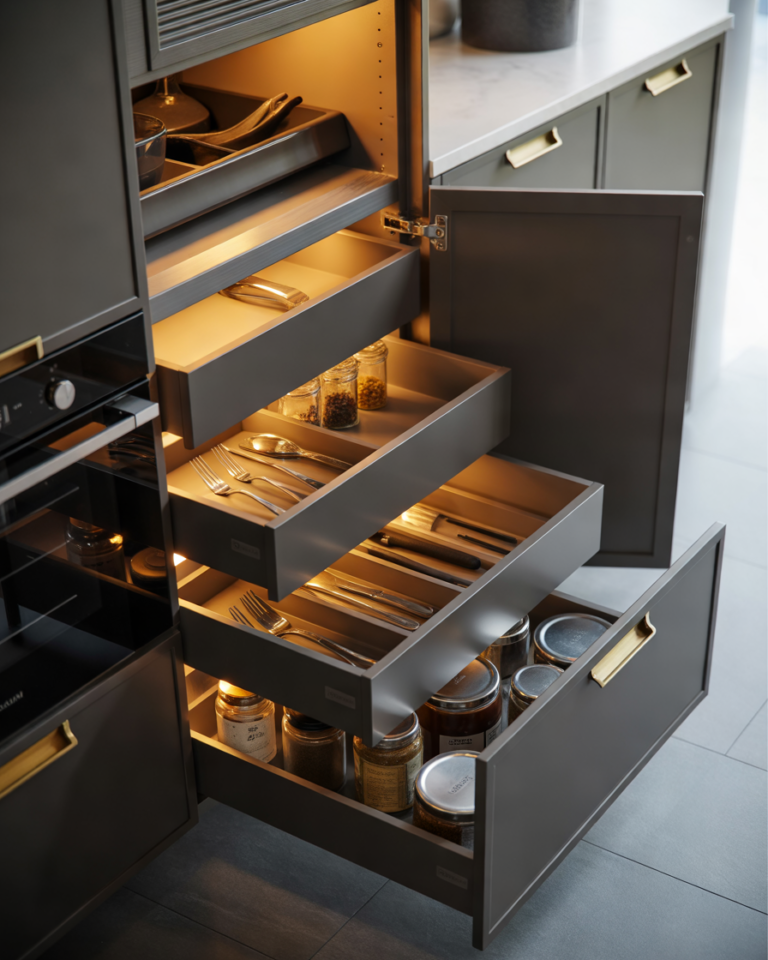
Wall lighting is one of those decorating details that can completely change how a room looks and feels. Sometimes, a space has beautiful furniture, carefully chosen paint colors, and lovely decorative accessories, yet something still seems missing. The walls may look empty, the corners may feel dark, or the room may lack the warm atmosphere that makes a house feel like home. This is where thoughtful wall lighting can make a remarkable difference.
The best wall lighting ideas do much more than illuminate a room. They introduce texture, highlight architectural features, create beautiful shadows, and add personality to otherwise ordinary walls. Whether you prefer a modern minimalist interior, a cozy farmhouse aesthetic, a luxurious contemporary home, or a classic traditional setting, the right wall lights can bring your decorating vision together.
One of the biggest advantages of wall lighting is its versatility. You can use decorative wall sconces beside your bed, install adjustable reading lights in a comfortable reading corner, highlight artwork in your living room, or introduce elegant LED fixtures along a hallway. Unlike large ceiling fixtures, wall lights can provide focused illumination without taking up valuable floor or table space.
Another reason to consider wall lighting is the flexibility it offers. You can combine different lighting styles, experiment with warm and cool tones, and choose fixtures that complement your existing furniture and finishes. Even a simple wall can become an attractive design feature with the right placement and lighting arrangement.
If you are planning to refresh your interiors, these 15 wall lighting ideas will help you discover beautiful ways to brighten your home while creating a more welcoming and thoughtfully designed environment.
1. Modern Minimalist Wall Sconces for a Clean and Elegant Look
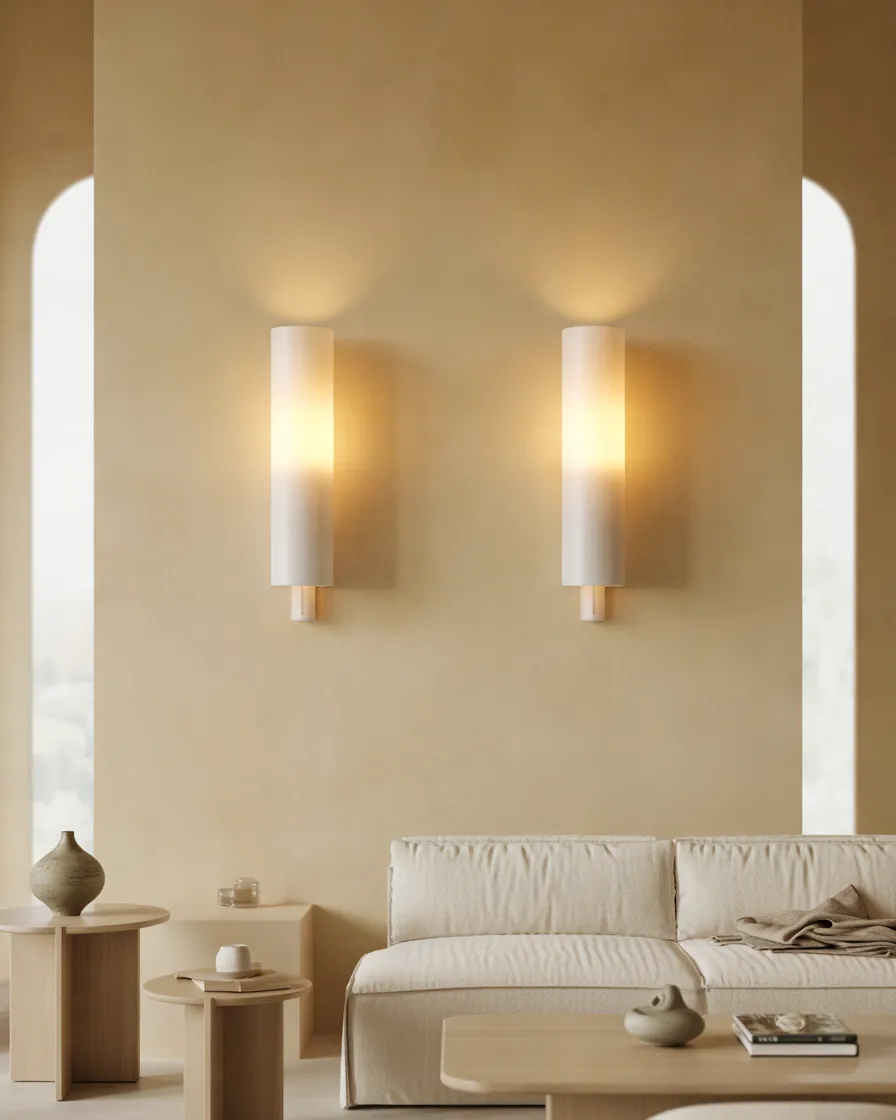
Minimalist wall sconces are an excellent choice if you appreciate interiors that feel calm, organized, and sophisticated. Their simple shapes and understated finishes make them easy to incorporate into almost any modern home. Rather than drawing attention through elaborate decoration, these fixtures create an elegant appearance through their proportions, materials, and lighting effects.
Look for sconces with cylindrical, rectangular, or softly rounded designs. Matte black, brushed brass, white, and brushed nickel are particularly versatile finishes. A slim black wall light against a cream or light beige wall, for example, creates a subtle contrast without making the space feel visually crowded.
In a living room, minimalist sconces work beautifully on either side of a sofa, fireplace, or decorative wall panel. In bedrooms, they can replace traditional bedside lamps, freeing up space on nightstands for books, accessories, and other essentials.
Placement is important when choosing this style. Install the fixtures at a comfortable viewing height and make sure their light does not shine directly into people’s eyes. If you are using two sconces together, position them symmetrically for a balanced appearance.
For a more inviting atmosphere, select warm-white bulbs around 2700K–3000K. Dimmable fixtures are particularly useful because they allow you to adjust the brightness depending on the time of day.
2. Statement Brass Wall Lights for a Luxurious Interior
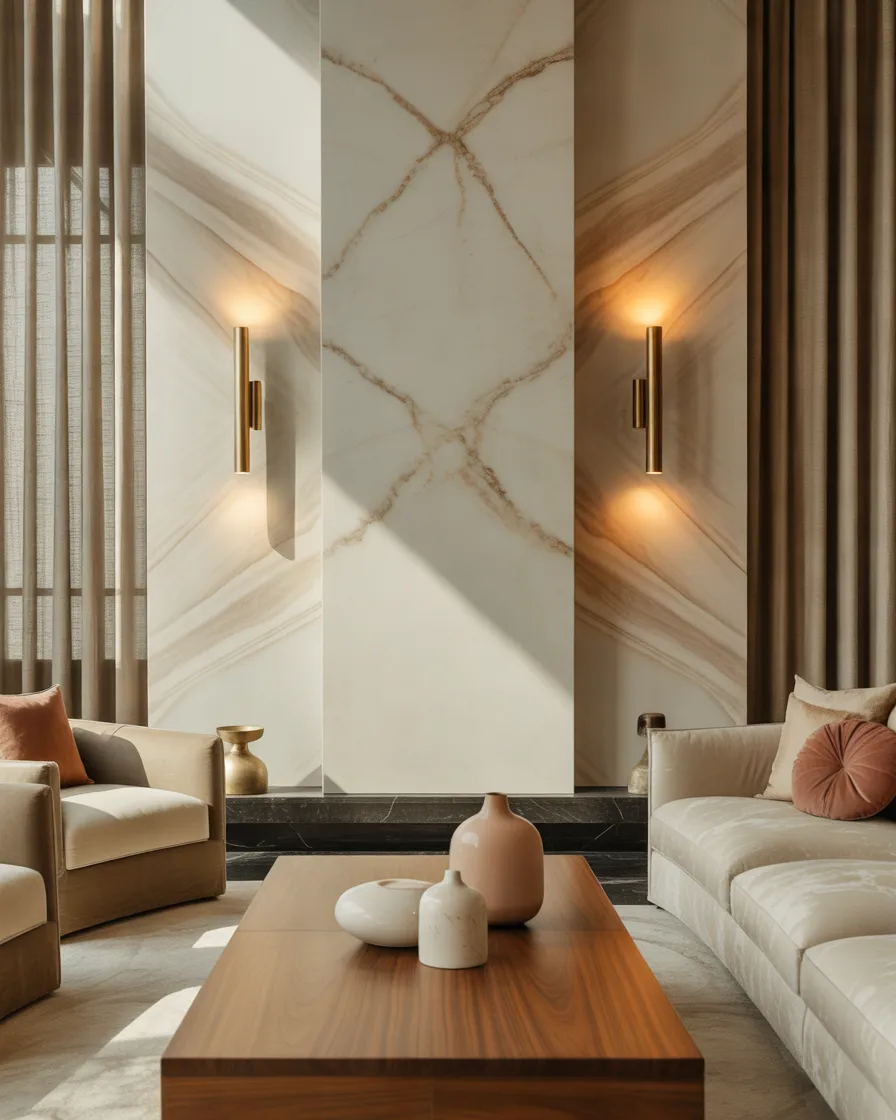
If you want your walls to look more sophisticated without completely redesigning your interior, brass wall lights are worth considering. Their golden finish adds warmth, richness, and a decorative touch that can make even a relatively simple room feel more luxurious.
Brass fixtures work particularly well in interiors featuring marble, natural stone, dark wood, velvet furniture, and neutral-colored walls. Their reflective surfaces catch the surrounding light and create an attractive glow, especially during the evening.
One beautiful approach is to install a pair of brass sconces on either side of a large mirror or artwork. This arrangement creates a balanced focal point and makes the entire wall feel intentionally designed. You can also use brass fixtures beside a bedroom headboard or along a hallway to introduce a more refined atmosphere.
There are several brass finishes to explore. Polished brass offers a glamorous appearance, while brushed brass feels softer and more contemporary. Antique brass is particularly attractive if you enjoy vintage-inspired interiors.
To prevent the room from looking overly decorated, coordinate your wall lights with only a few other brass details. For example, matching cabinet handles, picture frames, or table accessories can create a consistent design without overwhelming the space.
When selecting these fixtures, pay attention to their size. Oversized brass sconces can look impressive on larger walls, while compact designs are often better suited to narrow spaces and smaller bedrooms.
3. LED Strip Wall Lighting for a Contemporary Feature Wall
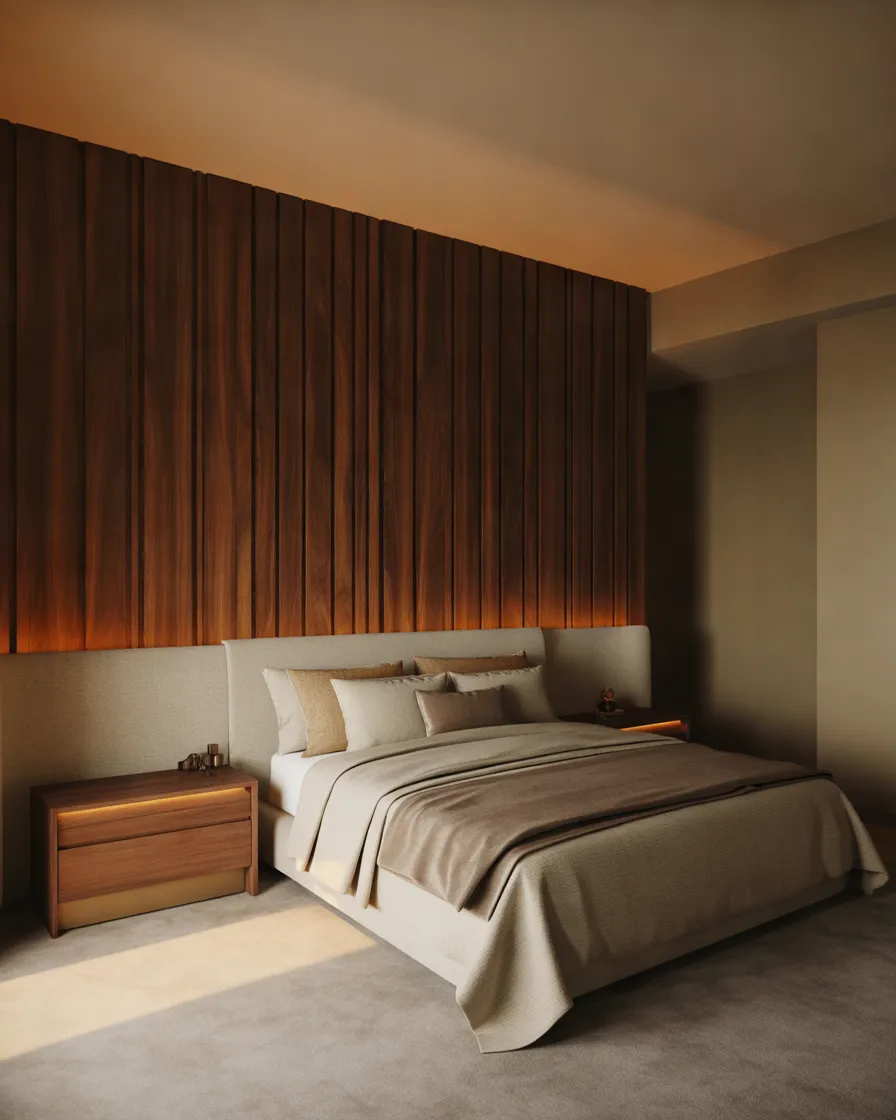
LED strip lighting is a creative way to introduce a modern atmosphere without relying on traditional decorative fixtures. Its slim design makes it possible to incorporate light into architectural details, floating panels, wall recesses, shelves, and decorative installations.
One of the most attractive applications is concealed LED lighting behind wooden wall panels. The light gently spreads across the surrounding surface, emphasizing the texture and creating depth. This technique works particularly well behind television units, bedroom headboards, and living room feature walls.
You can also install LED strips along the edges of recessed wall panels or beneath floating shelves. These arrangements produce an attractive floating effect, making ordinary architectural elements appear more sophisticated.
When choosing LED strips, consider their color temperature and brightness. Warm-white lighting creates a comfortable residential atmosphere, while neutral white may be more suitable for contemporary workspaces or areas where clearer visibility is important.
For a more flexible installation, consider dimmable LED strips. Some systems also offer adjustable color temperatures, allowing you to switch between warm and neutral illumination.
However, the quality of installation makes a significant difference. Conceal the LED strip behind an appropriate diffuser or within a recessed channel to avoid visible individual light points. This creates a smoother, more professional finish.
4. Industrial-Style Wall Lights for an Urban and Modern Look
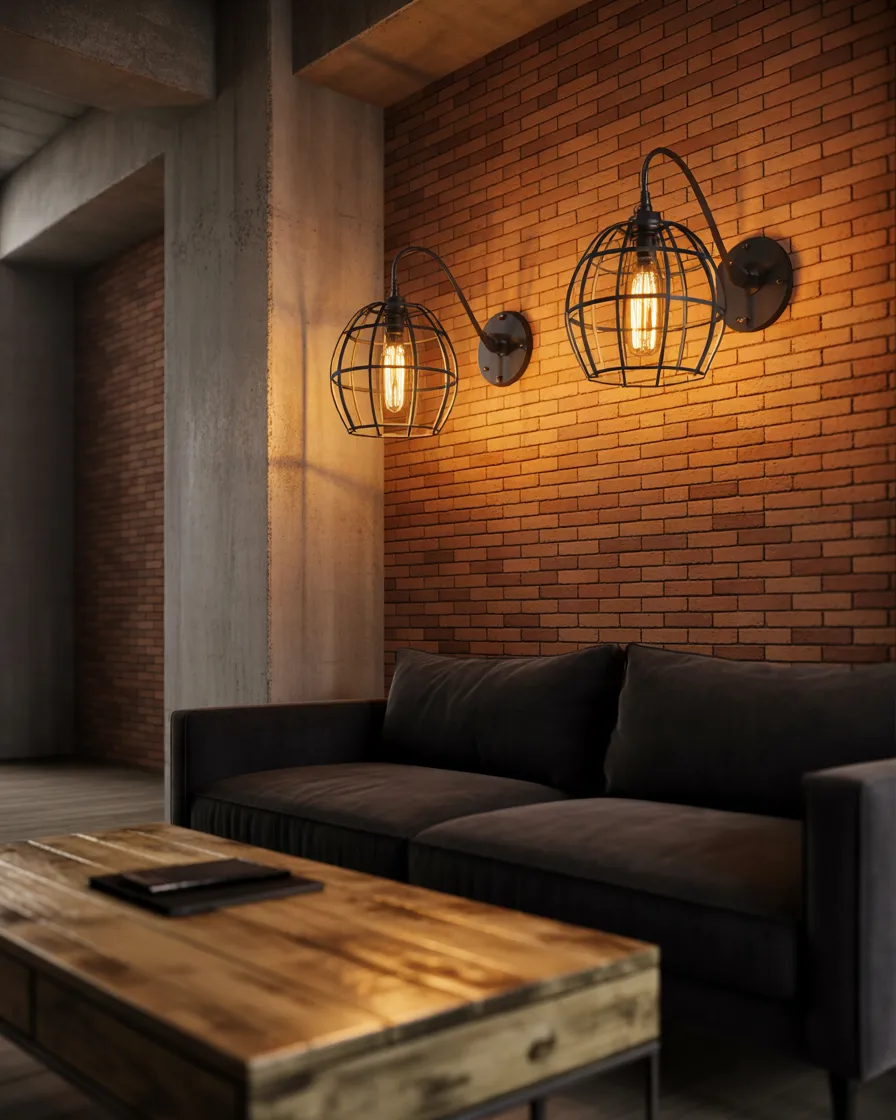
Industrial-style wall lights are perfect for homeowners who enjoy bold interiors, raw materials, and distinctive architectural details. Inspired by converted warehouses and urban lofts, this lighting style combines practical illumination with a strong decorative personality.
The most recognizable designs feature black metal frames, exposed bulbs, cage-style shades, adjustable arms, and vintage-inspired finishes. These fixtures look particularly attractive against exposed brick, concrete-effect walls, dark wooden panels, and textured plaster.
In a living room, consider placing industrial sconces beside a large piece of artwork or above a console table. In a bedroom, adjustable metal wall lights can provide practical reading illumination while adding character to the space.
You do not need an industrial-style home to enjoy this look. Even one or two black metal fixtures can introduce an interesting contrast into a contemporary or Scandinavian-inspired interior.
For a cohesive appearance, combine black wall lights with dark window frames, metal furniture legs, or simple black decorative accessories. Choose exposed LED filament bulbs if you appreciate the vintage appearance, but make sure the brightness is comfortable for the intended activity.
5. Bedroom Wall Lights for a Stylish and Clutter-Free Bedside
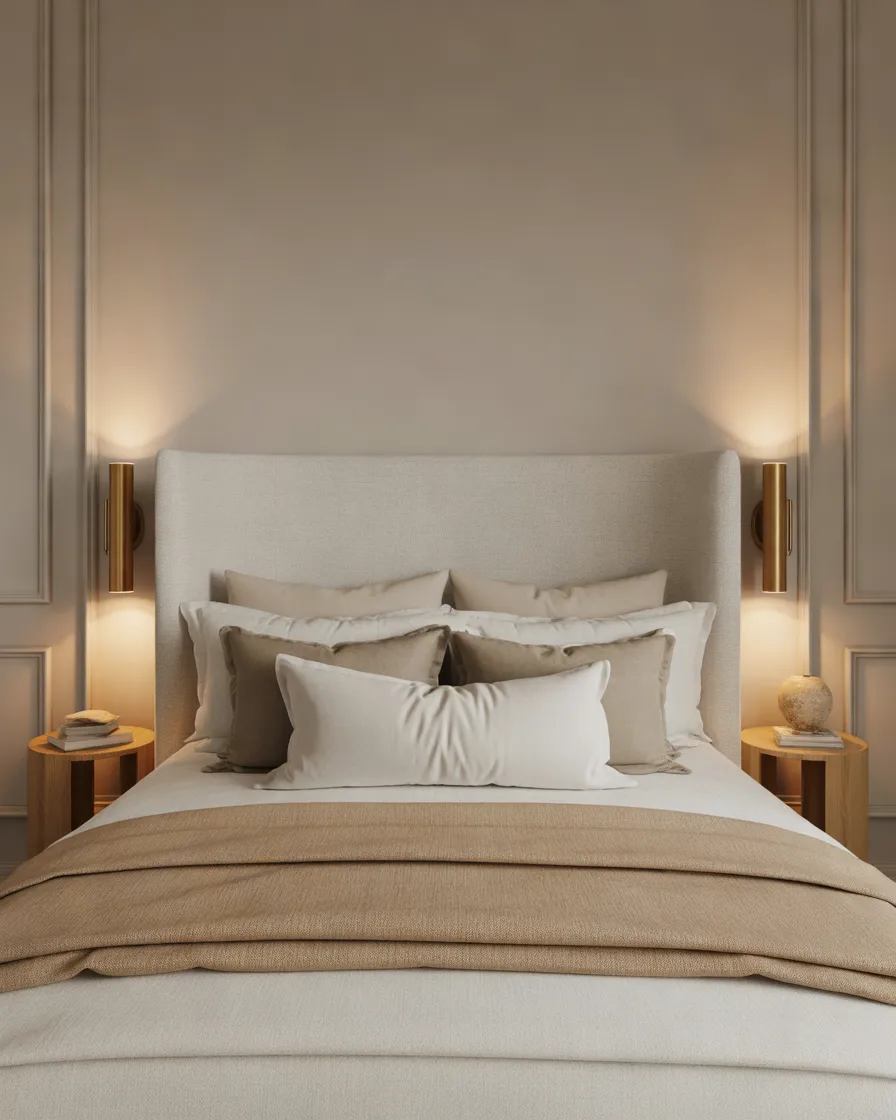
The bedroom is one of the best places to experiment with wall lighting because it needs both comfortable illumination and a relaxing atmosphere. Traditional bedside lamps are useful, but wall-mounted fixtures offer a cleaner arrangement and help free up valuable space on bedside tables.
A popular approach is to install matching wall lights on either side of the headboard. This creates symmetry and gives the bed a more finished appearance. You can choose simple fabric-shaded sconces, modern brass fixtures, or adjustable reading lights depending on your preferred decorating style.
For a cozy bedroom, consider fixtures that direct light downward or diffuse it through a fabric or frosted-glass shade. These designs create softer illumination than exposed bulbs and are more comfortable when relaxing before sleep.
The position of your lights matters just as much as their appearance. Ideally, reading lights should be positioned so you can comfortably reach their switches while lying in bed. Their beams should illuminate your book without shining directly into your partner’s eyes.
If you have a small bedroom, wall-mounted lighting can be especially useful because it eliminates the need for bulky bedside lamps.
Choose warm-white lighting and consider separate switches for each side of the bed. This makes the arrangement more practical for couples with different sleeping schedules.
6. Up-and-Down Wall Lights for Beautiful Architectural Effects
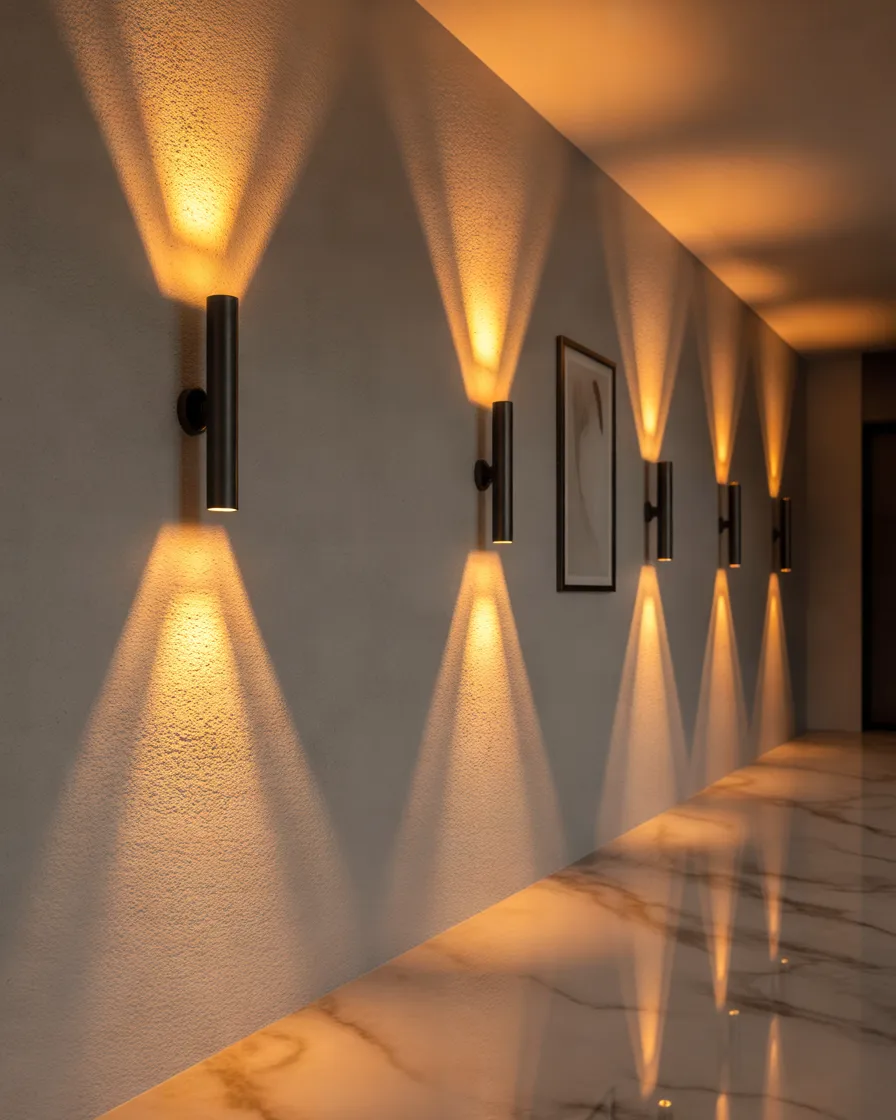
Up-and-down wall lights are a beautiful option when you want lighting to become part of your wall’s architectural design. Instead of illuminating only one direction, these fixtures distribute light upward and downward, creating two attractive beams.
This lighting arrangement works particularly well on tall walls, staircases, entrance areas, and contemporary living rooms. The upward beam draws attention to the height of the wall, while the downward beam provides useful illumination around the fixture.
You can find these lights in cylindrical, rectangular, and geometric designs. Black aluminum fixtures offer a striking modern appearance, while white and metallic finishes blend more subtly into lighter interiors.
One of my favorite ways to use this style is along a hallway. Installing several matching fixtures at consistent intervals creates a repeating pattern that makes a simple corridor feel more thoughtfully designed.
These lights also work beautifully on textured walls. Their directional beams highlight decorative plaster, stone finishes, and vertical wall panels by creating attractive shadows.
When planning installation, consider the spacing between fixtures and the height of the ceiling. Avoid placing too many lights close together, as this can make the wall look excessively bright.
7. Decorative Glass Wall Sconces for a Soft and Elegant Glow
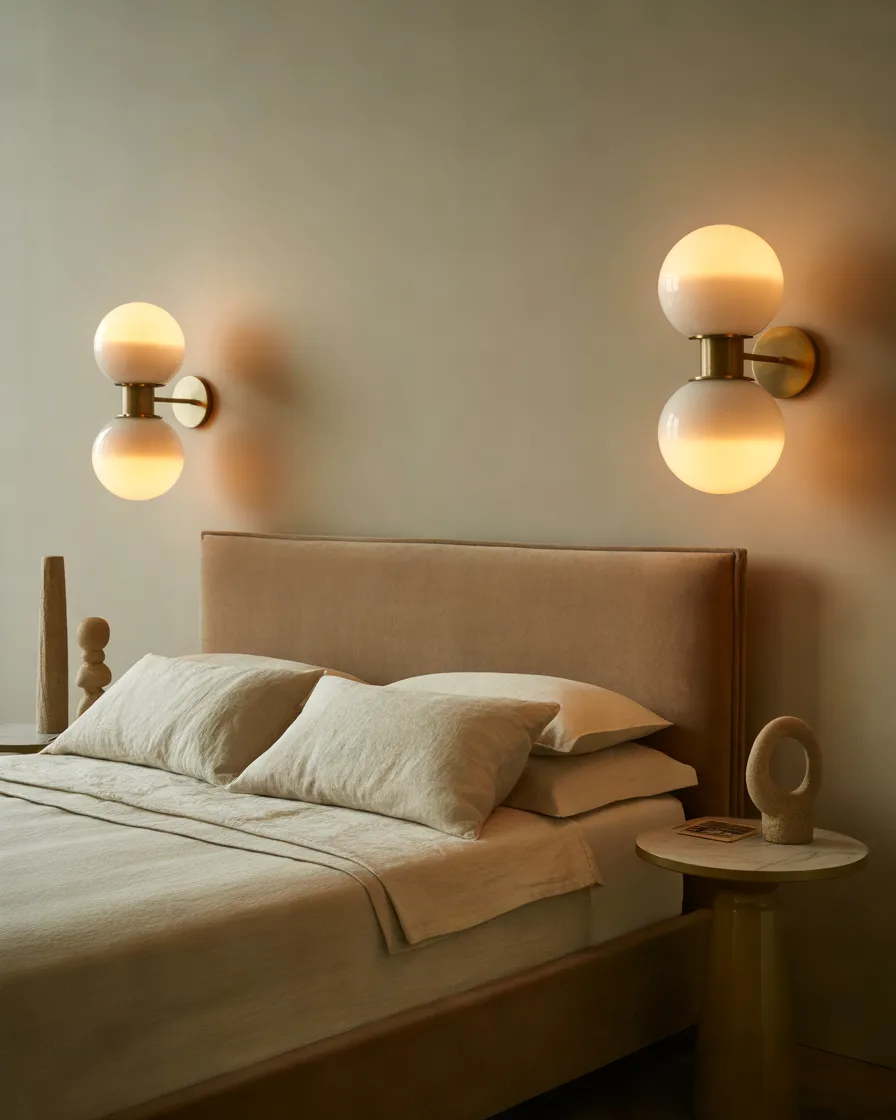
Glass wall sconces are an excellent choice if you want your lighting to feel decorative without becoming visually heavy. Their transparent, frosted, or textured shades soften the appearance of the fixture and distribute light beautifully throughout the surrounding area.
Globe-shaped glass sconces are especially popular in contemporary interiors. They can introduce a gentle sculptural detail to a wall while maintaining a clean and elegant appearance.
For a sophisticated living room, consider frosted-glass globes attached to brushed brass or polished chrome bases. These combinations look beautiful against cream walls, marble finishes, and neutral furniture.
Clear glass fixtures are another option, especially if you want to showcase an attractive LED filament bulb. Ribbed or fluted glass offers additional texture and can make a simple wall fixture feel more distinctive.
In bedrooms, glass sconces work beautifully beside mirrors, dressing tables, or upholstered headboards. Their soft illumination is useful when you want a comfortable atmosphere rather than harsh overhead lighting.
Before purchasing, consider how easy the glass shade will be to clean. Dust and fingerprints can become noticeable on transparent surfaces, particularly in frequently used areas.
8. Picture Lights to Highlight Your Favorite Artwork
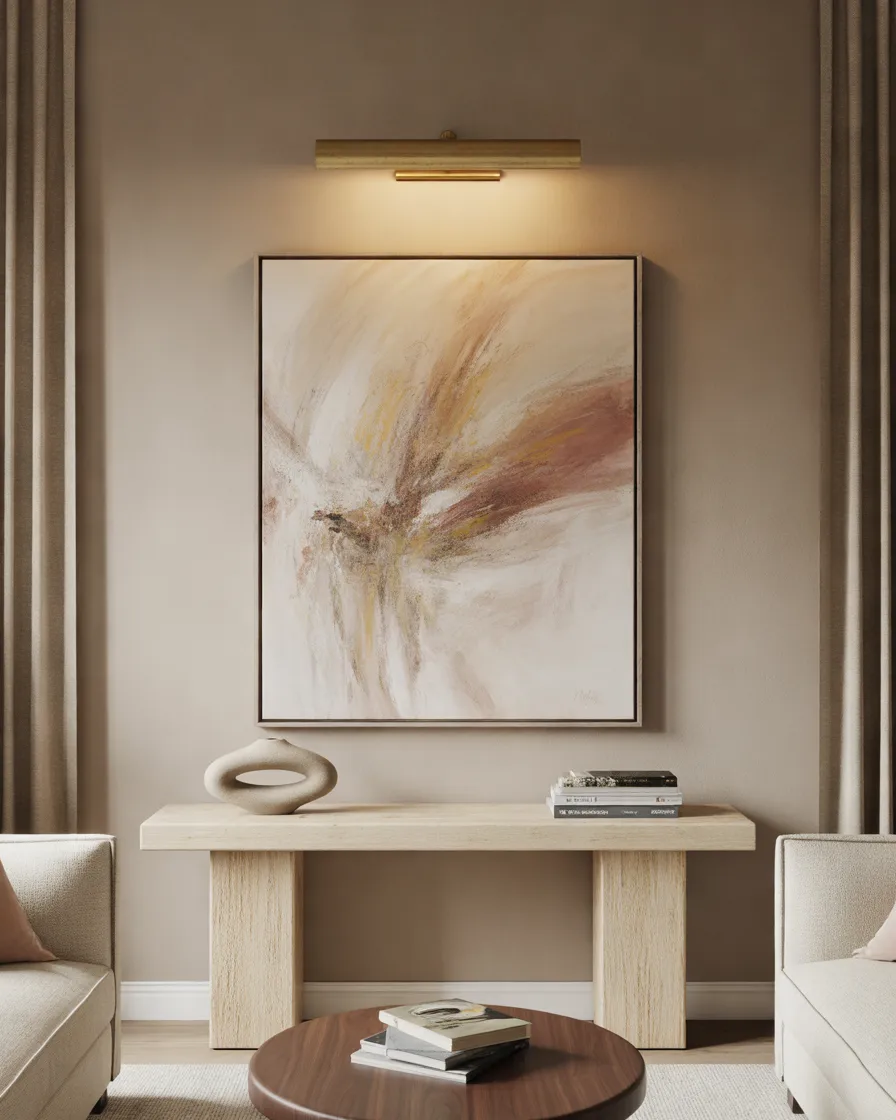
If you have beautiful paintings, family photographs, or framed prints at home, picture lights can help turn them into attractive focal points. These specialized wall fixtures are designed to illuminate artwork, drawing attention to its colors, textures, and details.
Picture lights are generally installed above the artwork, with their beams directed toward the frame. They are available in traditional brass designs, contemporary black finishes, slim LED bars, and adjustable models.
For a classic living room, an antique-brass picture light above an oil painting can create a refined gallery-inspired atmosphere. In a modern home, a slim matte-black fixture can complement minimalist photography or abstract artwork.
You can also use picture lights in hallways and dining rooms to highlight a carefully arranged collection of framed pictures.
One important consideration is light intensity. Artwork should be illuminated evenly without creating excessive glare or hotspots. For valuable original artwork, choose suitable low-heat LED fixtures and follow conservation recommendations regarding light exposure.
If you are decorating a gallery wall, you may prefer individual picture lights for selected pieces rather than installing a light above every frame. This creates a more balanced arrangement.
9. Swing-Arm Wall Lights for Flexible Reading and Everyday Use
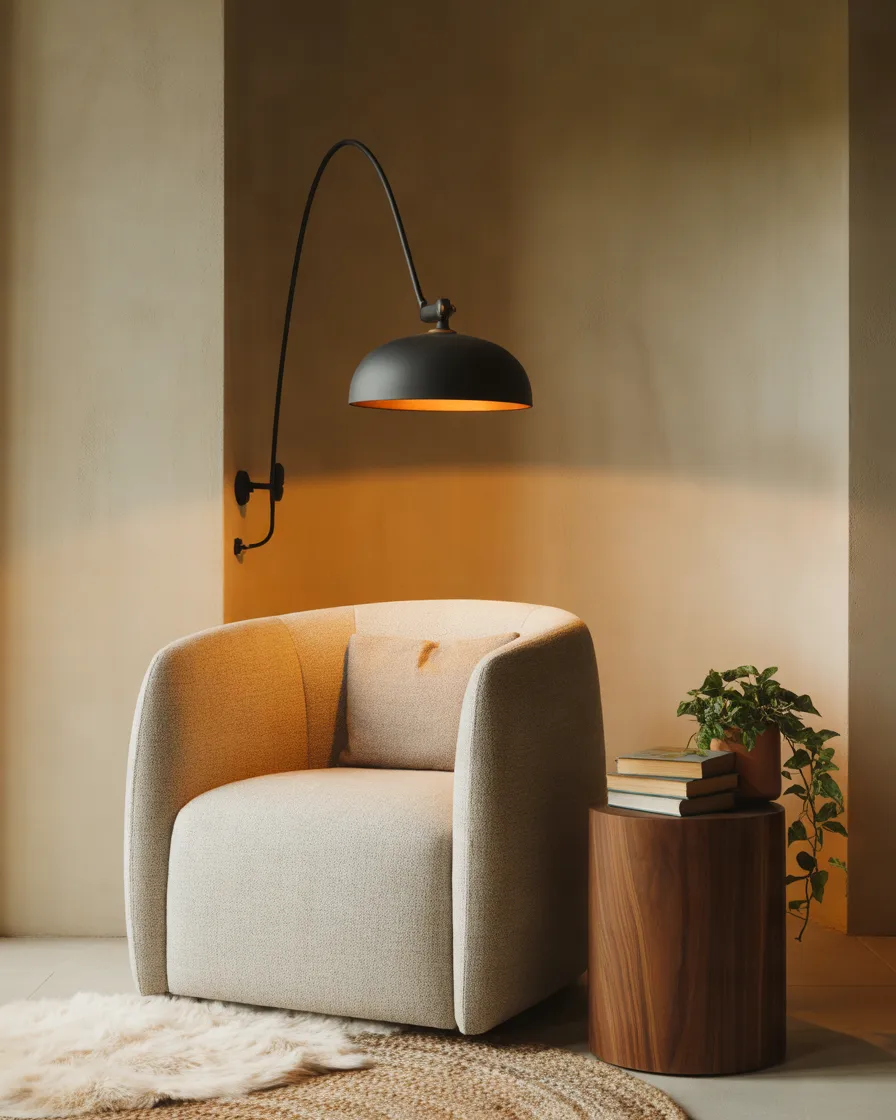
Sometimes the best lighting solution is one that combines attractive design with everyday convenience. Swing-arm wall lights do exactly that. Their adjustable arms allow you to direct illumination wherever it is needed, making them particularly useful for reading, working, and other focused activities.
These fixtures are available in traditional metal designs, contemporary minimalist styles, and fabric-shaded versions. Some have extendable arms, while others feature adjustable heads that can be tilted in different directions.
A swing-arm light beside a comfortable reading chair can create a practical little reading corner. You can also install one beside your bed to enjoy focused illumination without placing a lamp on your nightstand.
In a home office, an adjustable wall light can provide supplementary task lighting while keeping your desk relatively uncluttered.
Consider the maximum extension of the arm before purchasing. The fixture should reach the intended seating or working position comfortably without obstructing movement.
Look for models with accessible switches, dimming options, and adjustable heads. These details make a considerable difference in everyday usability.
For a timeless appearance, choose matte black, brushed brass, or dark bronze finishes that complement your furniture and existing hardware.
10. Recessed Wall Lighting for a Seamless Modern Interior
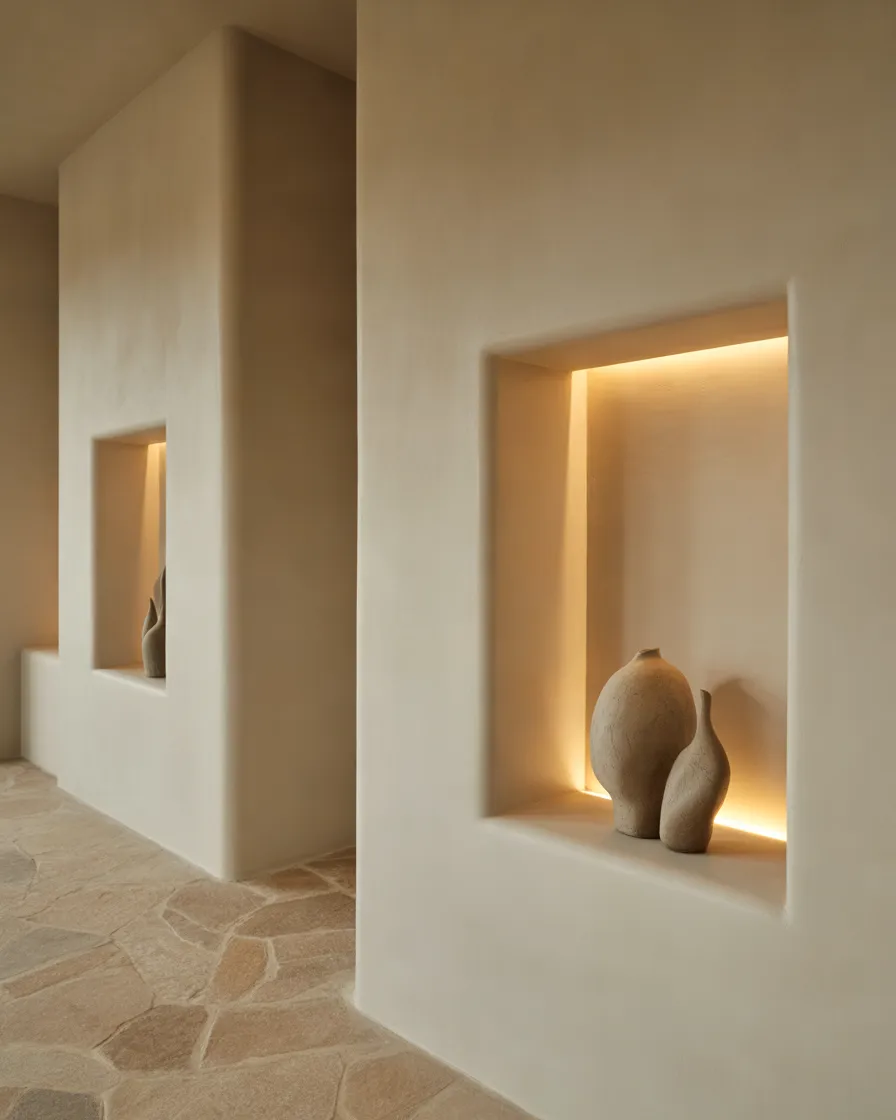
Recessed wall lighting is ideal if you prefer a clean interior where lighting fixtures do not dominate the overall design. Instead of mounting decorative lamps onto the wall, recessed fixtures are integrated into the architecture, producing a more streamlined appearance.
This approach can be used in decorative wall niches, staircases, living room feature walls, and modern corridors. Small recessed LED fixtures can provide subtle illumination while emphasizing architectural details.
One particularly attractive idea is to introduce illuminated wall niches in a living room. You can use these spaces to display sculptures, ceramic accessories, books, or decorative objects. Concealed lighting inside the niches helps draw attention to the displayed items without requiring additional table lamps.
Recessed lighting also works well along staircases. Low-level fixtures installed at suitable intervals can help illuminate steps and improve visibility after dark.
Planning is essential because recessed fixtures usually require coordination with wall construction, electrical wiring, and available installation depth. They are easier to incorporate during renovations or new construction than after walls have been finished.
Choose fixtures with appropriate brightness and beam direction. The goal is to create comfortable, controlled illumination rather than unnecessarily bright spots.
11. Vintage Wall Lanterns for Timeless Character
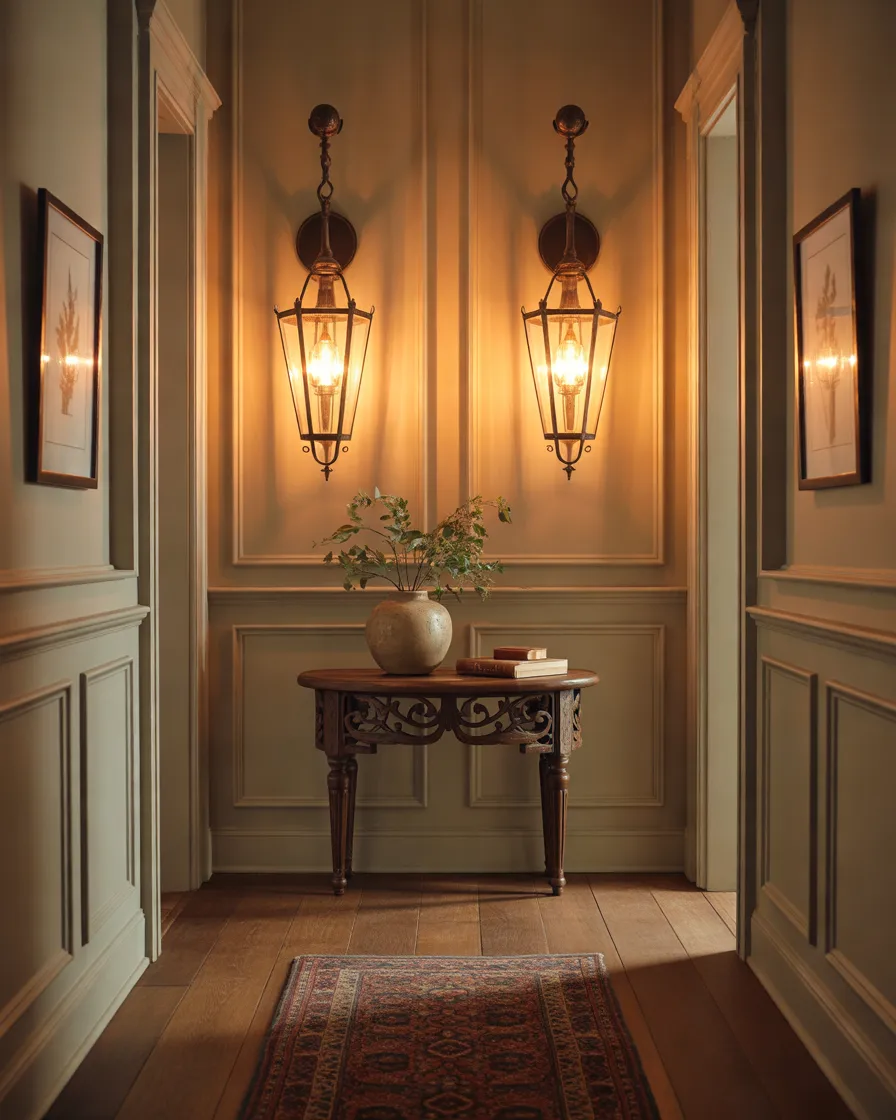
Vintage wall lanterns are a wonderful way to introduce character and timeless charm into your home. Their traditional shapes and decorative details can make an interior feel warm, welcoming, and full of personality.
These fixtures often feature metal frames, glass panels, antique finishes, and lantern-inspired silhouettes. Depending on their design, they can complement farmhouse, traditional, French country, transitional, and vintage-inspired interiors.
In an entrance hallway, a pair of lantern-style sconces can create a welcoming first impression. In a dining room, they can add a traditional decorative element around a mirror or artwork.
Antique bronze and aged brass are particularly attractive finishes because they offer a softer, more lived-in appearance than highly polished metals. Clear glass provides a traditional lantern aesthetic, while seeded or frosted glass creates a gentler lighting effect.
You can also incorporate vintage-inspired LED filament bulbs to enhance the nostalgic appearance while benefiting from modern lighting technology.
The key is to avoid mixing too many competing decorative finishes. Let the lanterns complement your existing furniture, door hardware, and other metallic accents.
12. Scandinavian Wall Lighting for a Warm and Relaxed Atmosphere
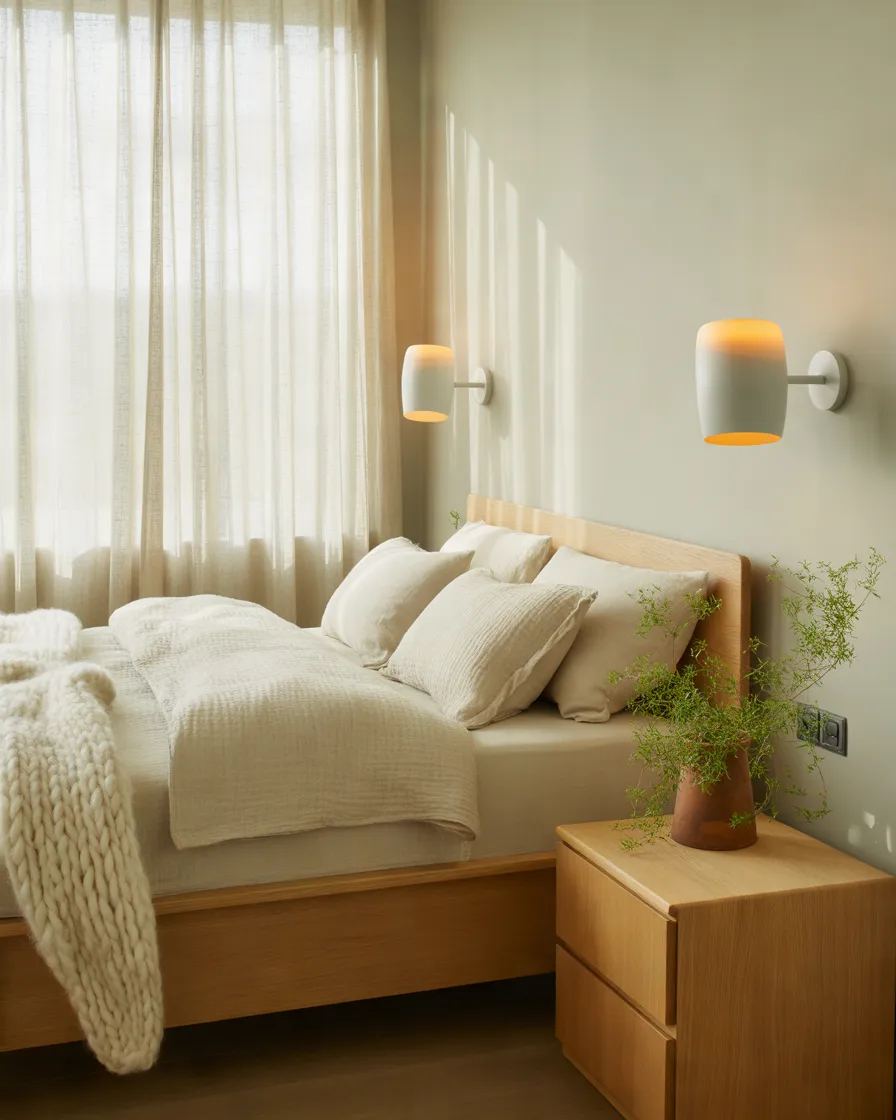
Scandinavian interiors are known for their simplicity, natural materials, functional furniture, and comfortable atmosphere. Wall lighting inspired by this design style follows the same principles, offering understated fixtures that make a room feel brighter and more welcoming.
Look for wall lights made from light oak, natural wood, white metal, or soft neutral materials. Rounded shapes and simple silhouettes are particularly suitable for this aesthetic.
A wooden wall light beside a bedroom headboard can introduce warmth without overwhelming the space. In a living room, a simple white or pale-wood sconce can complement light furniture, natural textiles, and minimalist decorative accessories.
Scandinavian lighting is also a great choice for smaller homes because its uncomplicated designs help maintain an open and uncluttered appearance.
To make the arrangement more interesting, combine your wall lights with linen curtains, textured cushions, wool rugs, and natural wood furniture. These materials create a layered appearance while keeping the room visually calm.
Choose warm, diffused lighting for bedrooms and relaxation areas. If you are using wall lights in a workspace, make sure the fixtures provide sufficient task illumination.
13. Geometric Wall Lights for a Bold Contemporary Statement
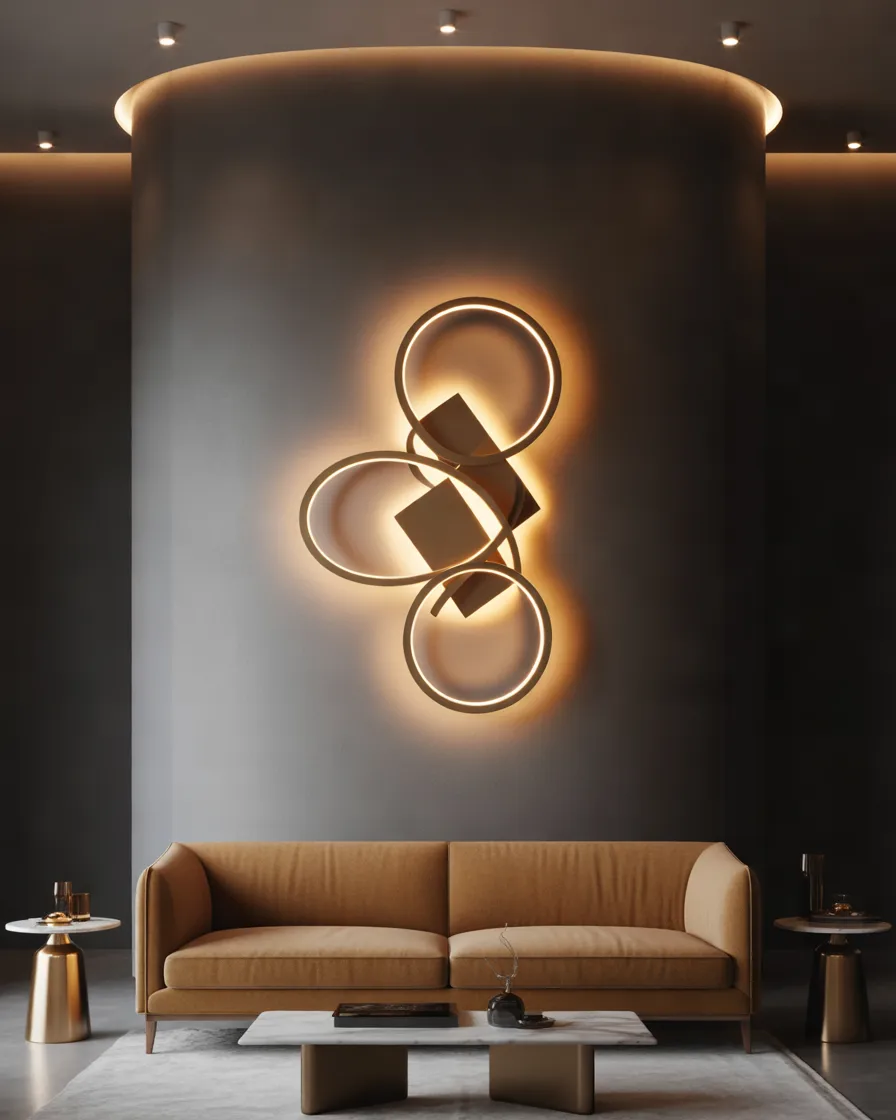
If you enjoy interiors with a little more personality, geometric wall lights can provide an interesting alternative to conventional sconces. Their unusual shapes turn lighting fixtures into decorative elements that attract attention even when they are switched off.
Popular designs include circular rings, intersecting lines, hexagonal forms, angular frames, and sculptural LED arrangements. These fixtures work particularly well in contemporary living rooms, modern bedrooms, and stylish entertainment spaces.
For example, a pair of geometric wall lights can create a dramatic arrangement on either side of a television feature wall. Alternatively, one larger sculptural fixture can become the centerpiece of an otherwise simple wall.
When selecting geometric lighting, think about the surrounding furniture and architectural details. If your room already contains strong patterns, choose a relatively simple fixture. In a minimalist interior, however, an unusual geometric design can provide the visual interest that the room needs.
Black, brushed gold, and matte white are versatile finishes. Some designs also feature integrated LED lighting that produces an attractive indirect glow.
Pay attention to the scale of the fixture. Large geometric arrangements need sufficient wall space to look balanced, while compact designs are often better for narrow hallways or smaller bedrooms.
14. Wall Lighting Around Mirrors for a Beautiful Decorative Effect
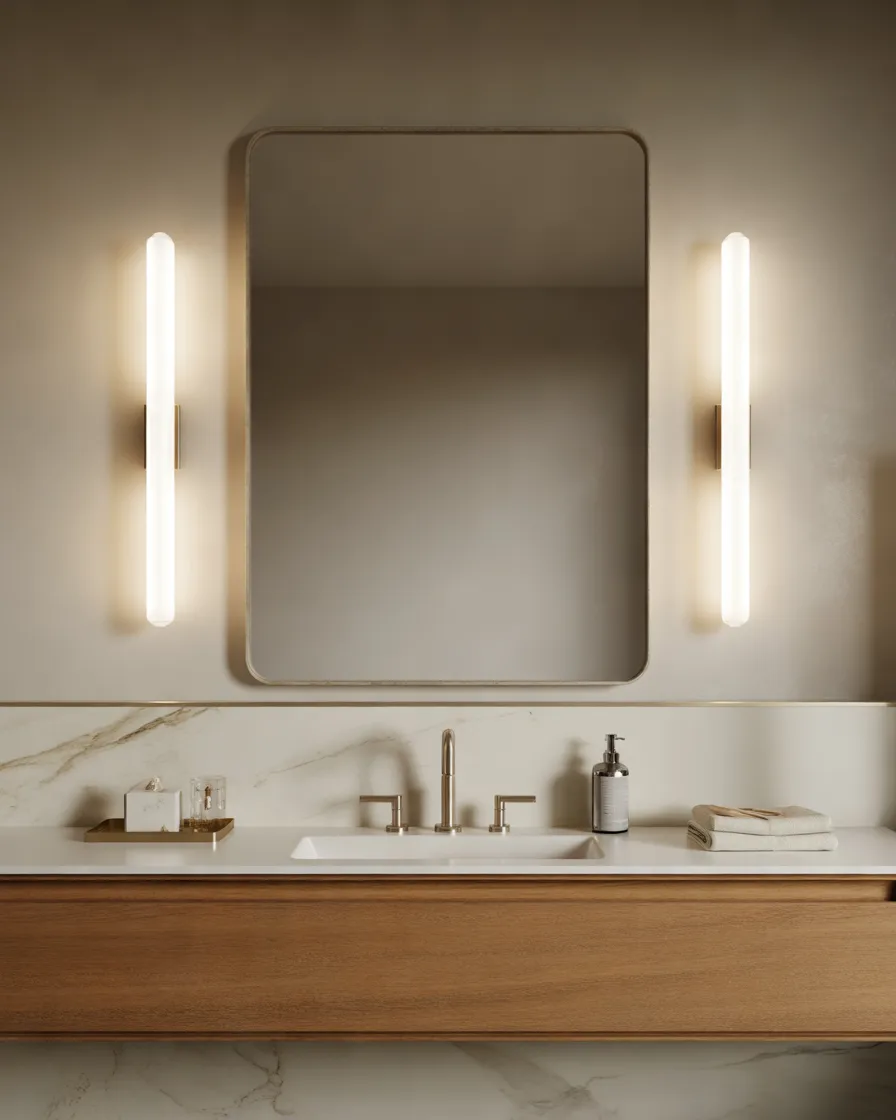
Mirrors and wall lighting are a natural combination. Together, they can make a room feel brighter, create visual balance, and turn an ordinary wall into an attractive design feature.
One of the most popular arrangements is to install matching wall sconces on both sides of a mirror. This creates balanced illumination and is particularly useful in bathrooms, dressing areas, and bedrooms.
In a bathroom, vertical sconces placed beside a vanity mirror can provide more even facial illumination than a single overhead light. Choose fixtures specifically rated for the bathroom’s location and moisture conditions, following local electrical safety requirements.
For a bedroom dressing area, consider elegant globe sconces or slim vertical LED fixtures beside a full-length or vanity mirror. Warm-neutral lighting can help create a comfortable atmosphere while still providing practical visibility.
You can also experiment with decorative mirrors featuring integrated backlighting. Although these are not traditional wall sconces, they can work beautifully alongside other wall fixtures.
To create a cohesive appearance, coordinate the metal finish of the lights with your mirror frame, taps, cabinet handles, and other bathroom accessories.
15. Outdoor-Inspired Wall Lighting for Patios and Covered Entrances
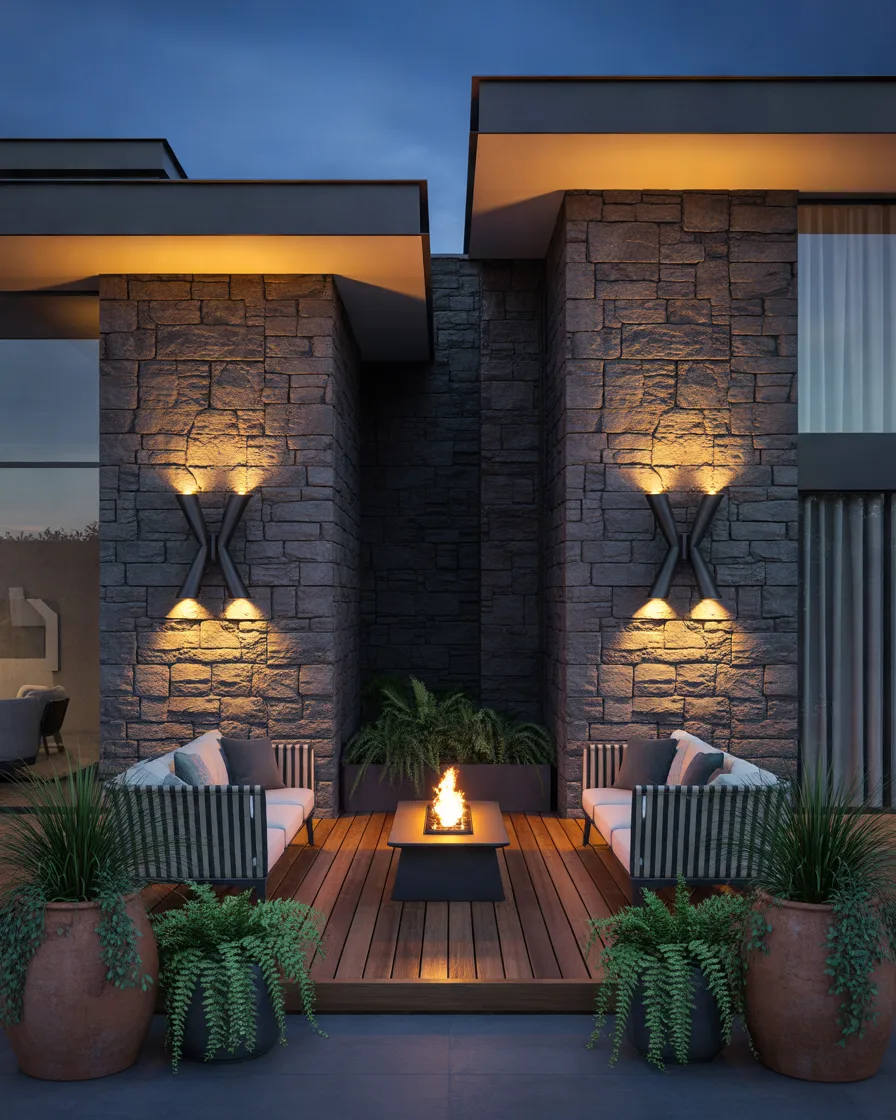
Wall lighting is not limited to bedrooms, living rooms, and hallways. Your outdoor spaces can benefit from carefully selected wall fixtures too. Covered patios, balconies, garden seating areas, and entrance walls are all excellent places to introduce decorative illumination.
Outdoor wall sconces can make an entrance feel more welcoming while helping illuminate pathways and seating areas. Choose designs that complement the architecture of your home, whether you prefer modern black fixtures, traditional lanterns, or simple cylindrical lights.
For contemporary houses, up-and-down outdoor wall lights can create attractive beams across exterior walls. On a covered patio, lantern-style sconces can provide a softer and more relaxed atmosphere for evening gatherings.
Material selection is particularly important outdoors. Look for weather-resistant fixtures made from suitable aluminum, stainless steel, or other durable materials. Check the IP rating and make sure it is appropriate for the fixture’s exposure to rain, dust, and moisture.
You can also consider motion-sensor wall lights near entrances and garages. These provide practical illumination when someone approaches while helping avoid unnecessary continuous lighting.
For patios and balconies, warm-white lighting is generally a lovely choice because it makes outdoor seating areas feel comfortable and inviting.
Expert Tips for Choosing the Right Wall Lighting
Choosing beautiful wall lights is only part of creating a successful lighting arrangement. You also need to consider how the fixtures will function, how they interact with other light sources, and whether they complement the proportions of your room.
Here are some practical considerations that can help you make the right decision.
Consider the Purpose of Your Lighting
Before purchasing anything, decide what you want the wall lighting to accomplish. Different spaces require different types of illumination.
- Ambient lighting: Choose diffused sconces or indirect LED lighting to create a comfortable overall atmosphere.
- Task lighting: Consider adjustable swing-arm fixtures for reading, studying, or working.
- Accent lighting: Use picture lights, directional sconces, or recessed fixtures to highlight artwork and architectural features.
- Decorative lighting: Select statement brass, glass, or geometric fixtures that enhance your interior design.
Understanding the purpose of each fixture will help you avoid choosing lights that look attractive but do not provide the illumination you actually need.
Choose the Right Color Temperature
Color temperature has a significant influence on how a room feels. Warm lighting creates a relaxing atmosphere, while cooler lighting can make certain spaces feel brighter and more functional.
| Color temperature | Best use |
|---|---|
| 2700K | Bedrooms and relaxing spaces |
| 3000K | Living rooms and hallways |
| 3500K | Kitchens and multipurpose spaces |
| 4000K | Bathrooms and workspaces |
These are general recommendations rather than strict rules. Your wall colors, furniture, natural daylight, and personal preferences should also influence your choice.
Pay Attention to Fixture Placement
Even beautiful wall lights can look awkward if they are installed at the wrong height. Consider the room’s ceiling height, furniture arrangement, and the direction of illumination.
For many decorative sconces, mounting the center of the fixture approximately 60–66 inches above the floor can be a useful starting point. However, this is not a universal measurement. Adjust the position according to the fixture’s design and the intended purpose.
For bedside lighting, prioritize convenient switch access and comfortable reading illumination. For artwork, position picture lights to illuminate the entire piece evenly.
Match Lighting Finishes with Your Interior
You do not have to match every metal finish in your home exactly, but maintaining some visual consistency can make your interiors feel more professionally designed.
For example, brushed brass wall lights can complement warm-toned furniture, while matte black fixtures look attractive with black window frames and contemporary hardware.
Try to repeat a finish in two or three places rather than introducing too many unrelated metallic colors.
Use Dimmable Wall Lights
Dimmers are particularly useful in bedrooms, living rooms, and dining areas. They allow you to adjust brightness depending on the activity and time of day.
You might prefer brighter lighting while reading or cleaning and a softer glow when watching television or entertaining guests.
Before purchasing dimmable fixtures, check that the bulbs, dimmer switches, and lighting drivers are compatible.
Think About Energy Efficiency
LED wall lights are generally an excellent option for residential interiors. They consume less electricity than many traditional lighting technologies and are available in a wide variety of shapes, brightness levels, and color temperatures.
Look for reliable products with suitable brightness, good color rendering, and replaceable components where practical. Also consider the availability of replacement bulbs and drivers before choosing an integrated LED fixture.
Common Wall Lighting Mistakes to Avoid
A beautiful lighting design is not simply about purchasing attractive fixtures. Small planning mistakes can affect the overall appearance, comfort, and practicality of your space.
Here are some common problems worth avoiding.
Installing lights without considering furniture placement: A wall sconce can become difficult to access if it is positioned behind a tall cabinet or oversized headboard. Plan your furniture layout before deciding where fixtures should go.
Using overly bright bulbs: Excessively bright lighting can make a relaxing room feel uncomfortable. Select brightness according to the room’s purpose and consider using dimmers.
Mixing too many lighting styles: Combining industrial, vintage, minimalist, and highly decorative fixtures without a consistent design direction can make a room feel disorganized. Choose a primary aesthetic and introduce contrasting elements carefully.
Ignoring shadows and glare: Some directional wall lights create harsh shadows or shine directly into people’s eyes. Test the lighting direction and choose appropriate shades or diffusers.
Choosing fixtures that are too large: Oversized wall lights can overwhelm small rooms, while tiny fixtures may look insignificant on large feature walls. Consider the proportions of the wall and surrounding furniture.
Forgetting electrical planning: Wall lighting often requires wiring, switches, and suitable mounting arrangements. Consult a qualified electrician, especially when installing recessed fixtures, bathroom lighting, or outdoor electrical equipment.
Using unsuitable outdoor fixtures: Indoor lights are not designed to withstand rain and moisture. Always check the manufacturer’s weather-resistance specifications and appropriate IP rating before installing exterior fixtures.
Frequently Asked Questions About Wall Lighting
1. What are the best wall lighting ideas for a living room?
Some excellent choices include minimalist wall sconces, decorative brass fixtures, up-and-down lights, geometric LED designs, and picture lights. The best option depends on your furniture arrangement and decorating style.
For a comfortable living room, combine decorative wall lighting with ceiling lights and floor lamps. This creates layers of illumination that can be adjusted for different activities.
2. Where should wall lights be installed in a bedroom?
Wall lights are commonly installed on either side of the bed, above bedside tables, or near a comfortable reading chair.
For bedside reading, choose adjustable fixtures or shades that direct light toward your book. Position the switches within comfortable reach and make sure the light does not disturb someone sleeping beside you.
3. Are wall lights better than table lamps?
Neither option is automatically better. Both serve useful purposes.
Wall lights are excellent when you want to save bedside or console-table space, create architectural interest, or provide focused illumination. Table lamps offer more flexibility because they can be moved whenever you rearrange your furniture.
Many well-designed homes use both options together.
4. What color wall lights look best on white walls?
Black, brushed brass, bronze, chrome, and white wall fixtures can all look attractive against white walls.
Black creates a noticeable contrast, while brass introduces warmth and elegance. White fixtures provide a more subtle appearance, particularly in minimalist interiors.
Choose a finish that complements your furniture, flooring, and other decorative details.
5. How many wall lights should a room have?
There is no fixed number because it depends on the room’s dimensions, ceiling height, natural lighting, and the purpose of the fixtures.
A bedroom might benefit from two matching bedside sconces, while a long hallway may need several evenly spaced lights. A living room could use a combination of accent lighting and other light sources.
Focus on balanced illumination rather than installing as many fixtures as possible.
6. Are LED wall lights suitable for small rooms?
Yes. LED wall lights are particularly useful in small rooms because they can provide illumination without occupying floor or tabletop space.
Slim sconces, recessed fixtures, and concealed LED strips are all excellent options. Choose compact designs and avoid unnecessarily large fixtures that make the walls feel crowded.
7. Can wall lights be installed without visible electrical wiring?
Yes, depending on the product and installation method. Some wall lights are available as plug-in fixtures, allowing you to connect them to an existing electrical outlet.
Battery-powered and rechargeable wall lights are other options when hardwiring is inconvenient.
However, if you want a completely concealed installation, hardwired fixtures with wiring hidden inside the wall generally provide the cleanest finish. Electrical work should be completed by a qualified professional.
Conclusion
Wall lighting is one of the most effective ways to improve the appearance and functionality of your home without completely changing your furniture or interior design. From elegant brass sconces and contemporary LED strips to vintage lanterns and sculptural geometric fixtures, there are countless ways to make ordinary walls look more interesting.
The most important thing is to choose lighting that suits your lifestyle and the character of your space. A pair of warm bedside sconces might make your bedroom more comfortable, while recessed lighting could give your living room a sophisticated architectural appearance. Even a simple picture light can make a favorite painting feel like a carefully selected design feature.
You do not need to incorporate every lighting trend into your home. Start with the areas that need more illumination or decorative interest, consider the materials and finishes already present, and select fixtures that work beautifully with your existing surroundings.
With thoughtful placement, suitable brightness, and a little creativity, the right wall lighting can turn an ordinary interior into a welcoming, stylish, and beautifully illuminated home.