
Lighting can completely change the way a living room looks and feels. I’ve always believed that even a beautifully decorated room can feel unfinished if the lighting is too harsh, too dim, or simply placed in the wrong spots. On the other hand, the right lighting can make an ordinary living room feel warm, elegant, comfortable, and thoughtfully designed.
When I’m thinking about living room lighting, I don’t focus on just one beautiful ceiling fixture. I like to combine different sources of light so the room works well throughout the day and evening. Natural light might be enough in the afternoon, while a combination of floor lamps, wall lights, accent lighting, and ceiling fixtures can create a completely different atmosphere after sunset.
The good news is that you don’t need to completely remodel your living room to improve its lighting. Small changes can make a surprisingly big difference.
Whether your style is modern, traditional, minimalist, contemporary, rustic, or somewhere in between, these 16 living room lighting ideas can help you create a space that feels more balanced and inviting.
1. Create a Warm Glow With Layered Living Room Lighting
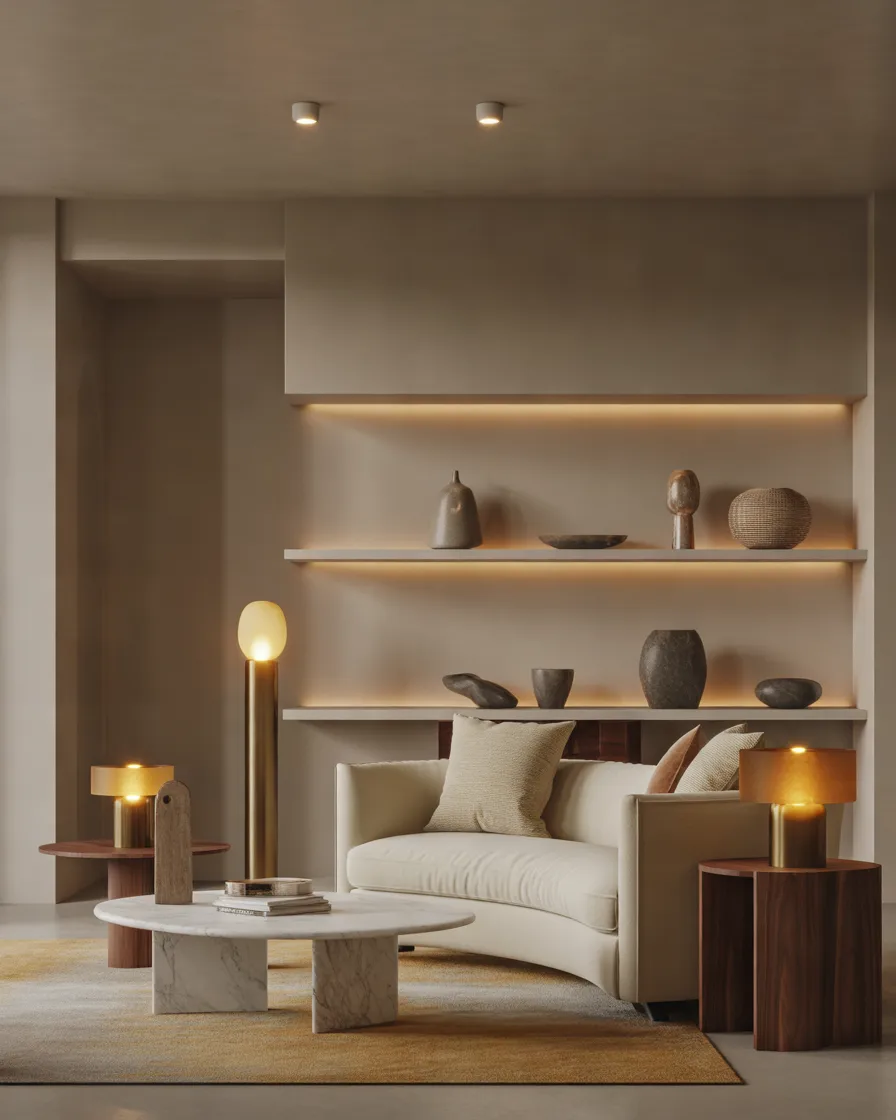
One of my favorite approaches to living room lighting is layering. Instead of relying on a single ceiling light, I like to use several types of lighting at different heights.
Think of the room as having three lighting levels: ambient lighting, task lighting, and accent lighting. Ambient lighting provides general illumination, task lighting helps with activities such as reading, and accent lighting highlights architectural features or decorative objects.
For example, you could combine recessed ceiling lights with a floor lamp beside the sofa and a table lamp on a console. Add subtle accent lighting around artwork or shelving, and suddenly the room feels much more dimensional.
Layered lighting also gives you flexibility. You can turn on brighter lights when cleaning or entertaining and switch to softer lamps when you want a relaxed evening atmosphere.
2. Make a Statement With an Oversized Pendant Light
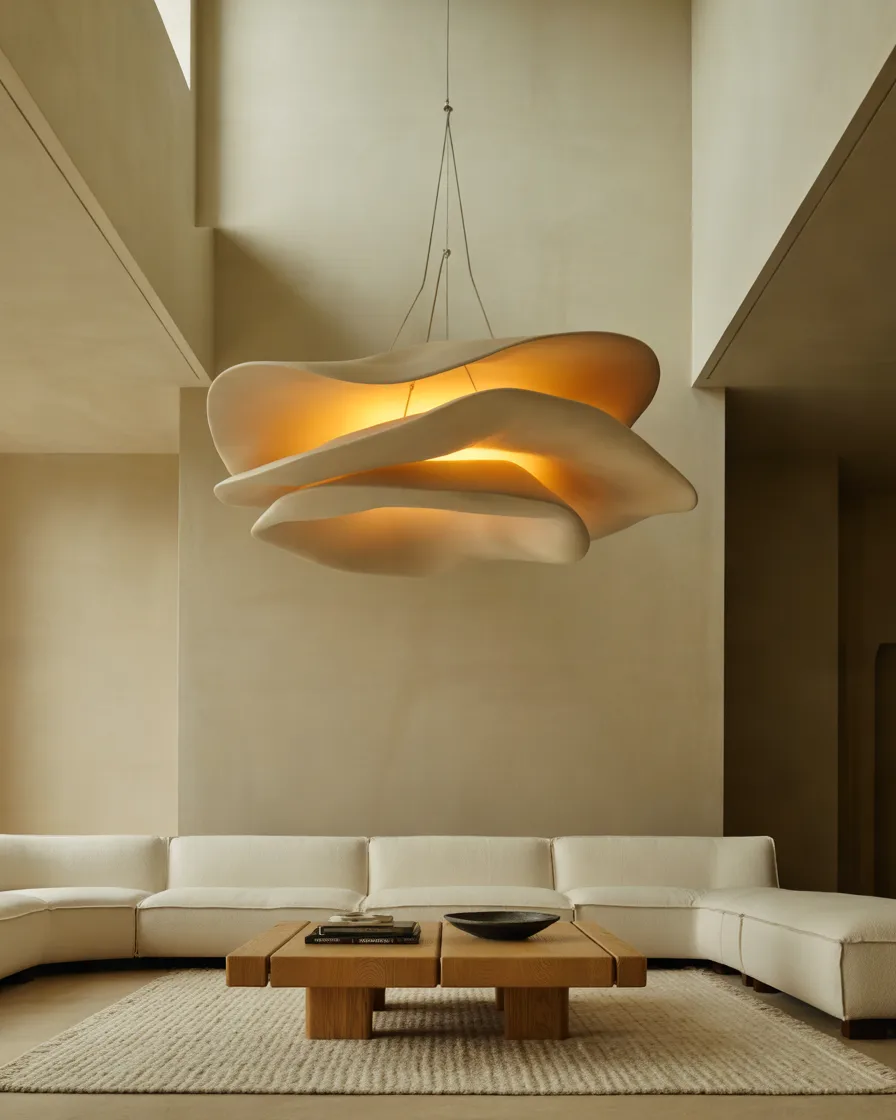
If you want your living room lighting to become part of the décor, an oversized pendant can be a fantastic choice.
A large pendant immediately draws attention upward and can give the room a strong focal point. I especially like oversized fixtures in rooms with high ceilings because they fill vertical space without making the furniture feel crowded.
A sculptural pendant can work beautifully above a central seating area. Look for designs made from glass, metal, woven materials, wood, or combinations of different textures.
The important thing is proportion. A fixture should feel substantial enough for the room without overwhelming it. Before buying one, consider the size of the living room, ceiling height, furniture arrangement, and distance between the fixture and people’s heads.
For a softer appearance, choose a pendant with diffused or frosted light rather than an exposed bright bulb.
3. Add Elegance With Wall Sconces
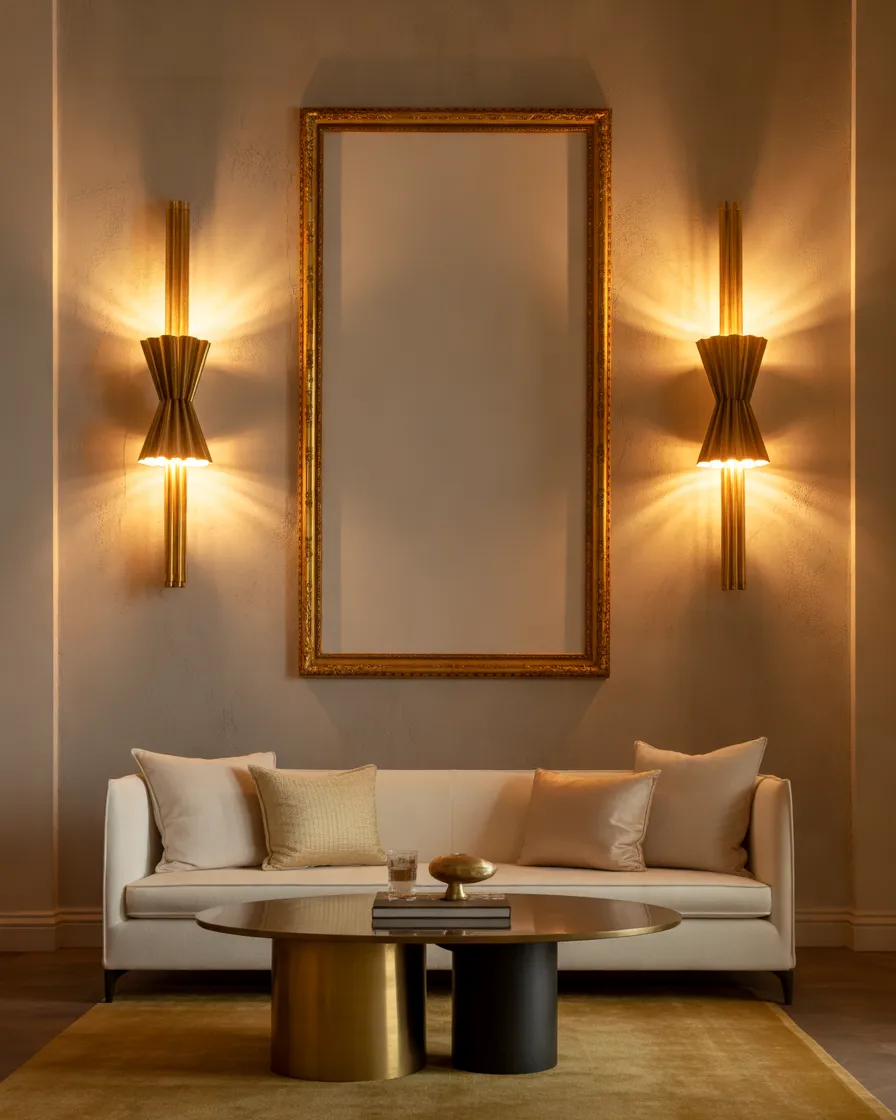
Wall sconces are one of those lighting ideas that can make a living room look professionally designed without taking up floor or table space.
I particularly like sconces when there is an empty wall that feels visually flat. Installing two matching sconces on either side of artwork, a fireplace, a mirror, or a media console can create symmetry and balance.
There are also directional sconces that allow you to aim light exactly where you need it. These are useful for highlighting artwork or creating a soft glow across a textured wall.
For a classic room, brass or antique-style sconces can add elegance. For a modern living room, black, chrome, or minimalist geometric designs can look much cleaner.
If you want your living room to feel cozy at night, choose warm-toned bulbs and fixtures that diffuse light rather than producing an intense glare.
4. Use Floor Lamps to Brighten Dark Corners
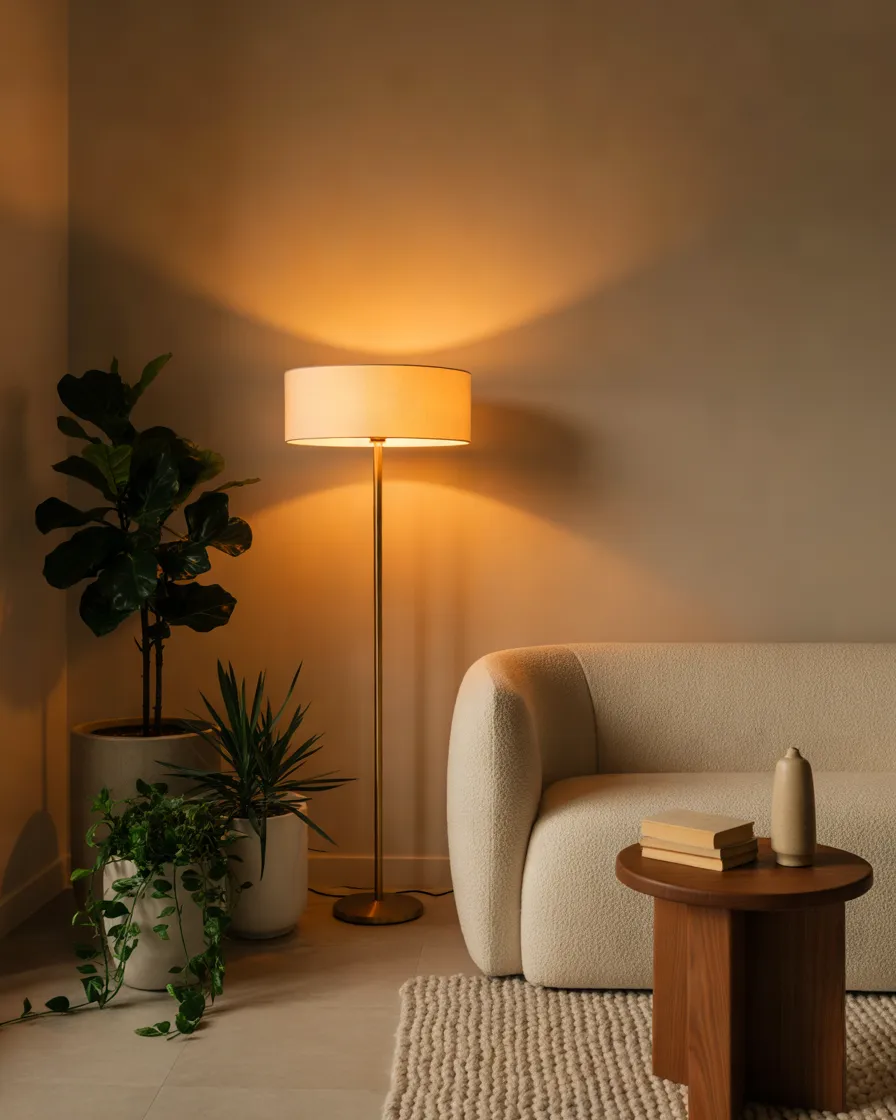
Every living room has at least one corner that seems to become unnecessarily dark after sunset. A floor lamp can solve that problem while also adding another decorative element.
A tall arc lamp is particularly useful beside a sofa because its curved arm can extend over the seating area without requiring a table beside the chair.
For a smaller space, choose a slim tripod or minimalist floor lamp. If your room already contains plenty of decorative elements, a simple black or metallic floor lamp can provide contrast without competing for attention.
I also recommend thinking about the shade. Fabric shades create a softer glow, while exposed bulbs or metal shades can create stronger directional light.
5. Install Recessed Lights for a Clean Modern Look
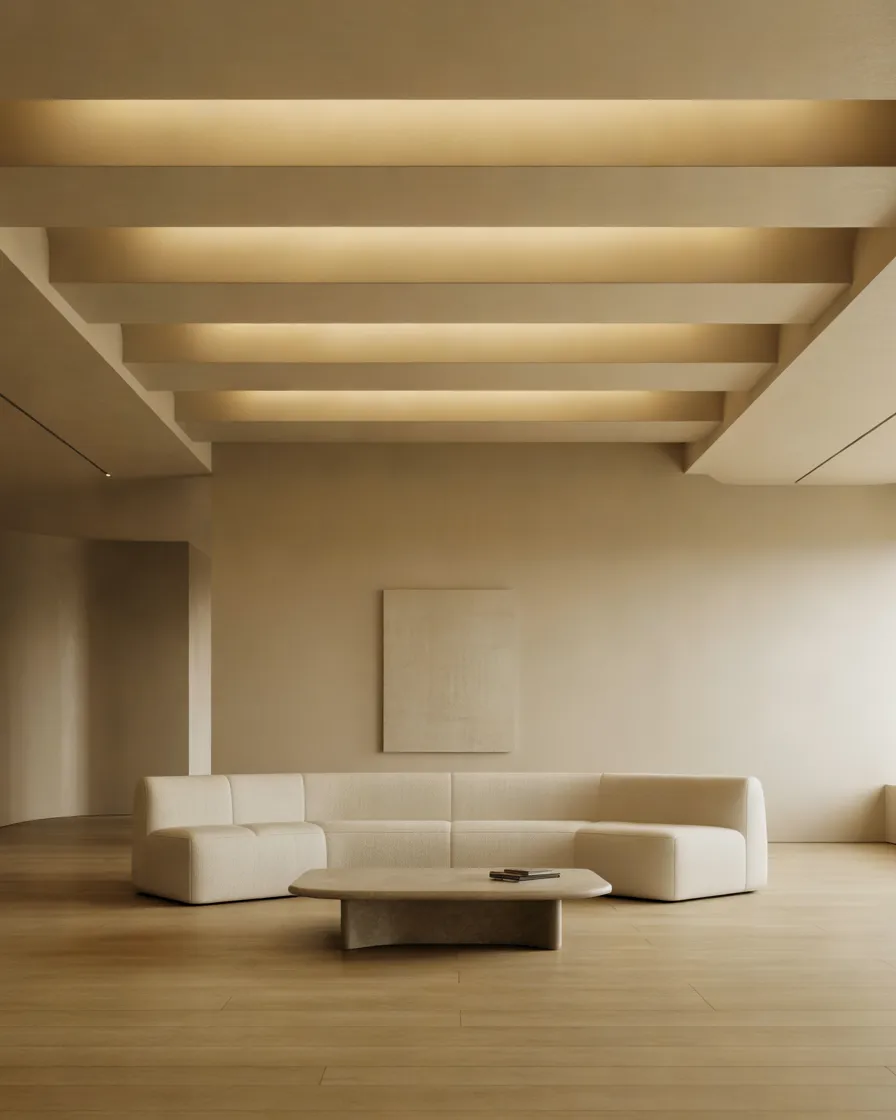
If you prefer a clean ceiling without large fixtures, recessed lighting can be an excellent option.
Recessed lights sit inside the ceiling, creating a streamlined appearance. They work especially well in modern and minimalist living rooms where the architecture and furniture are intended to remain visually clean.
However, I wouldn’t recommend placing recessed lights randomly across the ceiling. Their positioning should relate to the room’s layout.
For example, you might position some lights around the seating area while using others to illuminate artwork, shelving, or architectural features.
The spacing and beam angle also matter. Too many recessed lights can make a room feel like a commercial space rather than a comfortable home.
6. Highlight Artwork With Picture Lighting
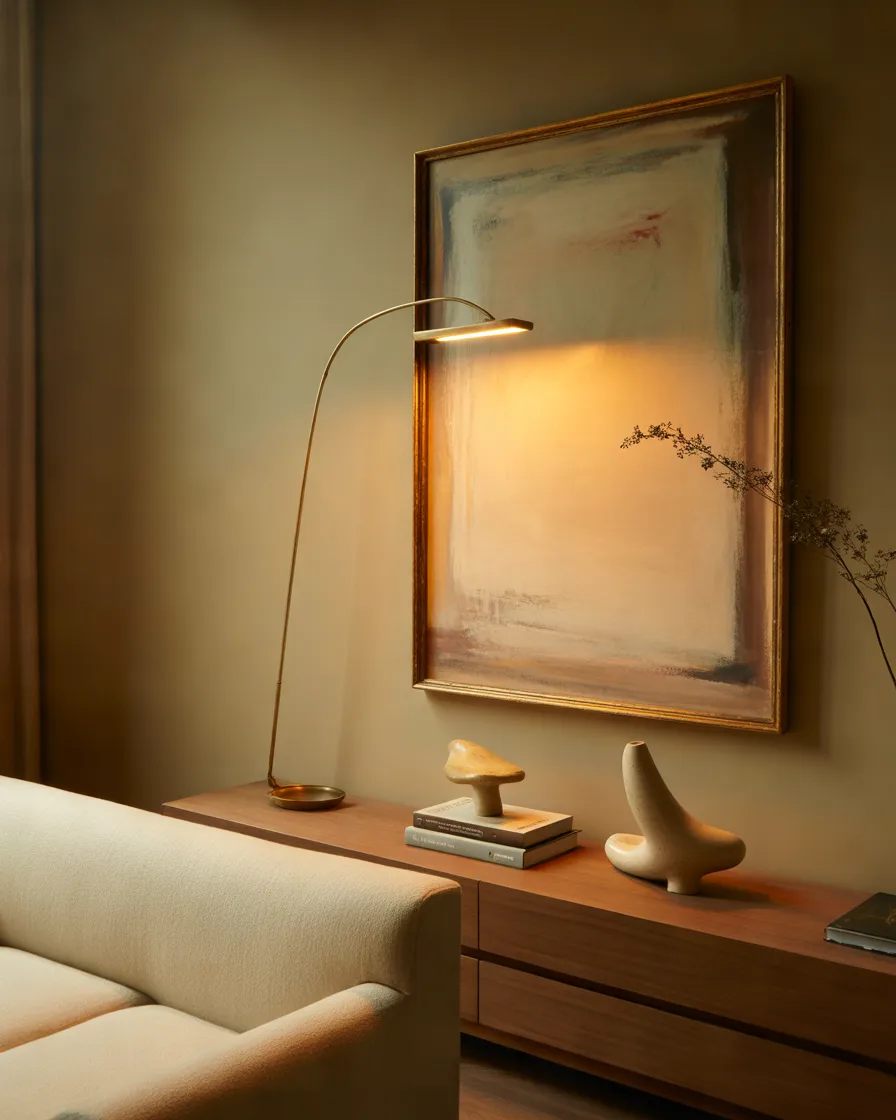
If you have invested in artwork, don’t let it disappear into a dark wall at night.
Picture lights can direct attention toward paintings, photography, framed prints, or other wall décor. Instead of lighting the entire room brightly, you can create a focused pool of light around the artwork.
This technique adds visual interest and can make even a simple living room feel more curated.
I prefer warm, controlled lighting for artwork because it creates a more intimate atmosphere. Choose a fixture that complements the frame and surrounding décor rather than becoming more noticeable than the artwork itself.
7. Bring Softness With Table Lamps
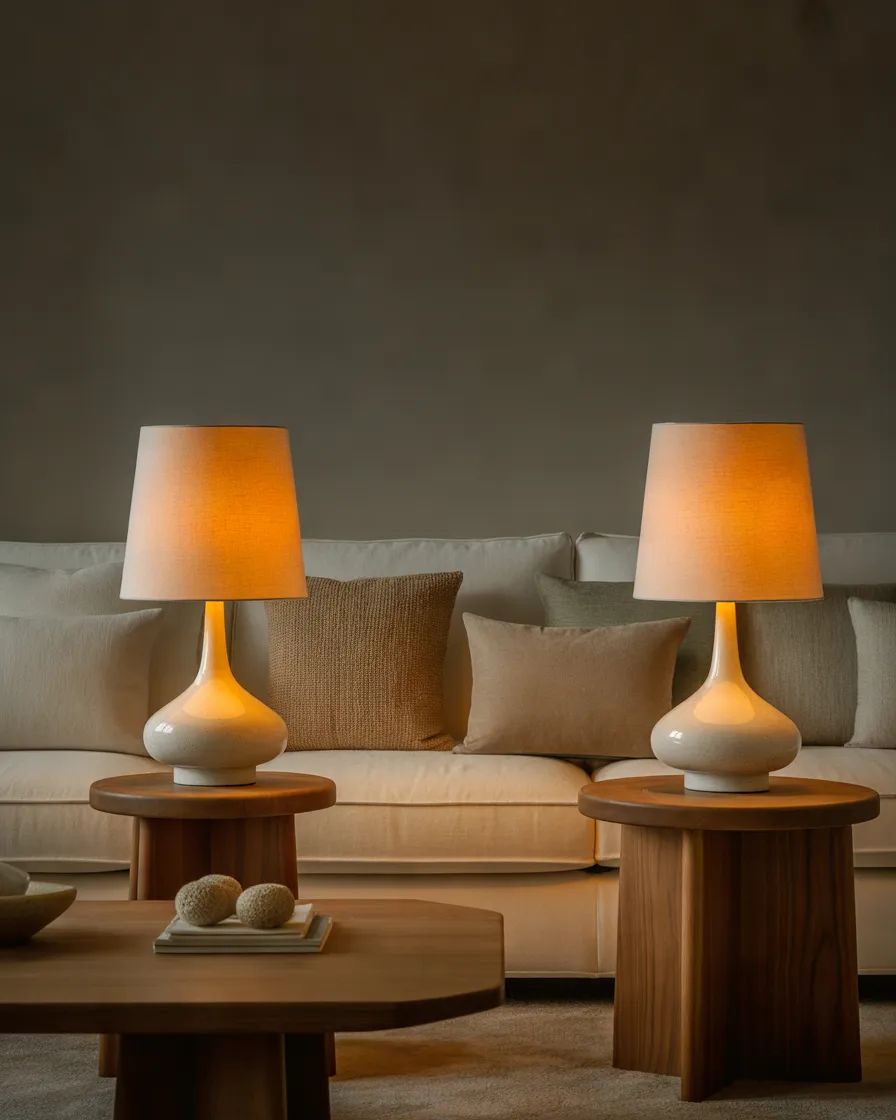
Table lamps may be one of the simplest living room lighting ideas, but they can completely change the mood of a room.
Place a lamp on a side table beside the sofa, on a console behind the seating area, or on a cabinet. The light source will sit closer to eye level than ceiling lighting, creating a much softer visual experience.
I like using table lamps with fabric shades when the goal is warmth and relaxation. Ceramic, stone, glass, or metal bases can also introduce additional texture.
Try matching the lamp’s material to another element in the room. For example, a brass lamp can complement brass hardware, while a wooden lamp can connect visually with a wooden coffee table.
8. Add Hidden LED Strip Lighting
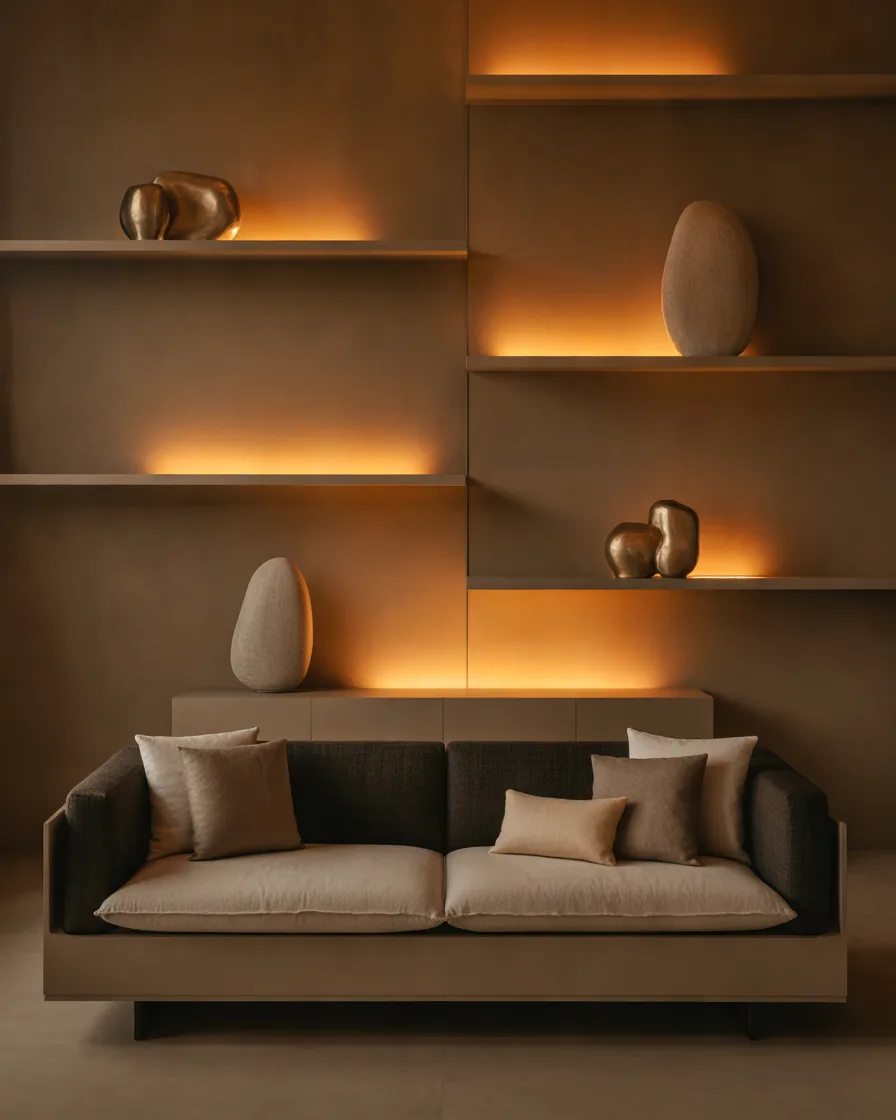
If you want your living room to have a more contemporary appearance, hidden LED strip lighting can create a beautiful architectural glow.
Instead of seeing the light source directly, LED strips can be installed underneath shelves, behind a media unit, beneath cabinets, or along selected architectural details.
The goal is subtle illumination rather than making the LED strip the main feature.
Warm white LEDs generally create a more comfortable residential atmosphere. If your living room is designed around cool whites and sleek materials, a neutral white temperature may work better.
Hidden lighting is particularly effective in the evening because it adds a low-level glow without requiring every main light to be switched on.
9. Use a Floor Lamp Beside Your Reading Chair
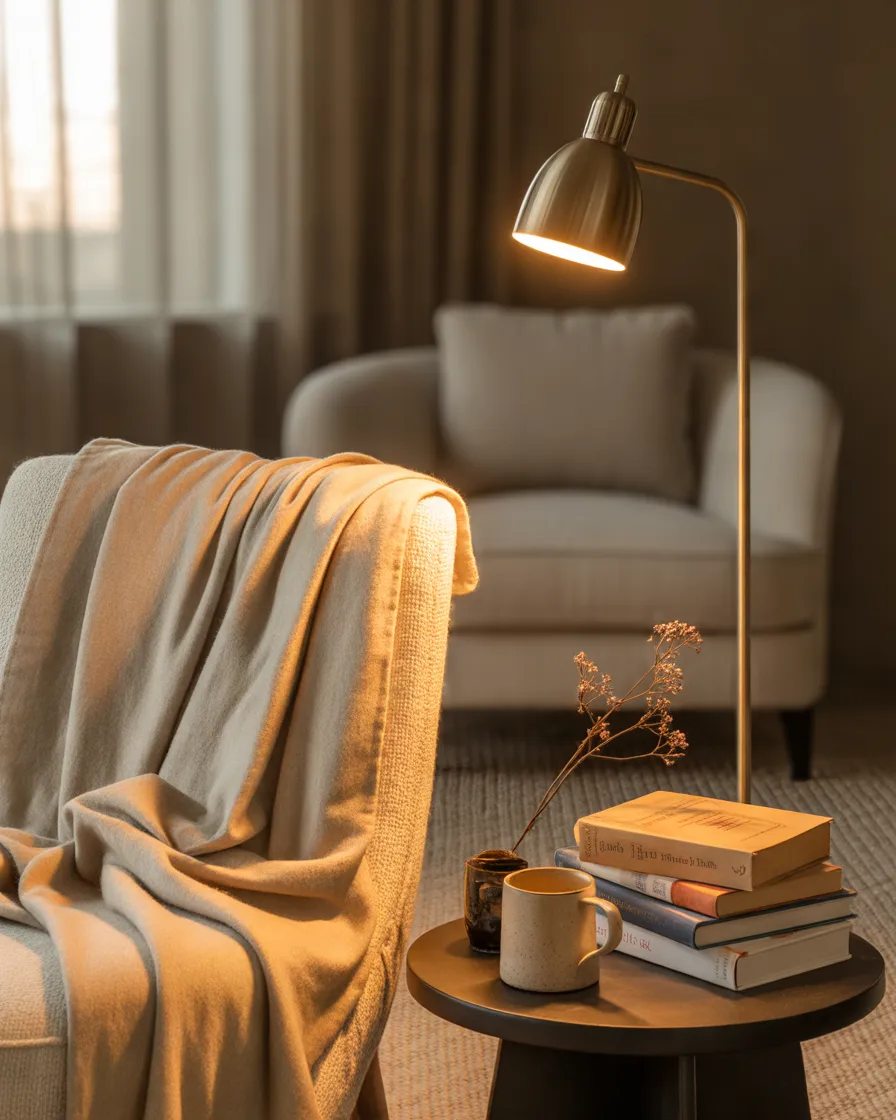
If your living room includes a reading chair, create a dedicated lighting zone around it.
A floor lamp positioned beside or slightly behind the chair can provide enough illumination for reading without flooding the entire room with bright light.
This is one of those small decisions that makes a living room feel more functional. Instead of turning on all the ceiling lights whenever you want to read, you can simply switch on the nearby lamp.
Choose an adjustable design if possible. Being able to direct light toward a book or magazine can make the setup much more comfortable.
10. Create Drama With Cove Lighting
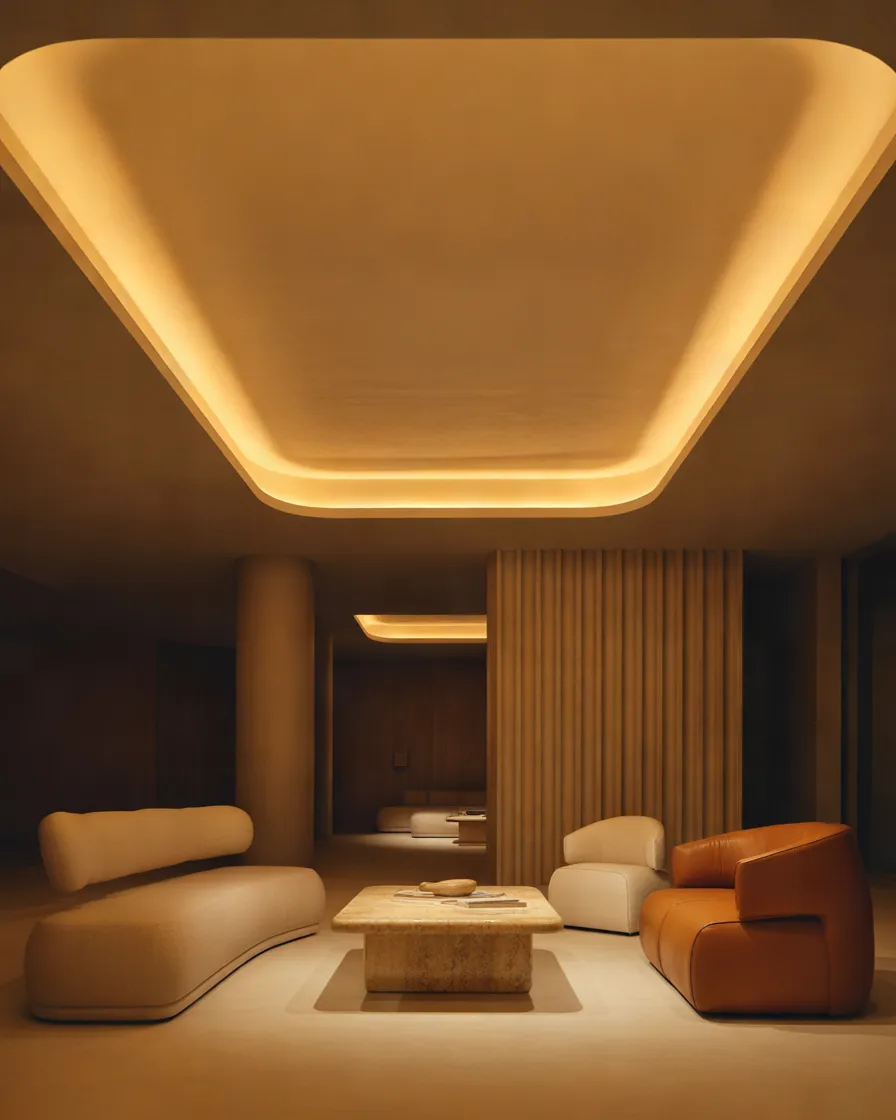
Cove lighting is an excellent option if you want your living room to feel architectural and luxurious.
The lighting is concealed within a recessed section, ledge, ceiling detail, or architectural molding. The light then reflects off the surrounding surface rather than shining directly into the room.
This creates a soft halo effect that can make the ceiling appear visually lighter and sometimes even taller.
Cove lighting works particularly well in contemporary living rooms, but it can also be adapted to more traditional interiors.
The key is restraint. A subtle glow usually looks more sophisticated than an extremely bright strip of light.
11. Use a Chandelier for a More Luxurious Living Room
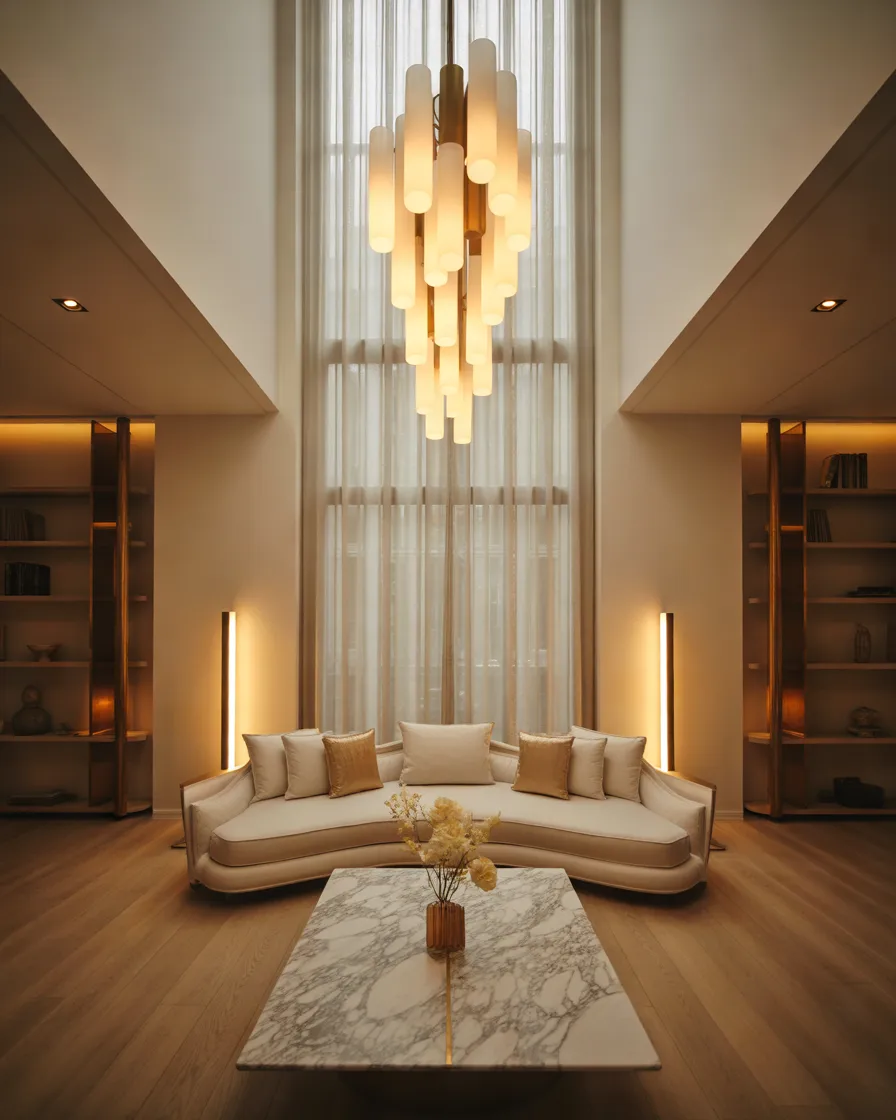
A chandelier isn’t only for dining rooms and grand entryways. The right chandelier can become a stunning centerpiece in a living room.
For a traditional interior, consider crystal, brass, or classic multi-arm designs. For a contemporary space, look for sculptural chandeliers with simple geometric forms.
I recommend choosing the chandelier after deciding on the furniture arrangement. The fixture should visually connect the seating area rather than simply being centered in the room without considering how the space is actually used.
A dimmer switch is also valuable because it allows the chandelier to shift from bright entertaining light to a softer evening glow.
12. Highlight Shelves With Accent Lighting
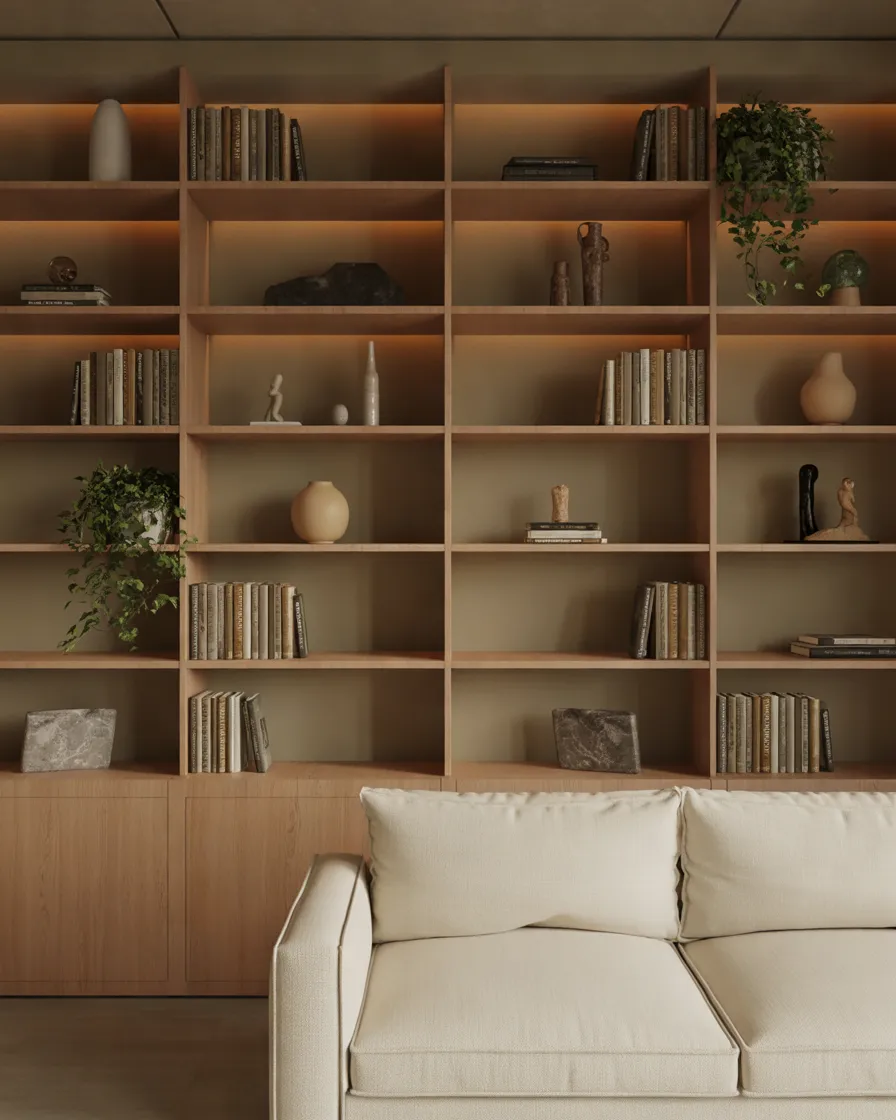
Open shelves can become one of the most attractive features in a living room when they are properly illuminated.
Instead of simply filling shelves with books and decorations, use small spotlights or concealed LED lighting to highlight selected objects.
This technique works especially well for ceramics, sculptures, framed photographs, books, plants, and collectibles.
I like the idea of illuminating only some objects rather than every shelf equally. It creates depth and prevents the shelving from looking overly bright.
Accent lighting is also a great way to make your living room feel more interesting after dark.
13. Try Backlighting Behind the TV
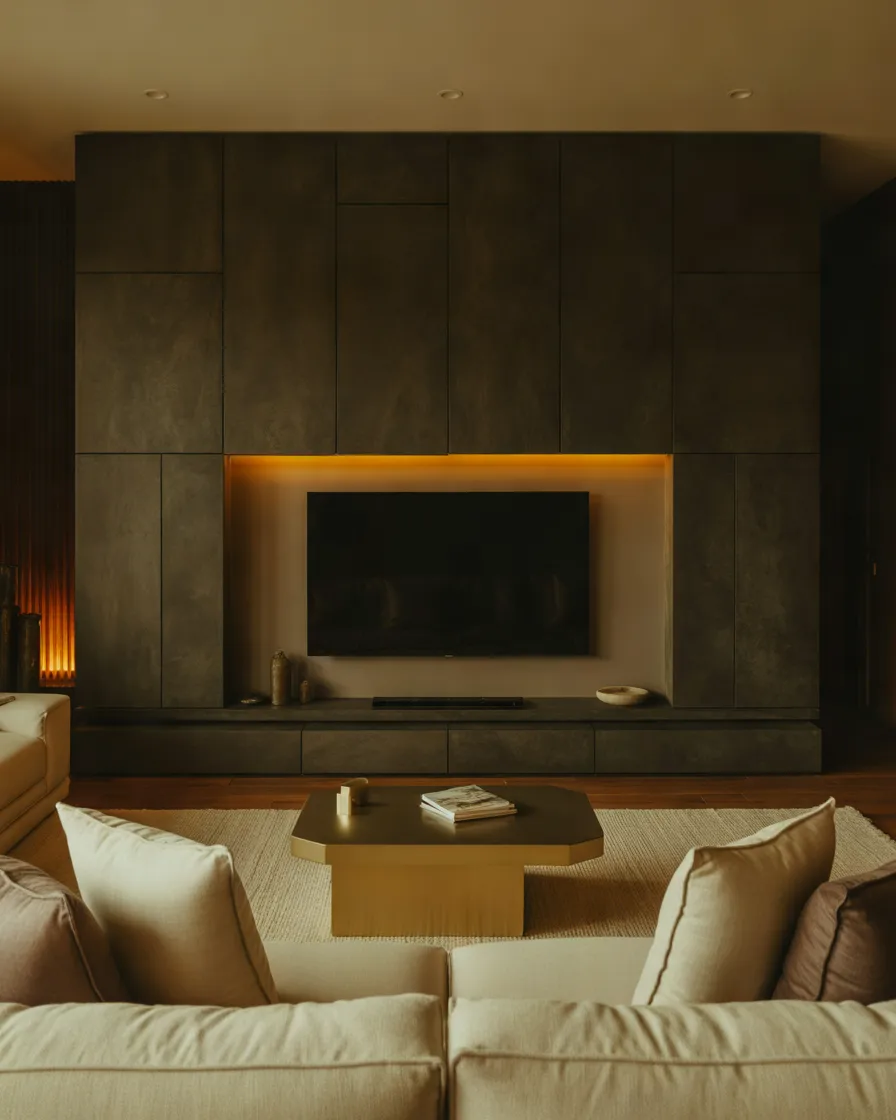
The wall behind your television can become visually harsh when the screen is surrounded by a completely dark environment.
Soft backlighting can help create a more balanced viewing environment while adding a decorative glow to the media wall.
Instead of using very bright colored lighting, I generally prefer subtle warm or neutral illumination for an elegant living room.
You can conceal LED lighting behind a wall-mounted television or around the edges of a media panel. The light should be indirect and soft rather than visible as a bright strip.
This is particularly effective in modern living rooms with dark accent walls.
14. Mix Black Fixtures With Warm Interiors
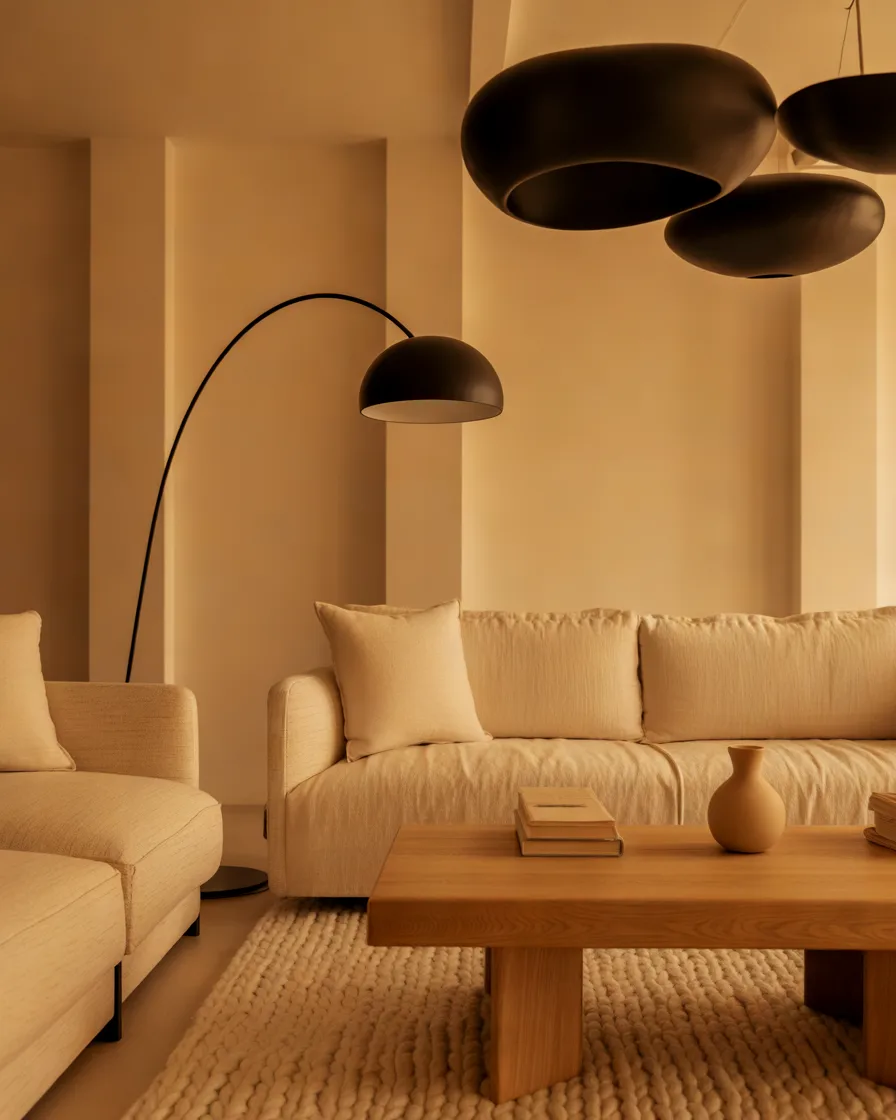
If your living room has beige, cream, white, or warm wood tones, black lighting fixtures can introduce beautiful contrast.
A black floor lamp, pendant, wall sconce, or chandelier can visually anchor the room without requiring dramatic changes to the furniture.
I particularly like this approach in contemporary interiors because black fixtures provide definition against lighter walls.
You don’t need to use black everywhere. In fact, using it sparingly usually looks better. Repeat the black detail in one or two other places, such as picture frames, furniture legs, curtain hardware, or decorative accessories.
This creates a sense of coordination without making the room feel overly matched.
15. Choose Warm White Bulbs for a Cozy Atmosphere
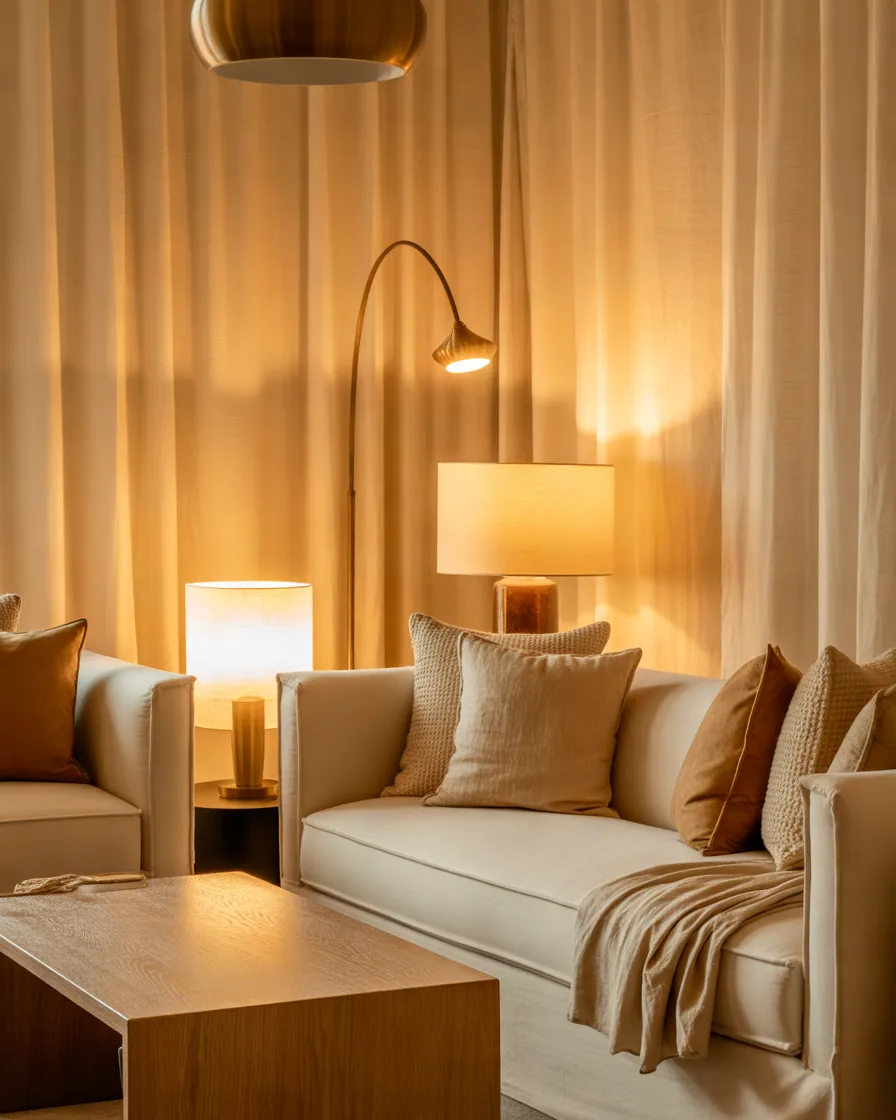
The fixture is only half of the lighting equation. The color temperature of your bulbs can dramatically affect how your living room feels.
For a cozy residential environment, warm white lighting is usually a comfortable choice. It creates a softer atmosphere and complements materials such as wood, beige fabrics, cream walls, and natural stone.
Cooler lighting can feel more energetic and crisp, but too much cool light in a living room can sometimes make the space feel less relaxing.
Rather than using exactly the same brightness everywhere, consider the purpose of each fixture. General lighting can be moderately bright, while decorative lamps and accent lights can be softer.
If you’re unsure, choosing dimmable fixtures gives you much more control.
16. Combine Different Living Room Lighting Styles
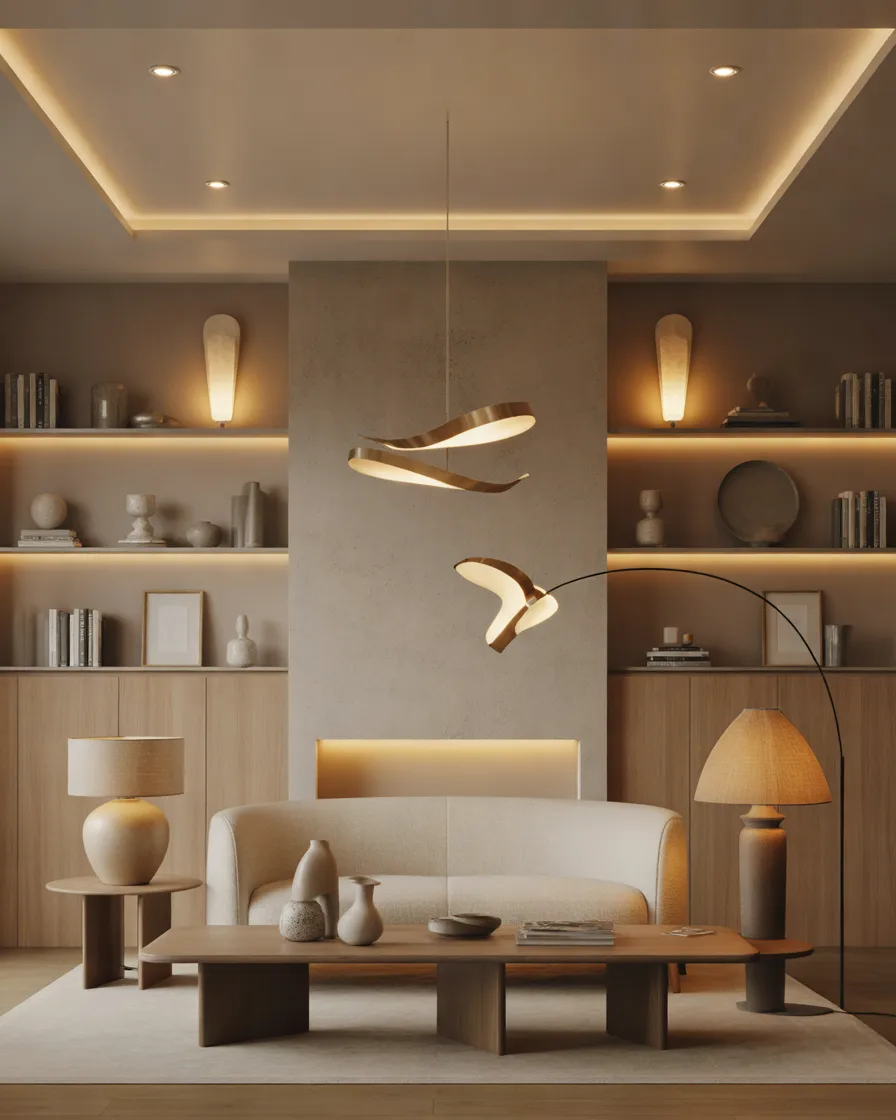
Sometimes the best lighting idea isn’t choosing one style at all. It’s combining several lighting solutions in a coordinated way.
For example, imagine a living room with recessed ceiling lights, a sculptural pendant, a floor lamp beside the sofa, wall sconces around artwork, and hidden LED lighting underneath shelves.
At first, that might sound like too much. But when each light has a specific purpose, the result can feel balanced rather than cluttered.
The trick is to think about what each light contributes.
Ceiling lights provide general illumination. Floor lamps support reading or seating areas. Wall lights create vertical interest. Accent lights highlight decorative features. Hidden lighting adds atmosphere.
When everything is switched on at maximum brightness, the room may feel over-lit. But when you use only the combinations you need, you can create different moods throughout the day.
For everyday evenings, I might use a floor lamp and table lamps. For guests, I would add the ceiling fixture and accent lights. For a quiet movie night, I would reduce the main lighting and leave only the subtle background glow.
How to Choose the Right Living Room Lighting
Before buying any lighting fixture, I recommend looking at your living room as a whole.
Start by considering the size of the room. A small living room may need fewer fixtures, while a large open-plan space may require several different lighting zones.
Next, look at your ceiling height. High ceilings give you more freedom to use chandeliers, oversized pendants, and dramatic fixtures. Lower ceilings usually benefit from flush mounts, recessed lights, wall lighting, and compact fixtures.
Then think about how you actually use the room. If your living room is primarily for watching television, focus on soft ambient lighting and controlled glare. If you read frequently, prioritize floor and task lamps. If you regularly entertain guests, layered lighting gives you much more flexibility.
Finally, consider your existing décor. Lighting should complement the furniture and architectural style rather than feeling like a completely separate element.
Living Room Lighting Mistakes to Avoid
Even expensive lighting can look disappointing if it is installed incorrectly.
One common mistake is relying on a single ceiling fixture. It may illuminate the room, but it often creates flat lighting and dark corners.
Another mistake is using bulbs that are too bright. More brightness isn’t always better. Living rooms are designed for relaxation, so excessively intense lighting can make the space uncomfortable.
I also recommend avoiding too many competing statement fixtures. If you already have a dramatic chandelier, you may not need another enormous pendant nearby.
Don’t forget about glare, either. A bright exposed bulb positioned directly in your line of sight can quickly become irritating.
Finally, don’t ignore the importance of dimmers. Being able to adjust brightness is one of the easiest ways to make your lighting more practical.
How I Would Layer Lighting in an Average Living Room
If I were designing a typical living room from scratch, I wouldn’t begin by choosing the prettiest lamp I could find.
I’d first establish the general lighting. Recessed lights or a central fixture would provide the basic illumination.
Then I’d add a floor lamp near the sofa or reading chair. After that, I’d introduce one or two table lamps to bring light closer to eye level.
If the room had artwork, shelves, or architectural details worth highlighting, I’d add accent lighting.
Finally, I’d consider hidden LED lighting behind shelving or a media unit if the architecture allowed it.
This approach gives the room multiple lighting scenes instead of forcing one fixture to do everything.
The Best Living Room Lighting Is About Mood
At the end of the day, good living room lighting isn’t simply about making everything visible.
It’s about creating the right mood.
A bright room can feel energetic and practical during the day. A combination of warm lamps can make the same room feel intimate and comfortable in the evening. Accent lighting can make artwork stand out. A softly illuminated corner can make you want to sit down with a book.
That’s why I don’t think there is one perfect living room lighting solution for everyone.
The best setup is the one that matches your room, your lifestyle, your furniture, and the atmosphere you want to create.
If you’re redesigning your living room, start small. Add a floor lamp to a dark corner. Replace a harsh bulb with a warmer one. Put a table lamp on your console. Add subtle lighting to your shelves.
You may be surprised by how dramatically these simple changes transform the room.
Final Thoughts on Living Room Lighting Ideas
The right lighting can be the detail that brings an entire living room together.
From oversized pendant lights and elegant chandeliers to simple table lamps, recessed lights, wall sconces, hidden LEDs, and warm bulbs, there are countless ways to make your space brighter without making it feel cold.
My favorite approach is always to layer different sources of light. It gives you control, creates depth, highlights the best parts of the room, and allows the atmosphere to change depending on what you’re doing.
Whether you’re working with a compact apartment living room or a large open-plan space, start by thinking about function first and style second. Once you know where you need light, you can choose fixtures that make the room look beautiful as well.
The goal isn’t simply to have a well-lit living room. It’s to create a living room that feels comfortable, welcoming, balanced, and unmistakably yours.
