Working from home can feel incredibly freeing, but only when you have a comfortable and inspiring place to work. I have learned that trying to answer emails from the sofa, balance a laptop on the dining table, or work from bed may feel convenient for a few days, but it quickly affects focus, posture, and productivity.
A thoughtfully designed home office can completely change the way you feel about your workday. It does not need to be a large, expensive, or perfectly decorated room. Even a small corner can become a beautiful and functional workspace when it reflects your personality and supports your daily routine.
For many women, a home office is more than a desk and chair. It may be a place to manage a business, attend online meetings, study, create content, handle household planning, write, design, teach, or build a new career. That is why the space should feel practical, organized, calming, and personal.
In this guide, I am sharing 15 home office ideas for women that combine comfort, style, productivity, and personality. Whether you love soft feminine interiors, modern minimalism, cozy décor, or bold creative spaces, you will find ideas that can work for your home, budget, and lifestyle.
1. Create a Soft and Feminine Home Office
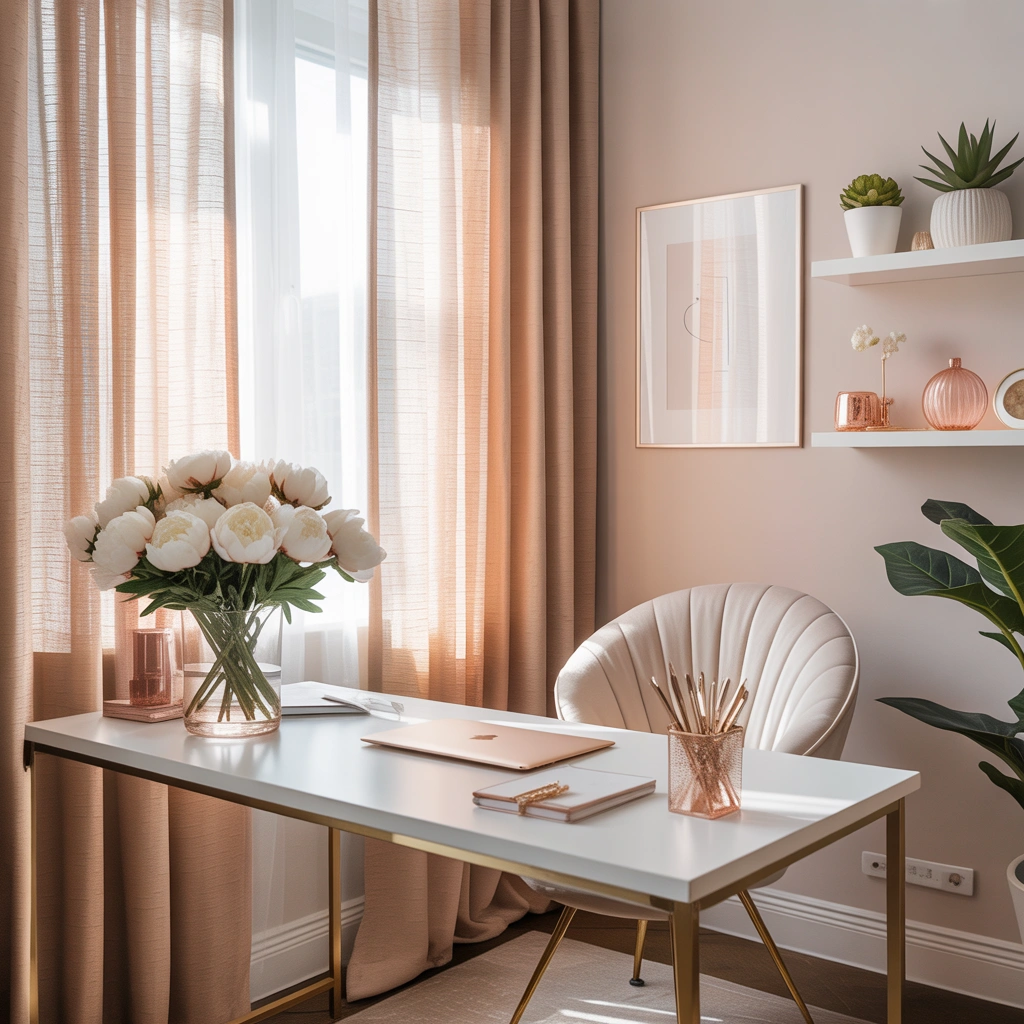
A soft feminine home office is a beautiful option for anyone who wants their workspace to feel peaceful, elegant, and welcoming. This style often includes light colors, delicate textures, warm lighting, and carefully selected decorative details.
You can begin with a neutral base such as white, cream, beige, or light gray. After that, introduce softer shades like blush pink, dusty rose, lavender, sage green, or muted peach. These colors can make the office feel feminine without making it look overly childish or distracting.
I personally love the idea of keeping the major furniture pieces neutral and adding feminine colors through accessories. A white desk, cream chair, and light-colored walls can easily be styled with pink cushions, floral artwork, gold desk accessories, or a soft rug.
You can also add natural materials to keep the space balanced. A wooden desk, woven basket, linen curtains, or ceramic vase will prevent the room from feeling too formal.
The key is to choose decorative pieces that still support your work. A stylish pen holder, elegant storage box, beautiful notebook, and decorative desk lamp can make the office attractive while remaining functional.
2. Design a Minimalist Home Office
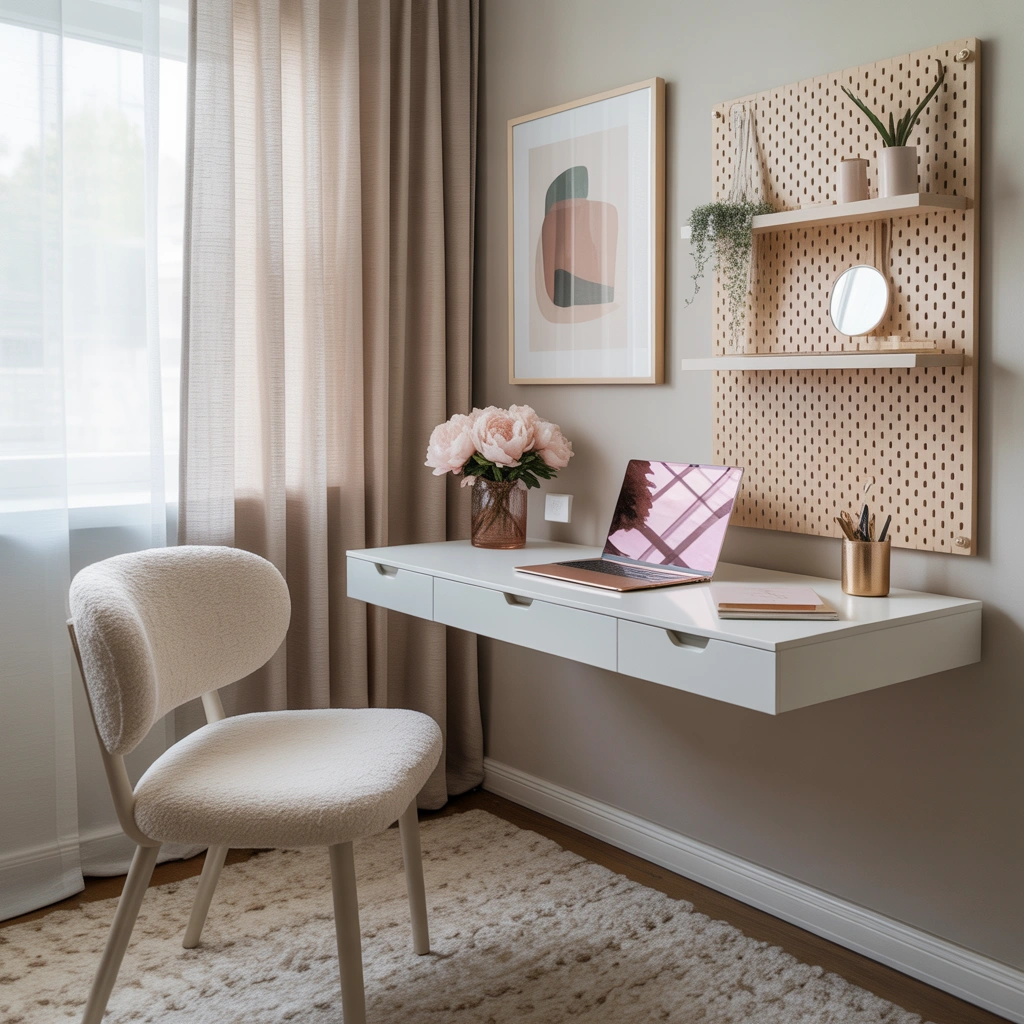
A minimalist home office is ideal for women who feel more focused in a clean and uncluttered environment. When there are fewer objects in the room, it becomes easier to concentrate on the work in front of you.
Start by selecting only the furniture you truly need. In most cases, this includes a desk, an ergonomic chair, a lamp, and a small amount of storage. Avoid filling the room with unnecessary décor, bulky furniture, or too many office supplies.
Choose a simple desk with clean lines and enough surface space for your laptop, notebook, and daily essentials. Keep cables hidden with clips, cable boxes, or under-desk organizers. This small improvement can make the entire workspace look more polished.
A minimalist office does not have to feel cold. You can add warmth through one or two personal items, such as a framed photo, a small plant, a candle, or a piece of meaningful artwork.
I find that a minimalist setup works best when everything has a specific place. Store documents in labeled folders, keep small items inside drawers, and clear your desk at the end of each workday. Waking up to a clean workspace can help you begin the next morning with a clearer mind.
3. Turn a Bedroom Corner into a Home Office
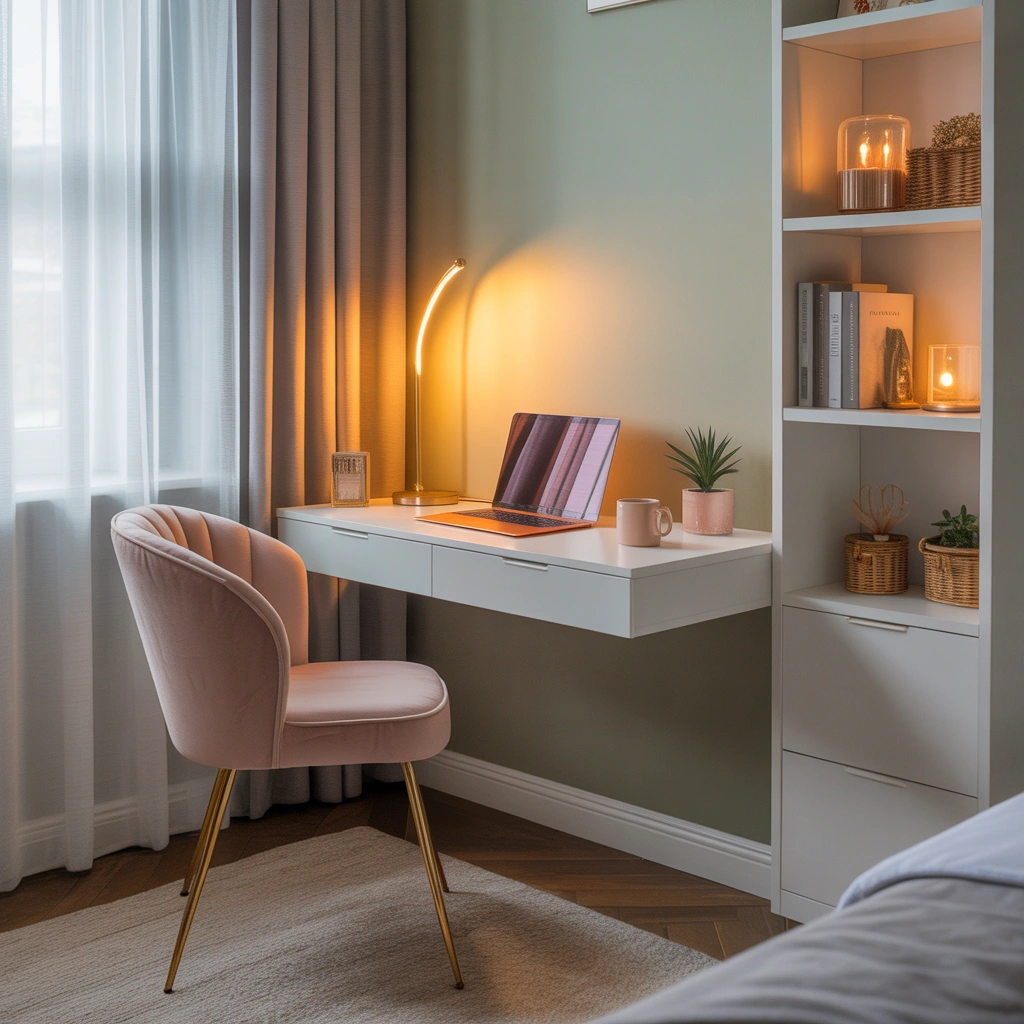
Not everyone has a separate room for a home office. If you live in a small apartment or share your home with family, a bedroom corner can become a practical and attractive workspace.
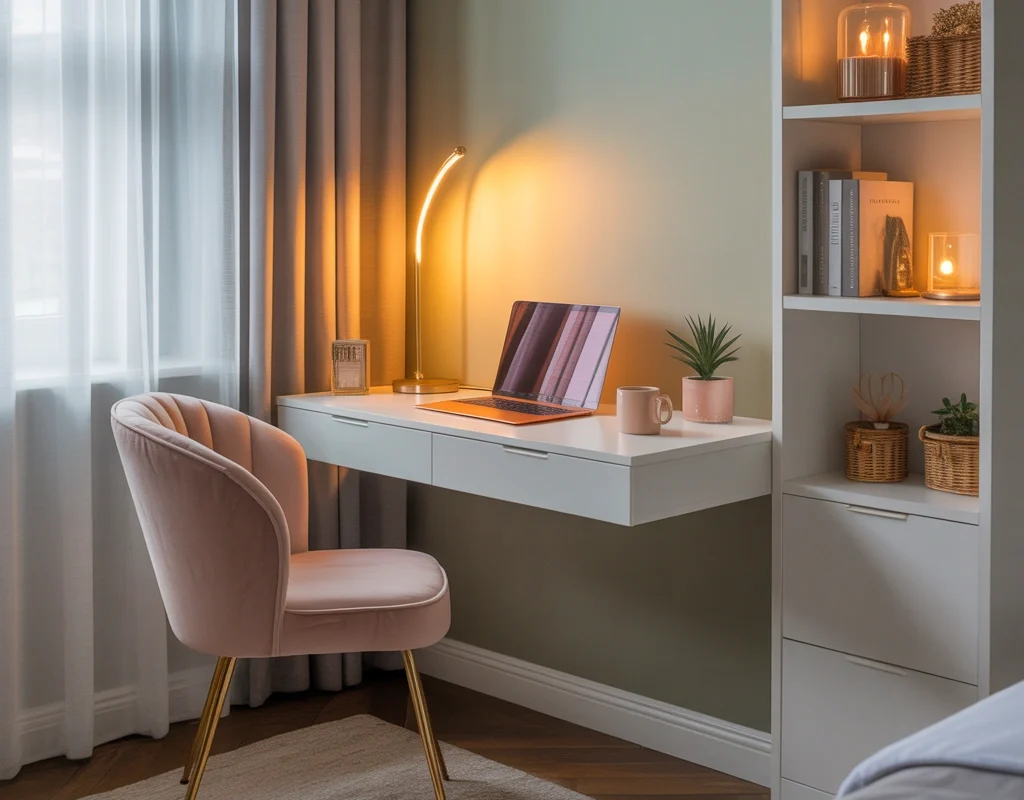
Look for an unused area near a window, beside a wardrobe, or along an empty wall. A slim desk or wall-mounted desk can fit into a small space without making the bedroom feel crowded.
To make the office corner feel separate from the sleeping area, use visual boundaries. A small rug under the desk, a different wall color, floating shelves, or a folding screen can define the workspace.
Try to keep the desk facing away from the bed if possible. Seeing the bed while working may tempt you to relax, while seeing your desk at night may make it harder to mentally switch off from work.
Storage is especially important in a bedroom office. Use drawers, wall shelves, baskets, and organizers to prevent papers and office supplies from spreading throughout the room.
At the end of the workday, close your laptop, clear the desk, and turn off the office lamp. This simple routine creates a mental signal that your workday has ended.
4. Add a Statement Accent Wall
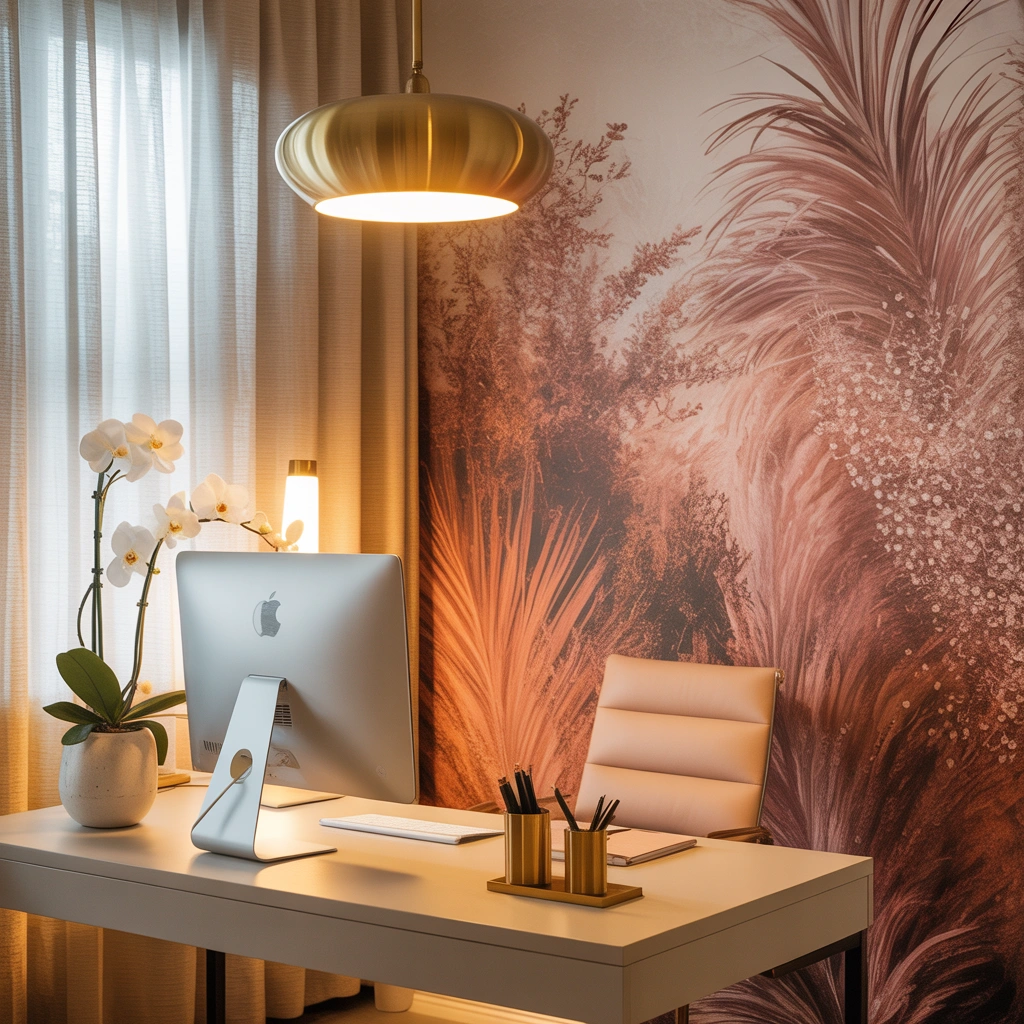
An accent wall can instantly give your home office more personality. It creates a strong visual focal point and can make even a small workspace feel intentionally designed.
There are many ways to create an accent wall. You can use paint, wallpaper, wooden panels, wall molding, peel-and-stick tiles, or a gallery arrangement.
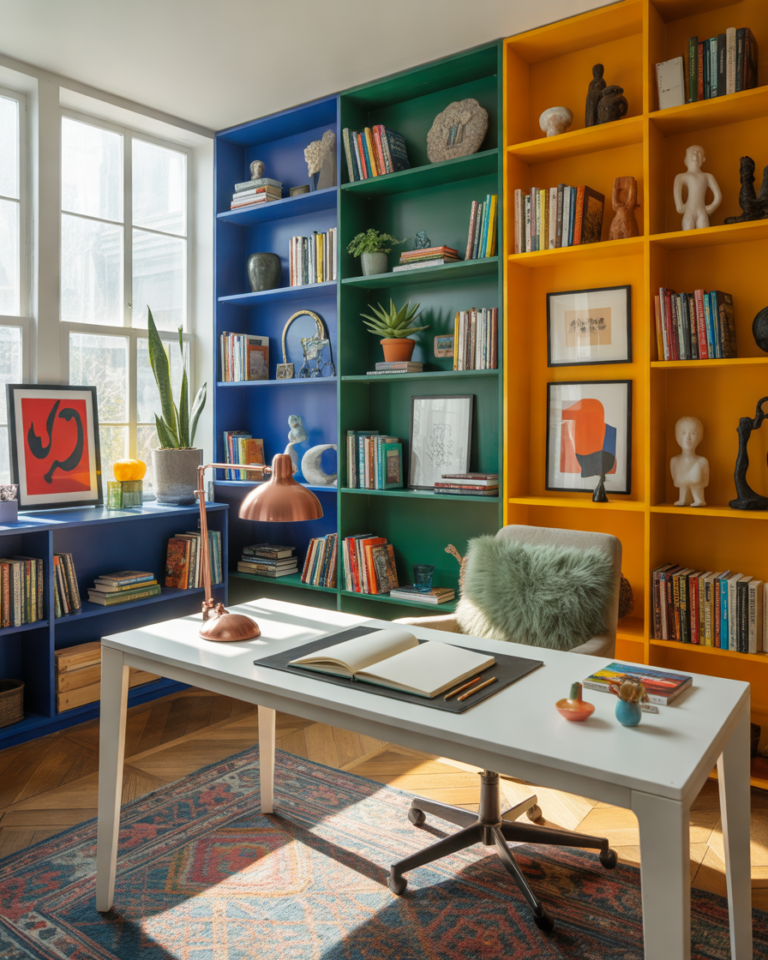
For a feminine home office, consider soft floral wallpaper, blush pink paint, sage green paneling, or a warm beige textured wall. For a bold and confident office, deeper shades such as navy blue, emerald green, plum, charcoal, or terracotta can look beautiful.
I recommend placing the accent wall behind your desk, especially if you frequently attend video meetings. It can create a professional and attractive background without requiring extra decoration.
Before choosing a bold pattern, think about how it will affect your concentration. A highly detailed wallpaper may look beautiful, but it can also feel visually busy. If your work requires deep focus, a solid color or subtle pattern may be a better choice.
An accent wall should reflect your personal style while still creating a comfortable environment for daily work.
5. Build a Small Home Office in a Closet
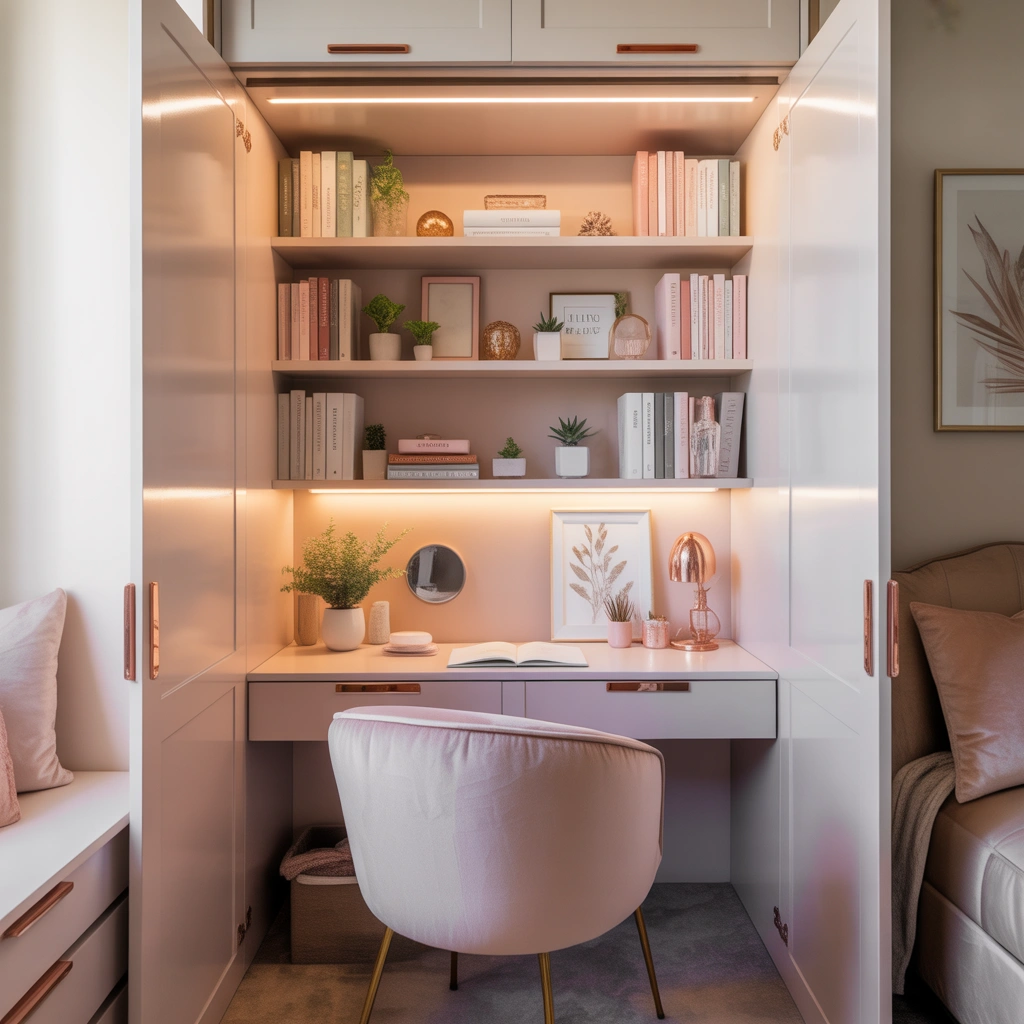
A closet office, often called a “cloffice,” is one of the smartest home office ideas for women with limited space. An unused closet can be transformed into a compact workspace that can be hidden when the workday is over.
Remove the hanging rail and install a desk-height shelf inside the closet. Add smaller shelves above the desk for books, storage boxes, office supplies, and décor.
Good lighting is essential because closets often lack natural light. Install a wall lamp, LED strip light, or small desk lamp to brighten the space.
You can decorate the inside of the closet with wallpaper or paint to make it feel special. Since the area is small, it is a great place to experiment with a color or pattern you might not use across an entire room.
One of the biggest benefits of a closet office is that you can close the doors at the end of the day. This keeps work visually separate from the rest of your home and hides office clutter.
Use compact accessories and avoid overcrowding the shelves. A small office can still feel organized and inspiring when every item is chosen carefully.
6. Include Plenty of Hidden Storage
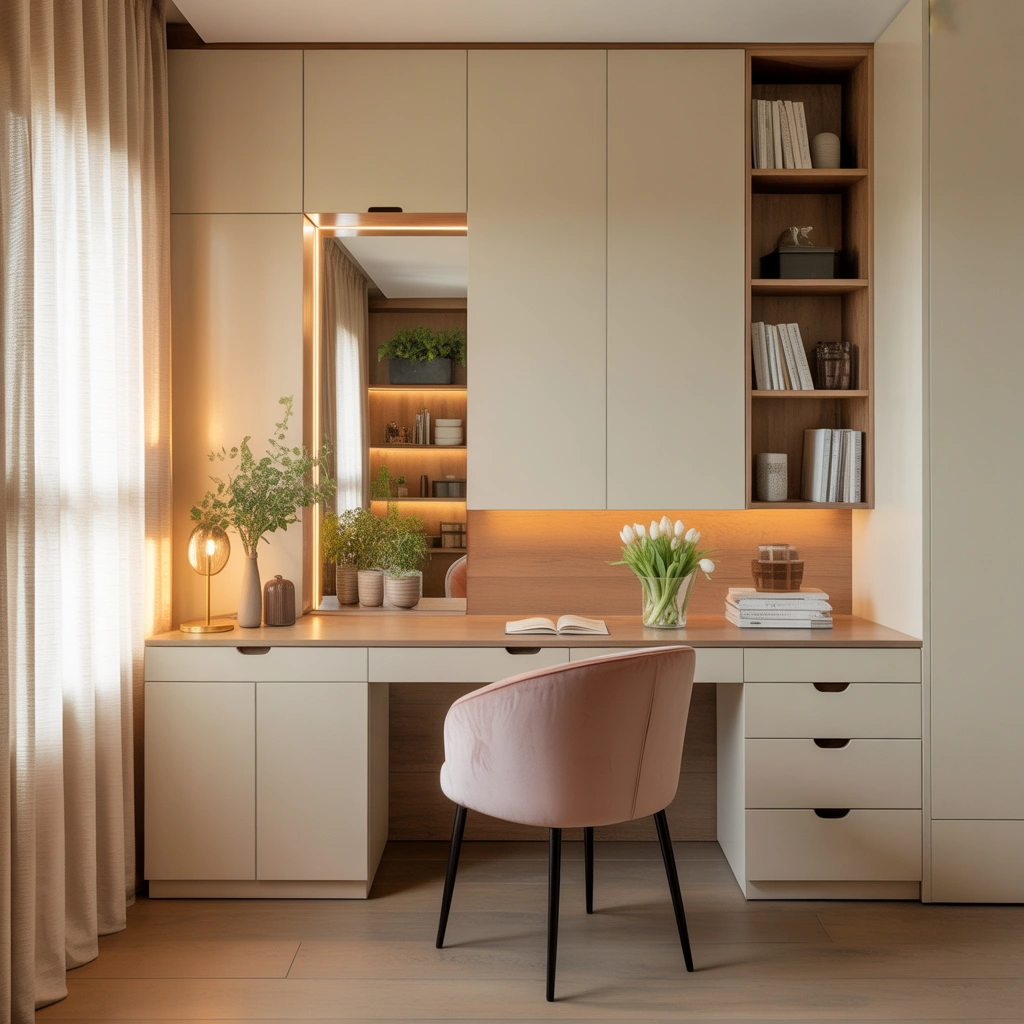
A stylish office can quickly become stressful when paperwork, chargers, notebooks, and supplies begin to pile up. Hidden storage helps maintain a clean appearance while keeping important items within reach.
Choose a desk with drawers or add a rolling drawer unit underneath it. Cabinets with doors are useful for hiding printers, files, and larger office equipment.
Decorative storage boxes are another practical choice. You can place them on open shelves to hide cables, stationery, documents, and small electronics.
Use drawer dividers to organize pens, sticky notes, clips, charging cables, and other small items. Without dividers, even a large drawer can become difficult to manage.
I also recommend creating categories for your office supplies. Keep financial documents in one place, notebooks in another, and technology accessories in a separate container. Labeling storage can save time and reduce frustration.
Hidden storage is particularly helpful in multipurpose rooms. When the office is located in a bedroom, living room, or dining area, closed storage allows the space to look calm and tidy after work hours.
7. Create a Cozy Office with Warm Lighting
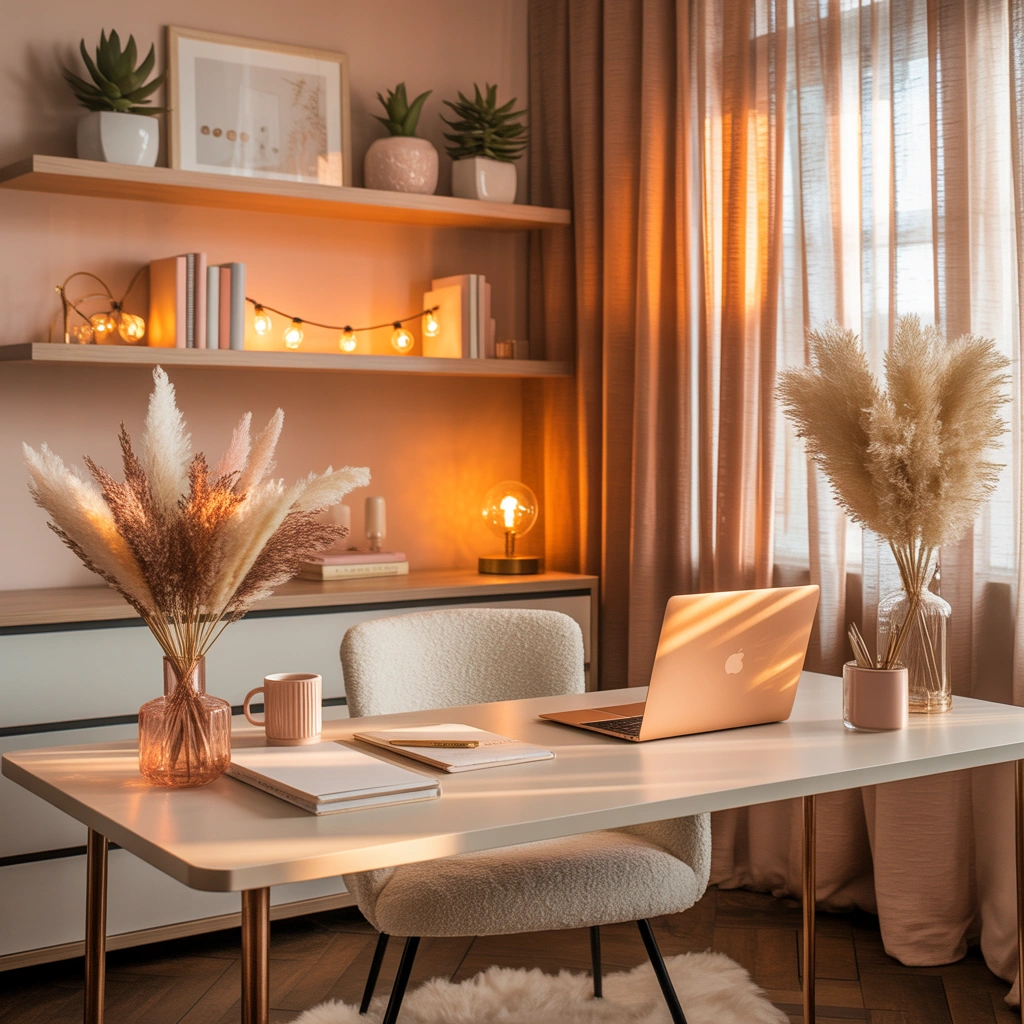
Lighting has a major impact on the mood and comfort of a home office. Harsh overhead lighting can make a workspace feel tiring, while warm layered lighting creates a more inviting environment.
Natural light should be your first priority. Position the desk near a window if possible, but avoid placing the screen directly in front of bright sunlight because glare can make it difficult to work.
Add a desk lamp for focused task lighting. Choose a lamp with an adjustable arm so you can direct the light where you need it.
You can also use a floor lamp, wall light, or small table lamp to create softer background lighting. Warm white bulbs usually feel more relaxing than very cool blue-toned bulbs.
For a cozy touch, add a candle-style lamp or subtle string lights on a shelf. These should be used as decorative lighting rather than your main light source.
I find that lighting becomes especially important during early mornings and late evenings. A soft, well-lit office feels more comfortable and can reduce eye strain during long work sessions.
8. Add Plants and Natural Elements
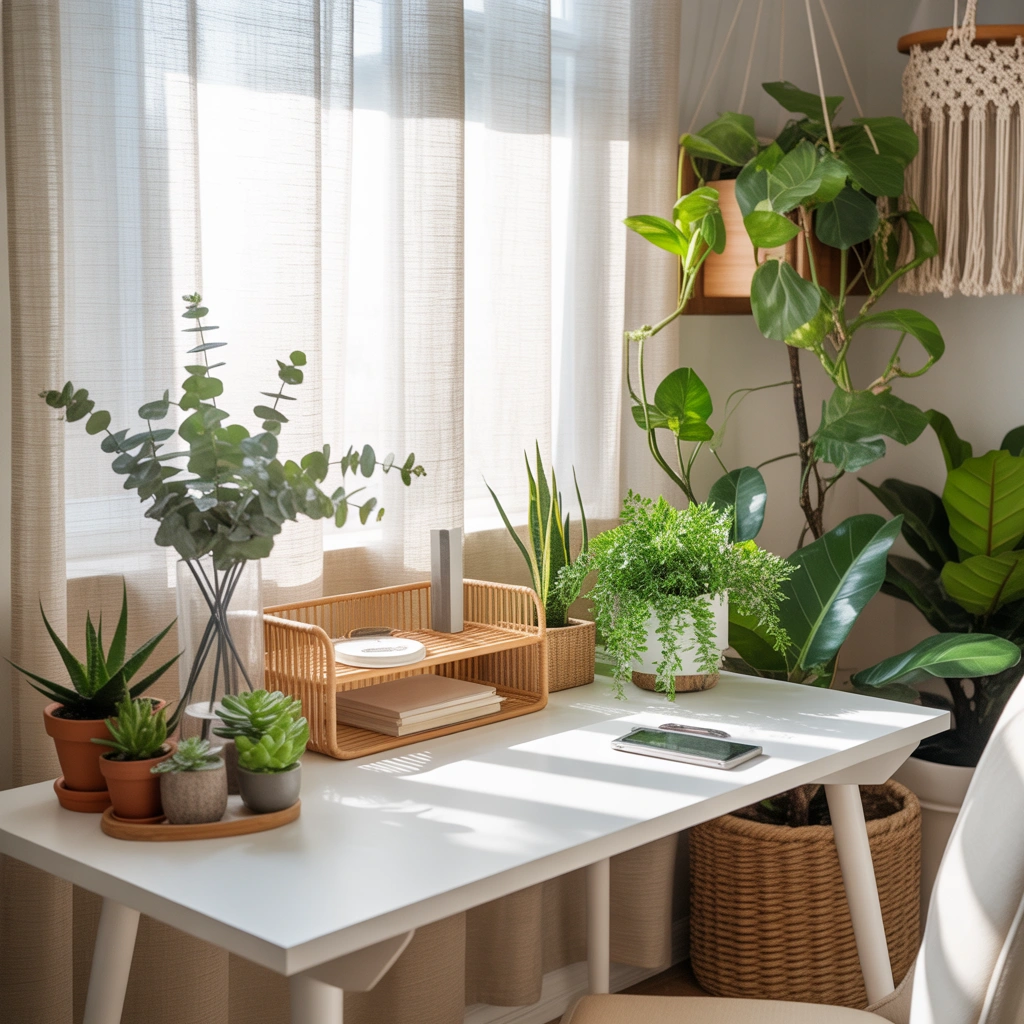
Plants can bring freshness, color, and life into a home office. They help soften the appearance of technology, furniture, and storage while making the room feel more connected to nature.
You do not need to turn your office into an indoor garden. One medium-sized plant near the desk and a small plant on a shelf may be enough.
Low-maintenance office plants include snake plants, pothos, ZZ plants, peace lilies, and succulents. Choose plants based on the amount of natural light available in your workspace.
If maintaining live plants feels difficult, high-quality artificial plants can still add visual warmth. Dried flowers, pampas grass, eucalyptus stems, and decorative branches are also attractive options.
Natural elements can go beyond plants. Consider adding wooden furniture, rattan baskets, linen curtains, stone accessories, or a jute rug.
These textures make the office feel more comfortable and less corporate. For me, even a small plant beside the laptop can make a workspace feel calmer and more enjoyable.
9. Design a Glamorous Home Office
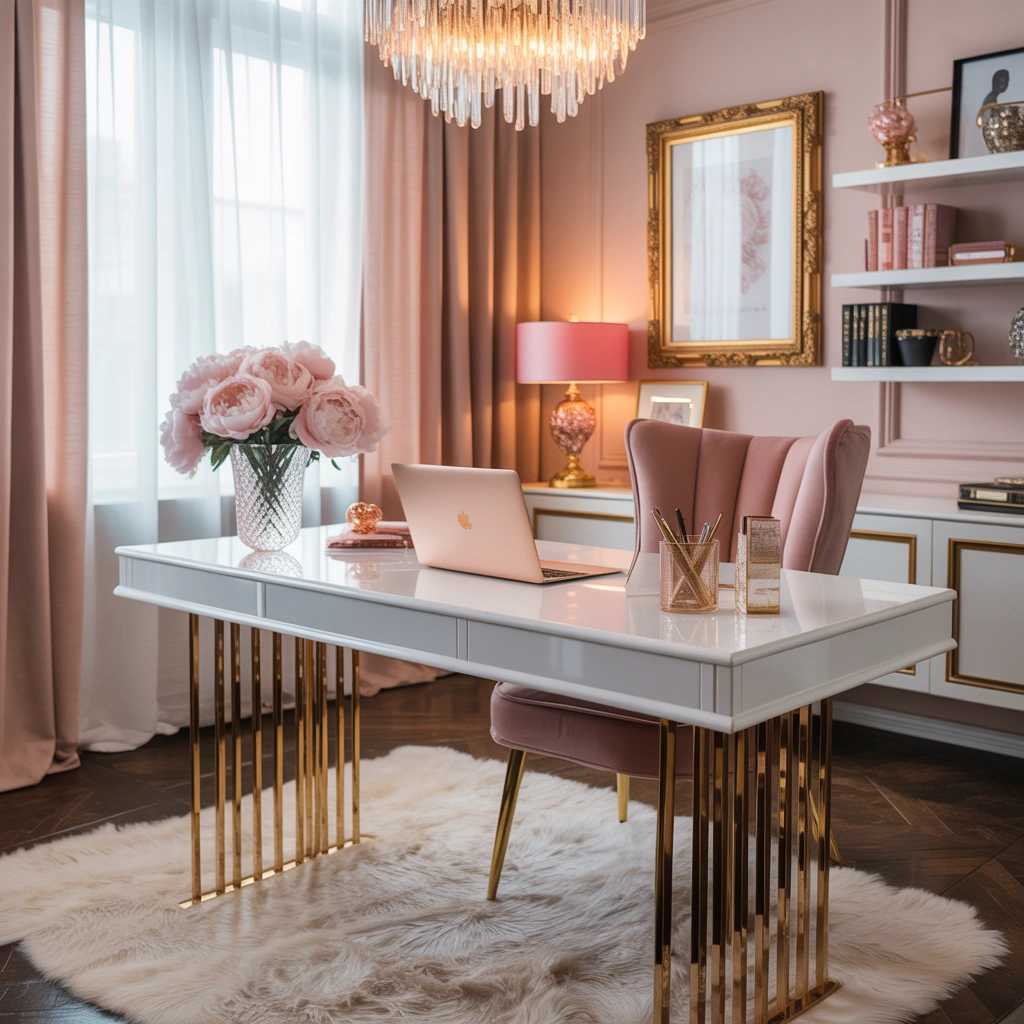
A glamorous home office is perfect for women who enjoy elegant furniture, polished surfaces, metallic finishes, and luxurious details.
Begin with one strong statement piece, such as a velvet office chair, glass desk, gold-framed mirror, crystal-style light fixture, or beautiful rug. The goal is to create elegance without making the office impractical.
Gold, brass, and rose gold accessories can add warmth and sophistication. Use them through drawer handles, lamps, picture frames, pen holders, or shelf brackets.
A soft velvet chair in blush, cream, emerald, or navy can become the centerpiece of the room. However, make sure the chair offers proper back support if you work for long periods.
Mirrored surfaces can reflect light and make a small office look larger, but too many shiny materials may become distracting. Balance glamorous pieces with simple neutral furniture.
A glamorous office should still be organized and comfortable. Beauty matters, but the space must also support your daily tasks, technology, meetings, and storage needs.
10. Create a Creative Studio Office
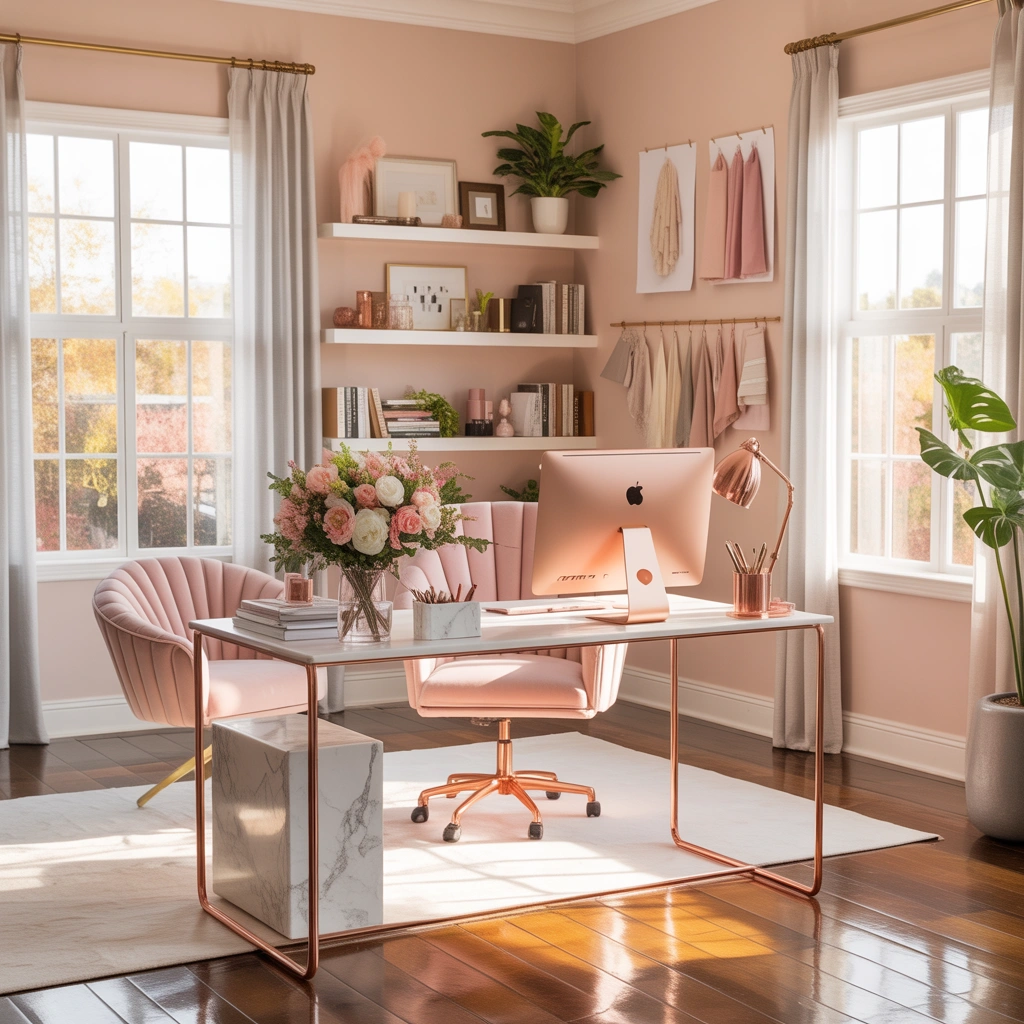
If your work involves writing, crafting, designing, photography, content creation, sewing, or art, your home office may need to function as a creative studio.
Start by identifying the activities you perform most often. A graphic designer may need a large monitor and digital drawing tablet, while a crafter may need a wide worktable and organized supply storage.
Use vertical wall space to display inspiration. A pegboard can hold tools, scissors, small containers, headphones, and creative supplies. A corkboard can display color palettes, sketches, photographs, notes, and project ideas.
Open shelving works well in a creative office because it allows you to see materials clearly. However, group smaller items inside matching containers to avoid a cluttered appearance.
Leave part of your desk or worktable empty so you have space to experiment. A creative workspace should not feel so perfectly arranged that you are afraid to use it.
I believe the best creative offices feel active and personal. Include finished projects, inspiring books, favorite artwork, and materials that encourage you to begin creating.
11. Use a Neutral and Earthy Color Palette
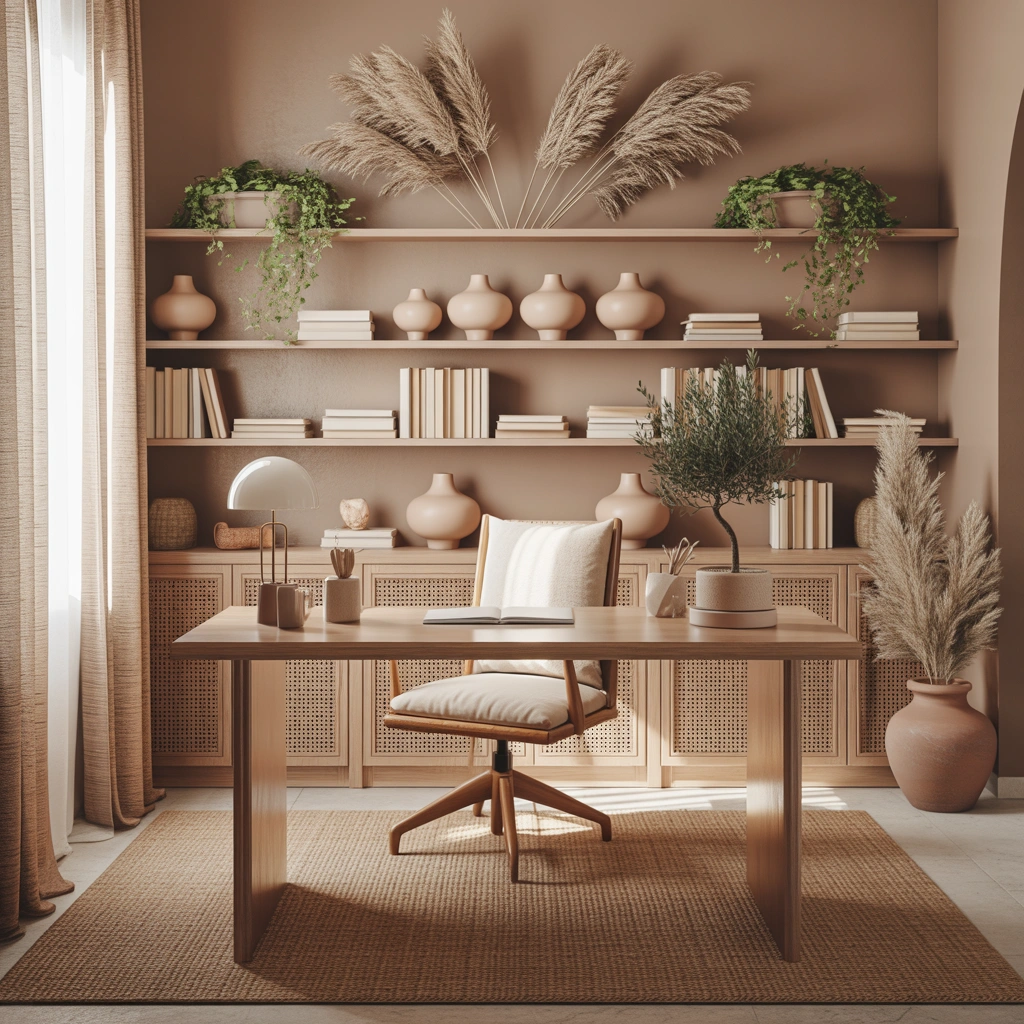
Neutral and earthy colors can create a grounded, mature, and relaxing home office. This style is especially suitable for women who prefer calm interiors rather than bright or highly decorative spaces.
Consider shades such as warm white, sand, camel, taupe, olive, clay, soft brown, and muted terracotta. These colors work beautifully together and create a natural, timeless appearance.
Layering textures is important when using a neutral palette. Without texture, a beige or white office can appear flat. Add interest through a woven rug, boucle chair, linen curtains, wooden shelves, ceramic accessories, or leather desk pad.
Black details can provide contrast. A black desk lamp, dark picture frame, or black chair base can make the space feel more structured.
Earthy offices also pair well with plants and natural sunlight. The overall effect is warm, peaceful, and professional.
This style is easy to maintain because neutral furniture can be updated with new accessories as your taste changes.
12. Set Up a Home Office for Video Meetings
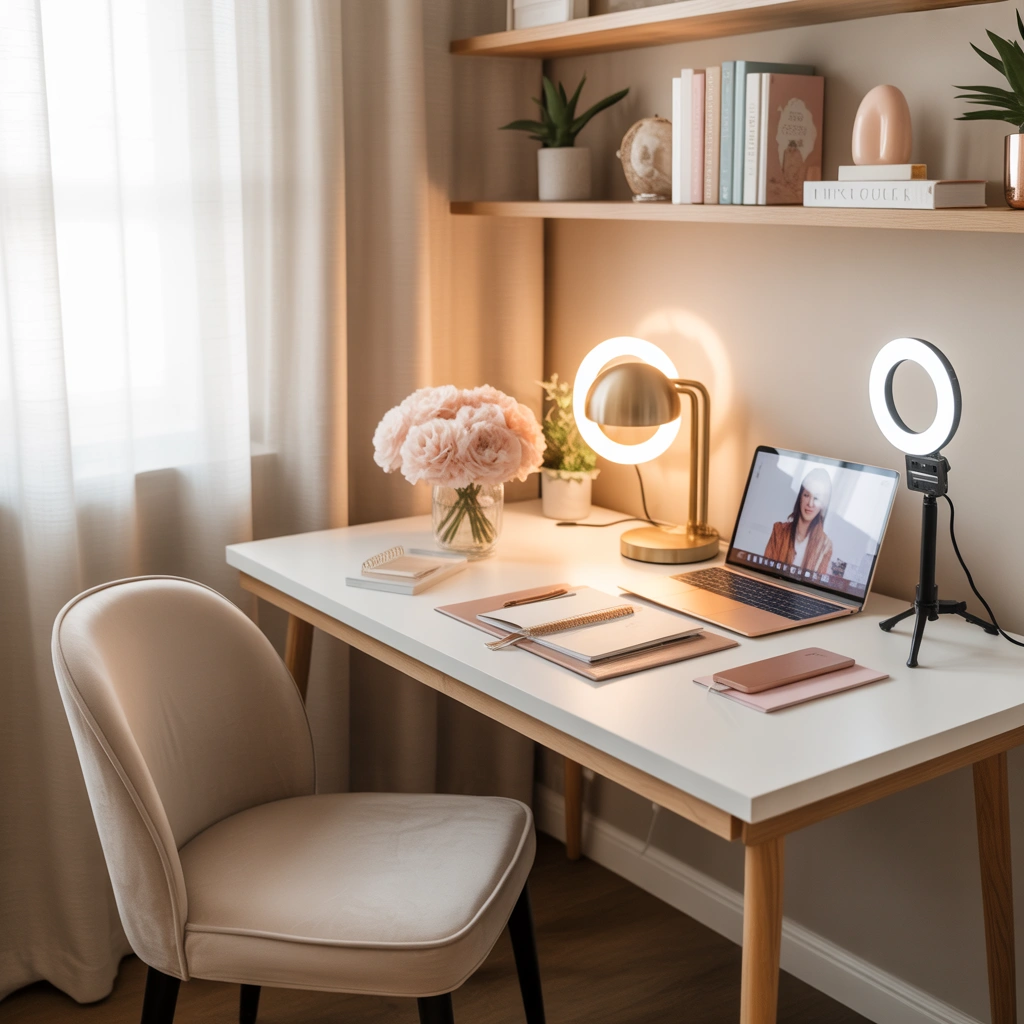
Many women now use their home offices for virtual meetings, interviews, online teaching, coaching, client consultations, and presentations. A professional video meeting setup can improve both confidence and communication.
Begin by positioning your camera at eye level. You can use a laptop stand, stack of books, or adjustable monitor stand. Looking down at the camera often creates an unflattering angle and may affect posture.
Place a light source in front of you rather than behind you. A window, desk lamp, or ring light can help brighten your face. Strong light behind you can turn your face into a shadow.
Pay attention to the background. A tidy shelf, framed artwork, neutral wall, plant, or organized bookcase can create a professional appearance.
Avoid displaying highly personal items, clutter, laundry, or anything distracting. The background should reflect your style without taking attention away from the conversation.
You should also consider sound quality. Soft furnishings such as curtains, rugs, and upholstered chairs can reduce echo. Headphones or an external microphone may improve audio during important meetings.
Test the camera, lighting, and background before your meeting begins. A few minutes of preparation can make you feel much more confident.
13. Build a Budget-Friendly Home Office
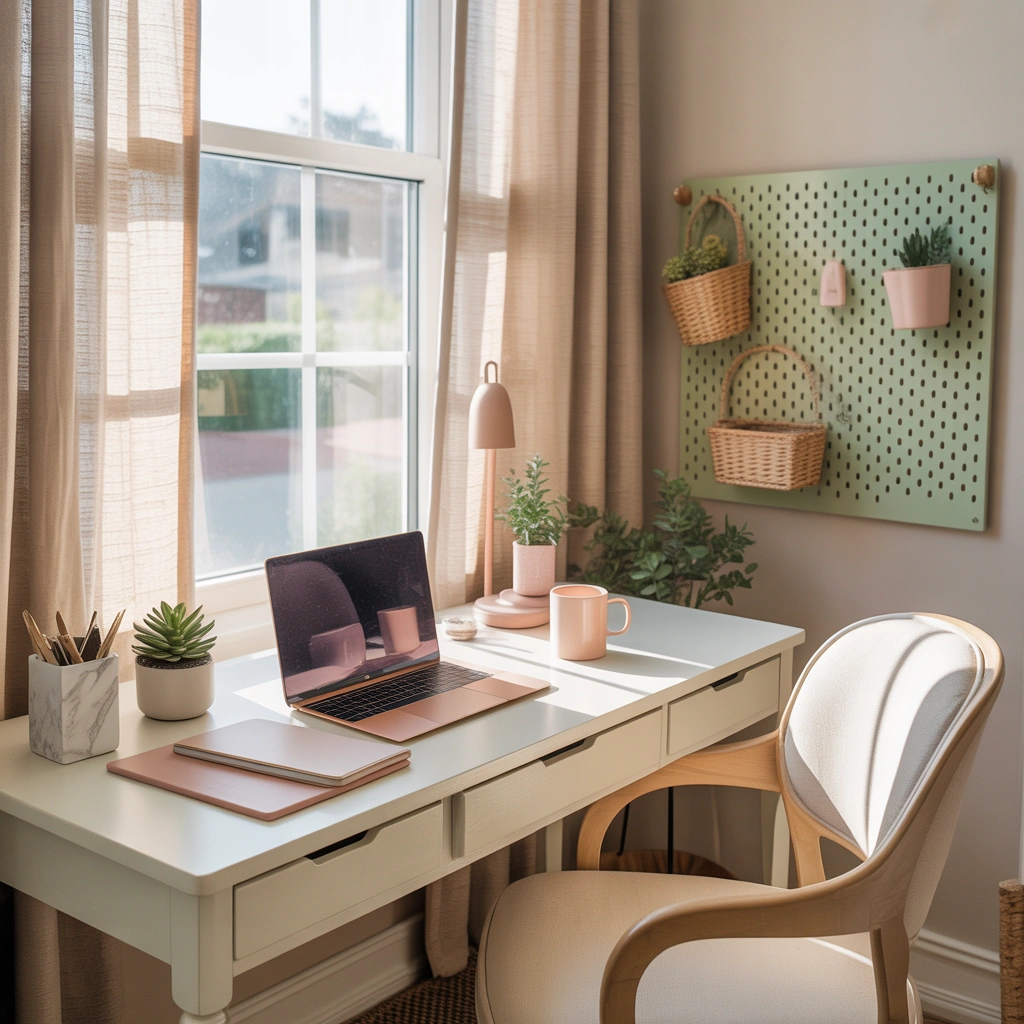
Creating a beautiful home office does not require a large budget. Some of the most effective changes are simple, affordable, and easy to complete.
Start by using furniture you already own. A small dining table, console table, or unused vanity can become a desk. A basic chair can be improved with a supportive cushion until you are ready to invest in an ergonomic model.
Shop secondhand for desks, shelves, lamps, and storage cabinets. Many solid wood or metal pieces can be refreshed with paint, new handles, or adhesive covering.
Use printable wall art, personal photographs, magazine pages, or handmade decorations instead of expensive artwork. Matching storage boxes can be created by covering ordinary boxes with paper or fabric.
Focus your budget on comfort and function first. A supportive chair, proper lighting, and reliable internet setup are more important than decorative items.
You can slowly add style over time. I actually prefer this approach because it allows the office to develop naturally instead of purchasing everything at once.
A budget-friendly office can still look polished when it is clean, coordinated, and thoughtfully arranged.
14. Create a Dual-Purpose Office and Dressing Area
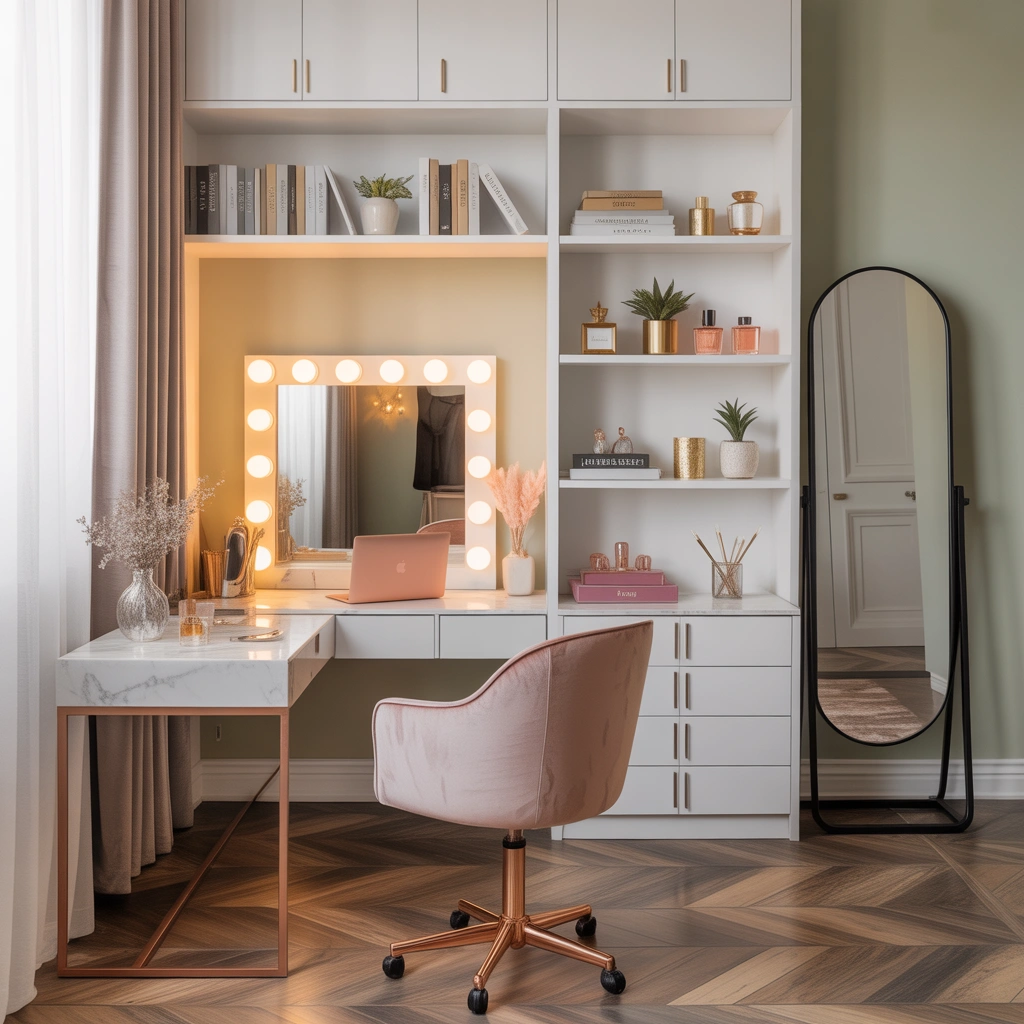
A home office can share space with a dressing area, especially in a bedroom or spare room. The key is to organize the furniture so each activity has its own zone.
A wide desk can serve as both a workspace and vanity. Keep work supplies in one set of drawers and beauty products in another. Use containers and dividers to prevent the two areas from mixing.
Install a mirror above one side of the desk while keeping the computer or monitor on the other side. A movable tabletop mirror can be stored when it is not needed.
Lighting should support both activities. A desk lamp is useful for work, while a mirror with soft front lighting can help with makeup and grooming.
Choose a chair that is comfortable for working but stylish enough for a dressing area. An upholstered chair with proper support can work well.
At the beginning of the workday, remove beauty products from the desk and create a clear professional surface. After work, store office equipment and use the space as a dressing area.
This setup is practical for women who have limited space but still want both functions to feel organized and attractive.
15. Personalize Your Office with Meaningful Décor
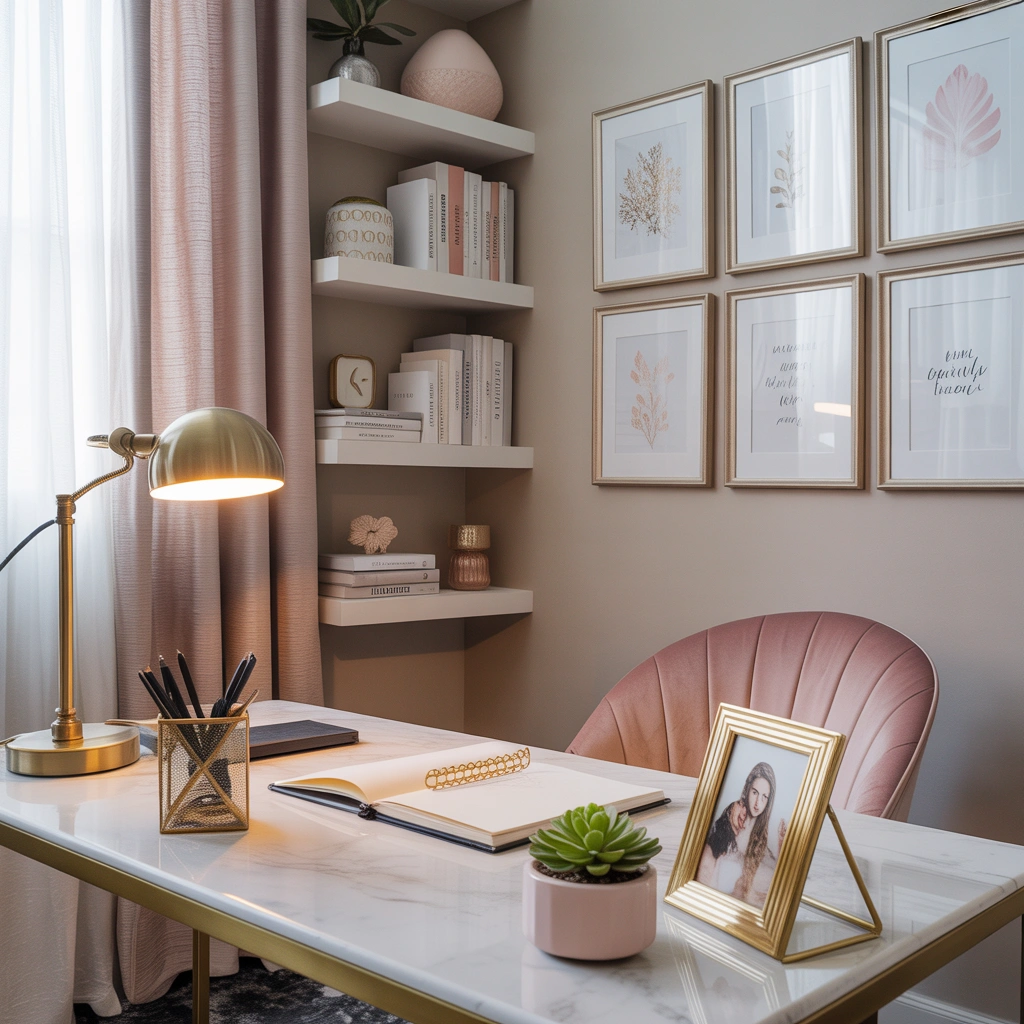
The most important home office idea is to create a space that feels like your own. Trends can provide inspiration, but your office should reflect your personality, goals, and daily life.
Add items that motivate you. This may include family photos, travel memories, awards, certificates, favorite books, meaningful quotes, or objects connected to your career.
A vision board can be a powerful addition to the office. Include images and words that represent the goals you are working toward. Place it somewhere visible but not directly in front of your screen if it becomes distracting.
You can also display a personal collection, such as perfume bottles, handmade ceramics, framed fashion prints, or vintage stationery. Keep the collection small and intentional so the office remains functional.
Choose a scent that helps you feel calm or focused. A subtle candle, reed diffuser, or essential oil diffuser can make the workspace feel more pleasant. Avoid very strong scents, especially during long work sessions.
Personalization is what turns a basic desk into a workspace you genuinely enjoy using. Your office should remind you of who you are and what you are building.
How to Choose the Best Home Office Idea
With so many home office ideas for women, it can be difficult to decide which style is right for you. Instead of choosing only based on appearance, consider how you actually work.
Ask yourself what tasks you complete each day. Do you mainly use a laptop? Do you attend frequent video meetings? Do you need space for notebooks, products, art supplies, or printed documents? Your daily work should determine the desk size, storage, lighting, and layout.
You should also think about your available space. A large spare room offers more flexibility, but a small bedroom corner or closet can still become an effective office.
Comfort should always be a priority. A beautiful office will not feel enjoyable if the chair causes back pain, the desk is too low, or the lighting creates eye strain.
Finally, choose colors and décor that make you feel good. Some women feel energized by bright colors, while others focus better in soft neutral spaces. There is no single correct home office style.
Essential Items for a Comfortable Home Office
Although every workspace is different, a few basic items can improve almost any home office.
A supportive chair is one of the most important investments. Look for adjustable height, back support, and a seat that remains comfortable during long work periods.
Your desk should provide enough space for your main equipment and allow your arms to rest comfortably. The monitor should be close to eye level, and your feet should rest flat on the floor or on a footrest.
Good lighting is also essential. Combine natural light with a desk lamp and soft background lighting.
You may also need cable organizers, storage drawers, headphones, a laptop stand, a keyboard, a mouse, and a water bottle.
Keep frequently used items within easy reach. Supplies that are used less often can be stored in cabinets or on higher shelves.
Home Office Organization Tips for Women
An organized home office can reduce stress and help you move through tasks more efficiently.
Begin by removing items that do not belong in the office. Return household objects, clothing, dishes, and unrelated paperwork to their proper places.
Create a simple filing system for important documents. Use labeled folders for finances, clients, education, projects, personal records, and receipts.
Try to manage digital clutter as well. Organize files into clearly named folders, delete unnecessary downloads, and back up important documents.
Keep a small tray or container for items that need immediate attention. This prevents loose papers from spreading across the desk.
At the end of each day, spend five minutes resetting the workspace. Put supplies away, clear cups, organize papers, and prepare your task list for the next morning.
This simple habit can make your office feel fresh every day.
Final Thoughts
A home office should support your ambitions while also making your daily routine more comfortable. It does not need to look like a corporate office or a perfectly styled social media post. It simply needs to work for you.
You may prefer a soft feminine office filled with warm colors, a minimalist workspace with very little decoration, a glamorous room with gold details, or a small desk tucked into a bedroom corner. Each option can be beautiful when it is designed around your real needs.
Start with the basics: a comfortable chair, a practical desk, good lighting, and organized storage. After that, add colors, textures, artwork, plants, and personal objects that make the space feel special.
The best home office ideas for women are not only about appearance. They are about creating a place where you can focus, think, learn, create, and move closer to your goals.
Even one small improvement can make a difference. Clear your desk, add a lamp, hang a favorite picture, or create a dedicated office corner. Over time, your workspace can become one of the most inspiring areas in your home.
Frequently Asked Questions
What is the best color for a woman’s home office?
The best color depends on the mood you want to create. Soft pink, cream, sage green, beige, and light gray can create a peaceful environment. Navy, emerald, plum, and terracotta can make the office feel more confident and sophisticated.
How can I make my home office look feminine?
Use soft colors, elegant lighting, textured fabrics, floral artwork, metallic accessories, stylish storage, and meaningful décor. Feminine design does not have to be pink. It can also include warm neutrals, curved furniture, delicate patterns, and natural materials.
How can I create a home office in a small room?
Use a slim desk, floating shelves, vertical storage, and compact furniture. A bedroom corner, hallway space, closet, or area under the stairs can become a practical small home office.
How do I make my home office cozy?
Add warm lighting, a comfortable chair, a soft rug, curtains, plants, cushions, and natural textures. Keep the color palette warm and avoid harsh overhead lighting.
What should every home office include?
Every home office should include a functional desk, supportive chair, proper lighting, reliable technology, storage, cable management, and a layout that supports comfortable posture.
How do I make my home office look professional on video calls?
Position the camera at eye level, use front-facing light, keep the background organized, and remove distracting items. A neutral wall, bookshelf, plant, or framed artwork can create a professional video background.
Can I create a stylish home office on a low budget?
Yes. Reuse existing furniture, shop secondhand, create printable artwork, use affordable storage boxes, and improve the space gradually. Focus on comfort, organization, and lighting before purchasing decorative accessories.