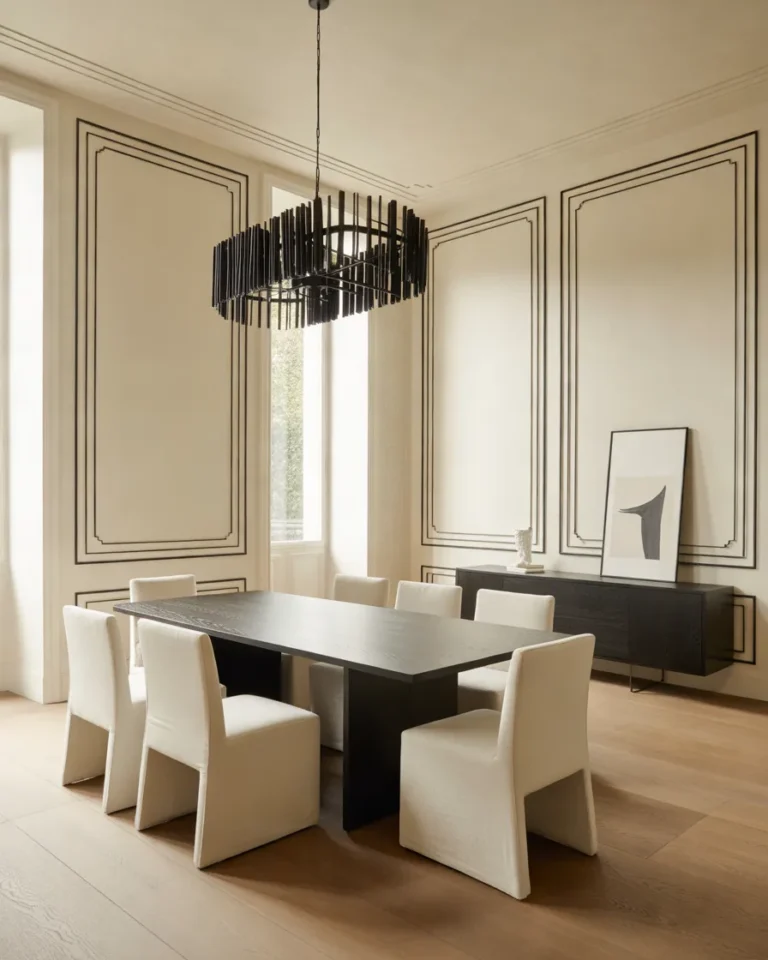
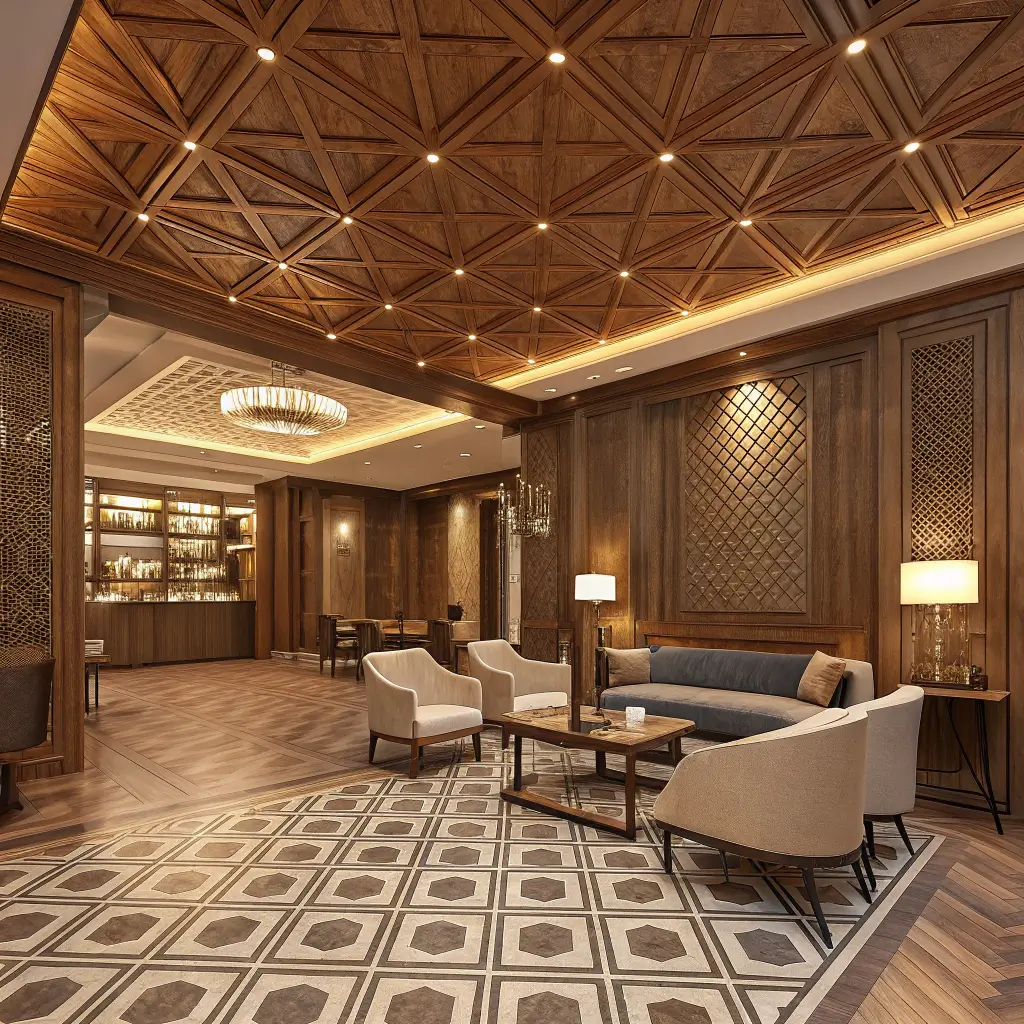
Let me guess—you’re staring at that plain white ceiling thinking, “There’s got to be something better than this boring expanse of nothingness.” Well, you’re absolutely right, and wooden ceilings are having their moment right now for good reason.
I discovered the magic of wooden ceilings completely by accident. My contractor messed up and exposed the timber beams in my living room during a renovation. Instead of covering them up, I took one look and thought, “Actually, this looks incredible.”
That happy accident led me down a rabbit hole of wooden ceiling designs that transformed my entire home’s personality.
Here’s what nobody tells you about wooden ceilings in modern homes: they don’t just add warmth, they create an entire mood. Whether you want that cabin-in-the-woods vibe or sleek contemporary sophistication, wood delivers in ways drywall never could.
Plus, when everyone else is playing it safe with white ceilings, you’ll have guests craning their necks asking, “How did you even think of this?”
Rustic Beam Wooden Ceiling
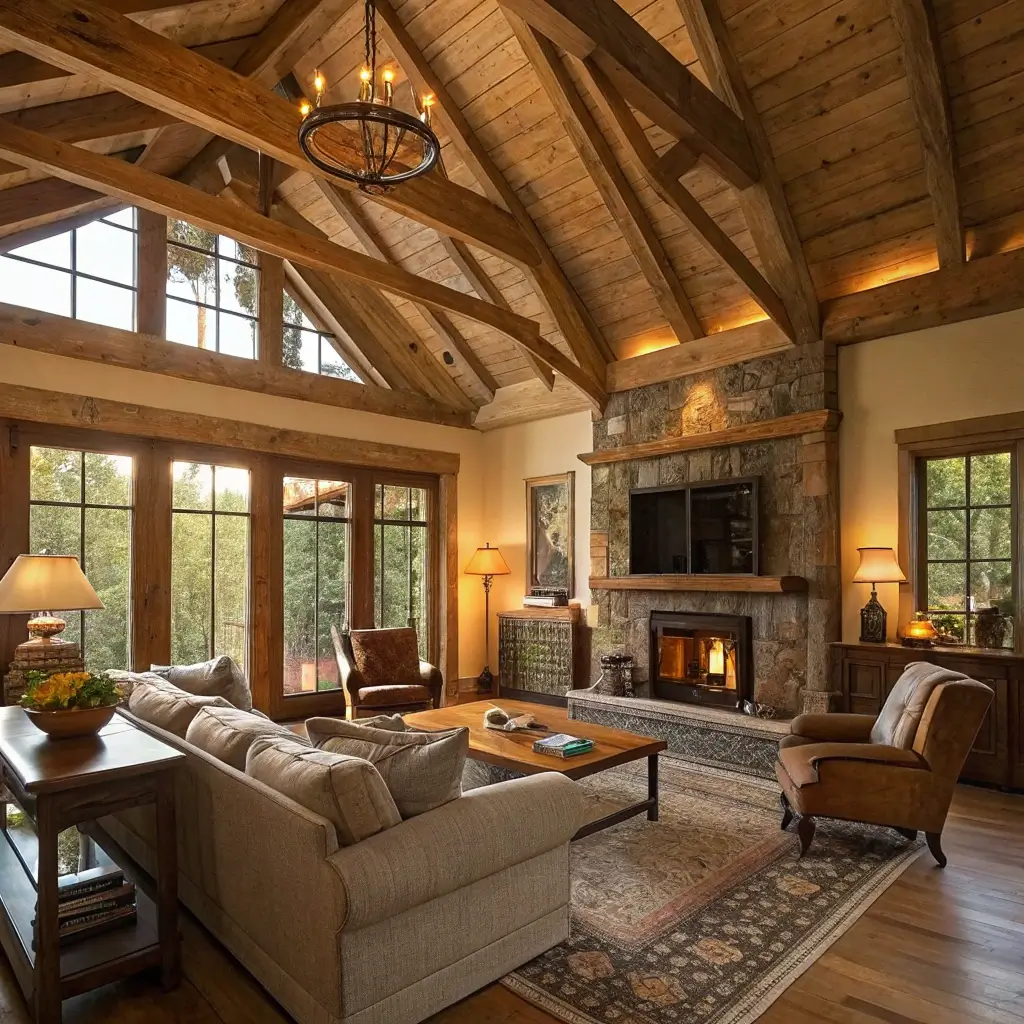
Nothing says “I have impeccable taste” quite like rustic wooden beams stretching across your ceiling. These aren’t your grandma’s heavy, dark beams that made rooms feel like medieval dungeons—modern rustic beams strike that perfect balance between raw and refined.
The beauty of rustic beams lies in their imperfections. Those knots, grain patterns, and natural variations tell a story that manufactured materials simply can’t replicate. I installed reclaimed barn beams in my kitchen last year, and every single dinner guest comments on them. The character they add? Absolutely unmatched.
You’ve got options here that won’t break the bank either. Real solid wood beams look stunning but weigh a ton and cost accordingly. Faux wood beams have come so far that even I can barely tell the difference from ground level. They’re hollow, lightweight, and install with basic tools—perfect for DIY weekend warriors.
Making Rustic Beams Work:
- Space beams 4-6 feet apart for balanced visual weight
- Mix beam sizes for authentic randomness
- Leave natural wood color or apply light stain
- Run beams perpendicular to longest wall dimension
- Consider ceiling height—lower ceilings need thinner beams
The trick with rustic beams? Don’t overthink the placement. Real barn beams weren’t placed for aesthetics—they held stuff up! Mimic that functional randomness for authenticity.
Coffered Wooden Ceiling
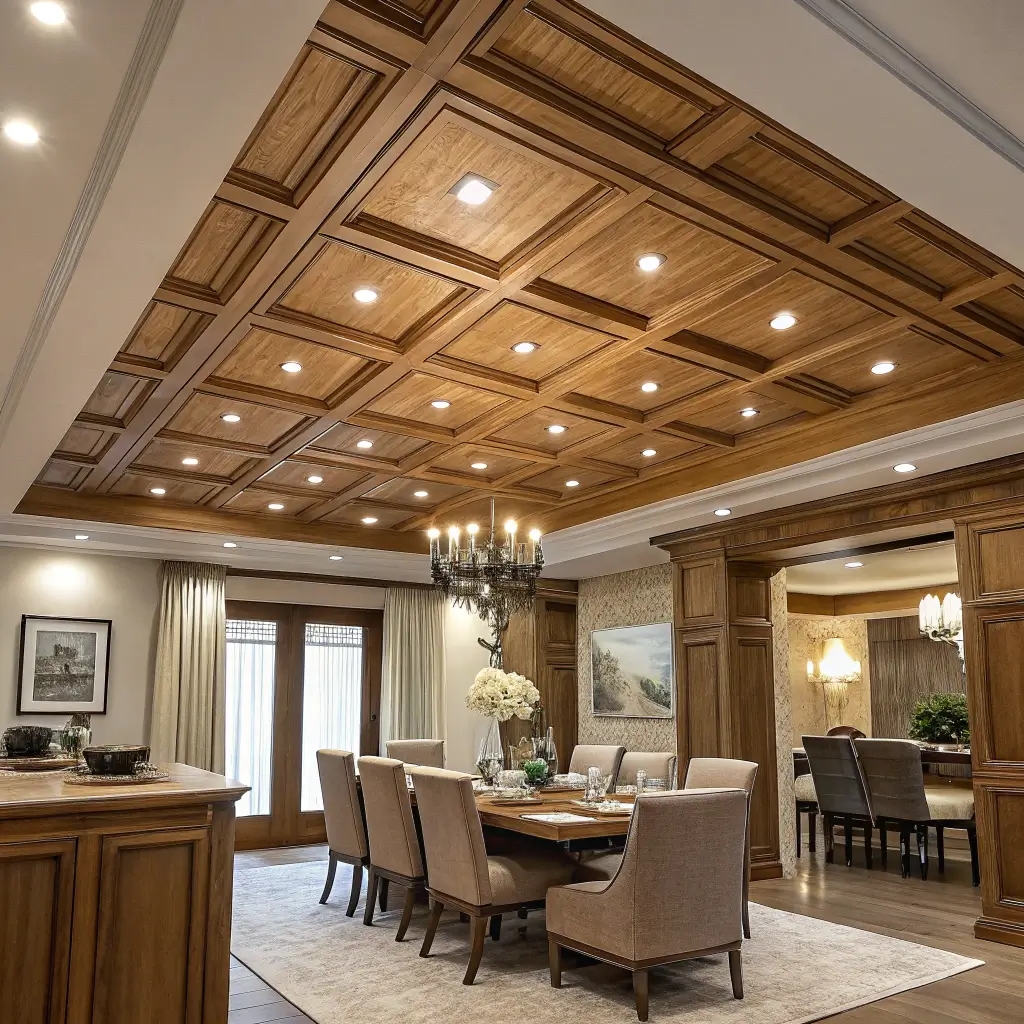
Want to make everyone think you hired an expensive architect? Coffered ceilings create that high-end, custom look that screams sophistication without actually screaming (because that would be tacky).
Picture a grid of recessed panels, each framed by wooden beams. The depth and shadow play create visual interest that flat ceilings could never achieve. My friend installed coffered ceilings in her dining room, and now every dinner party feels like a scene from Downton Abbey—minus the drama and British accents.
The best part about modern coffered ceilings? You can adjust the formality level. Want traditional elegance? Go with rich mahogany and ornate moldings. Prefer contemporary clean? Try white-painted wood with simple, geometric lines. The grid pattern naturally divides large spaces, making enormous rooms feel more intimate.
Coffered Ceiling Considerations:
- Minimum 9-foot ceilings recommended
- Panel size affects room perception
- Darker wood creates more drama
- Include crown molding for traditional look
- Plan lighting integration from the start
Installation tip from personal experience: hire a professional for this one. Unless you’re incredibly patient and precise, those grid lines will drive you crazy if they’re even slightly off.
Slatted Wooden Ceiling Panels
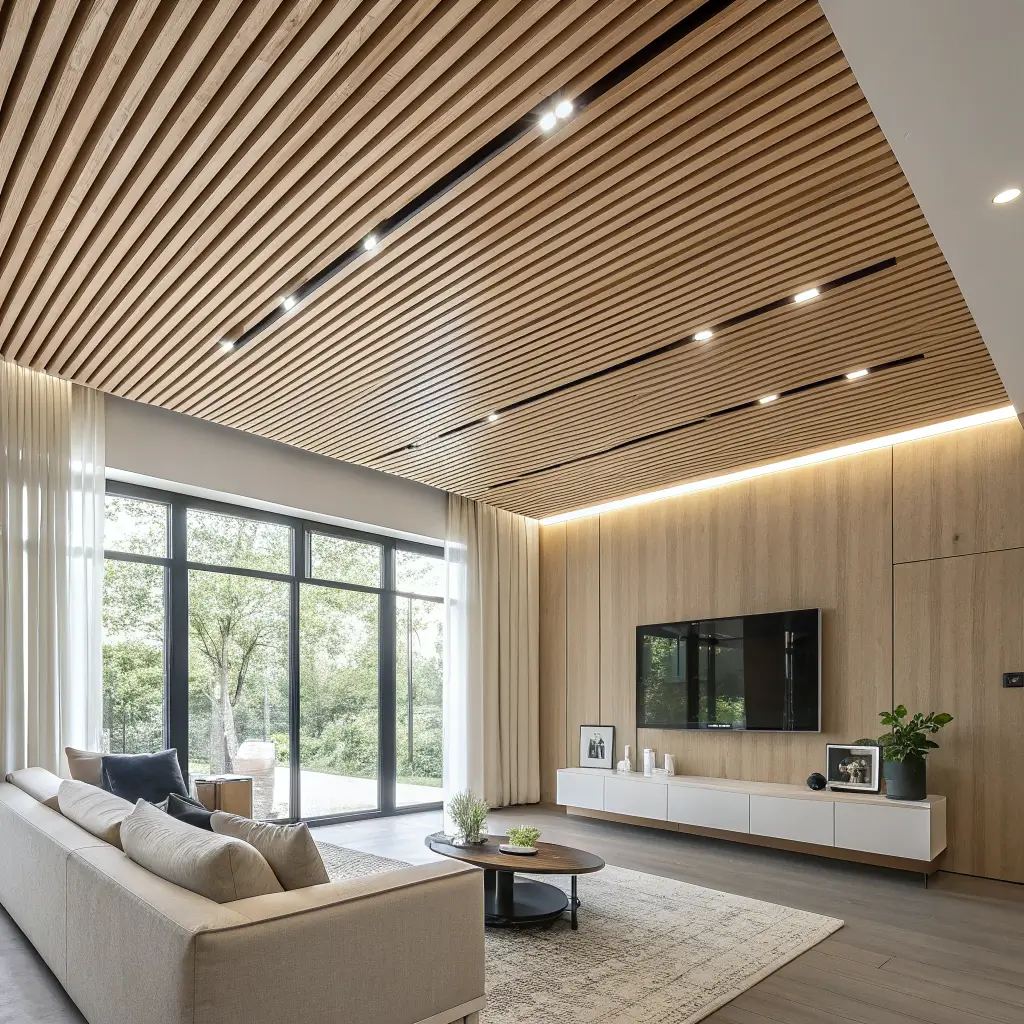
Slatted wooden ceilings hit different when you want texture without overwhelming the space. Think parallel lines of wood with intentional gaps between them—like a sophisticated wooden blind for your ceiling.
The gaps between slats serve multiple purposes beyond just looking cool. They improve room acoustics (goodbye, echo chamber!), allow for creative lighting solutions, and create this amazing rhythm that naturally guides your eye through the space. I’ve seen these in everything from ultra-modern lofts to cozy reading nooks, and they work every single time.
What really sells me on slatted ceilings? The installation flexibility. Run them lengthwise to elongate a room, widthwise to make it feel broader, or even diagonally if you’re feeling adventurous. The slats can be any width, any wood type, any finish—basically, you’re the designer here.
Slat Design Variables:
- Gap width changes the mood entirely
- Narrow slats = refined elegance
- Wide slats = bold statement
- Mix slat widths for dynamic effect
- Consider acoustic panels behind gaps
FYI, cleaning between slats becomes a thing, so maybe skip this design if dust gives you anxiety :/
Also Read: 15 Minimal Simple Ceiling Design Ideas for Clean Look
Reclaimed Wood Ceiling Design
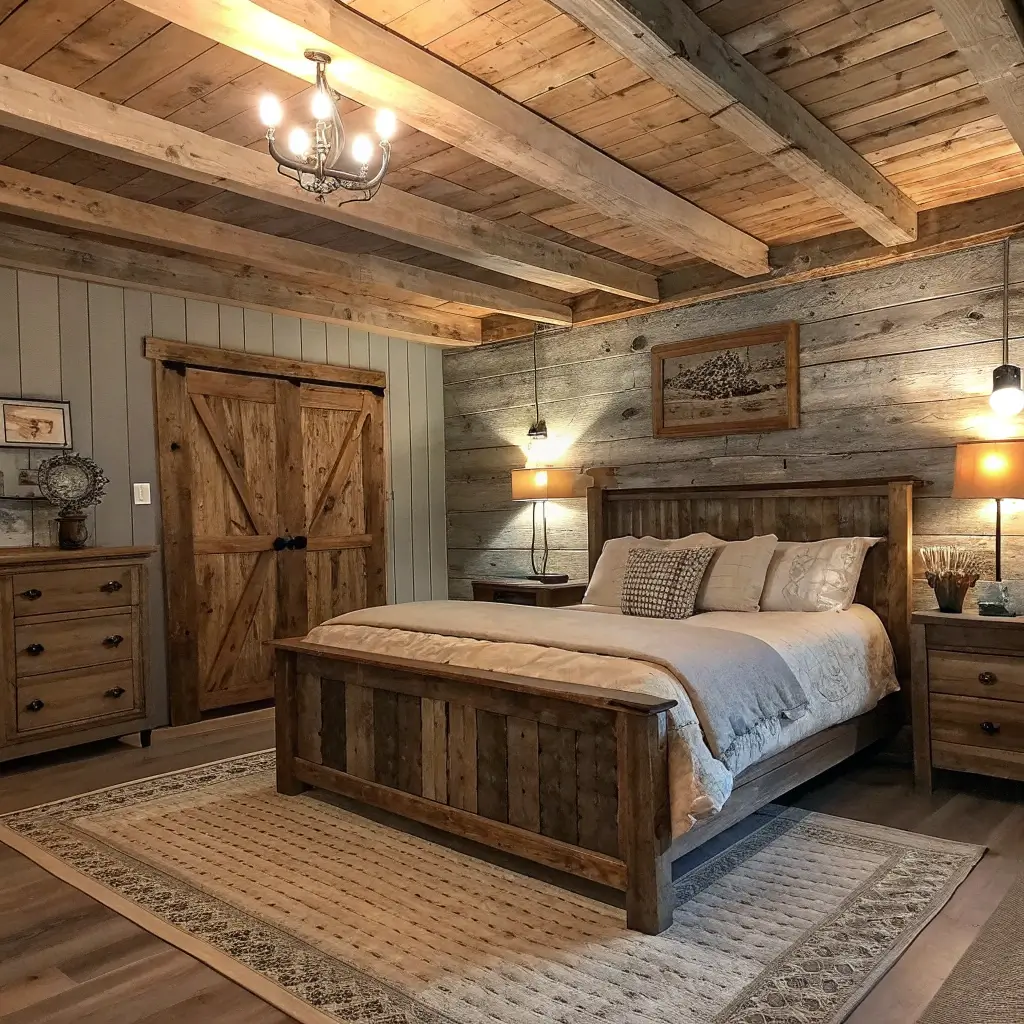
Sustainability meets style with reclaimed wood ceilings. Every board comes with its own history—maybe from an old barn, a demolished factory, or even retired shipping pallets. How’s that for a conversation starter?
I’ll admit, I was skeptical about reclaimed wood at first. Would it look too rustic? Too hipster coffee shop? But when installed properly, reclaimed wood adds character that new lumber simply can’t match. Those nail holes, saw marks, and weathered patches aren’t flaws—they’re features that make your ceiling one-of-a-kind.
The environmental angle makes this choice even better. You’re giving old wood new life instead of contributing to deforestation. Plus, reclaimed wood often comes from old-growth trees with tighter grain patterns than anything available today.
Sourcing Reclaimed Wood:
- Check local demolition sites first
- Verify wood treatment history
- Look for kiln-dried options
- Mix wood sources for variety
- Expect 20% waste for unusable pieces
Pro tip: seal reclaimed wood properly. Those beautiful old boards can harbor some not-so-beautiful surprises if not treated correctly.
Whitewashed Wooden Ceiling
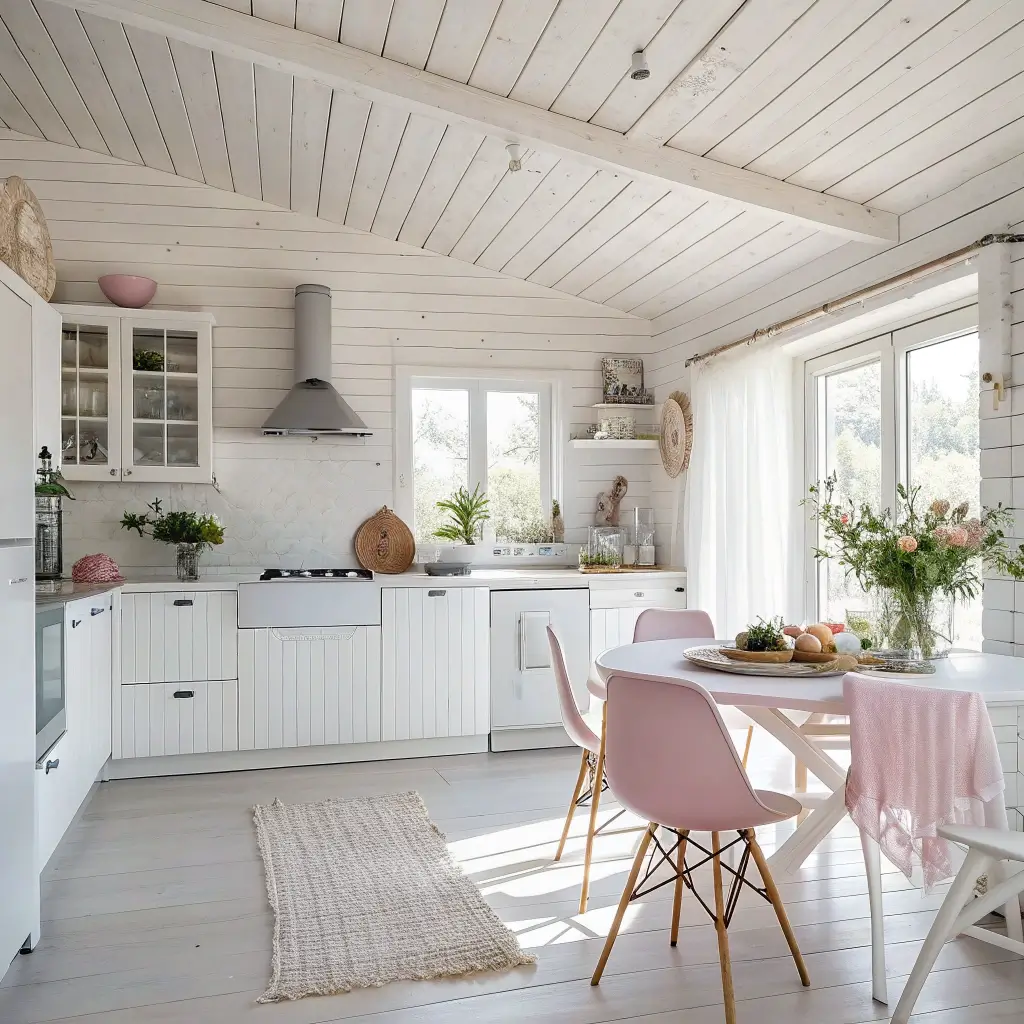
Here’s where rustic meets refined—whitewashed wooden ceilings brighten your space while keeping that natural wood texture visible. It’s like Instagram’s best filter, but for your ceiling.
The technique involves applying diluted white paint or specialized whitewash that lets wood grain show through. You control the opacity—barely there for subtle brightening, or heavier coverage for that beachy, coastal vibe. My beach house rental has whitewashed ceilings throughout, and guests constantly ask if they’re original or newly installed.
What makes whitewashing genius? It solves the “dark wood makes my room feel smaller” problem without losing wood’s warmth entirely. Plus, it works with literally any decor style—farmhouse, Scandinavian, coastal, even modern minimalist.
Whitewashing Techniques:
- Dilute regular paint 1:1 with water
- Use specialized limewash for authentic look
- Apply in long strokes following grain
- Build layers for desired opacity
- Seal with clear coat for durability
Ever noticed how whitewashed wood makes everything else in the room pop? The neutral backdrop lets your furniture and art take center stage.
Also Read: 15 Trendy Simple False Ceiling Design Ideas for Dream Homes
Modern Minimalist Wooden Ceiling
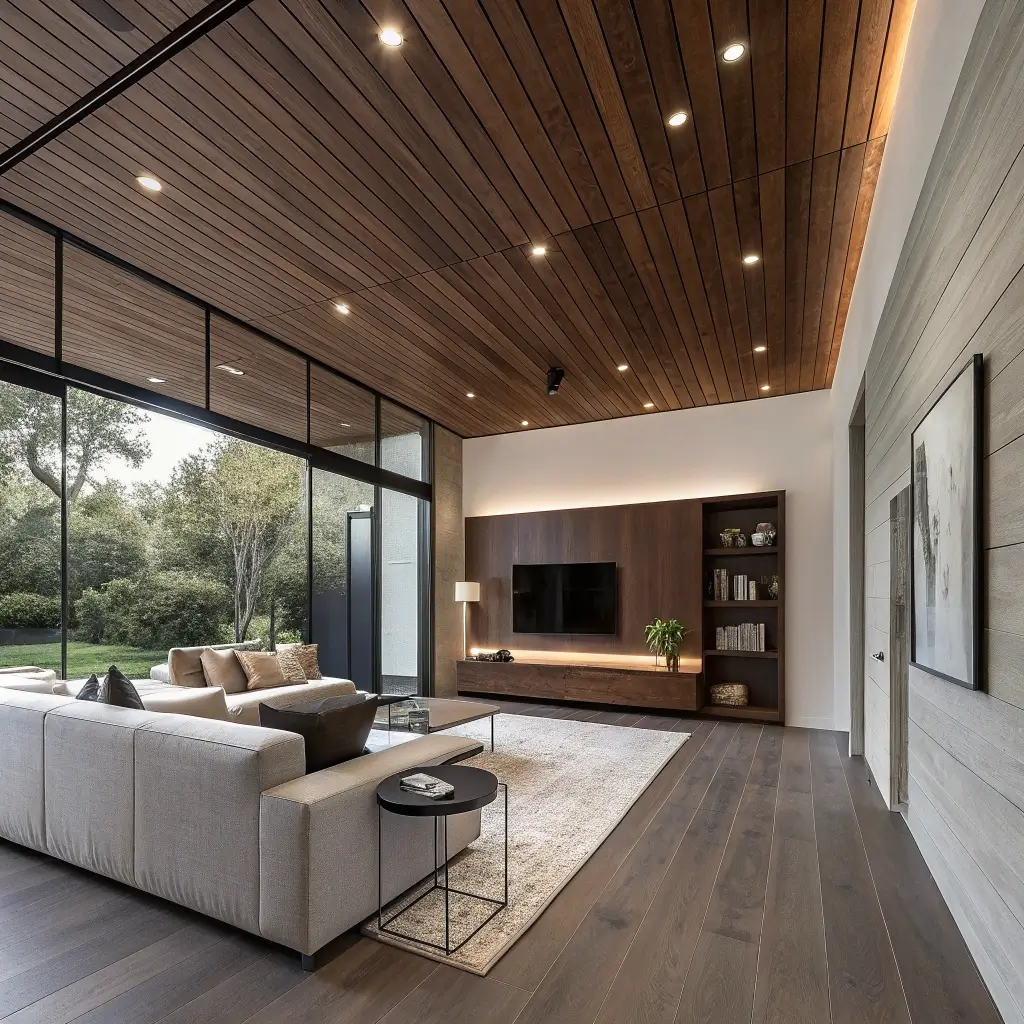
Who says wood can’t be sleek? Modern minimalist wooden ceilings prove that natural materials and contemporary design aren’t mutually exclusive. Think clean lines, smooth surfaces, and zero unnecessary ornamentation.
The key here is quality over quantity. Select wood with subtle grain patterns—no wild knots or dramatic color variations. Install boards with minimal gaps, creating an almost seamless wooden plane. My architect friend designed his entire home around this concept, and walking in feels like entering a very expensive, very zen spa.
Light woods like maple, birch, or bamboo work beautifully for this style. They keep the space bright and airy while adding that organic warmth only wood provides. The minimalist approach means every imperfection shows, so material quality matters more here than any other style.
Minimalist Wood Ceiling Essentials:
- Consistent wood tone throughout
- Hidden fasteners mandatory
- Precise, uniform installation
- Matte or satin finish only
- Integrated lighting for clean look
IMO, this style works best in homes already embracing minimalist design. Otherwise, it might feel out of place with your maximalist bookshelf collection.
Geometric Pattern Wooden Ceiling
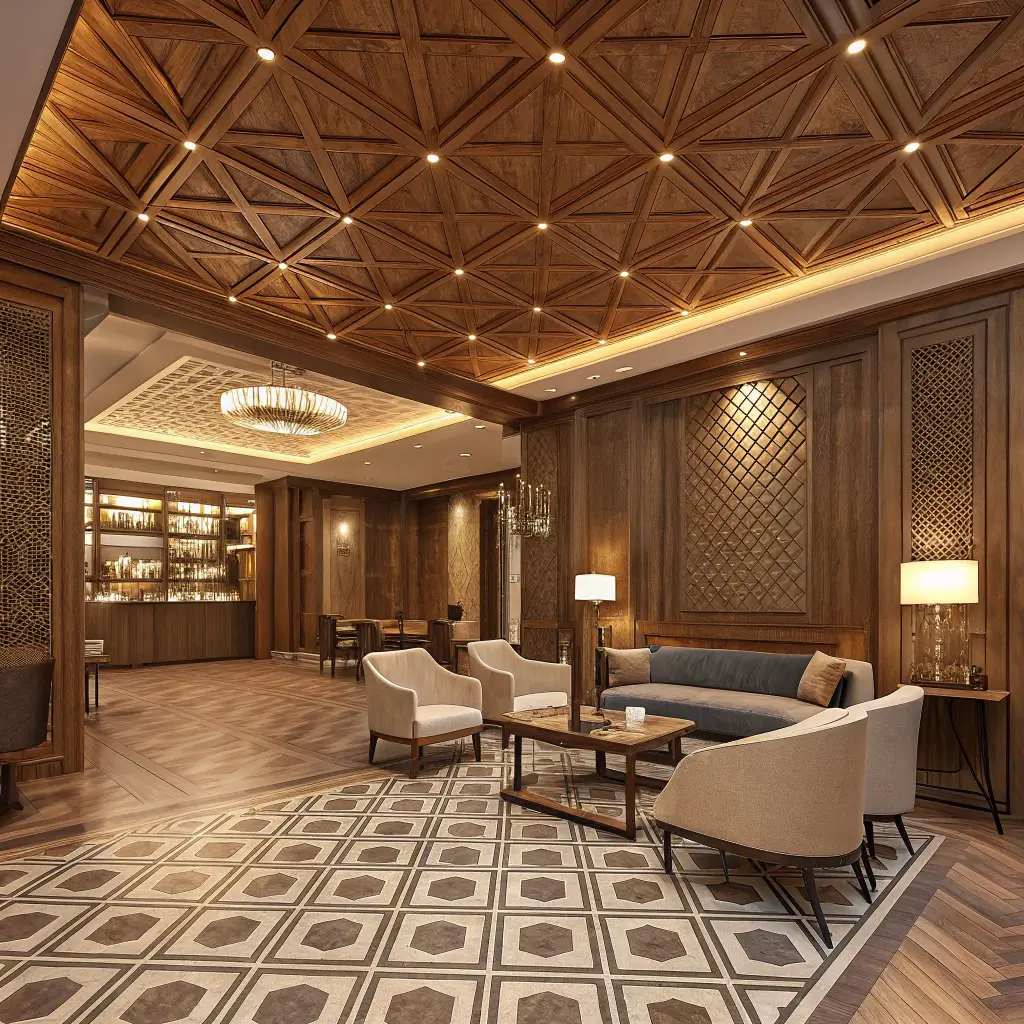
Ready to make your ceiling the room’s focal point? Geometric wooden patterns turn that overhead space into functional art. We’re talking chevrons, hexagons, diamonds—shapes that make people stop and stare.
Creating geometric patterns requires precision planning but delivers massive visual impact. I helped my brother install a chevron pattern in his home office, and now every Zoom call starts with someone asking about his ceiling. The pattern adds energy and movement to otherwise static spaces.
The wood grain direction within each geometric shape affects the overall look dramatically. Alternating grain directions creates contrast without using different colors. Keep it monotone for sophistication or mix wood species for a bolder statement.
Pattern Planning Tips:
- Start with paper templates first
- Consider room proportions
- Larger patterns suit bigger rooms
- Account for 15% extra material for cuts
- Mark the center point and work outward
Warning: geometric patterns can make rooms feel busy. Balance with simple furnishings and minimal wall decor.
Vaulted Wooden Ceiling
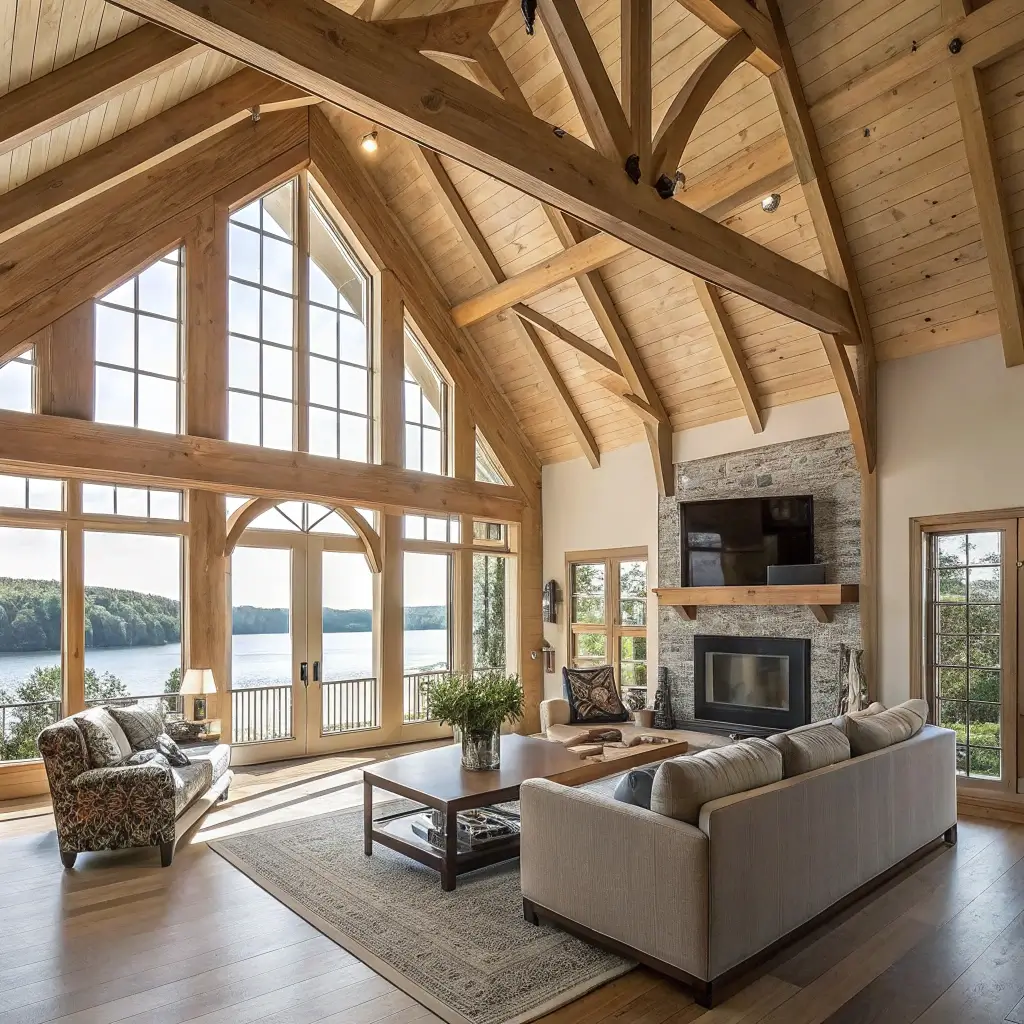
Vaulted wooden ceilings transform ordinary rooms into cathedral-like spaces that feel grand yet inviting. The upward sweep draws your eye skyward, making even modest square footage feel palatial.
The wood follows your roof’s natural pitch, exposing the architectural bones of your home. This design particularly shines in ranch-style homes or additions where you can eliminate the flat ceiling altogether. My parents did this in their living room renovation, and the space went from feeling cramped to absolutely soaring.
Different wood treatments create different moods. Natural wood maintains a lodge-like atmosphere, while painted wood keeps things bright and contemporary. The angle of the vault affects everything from furniture placement to lighting design, so plan accordingly.
Vaulted Ceiling Considerations:
- Insulation becomes critical for energy efficiency
- Install ceiling fans with extended downrods
- Use uplighting to highlight the peak
- Consider skylights for natural light
- Beams can run parallel or perpendicular to ridge
The dramatic height means heating and cooling costs might increase. But honestly? The jaw-dropping effect makes it worthwhile.
Also Read: 10 Gorgeous Gypsum Ceiling Design Ideas That Feel Luxurious
Exposed Timber Ceiling
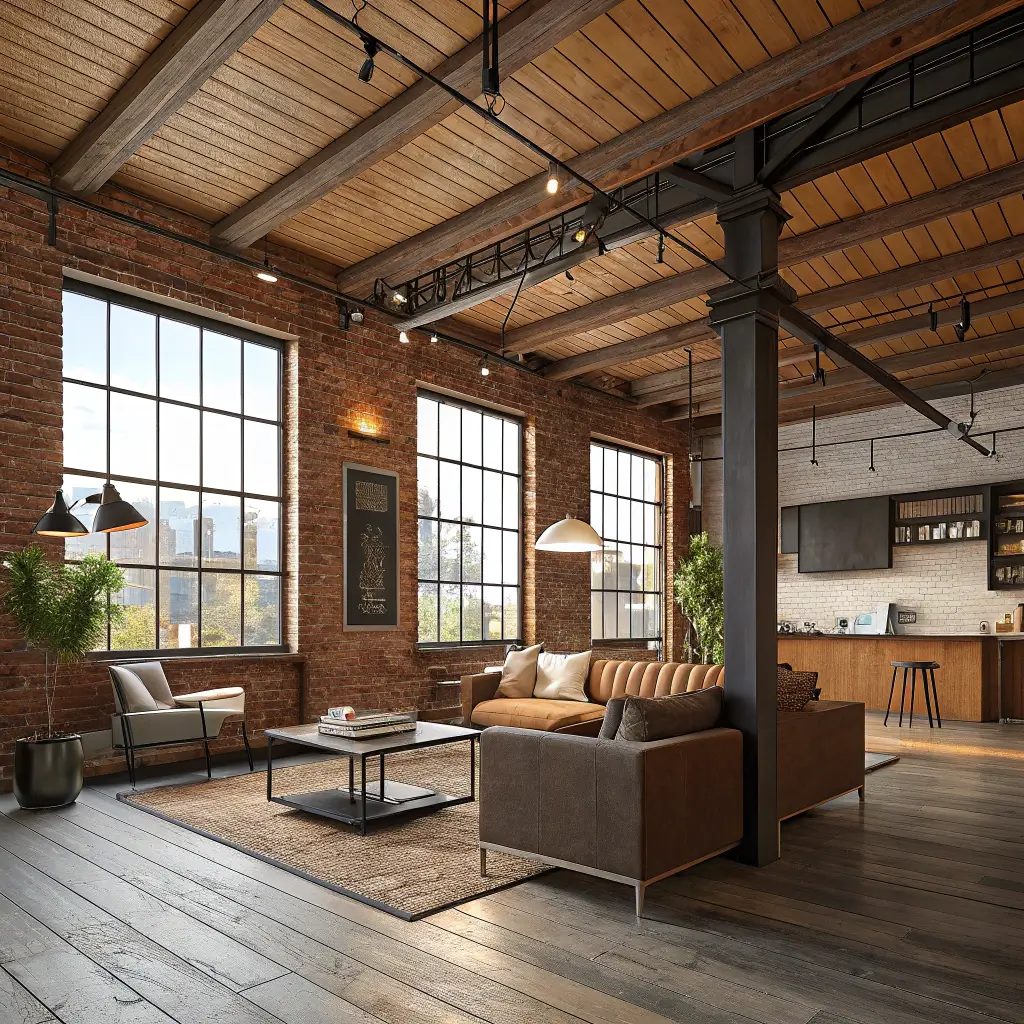
Sometimes the best design already exists—you just need to uncover it. Exposed timber ceilings celebrate your home’s structural elements instead of hiding them behind drywall.
This works particularly well in older homes or industrial conversions where the bones have character. Those massive timber beams holding up your house? They’re probably gorgeous under whatever’s covering them. I discovered beautiful Douglas fir beams in my 1920s bungalow, and exposing them instantly added value and character.
The raw, honest nature of exposed timber suits modern aesthetics perfectly. You see the actual structure, the real materials, nothing fake or hidden. It’s architectural transparency at its finest.
Exposing Timber Successfully:
- Check structural integrity first
- Clean thoroughly—decades of dust accumulate
- Treat for pests before sealing
- Decide on natural vs. stained finish
- Integrate modern lighting carefully
Not every ceiling has beautiful timber waiting underneath. Some homes have engineered trusses that look more construction site than design statement.
Dark Stained Wooden Ceiling
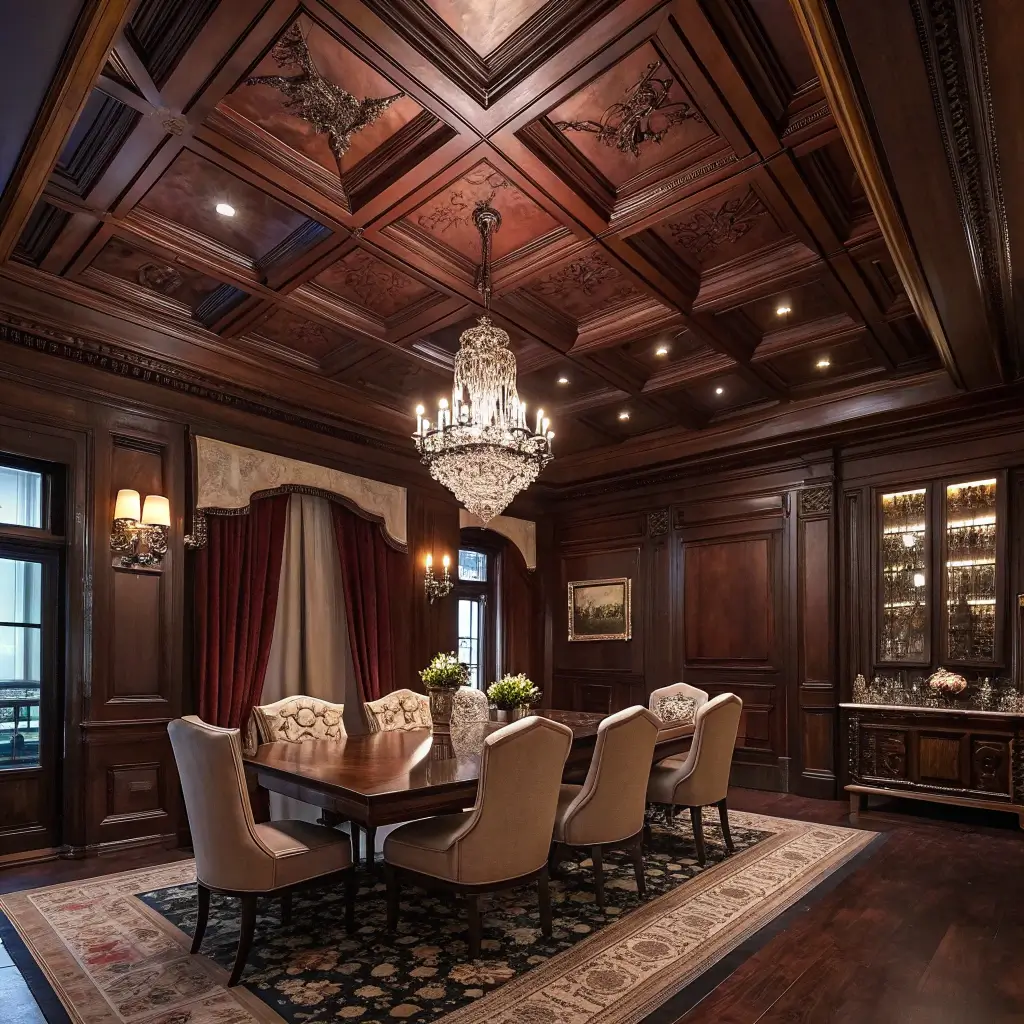
Going dark with your ceiling? Dark stained wood makes a bold statement that most people wouldn’t dare try. But when done right, it creates intimacy and sophistication that light ceilings never achieve.
Dark ceilings lower the perceived height, creating cozy, enveloping spaces perfect for bedrooms or media rooms. I stained my bedroom ceiling in rich ebony, and now it feels like sleeping in a luxury hotel every night. The key is balancing with lighter walls and good lighting to avoid the cave effect.
Different stains produce different moods. Ebony feels modern and dramatic, walnut adds traditional richness, while weathered grey stains bring industrial edge. The wood grain still shows through, adding texture to the darkness.
Dark Ceiling Success Tips:
- Test stains on samples first—they look different on ceilings
- Use semi-gloss finish for light reflection
- Install more lighting than you think you need
- Keep walls light for contrast
- Consider room function—great for bedrooms, risky for kitchens
Wooden Ceiling with LED Strips
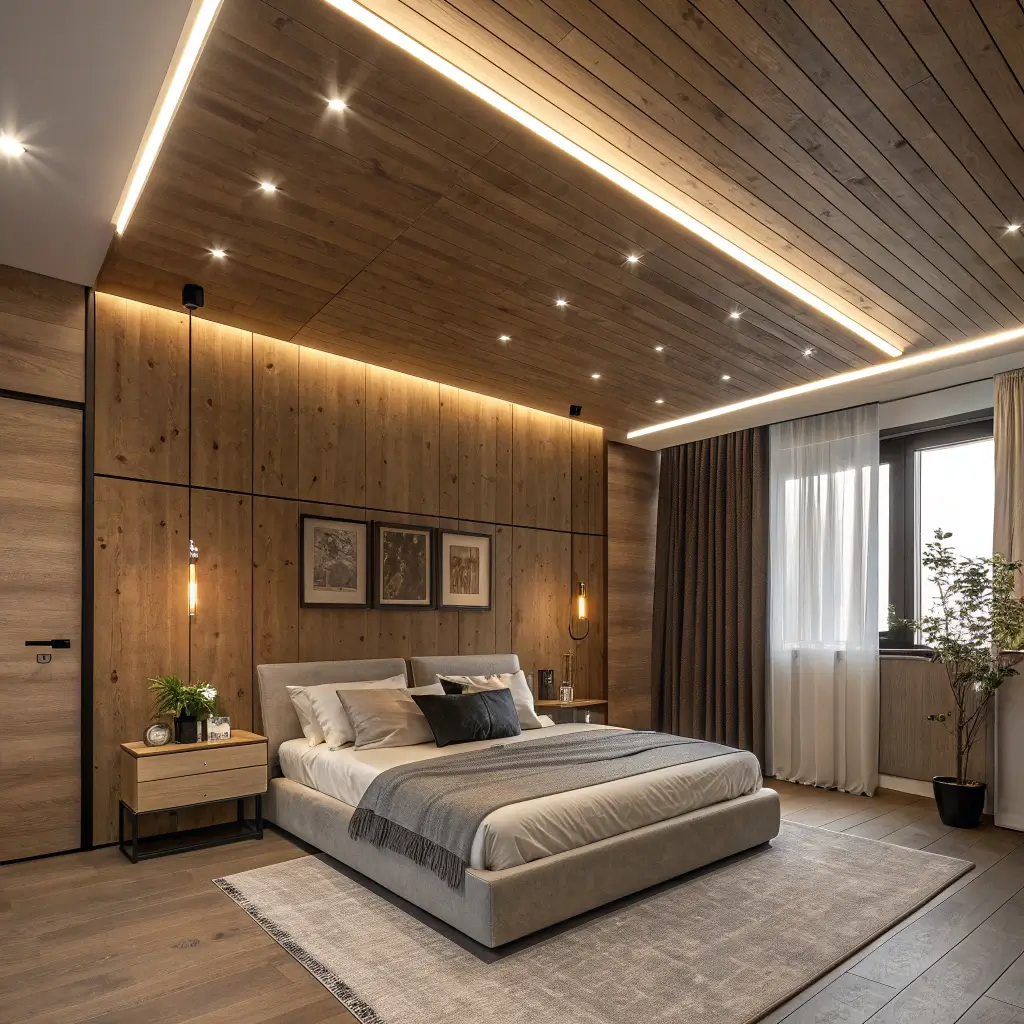
Technology meets tradition when you combine wooden ceilings with integrated LED lighting. Hidden light strips between boards or behind beams create ambiance that regular fixtures can’t match.
The installation requires planning—you need to run electrical before installing wood—but the payoff is incredible. Imagine warm light glowing from between wooden slats, creating patterns across your ceiling. My home theater has this setup, and movie nights feel properly cinematic.
LED strips offer complete control over brightness and even color temperature. Want energizing daylight for morning yoga? Done. Prefer warm candlelight for dinner parties? Easy. Some systems even sync with music or movies for full immersion.
LED Integration Strategies:
- Use channels for even light distribution
- Choose warm white for residential spaces
- Install dimmers on every circuit
- Hide transformers in accessible locations
- Consider smart home integration
The combination of natural wood and modern lighting creates this perfect balance between organic and high-tech.
Herringbone Pattern Wooden Ceiling
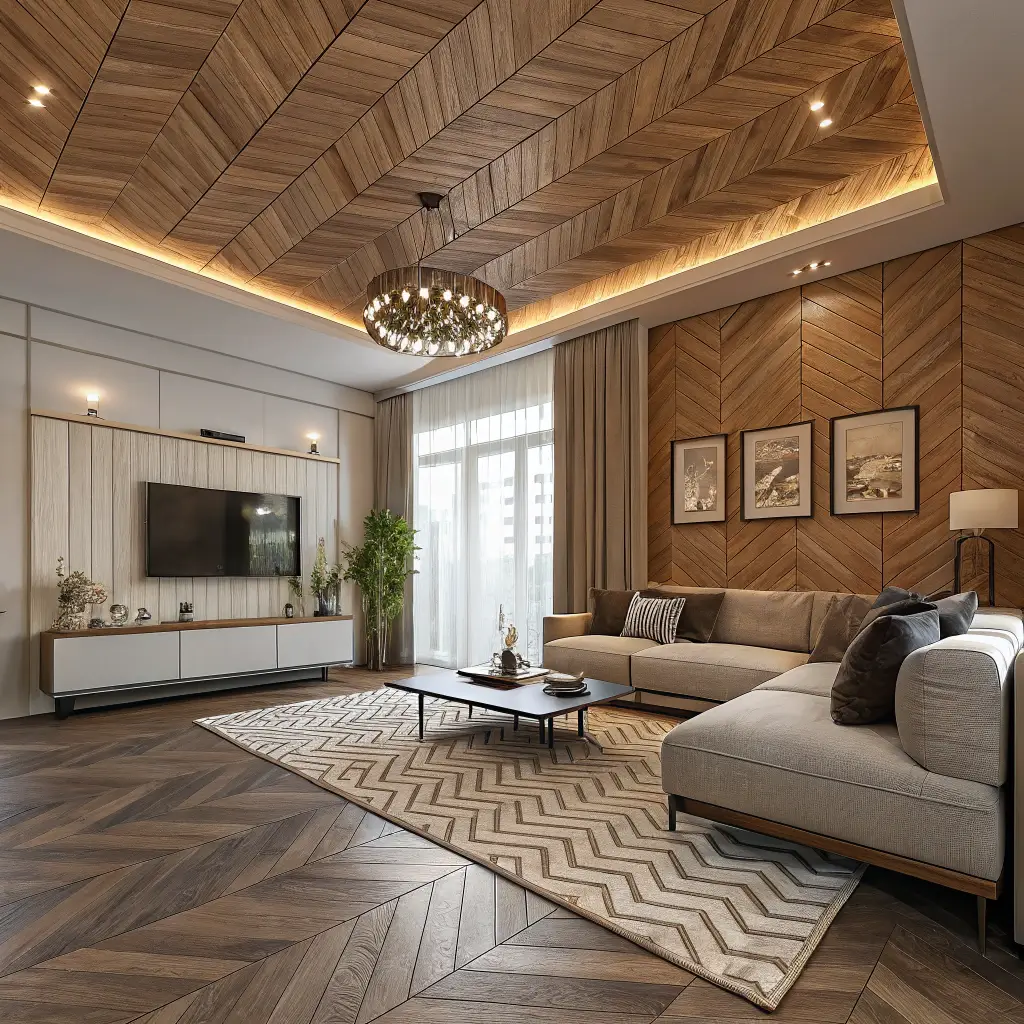
Last but absolutely not least, herringbone wooden ceilings bring sophisticated pattern play overhead. This classic pattern feels both timeless and totally current—like finding the perfect vintage jacket that somehow looks modern.
The zigzag pattern creates incredible visual movement, making static ceilings feel dynamic. Installing herringbone requires precision—those angles need to be perfect—but the result justifies every carefully measured cut. My dining room herringbone ceiling gets more compliments than my actual cooking, which says something 🙂
Wood tone affects the pattern’s impact dramatically. Light woods keep it subtle and elegant, while contrasting stains create bold graphic statements. The pattern naturally leads the eye, so consider your room’s flow when determining direction.
Herringbone Installation Tips:
- 45-degree angles are traditional
- Start from room center for symmetry
- Mix wood tones for added depth
- Expect 25% material waste
- Consider hiring a professional—seriously
Making Your Wooden Ceiling Dreams Reality
So there you have it—twelve ways to transform that blank canvas above your head into something extraordinary. Wooden ceilings aren’t just trendy; they’re timeless investments that add warmth, character, and value to your home.
Start by honestly assessing your space, skills, and budget. Some designs, like whitewashing or exposed beams, work great for DIY enthusiasts. Others, like coffered or herringbone patterns, really benefit from professional installation. There’s no shame in admitting when something exceeds your expertise level.
Remember, the best wooden ceiling design enhances your existing space rather than fighting against it. Consider your room’s architecture, natural light, and overall design aesthetic. That rustic beam ceiling might look amazing on Pinterest but feel totally wrong in your mid-century modern home. Trust your instincts—you live there, after all.
The trend toward wooden ceilings reflects our collective desire for natural materials and authentic design. We’re moving past the sterile, all-white everything phase and embracing texture, warmth, and character. Your ceiling doesn’t need to be boring background—make it part of your home’s story.
Now look up and imagine the possibilities. Which wooden ceiling design will transform your space from ordinary to extraordinary?