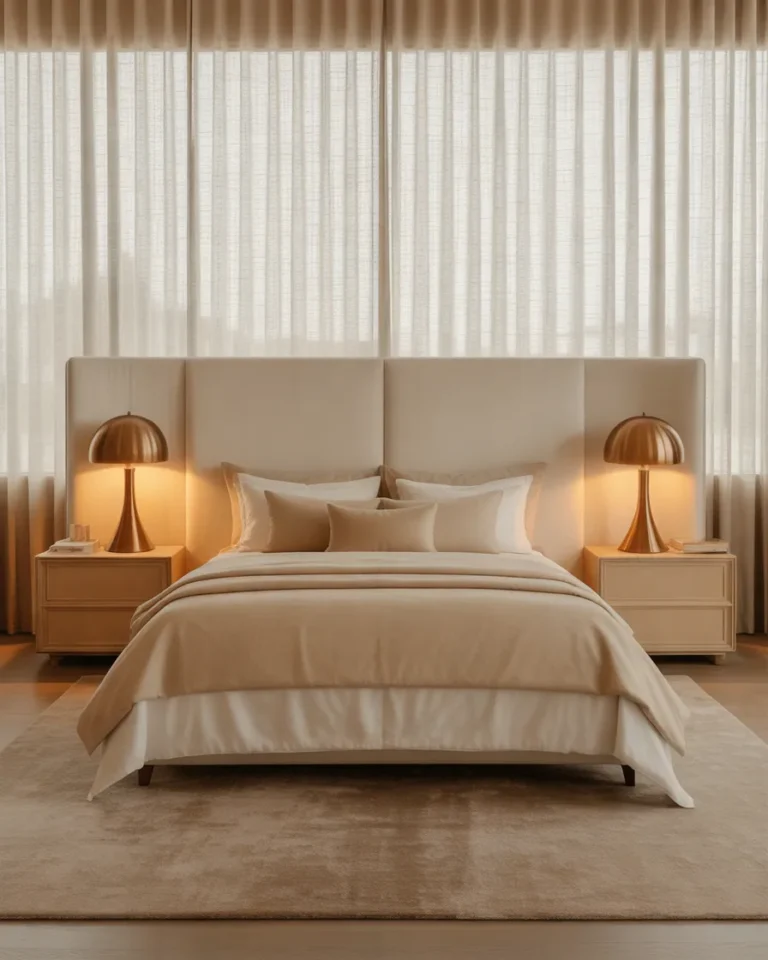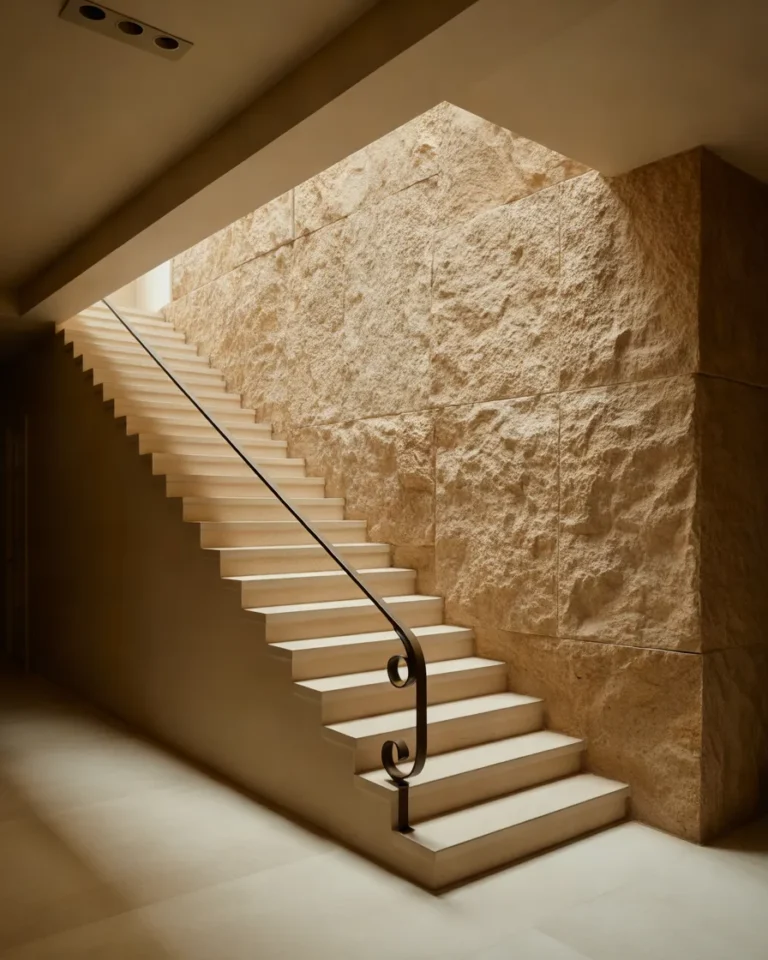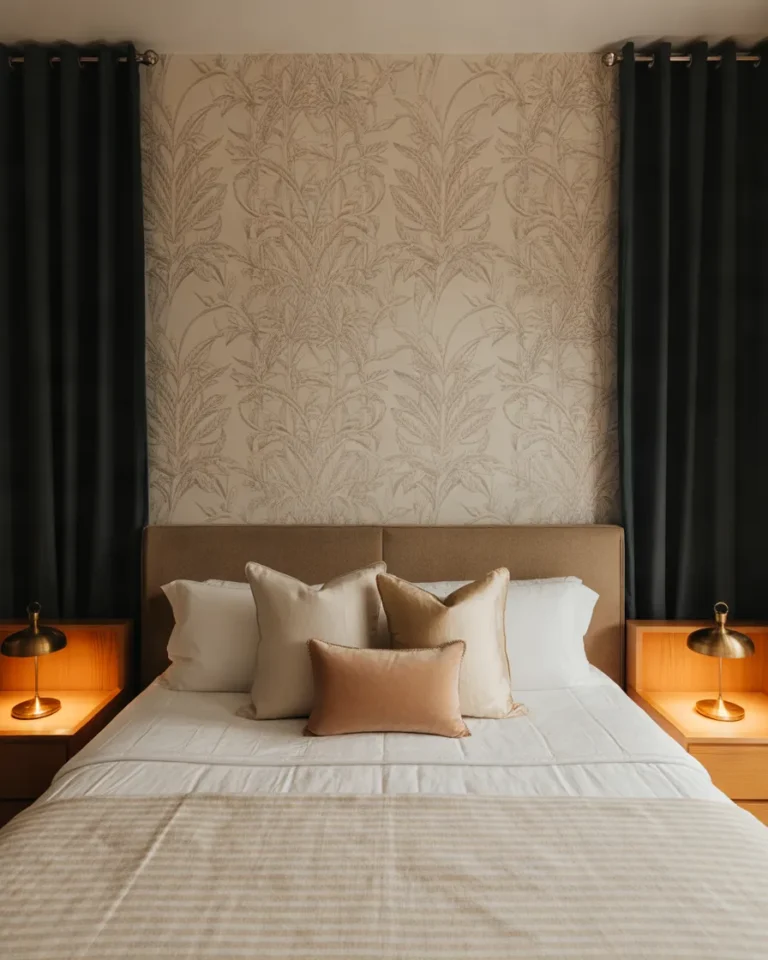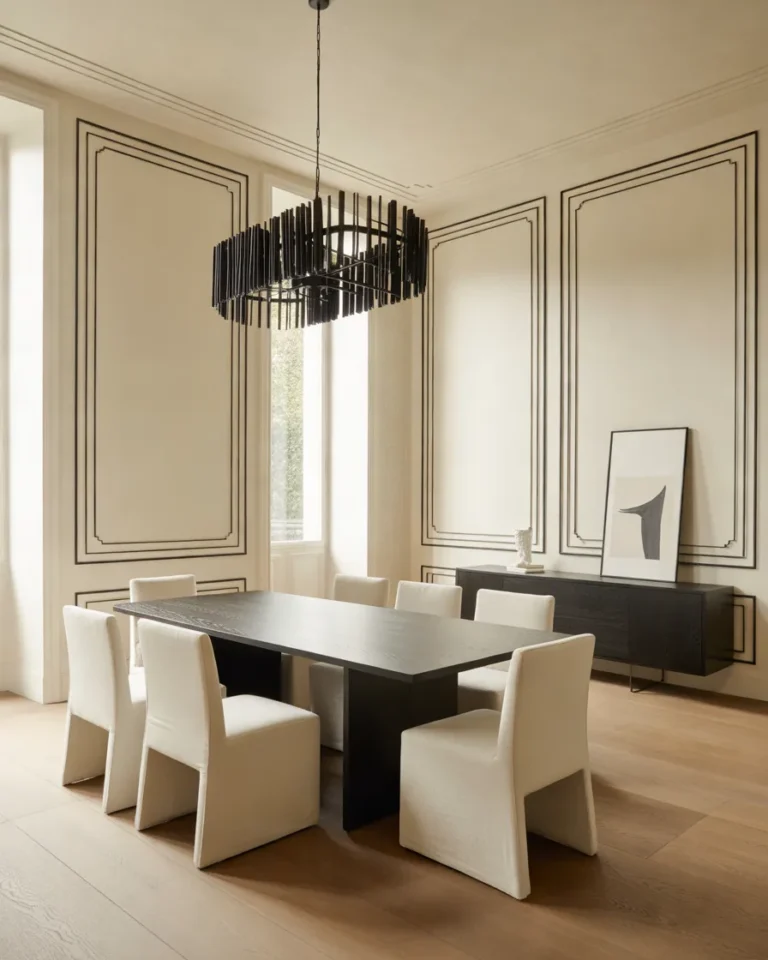
You know that moment when you walk into a room and something just feels right? Nine times out of ten, it’s the ceiling doing the heavy lifting—literally and figuratively. Most people forget to look up when designing their spaces, but a well-designed ceiling transforms your room from basic box to architectural masterpiece.
I learned this the hard way after living with popcorn ceilings for three years. The day I finally tackled that outdated texture and went minimal? Complete game-changer. My living room suddenly felt taller, brighter, and somehow more expensive-looking.
That’s when I became slightly obsessed with ceiling design—and trust me, once you start noticing ceilings, you can’t stop.
Here’s the thing about minimal ceiling designs: they don’t scream for attention, yet they elevate your entire space. Think of them as the perfect supporting actor—never stealing the spotlight but making everything else look better. Ready to discover which clean, simple ceiling design will transform your space? Let’s explore 15 options that prove less really is more.
Gypsum Border Panel Ceiling
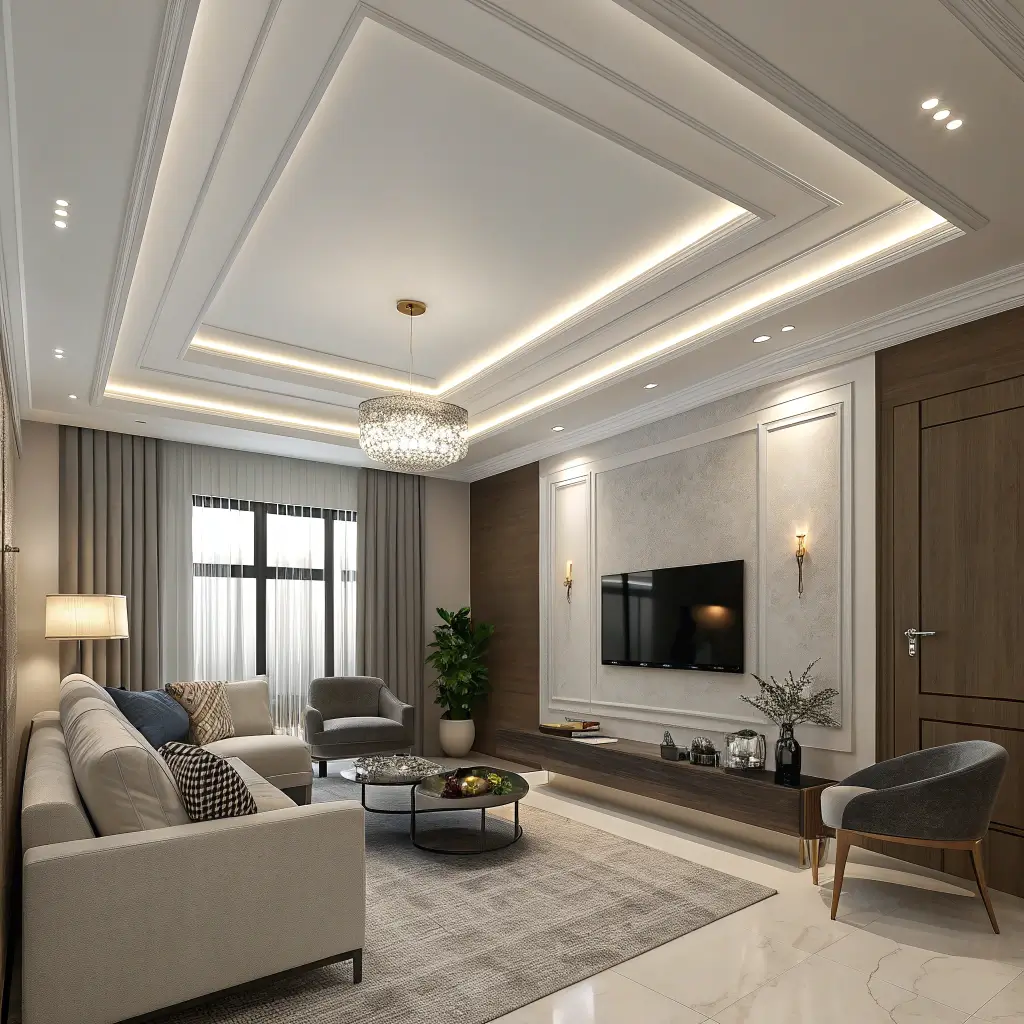
Starting strong with one of my personal favorites—gypsum border panels. These bad boys create definition without overwhelming your space, and installation doesn’t require selling your firstborn to afford it.
Picture this: smooth white ceiling with a subtle rectangular or square border running along the edges. The border drops just slightly lower than the main ceiling, creating depth and visual interest. You get that custom, high-end look without the custom, high-end price tag.
What makes gypsum borders particularly brilliant? They hide imperfections like a pro. Got some wonky corners or uneven walls? The border disguises those flaws while drawing the eye to the clean lines instead. Plus, you can run LED strips behind the border for indirect lighting that makes every evening feel like a spa experience.
Why Gypsum Borders Work:
- Budget-friendly compared to full false ceilings
- Easy to paint and maintain
- Creates subtle architectural interest
- Perfect for hiding electrical wiring
- Works in any room size
The installation process takes about 2-3 days for an average room, and most contractors know exactly what you’re talking about when you request this design. No complicated explanations needed!
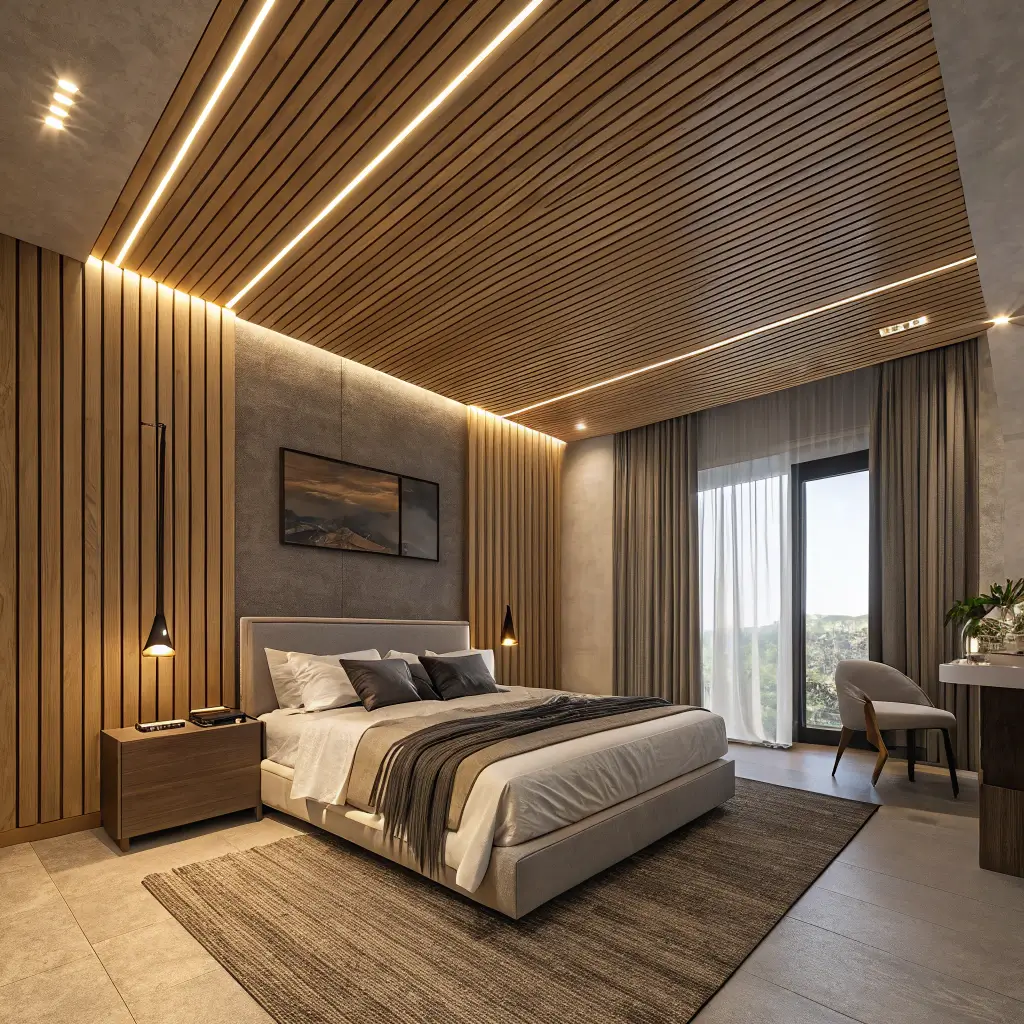
Wooden Strip Minimal Ceiling
Ever walked into a Scandinavian-inspired café and wondered why it feels so darn cozy? Wooden strip ceilings create that exact vibe in your own home. They bring warmth to minimal design without sacrificing the clean aesthetic.
I installed wooden strips in my home office last year, running them parallel to the longest wall. The transformation was incredible—suddenly my boring white box became this sophisticated workspace that actually makes me want to work (well, most days anyway).
You’ve got options here: natural wood for that organic feel, painted strips for a more contemporary look, or even faux wood if budget’s tight. Space them evenly for a uniform look, or vary the gaps for something more dynamic. The strips also improve acoustics, which nobody mentions but everyone appreciates.
Installation Tips:
- Choose kiln-dried wood to prevent warping
- Leave small gaps for wood expansion
- Consider the grain direction for visual flow
- Mix wood tones for added depth
- Seal properly to prevent moisture damage
LED Cove Light Ceiling
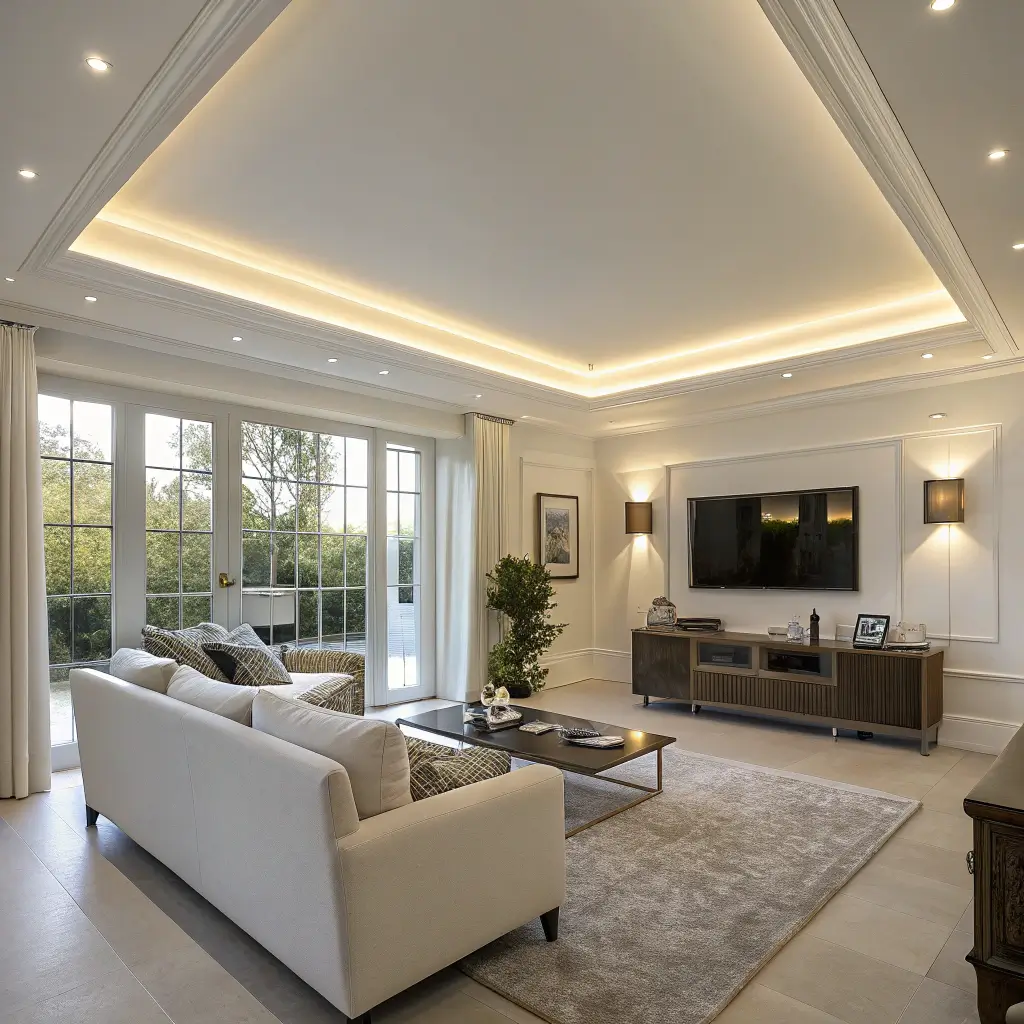
Okay, let’s talk about LED cove lighting—the ceiling design that makes everyone ask, “Where’s the light coming from?” This technique hides LED strips in a recessed groove around your ceiling perimeter, creating ambient lighting that seems to appear from nowhere.
The beauty of cove lighting lies in its versatility. Want a romantic dinner setting? Dim those LEDs to a warm glow. Need to actually see while cooking? Crank them up to daylight brightness. I’ve even seen people install color-changing LEDs for parties, though that might defeat the “minimal” purpose 🙂
Creating the cove requires building a small ledge or groove around your ceiling edge. Yes, it reduces ceiling height by a few inches, but the payoff in ambiance makes it worthwhile. Plus, no more harsh overhead lights giving everyone unfortunate shadows.
Cove Lighting Benefits:
- Energy-efficient LED technology
- Customizable brightness and color temperature
- Creates illusion of higher ceilings
- No visible fixtures or bulbs
- Perfect mood lighting option
Also Read: 15 Trendy Simple False Ceiling Design Ideas for Dream Homes
Floating False Ceiling Frame
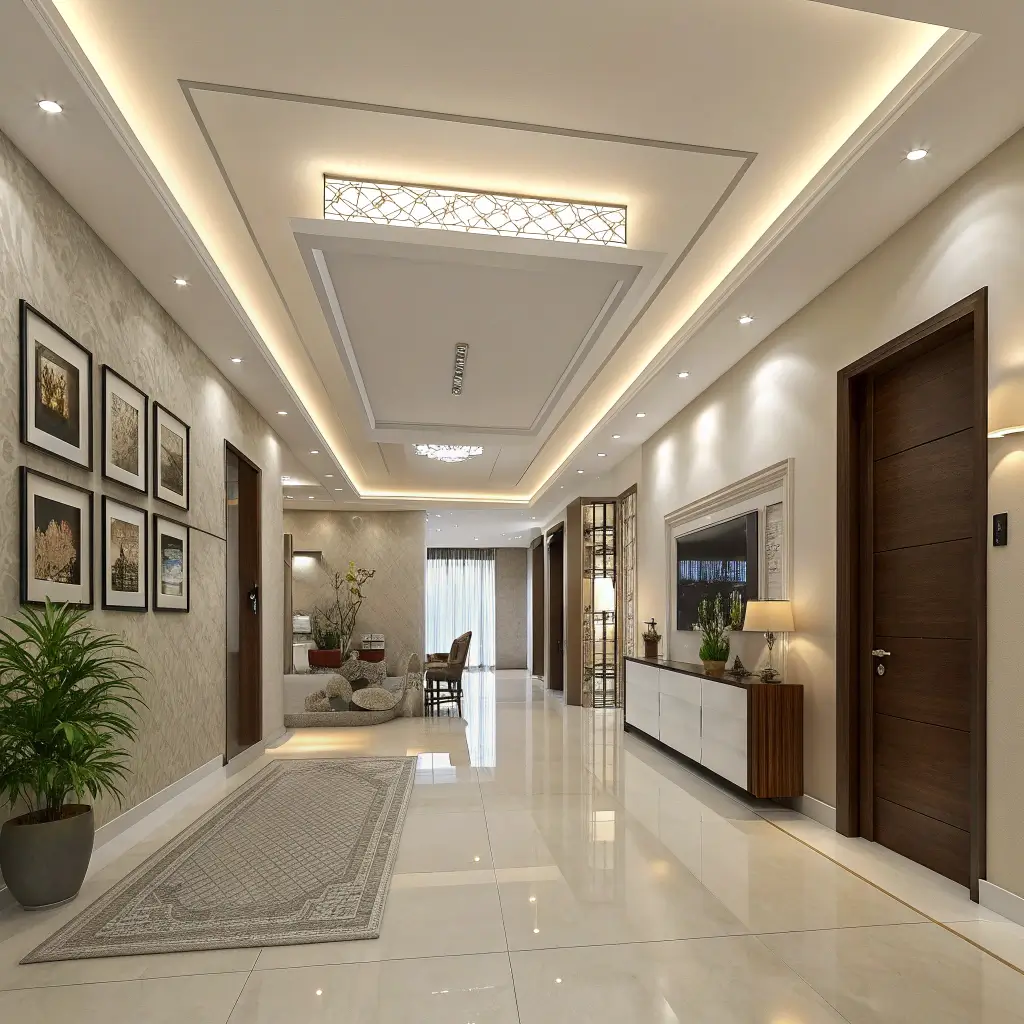
Want to know what makes interior designers secretly happy? Floating ceiling frames that appear to defy gravity. These designs feature a rectangular or square frame that seems to hover below your main ceiling, creating layers without complexity.
The frame typically sits 6-12 inches below your actual ceiling, supported by hidden brackets or suspension systems. The gap between frame and ceiling becomes perfect for concealing lights, creating a soft glow that outlines the frame. Mind-blowing effect, surprisingly simple execution.
I helped my neighbor install one of these last summer, and honestly? We felt like HGTV stars when we finished. The key is keeping the frame proportional to your room—too small looks weird, too large feels oppressive.
Design Considerations:
- Frame thickness should match room scale
- Center the frame or offset for asymmetrical interest
- Paint frame same color as ceiling for subtlety
- Use contrasting colors for bold statement
- Include dimmer switches for lighting control
Single Level POP Ceiling
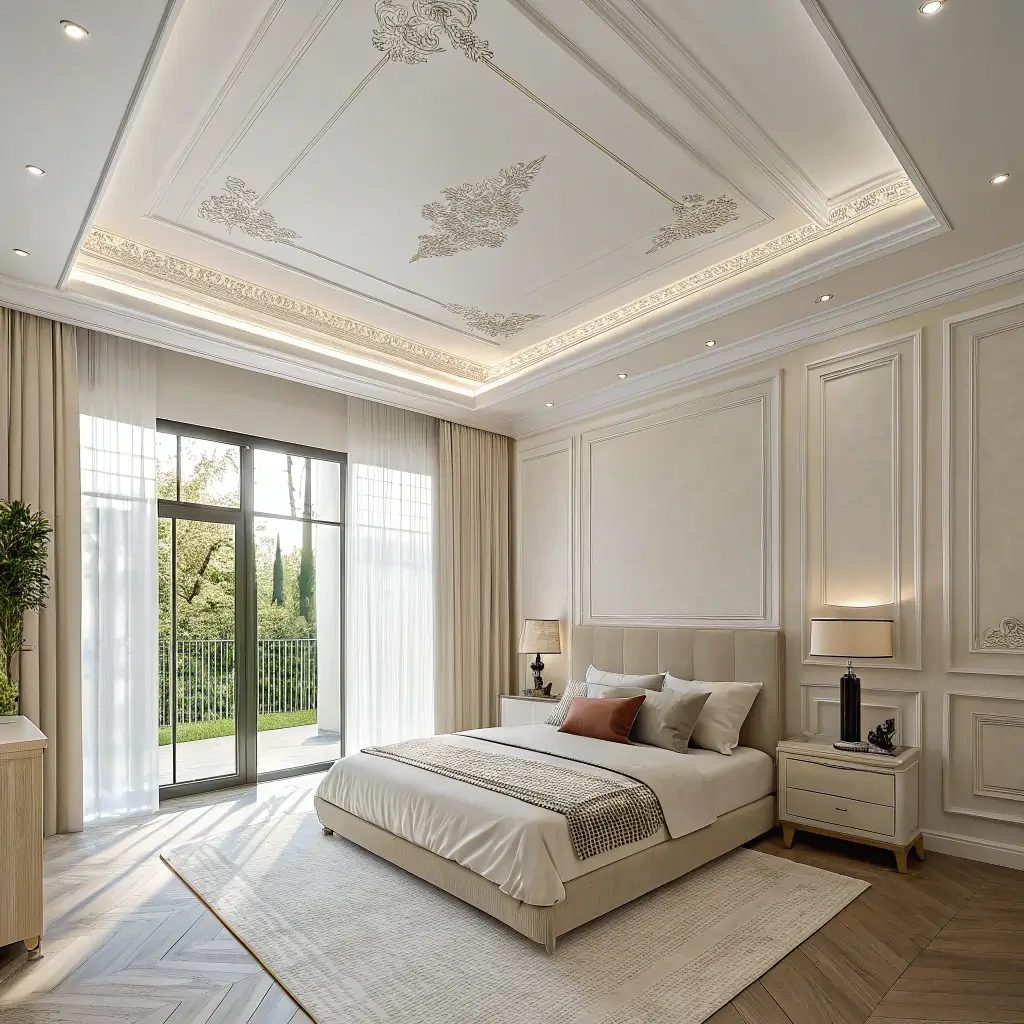
Let’s get real about POP (Plaster of Paris) ceilings—they’re the unsung heroes of minimal design. A single-level POP ceiling creates a smooth, seamless surface that makes your room feel intentionally designed rather than builder-basic.
The process involves creating a flat false ceiling slightly below your original one. Sounds simple because it is! No multiple levels, no complicated patterns, just clean, uninterrupted surface. Perfect for hiding ugly ceiling fixtures, old texture, or those mystery stains from the previous owner’s “incident.”
What really sells me on single-level POP? The finish quality. When done right, you get this perfectly smooth surface that reflects light beautifully. Paint it the same color as your walls for a cocoon effect, or go slightly lighter to add height.
POP Ceiling Advantages:
- Completely customizable shape and size
- Excellent for concealing imperfections
- Smooth, paint-ready surface
- Relatively quick installation
- Cost-effective for large areas
Central Square Light Panel
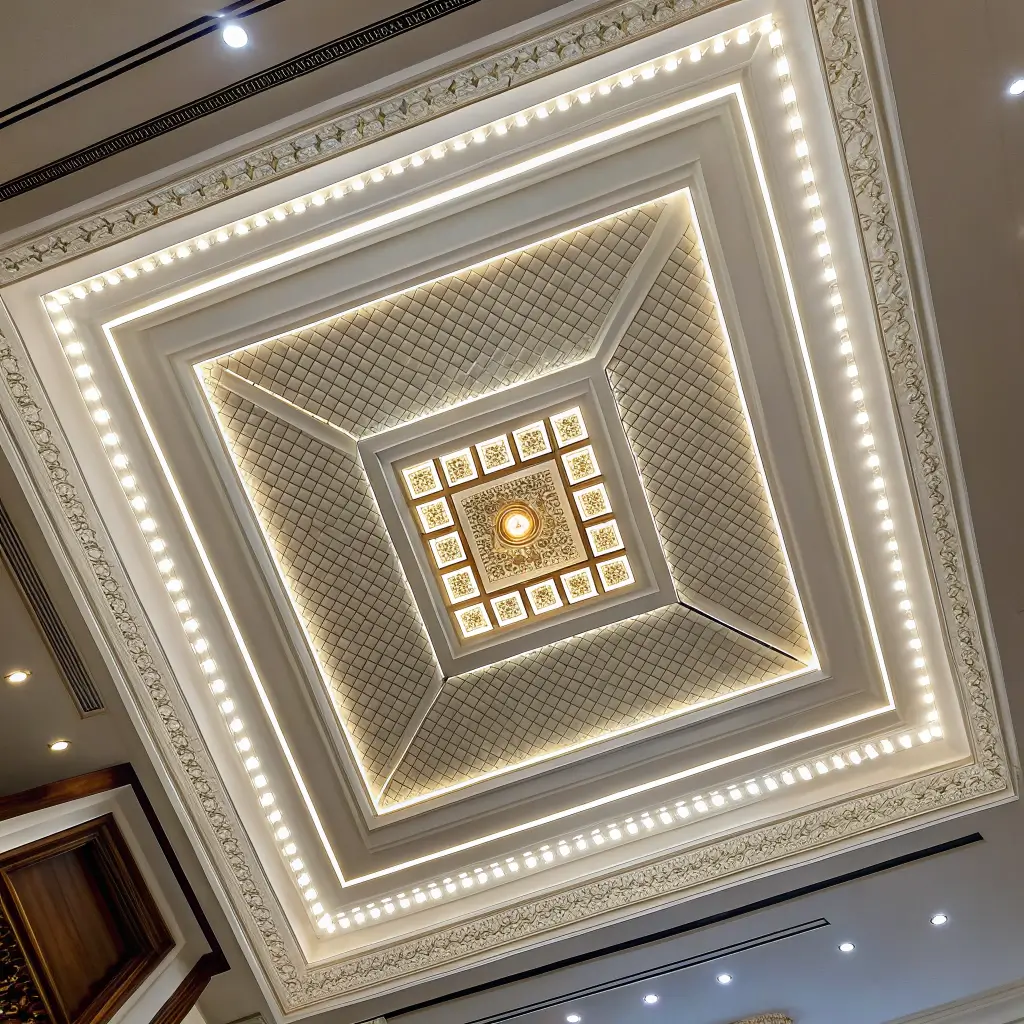
Here’s where minimal design gets interesting—central square light panels that make traditional ceiling fixtures look outdated. Imagine a sleek square or rectangular panel embedded flush with your ceiling, emitting perfectly even light.
These panels come in various sizes, but the magic happens when you choose one that’s proportional to your room. Too small and it looks like an afterthought; too large and it dominates the space. The sweet spot? Usually about 1/3 to 1/4 of your ceiling area.
I recently installed one in my kitchen, and the difference from my old pendant light is staggering. No more shadows while chopping vegetables, no more squinting at recipes. Just beautiful, even illumination that makes everything look better—including my questionable cooking skills.
Panel Selection Tips:
- Measure twice, order once
- Consider color temperature (3000K-4000K for homes)
- Look for high CRI ratings for accurate colors
- Choose dimmable options for flexibility
- Check warranty—good panels last 50,000+ hours
Also Read: 10 Gorgeous Gypsum Ceiling Design Ideas That Feel Luxurious
Simple Beam Ceiling Design
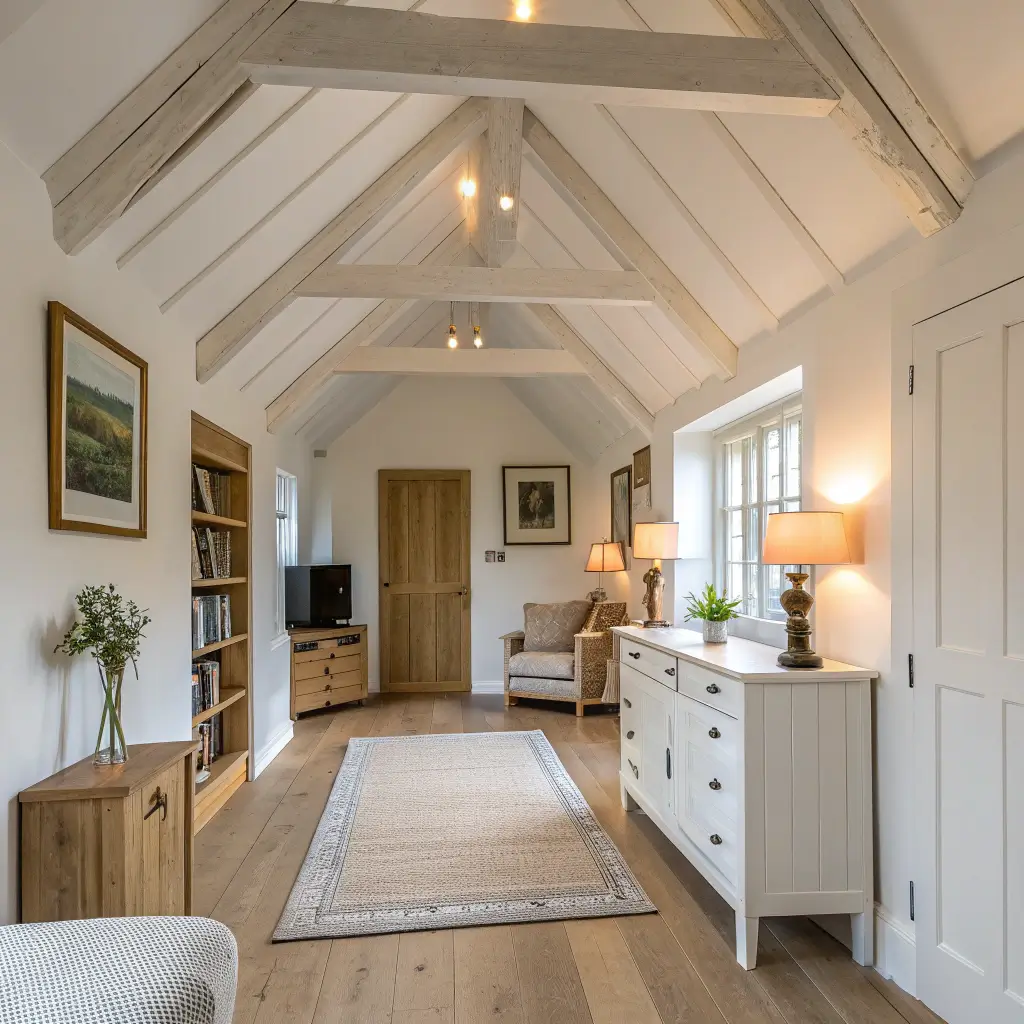
Who says beams need to be rustic or heavy? Modern beam ceilings strip away the bulk while keeping the architectural interest. Think slim, clean lines that add structure without weight.
You can go real wood for authenticity, faux beams for easier installation, or even metal for an industrial edge. Run them parallel for a classic look, or create a grid pattern for something more contemporary. The key is keeping proportions minimal—we’re not building a log cabin here.
My friend installed white-painted beams in her bedroom, running them perpendicular to her windows. The result? Her room looks longer, and the beams create this subtle rhythm that’s surprisingly calming.
Beam Installation Ideas:
- Paint beams the same color as ceiling for subtlety
- Use contrasting colors for definition
- Space beams evenly for visual harmony
- Consider hollow beams for running cables
- Mix beam widths for dynamic effect
Classic Crown Molding Ceiling
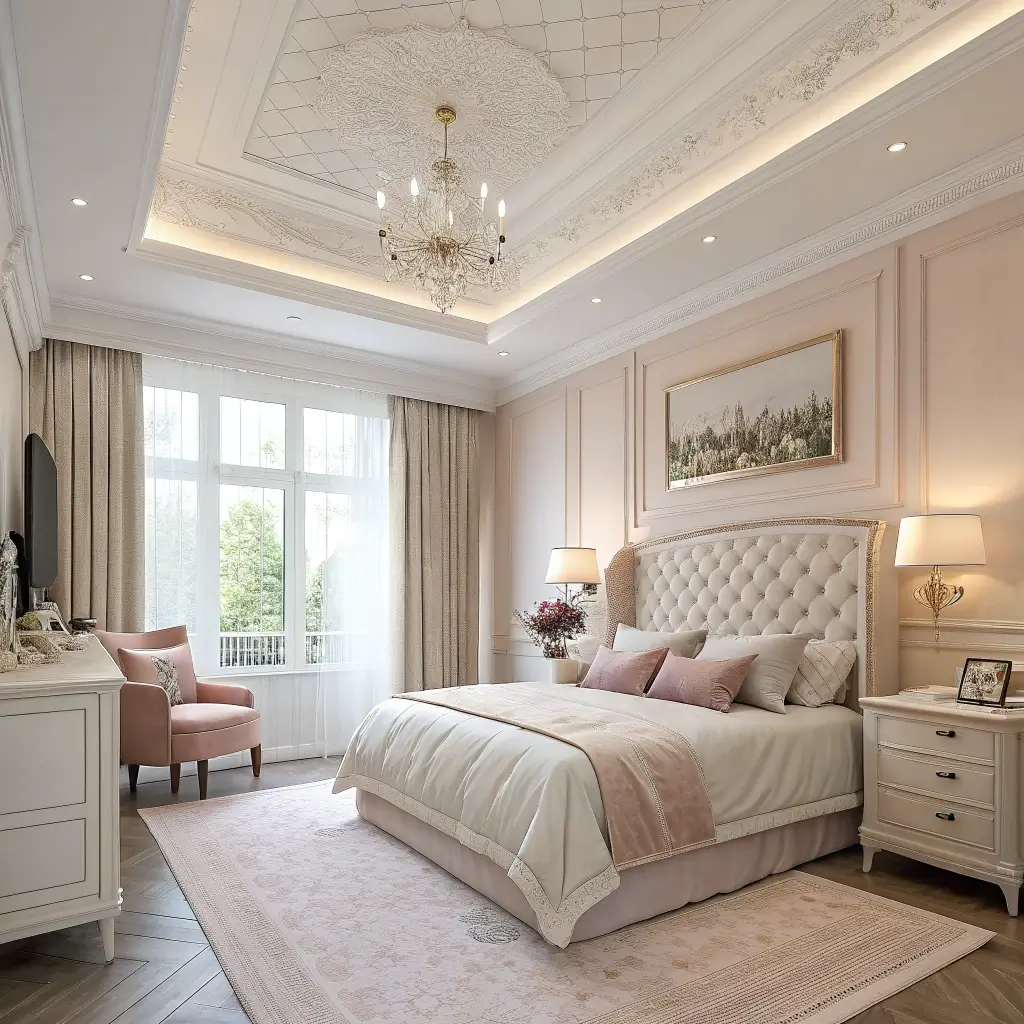
Before you roll your eyes thinking crown molding isn’t minimal, hear me out. Simple, streamlined crown molding adds that finished touch without the fussy Victorian vibes.
Choose profiles with clean lines rather than ornate curves. Think single smooth curves or angular geometric shapes. The molding creates a gentle transition between wall and ceiling, softening the room without adding visual clutter.
Installation tip from personal experience: invest in a good miter saw or hire someone who owns one. Those corner cuts need to be precise, or you’ll spend hours with wood filler trying to hide gaps (ask me how I know).
Crown Molding Guidelines:
- Scale to room size—bigger room, wider molding
- Keep profiles simple and geometric
- Paint same color as ceiling to minimize contrast
- Use flexible molding for curved walls
- Consider foam alternatives for easy DIY
Painted Accent Ceiling
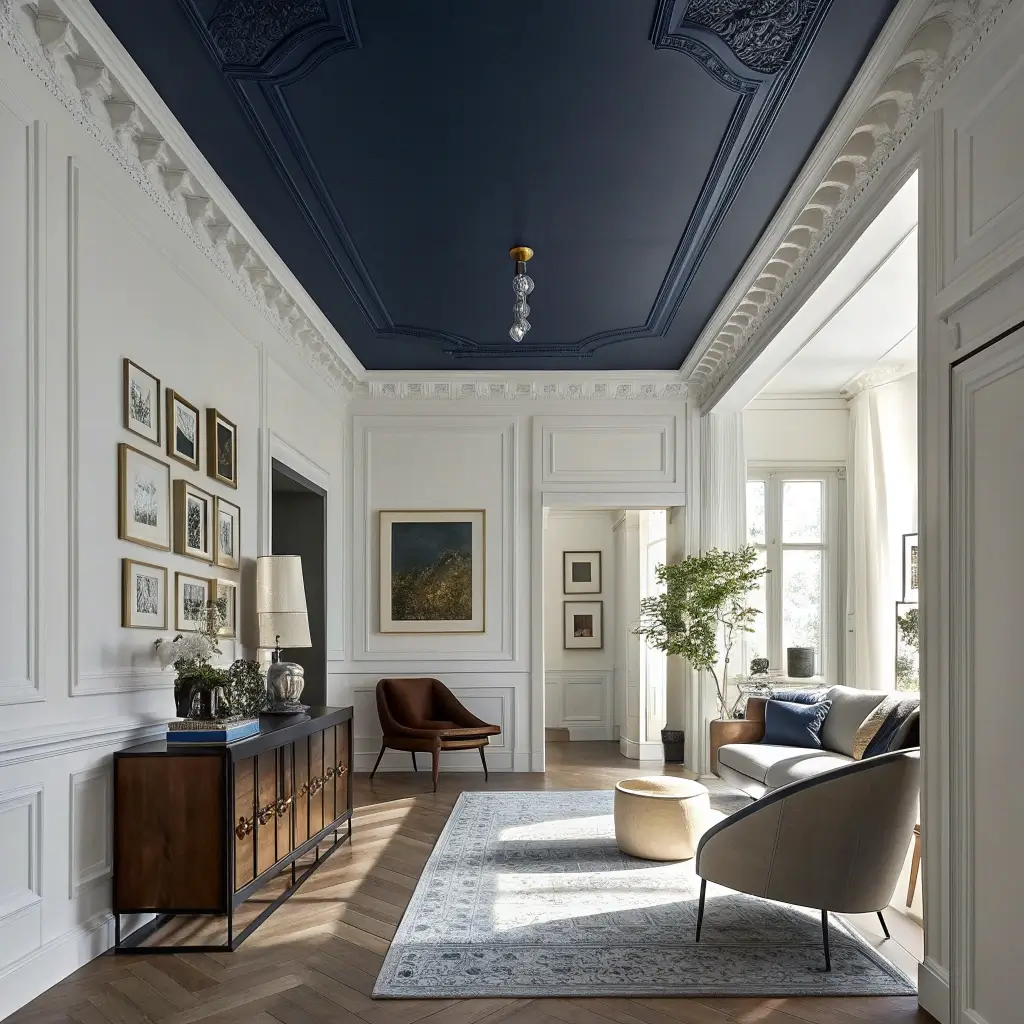
Sometimes the most minimal solution is also the most impactful. A painted accent ceiling requires zero construction but delivers maximum effect. We’re not talking about crazy patterns—just strategic use of color.
Go one or two shades darker than your walls for subtle depth. Or flip the script with a lighter ceiling to add height. Feeling brave? Try a soft color that complements your decor. My dining room ceiling in sage green gets compliments every single dinner party.
The best part about paint? If you hate it, you can change it. No contractor needed, no dust everywhere, just you, a roller, and maybe a patient friend to help with the edges.
Paint Selection Strategy:
- Test samples in different lighting
- Use flat or matte finish to hide imperfections
- Consider ceiling-specific paint formulas
- Prep properly—clean, prime if needed
- Invest in quality brushes for edges
Also Read: 15 Unique Luxury Ceiling Design Ideas and Luxe Finishes
Small Recessed Lighting Grid
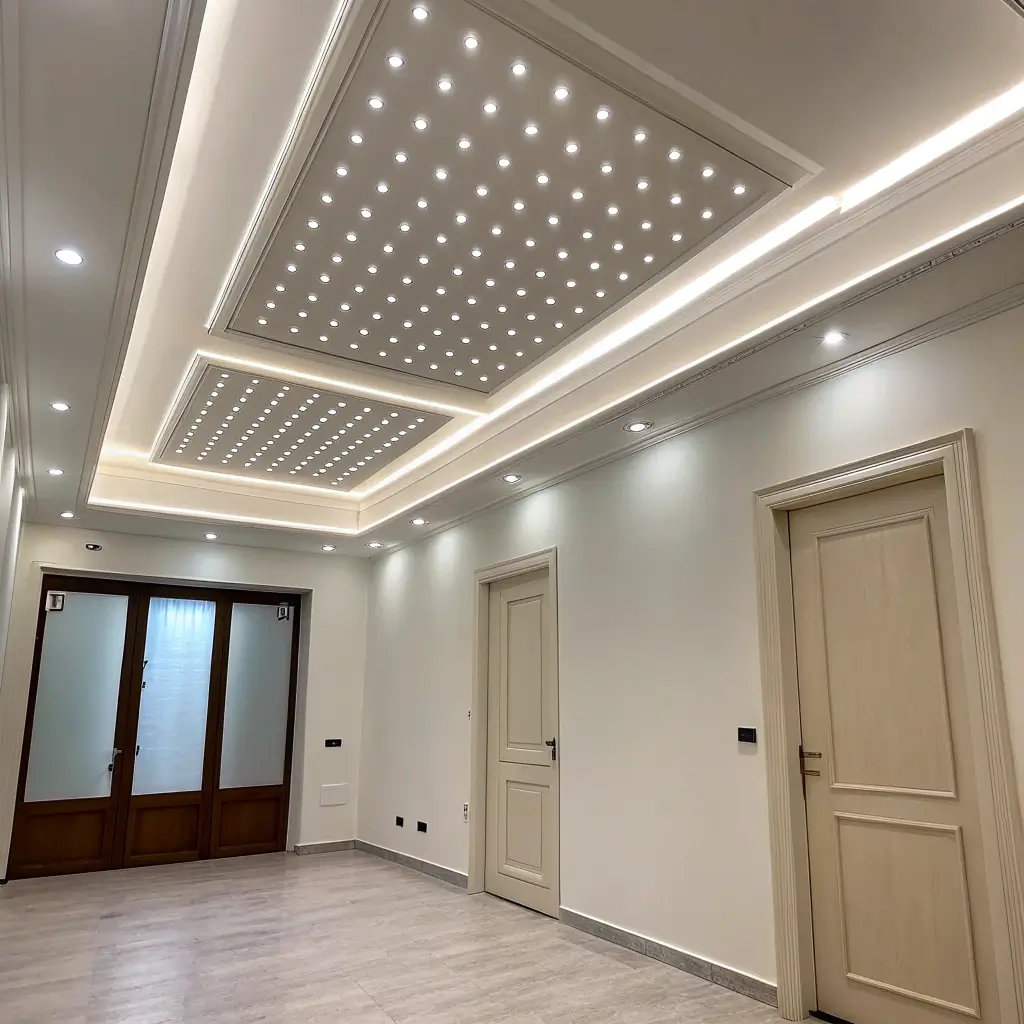
Recessed lights get a bad reputation for looking dated, but modern minimal grids change the game entirely. We’re talking about small, trimless fixtures arranged in a perfect grid pattern. Clean, functional, almost invisible when off.
The trick lies in the planning. Map out your grid based on room function, not just symmetry. Your seating area might need more lights than your walkway. Kitchen prep zones need concentrated light, while dining areas benefit from softer coverage.
FYI, going trimless makes a huge difference. Those white or silver rings around traditional recessed lights? They’re visual clutter you don’t need. Trimless fixtures blend seamlessly into your ceiling.
Grid Planning Essentials:
- Start with a lighting plan before cutting holes
- Use 3-4 inch fixtures for minimal look
- Space evenly for uniform light distribution
- Include dimmers on every circuit
- Consider adjustable fixtures for artwork
Sleek Metal Panel Ceiling

Metal ceilings aren’t just for commercial spaces anymore. Sleek aluminum or steel panels bring an edge to minimal design that painted drywall can’t match. Plus, they’re practically indestructible.
You can find panels in various finishes—brushed, matte, even perforated for acoustic control. The installation system usually involves a grid that the panels clip into, making future access to plumbing or electrical surprisingly easy.
My brother installed these in his basement, and honestly? It transformed the space from creepy storage area to legitimate hangout spot. The metallic finish reflects light beautifully, making the low ceiling feel less cave-like.
Metal Panel Benefits:
- Moisture-resistant for bathrooms/kitchens
- Easy to clean and maintain
- Fire-resistant properties
- Recyclable and eco-friendly
- Excellent light reflection
Minimal Slat Ceiling Design
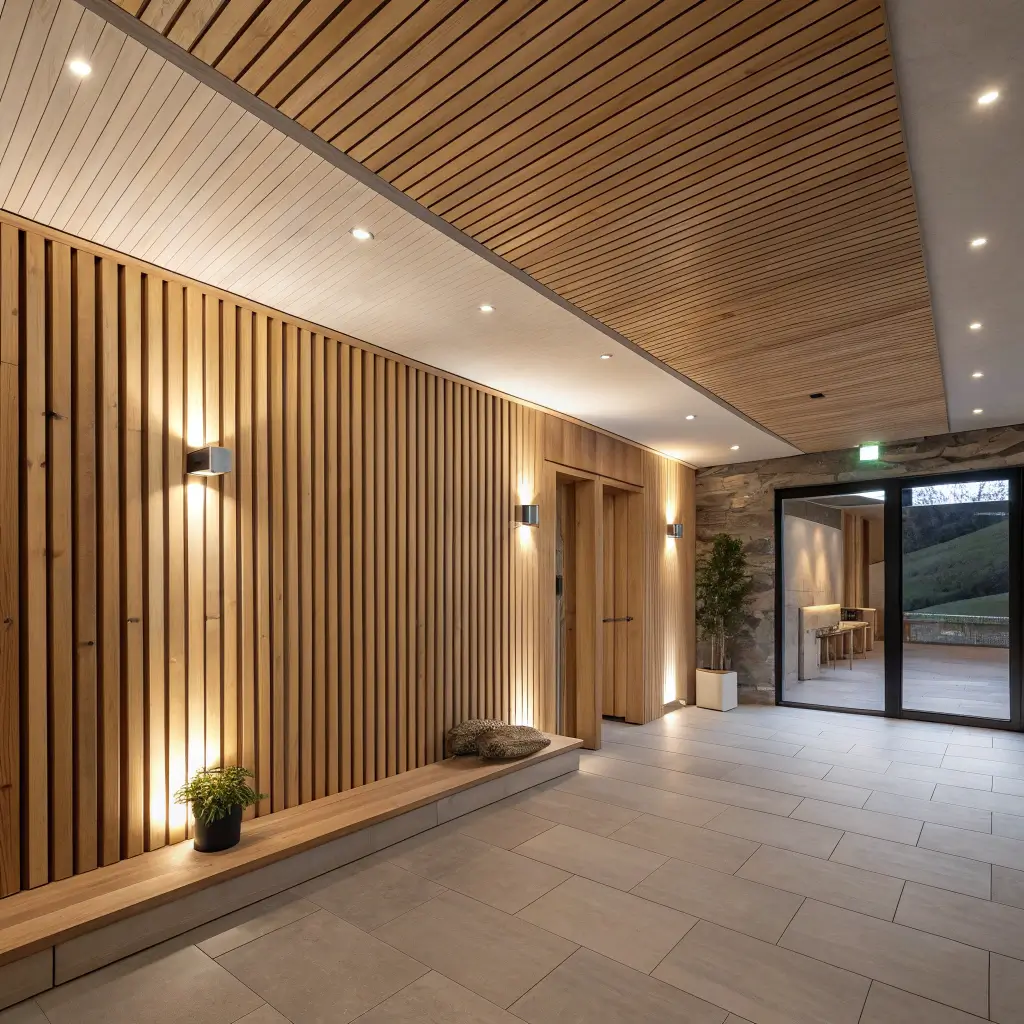
Slat ceilings bring texture and rhythm to your space without overwhelming it. Think parallel lines of wood, metal, or composite materials with gaps between them. The effect? Sophisticated yet approachable.
The gaps between slats serve multiple purposes. They can hide lighting, improve acoustics, or simply add visual interest. You control the drama by adjusting slat width and spacing. Narrow slats with tiny gaps whisper elegance; wider slats with bigger gaps make a bolder statement.
I’ve seen these work beautifully in everything from tiny powder rooms to massive open-plan living areas. The linear nature draws your eye through the space, making rooms feel larger and more intentional.
Slat Design Variables:
- Material choice affects maintenance and cost
- Orientation impacts room perception
- Gap size influences acoustic properties
- Color contrast creates different moods
- Mixed materials add complexity
Circular Center POP Dome
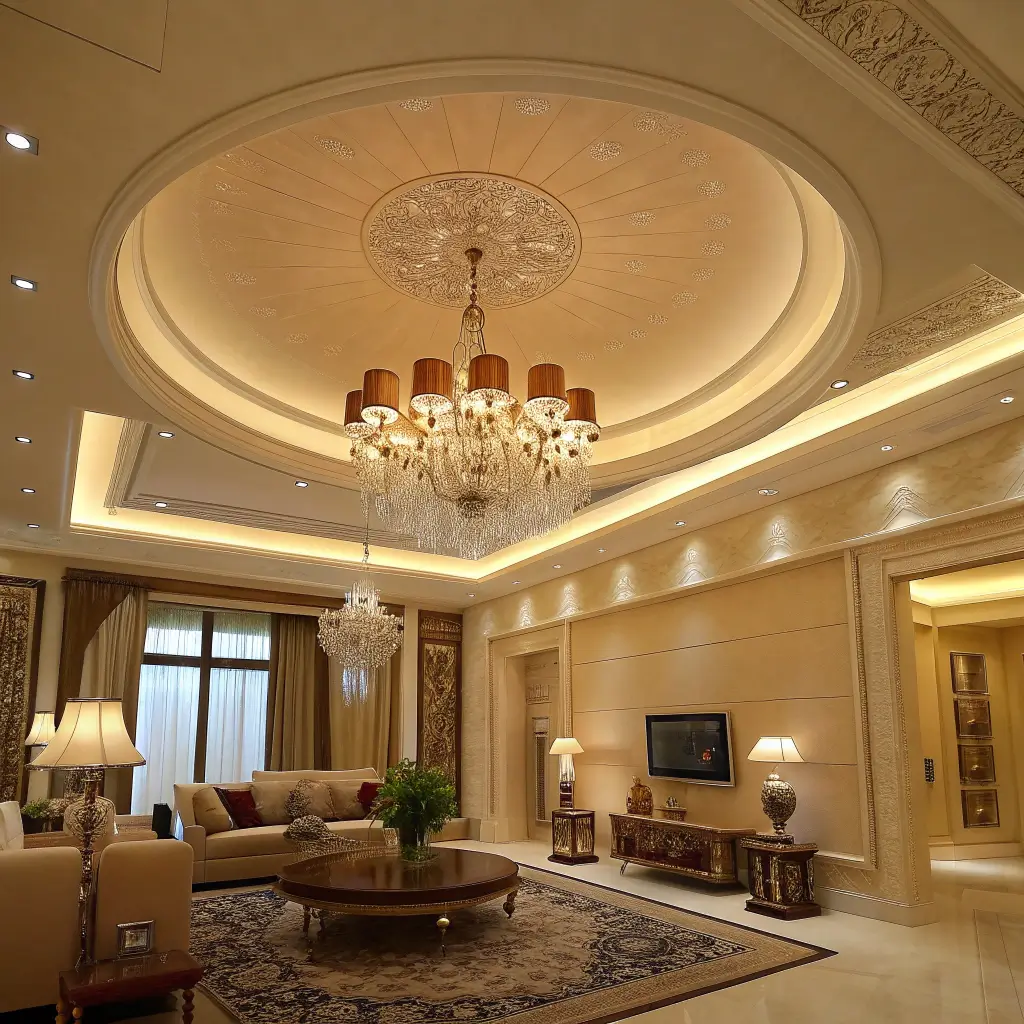
Who decided ceilings must be flat? A simple circular dome in your ceiling center adds dimension without going full Sistine Chapel. We’re talking subtle curves, not dramatic cupolas.
The dome doesn’t need to be huge—even a gentle 6-inch rise creates significant visual interest. Paint it the same color as your ceiling for subtlety, or go slightly lighter to enhance the dimensional effect. Add a centered light fixture, and suddenly your room has a focal point.
IMO, this works best in rooms where people gather—dining rooms, living rooms, bedrooms. The circular shape naturally draws people together, creating an invisible boundary for conversation areas.
Dome Design Tips:
- Keep proportions modest for minimal look
- Smooth edges prevent shadow lines
- Consider indirect lighting around dome perimeter
- Match dome size to furniture layout below
- Use in square rooms to soften angles
Fabric-Stretched Soft Ceiling
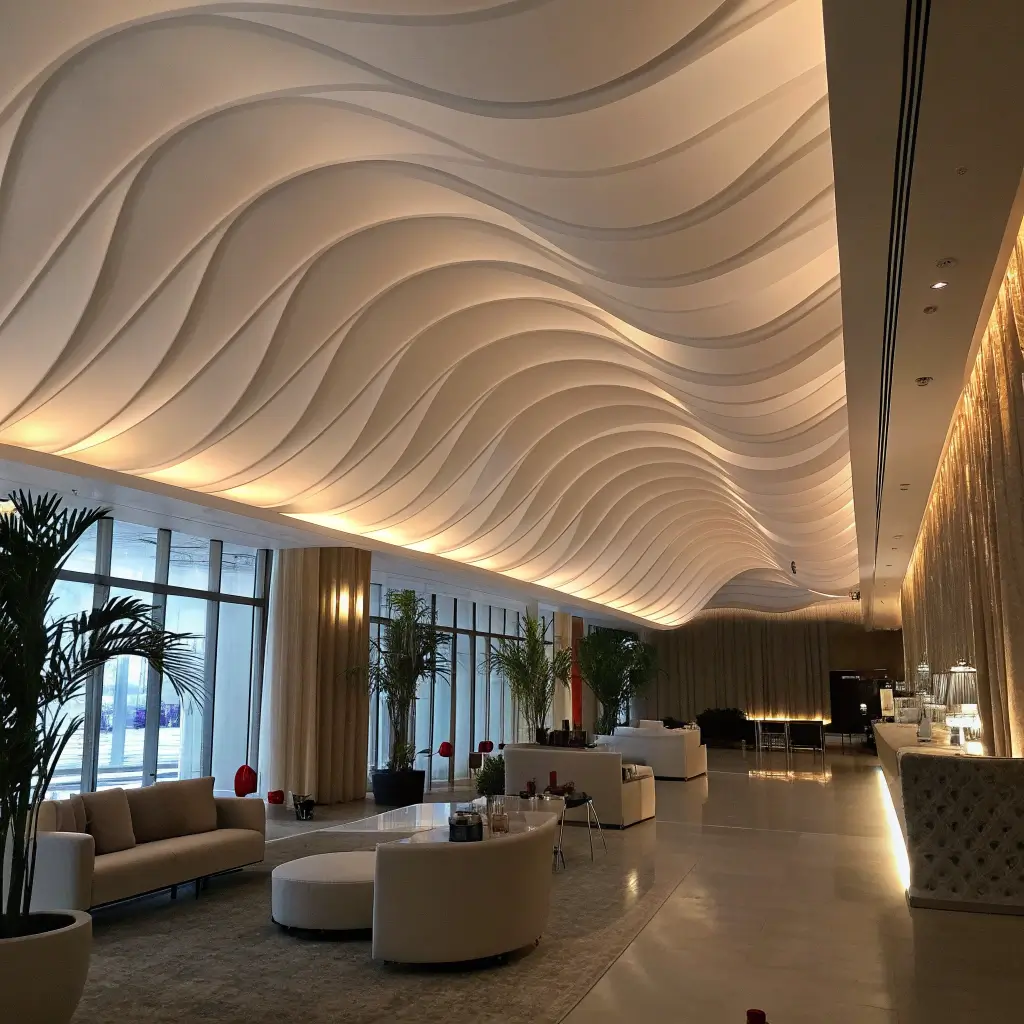
Here’s something different—stretched fabric ceilings that look like traditional flat ceilings but offer unique benefits. The fabric stretches across a perimeter track system, creating a perfectly smooth surface.
Why fabric? First, installation takes hours, not days. Second, you can backlight the entire ceiling for the ultimate diffused lighting. Third, if your upstairs neighbor floods their bathroom (speaking from traumatic experience), the fabric holds the water until you can drain it safely.
The fabric comes in countless colors and can even be printed with subtle patterns or images. Though honestly, for minimal design, stick with white or neutral solid colors.
Fabric Ceiling Advantages:
- Acoustic dampening properties
- Quick, dust-free installation
- Easy to clean or replace
- Hides ceiling imperfections completely
- Compatible with various lighting options
Edge-Lit T-Shaped Ceiling
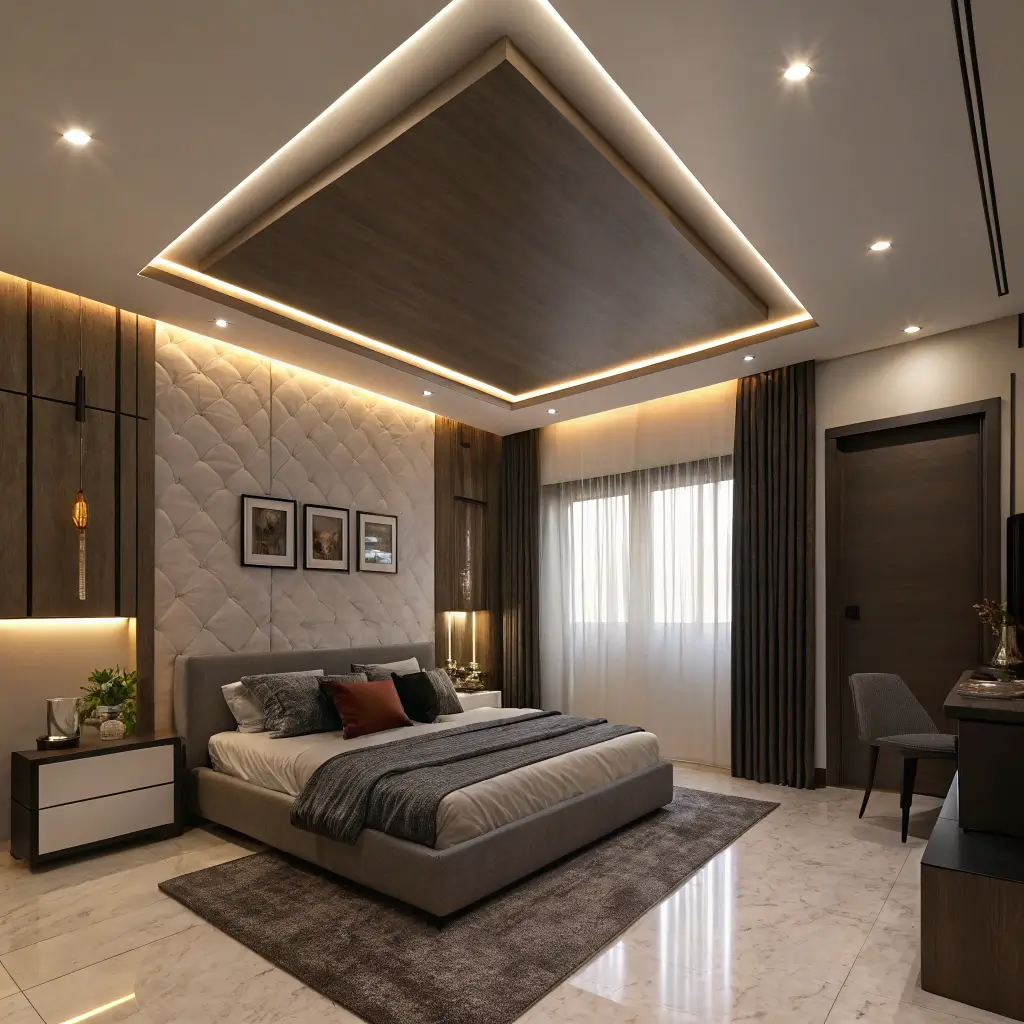
Last but definitely not least, T-shaped edge lighting creates architectural interest through strategic light placement. The design features a T-shaped channel running across your ceiling, with LED strips hidden along the edges.
The T can run the full length and width of your room, creating a cross pattern, or just feature one line for asymmetrical interest. The channels are typically recessed slightly, adding depth while maintaining the minimal aesthetic.
This design particularly shines (pun intended) in rectangular rooms where it can emphasize the space’s proportions. The linear light creates a modern, gallery-like feel that makes your home feel curated rather than decorated.
T-Shape Design Elements:
- Channel depth affects light spread
- Use warm white LEDs for residential spaces
- Consider multiple T patterns for larger rooms
- Include separate controls for each section
- Plan channel placement around existing fixtures
Making Your Ceiling Dreams Reality
So there you have it—fifteen ways to transform your ceiling from forgotten surface to design statement. The best minimal ceiling design for your space depends on your room’s architecture, your budget, and honestly, your patience level for renovation :/
Start by evaluating what bugs you most about your current ceiling. Weird texture? Cover it with a smooth POP design. Boring and flat? Add subtle beams or a painted accent. Poor lighting? Cove lights or recessed grids solve that immediately.
Remember, minimal doesn’t mean boring—it means intentional. Every line, every surface, every light placement should have a purpose. When you nail that balance, you create spaces that feel effortlessly sophisticated. Your ceiling stops being just the thing above your head and becomes an integral part of your room’s design story.
Now stop staring at your phone and look up at your ceiling. What’s it telling you? Whatever it is, you now have fifteen ways to change that conversation. Time to create that clean, minimal look that makes everyone wonder if you secretly hired an interior designer. Your secret’s safe with me!