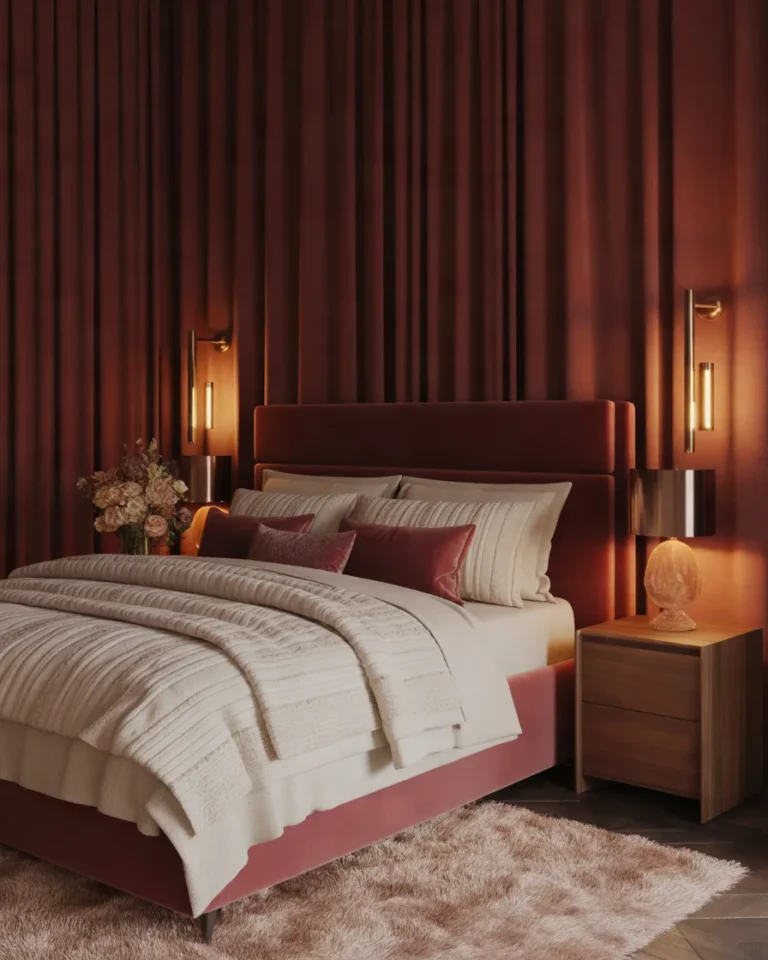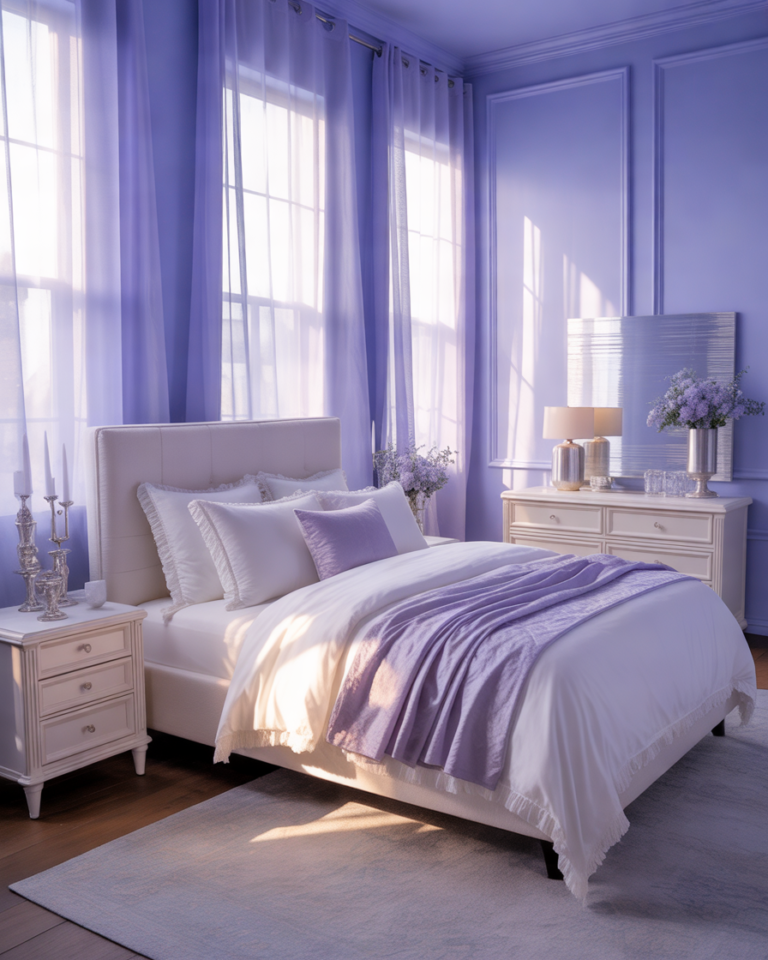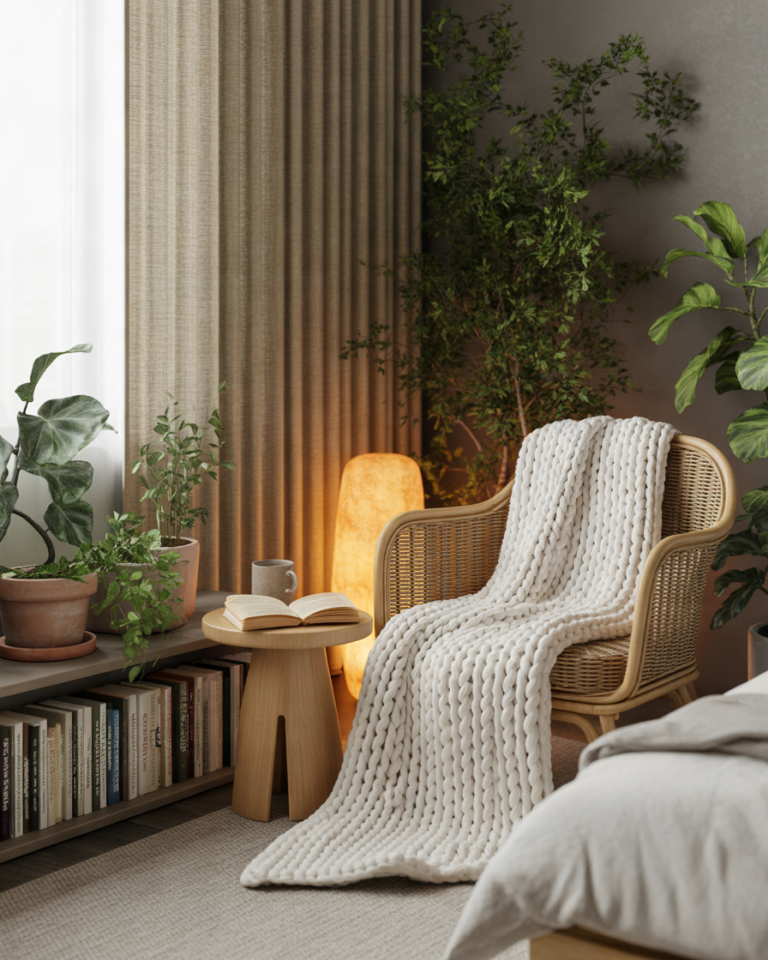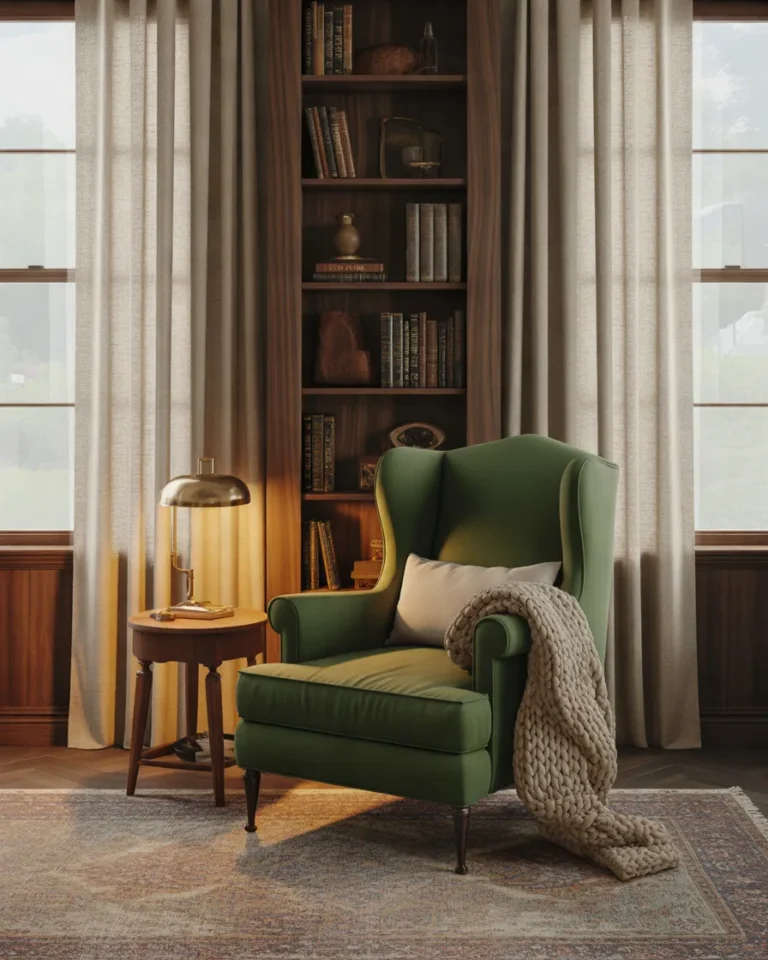
A bedroom should feel like a personal retreat, somewhere I can unwind after a long day and enjoy a little peace away from the outside world. When it comes to creating that kind of atmosphere, beige is one of my favorite colors to work with. It is warm, timeless, and incredibly versatile, making it easy to create a bedroom that feels sophisticated without looking overly decorated.
The beauty of beige bedroom decor is that it works with so many different interior design styles. Whether you love modern minimalism, cozy farmhouse interiors, luxurious hotel-inspired spaces, or a more natural and organic aesthetic, this neutral shade provides the perfect foundation. It also pairs beautifully with white, cream, brown, taupe, sage green, and even subtle black accents.
Another reason I love decorating with beige is that it does not require everything in the room to match perfectly. Different shades, materials, and textures can work together to create a layered look that feels comfortable rather than flat. From upholstered headboards and soft bedding to natural wood furniture and beautiful lighting, even small changes can make a noticeable difference.
If you are planning to refresh your bedroom, these 15 beige bedroom decor ideas will help you create a beautiful space that feels inviting, balanced, and thoughtfully designed. Each idea offers a different way to introduce beige into your bedroom while maintaining a comfortable and stylish atmosphere.
1. Create a Soft and Serene Beige Bedroom with Neutral Bedding
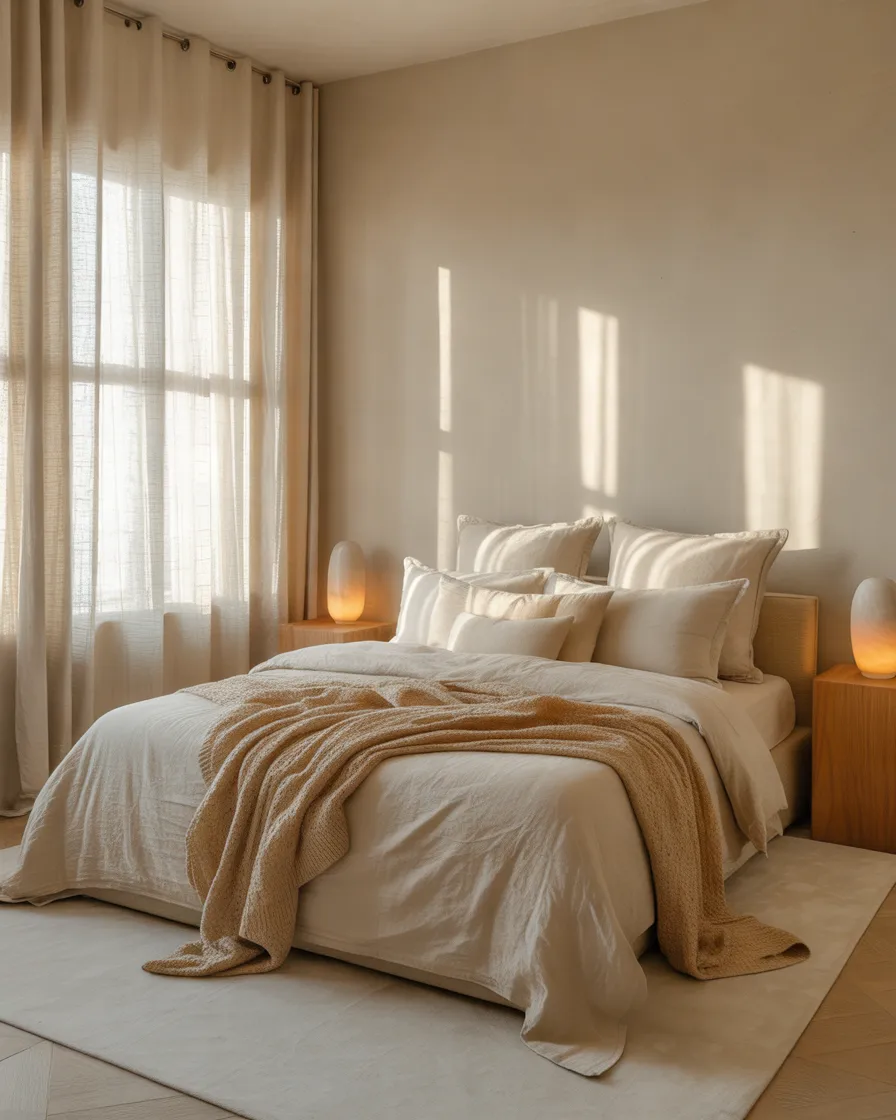
One of the easiest ways to introduce beige bedroom decor is by starting with the bed. Since the bed usually occupies the most visual space in the room, changing its bedding can transform the entire atmosphere without requiring a complete makeover.
I would start with a set of beige cotton or linen sheets and layer them with a slightly darker duvet cover. Adding cream pillows, a textured beige throw, and a few decorative cushions in complementary shades creates a comfortable, inviting arrangement. The secret is to avoid choosing every item in exactly the same shade. A mixture of sand, oatmeal, warm beige, and ivory creates depth while keeping the overall appearance calm.
Natural fabrics are particularly effective because their subtle irregularities make a neutral bedroom feel more interesting. Linen is a wonderful option if you prefer a relaxed, slightly lived-in look, while smooth cotton works beautifully in a more polished setting.
Keep the surrounding furniture simple so the bedding remains the main attraction. A wooden bedside table, warm bedside lighting, and an understated rug can complete the look without making the room feel crowded.
2. Add a Beige Upholstered Headboard for a Luxurious Finish
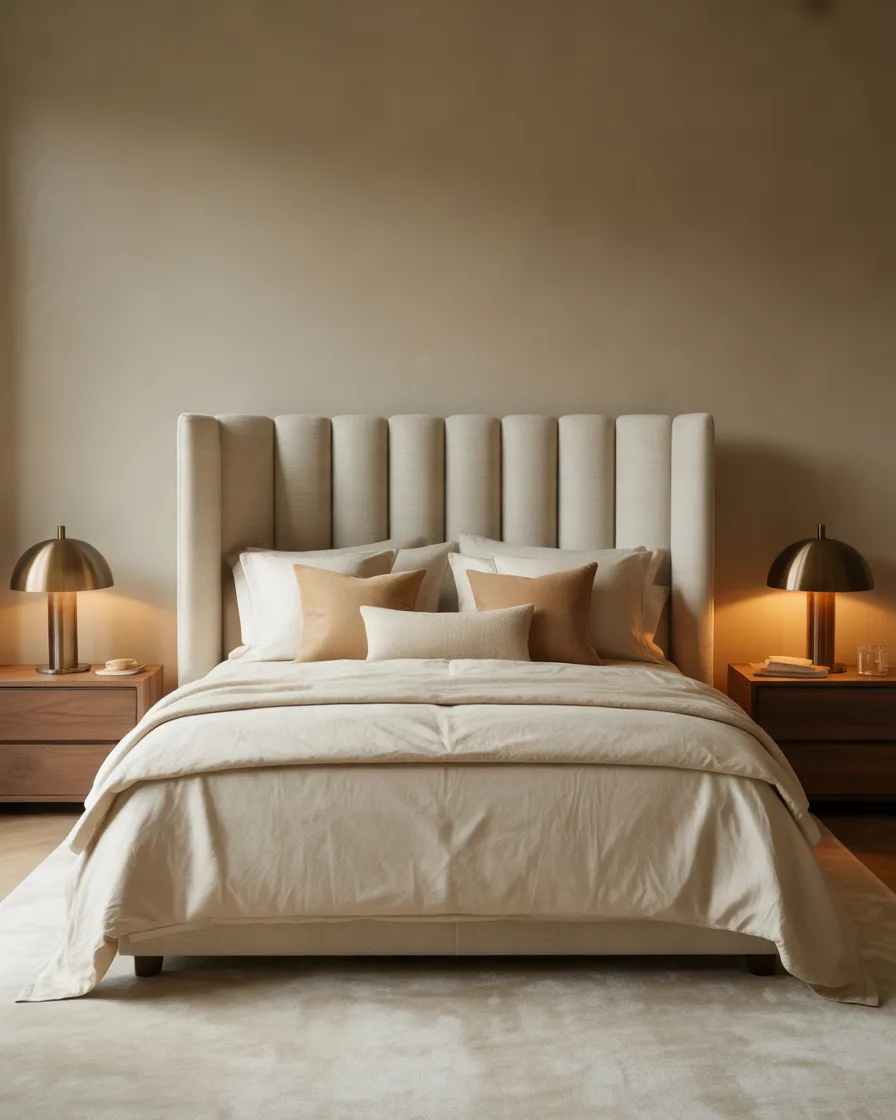
A beige upholstered headboard is a beautiful way to make a bedroom feel more refined. It creates a soft focal point behind the bed and introduces a comfortable texture that contrasts nicely with wooden furniture, smooth walls, and crisp bedding.
For a contemporary bedroom, I would choose a generously padded headboard with clean lines. A tall rectangular design looks sophisticated, while a gently curved silhouette can make the room feel softer and more relaxed. If you prefer a traditional or transitional interior, a subtle channel-tufted or wingback headboard may be a better choice.
The fabric makes a difference, too. Bouclé creates a tactile, modern appearance, whereas linen offers a more natural and understated finish. Velvet in a muted beige shade can bring a slightly more glamorous feeling to the space.
To keep the design cohesive, repeat the headboard’s color in one or two other elements, such as a bedside bench or decorative cushions. You do not need to match everything. A few related tones are enough to create a coordinated appearance.
This is especially useful when decorating a bedroom with white walls because the headboard introduces warmth without making the space feel smaller.
3. Use Layered Beige and Cream Tones for a Richer Look
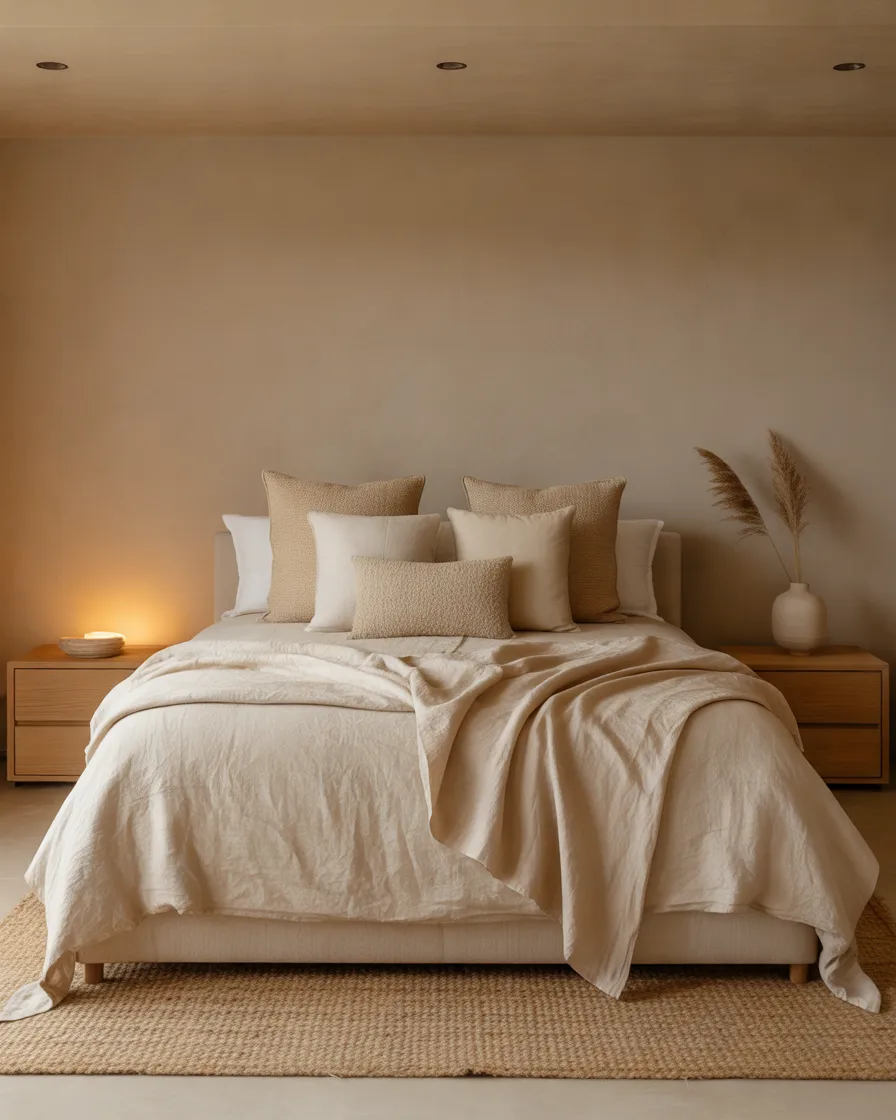
A beige bedroom does not have to look plain. In fact, one of the most effective decorating techniques is to combine several closely related neutral shades instead of relying on a single color throughout the room.
I like the combination of warm beige walls, cream bedding, taupe cushions, and sandy-colored curtains. Each shade is subtle on its own, but together they create a room that feels layered and complete. The difference between the tones becomes more noticeable as natural light moves across the surfaces during the day.
The trick is to vary both color and texture. For example, you could pair a smooth cream duvet with a chunky beige knitted throw, velvet cushions in warm taupe, and a woven rug beneath the bed. These materials prevent the neutral palette from appearing monotonous.
Pay attention to undertones when selecting paint, fabric, and furniture. Warm beige shades usually work well with honey-colored wood and brass, while cooler greige tones can complement contemporary furniture and muted gray accents.
Before committing to paint or expensive textiles, compare samples in your bedroom during the morning and evening. Artificial lighting can change how beige appears, so checking the colors in your actual space helps you make a more confident decision.
4. Decorate with Natural Wood Furniture
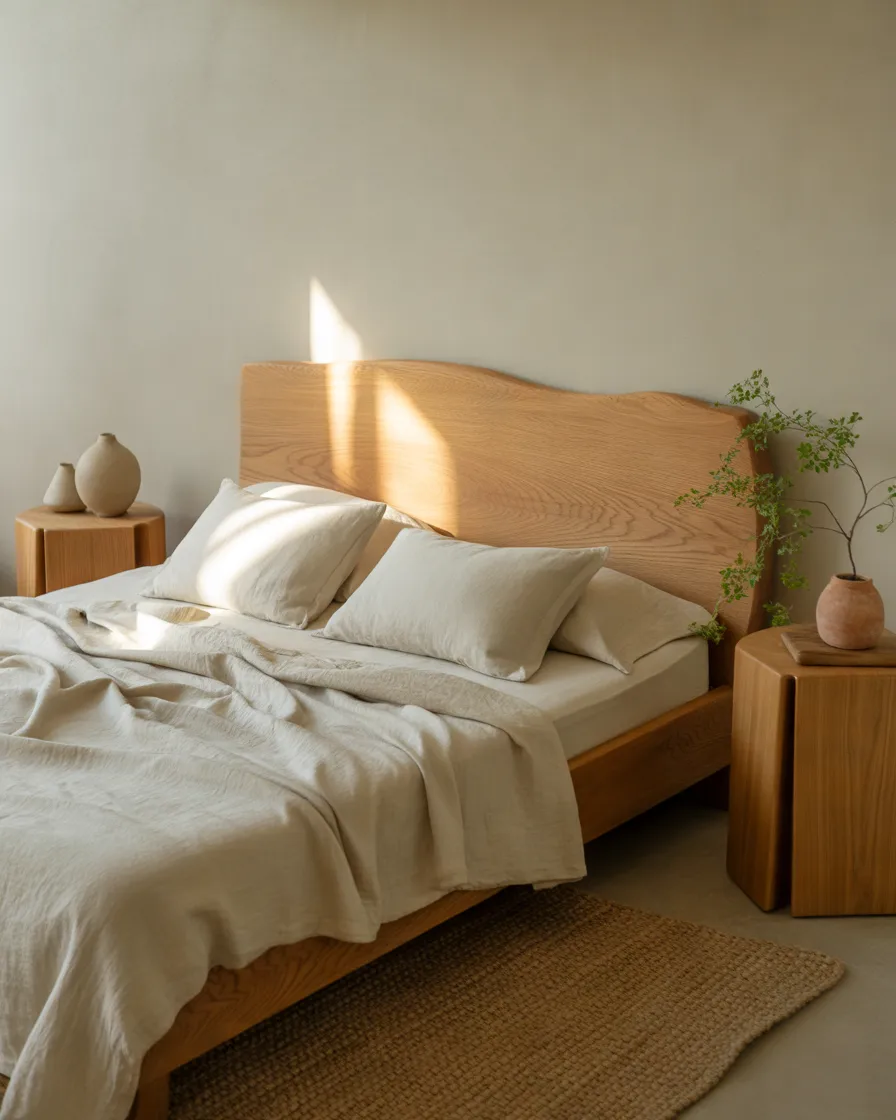
Natural wood is one of the best materials to pair with beige because it adds warmth and a connection to nature. While beige walls and bedding create a soft background, wooden furniture introduces grain patterns, visual contrast, and a sense of permanence.
For a relaxed bedroom, consider oak bedside tables, a wooden bed frame, or a low dresser with a natural finish. Lighter woods create an airy Scandinavian-inspired atmosphere, while walnut and medium-brown finishes make the room feel richer and more grounded.
I particularly like combining light beige walls with a medium-toned wooden bed frame. The contrast is noticeable without being harsh, and the wood adds character to an otherwise neutral setting. You can continue the look with a wooden picture frame, a small stool, or a decorative tray on the bedside table.
If your bedroom already has dark furniture, there is no need to replace everything. Introduce lighter accessories and natural textiles to soften the overall appearance. A beige throw, cream curtains, and a textured rug can help the darker pieces feel intentional.
Try to balance wood with softer materials rather than filling the room with hard surfaces. Linen, cotton, wool, and woven baskets make the furniture feel more approachable and comfortable.
5. Make a Statement with a Beige Accent Wall
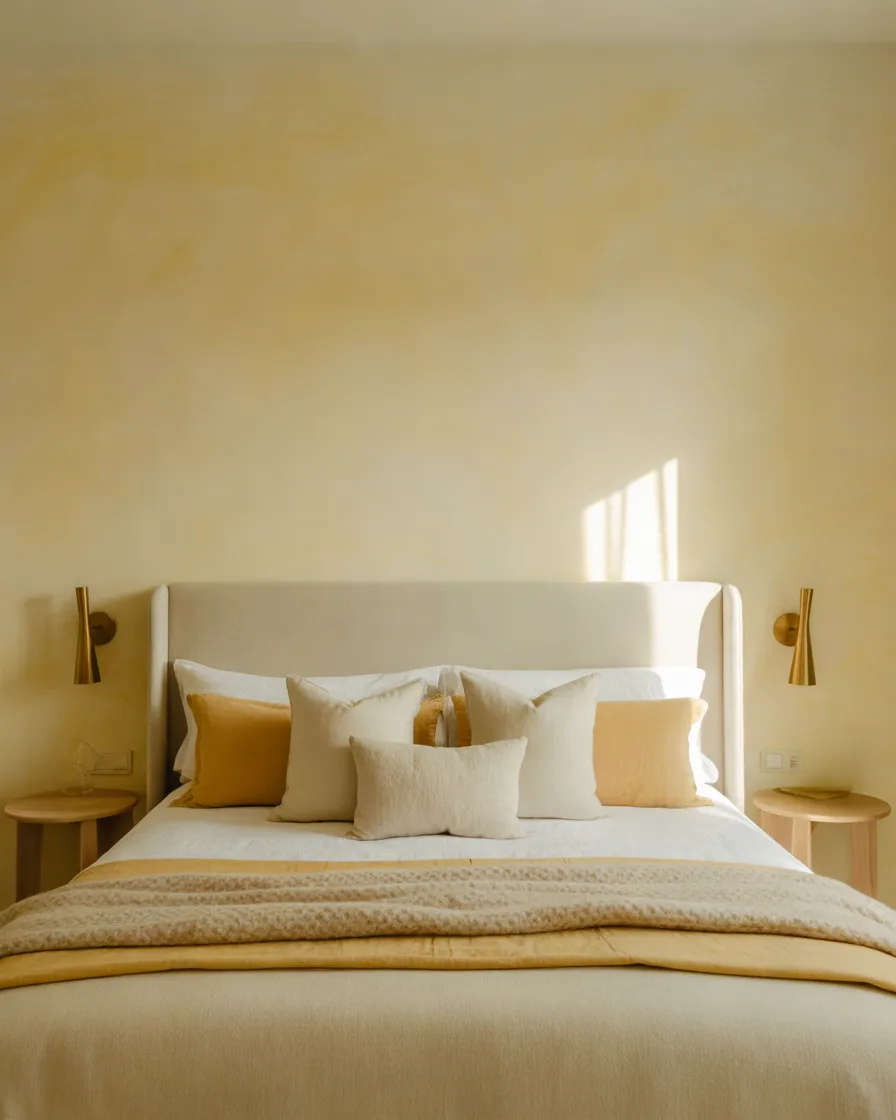
If you want your bedroom to feel more designed without introducing bold colors, a beige accent wall is an excellent option. It creates a focal point while preserving the soft, neutral atmosphere that makes beige bedrooms so appealing.
The wall behind the bed is usually the best place to introduce this feature. You can use a deeper beige paint color, subtle textured wallpaper, decorative wall panels, or a limewash-style finish. Each option produces a slightly different result, so choose one that suits your preferred interior style.
For a modern bedroom, vertical wall panels in a warm beige shade can add architectural interest. If you prefer a rustic or Mediterranean-inspired appearance, a softly textured finish creates an organic effect. A smooth painted wall is ideal if you want something simple and budget-friendly.
I would keep the remaining walls lighter to ensure the room stays bright. Pair the accent wall with cream bedding, restrained artwork, and matching bedside lighting. This lets the wall stand out without competing with too many other decorative features.
Before choosing the final shade, test it behind the bed and observe how it looks under both natural and artificial lighting. A color that appears light in a paint store may look considerably darker in a bedroom with limited daylight.
6. Hang Floor-Length Beige Curtains for a Softer Atmosphere
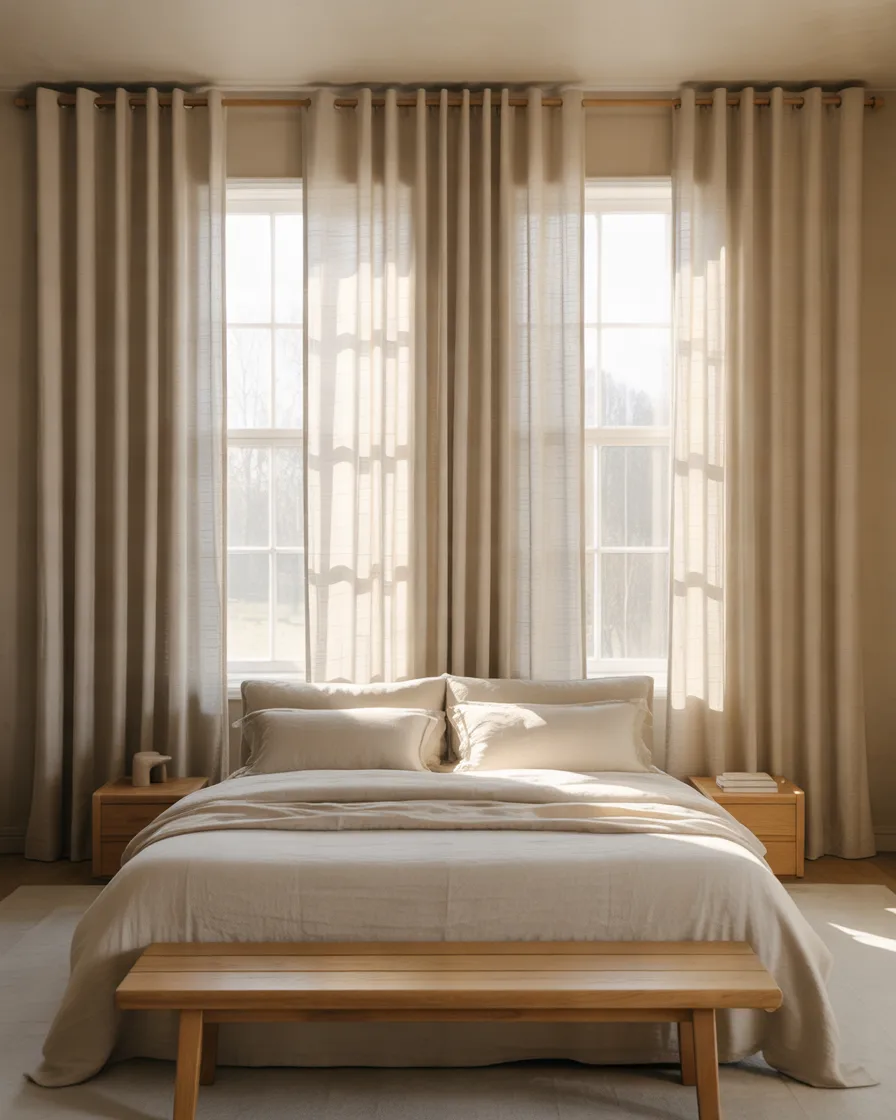
Curtains can make a surprising difference to the appearance of a bedroom. They frame the windows, soften architectural edges, and help connect the wall color with the bedding and furniture.
For beige bedroom decor, floor-length curtains in linen, cotton, or a linen-look fabric are particularly attractive. They create a relaxed appearance while adding vertical lines that can make the ceiling seem taller. I prefer curtains that extend close to the floor rather than stopping just beneath the window sill.
If your walls are cream or off-white, warm beige curtains can introduce enough contrast to define the window area. For darker beige walls, lighter oatmeal or ivory curtains help maintain a bright and balanced appearance.
The curtain rod also matters. A slim black rod creates a modern contrast, while brushed brass or wood can complement a warmer, more traditional interior. Installing the rod slightly higher and wider than the window frame can make the window feel larger.
Think about privacy and light control when choosing the fabric. Sheer beige curtains are lovely for a bright, airy bedroom, but they may not provide sufficient darkness for sleeping. Pairing them with blackout curtains or a discreet blackout lining allows you to enjoy the decorative effect without sacrificing comfort.
7. Bring in Texture with a Chunky Knit Throw and Soft Cushions
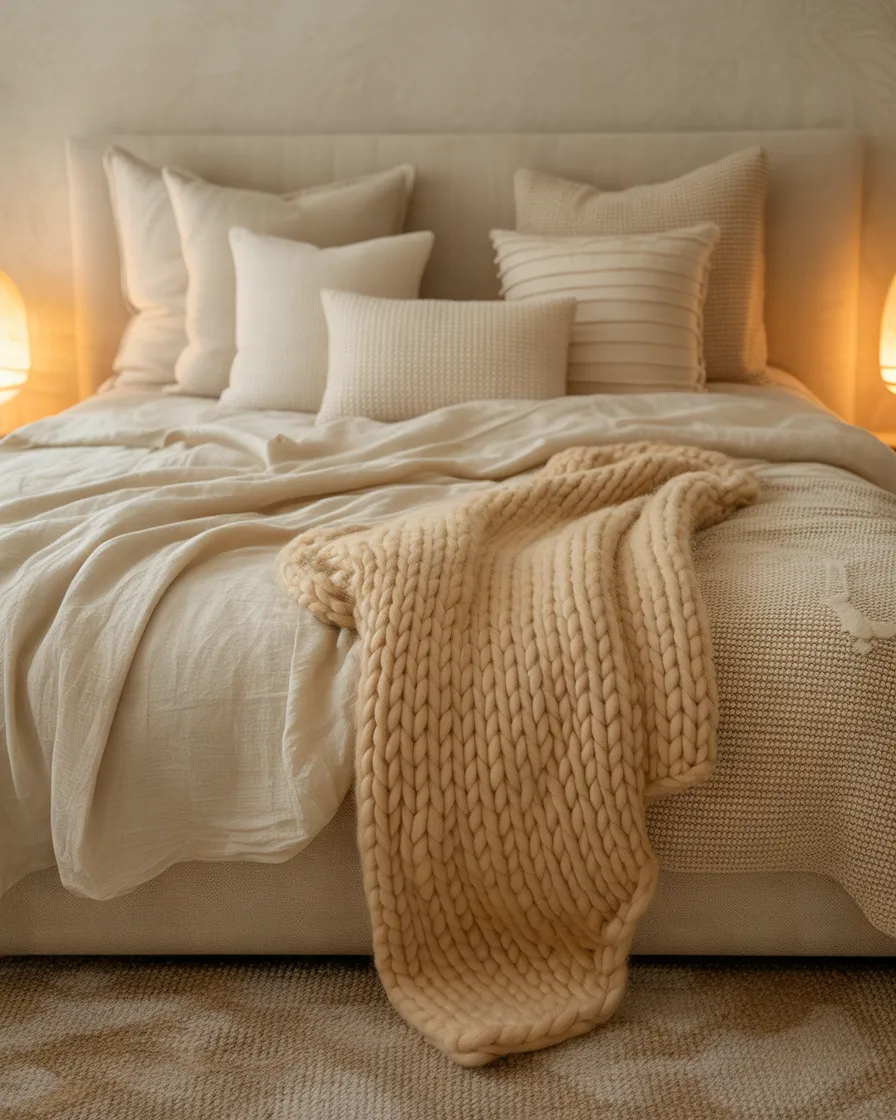
When a bedroom uses mostly neutral colors, texture becomes one of the most important design elements. It gives the eye something interesting to explore while keeping the overall palette simple.
A chunky knit throw is an easy place to start. Drape it casually across the bottom of the bed, allowing the folds to fall naturally rather than arranging it too perfectly. Choose a warm beige or oatmeal shade that complements your duvet.
Next, introduce cushions in different fabrics. Bouclé, brushed cotton, velvet, linen, and woven materials can all work together when their colors remain within a coordinated palette. Two larger cushions at the back, a pair of medium-sized pillows, and one smaller accent cushion can create a balanced arrangement without overcrowding the bed.
I would avoid buying a complete matching bedding set if you want a more personal look. Mixing carefully chosen pieces often creates a more relaxed, collected appearance.
You can also extend the textural theme beyond the bed with a wool rug, a woven storage basket, or a fabric-covered bench. These additions make the bedroom feel comfortable even when the color scheme remains understated.
The key is moderation. A few distinct textures will create enough interest, while too many competing patterns and materials can make the room feel visually busy.
8. Style the Bedside Tables with Minimalist Beige Accessories
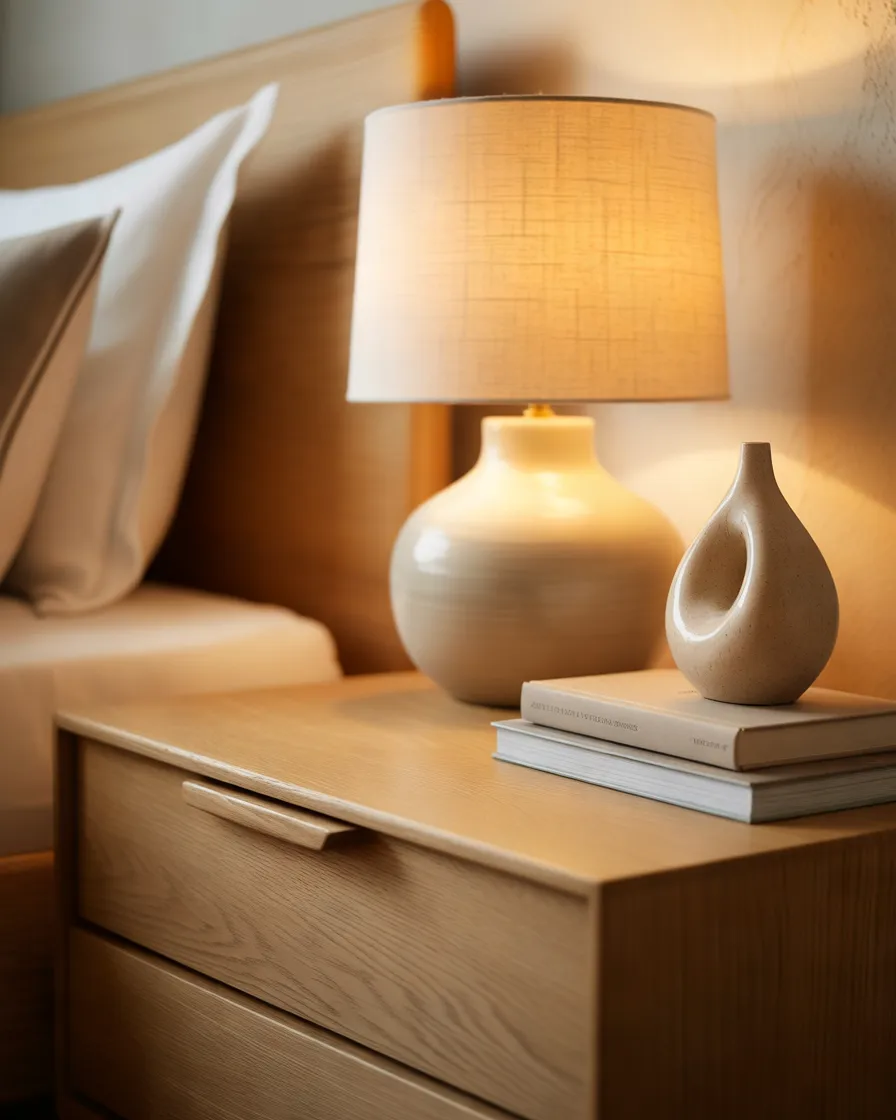
Bedside tables are small surfaces, but thoughtful styling can make the entire bedroom feel more polished. Rather than filling them with decorative objects, I prefer a simple arrangement that combines beauty with everyday practicality.
Start with a lamp that suits the scale of your bedside table. A ceramic base in cream or sand, paired with a fabric shade, looks particularly attractive in a beige bedroom. If you prefer a contemporary style, choose a clean-lined lamp with a stone-like finish or brushed brass detailing.
You can then add a small decorative tray, a favorite book, or a simple ceramic vase. A single stem or a few delicate branches introduce a natural element without making the surface feel cluttered.
Keep useful items accessible, too. There is no reason your bedside table should look beautiful but become inconvenient to use. Leave enough room for a phone, a glass of water, or anything else you normally keep nearby.
For a balanced appearance, repeat one material from the bedside styling elsewhere in the bedroom. For example, a ceramic lamp can coordinate with a vase on the dresser, while brass lamp details can connect with cabinet handles.
I find that a little empty space makes the arrangement look more intentional. It also reinforces the clean, restful feeling that makes neutral bedrooms so appealing.
9. Add a Large Neutral Rug to Anchor the Bedroom
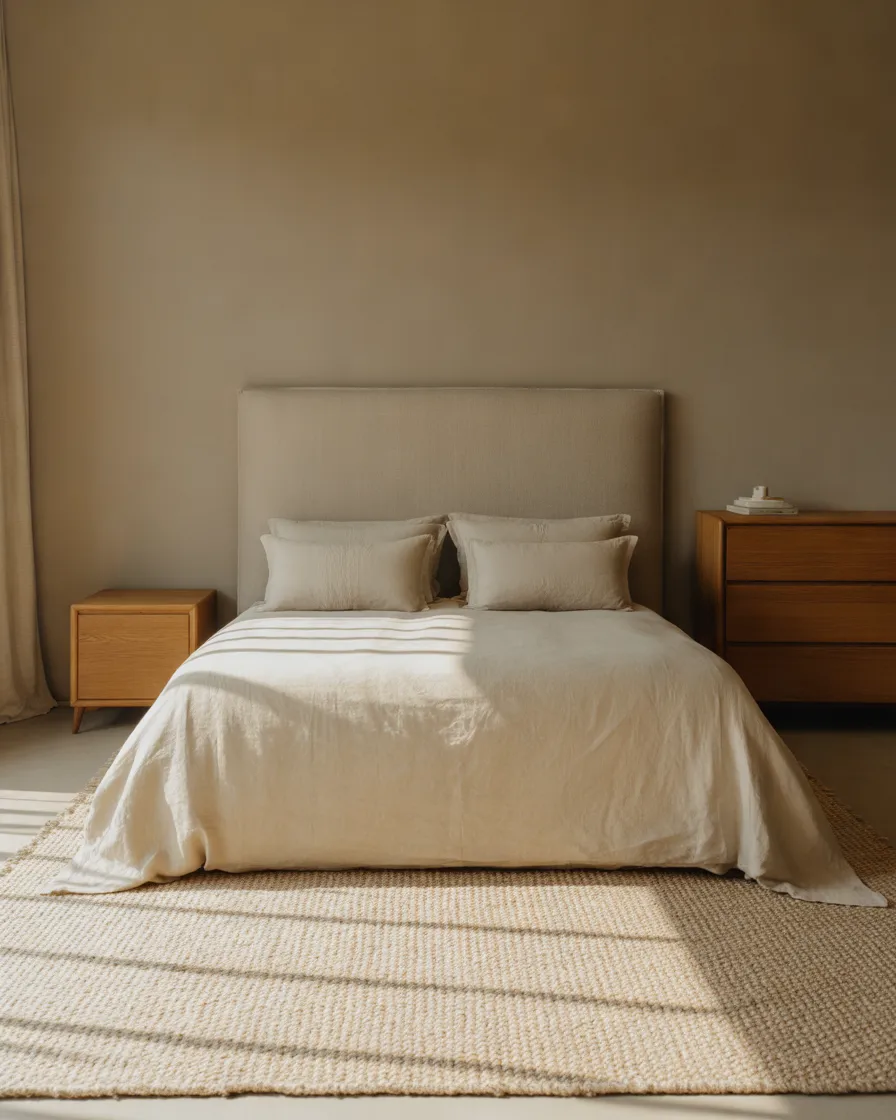
A rug can make a beige bedroom feel warmer, more comfortable, and visually connected. It also helps define the bed area, particularly in larger rooms where the furniture might otherwise appear disconnected.
For a classic arrangement, choose a rug large enough to extend beyond both sides and the foot of the bed. This creates a soft landing when you get out of bed and gives the furniture a more grounded appearance.
Color and pattern depend on how much visual interest you want. A plain cream rug works beautifully in a minimalist bedroom, while a beige rug with a subtle geometric pattern adds definition without introducing a strong contrast. If you love natural materials, a jute or wool-blend rug can create an organic, relaxed atmosphere.
Texture is worth considering as well. A plush pile feels luxurious underfoot, whereas a flatweave is practical for a clean, understated look. In a bedroom with pets or heavy foot traffic, a low-pile rug may also be easier to maintain.
I would coordinate the rug with the bedding rather than trying to match it exactly. A slightly darker rug beneath light cream bedding helps create depth, while a lighter rug can brighten a bedroom with darker wood furniture.
10. Use Beige Wall Art to Create a Sophisticated Focal Point
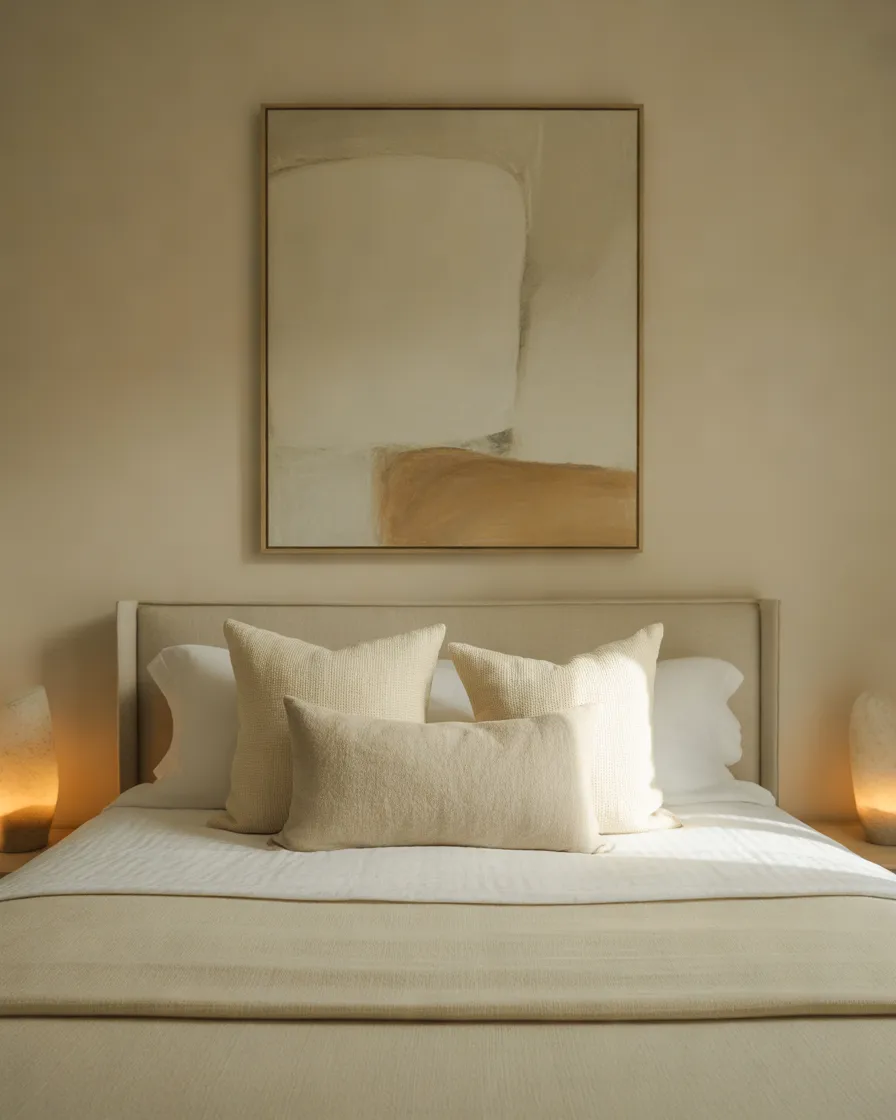
Wall art is an excellent way to introduce personality into a neutral bedroom. Even if you prefer a calm color palette, artwork can add shape, movement, and visual interest without overwhelming the space.
For beige bedroom decor, I would look for abstract prints featuring sand, cream, taupe, and muted brown. Soft organic shapes, minimalist line drawings, and textured compositions are particularly effective because they complement the relaxed quality of neutral interiors.
A large framed artwork above the headboard can make a stronger statement than several small pieces scattered across the wall. If you prefer a gallery arrangement, keep the frames coordinated and leave consistent spacing between them.
The frame itself can influence the overall mood. Light oak creates a natural, understated finish, while thin black frames add definition. Brushed brass frames can introduce a subtle touch of elegance.
Pay attention to scale and placement. Artwork that is too small can appear disconnected from the bed, while an oversized piece may dominate the wall. As a general starting point, choose artwork that occupies a substantial portion of the bed’s width without extending awkwardly beyond the surrounding furniture.
You do not need expensive original artwork to achieve this look. Choose prints that reflect your taste and frame them carefully for a finished, cohesive appearance.
11. Introduce Indoor Plants for a Natural Pop of Color
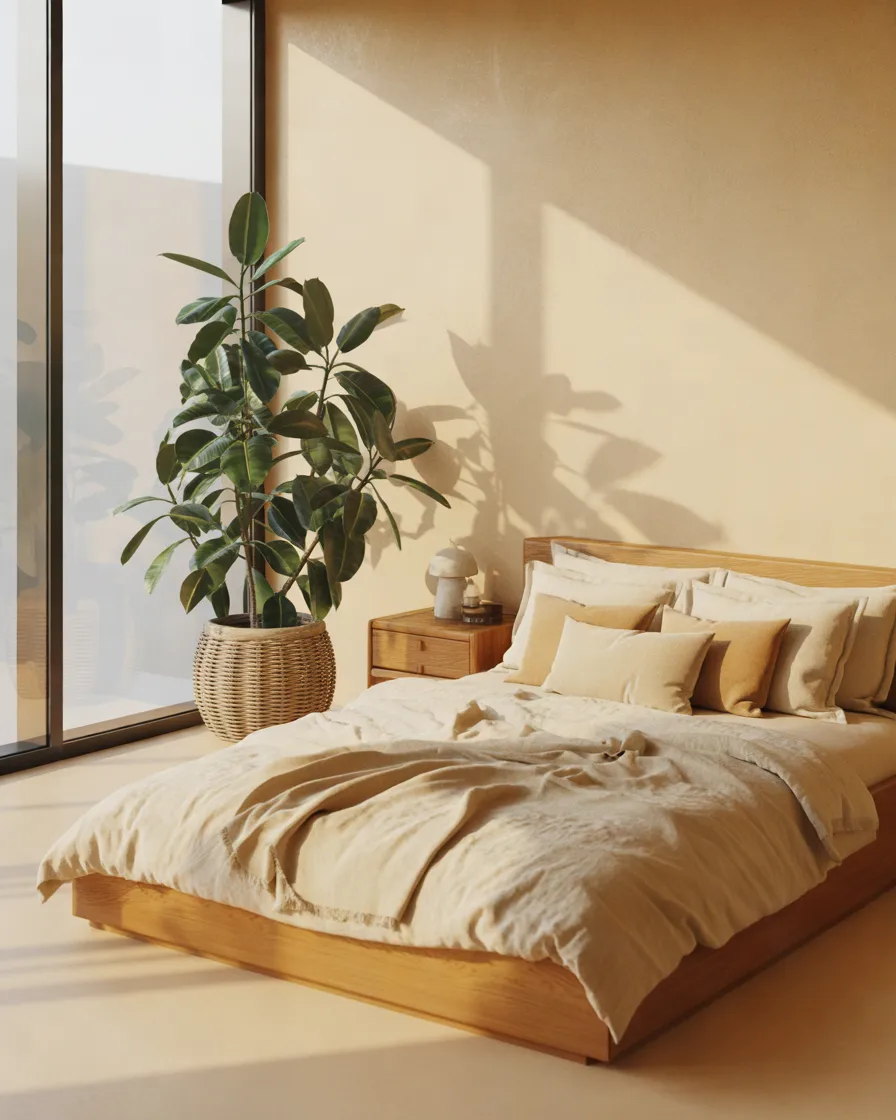
One of my favorite ways to make a beige bedroom feel more alive is to introduce greenery. Beige provides a warm, neutral backdrop that allows the natural green of plants to stand out without making the room feel visually busy.
A tall indoor plant beside a window can create a beautiful vertical element. Depending on your available light and space, you might choose a rubber plant, a parlor palm, or another suitable indoor variety. Smaller plants can sit on a dresser, shelf, or bedside table.
The planter is part of the design, too. Terracotta, cream ceramic, woven baskets, and stone-colored pots all work well with beige interiors. Choose containers that complement the surrounding materials rather than introducing too many unrelated finishes.
If your bedroom receives limited natural light, select a plant that tolerates those conditions and follow its care requirements. You can also use a small arrangement of fresh branches or dried foliage if maintaining live plants is not practical.
Keep plant placement purposeful. A large plant near a window or in an unused corner can soften the room’s edges, while too many small pots may make the space feel cluttered.
Greenery also creates a pleasing contrast with beige bedding and wooden furniture, making the entire room feel more organic and inviting.
12. Choose Warm Lighting to Enhance Beige Bedroom Decor
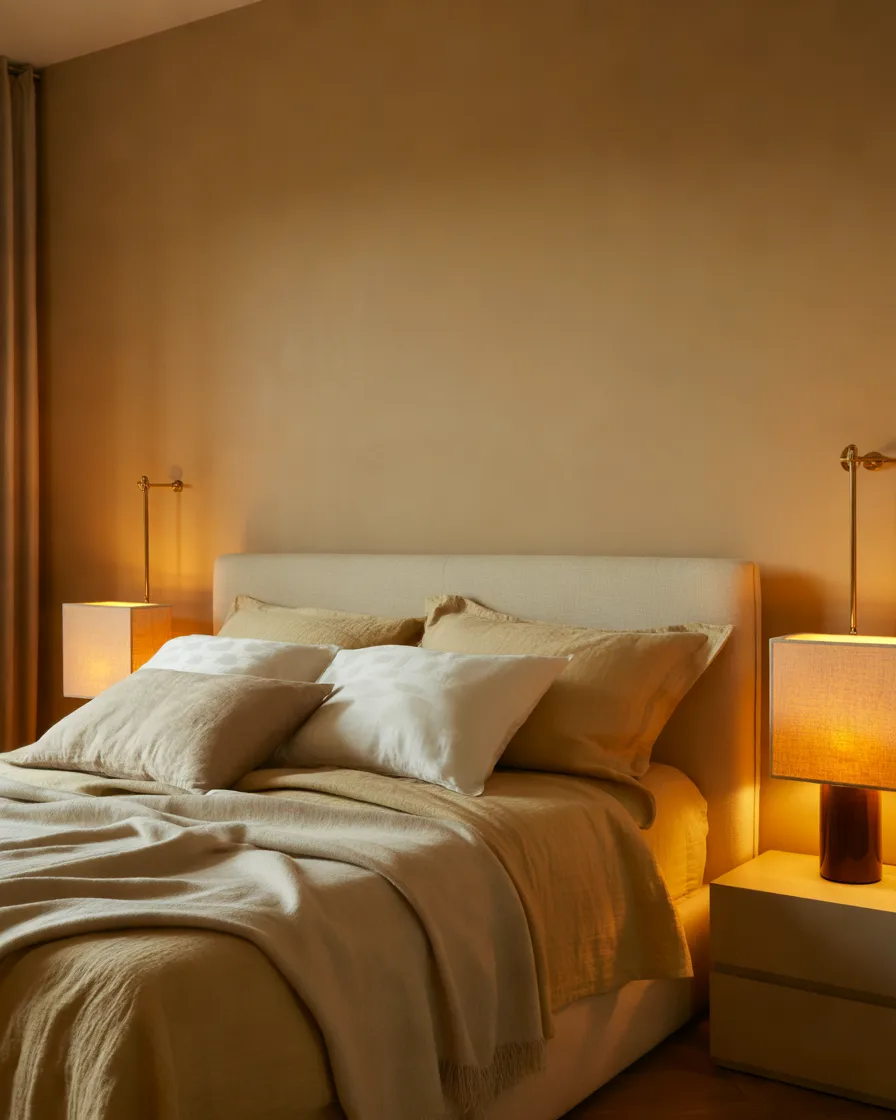
Lighting can completely change the way beige looks. Under cool, harsh lighting, warm neutrals may appear dull or gray, while softer, warmer illumination can bring out their richness and make the bedroom feel more welcoming.
I recommend using several sources of light instead of relying entirely on one ceiling fixture. Bedside lamps provide comfortable light for reading, wall sconces free up space on nightstands, and a ceiling pendant can act as a decorative feature.
Materials such as fabric, frosted glass, ceramic, and brushed brass work particularly well with beige interiors. A linen lampshade creates a soft glow, while a sculptural pendant can add personality without requiring a bold color.
For evening relaxation, consider warm-white bulbs, often around 2700K to 3000K. The right choice depends on your personal preference, the fixture, and the rest of your lighting scheme, but warmer tones generally complement beige and cream finishes beautifully.
I would also consider dimmable lighting if possible. Bright light is useful when getting dressed or organizing the room, while lower illumination creates a more restful atmosphere before bedtime.
Think about how light falls across the room. A lamp positioned beside a textured wall or upholstered headboard can emphasize subtle details that might otherwise go unnoticed.
13. Add a Beige Bedroom Bench at the Foot of the Bed
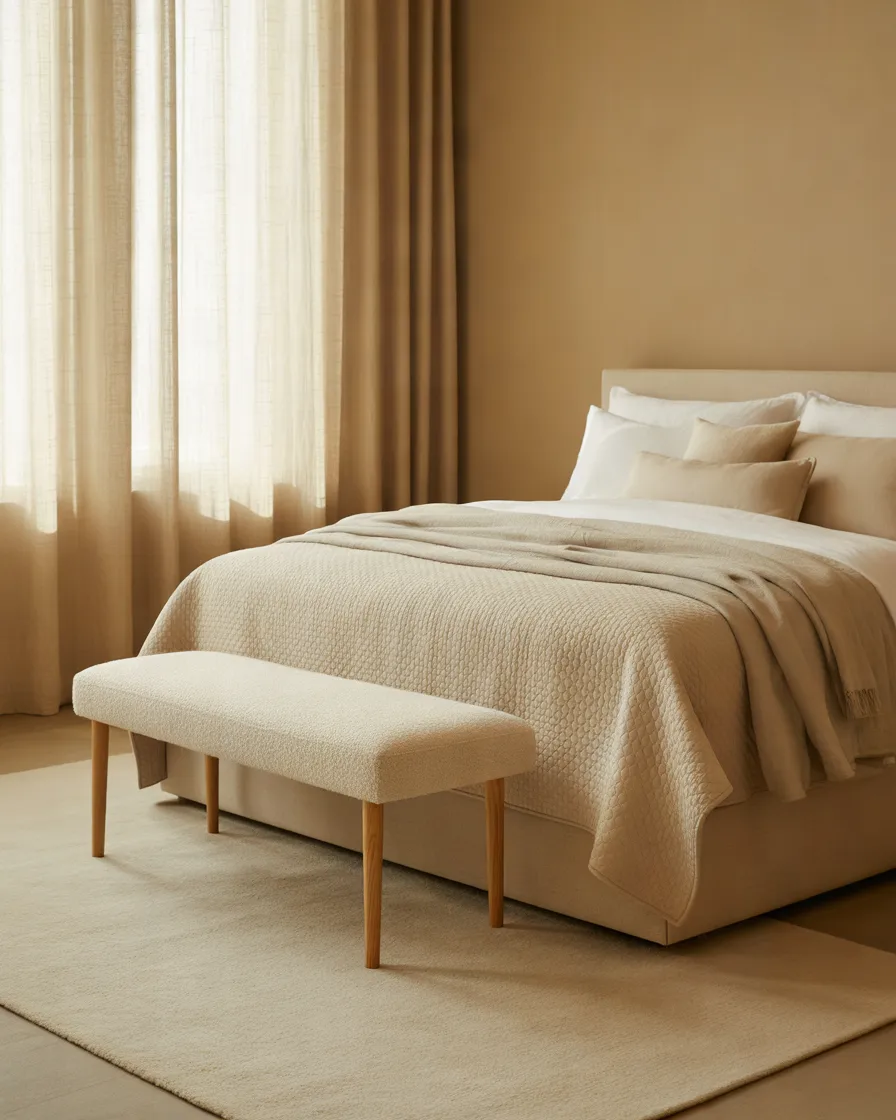
A bedroom bench is both a decorative feature and a practical addition. It creates a natural finishing point for the bed while providing a convenient place to sit, lay out clothes, or arrange extra blankets.
For a cohesive beige bedroom, choose a bench upholstered in oatmeal fabric, warm ivory bouclé, or muted taupe linen. A wooden frame can introduce contrast, while slim metal legs create a more contemporary appearance.
Scale matters here. A bench should fit comfortably across the foot of the bed without obstructing walking space. If the bedroom is small, choose a narrow design with an open base to preserve a sense of space. In a larger room, a padded bench with storage can provide additional functionality.
I would style the bench lightly rather than treating it as another surface that needs decorating. A folded beige throw or a single textured cushion is often enough. If you choose a storage bench, you can keep spare bedding or seasonal accessories neatly tucked away.
The bench does not have to match the headboard exactly. A different but complementary texture can make the bedroom feel more thoughtfully assembled.
This idea works particularly well in bedrooms with enough floor space to accommodate an additional piece of furniture without making the layout feel cramped.
14. Combine Beige with Black Accents for Modern Contrast
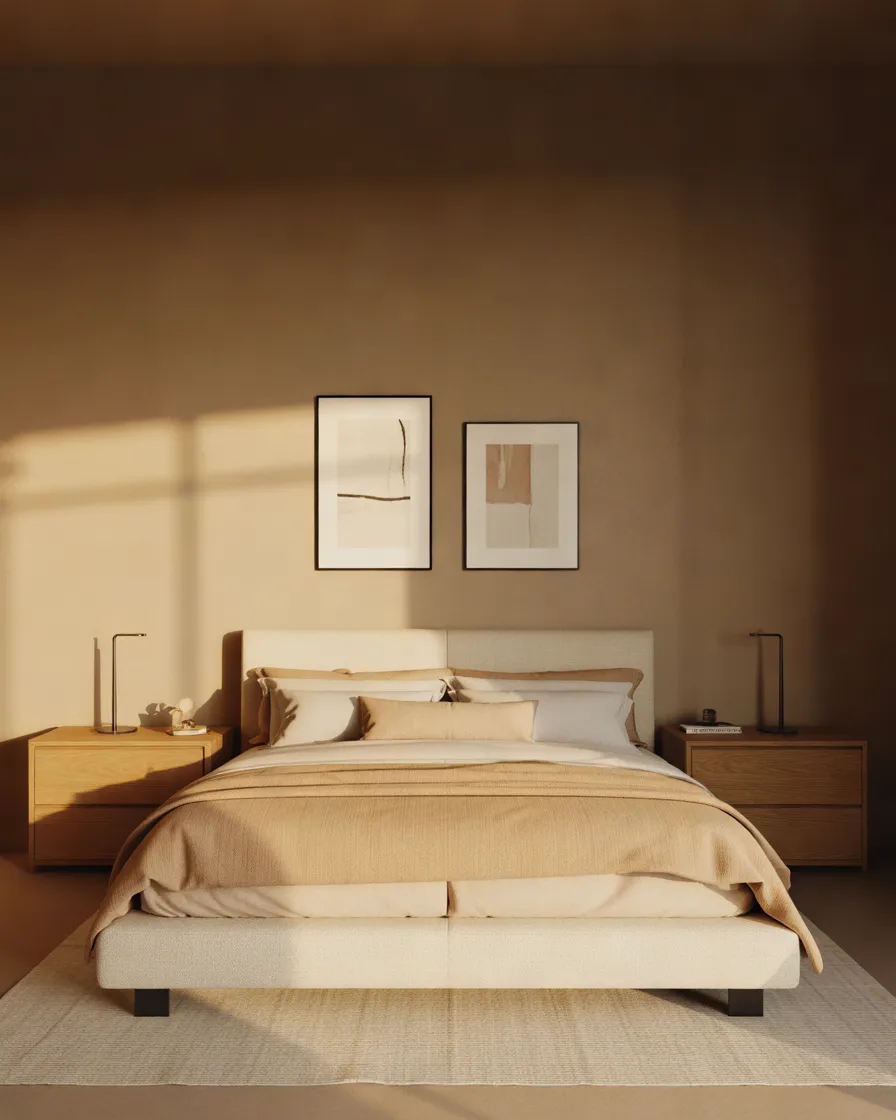
Although beige is known for its softness, it can also look striking when paired with a darker color. Black accents provide definition and prevent a neutral bedroom from appearing too delicate or washed out.
You do not need to introduce large black furniture pieces to achieve this effect. Start with smaller details, such as black bedside lamp bases, slim picture frames, cabinet handles, or a simple curtain rod. These accents create contrast while allowing beige to remain the dominant color.
For a modern bedroom, I particularly like warm beige walls combined with cream bedding, medium-toned wood, and a few matte-black elements. The result feels contemporary without becoming cold. Adding a textured rug and soft curtains helps balance the stronger lines.
Proportion is important. If you use too much black in a small room, it may overpower the neutral palette. Keeping the darker details limited to a few carefully chosen areas usually creates a more harmonious effect.
You can also use charcoal or dark bronze if pure black feels too dramatic. These alternatives provide similar definition with a slightly softer appearance.
The goal is not to create a high-contrast black-and-white room. Instead, beige should provide the warmth, while black accents give the design structure and a polished finish.
15. Create a Cozy Hotel-Inspired Beige Bedroom
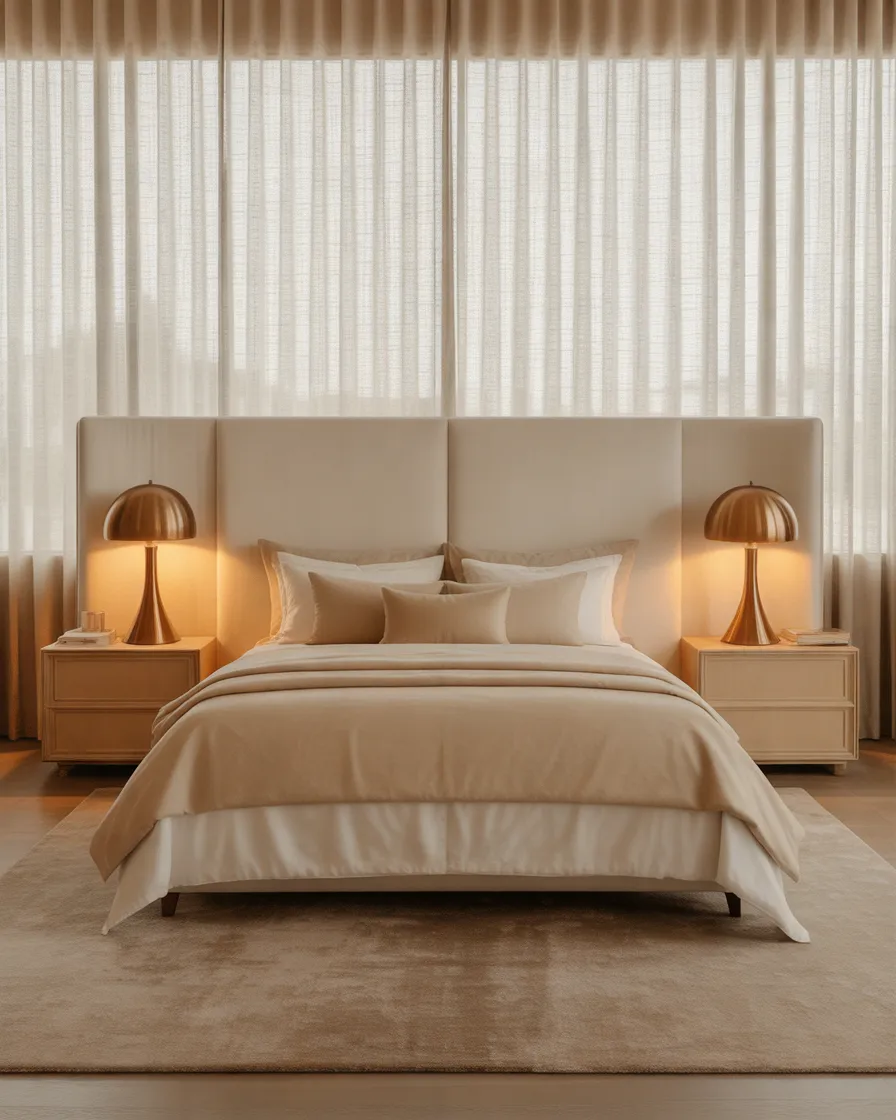
If you want your bedroom to feel like a peaceful hotel suite, beige is an excellent foundation. Hotel-inspired interiors often rely on coordinated neutrals, comfortable bedding, carefully layered lighting, and uncluttered surfaces rather than excessive decoration.
Start with a well-made bed featuring crisp cream sheets, a beige duvet, and several pillows arranged in balanced layers. A padded headboard adds softness, while symmetrical bedside tables and lamps create a sense of order.
I would also introduce full-length curtains, a large rug, and a small upholstered bench if the room has enough space. These elements help the bedroom feel complete without overcrowding it. A framed abstract artwork or a simple decorative vase can provide the finishing touch.
The quality of the materials matters more than the number of accessories. Soft cotton bedding, substantial curtains, comfortable cushions, and attractive lighting can make a room feel luxurious even when the furniture is relatively simple.
Try to keep everyday clutter out of sight. Use bedside drawers, baskets, or storage furniture to maintain clean surfaces and make the room easier to relax in.
Most importantly, make the design comfortable for your actual routine. A hotel-inspired bedroom should still feel personal, with practical storage, accessible lighting, and bedding that suits your sleeping preferences.
How to Make Beige Bedroom Decor Work in Any Room
The most successful beige bedroom designs are not necessarily the most expensive. They are the ones that balance color, texture, lighting, and furniture in a way that suits the room and the people using it.
Before buying anything, consider the amount of natural light your bedroom receives. A darker room may benefit from lighter cream bedding, pale beige walls, and reflective surfaces. A bright bedroom can comfortably accommodate deeper sand, camel, or taupe shades.
Next, think about the existing finishes. If you already have wooden furniture, choose beige tones that complement its undertones. If your room has gray flooring, a warm greige palette may connect the different elements more effectively than a strongly yellow-beige shade.
It is also worth deciding how much contrast you prefer. A tonal palette creates a soft, seamless appearance, while black details, darker wood, or muted green accessories make the design more visually defined.
Finally, work in stages. Updating bedding and curtains may be enough to refresh the room. If you want a more substantial transformation, consider the headboard, wall finish, lighting, and rug as part of a coordinated plan.
Final Thoughts on Beige Bedroom Decor
Beige bedroom decor offers an easy way to create a space that feels warm, comfortable, and timeless. Its versatility means you can make the room look modern, rustic, luxurious, minimalist, or naturally inspired without abandoning the calming qualities of a neutral palette.
From layered bedding and upholstered headboards to natural wood, soft lighting, greenery, and statement wall art, each of these 15 beige bedroom decor ideas offers a different way to personalize your space.
My advice is to begin with the elements that have the biggest visual impact, particularly the bed, walls, and curtains. Then introduce smaller details gradually, paying attention to texture and lighting rather than trying to make everything match perfectly.
You do not need to use every idea at once. Even a few thoughtful changes can help create a bedroom that feels more cohesive and inviting. The best result is one that looks beautiful in photographs but, more importantly, feels comfortable and restful every time you walk through the door.