
When I first started thinking about decorating an upstairs hallway, I realized how often this small area gets ignored. Most people focus on bedrooms, living rooms, and kitchens, but a hallway is the space that connects everything together. A narrow upstairs hallway may not offer a lot of square footage, but with the right design choices, it can become one of the most charming and memorable areas of a home.
I personally believe that hallways should not feel like empty passageways. They can tell a story through artwork, lighting, colors, textures, and thoughtful details. Even a slim upstairs corridor can feel welcoming, stylish, and surprisingly spacious when designed correctly.
The biggest challenge with narrow hallways is avoiding a cramped feeling. Dark colors, oversized furniture, and poor lighting can make the space appear smaller. However, using smart decorating techniques like mirrors, soft paint colors, vertical artwork, and layered lighting can completely transform the atmosphere.
In this guide, I’m sharing 16 narrow upstairs hallway ideas that work beautifully for modern homes, traditional houses, apartments, and family spaces. These ideas focus on making your hallway look bigger, brighter, and more intentional while keeping the design practical.
1. Create a Bright and Airy Narrow Upstairs Hallway With Light Colors
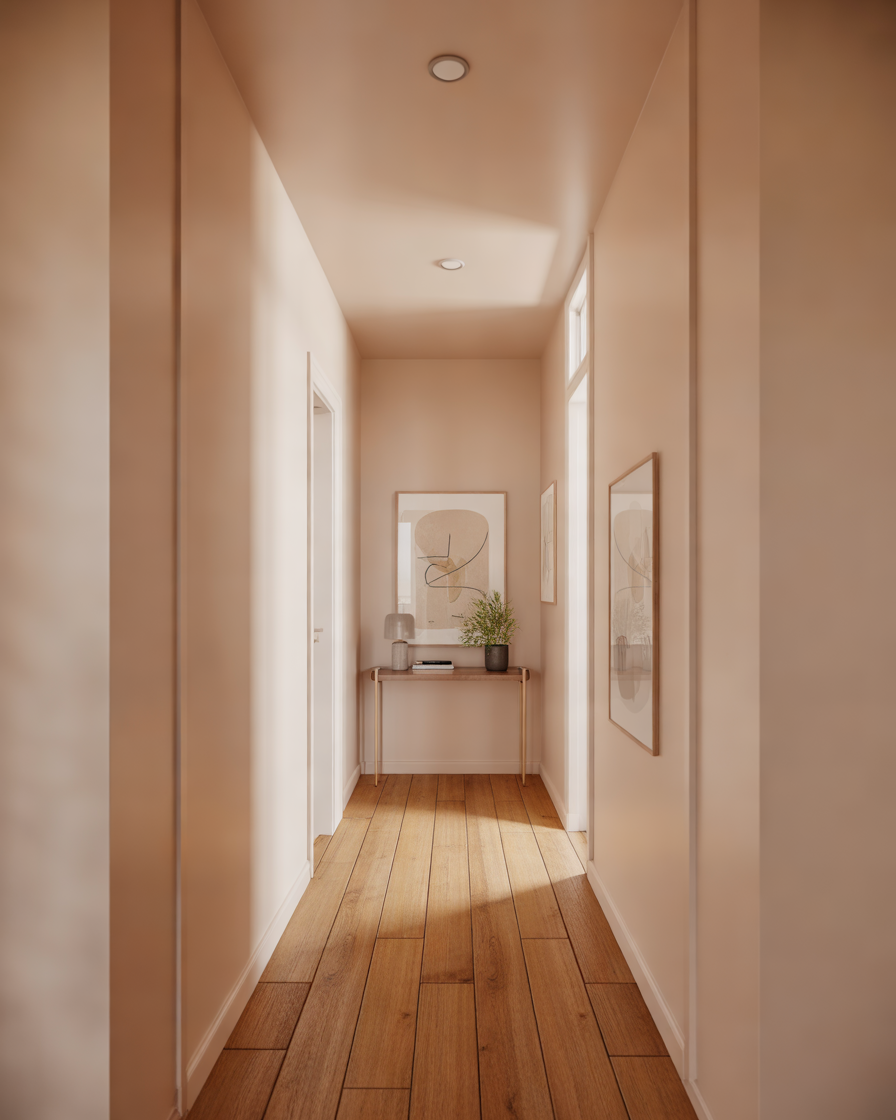
One of my favorite ways to make a narrow upstairs hallway feel larger is by using light and calming colors. A hallway often has limited natural light, especially when it is located upstairs between bedrooms. Dark shades can sometimes make the area feel closed in, while lighter tones reflect available light and create an open atmosphere.
Soft white, warm beige, light gray, pale cream, and gentle pastel shades are excellent choices for narrow spaces. These colors create a clean background that allows decorative elements like artwork, lighting fixtures, and furniture details to stand out.
I especially love warm white walls because they make a hallway feel fresh without looking cold. Pairing light walls with wooden flooring or natural textures can add warmth and personality.
For extra visual interest, consider painting the ceiling in the same light color as the walls. This creates a continuous flow that makes the hallway appear taller and more spacious.
2. Add a Gallery Wall to Turn a Narrow Hallway Into an Art Display
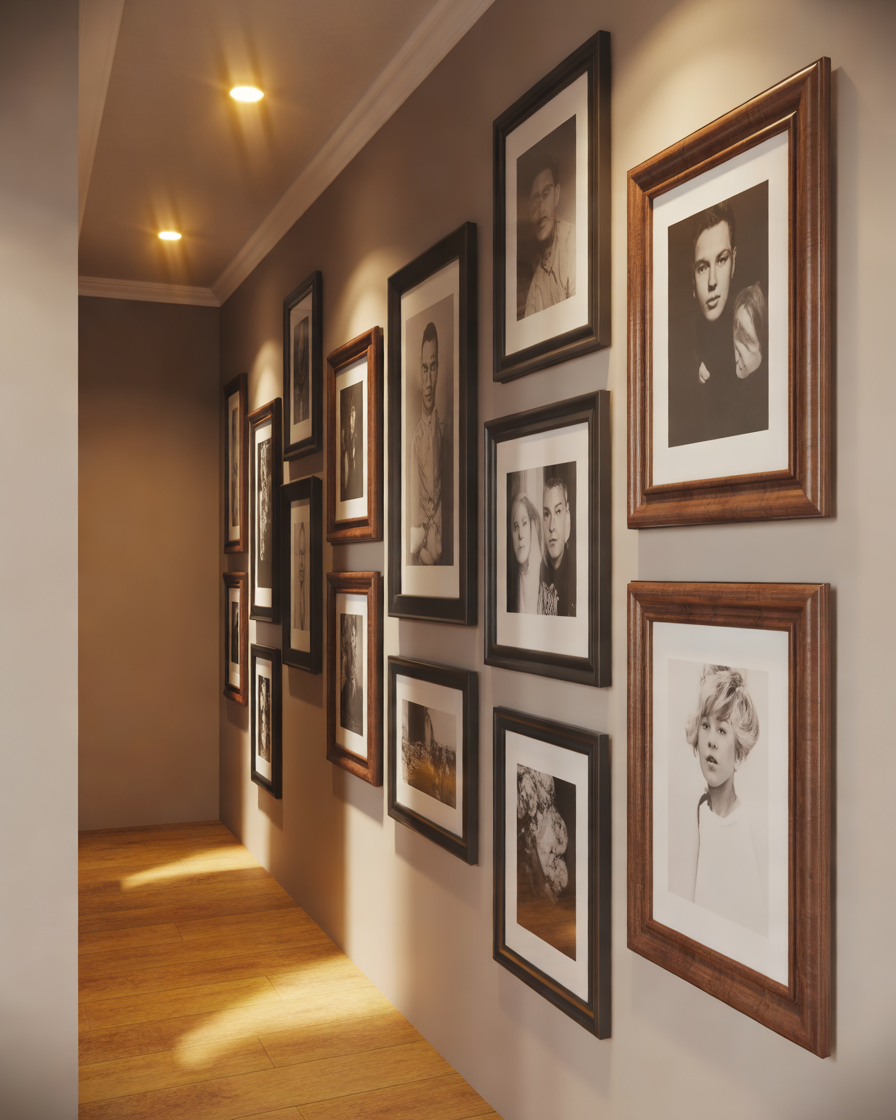
A narrow hallway is actually one of the best places for a gallery wall. Since there is limited floor space, the walls become the perfect area to add personality and character.
I love using hallways as a place to display family photographs, artwork, travel memories, or abstract paintings. Instead of leaving the walls empty, a carefully arranged collection can transform a simple corridor into a personal gallery.
For a narrow hallway, I recommend keeping the frames consistent. Using similar frame colors creates a polished look and prevents the space from feeling cluttered. Black frames create a modern appearance, while wooden frames add warmth.
The key is balance. Avoid covering every inch of the wall. Leave enough empty space around the artwork so the hallway still feels open.
A symmetrical arrangement works beautifully in traditional homes, while a more relaxed arrangement creates a modern and creative feeling.
3. Use Mirrors to Make a Small Upstairs Hallway Look Bigger
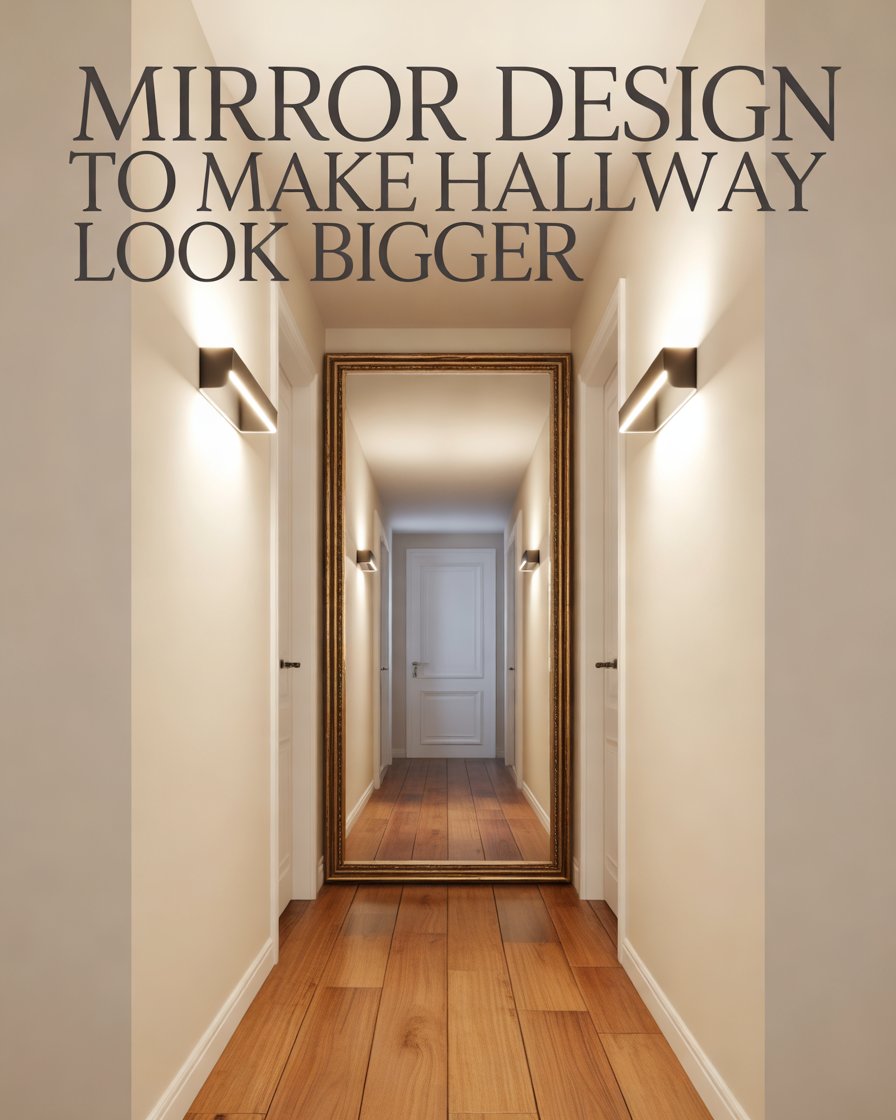
Mirrors are one of the oldest interior design tricks for small spaces, and they work especially well in narrow hallways.
When I decorate compact areas, I always consider mirrors because they reflect light and create the illusion of extra depth. A hallway that feels tight can instantly appear wider when a mirror is placed strategically.
A large vertical mirror at the end of the hallway can create a beautiful focal point. It draws the eye forward and makes the corridor feel longer. Another option is using multiple smaller mirrors arranged along one wall for a decorative effect.
Choose mirror frames that match your home’s style. Gold or brass frames create an elegant look, black frames suit modern interiors, and wooden frames work well with farmhouse or rustic designs.
Mirrors also help brighten upstairs hallways that do not receive much sunlight.
4. Install Statement Lighting for a Stylish Hallway Transformation
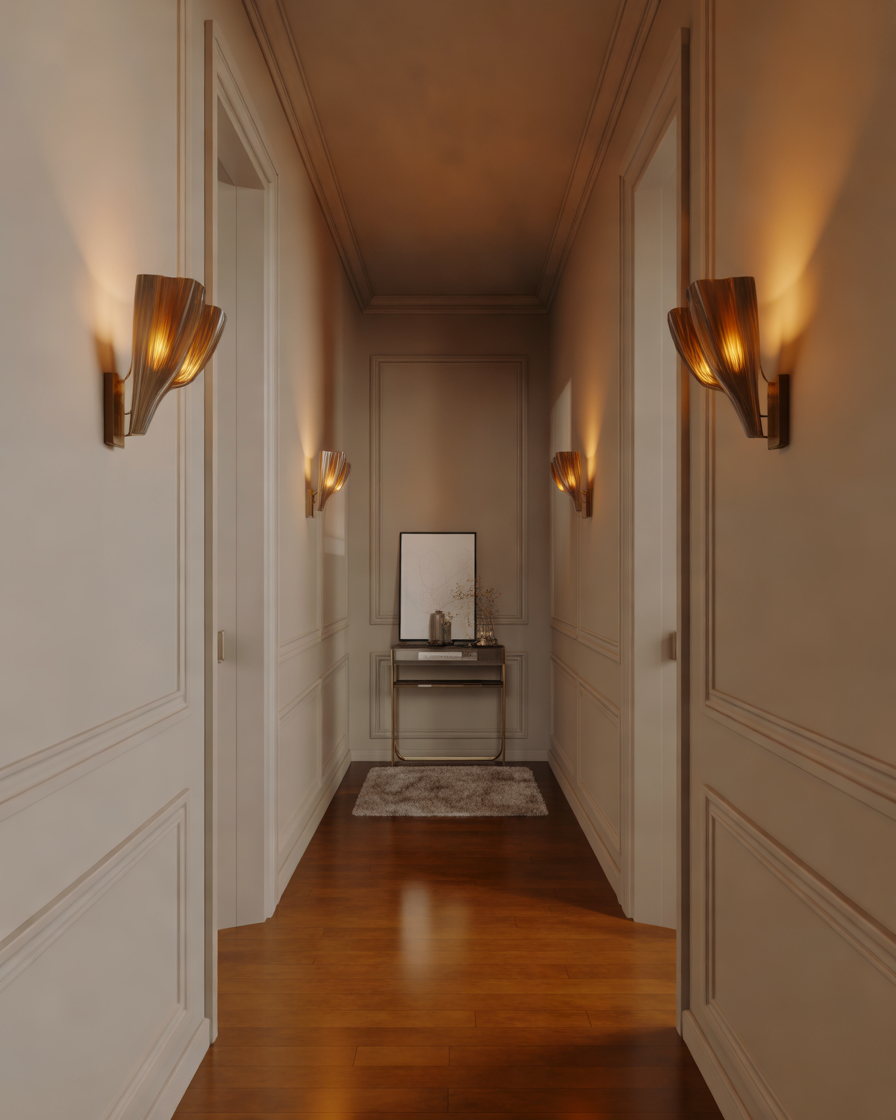
Lighting can completely change how a narrow upstairs hallway feels. Many hallways rely only on basic ceiling lights, but adding decorative lighting can make the space feel much more luxurious.
I personally think hallway lighting should be treated as both functional and decorative. Beautiful fixtures can act like jewelry for your home.
Wall sconces are especially useful because they provide illumination without taking up any floor space. Installing matching sconces along the hallway creates symmetry and makes the corridor feel carefully designed.
Pendant lights can also work if your ceiling height allows them. A series of small pendant lights creates a dramatic effect and draws attention upward, making the hallway feel taller.
Warm lighting is usually more inviting than bright white lighting. It creates a comfortable atmosphere, especially during evenings.
5. Add Built-In Storage Without Making the Hallway Feel Crowded
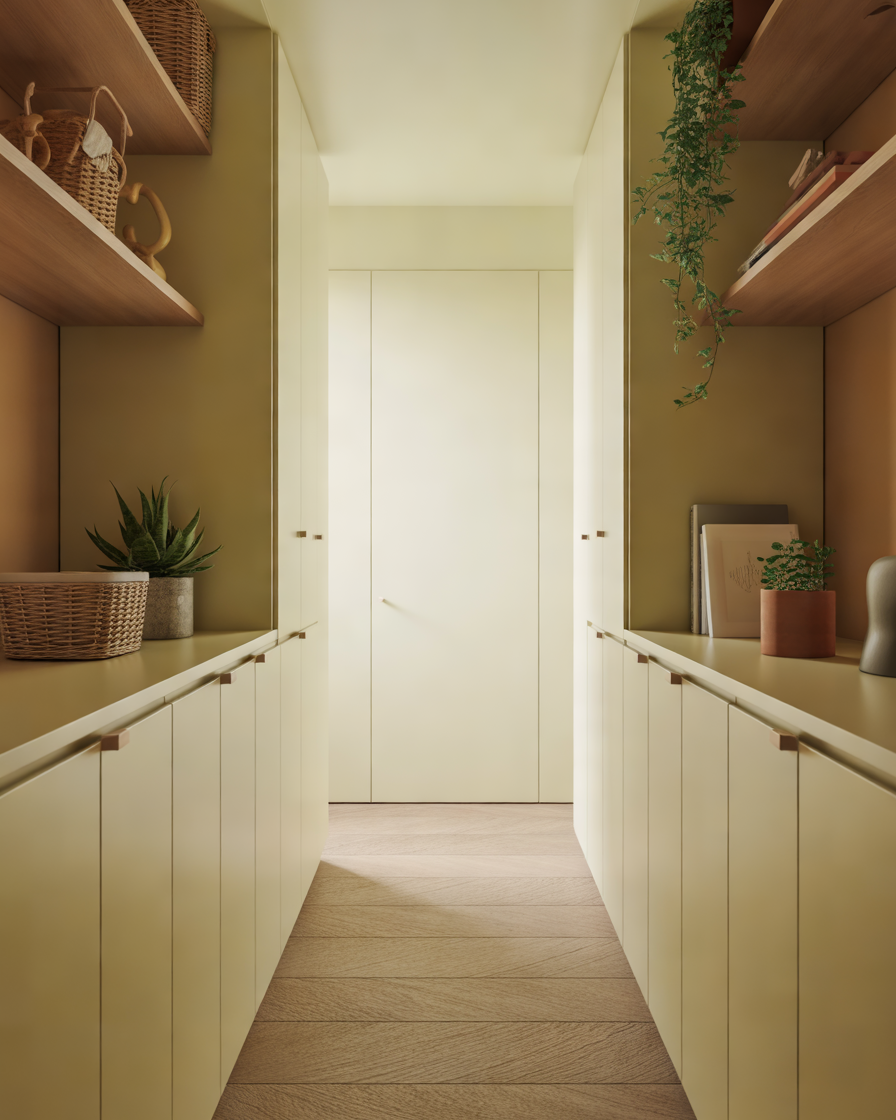
Storage can be challenging in narrow upstairs hallways, but smart solutions can make the area more functional without sacrificing style.
Instead of adding large cabinets that block movement, consider slim built-in storage options. A shallow console cabinet, floating shelves, or recessed storage can provide useful space while maintaining an open walkway.
I love the idea of using hidden storage because it keeps the hallway organized. Extra blankets, books, seasonal items, or family belongings can be stored neatly without creating visual clutter.
Built-in shelves painted the same color as the walls can blend beautifully into the space. This creates storage without making the hallway feel smaller.
Adding baskets, decorative boxes, and small plants can make storage areas look intentional rather than purely practical.
6. Create a Cozy Reading Corner at the End of the Hallway
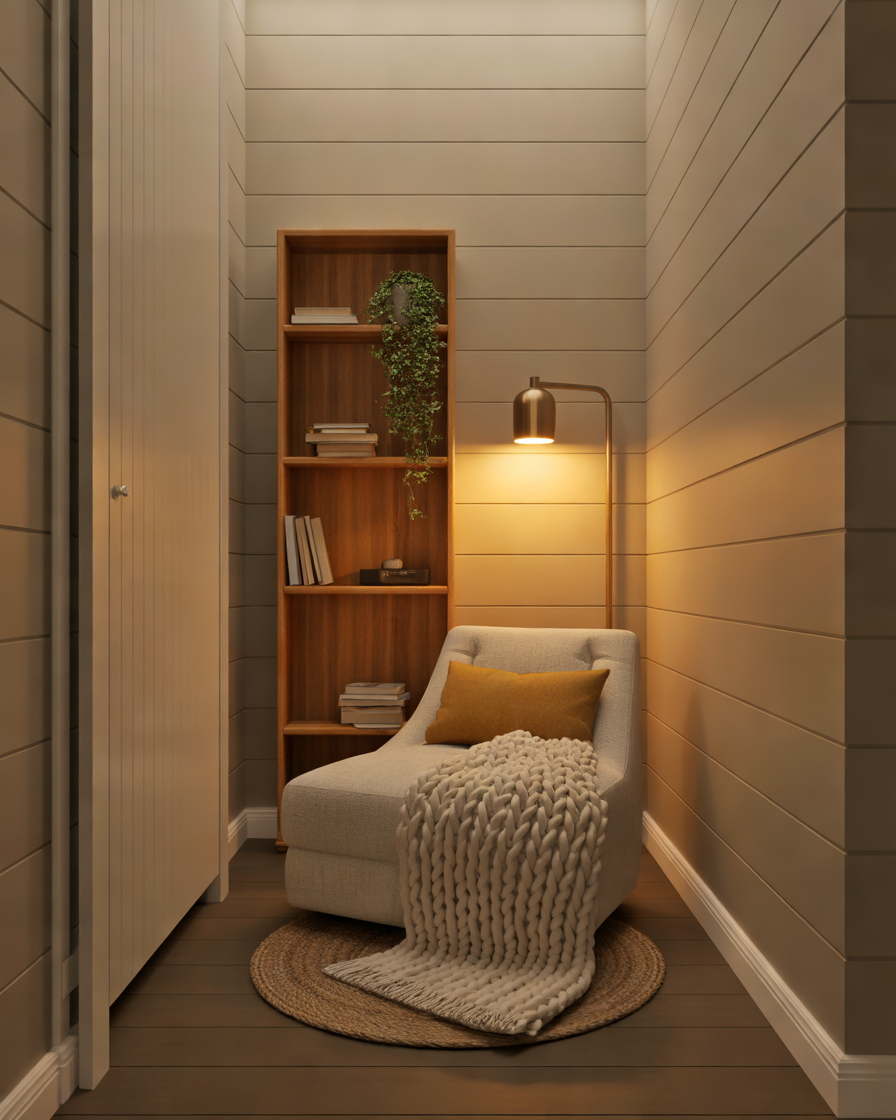
A narrow hallway does not always have to be just a walkway. If there is a small unused area at the end, it can become a cozy reading corner.
I love the idea of transforming forgotten spaces into functional areas. A small chair, wall-mounted bookshelf, and warm lamp can create a charming little retreat.
The trick is choosing furniture that fits the scale of the hallway. A slim accent chair works better than oversized seating. A small side table or floating shelf can complete the look without overwhelming the area.
This design works especially well near bedrooms because it creates a peaceful transition space.
Adding soft textiles like a cushion, throw blanket, or small rug can make the corner feel comfortable and inviting.
7. Use Vertical Design Elements to Make the Ceiling Feel Higher
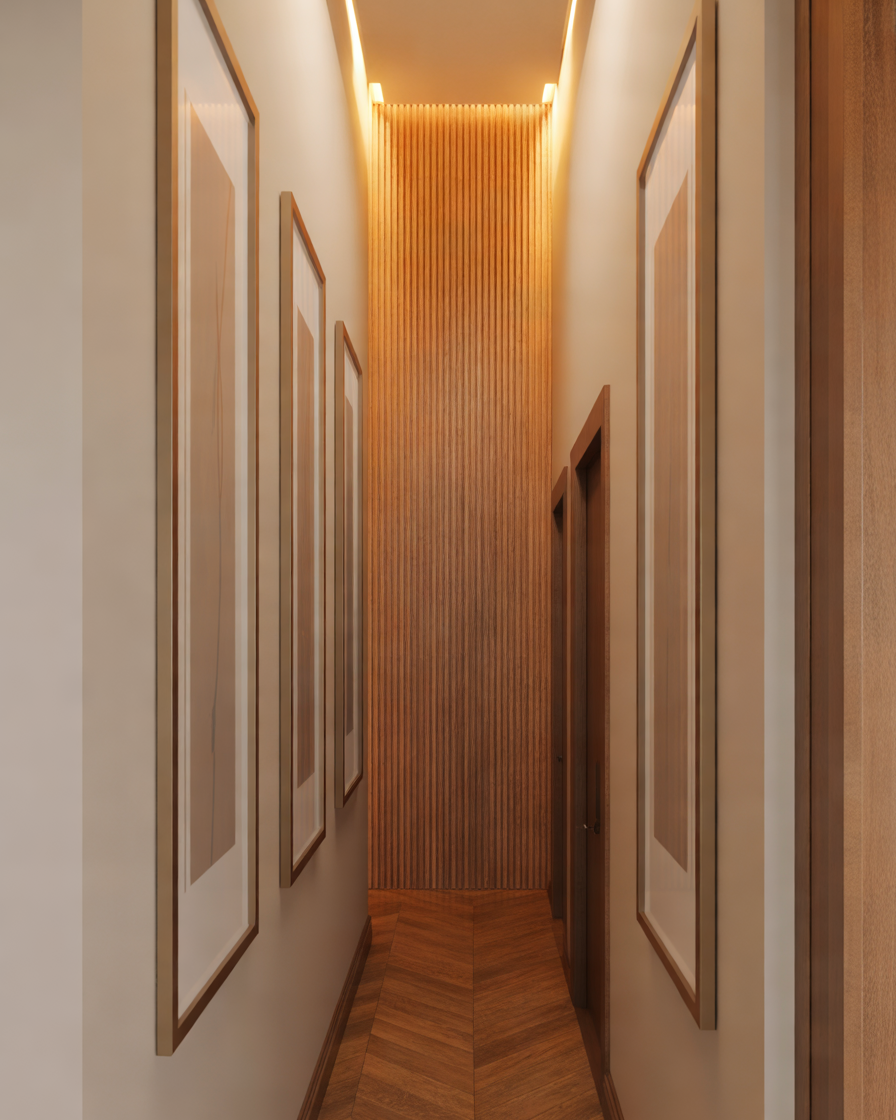
When decorating a narrow hallway, it is important to think vertically. Since floor space is limited, using height can create a more dramatic and spacious feeling.
Tall artwork, vertical wall panels, long mirrors, and floor-to-ceiling curtains near nearby windows can draw attention upward.
I personally love vertical wall paneling because it adds architectural detail without taking away walking space. Painted panels or wood slats can create texture and make a simple hallway feel custom-designed.
Even simple vertical artwork arrangements can make the walls appear taller.
The goal is to guide the eye upward rather than focusing only on the narrow width.
8. Add a Runner Rug for Warmth and Visual Length
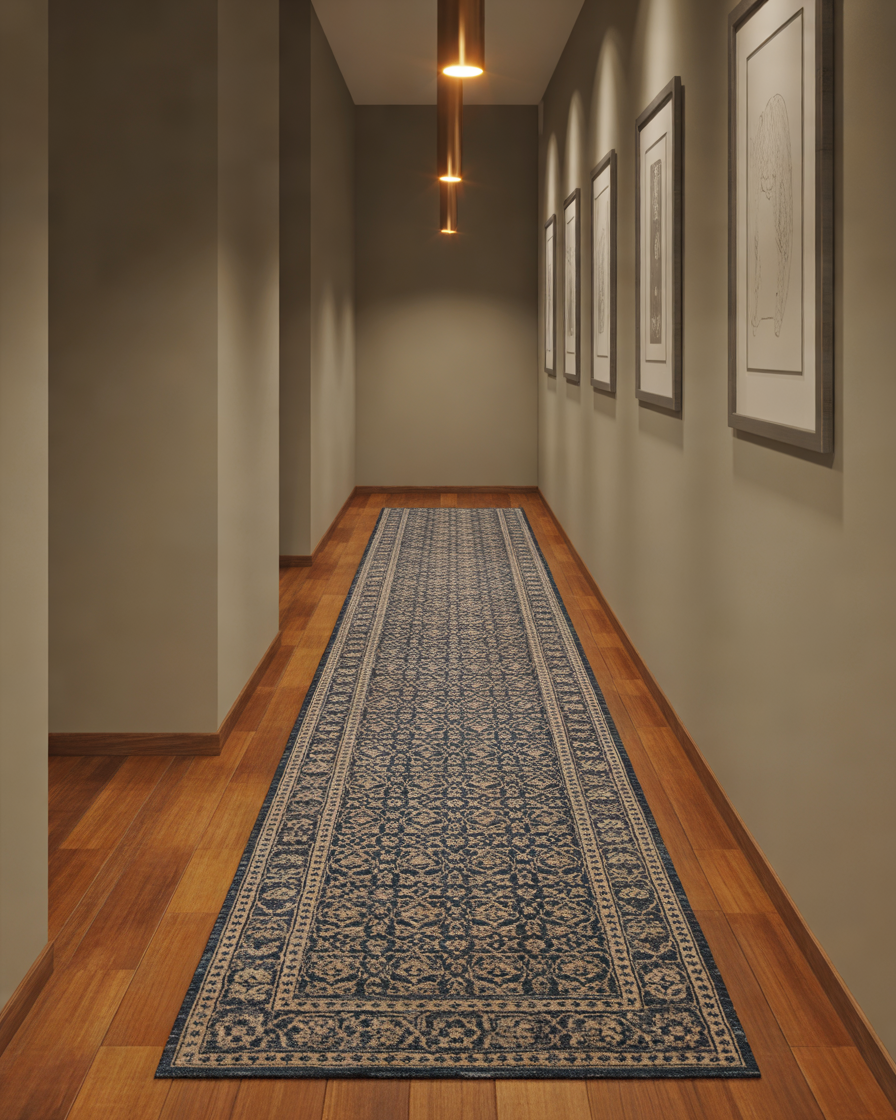
A hallway runner is one of the easiest ways to upgrade a narrow upstairs hallway. It adds softness, color, and texture while creating a visual path through the space.
I prefer runners with subtle patterns because they add personality without making the hallway look busy. Stripes, geometric designs, and neutral patterns can make the hallway appear longer.
The material is also important. Wool runners provide a luxurious feeling, while washable fabrics are practical for busy homes.
A properly sized runner should leave some visible flooring around the edges. This creates balance and prevents the hallway from feeling overcrowded.
9. Create a Minimalist Hallway With Clean Lines and Simple Decor
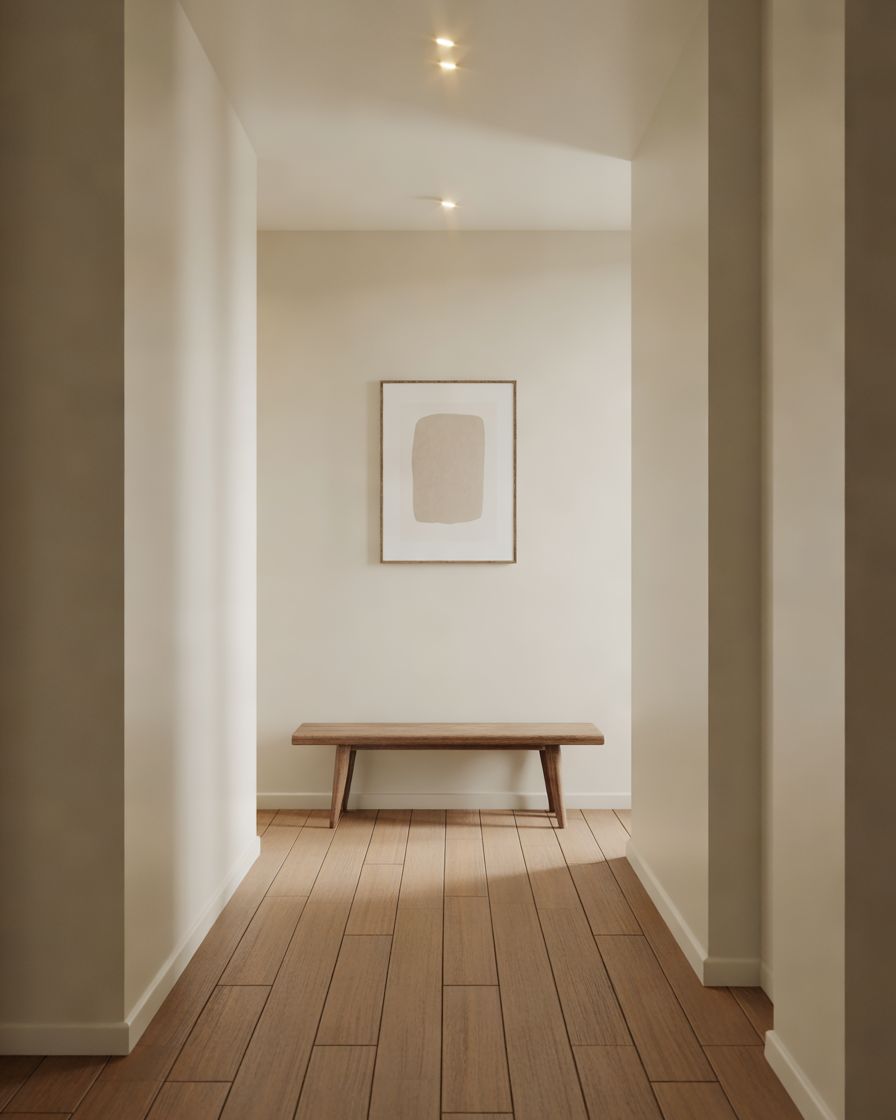
Sometimes the most beautiful narrow hallways are the ones that embrace simplicity. A minimalist approach can make an upstairs hallway feel calm, organized, and much larger than it actually is.
When I design smaller areas, I always remind myself that every item needs a purpose. Too many decorations can quickly make a narrow hallway feel crowded. Instead, focus on a few carefully selected pieces that create impact.
A minimalist hallway might include a simple piece of artwork, a stylish light fixture, a slim bench, or a single statement plant. The goal is to create a clean visual flow where the eye can easily move through the space.
Neutral colors work particularly well with minimalist designs. Shades like white, beige, soft gray, and natural wood tones create a peaceful environment that feels timeless.
Another advantage of minimalist hallway design is that it is easier to maintain. With fewer decorative items, cleaning becomes simpler, and the space always looks polished.
10. Add Wall Paneling for an Elegant Architectural Look
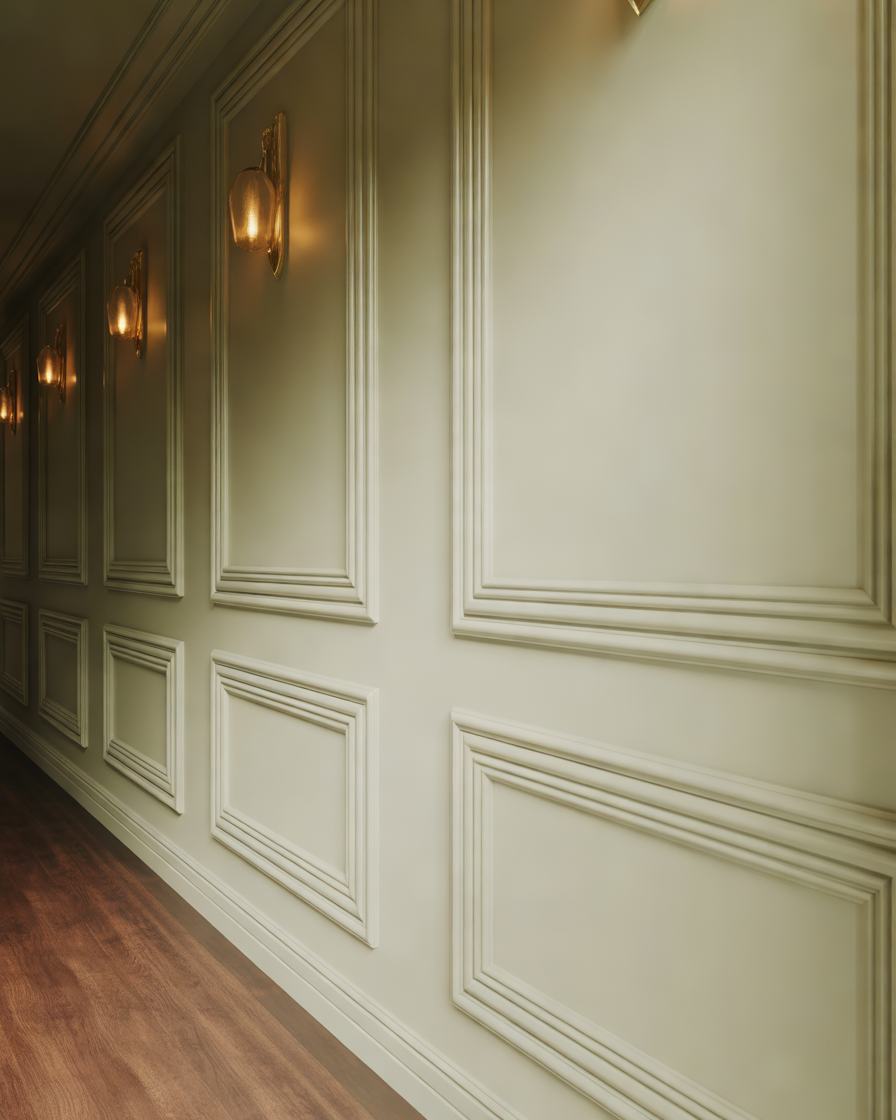
Wall paneling is one of my favorite ways to add character to a narrow upstairs hallway. It instantly gives the space a more expensive and custom-designed appearance without requiring a complete renovation.
Traditional panel molding creates a classic look that works beautifully in older homes, while modern vertical panels or textured wall designs create a contemporary atmosphere.
For narrow hallways, I recommend choosing lighter panel colors. White, cream, soft gray, or muted beige panels can add depth without making the hallway feel smaller.
Half-wall paneling is another excellent option. Painting the lower section slightly darker and the upper section lighter can create beautiful contrast while maintaining an open feeling.
Paneling also provides a great background for artwork, mirrors, and lighting fixtures. It creates architectural interest even when the hallway itself is small.
11. Bring Nature Indoors With Plants and Natural Elements
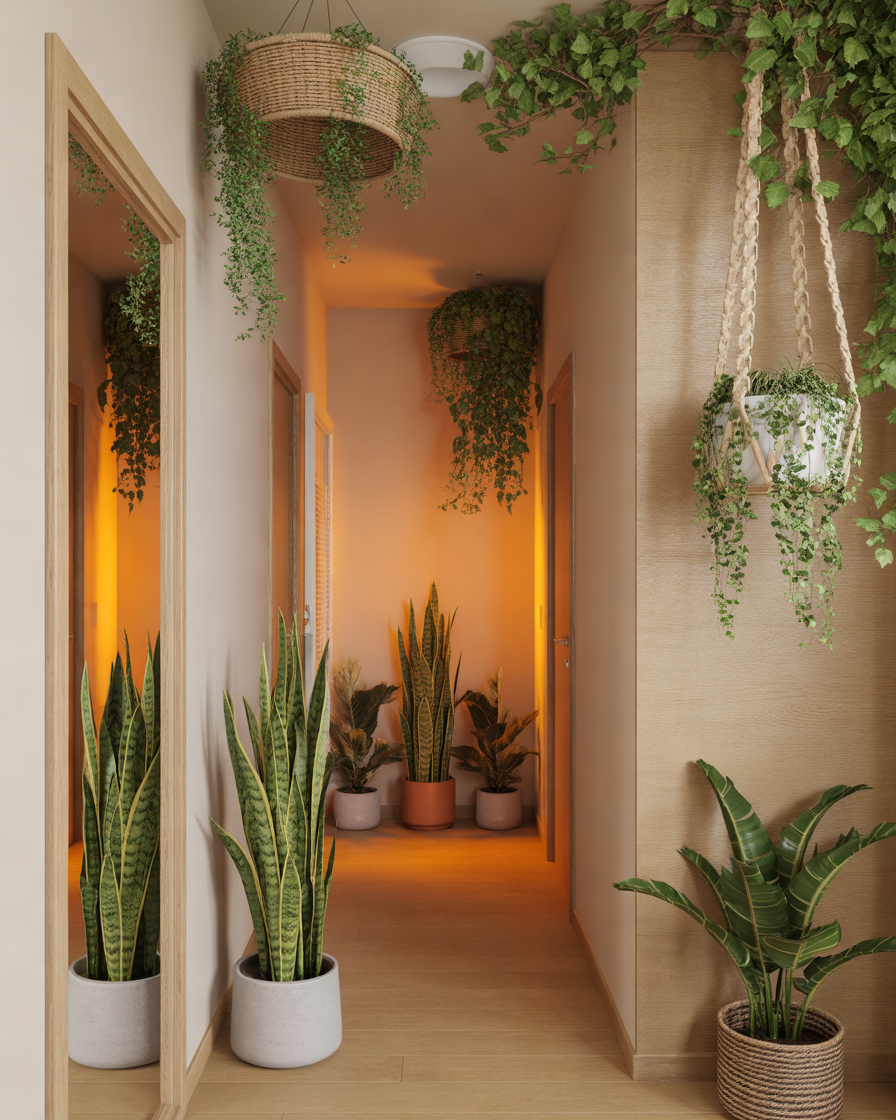
Adding greenery is a simple way to make a narrow upstairs hallway feel fresh and alive. Plants introduce color, texture, and a connection to nature that can completely change the mood of a space.
I personally love using plants in transitional areas because they soften hard architectural lines. A hallway with wooden floors, painted walls, and lighting can sometimes feel too structured, but plants bring warmth.
For narrow hallways, choose slim plants that do not block movement. Tall snake plants, small hanging plants, wall-mounted planters, or narrow plant stands work beautifully.
If your hallway does not receive much natural sunlight, artificial plants or low-light varieties can still create the same decorative effect.
Combining plants with natural materials like wood, rattan, and stone can create a relaxing organic atmosphere.
12. Use a Dark Accent Wall for a Dramatic Modern Style
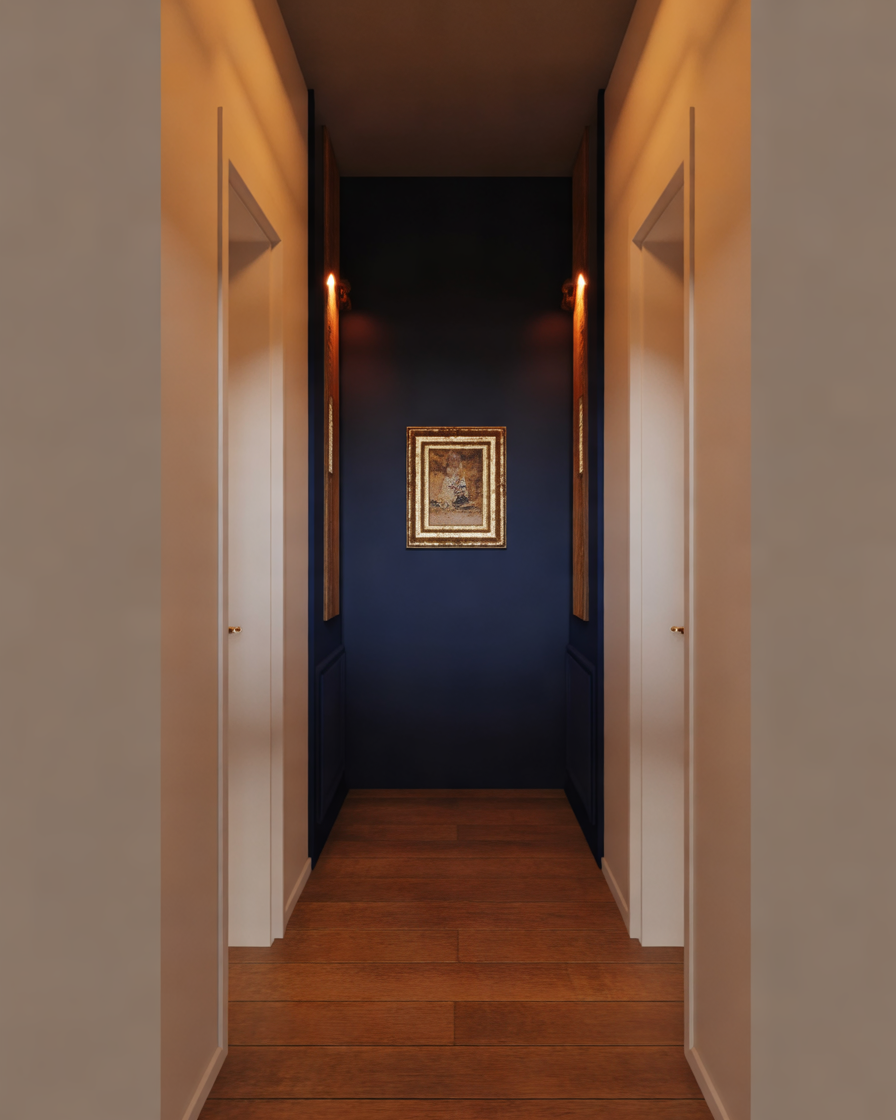
Many people avoid dark colors in narrow hallways because they worry the space will feel smaller. However, when used correctly, a dark accent wall can create a stunning and sophisticated look.
I love using a darker color at the end of a hallway because it creates depth and makes the corridor feel more intentional. Instead of making the hallway appear closed, it creates a dramatic focal point.
Deep navy, charcoal gray, forest green, and rich chocolate tones can add elegance when balanced with lighter walls and good lighting.
A dark accent wall works especially well with gold frames, brass lighting fixtures, and warm wooden flooring.
The key is not to make every wall dark. Using one carefully selected area creates contrast while keeping the overall space balanced.
13. Install Floating Shelves for Stylish Storage and Display
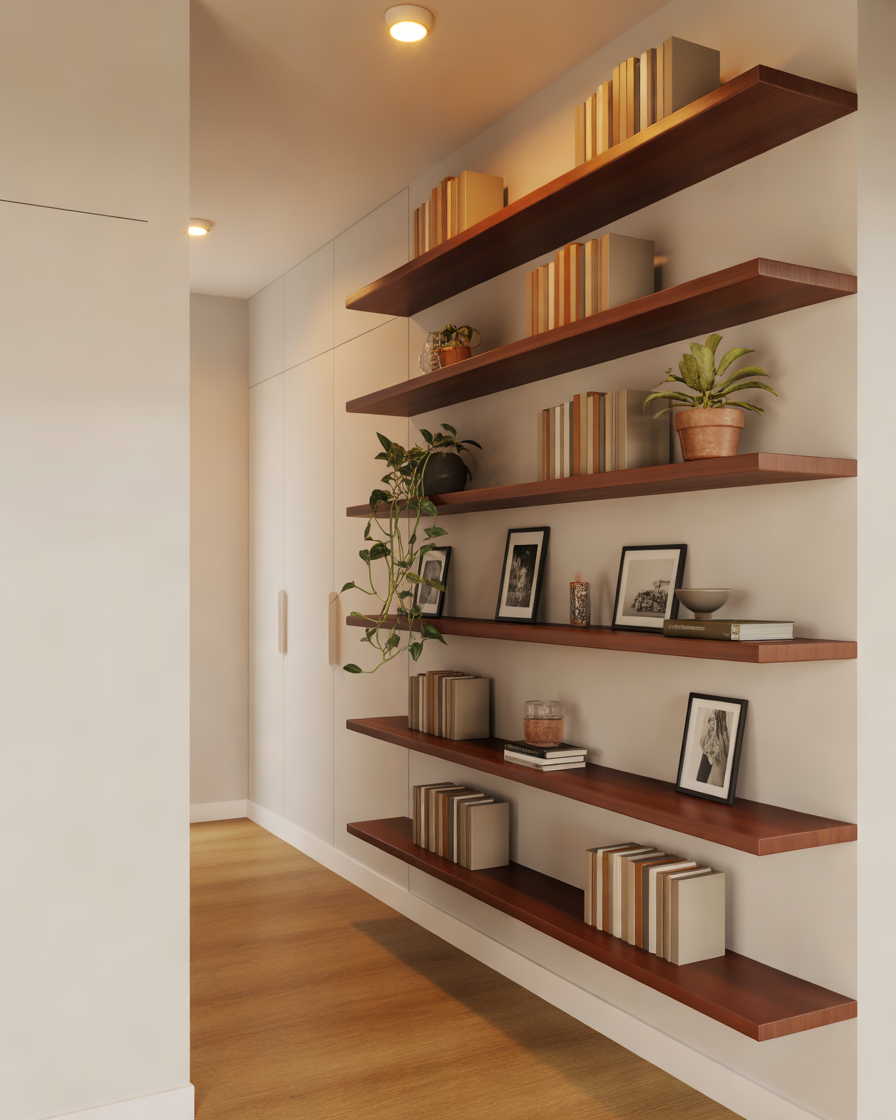
Floating shelves are a practical and beautiful solution for narrow upstairs hallways. They provide a place to display decorative items without taking away valuable walking space.
I love floating shelves because they create function without adding visual heaviness. Unlike large cabinets or furniture pieces, shelves keep the hallway feeling open.
You can style them with small plants, books, candles, family photos, artwork, or decorative objects. The key is keeping the arrangement balanced and avoiding too many items.
For a modern look, choose simple wooden shelves. For a more elegant style, painted shelves with hidden brackets create a clean appearance.
Floating shelves are especially useful in family homes where hallway storage is needed but space is limited.
14. Create a Hotel-Inspired Hallway With Luxury Details
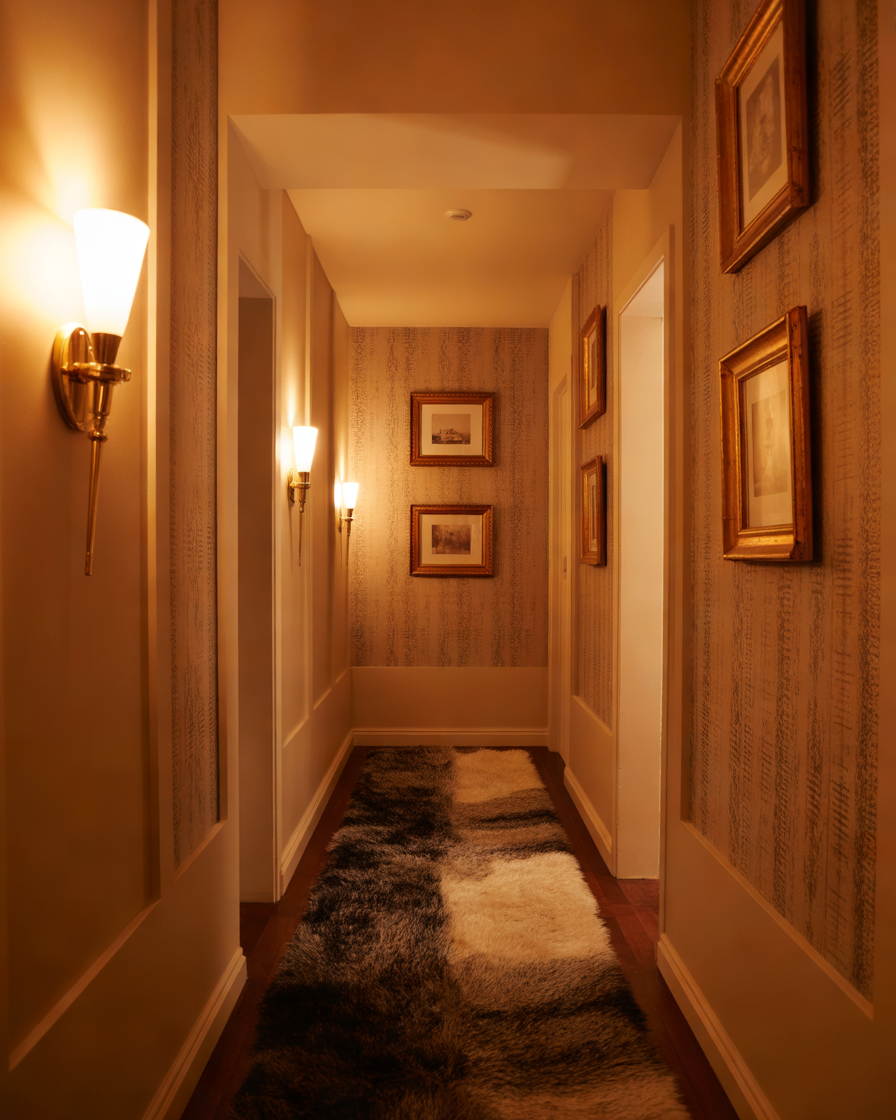
If you want your upstairs hallway to feel more sophisticated, consider creating a hotel-inspired design. Luxury hotels often use simple but effective techniques to make corridors feel elegant and welcoming.
I personally love this style because it focuses on atmosphere rather than excessive decoration.
Start with warm lighting, high-quality flooring, elegant artwork, and carefully selected accessories. Matching wall sconces, framed prints, and subtle textures can create a premium feeling.
A neutral color palette with beige, taupe, ivory, and soft gray creates a calm luxury appearance.
Adding small details like brass hardware, textured wallpaper, or a beautiful runner rug can elevate the hallway dramatically.
Even a narrow corridor can feel like a boutique hotel entrance with the right design choices.
15. Make the Hallway Family-Friendly With Practical Design Choices
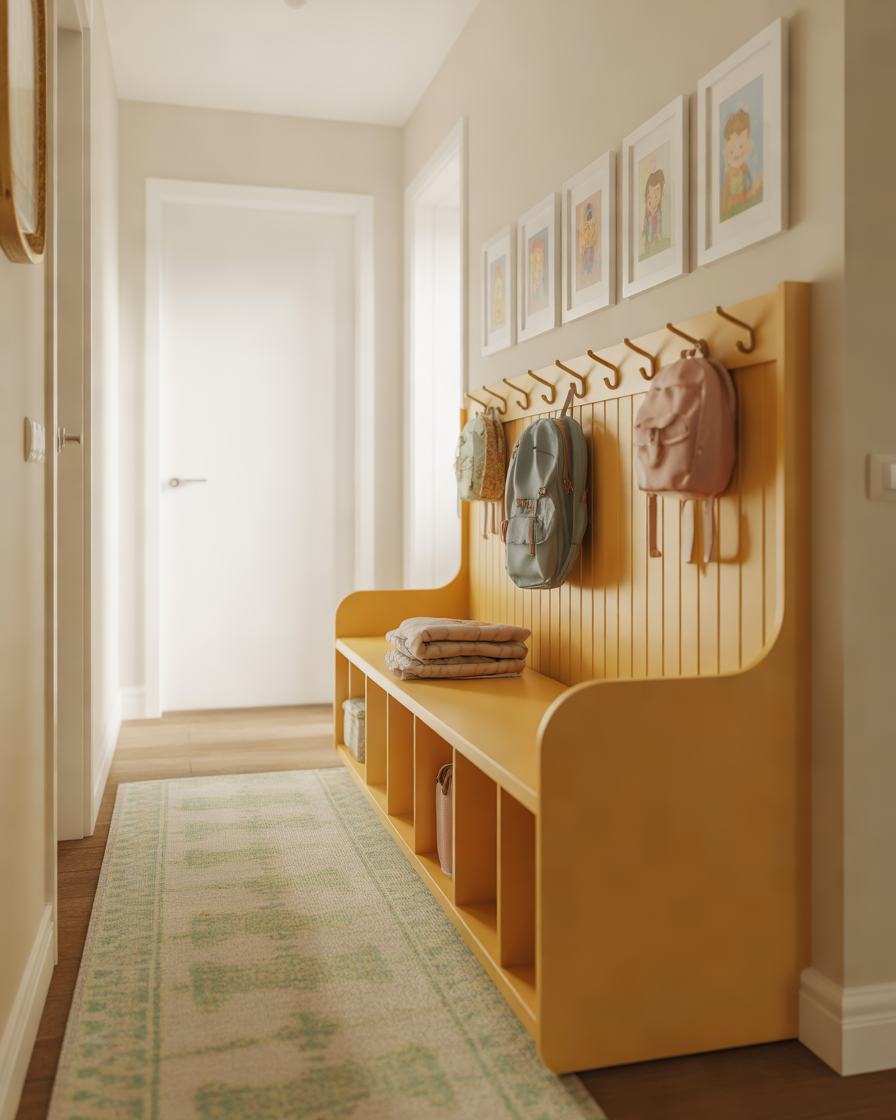
A beautiful hallway should also work for everyday life. If you have children, pets, or a busy household, practicality becomes just as important as appearance.
I believe the best hallway designs combine beauty with real-life functionality. Choose durable flooring, washable rugs, and easy-to-clean paint finishes.
Adding hooks or small storage solutions can help keep everyday items organized. A narrow bench with hidden storage underneath can provide a convenient place to sit while also keeping clutter away.
For family homes, displaying children’s artwork or personal photographs can make the hallway feel warm and meaningful.
The goal is creating a space that looks beautiful while supporting your family’s lifestyle.
16. Transform the Hallway With Wallpaper and Texture
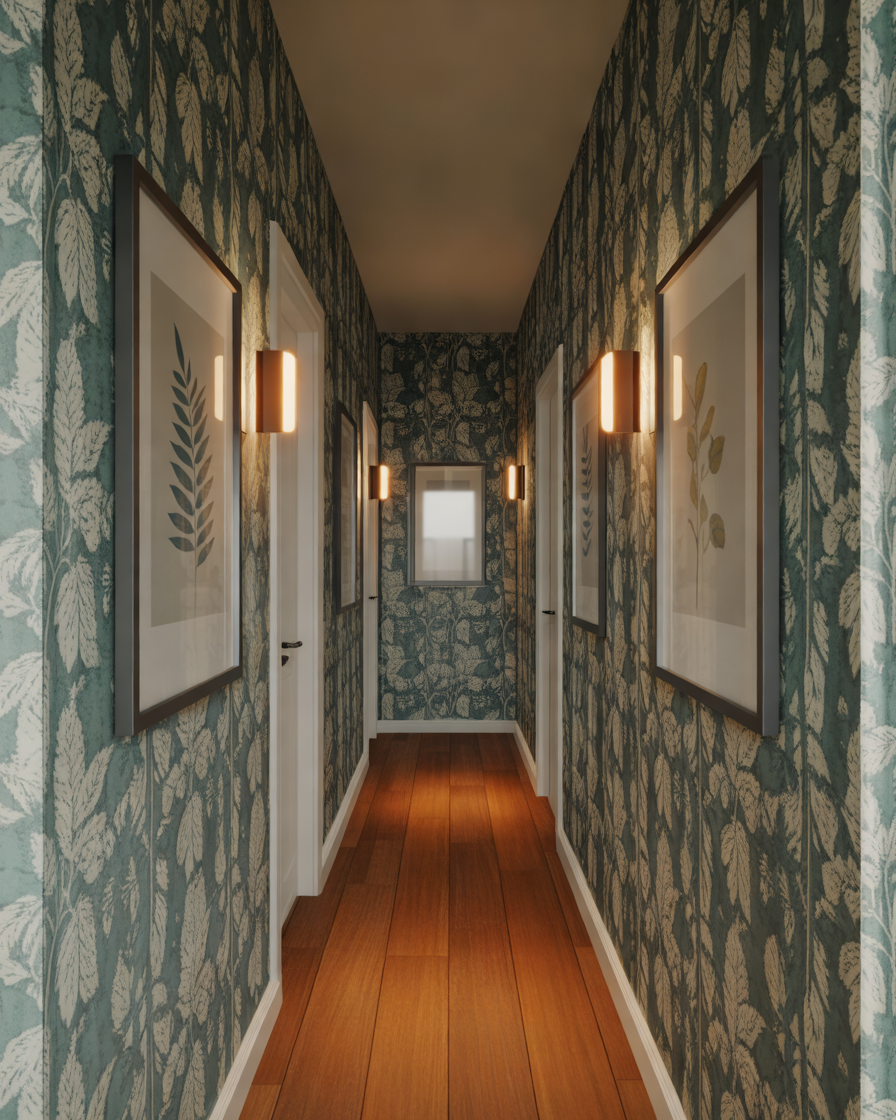
Wallpaper is one of the easiest ways to completely transform a narrow upstairs hallway without changing the structure of the space.
I love wallpaper because it allows you to introduce patterns, colors, and personality in a small area. Since hallways are separate from major living spaces, they are a perfect place to experiment with creative designs.
Botanical prints create a fresh natural feeling, geometric patterns add modern energy, and textured wallpapers create a luxurious atmosphere.
For narrow hallways, choose patterns carefully. Large busy designs can sometimes overwhelm the space, while subtle patterns create elegance.
Wallpaper paired with simple lighting and minimal decoration can make a hallway feel like a designer feature rather than just a connecting area.
Final Thoughts on Designing a Narrow Upstairs Hallway
A narrow upstairs hallway may seem like a challenging space, but it actually offers many opportunities for creativity. With thoughtful choices, this overlooked area can become one of the most attractive parts of your home.
From mirrors and lighting to artwork, plants, storage, and architectural details, even small changes can create a huge visual impact. The secret is understanding how to balance decoration with openness.
When designing your hallway, always consider how you want the space to feel. Do you want it to feel bright and refreshing? Warm and cozy? Elegant and luxurious? Your choices in colors, materials, and accessories should support that feeling.
Personally, I believe a hallway should not simply connect rooms. It should create a transition between different areas of your home and give guests a first impression of your personal style.
Whether your upstairs hallway is extremely narrow or simply lacks personality, these ideas can help you transform it into a beautiful, functional, and welcoming part of your home.
A thoughtfully designed hallway proves that great interior design is not about having the biggest space. It is about making every corner meaningful.
