Your garden is more than just a place filled with plants and flowers. It is an extension of your home where you relax after a busy day, enjoy morning coffee, spend time with family, or simply connect with nature. One of the easiest ways to completely change the look and feel of an outdoor area is by choosing the right garden paving design.
When I started exploring garden improvement ideas, I realized that paving is not only about creating a practical walkway. The right paving pattern can add personality, structure, and a sense of luxury to even the smallest garden. From natural stone pathways to modern concrete layouts, garden paving ideas can completely redefine your outdoor space.
A well-designed garden path can guide visitors through greenery, create separate seating zones, improve drainage, and make your backyard look professionally designed. Whether you prefer a modern minimalist garden, a traditional cottage-style landscape, or a cozy natural retreat, there is a paving style that matches your vision.
In this article, I am sharing 12 inspiring garden paving ideas that can help you create a beautiful, functional, and welcoming outdoor space.
Why Garden Paving Matters in Outdoor Design
Before selecting any paving material or pattern, it is important to understand why paving plays such an important role in garden landscaping.
A garden without proper structure can sometimes feel incomplete. Plants, flowers, and trees bring life to your outdoor area, but paving creates the framework that connects everything together.
Good garden paving helps you:
- Create organized walking paths
- Protect grass and plants from heavy foot traffic
- Add visual interest to empty spaces
- Create outdoor entertainment areas
- Improve accessibility during rainy seasons
- Increase the overall value and appearance of your property
I personally believe that paving works like the foundation of garden design. Even simple materials can look stunning when they are arranged thoughtfully.
1. Natural Stone Garden Pathway for a Timeless Look
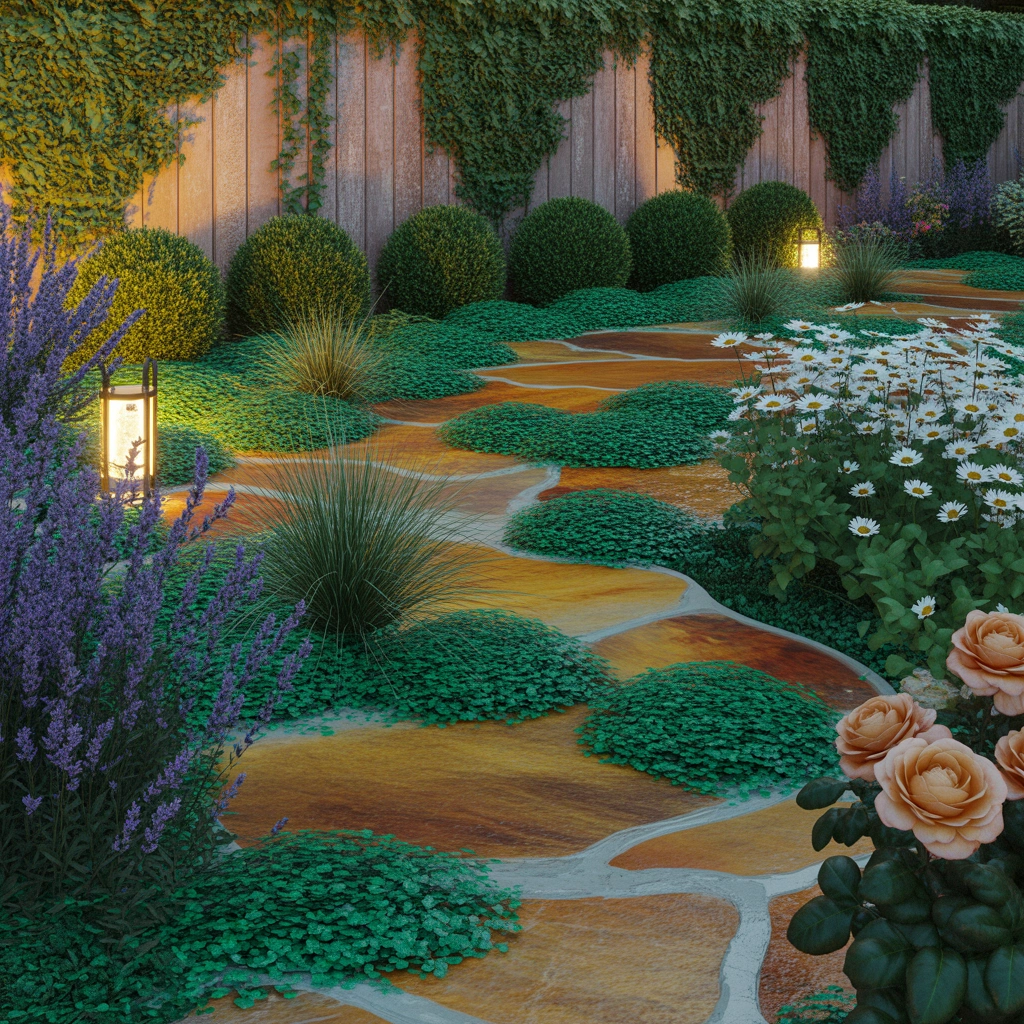
Natural stone paving is one of the most popular choices for gardens because it creates a beautiful connection between your home and nature. Materials like sandstone, limestone, slate, and granite offer unique textures and colors that make every garden feel different.
A natural stone pathway works especially well in gardens with lots of greenery, flowering plants, and wooden elements. The irregular shapes and earthy tones create a relaxed, organic appearance that feels inviting.
One of my favorite things about natural stone paving is that it does not look artificial. Over time, weather changes and small signs of aging actually add more character to the surface.
You can design a natural stone pathway in several ways:
- Large stepping stones surrounded by grass
- Random stone patterns for a rustic look
- Clean-cut stone tiles for a modern garden
- Mixed stone sizes for a natural landscape effect
For a more dramatic appearance, add small garden lights along the edges of the pathway. During the evening, the stone texture becomes even more attractive.
2. Modern Concrete Paving for a Minimalist Garden
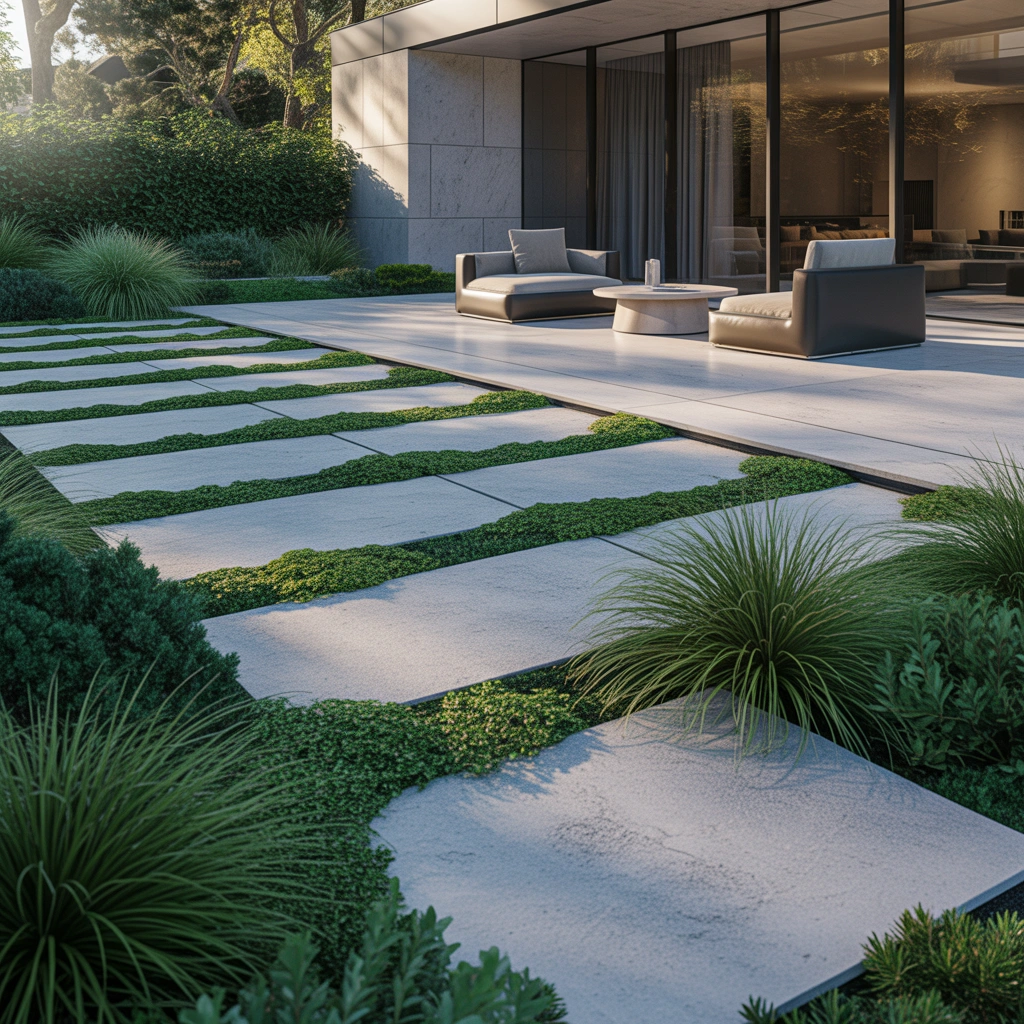
Concrete paving has become extremely popular in modern garden designs because it offers a clean, simple, and stylish appearance. Many people think concrete looks plain, but with creative layouts and finishes, it can become a major design feature.
Large concrete slabs with small gaps between them create a contemporary look that works perfectly with minimalist gardens. The straight lines and smooth surfaces provide a sense of order and elegance.
I especially like this style for homes with modern architecture because it creates a seamless connection between indoor and outdoor spaces.
Some creative concrete paving ideas include:
- Large square concrete tiles
- Smooth grey slabs with gravel gaps
- Geometric paving patterns
- Textured concrete surfaces
You can soften the look by adding plants between the paving gaps. Green grass, moss, or small ground-cover plants create a beautiful contrast against the grey surface.
Modern concrete paving is also practical because it is durable, easy to maintain, and suitable for high-traffic areas.
3. Brick Paving for a Warm Traditional Garden Style
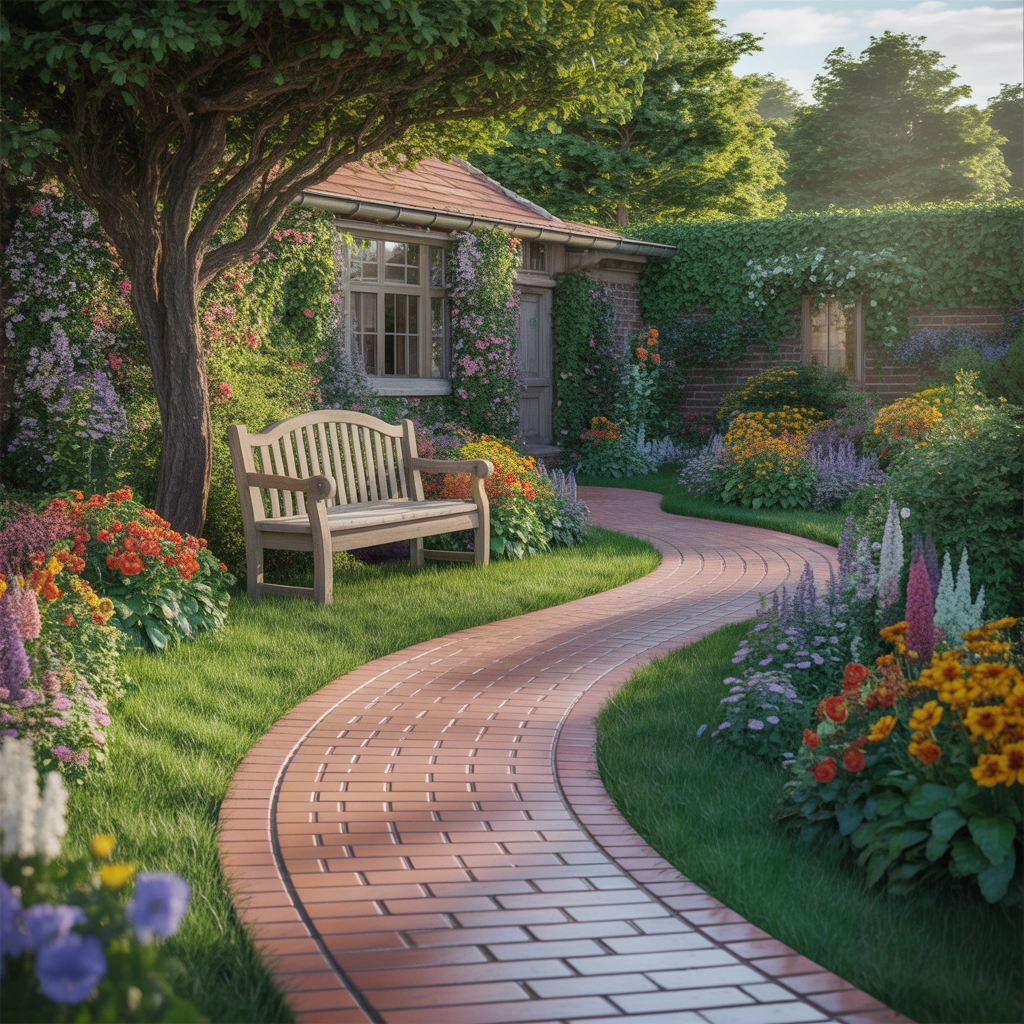
Brick paving brings warmth, charm, and a classic appearance to outdoor spaces. It has been used in gardens for generations because of its durability and timeless beauty.
A brick pathway instantly creates a welcoming feeling. The warm red, brown, and orange tones blend beautifully with flowers, trees, and wooden garden furniture.
Brick paving is perfect for:
- Cottage-style gardens
- Traditional landscapes
- Vintage outdoor spaces
- Courtyard gardens
One design idea I love is creating curved brick pathways instead of straight lines. Curved paths make the garden feel more natural and encourage visitors to explore different areas.
You can also combine bricks with gravel or plants to create a softer appearance. Over time, moss between bricks can add an attractive aged look.
Brick paving is not only beautiful but also environmentally friendly because many bricks are made from natural clay materials.
4. Stepping Stone Pathway Through Greenery
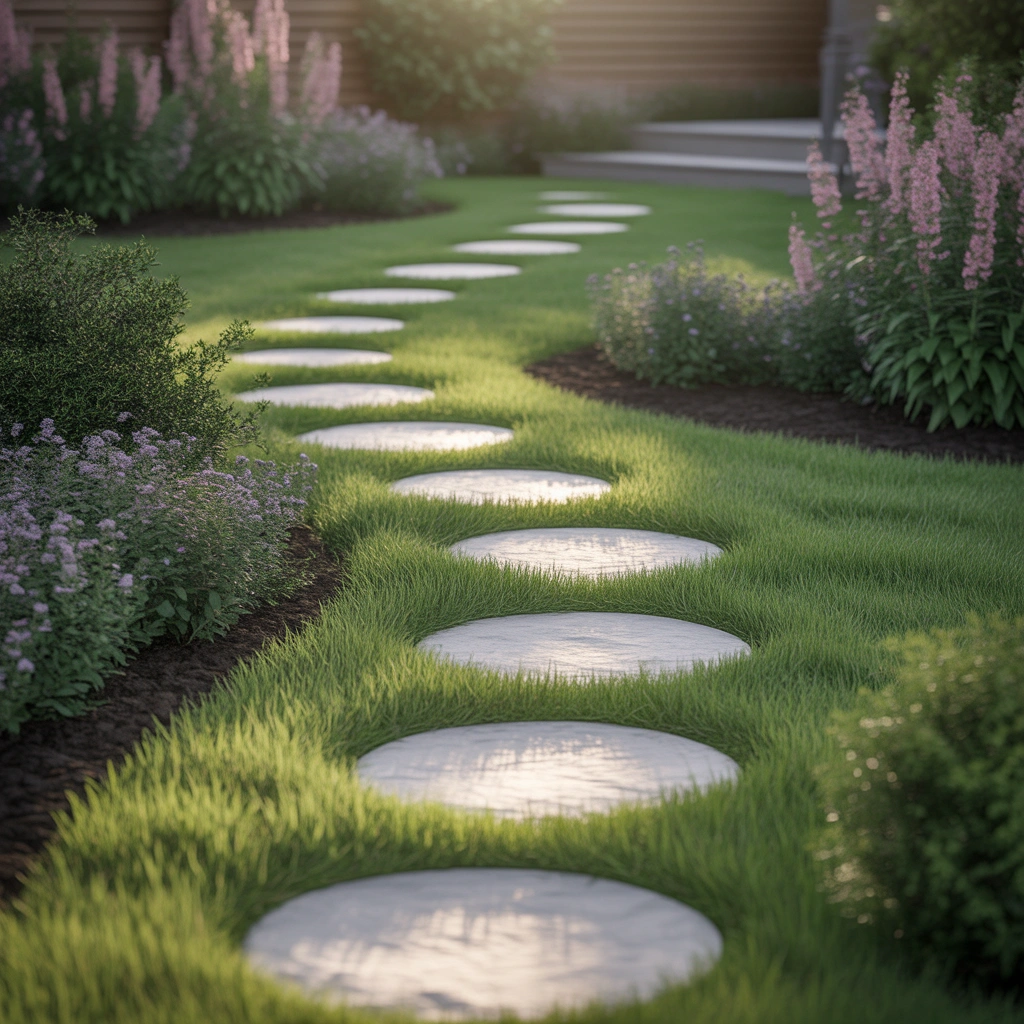
Stepping stones are one of the simplest yet most beautiful garden paving ideas. They create a natural walking experience while allowing grass and plants to remain the main focus.
Instead of covering the entire garden with paving, stepping stones create a balanced relationship between hard surfaces and nature.
This design works especially well for:
- Small gardens
- Backyard landscapes
- Japanese-inspired gardens
- Natural garden styles
You can use different materials for stepping stones, including:
- Natural stone
- Concrete circles
- Wooden slices
- Large flat rocks
The spacing between each stone should feel comfortable for walking. Adding decorative plants around the stones can make the pathway look like it has naturally developed over time.
I personally love stepping stone paths because they create a feeling of discovery. Walking through a garden becomes an experience rather than just moving from one place to another.
5. Gravel and Paving Combination for a Natural Garden Feel
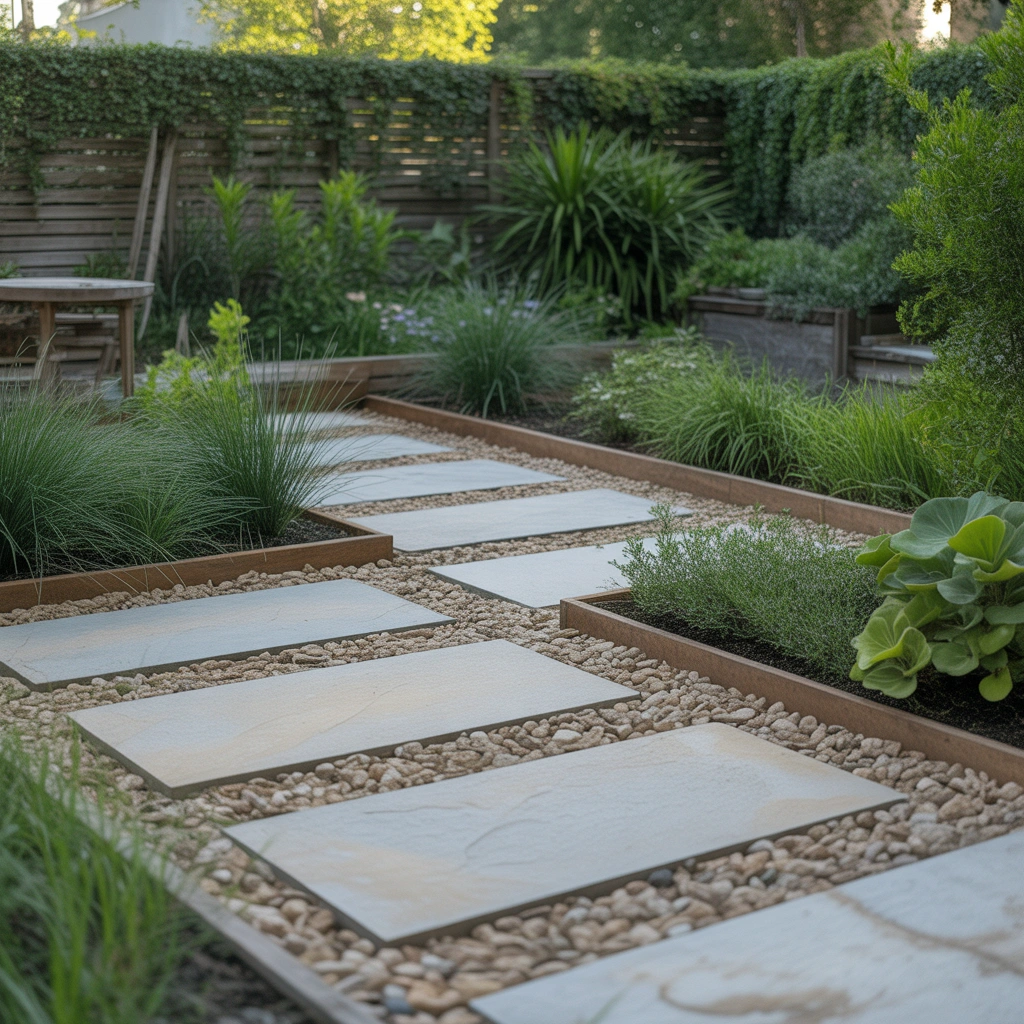
Combining gravel with paving stones is one of the most flexible garden paving ideas because it creates a relaxed, natural, and visually interesting outdoor space. This style has become increasingly popular because it balances the solid structure of paving with the softness of loose gravel.
When I look at gardens designed with gravel and stone combinations, I notice that they feel more organic compared to fully paved areas. The mixture of textures creates depth and makes the garden appear larger.
A common approach is placing large paving slabs as stepping stones while filling the spaces between them with decorative gravel. The contrast between smooth stone surfaces and tiny gravel pieces creates a beautiful modern-rustic appearance.
This paving style works well for:
- Small backyard gardens
- Side garden pathways
- Mediterranean-style landscapes
- Low-maintenance outdoor areas
You can choose gravel colors according to your garden theme. White gravel creates a bright and elegant look, while grey or beige gravel gives a more natural appearance.
Another advantage of gravel paving is drainage. Unlike solid surfaces, gravel allows rainwater to move naturally into the ground, making it a practical choice for areas with heavy rainfall.
To make the design more attractive, consider adding:
- Wooden borders around the gravel
- Solar pathway lights
- Decorative plants
- Large statement rocks
The final result is a garden pathway that feels peaceful, stylish, and connected with nature.
6. Porcelain Tile Paving for a Luxury Outdoor Space
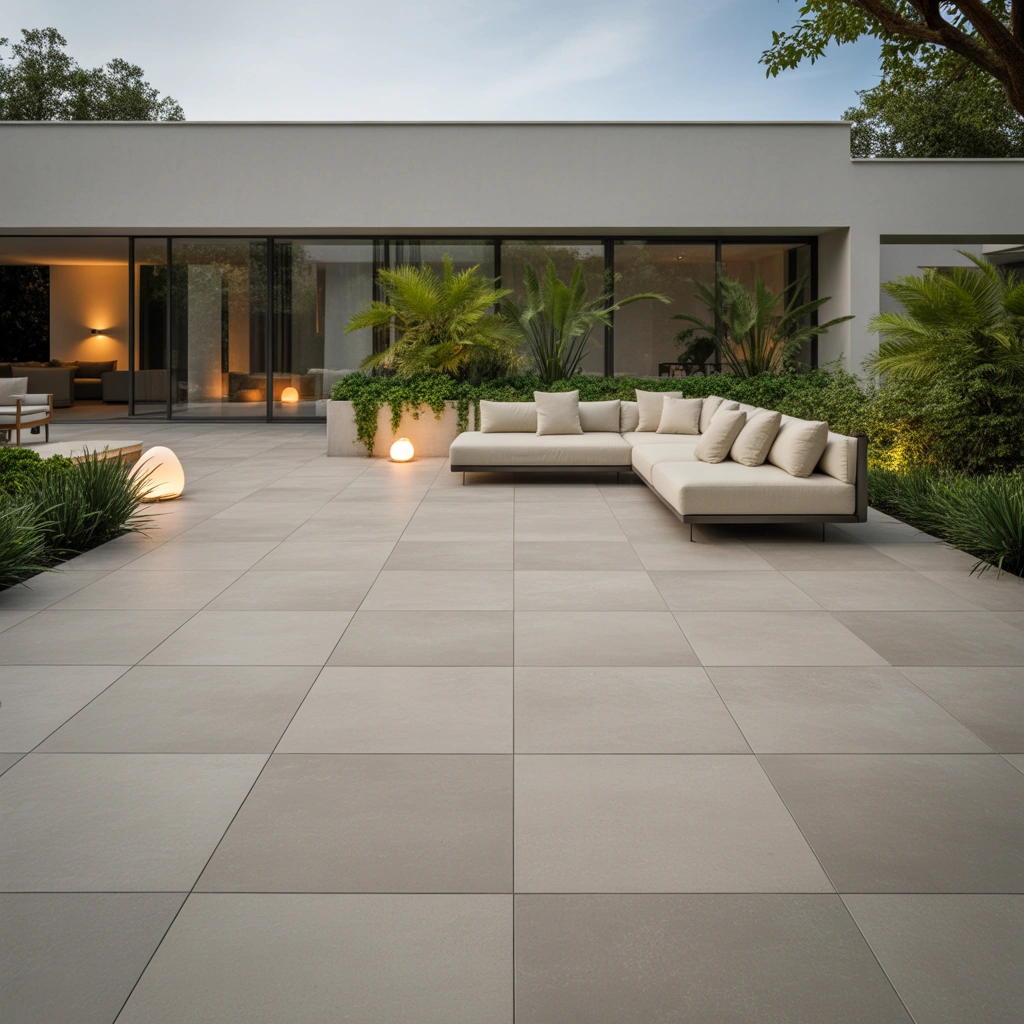
Porcelain paving has become one of the most desirable choices for modern garden designs because it offers a luxurious appearance with excellent durability. It provides the beauty of natural materials while requiring less maintenance.
When I think about high-end outdoor spaces, porcelain tiles immediately come to mind. Their smooth finish, clean edges, and wide range of designs can transform an ordinary garden into an elegant outdoor living area.
Porcelain paving is available in styles that imitate:
- Natural stone
- Marble
- Wood
- Concrete
- Slate
This makes it easy to match your garden paving with your home’s architecture.
Large-format porcelain tiles are especially popular because they create a seamless and spacious feeling. Fewer joints between tiles make the garden look cleaner and more sophisticated.
This type of paving is ideal for creating:
- Outdoor dining areas
- Garden lounges
- Poolside spaces
- Contemporary patios
One reason homeowners love porcelain paving is its resistance to stains, scratches, and weather changes. It stays attractive for many years with minimal maintenance.
For an impressive design, combine light-colored porcelain tiles with dark garden furniture and green plants. The contrast creates a luxury resort-style atmosphere.
7. Circular Garden Paving Design for a Unique Focal Point
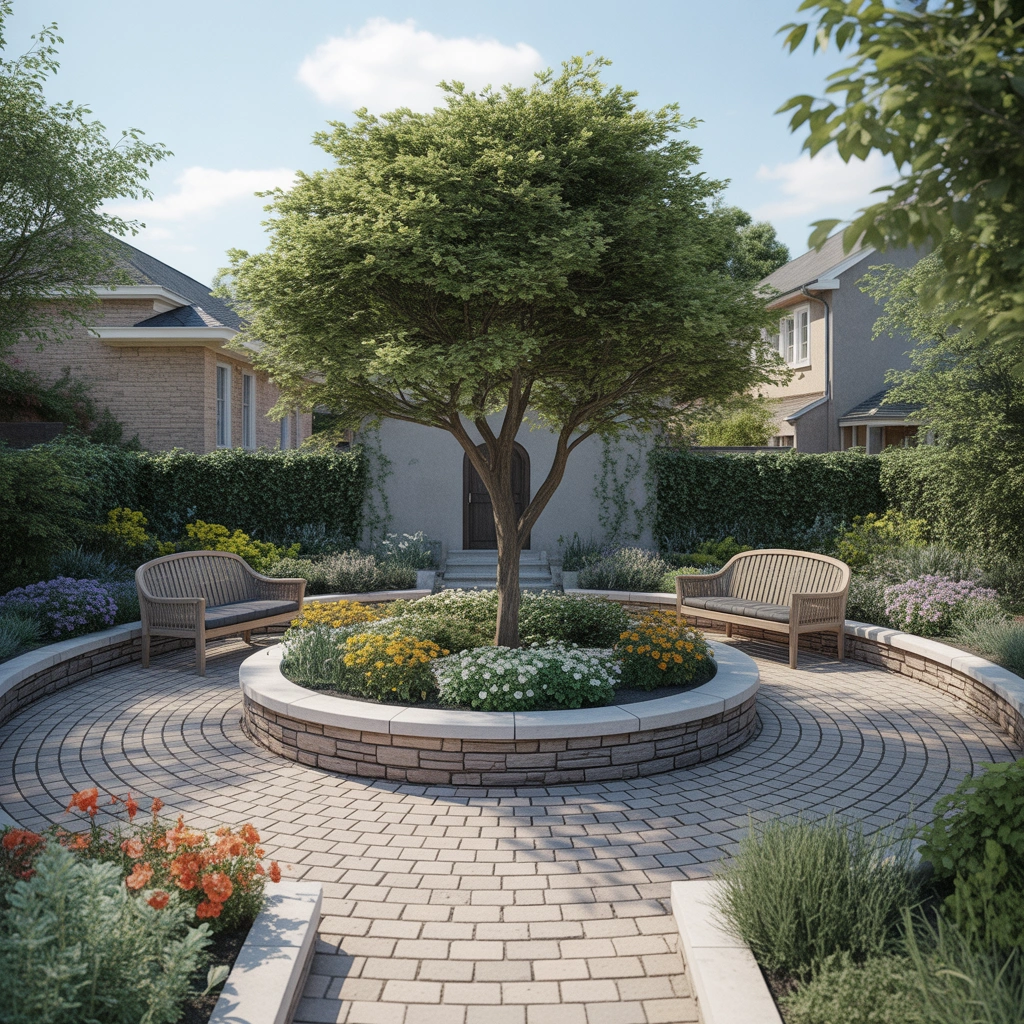
Circular paving designs can completely change the personality of a garden. Unlike traditional straight pathways, circular layouts create movement and become a natural focal point.
A circular paved area can be used as:
- A seating zone
- A fire pit area
- A garden relaxation corner
- A decorative centerpiece
I find circular paving especially attractive because it breaks the straight lines commonly found in gardens. It creates a softer and more welcoming environment.
You can create circular designs using:
- Circular stone patterns
- Brick arrangements
- Concrete circles
- Mixed materials
For example, a circular stone patio surrounded by flowering plants can become the perfect place for morning tea or evening conversations.
Another creative idea is creating multiple circular sections connected by small pathways. This gives the garden a sense of exploration and makes the landscape more dynamic.
Adding a central feature such as a tree, fountain, sculpture, or outdoor furniture can enhance the overall design.
Circular paving is a great choice for homeowners who want their garden to feel artistic rather than ordinary.
8. Wooden Effect Paving for a Cozy Outdoor Atmosphere
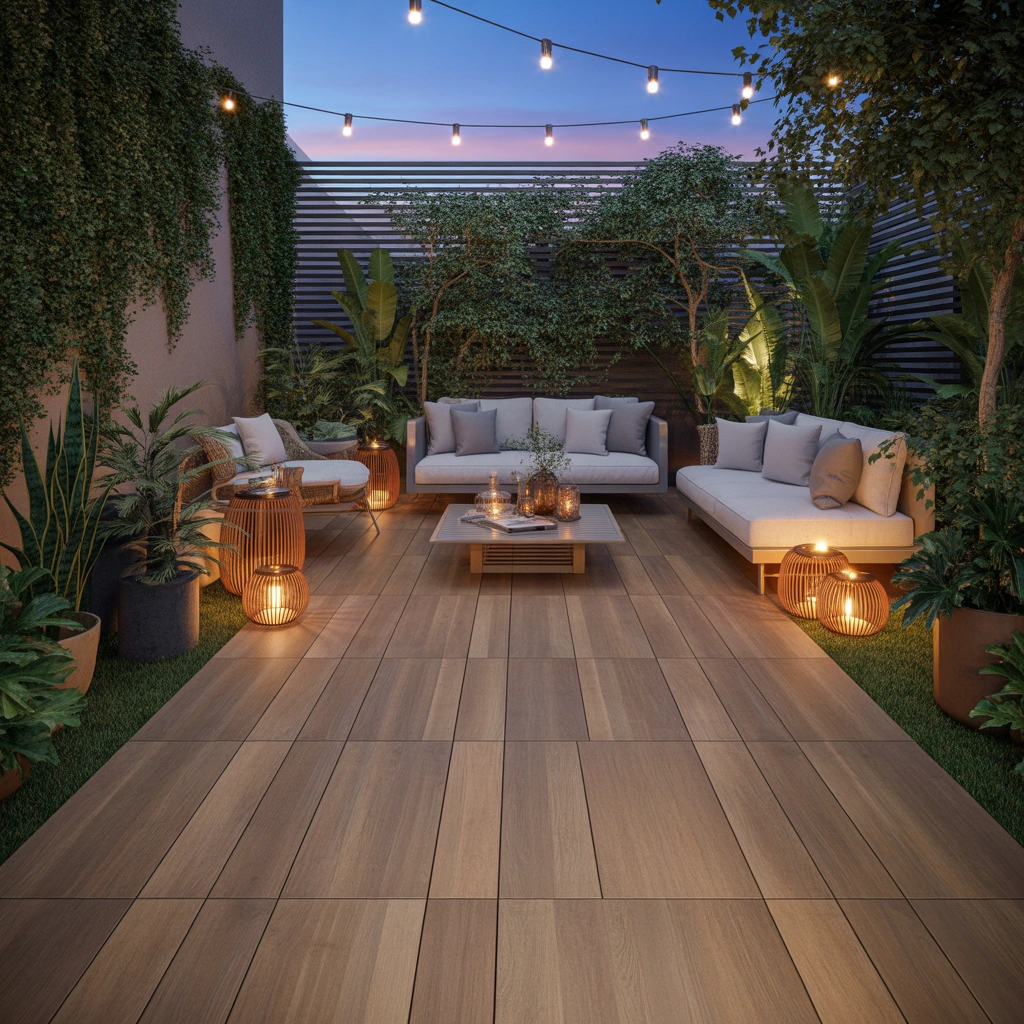
Wood has always been associated with warmth and comfort, but natural wood requires regular maintenance when used outdoors. This is why wood-effect paving has become a popular alternative.
Wood-effect porcelain or composite paving gives the appearance of timber while providing better durability against weather conditions.
I love this style because it brings a cozy and relaxing feeling to outdoor spaces. It works beautifully with gardens that include:
- Wooden furniture
- Warm lighting
- Natural plants
- Outdoor fireplaces
Wood-effect paving can be arranged in different patterns:
- Straight plank layouts
- Herringbone patterns
- Mixed lengths
- Deck-style designs
This paving style is perfect for creating an outdoor room where you can relax, read, entertain guests, or enjoy family time.
Pairing wood-effect paving with soft outdoor cushions, lanterns, and greenery can create a peaceful retreat that feels like an extension of your indoor living space.
Unlike traditional wooden decking, this paving does not rot, fade easily, or require frequent sealing, making it a practical long-term option.
9. Mixed Pattern Paving for a Creative Garden Design
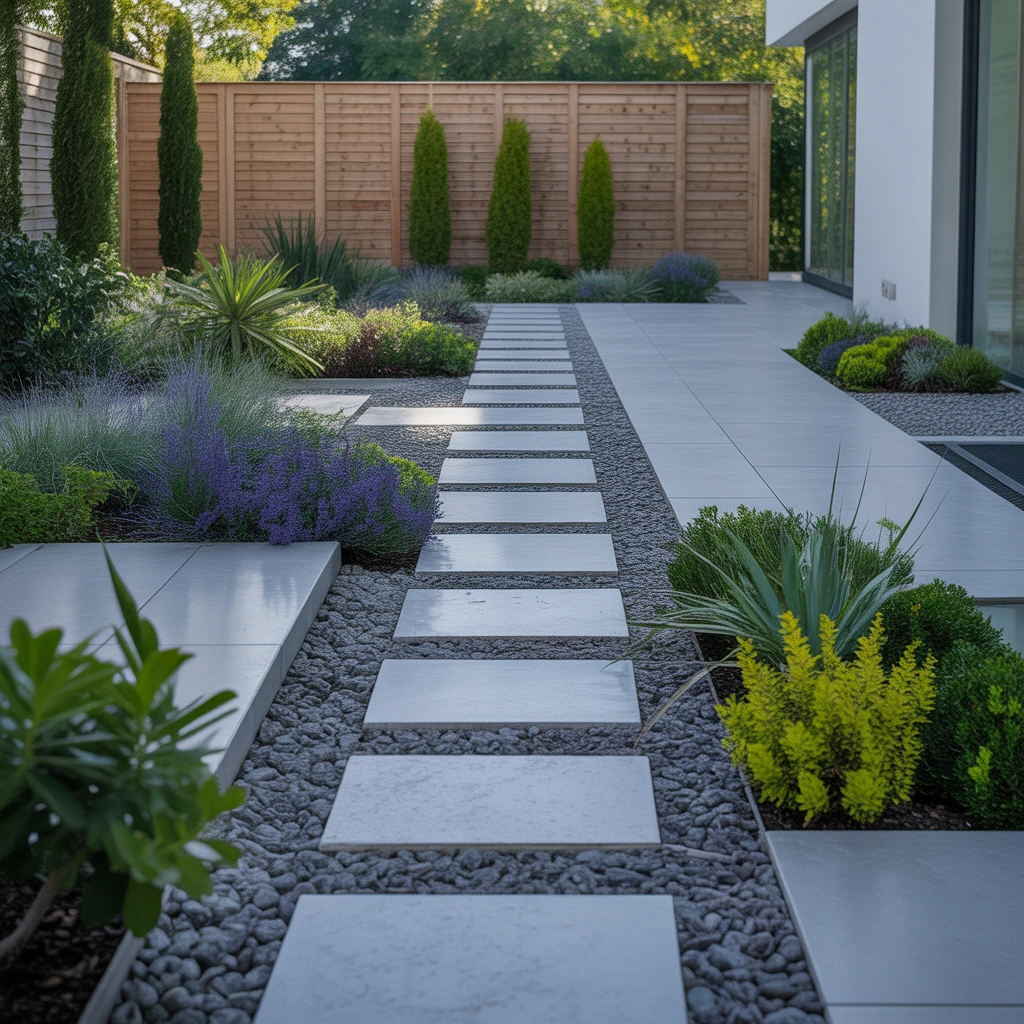
If you want your garden to look completely unique, mixing different paving materials and patterns can create a stunning visual effect.
Mixed paving allows you to combine textures, colors, and shapes to design a garden that reflects your personality.
Some popular combinations include:
- Stone with gravel
- Brick with concrete
- Porcelain with natural stone
- Dark and light paving contrasts
I personally think mixed paving works best when there is a clear design plan. Too many materials can make the garden feel confusing, but carefully selected combinations create a designer appearance.
For example, you can use large grey tiles for a patio area and surround them with small natural stones to create a beautiful border.
Another idea is using different paving patterns to separate garden zones. A dining area can have elegant tiles, while a relaxing corner can use natural stone.
Mixed paving is perfect for homeowners who want something different from standard garden designs.
10. Herringbone Paving Pattern for an Elegant Garden Look
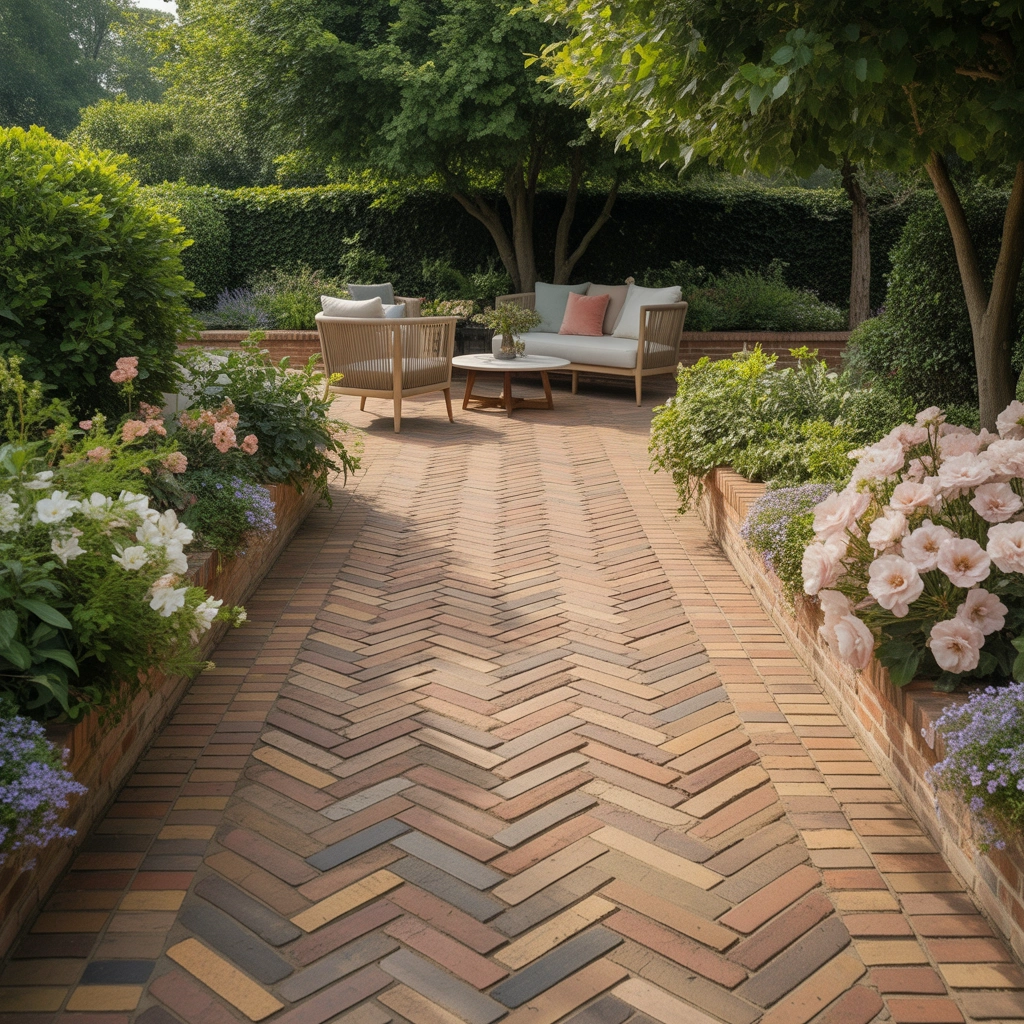
The herringbone paving pattern is a classic design that has remained popular for decades because of its timeless elegance and strong visual appeal. This pattern is created by arranging rectangular paving blocks in a zigzag formation, producing a detailed and stylish surface.
When I see a garden with herringbone paving, it immediately gives a feeling of craftsmanship and sophistication. The pattern adds movement and character, making even a simple garden pathway look professionally designed.
Herringbone paving works beautifully with materials such as:
- Brick pavers
- Concrete blocks
- Natural stone tiles
- Porcelain paving slabs
This design is especially suitable for:
- Garden entrances
- Courtyard areas
- Outdoor dining spaces
- Driveway connections
One of the biggest advantages of the herringbone pattern is its strength. The interlocking arrangement helps distribute pressure, making it a durable option for areas that receive frequent foot traffic.
You can customize the appearance by choosing different colors. A traditional red brick herringbone pattern creates a warm countryside feeling, while grey or black blocks create a modern and luxurious appearance.
To enhance the design, consider adding a contrasting border around the edges. A darker border can frame the paving area and make the pattern stand out more.
A herringbone garden pathway is a perfect choice if you want something that feels both traditional and stylish.
11. Raised Garden Paving with Different Levels
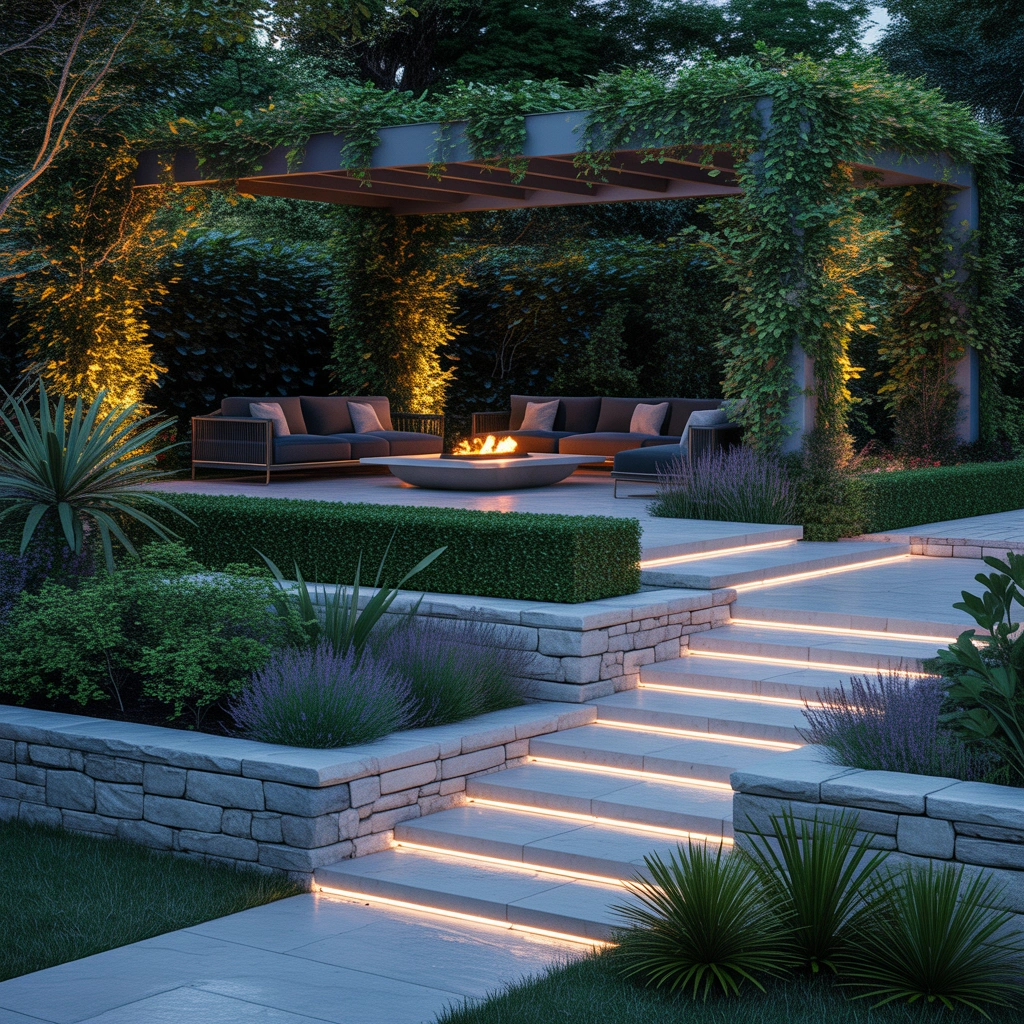
A garden does not always need to be completely flat. Creating different levels with raised paving can add depth, structure, and a more interesting appearance to your outdoor space.
Raised paving designs are especially useful for gardens with uneven ground because they transform a challenge into a design feature.
When I think about creative garden layouts, multi-level paving creates a feeling similar to a luxury landscape project. Different heights naturally divide the garden into separate zones without needing walls or barriers.
You can use raised paving to create:
- Elevated seating areas
- Outdoor dining platforms
- Small garden terraces
- Decorative plant sections
For example, a raised stone patio surrounded by lower flower beds can become the main attraction of the garden. Adding steps between levels creates a beautiful transition and improves accessibility.
Materials commonly used for raised paving include:
- Natural stone
- Concrete blocks
- Brick
- Porcelain tiles
Plants play an important role in making raised paving look natural. Adding shrubs, flowers, or ornamental grasses around the edges softens the hard surfaces and creates a balanced appearance.
Lighting can make this design even more impressive. Small step lights or hidden LED strips can highlight the different levels during the evening.
Raised garden paving is an excellent choice for homeowners who want a garden that feels architectural, organized, and unique.
12. Eco-Friendly Permeable Paving for Sustainable Gardens
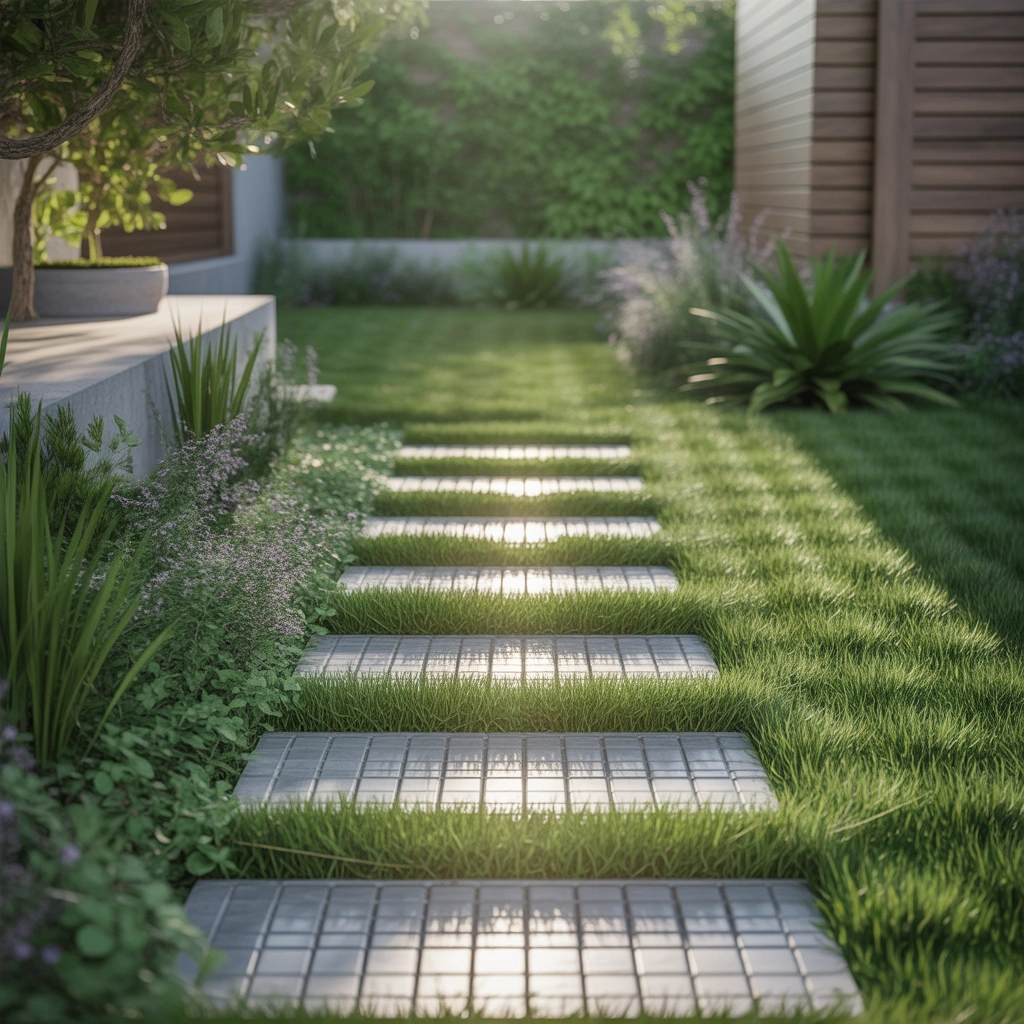
As outdoor design becomes more environmentally conscious, eco-friendly paving has become an important trend. Permeable paving allows water to naturally pass through the surface instead of creating excessive runoff.
This type of paving is perfect for homeowners who want a beautiful garden while supporting a healthier environment.
I personally appreciate sustainable garden designs because they combine beauty with responsibility. A garden should not only look good but also work naturally with the surrounding environment.
Permeable paving options include:
- Gravel grids
- Porous concrete
- Grass block paving
- Natural stone with open joints
These designs allow rainwater to return to the soil, helping plants and reducing water collection problems.
Eco-friendly paving is ideal for:
- Modern sustainable gardens
- Small urban yards
- Rain-friendly landscapes
- Low-maintenance outdoor spaces
A popular design idea is combining grass and paving blocks. The result creates a green pathway where plants grow between the stones, giving the garden a fresh and natural appearance.
You can also add native plants around eco-friendly paving areas to attract birds, butterflies, and beneficial insects.
Sustainable paving proves that a garden can be both beautiful and environmentally responsible.
How to Choose the Right Garden Paving Material
Choosing the perfect paving material depends on several factors, including your garden style, budget, maintenance preferences, and climate.
Before making a final decision, I recommend considering these important points:
1. Think About Your Garden Style
Your paving should complement your home’s architecture and garden theme.
For example:
- Modern homes look great with concrete or porcelain paving.
- Traditional homes suit brick or natural stone.
- Cottage gardens work beautifully with irregular stone pathways.
- Minimalist gardens benefit from large clean paving slabs.
The paving should feel like a natural extension of your property.
A well-chosen paving material can connect different areas of your outdoor space and create a balanced visual flow. Instead of selecting a design only because it looks attractive in pictures, consider how it will match your existing plants, furniture, fences, and exterior walls.
For example, a garden with lots of colorful flowers may look better with neutral paving that allows the plants to become the main attraction. On the other hand, a simple garden with fewer plants can benefit from decorative paving patterns that create more visual interest.
2. Consider Maintenance Requirements
Some paving materials require more care than others.
Low-maintenance options include:
- Porcelain tiles
- Concrete paving
- Permeable systems
Natural stone may require occasional sealing, while brick may develop moss over time.
Think about how much time you want to spend maintaining your garden.
A beautiful garden should be enjoyable, not something that constantly requires repair and cleaning. If you have a busy lifestyle, choosing durable and easy-to-maintain paving materials can save you time and effort in the long run.
Porcelain paving is a great example of a low-maintenance option because it resists stains, weather damage, and fading. Meanwhile, natural materials may need extra attention but provide a unique character that many homeowners appreciate.
3. Check Weather Conditions
Your local climate should influence your paving choice.
In areas with heavy rainfall, permeable paving can improve drainage.
In hot climates, lighter-colored paving materials can help reduce heat absorption.
Choose materials that can handle your area’s weather conditions.
Weather can have a major impact on the lifespan of garden paving. Materials that work well in one location may not perform the same way in another environment.
For colder areas, frost-resistant materials are important because repeated freezing and thawing can damage low-quality paving. In warmer regions, choosing materials that remain comfortable under sunlight can improve the usability of outdoor spaces.
4. Focus on Safety
Garden paving should not only look beautiful but also be safe.
Consider:
- Non-slip surfaces
- Proper drainage
- Stable installation
- Comfortable walking spaces
This is especially important if children or elderly family members regularly use the garden.
A garden should be a place where everyone feels comfortable moving around. Uneven paving, slippery surfaces, or poor drainage can create unnecessary risks.
When planning your paving layout, make sure pathways are wide enough for easy movement and avoid creating sudden height changes that may cause difficulty while walking.
Simple Garden Paving Maintenance Tips
Even the most beautiful paving needs regular care to maintain its appearance.
Here are some simple maintenance tips:
Clean Regularly
Remove leaves, dirt, and debris before they build up. Regular sweeping keeps paving looking fresh.
Over time, outdoor surfaces naturally collect dust, fallen leaves, and organic materials. Regular cleaning prevents discoloration and keeps the original texture of your paving visible.
For deeper cleaning, you can use appropriate outdoor cleaning solutions depending on the paving material. Always check the recommended cleaning method to avoid damaging the surface.
Control Weed Growth
Weeds can grow between paving joints. Removing them early prevents bigger problems later.
Small weeds may seem harmless, but their roots can gradually affect the stability of paving. Regular inspection and early removal help maintain a neat and attractive garden pathway.
Using proper joint filling materials during installation can also reduce future weed problems.
Remove Stains Quickly
Oil, food, and organic stains should be cleaned as soon as possible to avoid permanent marks.
Outdoor areas are often used for entertaining, dining, and relaxing, which means accidental spills can happen. Quick cleaning makes it easier to maintain the original appearance of your paving.
Different materials may require different stain removal methods, so always choose products suitable for your specific paving type.
Check Damaged Areas
Repair cracked or loose paving pieces before they create safety issues.
Small cracks or movement in paving should not be ignored. Early repairs are usually easier and less expensive than replacing larger sections later.
Regular checks after extreme weather conditions can help identify problems before they become serious.
Add Outdoor Lighting
Lighting not only improves safety but also highlights the beauty of your paving design during nighttime.
Well-placed garden lights can completely change the atmosphere of your outdoor space. Soft pathway lighting creates a warm and welcoming environment while making walking areas safer after sunset.
Consider using:
- Solar pathway lights
- Recessed step lights
- Wall-mounted garden lights
- Hidden LED strips
Lighting allows you to enjoy your garden paving design throughout the evening and adds an extra layer of style to your landscape.
Final Thoughts on Garden Paving Ideas
Garden paving is one of the most effective ways to transform an ordinary outdoor area into a beautiful and functional space. Whether you prefer the natural charm of stone, the modern elegance of porcelain, or the creativity of mixed paving designs, the right choice can completely change your garden’s personality.
From simple stepping stones surrounded by greenery to luxurious paved patios designed for outdoor living, there are endless possibilities to explore.
When planning your garden paving project, remember that the best design is not always the most expensive one. A thoughtful layout, suitable materials, and attention to detail can create a space that feels welcoming and timeless.
Your garden should reflect your lifestyle and bring you joy every time you step outside. With these 12 garden paving ideas inspiration, you can create an outdoor area that is not only visually stunning but also practical, comfortable, and enjoyable for years to come.
A beautifully paved garden is more than just a pathway — it is a journey through your own personal outdoor sanctuary.