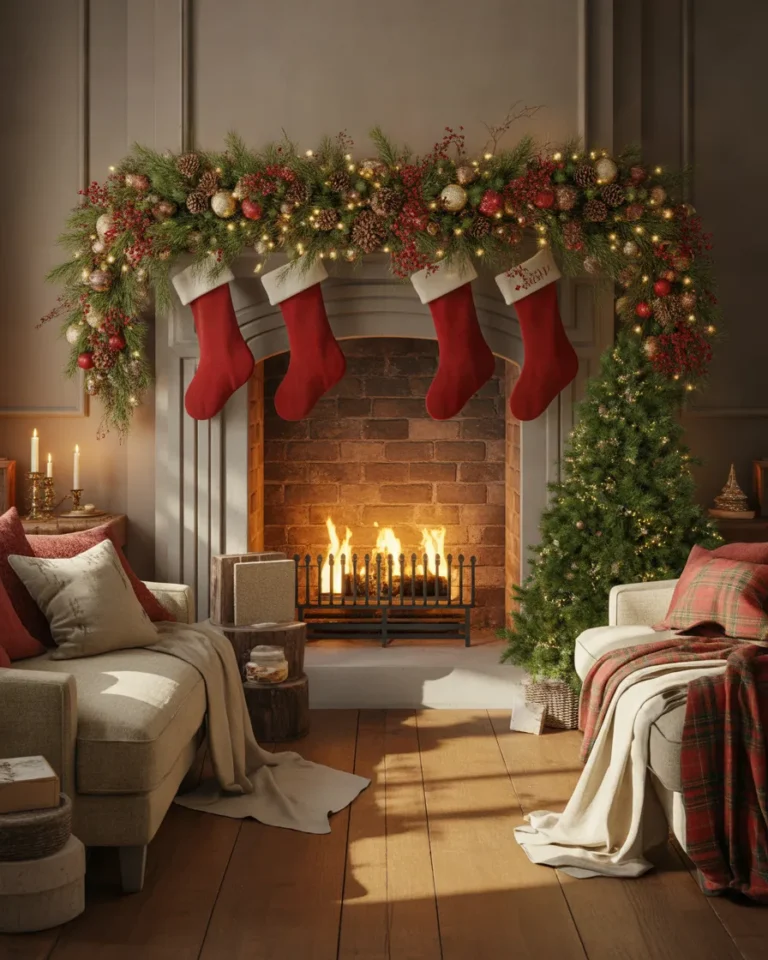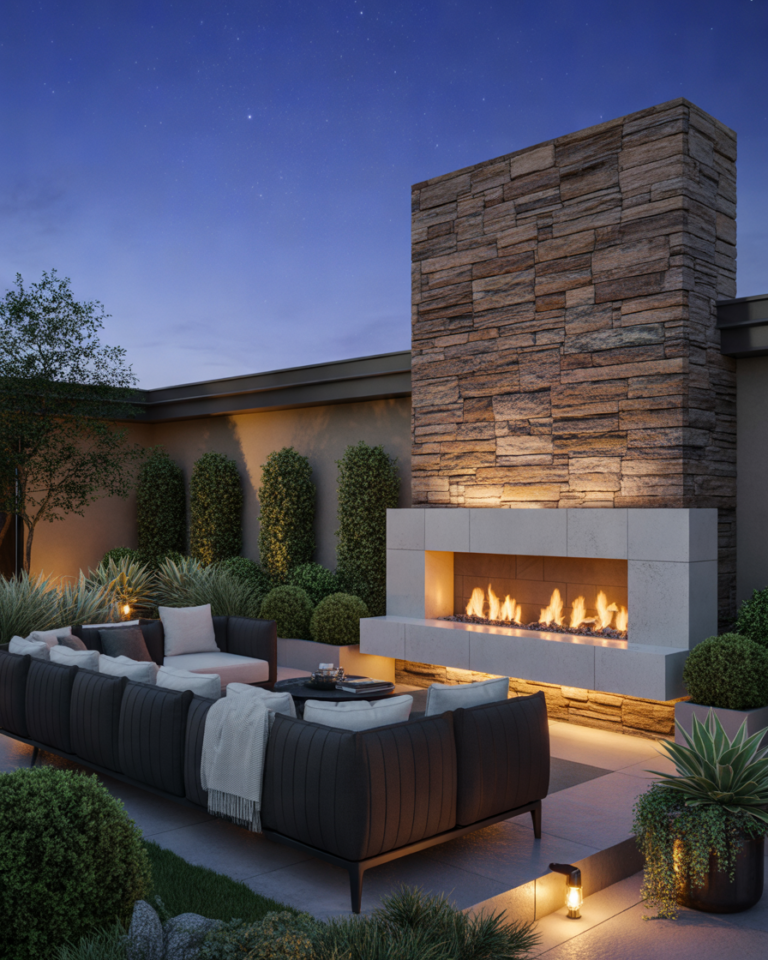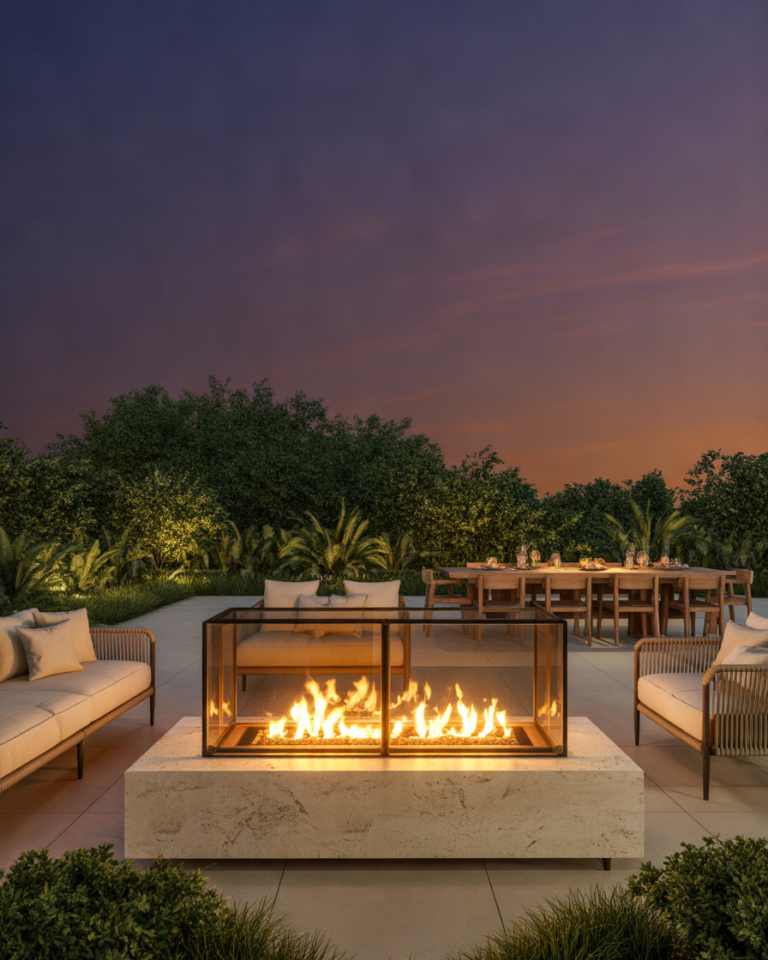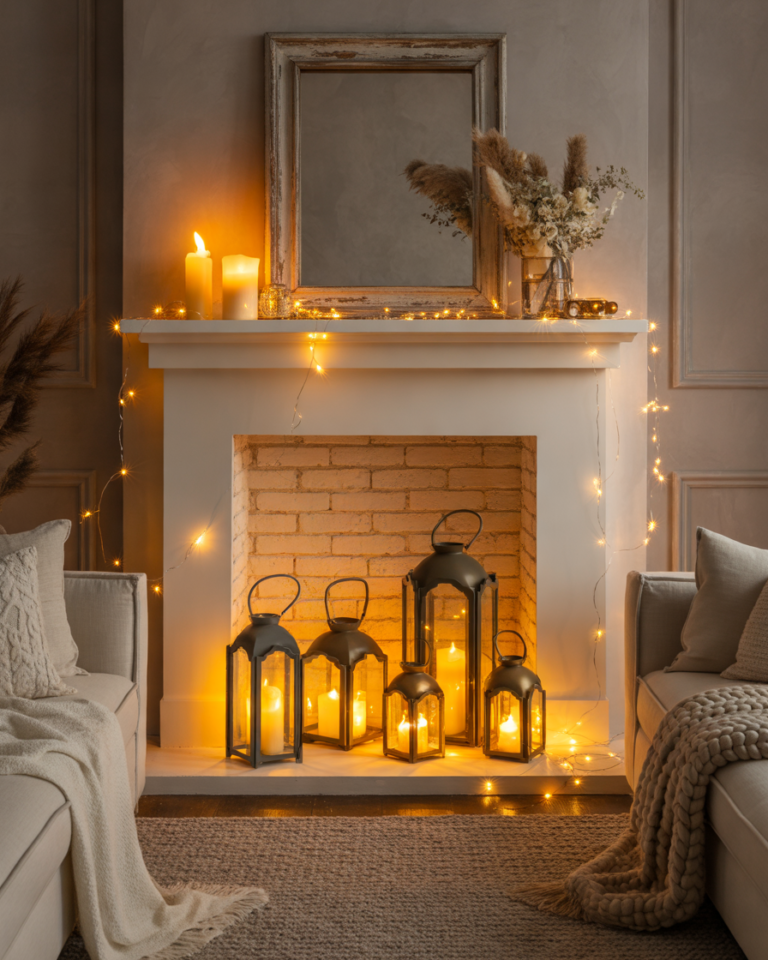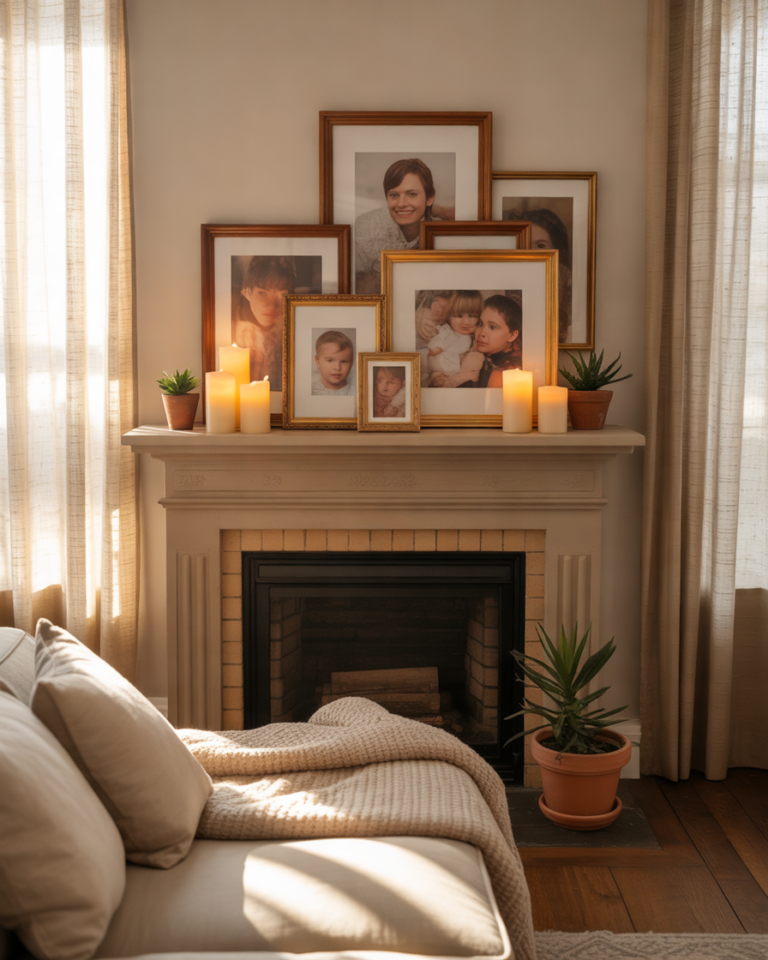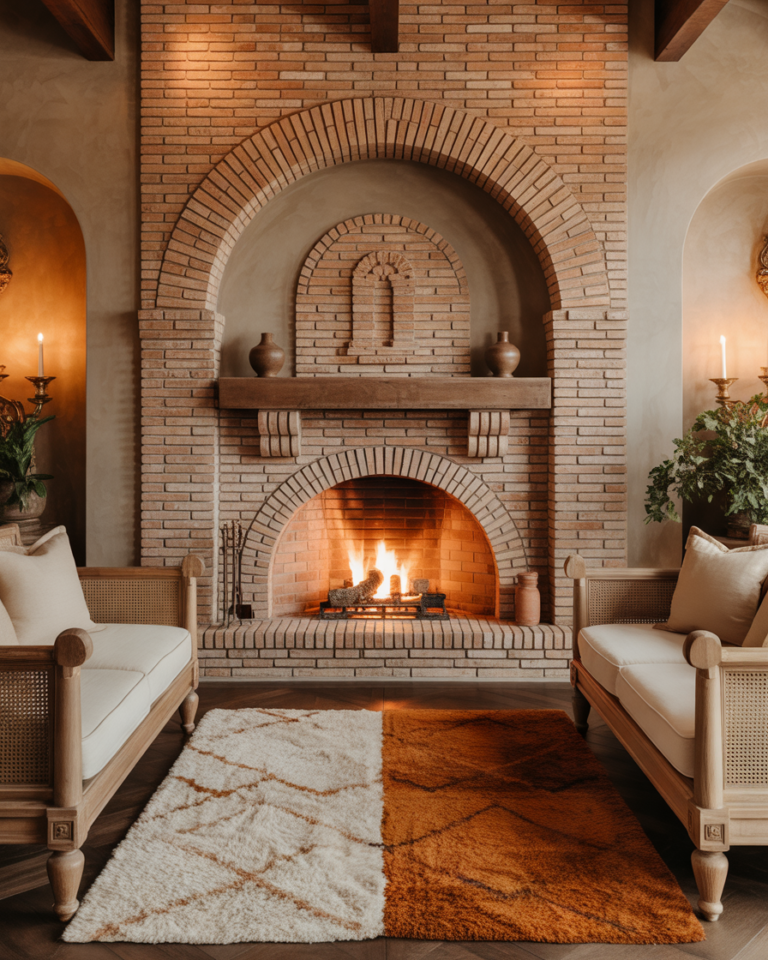
A fireplace has always felt like more than just a source of warmth to me. It naturally becomes the place where your eyes land when you walk into a room. Whether there is a real fire burning, an electric insert glowing quietly, or simply a beautifully styled mantel, the fireplace often acts as the heart of the space.
That is exactly why choosing the right fireplace surround matters so much.
A well-designed surround can completely change the personality of a living room, bedroom, dining area, or even a modern open-plan space. It can make an ordinary fireplace look architectural, turn a dated feature into something contemporary, or add warmth to a room that feels a little too plain.
The good news is that there is no single “correct” fireplace style. Some homes look incredible with natural stone and exposed textures, while others benefit from smooth plaster, dramatic marble, colorful tiles, or simple painted wood. The best choice depends on your room, your decorating style, and the kind of atmosphere you want to create.
If you are planning a remodel or simply gathering inspiration, these 15 fireplace surround ideas will help you discover options ranging from timeless and traditional to bold and modern.
1. Create a Timeless Look With a Marble Fireplace Surround
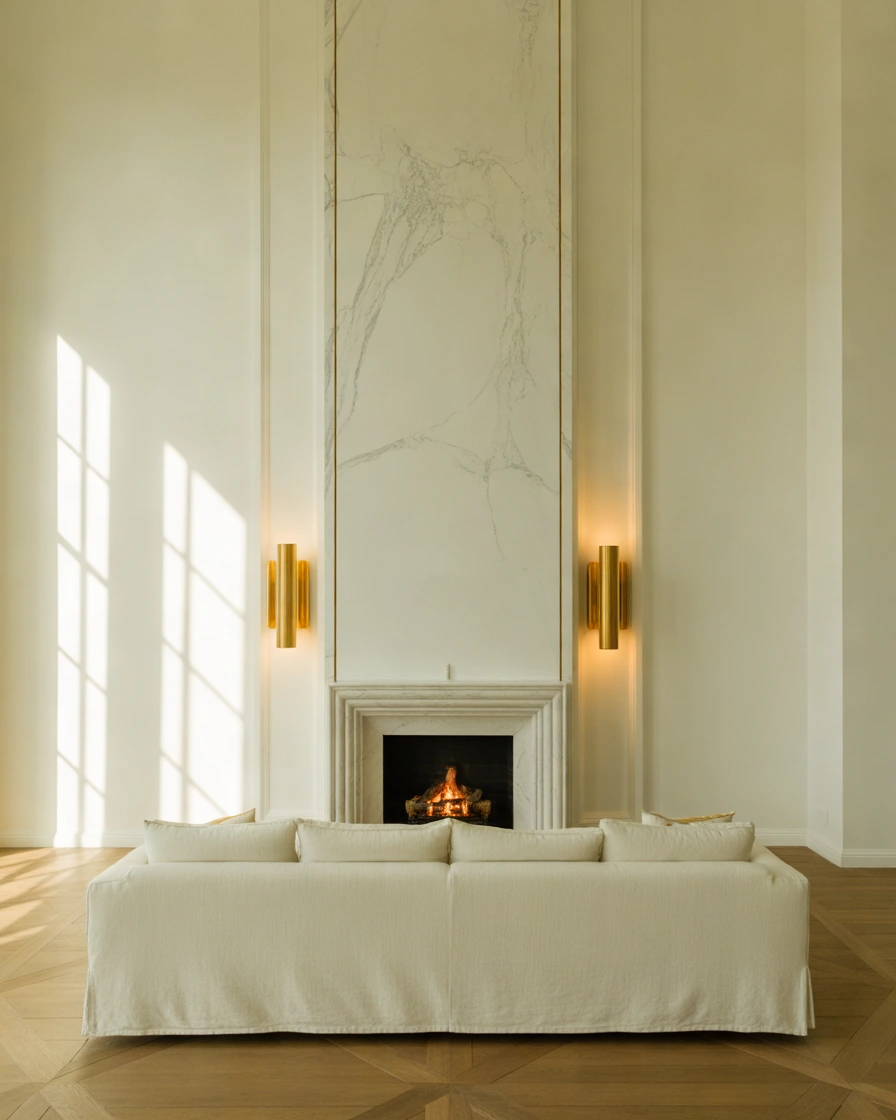
If I wanted a fireplace that still looked elegant years from now, marble would be near the top of my list.
Marble has a natural sophistication that is difficult to reproduce with artificial materials. Every slab has different veins, movement, and color variations, which means the fireplace becomes a unique architectural feature rather than something that looks mass-produced.
White marble with subtle gray veining works beautifully in bright, sophisticated interiors. It pairs particularly well with off-white walls, soft beige furniture, brass lighting, and natural wood.
For something more dramatic, darker marble can transform the fireplace into a true statement piece. Black, charcoal, deep green, and heavily veined stone can look especially striking in modern living rooms.
You also do not necessarily need to cover an entire wall in marble. A relatively simple marble surround around the firebox can still create a luxurious finish while allowing artwork, shelving, or decorative accessories to provide additional personality.
When choosing marble, I would look carefully at the veining before installation. Large continuous pieces usually create a more polished appearance because the natural patterns remain uninterrupted.
2. Add Warmth With a Natural Stone Fireplace
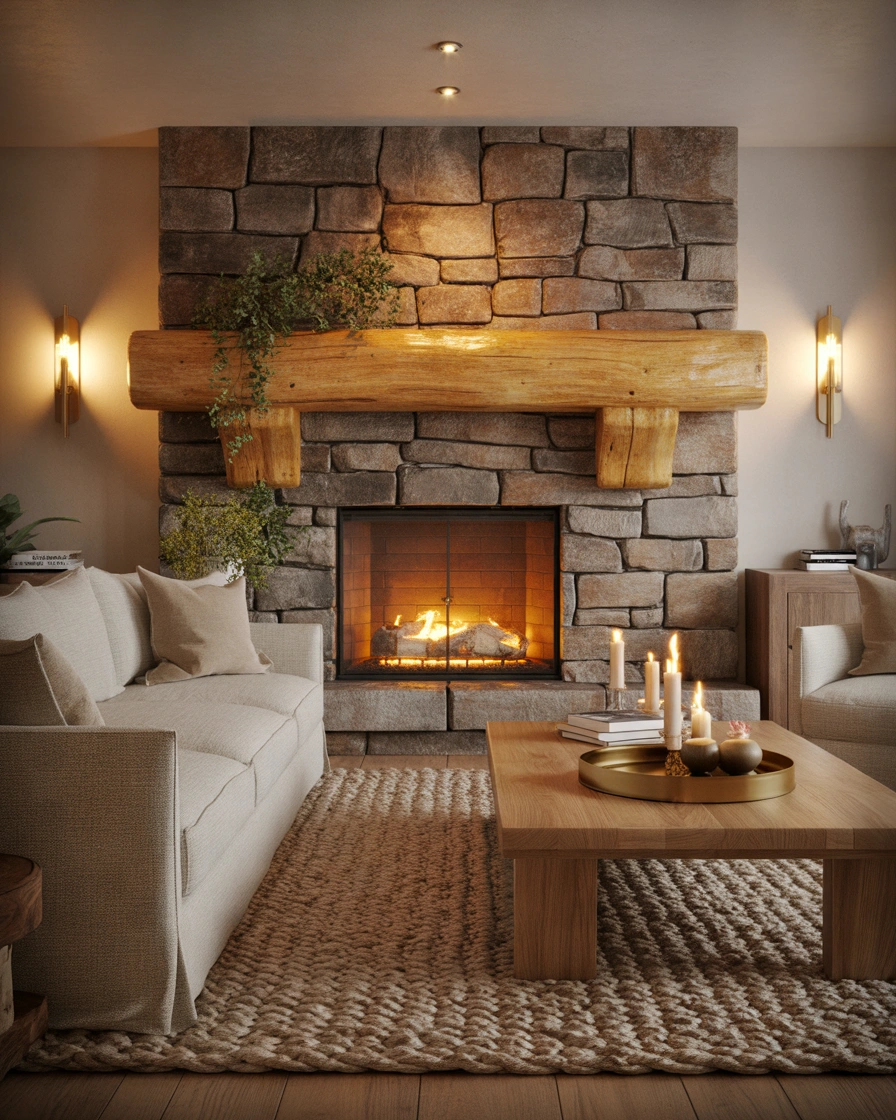
Natural stone instantly makes a fireplace feel substantial.
I particularly like this option when a room needs more texture because stone adds visual interest without relying on bright colors or decorative patterns.
Depending on the stone you choose, the result can look rustic, traditional, transitional, coastal, or surprisingly contemporary.
Limestone creates a softer and more refined appearance. Fieldstone feels more rustic and organic. Slate produces a darker, moodier effect, while stacked stone can give a fireplace a dramatic floor-to-ceiling presence.
One of my favorite approaches is combining natural stone with a thick timber mantel. The contrast between rugged stone and warm wood creates a comfortable, relaxed atmosphere that works beautifully in family rooms and country-inspired interiors.
You can also make stone feel modern by keeping the surrounding architecture simple. A clean-lined fireplace with neutral stone, minimal accessories, and contemporary furniture feels very different from a traditional stone fireplace filled with rustic decorations.
3. Keep Things Clean With a Minimalist Plaster Fireplace
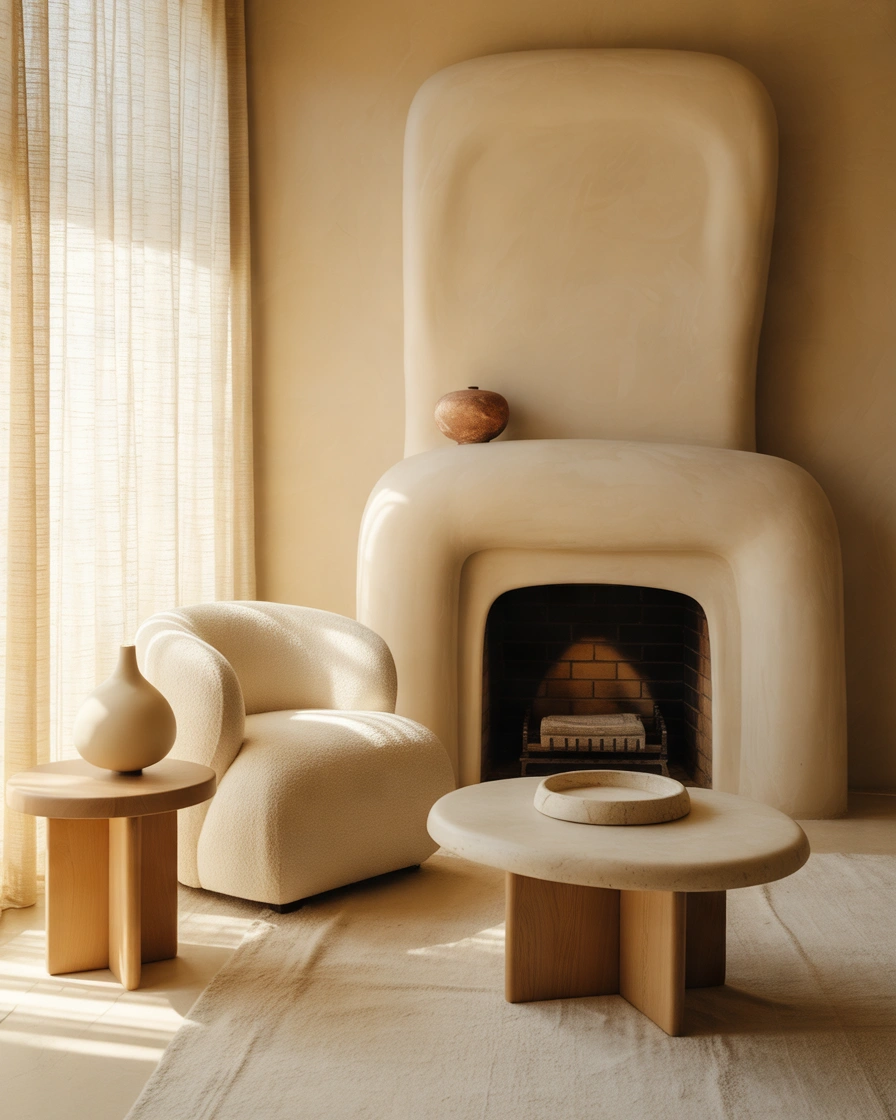
Some of the most beautiful fireplaces are also the simplest.
A smooth plaster surround can create an understated architectural feature that blends naturally into the room rather than competing with everything around it.
This style works especially well in minimalist, Scandinavian, Mediterranean, organic modern, and contemporary homes.
Warm white, cream, beige, and soft greige plaster finishes feel relaxed and inviting. If your interior includes natural wood, linen furniture, handmade ceramics, or neutral textiles, a plaster fireplace can tie everything together beautifully.
I also like that plaster allows the shape of the fireplace to become the focus. You can create soft curves, rounded corners, recessed niches, or a simple floor-to-ceiling chimney breast without introducing additional materials.
For a more modern result, consider removing the traditional mantel altogether. The uninterrupted plaster surface can make the fireplace look clean, calm, and architectural.
4. Make a Statement With Black Tile
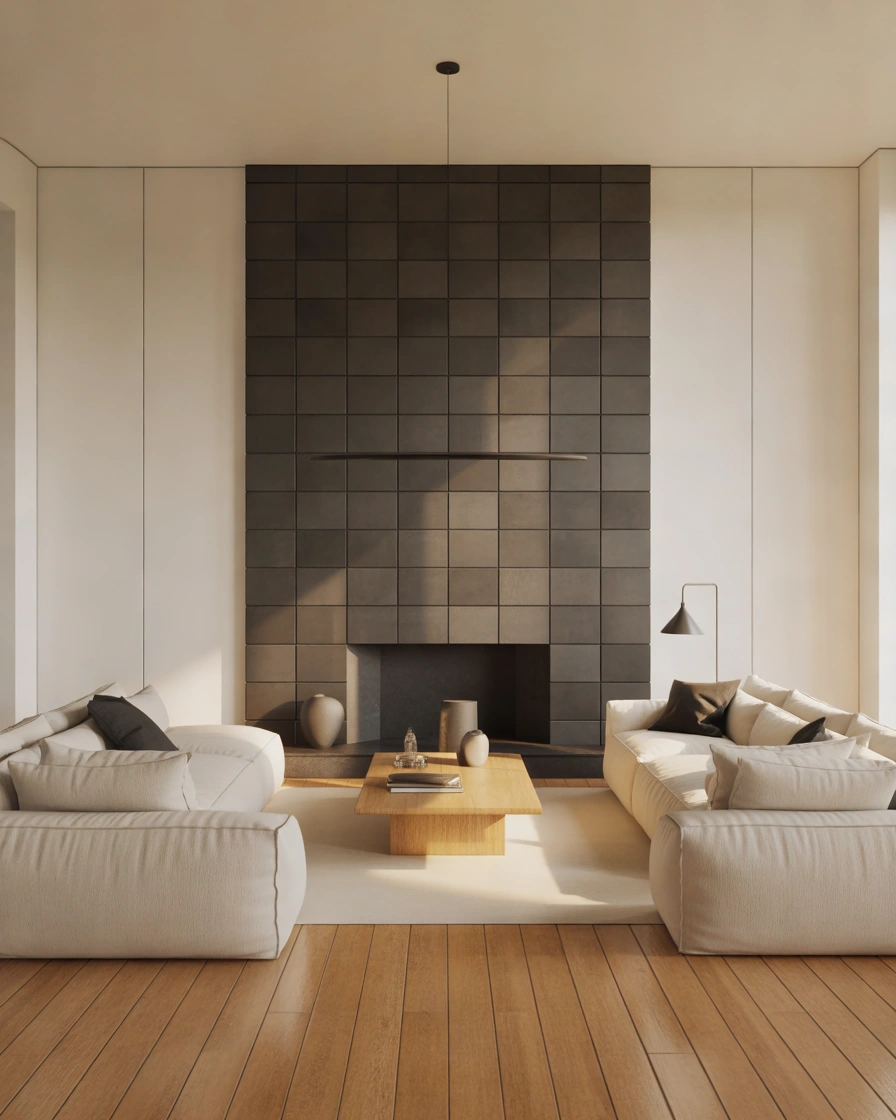
A black fireplace surround can immediately give a room more definition.
I love this idea in spaces where everything else is relatively light. Against white, cream, or pale gray walls, black tile creates strong contrast and naturally draws attention toward the fireplace.
You have plenty of choices here.
Glossy black tile reflects light and can feel glamorous, while matte tile tends to look more modern and understated. Black subway tiles can work in transitional interiors, and larger-format tiles create a sleek contemporary finish with fewer grout lines.
If pure black feels too intense, charcoal is an excellent alternative. It still creates drama but often feels slightly softer.
For a cohesive look, repeat small amounts of black elsewhere in the room through window frames, lighting fixtures, furniture legs, picture frames, or decorative accessories.
5. Try Classic Subway Tile for an Affordable Update
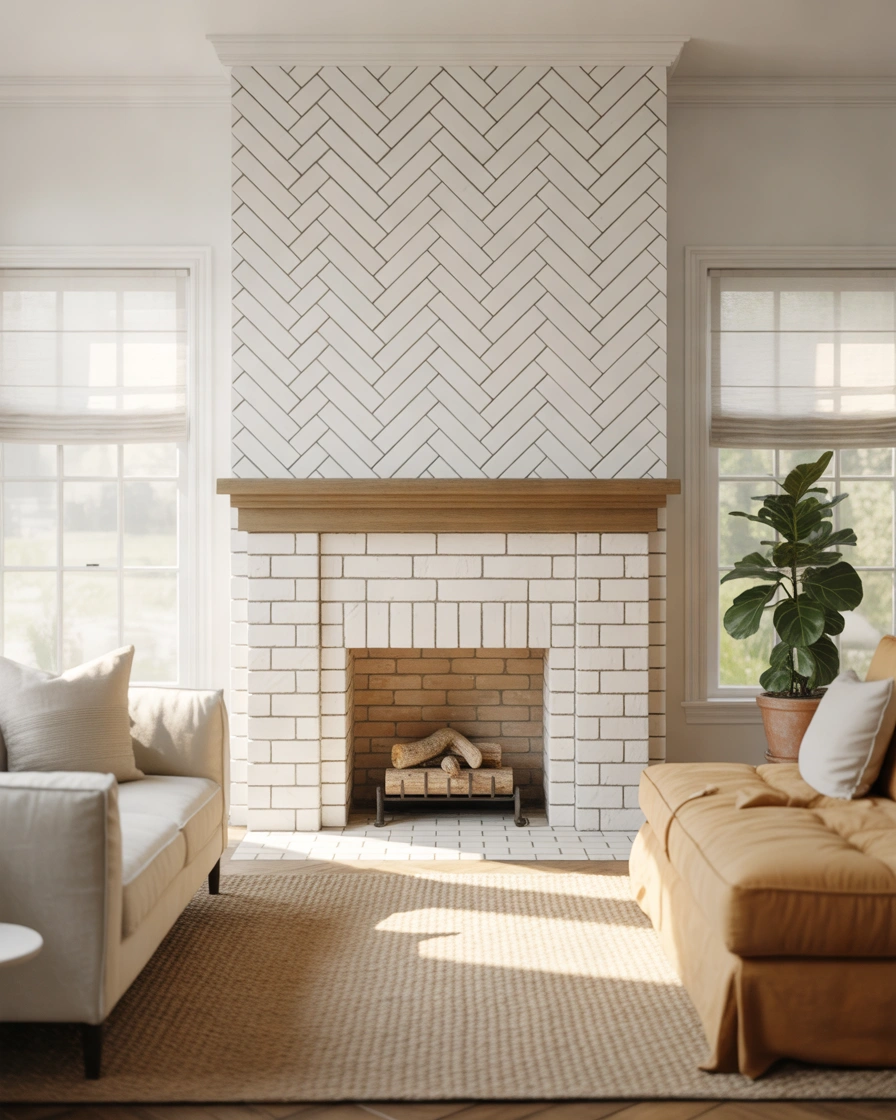
You do not always need expensive stone to create a beautiful fireplace.
Subway tile is one of those materials that can look surprisingly sophisticated when installed thoughtfully. It is also widely available, relatively affordable, and offered in an enormous range of colors and finishes.
Classic white subway tile creates a fresh and timeless look. However, I would not automatically choose bright white grout. Soft gray, beige, or matching grout can create a more subtle finish.
You can also experiment with the layout.
Instead of using a standard horizontal brick pattern, consider herringbone, vertical stacking, basketweave, or a straight grid. Changing the orientation can make even inexpensive tile feel much more customized.
Handmade or slightly irregular subway tiles are another beautiful choice because their subtle texture reflects light differently across the fireplace.
6. Bring Character Into the Room With Patterned Tile
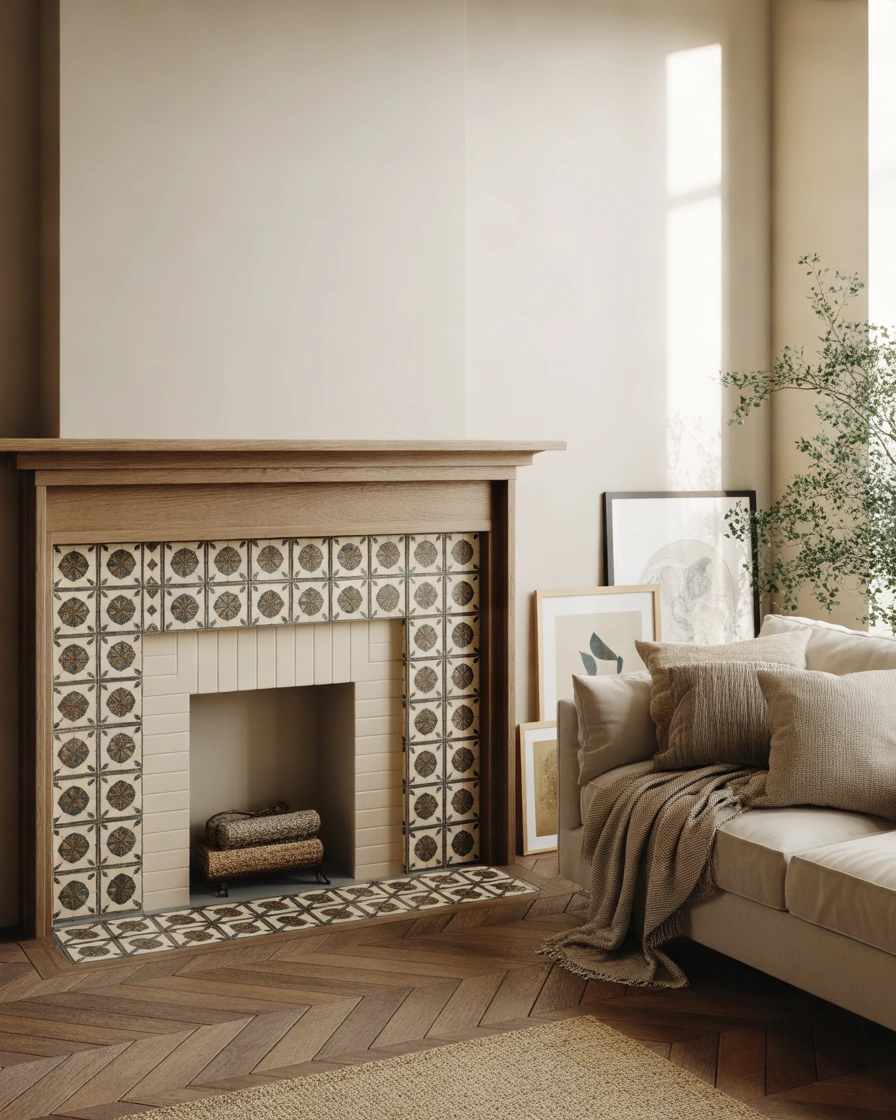
If your fireplace area feels too safe, patterned tile can bring it to life.
This is one of my favorite fireplace surround ideas for adding personality without changing an entire room.
Geometric tiles can create a modern effect, while encaustic-inspired patterns feel more traditional and artistic. Mediterranean designs bring warmth and character, and subtle neutral patterns offer interest without overwhelming the space.
The key is balance.
When the fireplace tile is highly decorative, I usually prefer keeping the surrounding furniture and accessories relatively simple. Allowing the pattern to become the visual star prevents the room from feeling overly busy.
You can also limit patterned tile to the immediate area around the firebox rather than covering the entire fireplace wall.
That small section may be all you need to create a memorable focal point.
7. Add Traditional Charm With a Painted Wood Surround
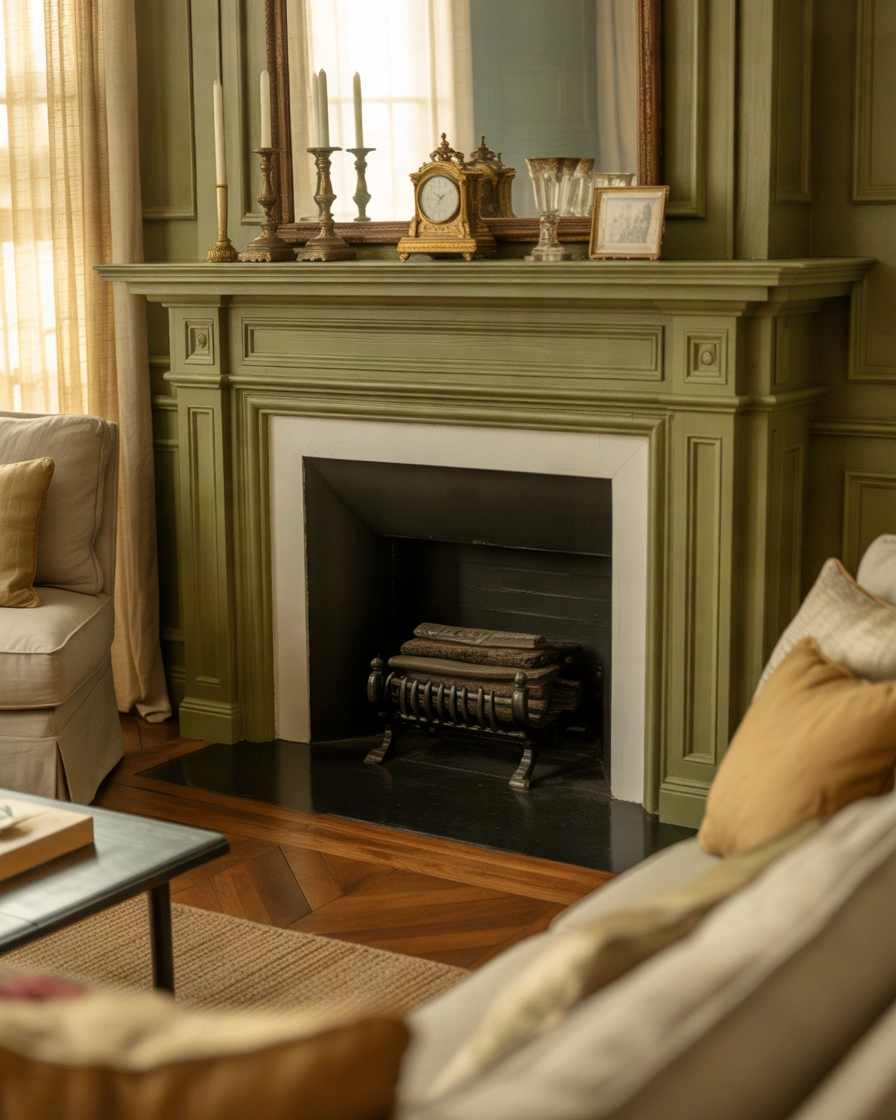
There is something incredibly welcoming about a classic wooden fireplace surround.
It works particularly well in traditional homes, cottages, transitional interiors, and spaces where architectural detailing is important.
Painted wood gives you almost unlimited flexibility because you can easily coordinate the fireplace with the rest of the room.
White is obviously timeless, but I think deeper colors can be much more interesting. Soft sage green, dusty blue, charcoal, warm taupe, and even burgundy can turn a standard fireplace into a character-filled feature.
Adding simple molding or panel detailing around the surround can make it look more substantial.
If your room already has wall paneling or decorative trim, continuing those details across the fireplace creates a beautifully integrated appearance.
Just remember that combustible materials need to maintain the appropriate distance from the firebox according to your fireplace manufacturer’s instructions and local building requirements.
8. Use Floor-to-Ceiling Tile for a Modern Focal Point
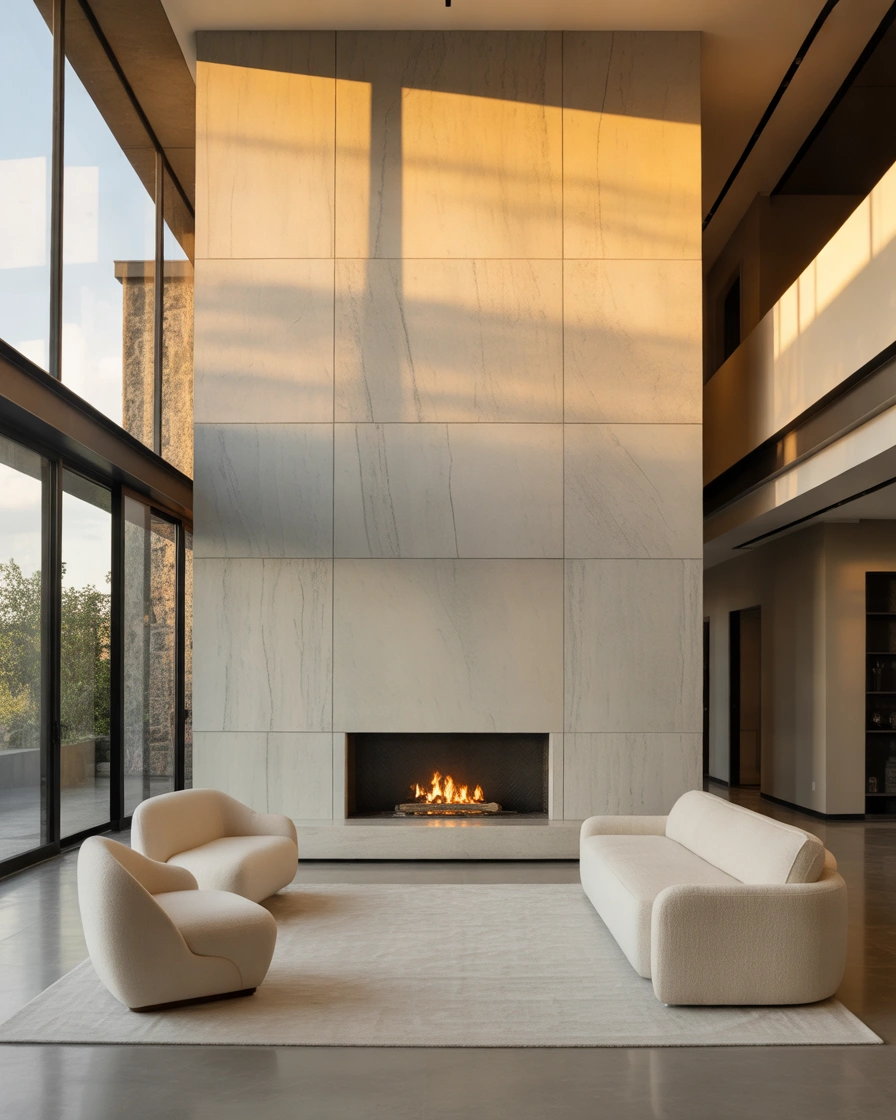
Extending fireplace material all the way to the ceiling instantly makes the feature feel larger.
Instead of looking like a small element placed against the wall, the fireplace becomes an architectural anchor for the entire room.
Large-format porcelain tile is particularly effective for this approach because fewer grout joints create a cleaner surface.
Stone-look porcelain can give you some of the visual drama of real marble or concrete while often being easier to maintain and more predictable in appearance.
For contemporary interiors, I like using one material from the floor to the ceiling and keeping decorative additions minimal.
If a TV is positioned above the fireplace, a large uninterrupted surround can also help the television feel more visually integrated, although heat clearance and manufacturer requirements should always be checked before installation.
9. Add Texture With a Brick Fireplace Surround
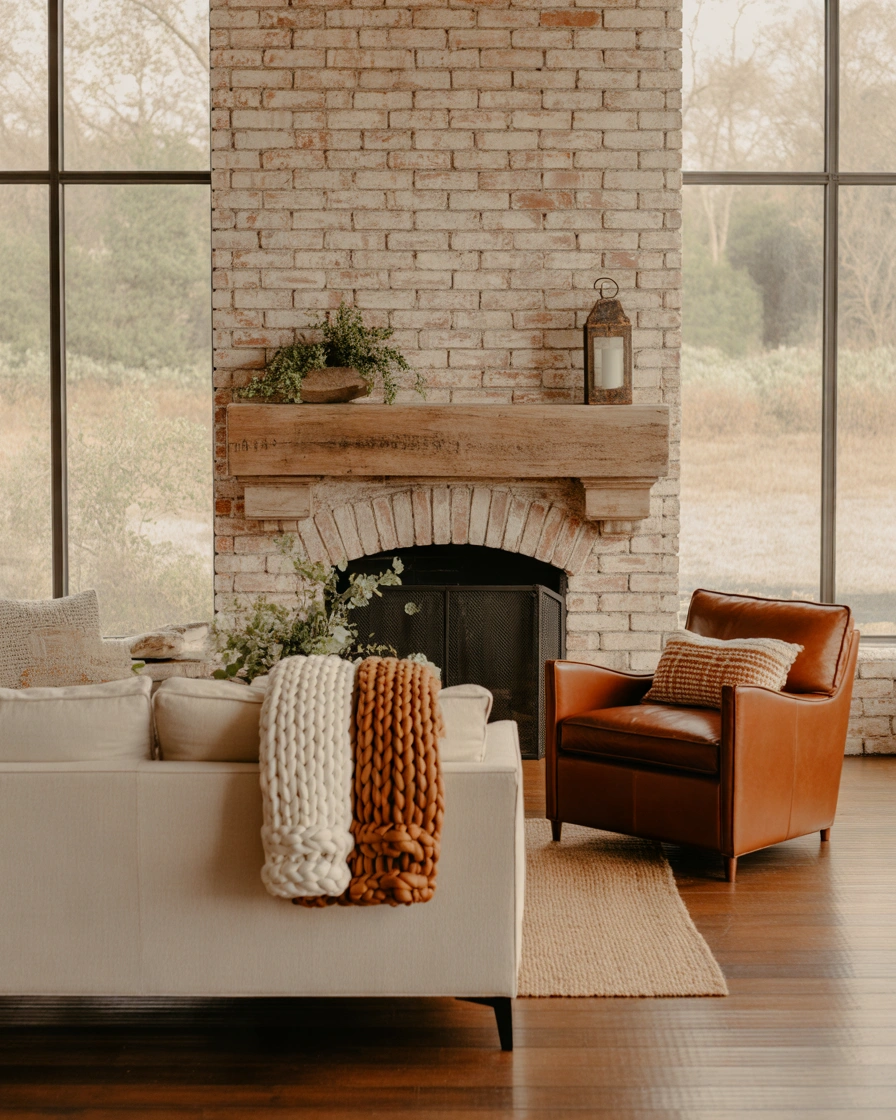
Brick fireplaces have a personality that perfectly smooth materials sometimes lack.
They feel familiar, warm, and slightly imperfect—which is exactly why they can make a room feel comfortable.
Traditional red brick works beautifully in rustic and industrial interiors, but you do not have to leave brick in its original color.
Whitewashed brick creates a softer farmhouse look, while limewashed brick allows some of the natural variation to remain visible. Painting brick charcoal or black can produce a dramatic contemporary result.
Personally, I prefer finishes that preserve some of the brick’s natural texture rather than completely hiding it.
Another interesting option is thin brick veneer. If you want the appearance of traditional masonry without the depth and weight of full bricks, veneers can be used to create a convincing decorative surface.
10. Mix Wood and Stone for a Layered Look
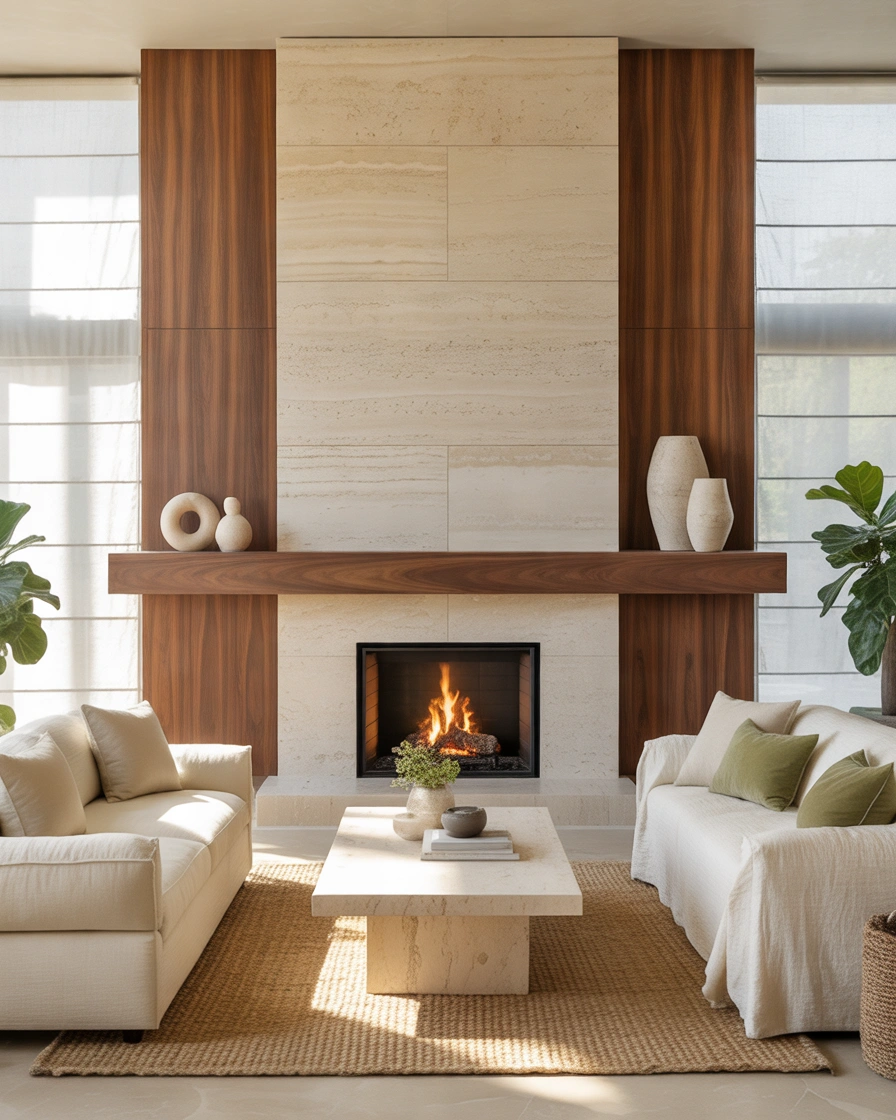
Some fireplace designs become more interesting when they combine materials instead of depending on just one.
Wood and stone are especially compatible because both introduce natural warmth while providing completely different textures.
For example, you might use stone around the firebox and add a thick floating timber mantel above it. Another approach is to create a large wood-paneled chimney wall with a stone or porcelain section immediately surrounding the fire.
The secret is making sure the materials do not compete with each other.
If your stone has dramatic veining or heavy texture, choose relatively simple wood. If the wood has prominent grain, consider a quieter stone.
Repeating one of those materials elsewhere in the room can also help the combination feel intentional. A timber mantel could match ceiling beams or furniture, while the fireplace stone could coordinate with countertops or flooring.
11. Consider a Concrete Fireplace for an Industrial Modern Style
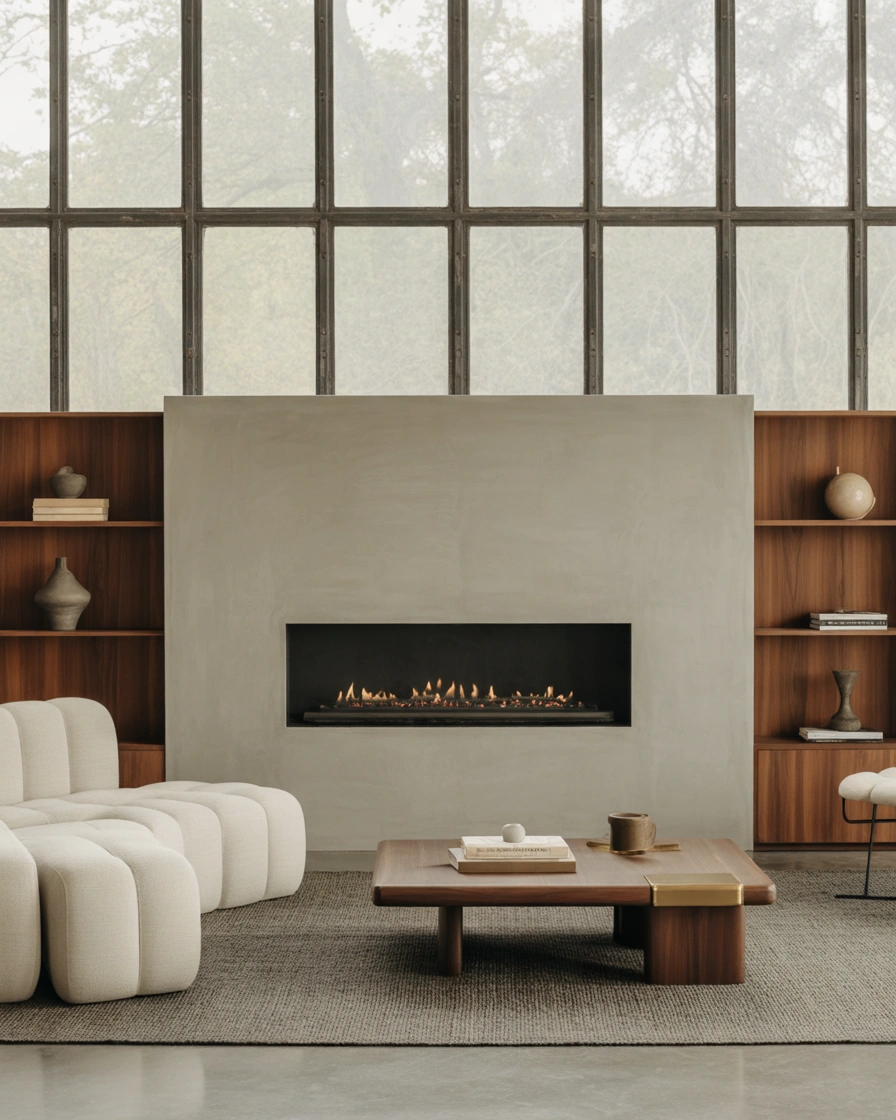
Concrete has moved far beyond purely industrial interiors.
When used correctly, it can look beautifully refined.
A concrete fireplace surround adds subtle texture without introducing strong patterns. That makes it especially useful in modern rooms where you want the fireplace to feel substantial but not decorative.
Light gray concrete works well with oak and neutral furnishings, while darker concrete can create a moodier atmosphere.
You can choose smooth polished concrete for a sophisticated appearance or allow slight imperfections and tonal variation for a more organic finish.
Microcement can also produce a similar seamless look and is often used when homeowners want a continuous surface.
One reason I like concrete-style surrounds is their ability to bridge different design styles. Depending on the furniture around them, they can feel industrial, minimalist, masculine, Scandinavian, or organic modern.
12. Go Bold With a Dark Fireplace Wall
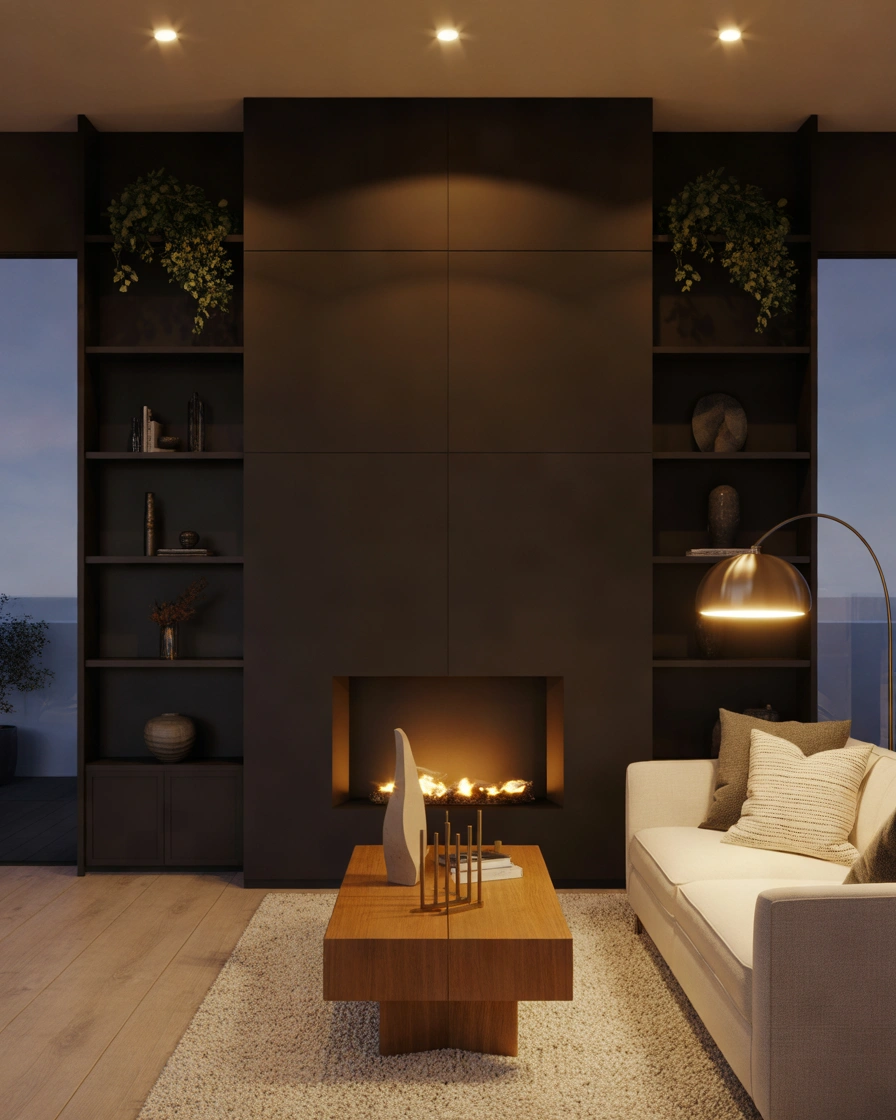
Painting the entire fireplace wall a deep color can be surprisingly transformative.
Charcoal, black, navy, deep forest green, or rich brown can make the fireplace feel much more dramatic while also creating a cozy atmosphere.
This is particularly effective in large rooms where a small fireplace sometimes looks lost against a wide wall.
A dark wall visually gives the fireplace more weight.
If you are worried about making the space feel too dark, balance it with lighter furnishings, natural wood, mirrors, and good lighting.
I particularly like pairing a charcoal fireplace wall with cream upholstery and medium-toned oak. The contrast looks modern without feeling cold.
You can also use the same dark color on built-in shelves beside the fireplace to create a cohesive feature wall.
13. Create a Cozy Cottage Fireplace With Handmade Tile
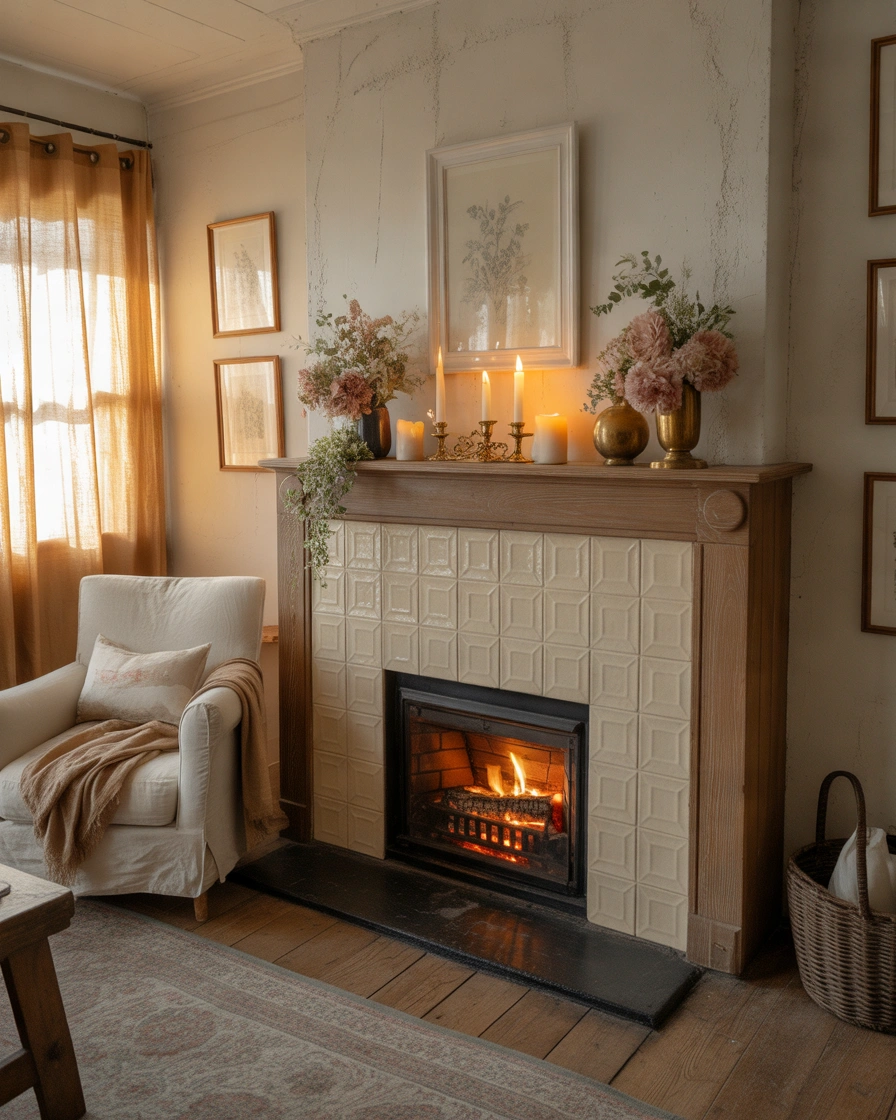
Not every fireplace needs perfectly straight lines and polished finishes.
For cottage, Mediterranean, coastal, farmhouse, and relaxed European-inspired interiors, handmade tiles can create something much more personal.
The slight variations in glaze, edges, and surface texture are part of their appeal.
Zellige-style tiles are a good example. Their glossy, irregular surfaces catch natural light beautifully and create subtle variation even when you use a single color.
Soft ivory, warm white, pale green, muted blue, and earthy beige can all work beautifully around a fireplace.
Combine handmade tile with an aged timber mantel, vintage accessories, or simple plaster walls and the room immediately begins to feel collected rather than overly designed.
14. Frame the Fireplace With Built-In Shelving
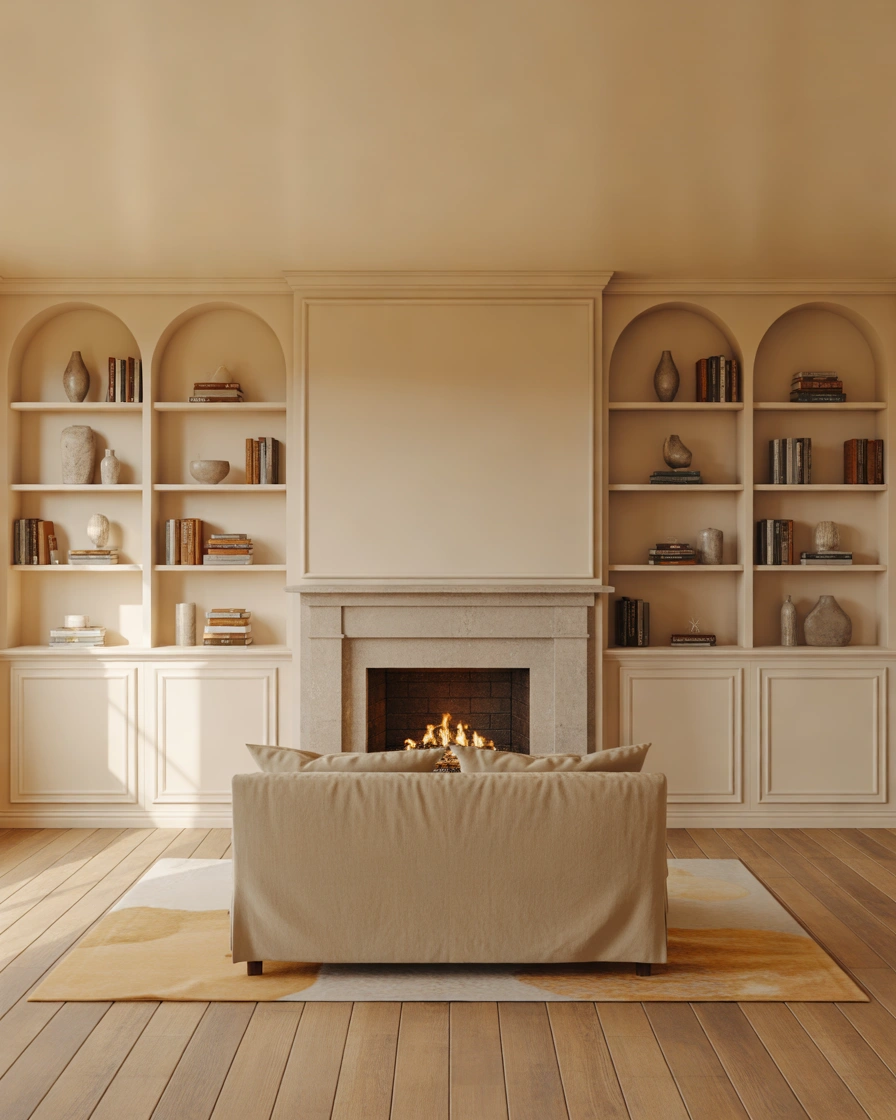
Sometimes the best fireplace surround ideas extend beyond the material around the firebox.
Built-in shelving can turn an entire wall into a functional focal point.
Shelves on either side of the fireplace provide space for books, framed photographs, pottery, artwork, plants, and personal objects.
For a traditional style, symmetrical built-ins usually work beautifully.
For something more contemporary, asymmetrical shelving can create a more relaxed and architectural appearance.
You can paint the shelves the same color as the fireplace surround for a seamless effect or use contrasting wood to add warmth.
One thing I have learned from looking at beautifully styled fireplace walls is that the shelves should not be completely filled. Leaving some empty space helps individual objects stand out and prevents the display from looking cluttered.
Consider varying the height and scale of decorative objects as well. A few large accessories usually look stronger than dozens of tiny pieces.
15. Choose a Bold Color for an Unexpected Fireplace Surround
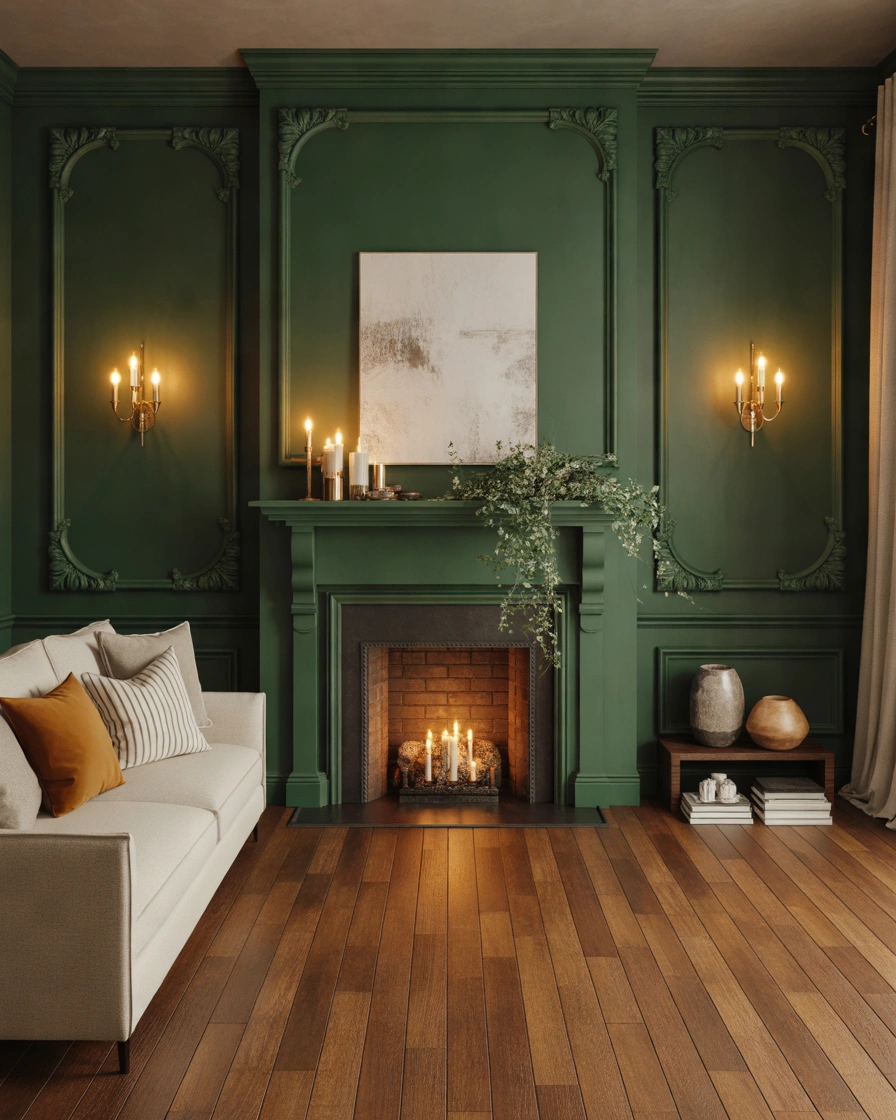
Neutral fireplaces are beautiful, but they are certainly not your only option.
A colorful fireplace can introduce personality and make the room feel much more distinctive.
Deep green is one of my favorite choices because it pairs beautifully with wood, brass, cream, and black.
Muted terracotta can bring warmth to Mediterranean or bohemian interiors. Dusty blue suits coastal and traditional spaces, while deep burgundy can feel incredibly rich in a classic room.
You can introduce color through painted wood, tile, stone, or the entire chimney wall.
The easiest way to make the result feel cohesive is to repeat the fireplace color subtly somewhere else in the room.
You might use similar tones in artwork, cushions, curtains, rugs, or decorative objects.
The repetition does not have to be exact. In fact, slightly different variations of the same color often make a room feel more layered and natural.
How to Choose the Right Fireplace Surround for Your Home
With so many fireplace surround ideas available, choosing one can become surprisingly difficult.
I would start by looking at the architecture of the room rather than focusing only on current design trends.
A traditional house with decorative molding may naturally suit marble, painted wood, or handmade tile. A contemporary home might look better with large-format porcelain, plaster, concrete, or a floor-to-ceiling stone feature.
Next, think about how visually dominant you want the fireplace to be.
If you want it to quietly blend with the room, choose materials that are similar in color to the surrounding walls. Warm plaster, pale limestone, or subtle neutral tile can accomplish this beautifully.
If you want a dramatic focal point, introduce contrast through black tile, heavily veined marble, dark paint, patterned tile, or floor-to-ceiling stone.
Practical considerations matter too.
The material immediately surrounding the fire must be suitable for the fireplace type and installation conditions. Wood-burning, gas, and electric fireplaces can have different clearance and heat-resistance requirements, so always follow the fireplace manufacturer’s installation specifications and applicable building codes.
Maintenance is another consideration.
Highly textured stone may require more cleaning than smooth porcelain. Natural marble can require more care than marble-look tile. Light grout may show soot or dirt faster than darker grout.
A beautiful fireplace should work for your lifestyle as well as your decorating style.
What Materials Are Best for Fireplace Surrounds?
There is no single material that works best in every home.
Natural stone remains popular because it is durable and visually substantial. Marble offers elegance, limestone provides warmth, and slate creates deeper contrast.
Porcelain and ceramic tile provide more flexibility because they are available in almost endless colors, patterns, sizes, and finishes.
Brick brings traditional texture, while plaster and concrete offer smoother architectural surfaces for modern interiors.
Wood is often used for mantels and decorative outer surrounds, but heat-clearance requirements are particularly important because wood is combustible.
The right option depends on the type of fireplace, required heat resistance, budget, maintenance expectations, and desired appearance.
For me, the best fireplace surrounds are not necessarily the most expensive. They are the ones that feel connected to the room around them.
Should a Fireplace Surround Match the Rest of the Room?
It should coordinate, but it does not need to match everything perfectly.
In fact, a little contrast often makes the fireplace more interesting.
If your room contains mostly warm neutrals, for example, a deep charcoal fireplace could become an effective focal point. Likewise, a light limestone fireplace can soften a room filled with darker furniture.
What matters is creating some visual relationship between the fireplace and the rest of the interior.
You might repeat the mantel wood in the coffee table, echo the fireplace color in cushions, or choose stone containing tones found in the flooring.
These subtle connections make even a statement fireplace feel like it belongs in the space.
How Can You Make a Fireplace Surround Look More Expensive?
Scale makes a major difference.
A surround that feels too small compared with the wall can sometimes look unfinished. Extending stone, tile, molding, or another material farther upward or outward can immediately create more architectural impact.
Material continuity is another useful technique.
Large pieces of stone, carefully aligned tile patterns, minimal grout lines, and thoughtfully matched veining tend to create a more custom appearance.
The mantel is equally important.
Replacing a thin, builder-basic mantel with a properly proportioned timber, stone, or painted architectural mantel can completely change the fireplace.
Lighting can elevate it even further. Wall sconces positioned beside a fireplace or subtle accent lighting around built-ins can make the entire area feel more considered.
Finally, avoid overcrowding your mantel.
One larger piece of artwork or a mirror accompanied by a few carefully selected objects will often look more sophisticated than numerous small decorations.
Fireplace Surround Styling Tips
Once the construction is finished, styling can make the difference between a fireplace that simply looks new and one that feels professionally designed.
I usually prefer creating one strong focal point above the mantel.
That could be a large mirror, framed artwork, sculptural wall decor, or even a television if the room requires it.
Then I would add only a few supporting accessories.
Try varying their heights rather than placing identical objects in a perfectly straight row. A vase, candle holder, stack of books, or small piece of sculpture can provide enough interest without creating clutter.
If your fireplace already features dramatic stone or patterned tile, simplify the decoration.
When the surround itself is understated, you have more freedom to experiment with artwork and accessories.
Seasonal decorating can also work beautifully as long as it does not completely cover the permanent design.
Fireplace Surround Ideas for Small Living Rooms
A small room does not mean you need a tiny or uninteresting fireplace.
Sometimes making the fireplace visually taller can actually make the entire room feel more spacious.
Vertical tile, floor-to-ceiling plaster, or a tall chimney treatment naturally draws the eye upward.
Lighter materials can also help prevent the feature from feeling too heavy. Pale stone, white tile, soft beige plaster, and light wood are particularly useful in compact rooms.
Instead of adding bulky cabinetry on both sides, consider slim floating shelves.
They provide decorative storage while keeping more floor area visible.
Mirrors above the fireplace can also bounce light around the space and visually increase depth.
The goal is not to make the fireplace disappear. It is to give it enough presence to anchor the room without overwhelming it.
Modern Fireplace Surround Ideas Versus Traditional Designs
Modern fireplaces typically emphasize clean lines, simplified forms, and larger uninterrupted surfaces.
You will often see materials such as concrete, plaster, large-format porcelain, dark stone, and streamlined marble used without heavy decorative molding.
Traditional fireplace surrounds tend to feature more detailing. Mantels, carved profiles, wood paneling, brick, classic tile patterns, and decorative stone are common choices.
However, you do not have to choose completely between the two.
Some of my favorite interiors combine traditional materials with modern styling.
A classic marble mantel can look surprisingly contemporary when surrounded by minimal furniture. Likewise, traditional handmade tile can work beautifully with a modern linear fireplace.
Mixing styles thoughtfully often produces a home that feels more personal than following one design category too strictly.
Final Thoughts on Fireplace Surround Ideas
A fireplace already has the natural ability to draw people toward it. The right surround simply gives that feature the visual attention it deserves.
Whether you love the elegance of marble, the warmth of natural stone, the simplicity of plaster, the character of brick, or the personality of patterned tile, there are countless ways to create a fireplace that feels connected to your home.
Among these 15 fireplace surround ideas, I would not choose based entirely on what happens to be trending at the moment.
Instead, I would think about the architecture of the room, the materials already present in the home, how much maintenance I am comfortable with, and the atmosphere I want the room to have.
For a timeless approach, natural stone, marble, brick, and painted wood remain excellent choices. If your style leans modern, plaster, concrete, large-format tile, and dramatic floor-to-ceiling surrounds can create a cleaner architectural statement. And if your home needs more personality, patterned tile or a bold fireplace color can completely transform the space.
Most importantly, treat the fireplace as part of the entire room rather than as an isolated decorating project.
When the flooring, furniture, lighting, wall colors, fireplace surround, and accessories relate to one another, the finished room feels intentional.
And that is what makes a fireplace truly beautiful—not simply the material around it, but the way it helps bring the whole room together.