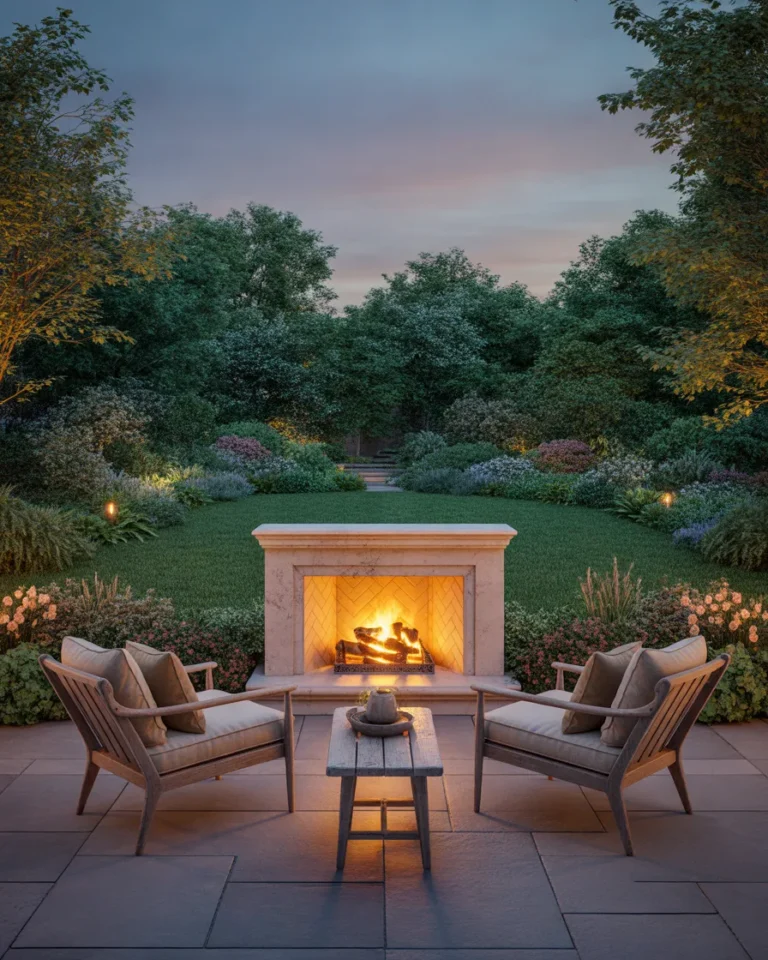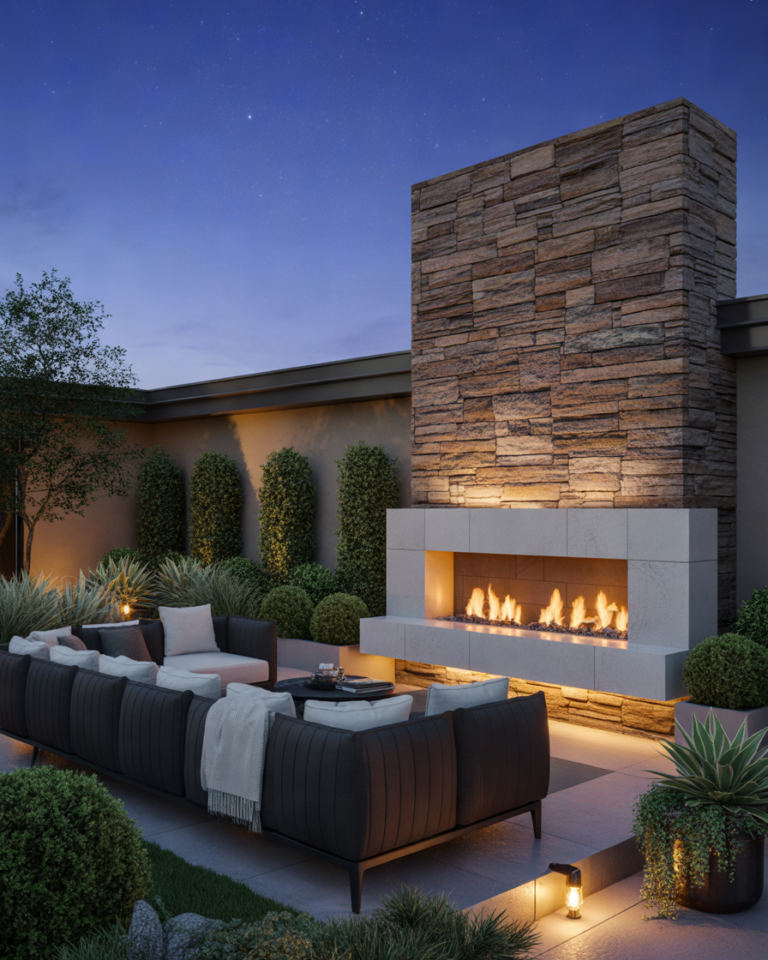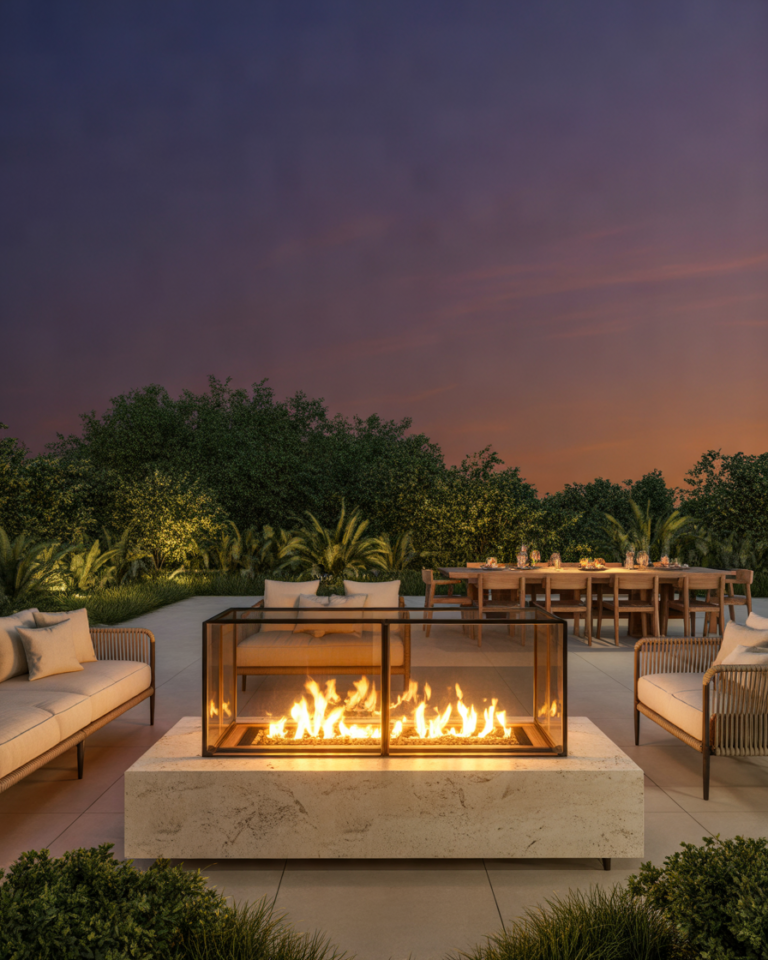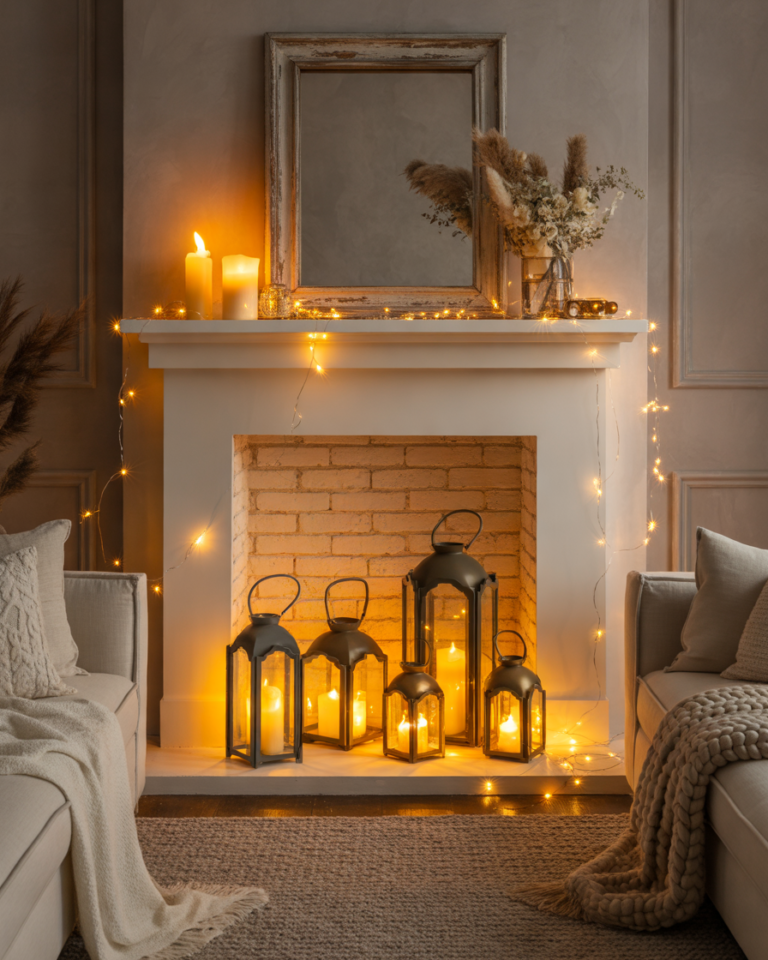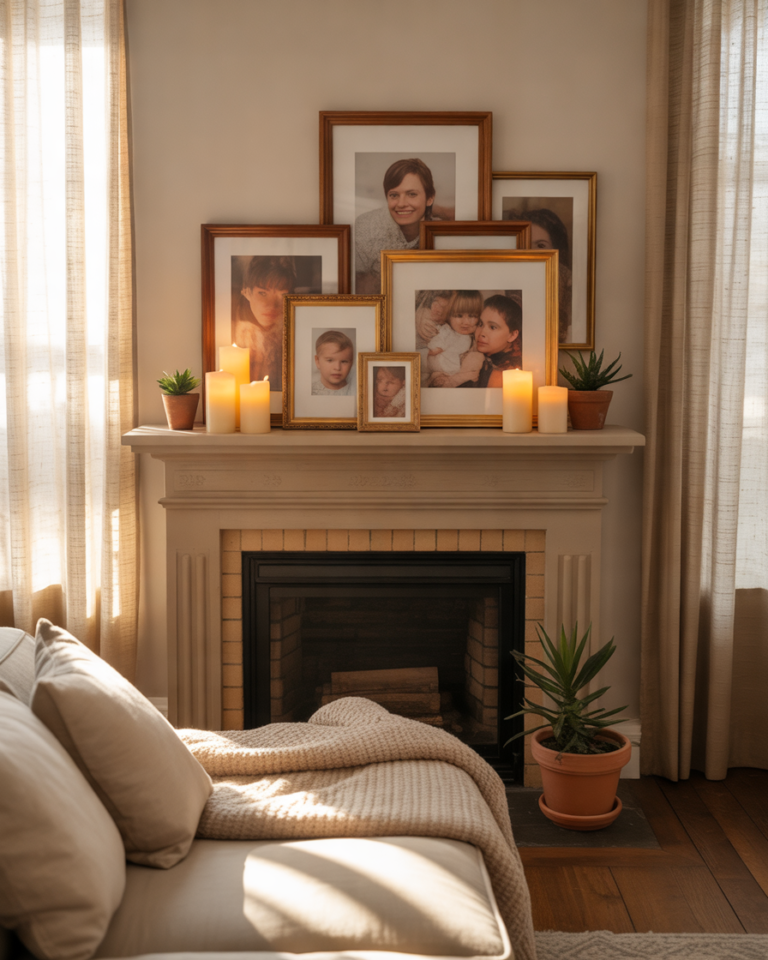
A fireplace can completely change the feeling of a room. It creates a natural gathering spot, adds architectural character, and brings a sense of warmth that even the most carefully chosen furniture cannot always replicate. When stone enters the picture, the effect becomes even more interesting. Natural textures, earthy colors, and distinctive patterns can make a fireplace feel timeless, sophisticated, rustic, or beautifully modern.
One thing I love about stone fireplaces is that no two designs need to look exactly alike. Some feature rough, irregular stones that bring the charm of a countryside cottage indoors, while others use sleek limestone or precisely arranged stone panels to create a clean, contemporary appearance. You can even transform an older fireplace with a lighter finish, a new mantel, or thoughtful styling without completely redesigning your living room.
The best design depends on your home’s architecture, the size of your room, your preferred color palette, and how much visual impact you want the fireplace to make. A towering stone surround might look spectacular in a spacious living room, while a smaller, streamlined design can make a compact space feel more inviting without overwhelming it.
In this collection of 13 fireplace ideas stone lovers will appreciate, you’ll find inspiration for different decorating styles, room sizes, and budgets. Each idea includes practical styling suggestions to help you imagine how the design could work in your own home.
1. Rustic Natural Stone Fireplace for a Cozy Living Room
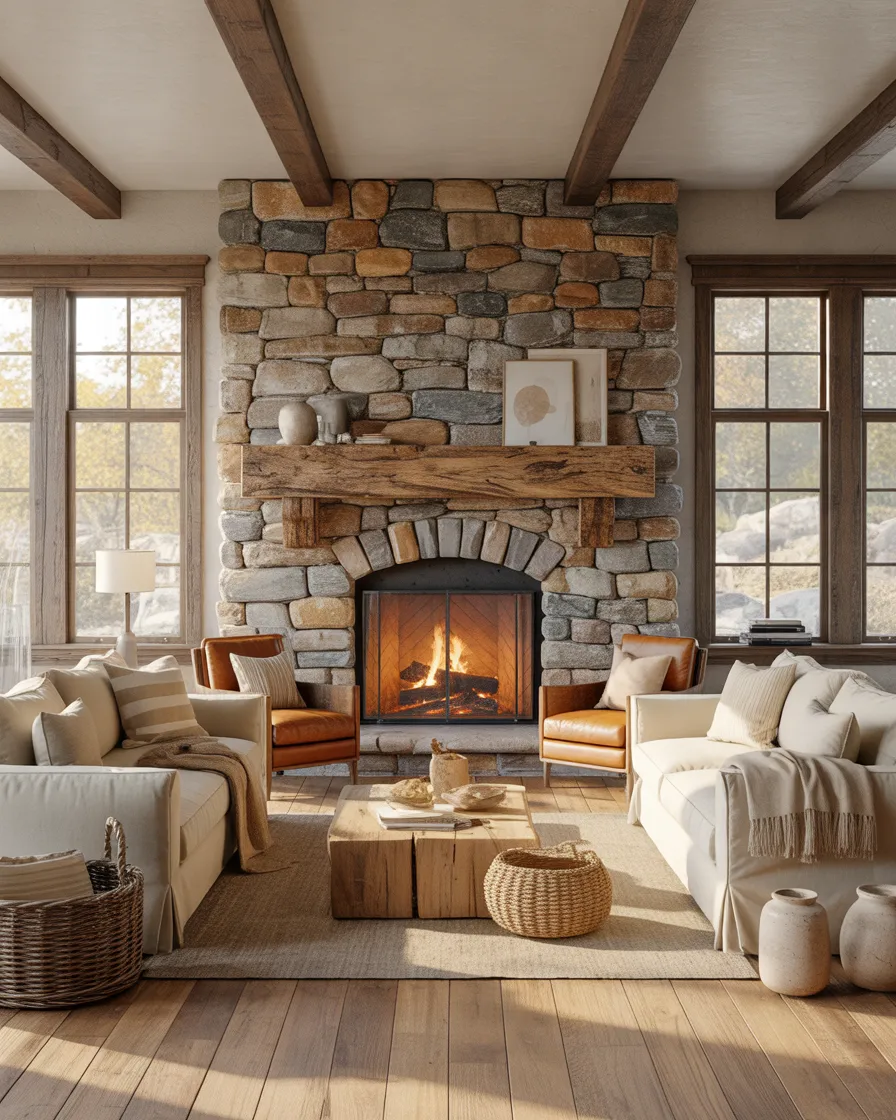
A rustic natural stone fireplace brings an unmistakable sense of warmth and character to a living room. Instead of perfectly uniform blocks, this design uses stones with varying shapes, sizes, colors, and textures. The result feels organic and established, as though the fireplace has been part of the house for generations.
I particularly like this style in homes with exposed wooden beams, wide-plank flooring, comfortable sofas, and earthy decorative accents. Gray fieldstone, warm beige rock, and muted brown stones all work beautifully, depending on the surrounding finishes. A chunky timber mantel can soften the rugged stonework and provide a practical place to display framed artwork, pottery, or seasonal decorations.
For the furniture, consider linen upholstery, leather armchairs, woven baskets, and textured cushions. These materials complement the natural surface without competing with it. If the fireplace already contains several different stone colors, keep the rest of the room relatively simple.
This design works especially well in farmhouse interiors, mountain homes, country cottages, and traditional living rooms. In a newer house, rustic stone can also provide an appealing contrast to clean architectural lines.
For a more budget-conscious approach, consider using a manufactured stone veneer designed for fireplace applications rather than building a full-depth natural stone wall. Always confirm that the selected material and installation system are suitable for the specific fireplace and surrounding temperatures.
2. Modern Minimalist Stone Fireplace with Clean Lines
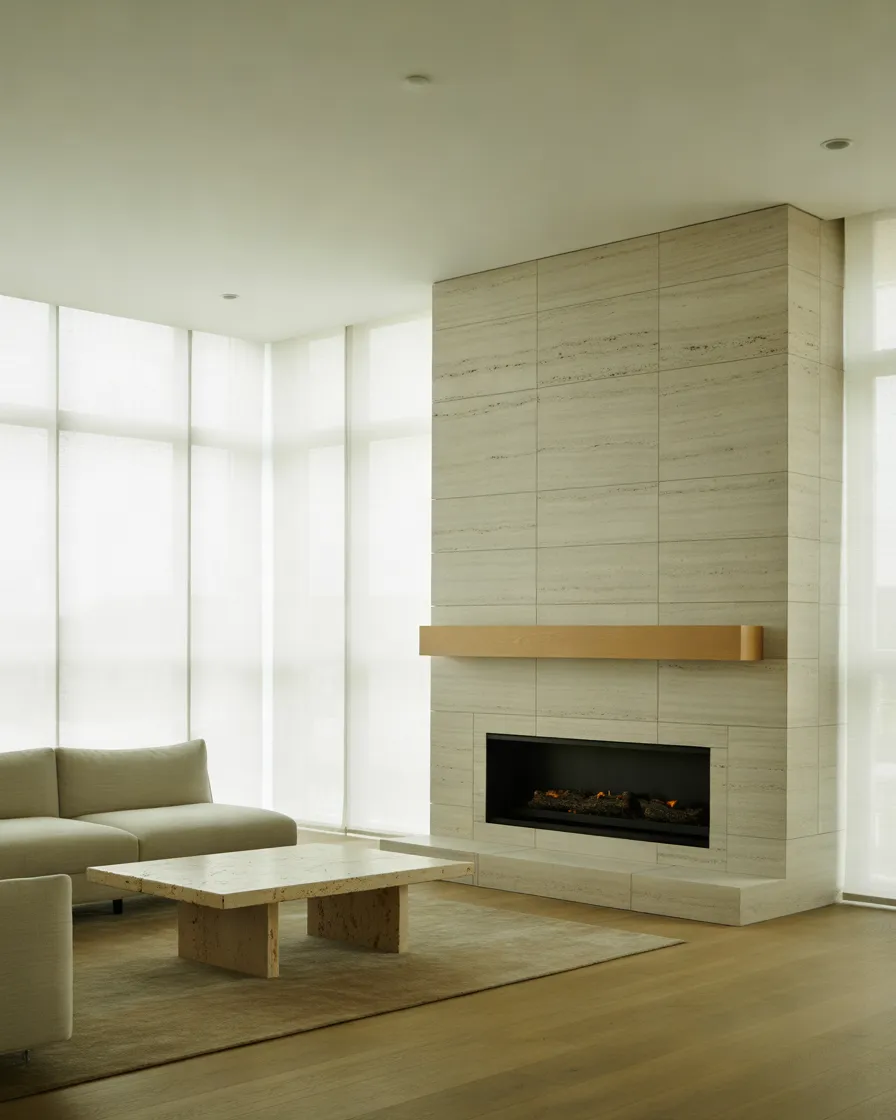
Stone fireplaces do not always have to look rugged or traditional. A modern minimalist design proves that natural materials can feel sleek, refined, and contemporary.
The key is to choose stone with a relatively consistent texture and a restrained color palette. Pale limestone, smooth-cut gray stone, and large-format stone panels are excellent options. Instead of emphasizing decorative details, the design focuses on simple geometry, balanced proportions, and the natural beauty of the material.
A rectangular fireplace opening surrounded by large stone slabs creates a clean architectural focal point. You might extend the stone slightly beyond the firebox or carry it from the floor to the ceiling for a more dramatic appearance. A floating mantel can work if it is compatible with the fireplace system and clearances.
Keep the surrounding furniture understated. A low-profile sofa, sculptural coffee table, minimalist lighting, and a few carefully chosen accessories help preserve the uncluttered atmosphere. Warm white walls and natural wood accents can prevent the space from feeling too cold.
This approach is especially attractive in contemporary homes, open-plan living rooms, and interiors where simplicity is a priority. The stone provides texture, while the restrained design keeps the room feeling calm and organized.
3. Floor-to-Ceiling Stone Fireplace for a Dramatic Focal Point
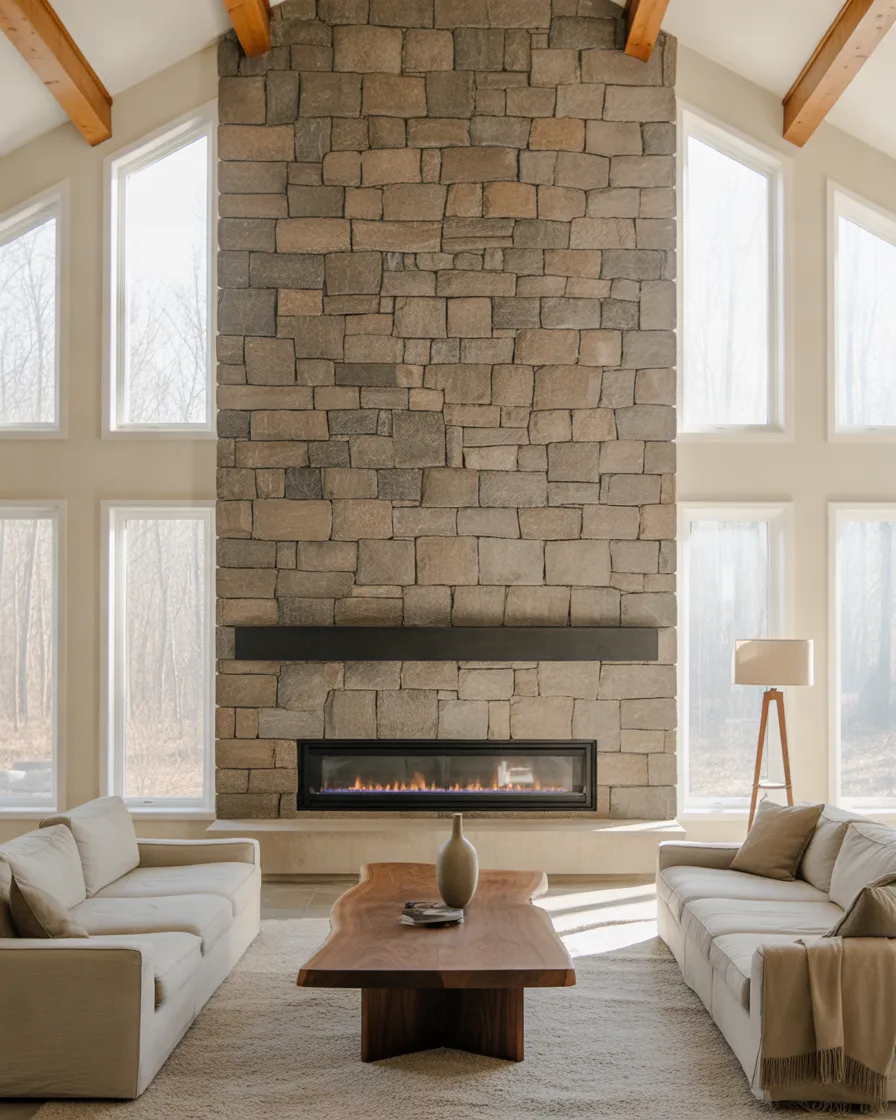
If you want your fireplace to become the defining feature of a living room, extending the stone from floor to ceiling is one of the most effective approaches. The uninterrupted vertical surface draws the eye upward and emphasizes the room’s height.
This design can work with several materials, including limestone, stacked stone, slate, and irregular natural rock. The choice determines the atmosphere. Light limestone feels elegant and airy, while darker stone creates a more dramatic appearance. Roughly textured stones bring a rustic quality, whereas larger, more uniform pieces create a contemporary effect.
One advantage of a floor-to-ceiling installation is that it gives the fireplace a strong architectural presence without requiring lots of additional decoration. The stone itself becomes the artwork. Depending on the room, you might add a simple mantel, discreet lighting, or a few built-in shelves alongside the fireplace.
Furniture placement matters here. Arrange seating so that the fireplace remains visible without blocking circulation. In an open-plan space, the stone wall can also help define the living area without adding a physical partition.
Before choosing this design, consider ceiling height, structural requirements, stone weight, and installation costs. A tall stone feature can be beautiful, but it should be planned around the proportions and construction of the home.
4. Whitewashed Stone Fireplace for a Bright, Airy Interior
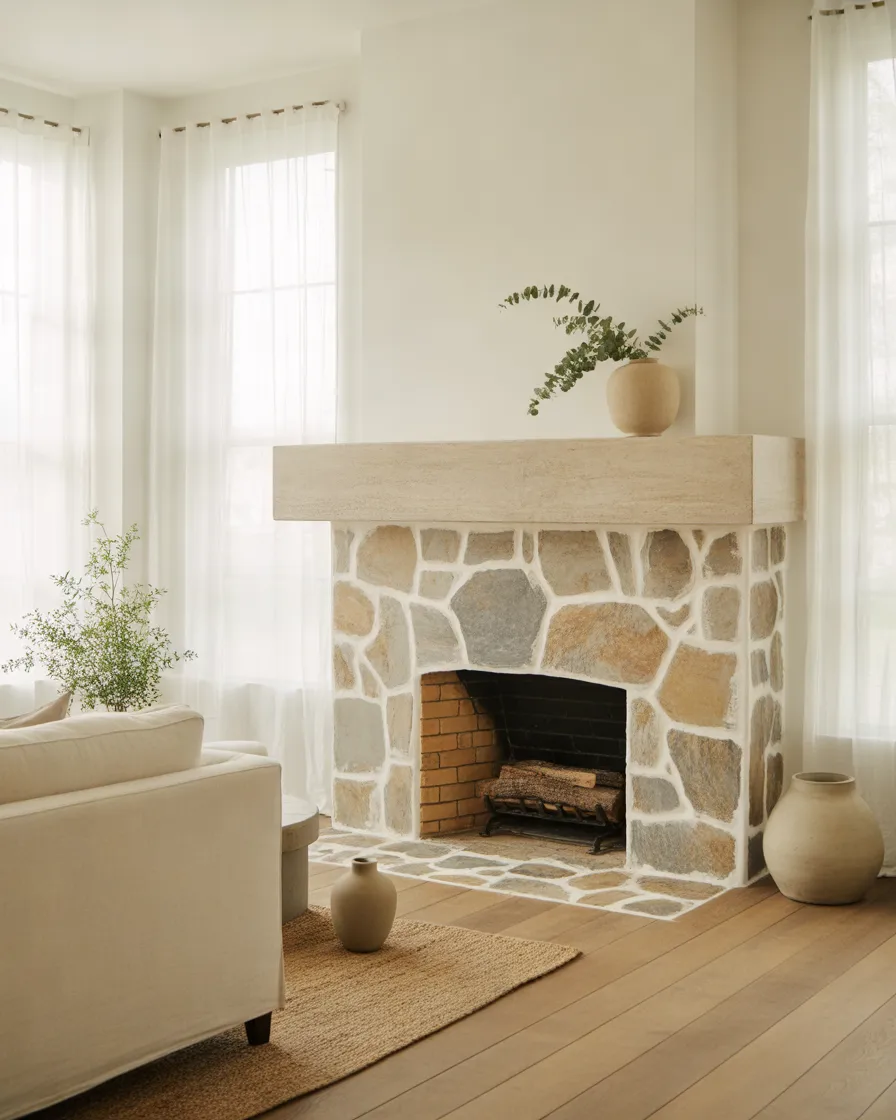
A whitewashed stone fireplace is an excellent option when you love the texture of traditional masonry but want your living room to feel lighter and more contemporary. The finish softens the original stone colors while allowing some of the underlying variation to remain visible.
Unlike a completely painted surface, a carefully applied whitewash can preserve much of the stone’s natural character. Depending on the material and product used, the finished appearance may range from softly chalky to almost white, with subtle gray or beige tones showing through.
This style pairs beautifully with white walls, pale wood floors, cream upholstery, and natural woven accessories. For a farmhouse-inspired room, add a simple timber mantel and a few understated ceramic decorations. If you prefer a coastal look, introduce light blue cushions, linen curtains, and weathered wood furniture.
Whitewashed stone is also useful in rooms where a dark fireplace feels visually heavy. The lighter surface can help the fireplace blend more easily with the rest of the decor while preserving its architectural importance.
Before applying any finish, test a small, inconspicuous area. Check the stone type, existing coatings, and product compatibility, and follow the manufacturer’s recommendations. Some stone surfaces require breathable treatments, and a finish that works on one material may not be suitable for another.
5. Stacked Stone Fireplace for Contemporary Texture
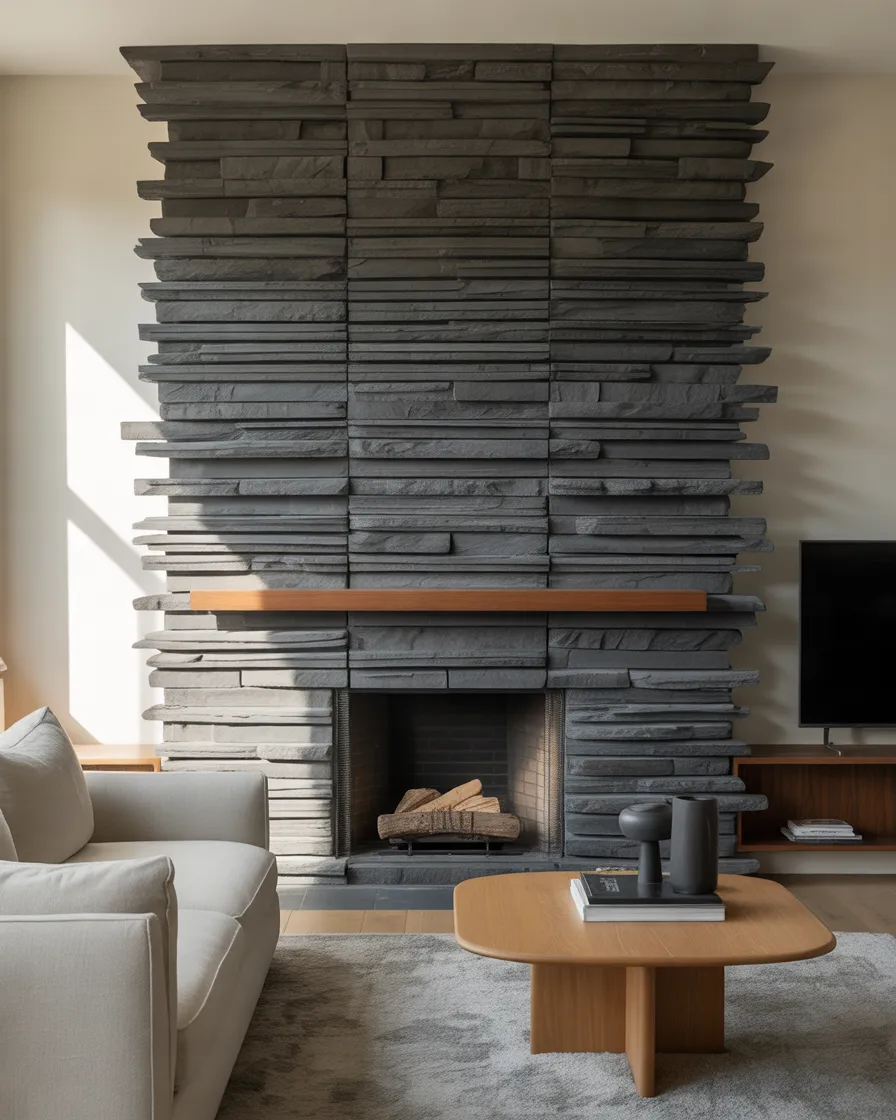
Stacked stone is a popular choice for homeowners who want a textured fireplace with a more organized appearance than traditional fieldstone. The material is typically arranged in horizontal courses, creating a layered surface with visible edges and natural shadows.
Depending on the product, stacked stone may contain slate, quartzite, limestone, or other stone varieties. Gray and charcoal finishes create a modern appearance, while beige and cream combinations feel warmer and more relaxed. Multicolored stone can introduce visual interest, particularly in rooms with otherwise simple finishes.
One of the strongest features of this design is its versatility. A stacked stone surround can cover only the area around the firebox or extend across a much larger feature wall. Narrow linear fireplaces suit contemporary interiors, while taller surrounds work well in rooms with generous ceiling heights.
To keep the overall design balanced, pair the stone with smooth materials. A simple timber mantel, black metal accents, or an uncluttered furniture arrangement can provide contrast without competing with the stone’s texture.
For a compact living room, a lighter stacked stone with smaller, consistent pieces may feel less imposing than large, dark stones. In a spacious room, charcoal or deep gray stone can create a striking focal point.
When selecting a product, examine a full sample rather than relying on a small catalog image. Stone color and texture can look different under natural and artificial lighting.
6. Farmhouse Stone Fireplace with a Thick Wooden Mantel
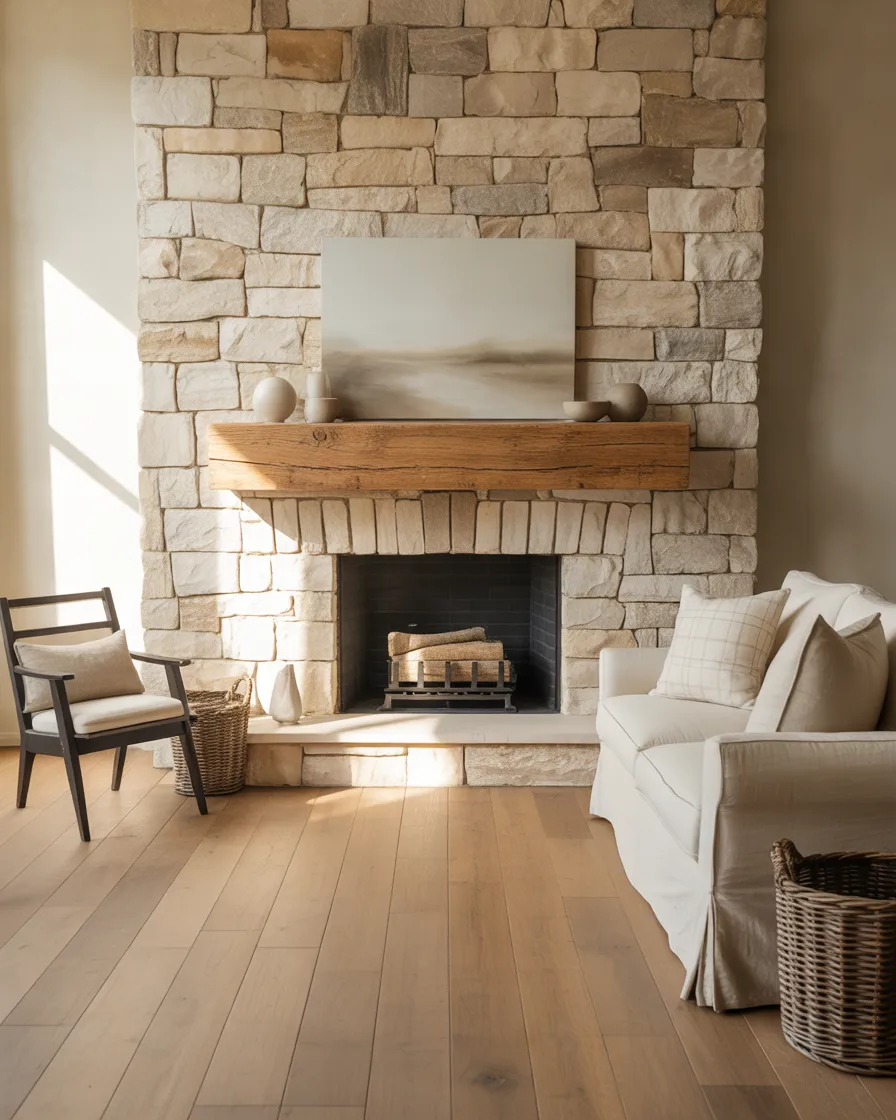
A farmhouse stone fireplace combines the irregular beauty of natural masonry with the familiar warmth of wood. It is a particularly appealing option for anyone who wants a living room to feel comfortable, welcoming, and connected to traditional architecture.
Start with stones in soft gray, sandy beige, or warm cream. A combination of natural shapes and subtle color variation creates a relaxed appearance rather than a highly polished one. Then introduce a substantial timber mantel to create a visual break between the stone surround and the wall above it.
The wood can be reclaimed, lightly distressed, or finished in a natural tone. Choose a mantel proportionate to the fireplace rather than automatically selecting the thickest beam available. An oversized piece can overwhelm a small room, while a narrow shelf may disappear against a large stone wall.
Styling should remain simple. A framed landscape, a pair of ceramic vessels, or a modest arrangement of greenery is usually enough. For a softer look, add a cream sofa, plaid cushions, natural linen curtains, and a neutral rug.
This design works particularly well in modern farmhouse homes, country-inspired interiors, and traditional houses that need a more relaxed focal point. It can also introduce character into a newer home with otherwise plain walls.
The result is a fireplace that feels substantial without looking overly formal.
7. Elegant Limestone Fireplace for Timeless Sophistication
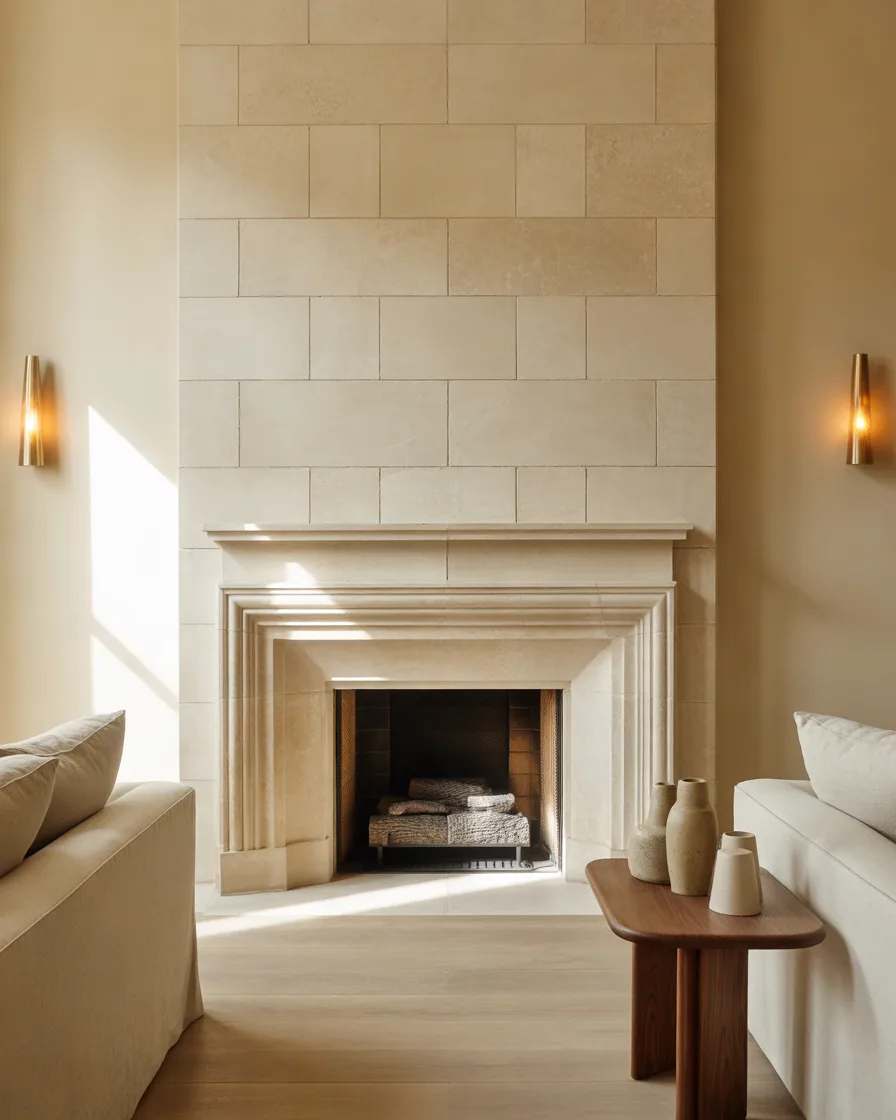
Limestone is an appealing material for a fireplace because its subtle texture and restrained color variations create a refined appearance. It is particularly suited to interiors where the goal is elegance rather than rustic drama.
Depending on the variety, limestone can range from creamy white and pale beige to soft gray. A honed or otherwise gently finished surface can emphasize its natural character without making the fireplace look overly decorative. Clean-cut limestone blocks create a more formal appearance, while larger slabs offer a contemporary alternative.
This material pairs beautifully with warm neutral walls, natural oak flooring, linen upholstery, and brass or bronze accents. In a traditional living room, a carefully proportioned mantel can introduce a classic architectural detail. In a contemporary home, a simple rectangular surround may be enough.
Limestone also works well as part of a layered neutral color scheme. You can combine the fireplace with cream walls, taupe seating, and slightly darker wood accents without making the room feel monotonous. The key is to vary the textures rather than introducing too many competing colors.
Maintenance deserves consideration. Limestone is relatively soft and can be sensitive to acidic cleaners and certain stains. Choose cleaning products specifically recommended for the stone and follow the installer’s guidance.
For homeowners who appreciate understated luxury, limestone provides a beautiful balance of natural character and timeless design.
8. Dark Stone Fireplace for Bold Contrast
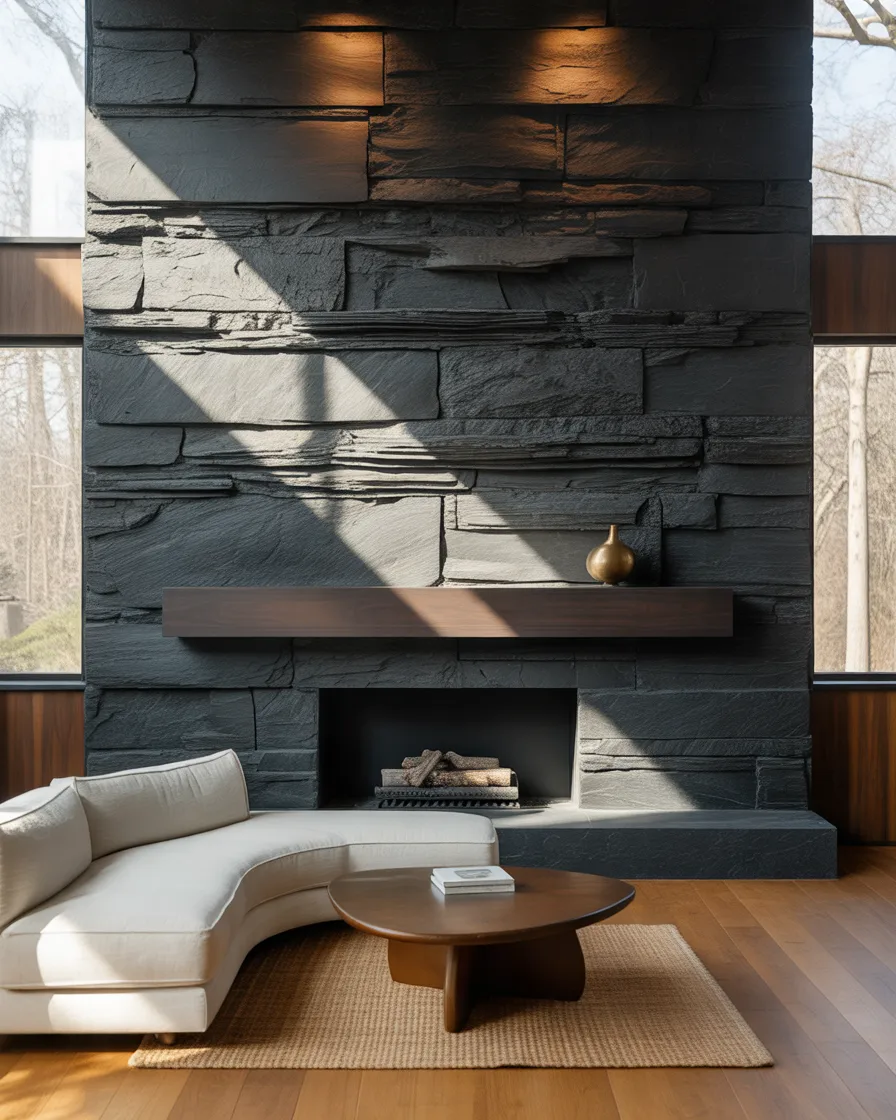
A dark stone fireplace can bring depth, drama, and sophistication to a living room. Charcoal slate, deep gray stone, and near-black finishes provide a striking contrast against lighter walls and furnishings.
This design is especially effective when you want the fireplace to anchor the room visually. Rather than spreading dark colors across every surface, concentrate them around the fireplace and repeat the shade in a few smaller details, such as lighting fixtures, picture frames, or occasional furniture.
Dark stone works beautifully with warm wood, cream upholstery, and soft beige textiles. These lighter materials prevent the room from feeling too heavy while allowing the fireplace to stand out. For a more dramatic interior, combine the stone with dark cabinetry and low-level lighting.
Texture is important when working with darker colors. A stone with natural variation, subtle veining, or a split-face finish can look more interesting than a completely uniform surface. Lighting from the side can reveal the stone’s depth and create attractive shadows.
This style can suit modern, industrial, and transitional interiors. However, in a small room with limited natural light, consider using dark stone over a smaller area rather than extending it across the entire wall.
The goal is to create contrast that feels intentional, not overwhelming.
9. Stone Fireplace with a Natural Wood Mantel and Built-In Shelving
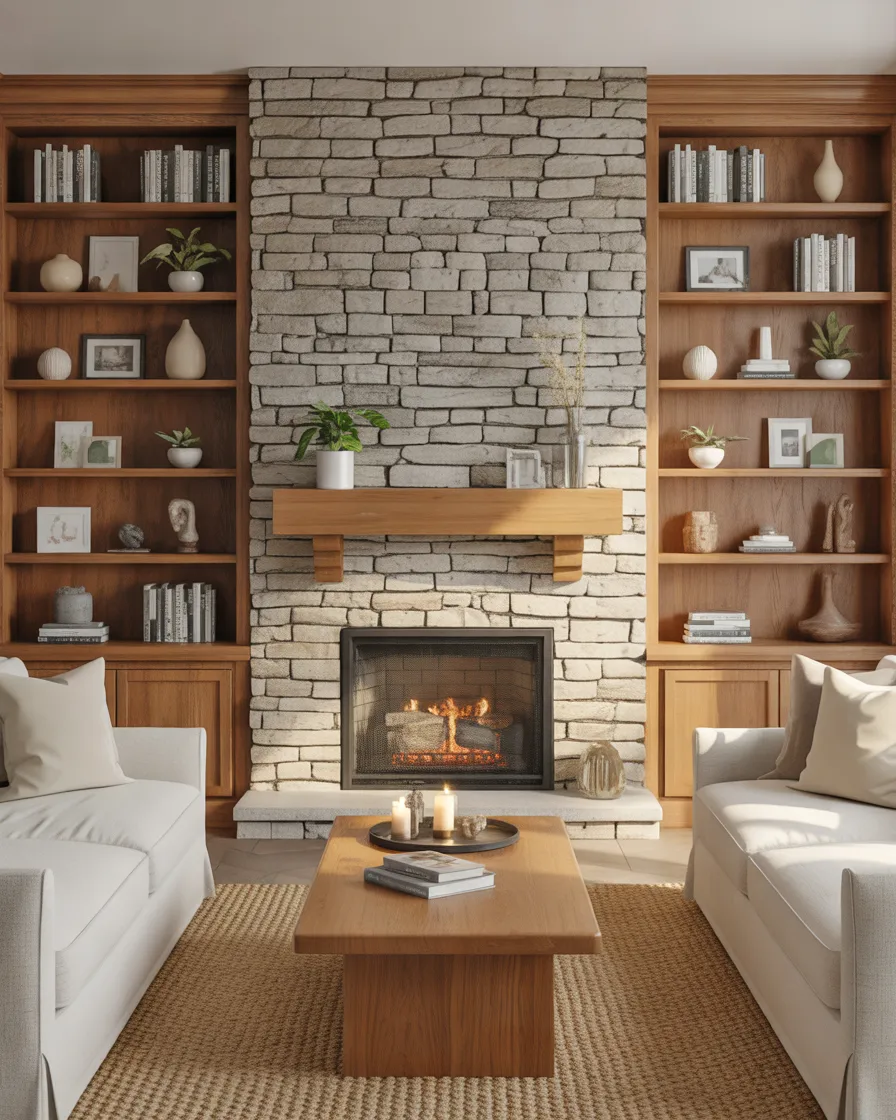
A stone fireplace with built-in shelving combines decorative appeal with practical storage. It works particularly well in living rooms where the fireplace sits at the center of a larger wall and there is enough space on either side for shelves or cabinets.
The stone provides a textured focal point, while the wood introduces warmth and creates a connection between the fireplace and the surrounding storage. You might choose pale oak for a light Scandinavian-inspired interior, walnut for a richer traditional look, or painted cabinetry for a farmhouse setting.
Built-in shelves can display books, framed photographs, ceramics, plants, and a small selection of decorative objects. Leaving some empty space between accessories helps prevent the arrangement from looking crowded. If you need concealed storage, consider lower cabinets with simple doors.
Proportion is especially important. The shelving should complement the fireplace rather than compete with it. Symmetrical built-ins create a formal appearance, while slightly different arrangements can feel more relaxed and contemporary.
Before installation, account for fireplace clearances, heat exposure, ventilation requirements, and the manufacturer’s instructions. Shelves and cabinetry must be positioned appropriately for the particular appliance or firebox.
This design is a strong option for family living rooms because it combines the warmth of stone with useful everyday storage.
10. Small Living Room Stone Fireplace with a Compact Design
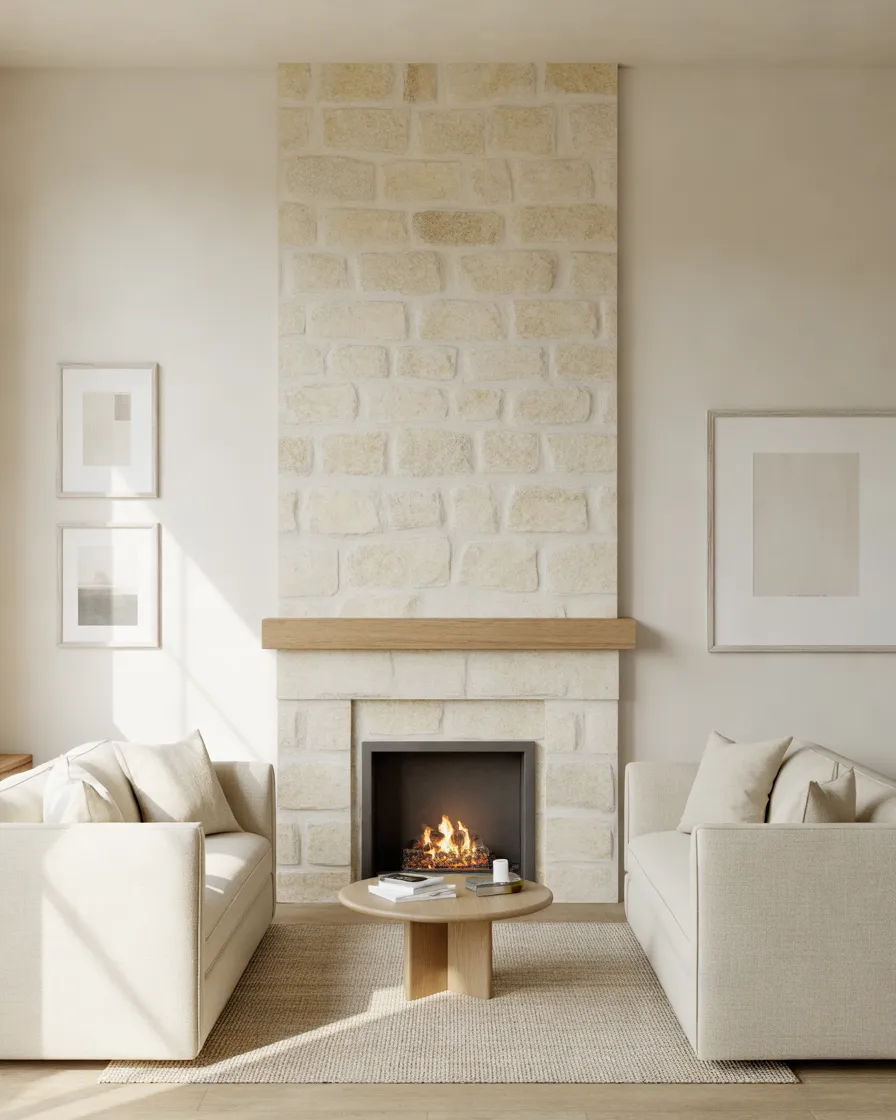
A small living room can benefit from a stone fireplace, provided the design respects the room’s proportions. The trick is to introduce enough texture to create a focal point without allowing the fireplace to dominate the available space.
Consider a compact surround made from light limestone, pale stacked stone, or finely textured manufactured stone veneer. Neutral shades such as warm gray, cream, and soft beige help the fireplace feel connected to the surrounding walls. A slim mantel can provide a finishing touch without projecting too far into the room.
Furniture placement is just as important as stone selection. Choose a sofa that leaves comfortable walking space, use a small coffee table, and avoid filling every corner with accessories. A mirror or carefully selected artwork above the mantel can help create a sense of visual height, provided it is installed at a safe distance from the heat source.
If your room has limited floor space, a vertically oriented stone surround may be more effective than a wide horizontal installation. It draws attention upward while preserving room for furniture.
Before choosing the materials, measure the wall, firebox, and surrounding furniture layout. A scaled sketch can help you understand how much space the fireplace will occupy.
A well-proportioned stone fireplace can make a small living room feel intentional and cozy rather than crowded.
11. Contemporary Stone Fireplace with Mixed Materials
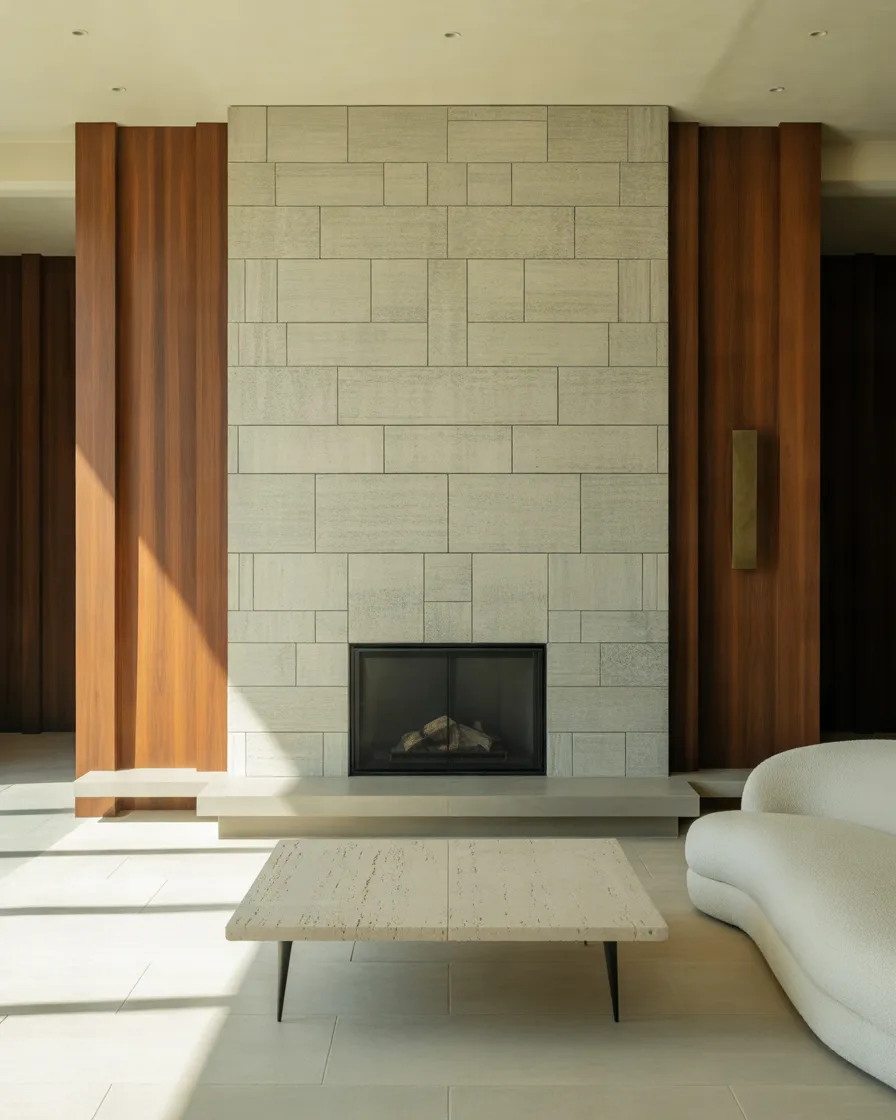
Combining stone with other materials is an effective way to create a fireplace that feels distinctive without relying on elaborate ornamentation. The contrast between natural stone, warm wood, metal, glass, or smooth plaster can give a room a layered, architectural quality.
For example, a gray stone surround can be paired with a walnut panel, black steel detailing, and a simple concrete hearth. Alternatively, pale limestone can sit against a warm plaster wall with a slim bronze accent. Each material contributes a different texture, allowing the fireplace to become more visually interesting.
The most successful designs usually have one dominant material and one or two supporting finishes. If every element competes for attention, the overall result can feel disjointed. Choose a consistent color palette and repeat the supporting materials elsewhere in the room to establish visual continuity.
This style works particularly well in contemporary homes, loft-inspired spaces, and transitional interiors that combine traditional materials with modern shapes.
Think carefully about how the materials meet. Clean transitions and appropriate trim details can make the installation appear professionally designed. Heat resistance, fire safety, and compatibility are essential considerations when selecting finishes around an active fireplace.
A mixed-material design is especially useful if you want the natural appeal of stone but prefer a more tailored and contemporary overall look.
12. Stone Fireplace Makeover with a Fresh, Updated Look
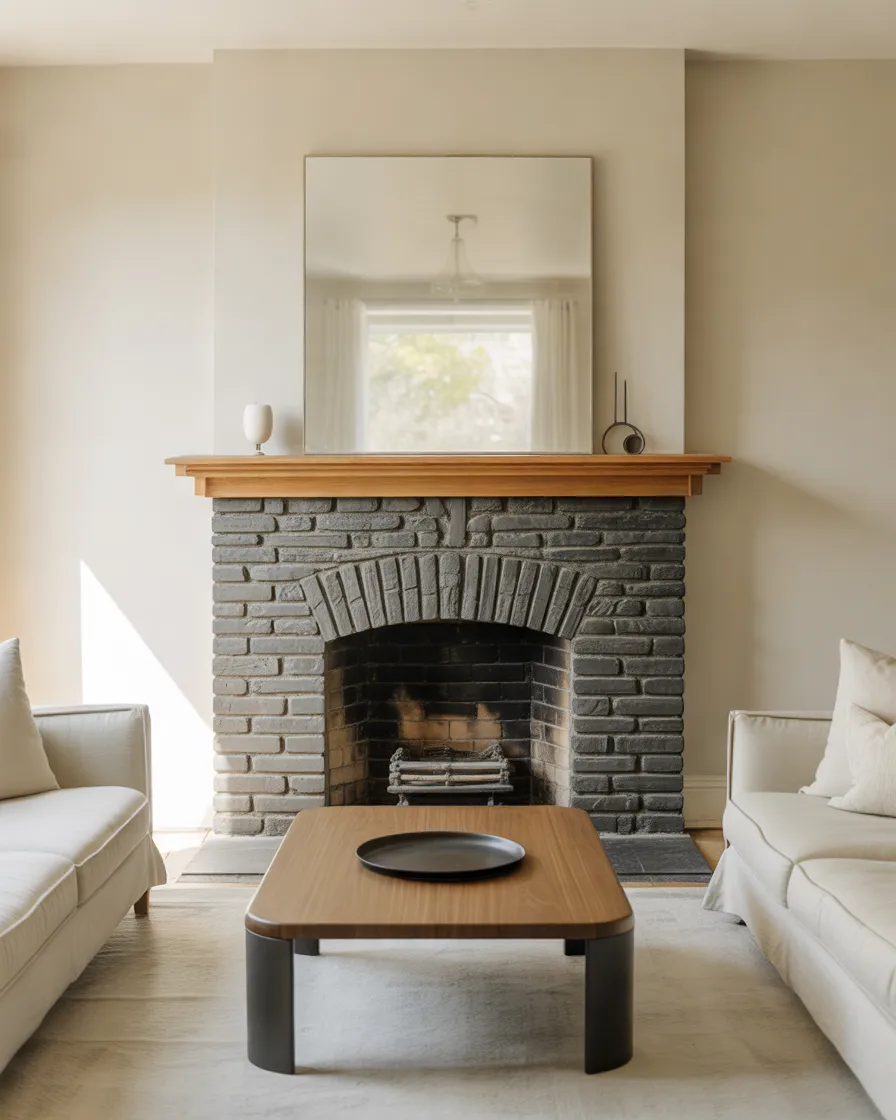
An older stone fireplace does not always need to be removed to look more current. Sometimes, the most effective transformation comes from changing the surrounding finishes, simplifying the mantel, and adjusting the color palette.
Start by examining the existing stone. If its texture is attractive but the room feels dated, you may be able to keep the masonry and update the rest of the design. A new timber mantel, fresh wall paint, modern lighting, or a simpler furniture arrangement can make a surprising difference.
For a darker, traditional fireplace, consider introducing lighter upholstery and a softer wall color. If the stone is already pale, a richer wood mantel or darker accents may provide the contrast it lacks. The right approach depends on the stone’s undertones and the other materials in the room.
Cleaning is another possible starting point. Removing accumulated dust and suitable surface grime can reveal the original stone color. Use a cleaner recommended for the specific material, and avoid aggressive scrubbing or acidic products that could damage sensitive stone.
If you want to whitewash, paint, or apply a coating, test the proposed finish first and verify compatibility with the masonry and fireplace system. Keep all required fire clearances intact, and have damaged masonry or unsafe components assessed by a qualified professional.
A thoughtful makeover can preserve the character of an older fireplace while making the entire living room feel more cohesive.
13. Elegant Stone Fireplace with a Raised Hearth and Statement Decor
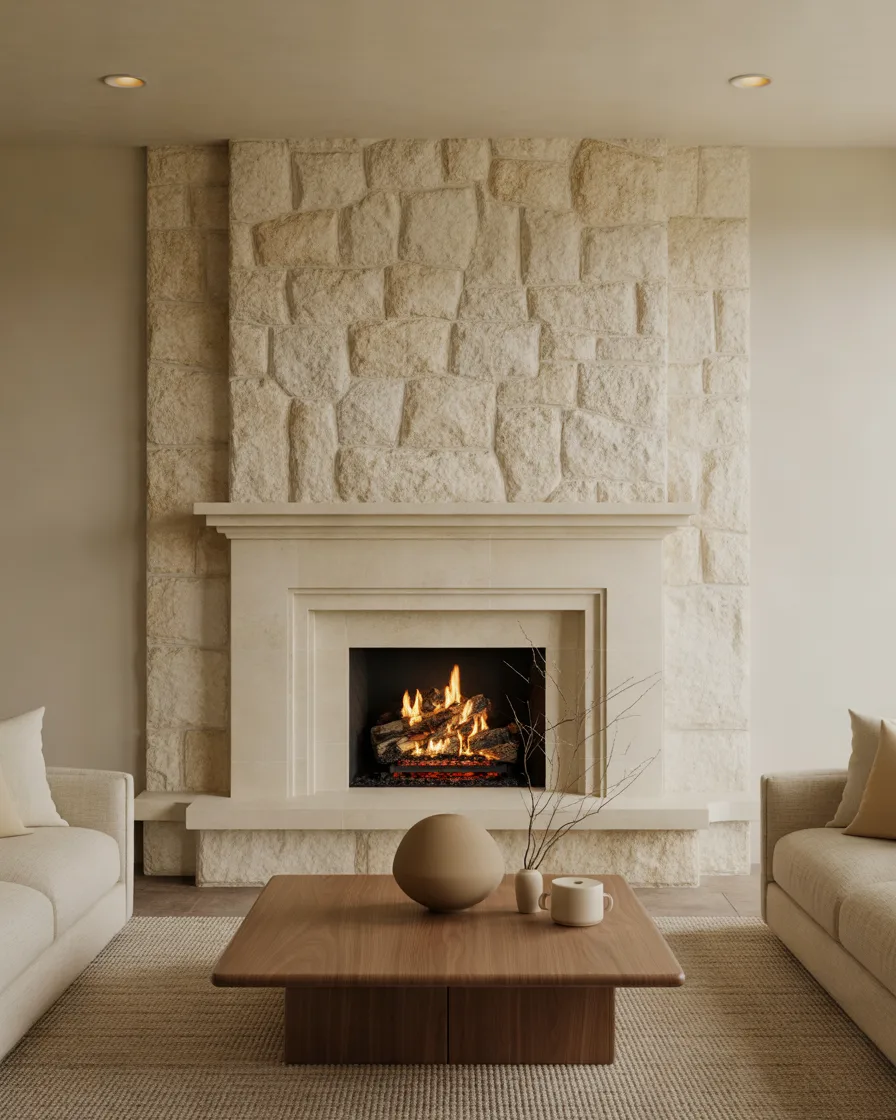
A raised hearth can give a stone fireplace a more substantial architectural presence while creating a natural transition between the firebox and the rest of the living room. Depending on its dimensions and construction, it can also provide a visual ledge for carefully chosen decorative objects.
The stone can match the surround for a cohesive appearance or contrast with it slightly. For example, a pale limestone wall paired with a darker stone hearth creates subtle definition without introducing an entirely different style. A rustic stone surround with a smooth-cut hearth can also balance rugged texture with a more refined finish.
Keep decorations restrained. A ceramic vessel, a small arrangement of branches, or a single sculptural object may be enough. Avoid placing combustible accessories near an active fire, and do not use the hearth as a seat unless it has been designed and constructed for that purpose.
For the rest of the room, choose furniture that allows the raised hearth to remain visible. A low sofa and a simple rug can help preserve the fireplace’s proportions, while warm wood and soft textiles prevent the stone from feeling too formal.
This design works well in traditional living rooms, larger family spaces, and interiors where the fireplace serves as a permanent architectural feature.
Before adding a raised hearth, check local building requirements, firebox specifications, and installation clearances. Its dimensions should be based on the fireplace system rather than appearance alone.
Conclusion
Stone fireplaces offer far more design possibilities than many people initially realize. From rugged natural fieldstone to sleek limestone, stacked slate, and mixed-material surrounds, the right design can complement almost any decorating style.
If you prefer a cozy, traditional atmosphere, a rustic stone fireplace with a wooden mantel may be the ideal choice. For a contemporary home, consider clean-cut limestone, a minimalist surround, or a combination of stone and warm wood. Whitewashed finishes can brighten an older fireplace, while dark stone creates a dramatic focal point.
Room size, lighting, maintenance, and budget should all influence your decision. A large floor-to-ceiling installation may look impressive in a spacious living room, but a compact stone surround can be just as effective in a smaller space. Think about how the fireplace will work with your existing furniture, flooring, wall colors, and architectural features.
Most importantly, choose a design you will enjoy living with for years rather than selecting a material simply because it is fashionable. Stone has natural variation and character, and those qualities are part of its appeal.
Which of these 13 stone fireplace ideas is your favorite? Whether you love rustic textures, modern minimalism, or a timeless farmhouse look, the right combination of stone, wood, lighting, and thoughtful styling can turn your fireplace into the heart of your home.
Frequently Asked Questions About Stone Fireplaces
Which Stone Is Best for a Fireplace Surround?
The best stone depends on your design preferences, budget, maintenance expectations, and fireplace system. Granite is known for its durability, limestone offers a softer and more understated appearance, and slate provides rich colors and layered textures. Manufactured stone veneer can also create an attractive look with different installation and weight characteristics. Always verify that the selected material is suitable for the intended application.
Are Stone Fireplaces Suitable for Modern Homes?
Yes. Stone can look exceptionally modern when paired with clean lines, simple shapes, and restrained decoration. Large limestone slabs, slim stacked-stone panels, and charcoal stone surrounds are popular design approaches for contemporary interiors. Combining stone with warm wood, glass, or matte-black metal can further emphasize the modern aesthetic.
How Can I Update an Old Stone Fireplace Without Replacing It?
Start by cleaning the stone using a product appropriate for its material. Then consider updating the mantel, repainting the surrounding walls, changing nearby lighting, and simplifying the decor. You may also explore a compatible whitewash or other finish after testing it on a small area. If the masonry is damaged or the fireplace has safety concerns, have it inspected before making cosmetic changes.
What Colors Work Best with a Stone Fireplace?
Warm white, cream, beige, taupe, and soft gray are versatile choices because they complement many stone colors. Natural wood adds warmth, while black accents can introduce definition. Dark stone often looks striking against lighter walls, whereas pale limestone pairs beautifully with muted neutrals. Test paint samples in the actual room because daylight and artificial lighting can change how colors appear.
Are Stone Fireplaces Expensive to Install?
Costs vary according to the stone type, installation area, labor rates, structural requirements, and whether the project involves a new fireplace or an existing surround. Full-depth natural stone masonry generally involves different labor and structural considerations from lightweight veneer systems. Request itemized estimates from qualified installers, including preparation, materials, finishing, and any necessary firebox or hearth work.
How Do You Clean and Maintain a Stone Fireplace?
Maintenance depends on the type of stone, its finish, and the fireplace system. In general, remove loose dust with a soft brush or suitable vacuum attachment, and use a cleaner recommended for the specific material. Avoid acidic products on acid-sensitive stones such as limestone and marble. Inspect the surrounding masonry periodically, and arrange appropriate fireplace and chimney inspections according to the system manufacturer’s instructions and local requirements.