There is something special about a traditional living room that makes a home feel warm, comfortable, and full of character. Unlike spaces designed around short-lived trends, traditional interiors celebrate timeless furniture, rich textures, beautiful wood finishes, classic patterns, and carefully chosen decorative pieces. The result is a room that feels welcoming rather than overly styled.
When I think about traditional living room decor ideas, I imagine a comfortable sofa, a beautifully finished wooden coffee table, soft lighting, patterned curtains, and a few meaningful accessories that tell a story. These elements do not need to be expensive or perfectly matched. In fact, some of the most charming traditional living rooms combine inherited furniture, vintage finds, and simple modern comforts.
Another thing I love about traditional decorating is its flexibility. You can create a formal sitting room with antique-inspired details or a relaxed family space with comfortable upholstery and warm neutral colors. Both approaches can feel traditional as long as the materials, proportions, and overall atmosphere work together.
The key is to create a balanced room that looks elegant but still feels like a place where people can relax, talk, read, and spend time together.
Whether you live in a spacious house, a compact apartment, or a home with an older architectural style, these 15 traditional living room decor ideas will help you bring classic beauty into your space. Each idea includes practical styling suggestions to help you visualize the finished look.
1. Choose a Classic Sofa That Anchors the Room
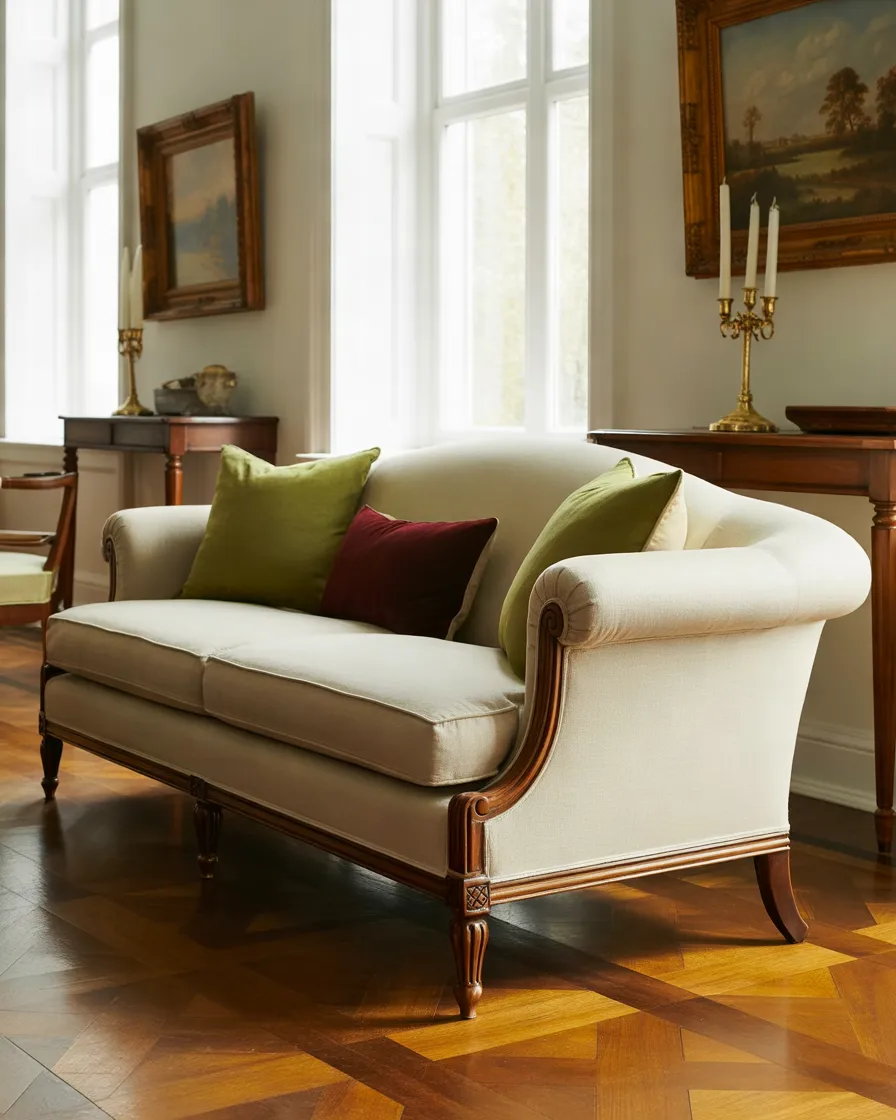
A traditional living room often begins with the sofa because it establishes the overall mood and provides a natural focal point. I would start with a design that has comfortable proportions, elegant upholstery, and details that will remain attractive for years.
Rolled arms, gently curved backs, button tufting, and turned wooden legs are excellent features to consider. A Chesterfield-style sofa can create a rich, formal atmosphere, while a softly curved English-style sofa feels more relaxed and inviting.
When choosing a color, consider warm beige, cream, olive green, muted blue, or deep burgundy. These shades work beautifully with traditional materials such as oak, walnut, brass, and natural linen.
You do not have to buy an antique sofa to achieve the look. A new sofa with classic detailing can be just as effective. What matters most is the shape, quality, and relationship between the sofa and the other furniture.
For a balanced arrangement, position the sofa where it has a clear view of the fireplace, coffee table, or main seating area. Add two complementary armchairs if the room has enough space.
2. Decorate With Rich Wooden Furniture
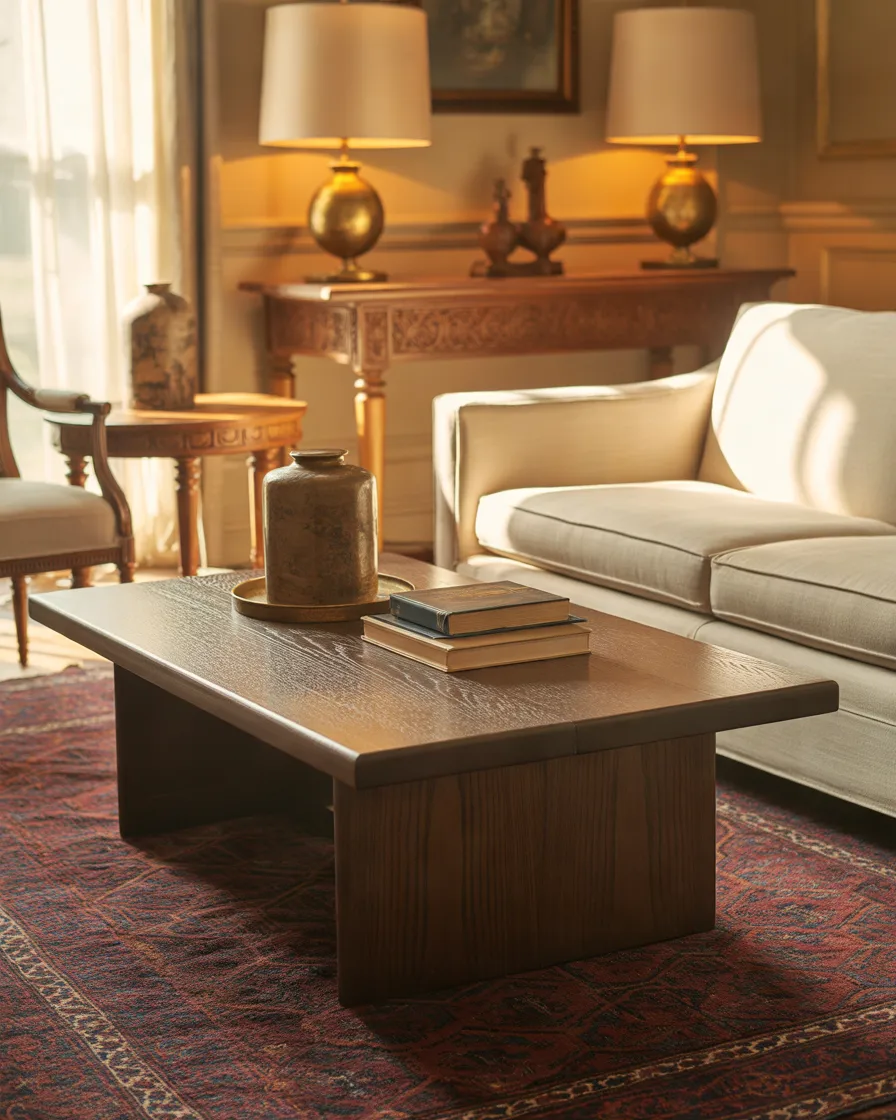
Wooden furniture is one of the defining elements of traditional living room decor. Its natural grain, warm tones, and substantial appearance bring a sense of permanence that is difficult to reproduce with lightweight contemporary furniture.
I especially like walnut, mahogany, cherry, and traditional oak finishes because each creates a slightly different mood. Walnut offers a sophisticated, deep brown appearance, while oak feels lighter and more relaxed. Mahogany can introduce a formal, heritage-inspired character.
You can incorporate wood through a coffee table, side tables, a display cabinet, a console table, or a pair of wooden armchairs. If you already own a family heirloom, consider making it a central feature instead of replacing it with something new.
One important detail is the finish. Highly polished furniture can look elegant in a formal room, while satin or gently aged finishes create a softer atmosphere. Try to repeat similar wood tones throughout the space without making every piece identical.
For example, a walnut coffee table can sit comfortably beside an oak cabinet if the upholstery, flooring, and accessories connect the different finishes.
3. Use a Warm and Timeless Color Palette
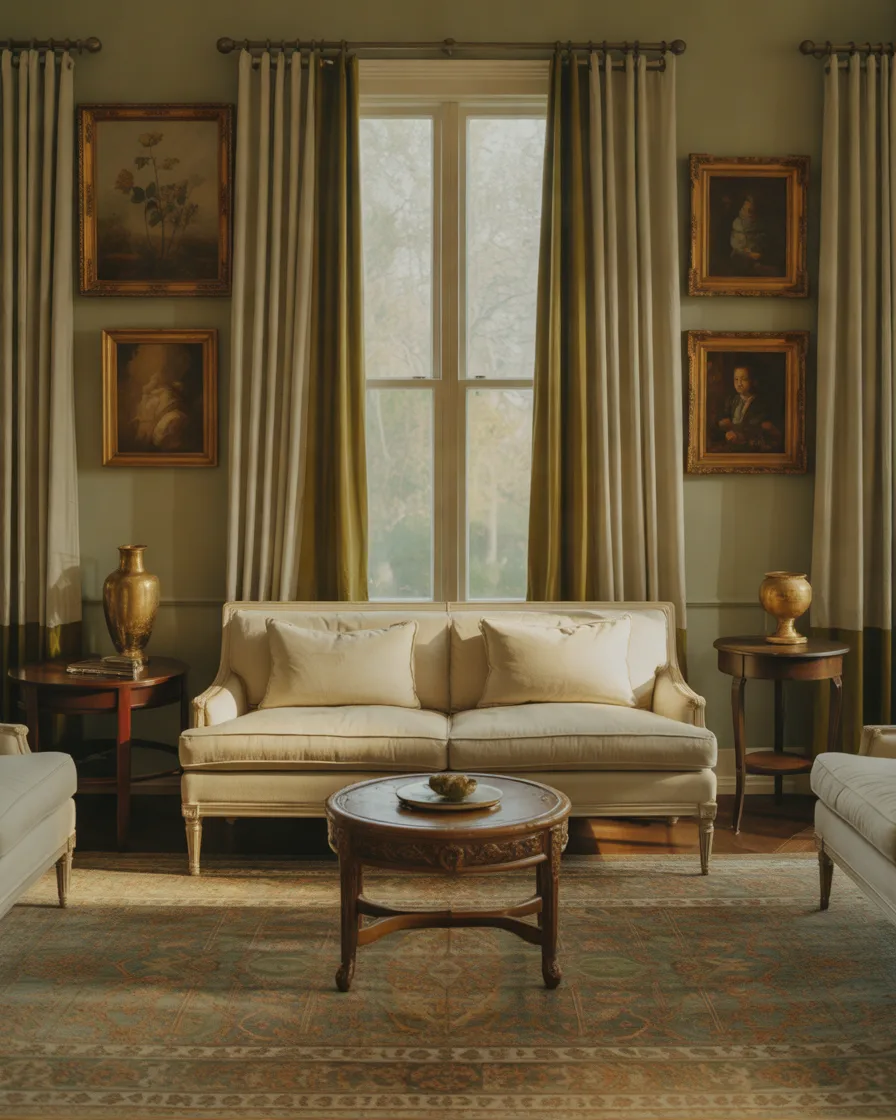
Color has a major influence on how a traditional living room feels. While bright colors can work in classic interiors, warm neutrals and deeper natural shades are particularly effective for creating a comfortable, established look.
I would begin with a foundation of ivory, warm white, cream, taupe, or soft beige. These colors provide a calm backdrop for traditional furniture and decorative details. You can then introduce richer shades through upholstery, curtains, artwork, cushions, and rugs.
Forest green, navy blue, terracotta, dusty rose, burgundy, and muted gold all work beautifully in traditional spaces. The trick is to choose a small group of colors and repeat them throughout the room.
For instance, olive green cushions can complement a botanical painting, while a burgundy pattern in the rug can be repeated in a decorative cushion or a small upholstered chair. This creates visual continuity without making the room feel overly coordinated.
If your living room is small, lighter wall colors can help it feel more open. Darker colors can still be used, but I would introduce them strategically through furniture, accessories, or a single accent wall.
4. Add a Persian or Oriental-Style Area Rug
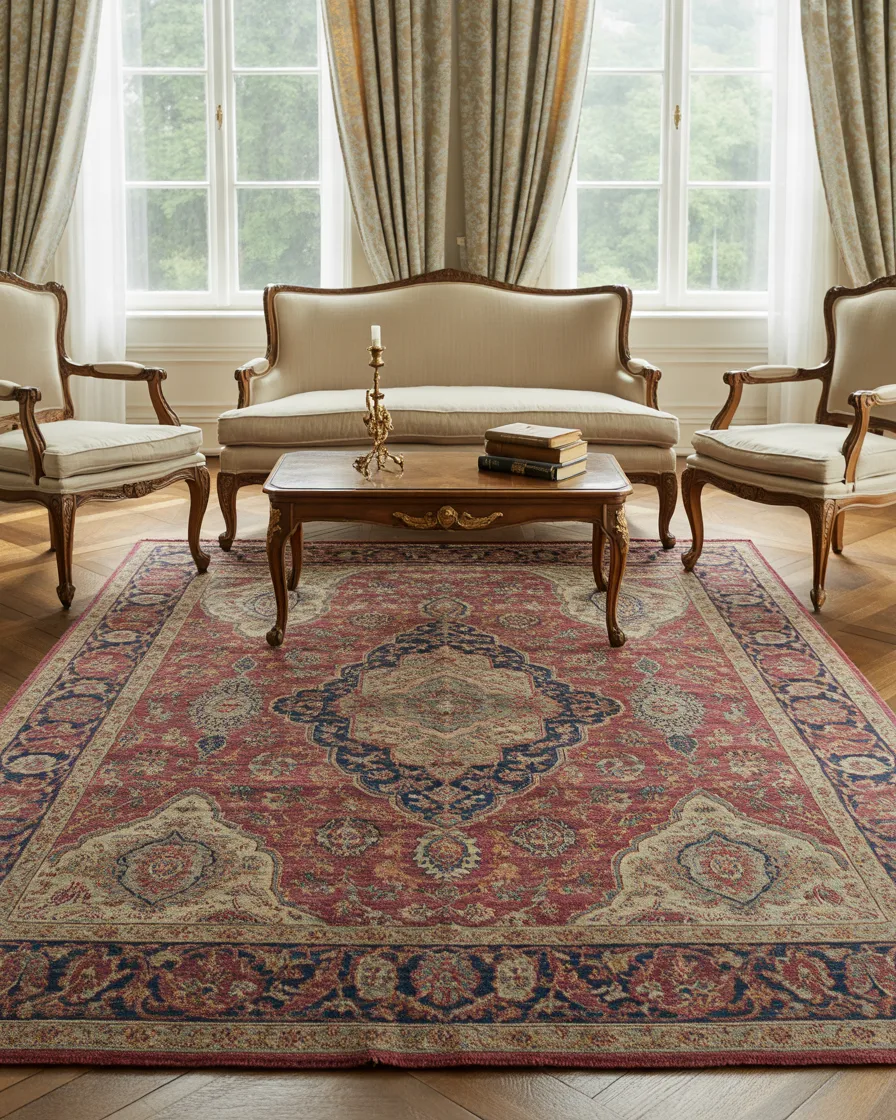
A traditional area rug can bring an entire living room together. It introduces color, pattern, texture, and a sense of visual depth, particularly when the rest of the room features simple upholstery and wooden furniture.
Persian-inspired rugs are popular for traditional interiors because their intricate motifs, floral details, and layered colors complement classic furniture so naturally. You can choose a richly colored rug with red, navy, and cream details or a faded design with softer shades of blue, rose, and beige.
The size matters just as much as the pattern. A rug that is too small can make a seating arrangement look disconnected. Ideally, the front legs of the sofa and armchairs should rest on the rug, helping define the main conversation area.
If you have a smaller room, choose a design that does not overwhelm the available floor space. A gently faded pattern can create interest without making the room feel crowded.
You also do not need an expensive antique. A well-made reproduction can deliver a similar visual effect while being easier to maintain. The best rug is one that complements your furniture and feels comfortable underfoot.
5. Hang Elegant Curtains From Floor to Ceiling
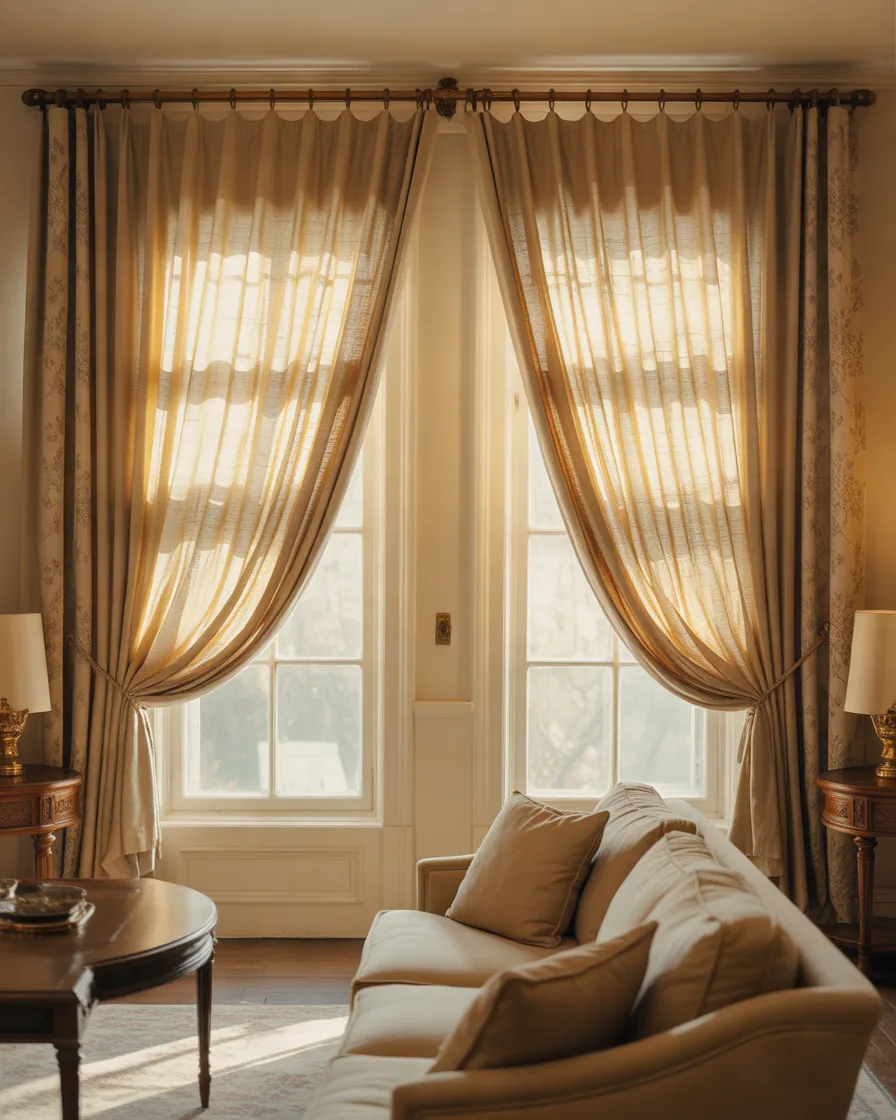
Curtains can make a traditional living room feel taller, softer, and more finished. They frame the windows, add texture, and help connect the wall color with the furniture and decorative accessories.
For a classic appearance, consider linen, cotton blends, velvet, or fabrics with subtle woven patterns. Floral designs, delicate stripes, and understated damask patterns are all suitable choices, depending on how formal you want the room to feel.
I particularly like full-length curtains that hang close to the ceiling and reach the floor. This creates a graceful vertical line and makes the windows appear more substantial. If you prefer a tailored look, choose neatly structured pleats. For a softer atmosphere, relaxed folds can work beautifully.
Color is another opportunity to add character. Cream curtains create a light and airy feel, while olive green or deep blue can give the room more depth. Patterned curtains are especially effective when the sofa and walls are relatively simple.
Before purchasing fabric, measure the window carefully and consider how much fullness the curtains need. Curtains that look generous and properly proportioned tend to make a bigger difference than decorative hardware alone.
6. Create a Beautiful Traditional Fireplace Focal Point
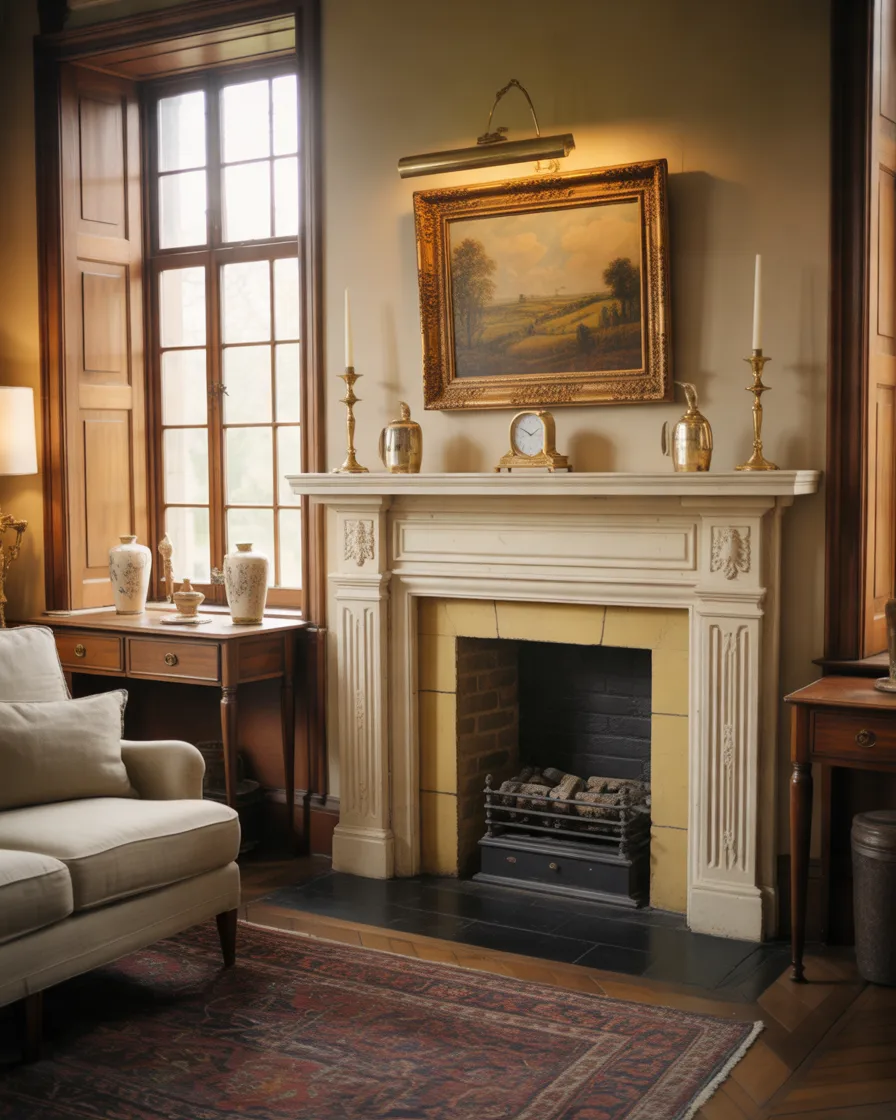
A fireplace can give a traditional living room a natural center. Even when it is not used for heating, the mantel and surrounding wall can provide a beautiful place to display artwork, mirrors, candles, and treasured objects.
If your home already has a fireplace, consider highlighting its original materials. A stone surround, painted wooden mantel, or carved architectural details can become an important part of the room’s character.
For homes without a fireplace, a decorative mantel can create a similar visual effect. Choose a design that suits the scale of your room and avoid making it look disproportionately large.
When styling the mantel, begin with one main feature, such as a framed painting or an antique-style mirror. Add a pair of candlesticks or small lamps to create balance, then introduce a few personal objects. You do not need to fill every available space.
If you use a working fireplace, keep fabric, candles, artwork, and other combustible decorations at a safe distance from heat and follow the fireplace manufacturer’s clearance guidance.
The aim is to make the fireplace feel integrated with the furniture rather than like an isolated decorative display.
7. Display Classic Artwork and Framed Paintings
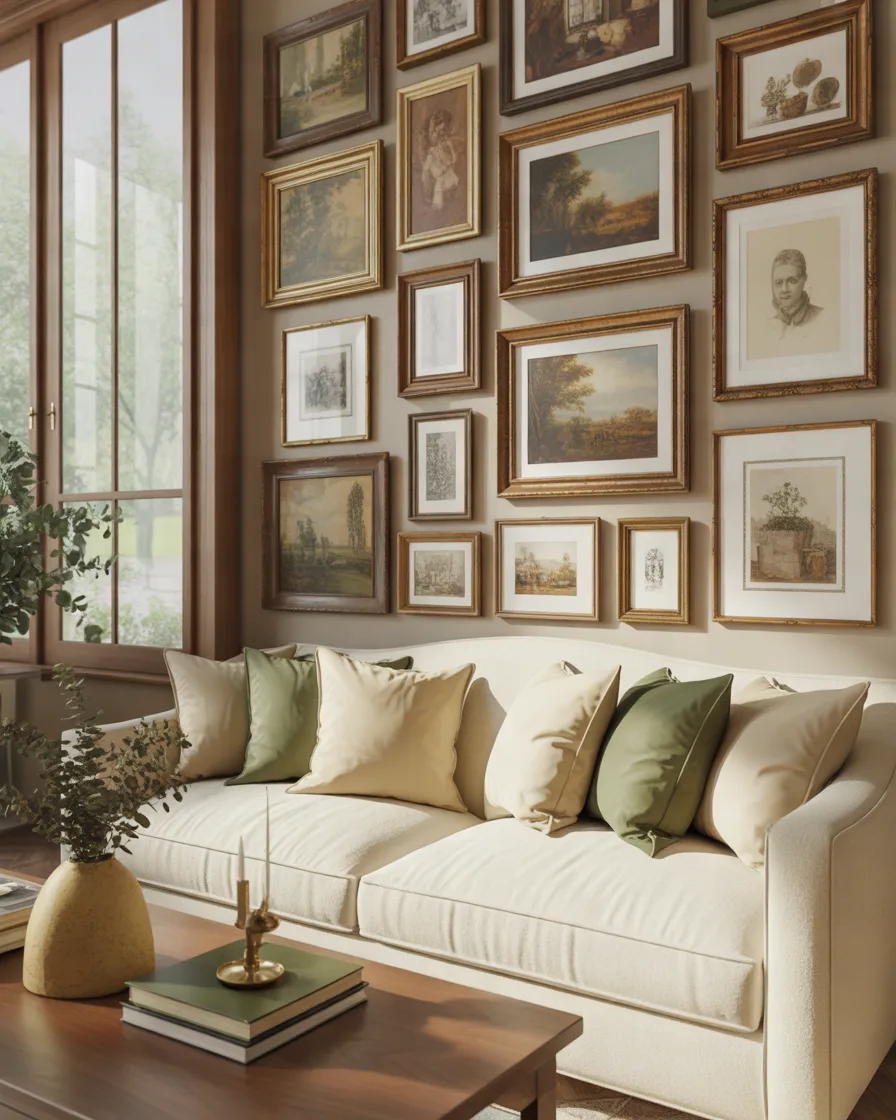
Artwork adds personality to a traditional living room and helps prevent the space from feeling like a furniture showroom. Landscape paintings, botanical illustrations, portraits, architectural prints, and still-life compositions are all excellent options.
You can create a formal look with one large painting above the sofa or arrange several smaller pieces into a gallery wall. I would choose artwork that connects with the room’s color palette rather than trying to make every frame and picture match perfectly.
Gold, dark wood, and aged-brass frames work particularly well with traditional furniture. However, simpler wooden frames can look just as attractive in relaxed country-inspired interiors.
Pay attention to placement. Artwork should generally relate to the furniture below it rather than float too close to the ceiling. When hanging a group of frames, arrange them on the floor first so you can experiment with spacing and proportions.
Personal pieces can make the arrangement even more meaningful. Family photographs, travel sketches, and inherited artwork can sit alongside decorative prints to create a collected-over-time appearance.
The result should feel curated but personal, reflecting your interests and memories rather than following a rigid decorating formula.
8. Bring in Floral Patterns and Classic Textiles
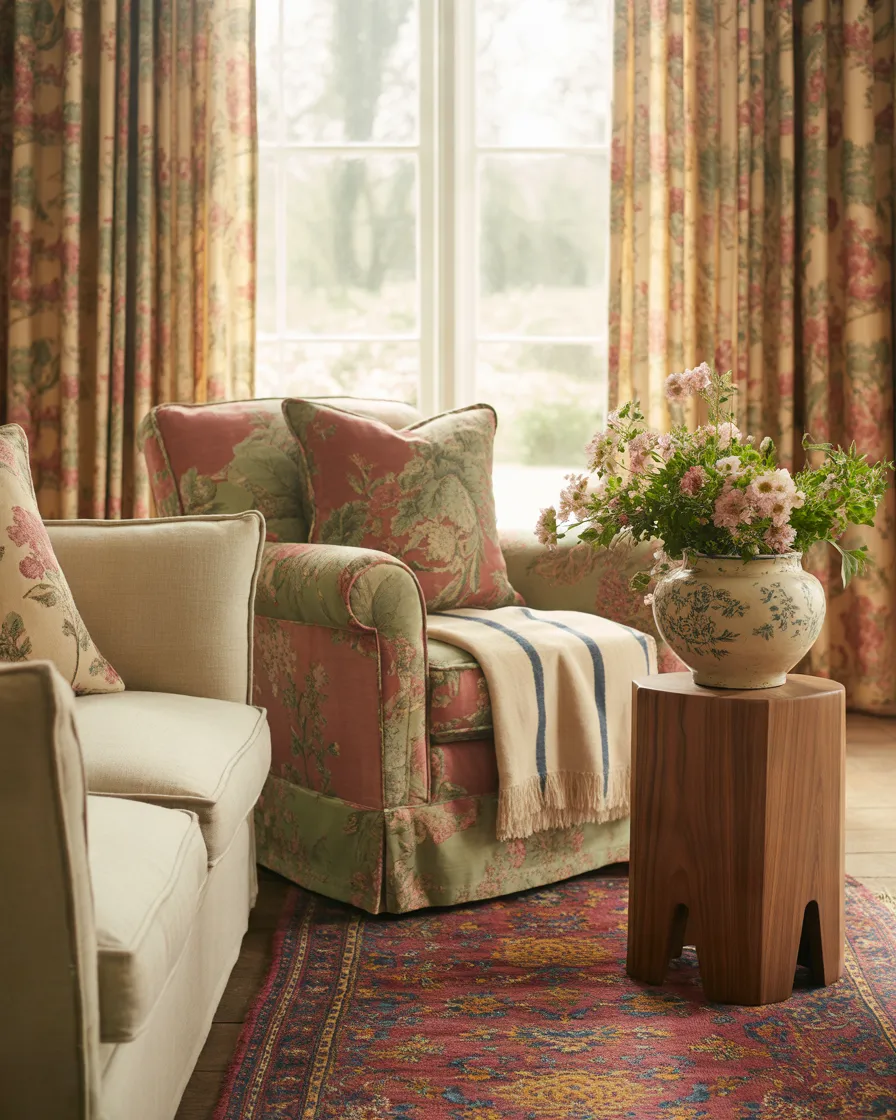
Floral fabrics are closely associated with many traditional decorating styles, from English country homes to romantic vintage interiors. Used thoughtfully, they add softness, charm, and visual interest without making the room feel old-fashioned.
You can introduce floral patterns through cushions, armchairs, curtains, lampshades, or a small upholstered footstool. If you prefer a restrained approach, choose one statement fabric and repeat a few of its colors in simpler accessories.
For example, a floral armchair with muted green leaves and dusty pink flowers can look beautiful beside a plain cream sofa. Add a solid-colored cushion and a subtly striped throw to create variation.
Mixing patterns can also work well. Traditional interiors often combine florals, stripes, checks, and intricate rug motifs. The easiest way to manage this combination is to vary the scale. A large floral print can be paired with narrow stripes and a smaller geometric pattern.
Try to keep a consistent color family across the different textiles. This helps the room feel connected even when the patterns are different.
I would also avoid covering every surface in busy fabric. Allowing some plain upholstery and open wall space gives the eye somewhere to rest.
9. Use Antique Mirrors to Reflect Light and Space
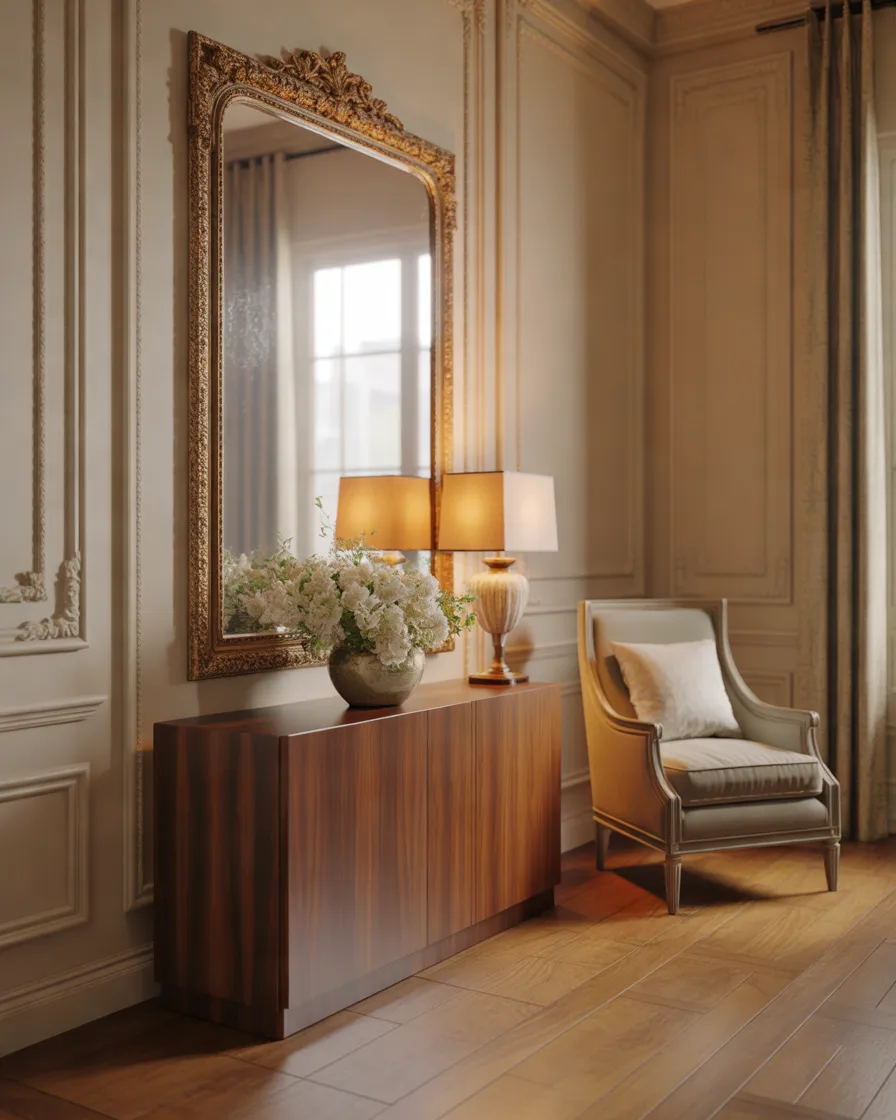
An antique-style mirror is a practical and decorative addition to a traditional living room. It reflects daylight, adds depth, and introduces the intricate frame details that work so well with classic furniture.
Look for frames in aged gold, dark wood, antique silver, or painted finishes. Ornate frames suit formal interiors, while simpler rectangular mirrors are ideal for relaxed traditional rooms.
Placement is important. A mirror opposite or adjacent to a window can help distribute natural light throughout the space. Above a fireplace or console table, it can also become a striking focal point.
If your living room is narrow, a large mirror can create a greater sense of openness. However, consider what it reflects before hanging it. A mirror facing a cluttered corner will simply draw attention to that area, while one reflecting a window, artwork, or attractive part of the room can enhance the overall design.
You do not need to buy a genuine antique. A modern mirror with an aged finish can deliver the same decorative character without the cost of an original period piece.
For safety, ensure heavier mirrors are securely mounted with fixings appropriate for the wall type and mirror weight.
10. Layer Your Lighting for a Warm Atmosphere
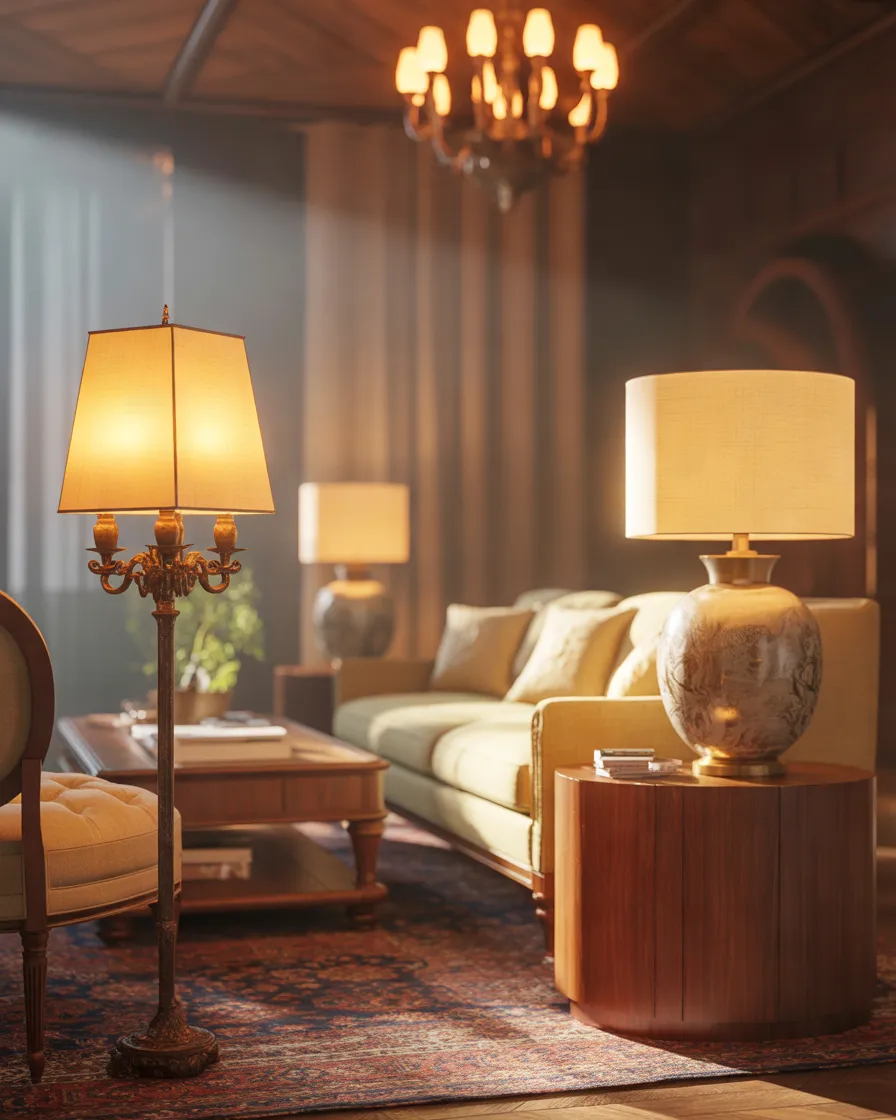
Lighting can completely change the character of a traditional living room. Even beautiful furniture may feel flat or uninviting when the room relies on one harsh overhead light.
I prefer a layered approach that combines ambient lighting, task lighting, and accent lighting. A central chandelier or classic ceiling fixture provides general illumination, while table lamps and floor lamps create smaller pools of light around the seating area.
Traditional lighting designs often feature brass, bronze, glass, ceramic, or fabric shades. Choose finishes that complement the room’s other materials rather than introducing too many competing metals.
Table lamps are particularly useful beside sofas and armchairs. They provide comfortable reading light while creating a relaxed evening atmosphere. A floor lamp beside a reading chair can serve the same purpose.
Warm-white bulbs usually work well in traditional interiors because they enhance wood tones, rich fabrics, and warm paint colors. Choose suitable brightness for the room’s activities, and use dimmable fixtures where practical.
I would also consider the lampshades carefully. Linen and softly colored fabric shades can diffuse light beautifully and make the room feel more welcoming.
11. Add Elegant Armchairs and a Comfortable Reading Corner
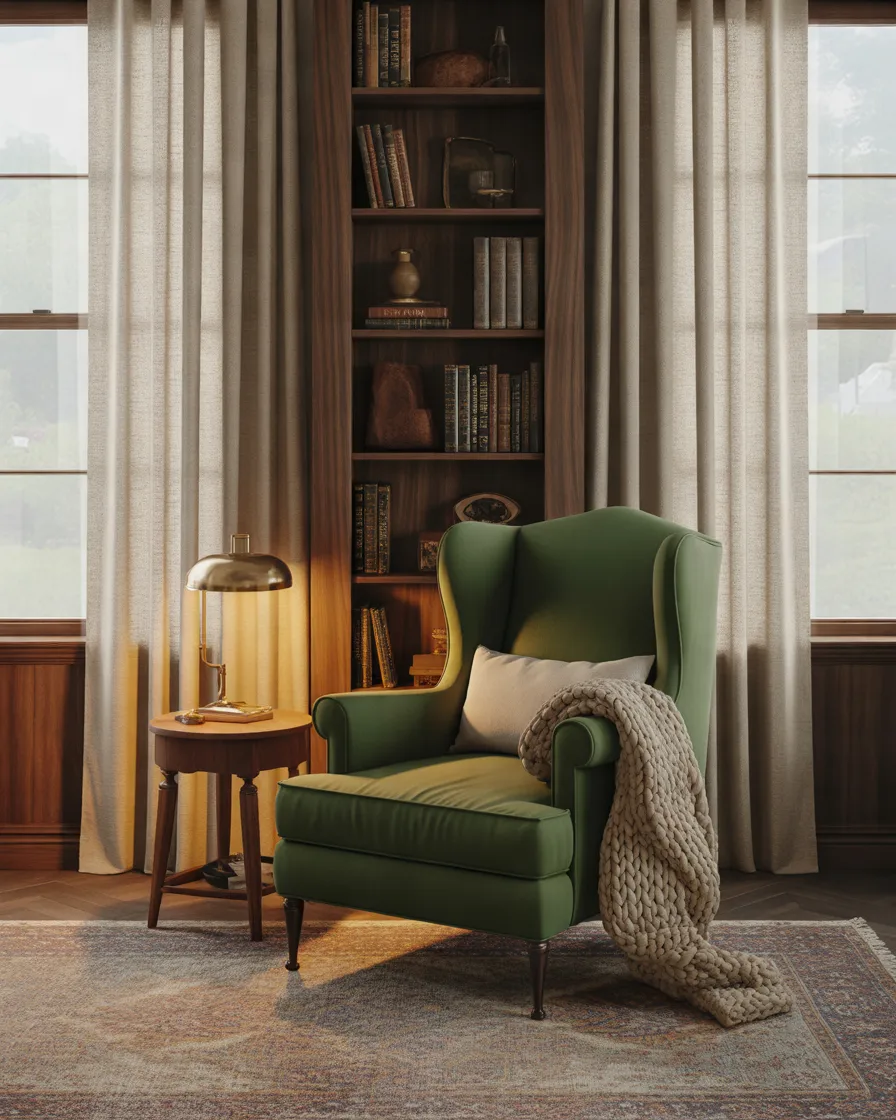
Traditional living rooms should encourage conversation and relaxation, so I would never rely on the sofa alone if there is enough space for additional seating.
A pair of upholstered armchairs can create a balanced arrangement opposite the sofa. Alternatively, one statement chair beside a window can form a comfortable reading corner.
Look for classic silhouettes such as wingback chairs, rolled-arm chairs, and gently curved occasional chairs. Upholstery in velvet, linen, leather, or floral fabric can all work, depending on the room’s overall character.
A reading corner does not need much furniture. An armchair, a small side table, a reading lamp, and a soft throw are usually enough. If space allows, add a compact footstool for extra comfort.
The arrangement should feel connected to the rest of the room. Repeat a color from the sofa cushions or area rug to create continuity, but do not worry about matching every fabric exactly.
For a more relaxed family room, choose durable upholstery and washable cushion covers. Traditional style can be practical as well as beautiful, particularly when you select materials suited to everyday use.
12. Style a Traditional Bookcase With Books and Decorative Objects
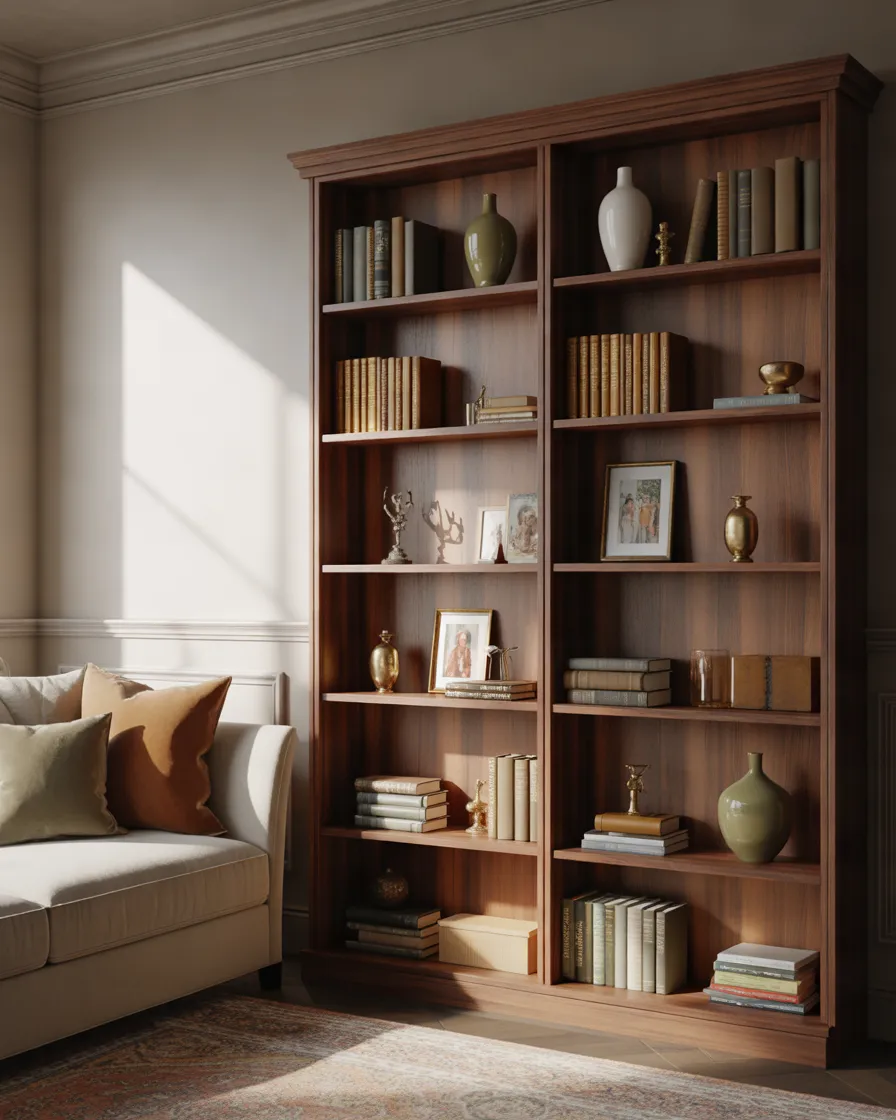
A bookcase can make a living room feel established, personal, and intellectually inviting. It also offers a practical way to display collections without filling every tabletop with accessories.
Built-in wooden shelving is especially attractive in traditional interiors, but a freestanding bookcase can work just as well. Choose a finish that relates to your other furniture, or paint the shelves in a complementary color such as deep green, navy, or warm cream.
When arranging the shelves, start with books. Mix upright rows with a few horizontal stacks to create variation. Then introduce small decorative objects such as ceramic bowls, framed photographs, brass ornaments, or collected travel souvenirs.
I would avoid filling every shelf from end to end. Leaving some open space helps the arrangement look intentional and allows individual objects to stand out.
Try grouping items in small collections rather than spreading them randomly. A few books beside a framed photograph and a ceramic vase often look more interesting than a shelf crowded with unrelated decorations.
If you have an unusual collection or meaningful family objects, the bookcase is a natural place to display them. These personal details are what make traditional decorating feel authentic.
13. Decorate With Fresh Flowers and Natural Greenery
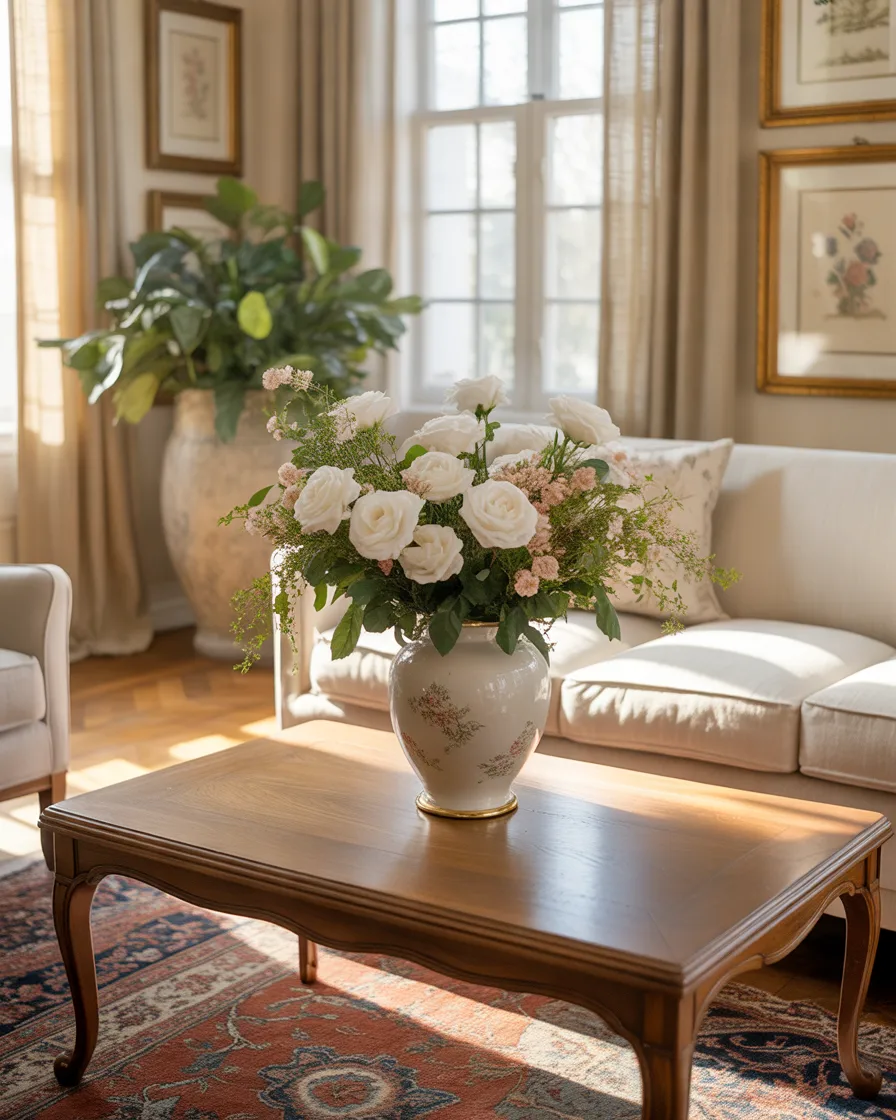
Flowers and greenery bring life into a traditional living room. They soften the appearance of heavy wooden furniture, introduce natural color, and make the room feel cared for without requiring a major decorating project.
A simple vase of fresh flowers on a coffee table or console can make an immediate difference. Roses, hydrangeas, tulips, seasonal branches, and garden flowers all suit traditional interiors, depending on the arrangement and container.
For a classic look, choose ceramic, glass, or traditional metal vases. A slightly aged ceramic vessel can complement antique furniture, while clear glass creates a lighter, more understated effect.
Houseplants are another good option. A leafy plant in a ceramic pot can brighten an empty corner, while a smaller plant on a side table adds a subtle natural detail.
The scale of the arrangement matters. A tall arrangement may look beautiful on a console but can obstruct conversation when placed in the center of a coffee table. For the coffee table, I would choose a lower arrangement that does not block sightlines.
If maintaining fresh flowers is difficult, realistic artificial stems can offer a long-lasting alternative. Choose natural-looking varieties and arrange them loosely rather than making them overly symmetrical.
14. Introduce Brass, Ceramic, and Glass Decorative Accents
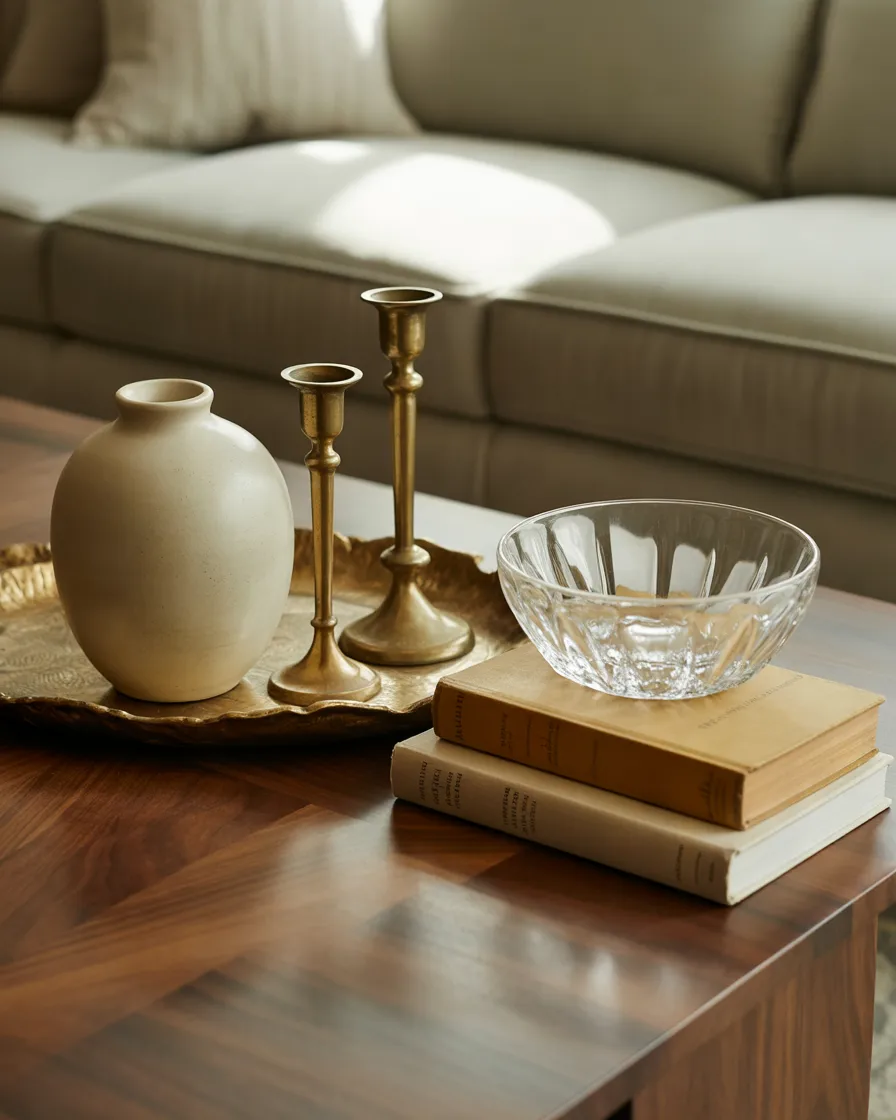
Small accessories can help a traditional living room feel complete, but the most successful arrangements are usually selective rather than crowded.
Brass candlesticks, ceramic vases, glass bowls, decorative trays, and framed photographs all work beautifully with classic furniture. These materials introduce different textures and subtle reflections, making the room feel more layered.
I would begin by choosing a few accessories for the main surfaces. A coffee table might feature a small stack of books, a decorative tray, and a ceramic vase. A console table could hold a pair of lamps with a framed painting or mirror above it.
Try varying the height and shape of the objects. A tall vase beside a low bowl creates contrast, while a rectangular tray can organize smaller items into one visually connected group.
Metal finishes deserve a little attention. Brass and bronze are particularly compatible with traditional interiors, but you do not need every metal object to match perfectly. A consistent overall warmth is often more important than identical finishes.
Finally, leave enough space for practical use. Coffee tables should still accommodate cups, books, and everyday items. Decorative accessories are most effective when they enhance the room without making it difficult to live in.
15. Combine Traditional Elegance With Modern Comfort
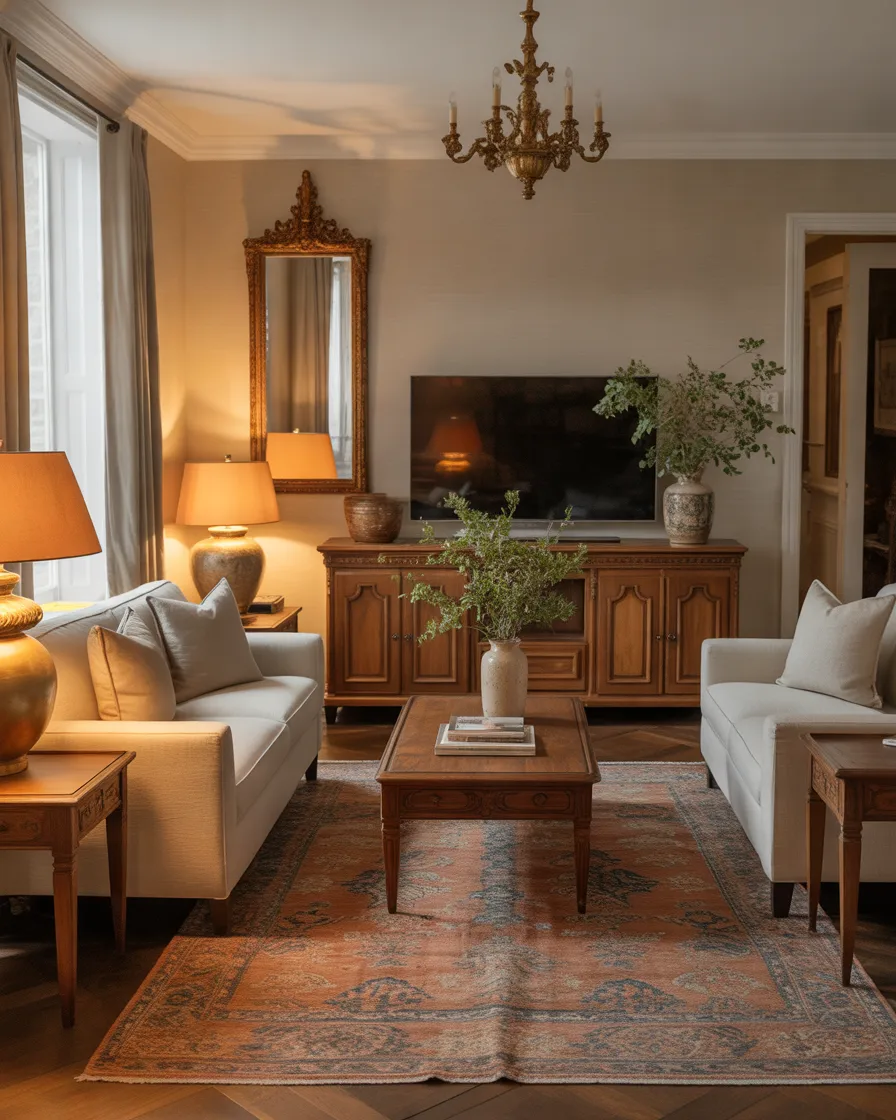
One of my favorite ways to decorate a traditional living room is to combine classic furniture and architectural details with practical modern comforts. A room can have timeless character without feeling formal, delicate, or difficult to maintain.
For example, a traditional wooden coffee table can sit beside a comfortable contemporary sofa with classic proportions. An antique-style mirror can be paired with discreet modern lighting, while a patterned rug can soften the appearance of simple, durable upholstery.
This approach is particularly useful if you have children, pets, or a busy household. Performance fabrics, washable cushion covers, concealed storage, and durable flooring can all support everyday living while maintaining a traditional appearance.
Technology can also be incorporated thoughtfully. A television can be positioned above a suitable media console or integrated into a built-in cabinet, provided ventilation and viewing comfort are considered. Cables can be concealed safely to keep the space looking tidy.
The secret is not to introduce modern elements randomly. Choose practical pieces that respect the proportions, colors, and materials already present in the room.
Traditional decorating should ultimately support the way you live. A beautiful room that feels comfortable every day is far more valuable than one that looks perfect but rarely gets used.
How to Make Traditional Living Room Decor Work in a Small Space
Traditional style can work beautifully in a compact living room, but furniture proportions and visual balance become especially important.
Start by measuring the room and identifying the main walking paths. Choose a sofa that offers comfortable seating without blocking doors, windows, or circulation routes. A pair of compact armchairs may be more practical than a large matching suite.
Use a restrained color palette to help the room feel connected. Warm white walls, medium-toned wood, and a few rich accent colors can create traditional character without overwhelming the space.
Mirrors, appropriately sized artwork, and curtains hung close to the ceiling can help the room feel taller and brighter. A rug that fits the seating arrangement also makes the furniture look more cohesive.
Storage deserves attention as well. A traditional console with drawers, a storage ottoman, or a cabinet with closed doors can help keep everyday items out of sight.
Most importantly, do not assume that a small living room needs miniature decorative accessories everywhere. A few well-proportioned pieces often look more elegant than numerous tiny objects competing for attention.
Frequently Asked Questions About Traditional Living Room Decor
What Colors Work Best for a Traditional Living Room?
Warm white, cream, beige, taupe, olive green, navy blue, burgundy, and muted gold are all excellent choices. A neutral base creates flexibility, while deeper shades introduce richness. Choose two or three main colors and repeat them through furniture, curtains, rugs, and decorative accessories.
How Can I Make My Living Room Look Traditional on a Budget?
Start with what you already own. Rearrange your furniture, add secondhand wooden tables, look for affordable vintage-style frames, and introduce cushions or curtains in classic patterns. A carefully chosen rug, warm lighting, and a few well-arranged accessories can create a noticeable improvement without replacing the entire room.
Can Traditional Living Room Decor Look Modern?
Absolutely. Combine classic furniture silhouettes and traditional materials with comfortable upholstery, simple window treatments, practical storage, and contemporary lighting. The result can feel timeless and functional rather than overly formal.
Is Traditional Decor Suitable for Small Living Rooms?
Yes. Focus on appropriately sized furniture, a cohesive color palette, useful storage, and a well-proportioned rug. Mirrors and full-length curtains can help enhance the sense of space, while a few carefully chosen accessories provide traditional character without clutter.
What Type of Rug Is Best for a Traditional Living Room?
Persian-inspired rugs, Oriental-style patterns, floral designs, and subtle traditional motifs are all suitable. Choose a size that connects the seating arrangement, and select colors that complement the sofa, wood finishes, and curtains.
Conclusion
Creating a beautiful traditional living room is less about following a strict decorating formula and more about choosing elements that work together. Classic furniture, warm wooden finishes, comfortable upholstery, patterned rugs, elegant curtains, and thoughtfully arranged accessories can transform an ordinary room into a welcoming place with lasting character.
The best traditional living room decor ideas are also the ones that suit your lifestyle. You might prefer a formal arrangement centered around a fireplace, a cozy reading corner with a wingback chair, or a relaxed family space with practical modern furnishings. Each approach can be successful when it reflects your needs and personal taste.
My advice is to begin with the essentials: a comfortable sofa, a suitable rug, a balanced color palette, and good lighting. Once those elements are in place, introduce artwork, flowers, vintage accents, and meaningful objects gradually.
You do not need to complete everything at once. In fact, allowing your living room to develop over time can give it the collected, personal quality that makes traditional interiors so appealing.
With a thoughtful combination of timeless materials, comfortable furniture, and individual details, you can create a traditional living room that feels elegant today and remains inviting for many years to come.