
White bedroom furniture has a timeless charm that works with almost every interior style. Whether you love modern minimalism, cozy farmhouse décor, elegant traditional rooms, or soft coastal interiors, white furniture can help create a bedroom that feels brighter, cleaner, and more relaxing.
I have always found white bedrooms incredibly calming. There is something peaceful about walking into a room filled with light-colored furniture, soft bedding, and simple decorative details. Unlike darker furniture, which can sometimes make a small bedroom feel crowded, white furniture reflects light and gives the entire space a more open appearance.
However, decorating with white bedroom furniture does not mean that everything in the room needs to be plain or colorless. In fact, white furniture provides the perfect foundation for introducing different textures, accent colors, wall treatments, lighting, and personal accessories.
In this guide, I am sharing 15 white bedroom furniture ideas that can help you create a stylish, practical, and comfortable sleeping space. From statement beds and functional wardrobes to charming nightstands and cozy reading corners, these ideas can be adapted to bedrooms of almost any size.
Why Choose White Bedroom Furniture?
Before exploring the individual ideas, it is worth understanding why white bedroom furniture remains so popular.
White furniture makes a room feel fresh and visually spacious. It can brighten bedrooms that receive limited natural light and soften spaces with bold wall colors or patterned wallpaper. It is also incredibly versatile because you can update the appearance of your bedroom without replacing your main furniture pieces.
For example, the same white bed frame can look coastal when paired with blue bedding, romantic with blush pink accents, modern with black details, or rustic with natural wood accessories. This flexibility makes white furniture a practical long-term investment.
White furniture can also create a cohesive look when your bedroom contains several different pieces. A white dresser, wardrobe, nightstand, and bed frame can visually connect the room even when the pieces were purchased separately.
The key is to balance the white surfaces with warmth, texture, and contrast so the bedroom feels inviting rather than cold.
1. Choose a Statement White Bed Frame
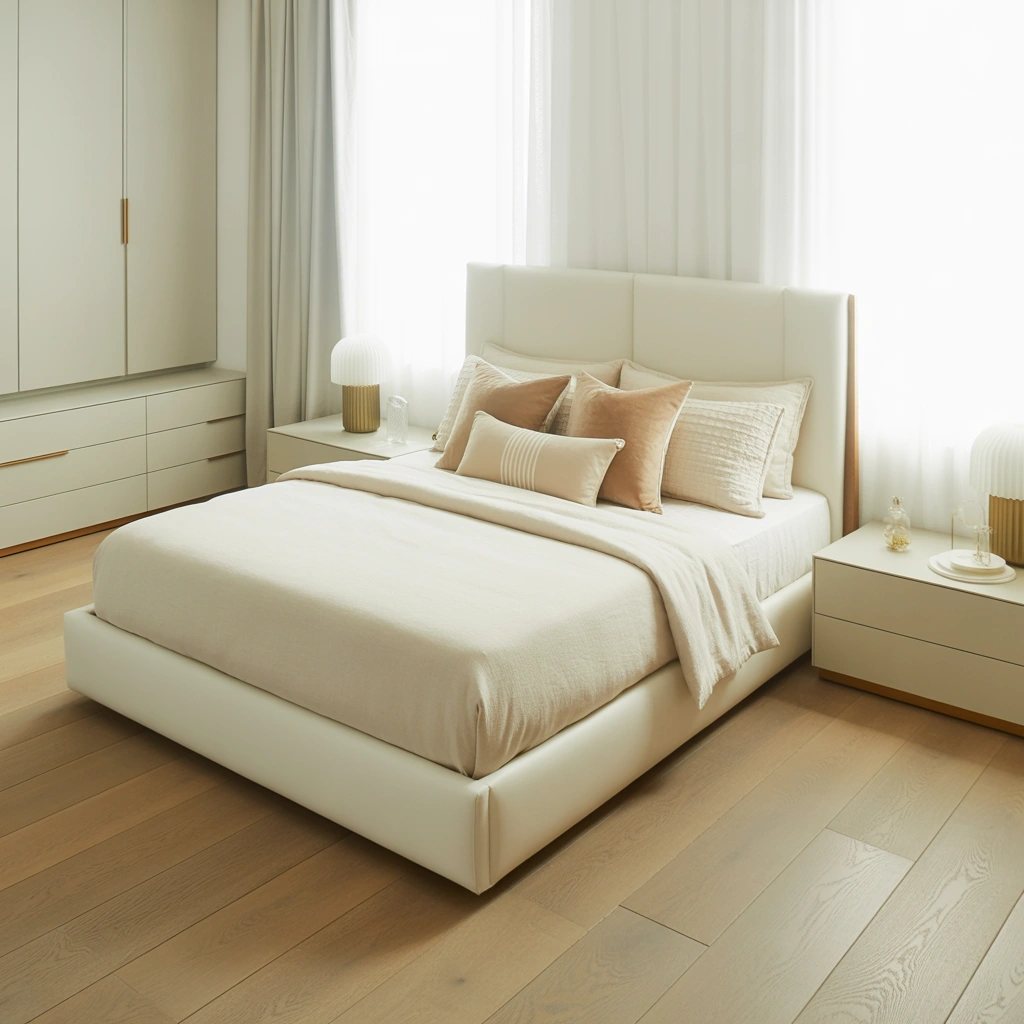
The bed is usually the largest and most noticeable piece of furniture in a bedroom, so it is the perfect place to begin your design.
A statement white bed frame can immediately make the room feel polished and thoughtfully decorated. Depending on your preferred style, you might choose a white upholstered bed, a painted wooden frame, a metal bed, or a dramatic four-poster design.
For a soft and luxurious bedroom, I recommend a white upholstered headboard with gentle curves, button tufting, or vertical channel stitching. The fabric adds texture while maintaining a clean, neutral appearance. It also creates a comfortable surface for sitting up in bed while reading or watching television.
For a farmhouse-inspired room, consider a white wooden bed with a paneled or slatted headboard. Slightly distressed paint can give the furniture more character and prevent the room from feeling overly formal.
In a modern bedroom, a low-profile white platform bed can create a sleek and uncluttered look. Pair it with crisp bedding, simple lighting, and minimal accessories to maintain the contemporary atmosphere.
To stop a white bed from blending into white walls, add contrast with a colored feature wall, textured wallpaper, wooden flooring, or darker bedside tables.
2. Pair White Furniture With Natural Wood
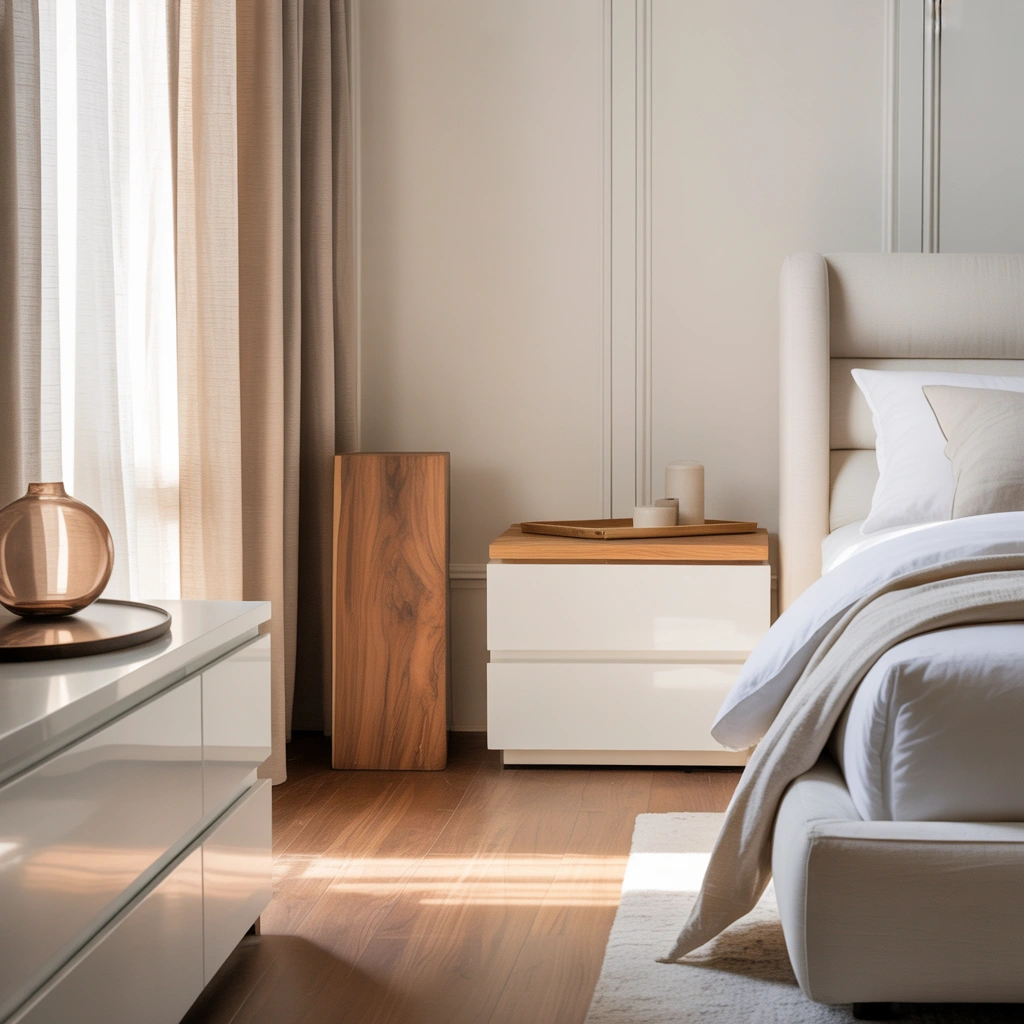
One of my favorite ways to decorate with white bedroom furniture is to combine it with natural wood.
White and wood create a balanced look because the white surfaces brighten the room while the wood introduces warmth. This combination works especially well in Scandinavian, coastal, farmhouse, and modern organic interiors.
You could choose a white bed frame and pair it with wooden nightstands, or use a white dresser with a natural wood top. Another option is to place a wooden bench at the foot of a white bed.
Light woods such as oak, pine, ash, and birch create a soft, airy appearance. Darker woods such as walnut or mahogany provide stronger contrast and make the room feel more sophisticated.
Wooden flooring is another effective way to warm up an all-white furniture scheme. Add a soft rug beneath the bed so the room still feels comfortable and cozy.
You can also introduce smaller wooden details through picture frames, woven baskets, decorative trays, curtain rods, or table lamps. These subtle additions prevent the white furniture from looking too stark without overwhelming the peaceful color palette.
3. Create a White Bedroom With Soft Neutral Layers
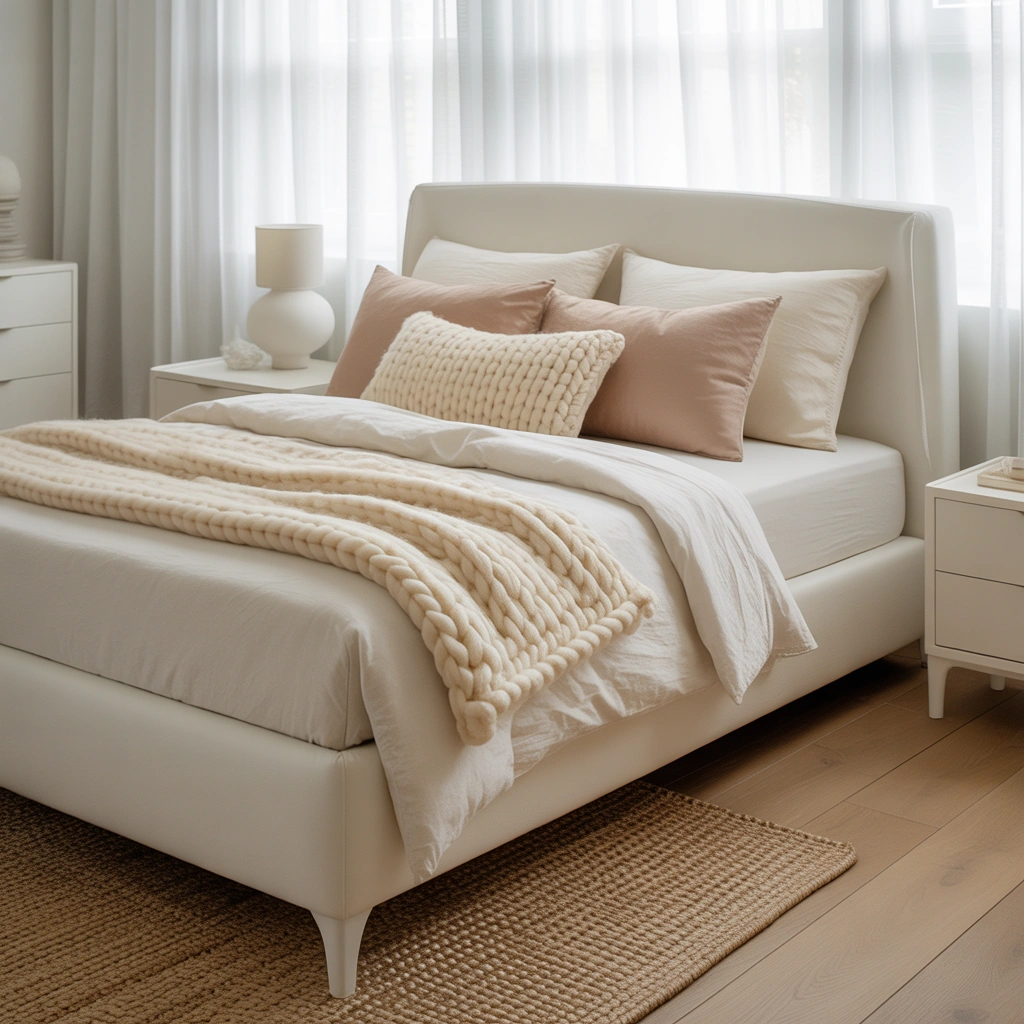
A bedroom does not need bright colors to feel interesting. Layering white furniture with soft neutral shades can create a sophisticated and deeply relaxing space.
Start with your main white furniture pieces, such as the bed, dresser, and nightstands. Then introduce shades of cream, beige, taupe, oatmeal, ivory, and warm gray through bedding, curtains, rugs, and decorative pillows.
The success of a neutral bedroom depends heavily on texture. Without texture, white and beige rooms can sometimes feel flat. I like to combine smooth cotton sheets with a chunky knitted throw, linen curtains, a wool rug, and velvet cushions.
You can also add visual depth through wall treatments. Soft beige paint, limewash, subtle wallpaper, or decorative wall paneling can create a beautiful backdrop for white bedroom furniture.
Keep the overall color temperature consistent. Warm white furniture looks best with creamy and earthy neutrals, while cool white furniture pairs well with pale gray, silver, and blue-based tones.
This layered neutral approach is ideal for anyone who wants a calm bedroom that still feels welcoming and carefully designed.
4. Use Matching White Nightstands for Symmetry
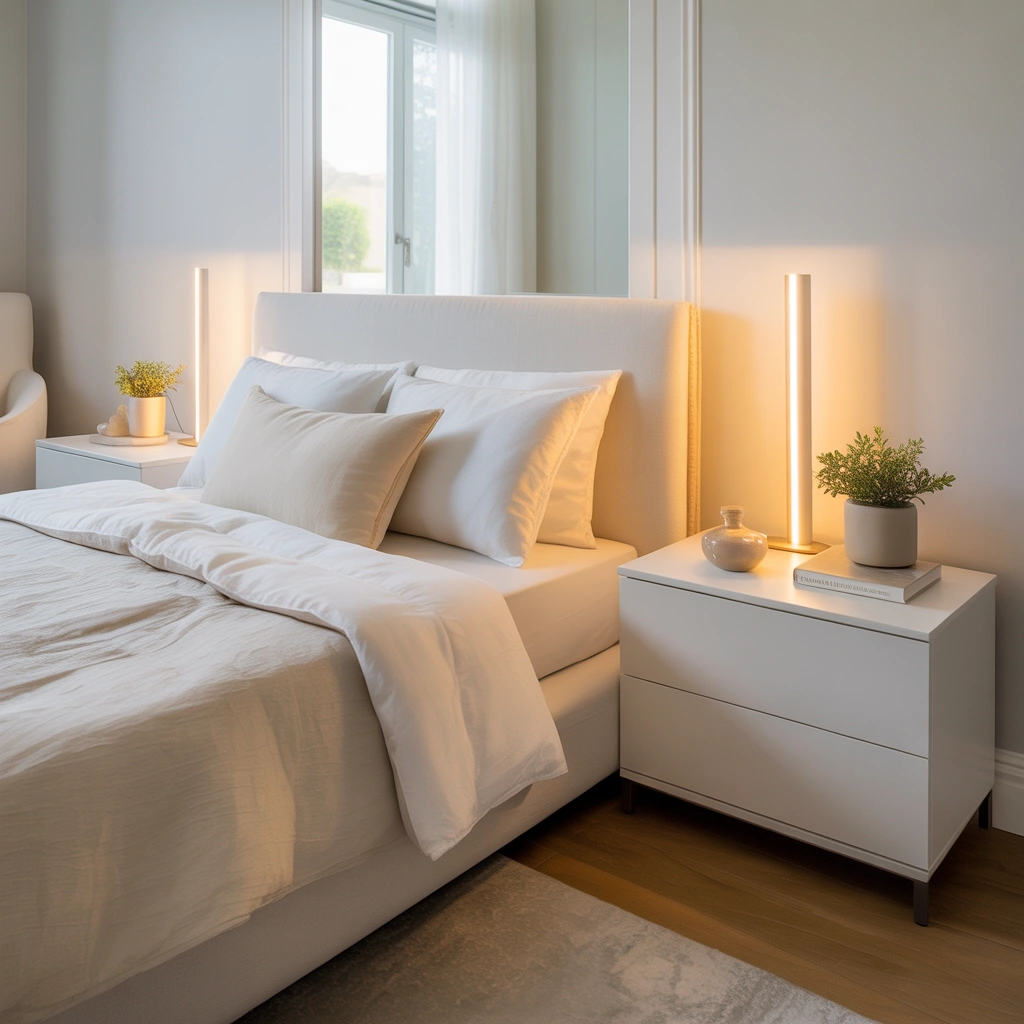
Matching white nightstands can make a bedroom appear balanced and organized. This is especially effective in a primary bedroom where the bed is positioned in the center of the main wall.
Choose nightstands that are proportional to the size of your bed. Small tables can look lost beside a large king-size bed, while oversized cabinets may overwhelm a compact room.
White nightstands with drawers are practical because they provide hidden storage for chargers, books, sleep masks, medications, and other small items. Keeping these everyday belongings inside the drawers helps maintain a clean bedside area.
For a traditional bedroom, look for nightstands with decorative moldings, turned legs, or antique-style handles. In a modern room, choose simple designs with flat drawer fronts and minimal hardware.
You can create symmetry by placing matching lamps on both nightstands. However, the accessories do not need to be completely identical. A small plant on one side and a stack of books on the other can make the arrangement feel more natural.
When the nightstands match the white bed frame, the room gains a cohesive and restful appearance.
5. Add a White Dresser With Elegant Hardware
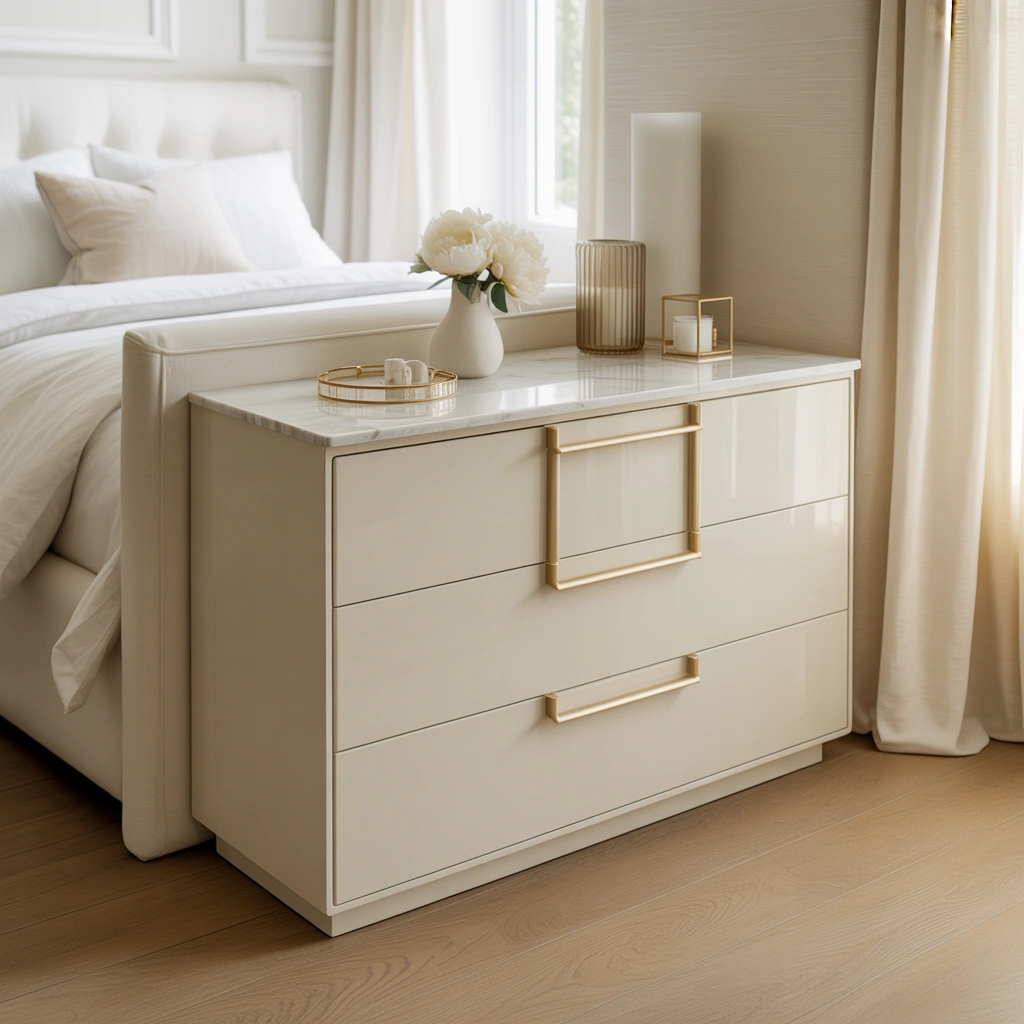
A white dresser provides essential storage while also offering a surface for decoration.
Instead of viewing the dresser as purely functional furniture, treat it as a styling opportunity. The right handles or knobs can completely transform its appearance.
Brass or gold hardware adds warmth and elegance to a white dresser. Matte black handles create a bold modern contrast, while crystal knobs suit romantic or vintage-inspired bedrooms. Silver hardware offers a clean and classic finish.
Above the dresser, hang a large mirror, framed artwork, or a small gallery wall. A mirror is particularly useful because it reflects light and makes the bedroom feel larger.
On top of the dresser, keep the arrangement simple. You might use a decorative tray for perfume bottles, a ceramic vase with flowers, a table lamp, and a few personal objects.
Avoid covering the entire surface with small accessories, as too many items can make the room appear cluttered. Leaving some empty space allows the dresser and its decorative details to stand out.
A white dresser can also be refreshed easily over time. Changing the hardware, mirror, or styling accessories can give it an entirely new look without requiring you to replace the furniture.
6. Install a White Wardrobe for Seamless Storage
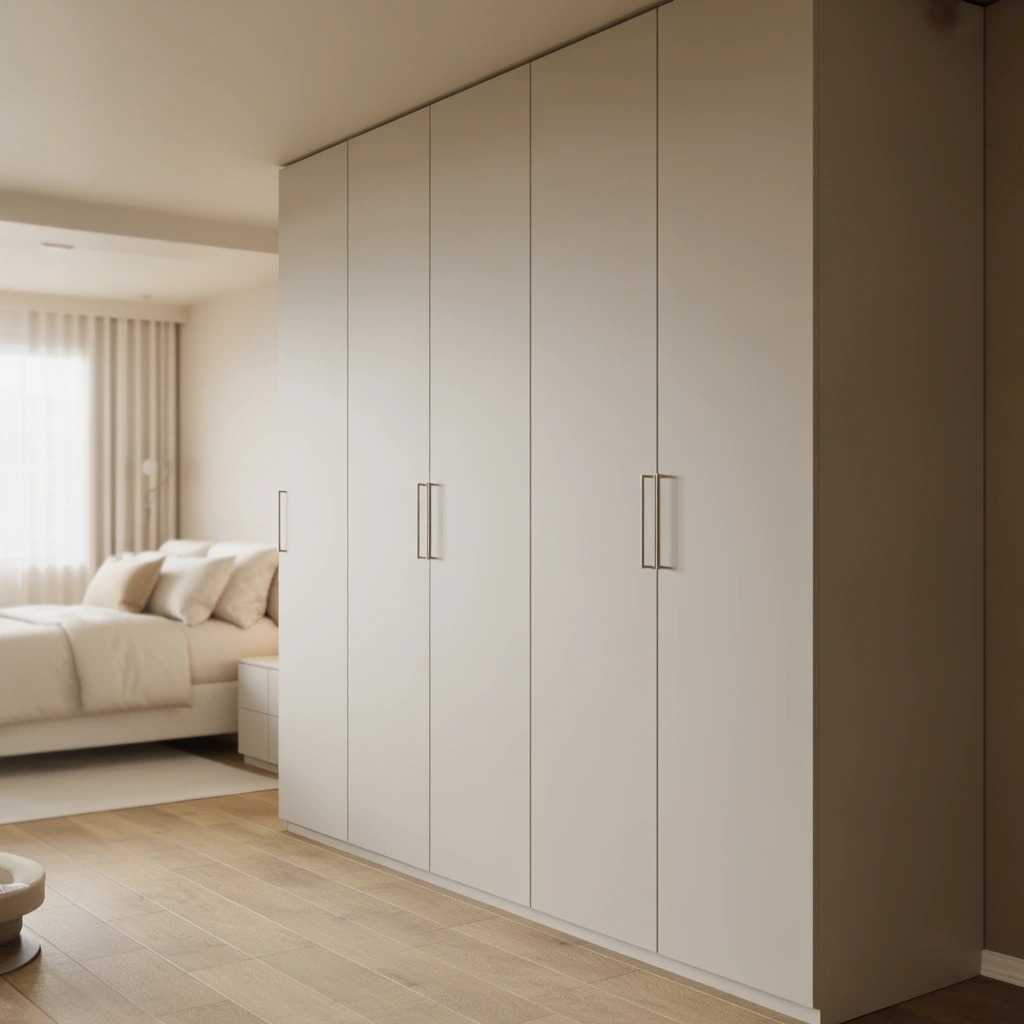
A large wardrobe can dominate a bedroom, particularly when it is dark or visually heavy. Choosing a white wardrobe helps the storage unit blend more gently into the room.
For small bedrooms, wardrobes with white doors can make the walls feel less crowded. Sliding doors are especially useful because they do not require additional floor space to open.
Mirrored panels can be included to reflect natural light and provide a full-length dressing mirror. However, using mirrors on every wardrobe door may feel overwhelming, so a combination of white and mirrored panels often looks more balanced.
Built-in white wardrobes can create a seamless, customized appearance. Extending the cabinets from floor to ceiling also provides additional storage while reducing dust-collecting gaps.
For a classic look, choose paneled doors with decorative handles. For a contemporary room, flat-front white doors with discreet handles create a streamlined effect.
Inside the wardrobe, consider adding adjustable shelves, hanging rails, drawers, shoe storage, and interior lighting. A beautiful wardrobe is helpful, but thoughtful internal organization is what makes it truly functional.
7. Design a White Vanity Corner
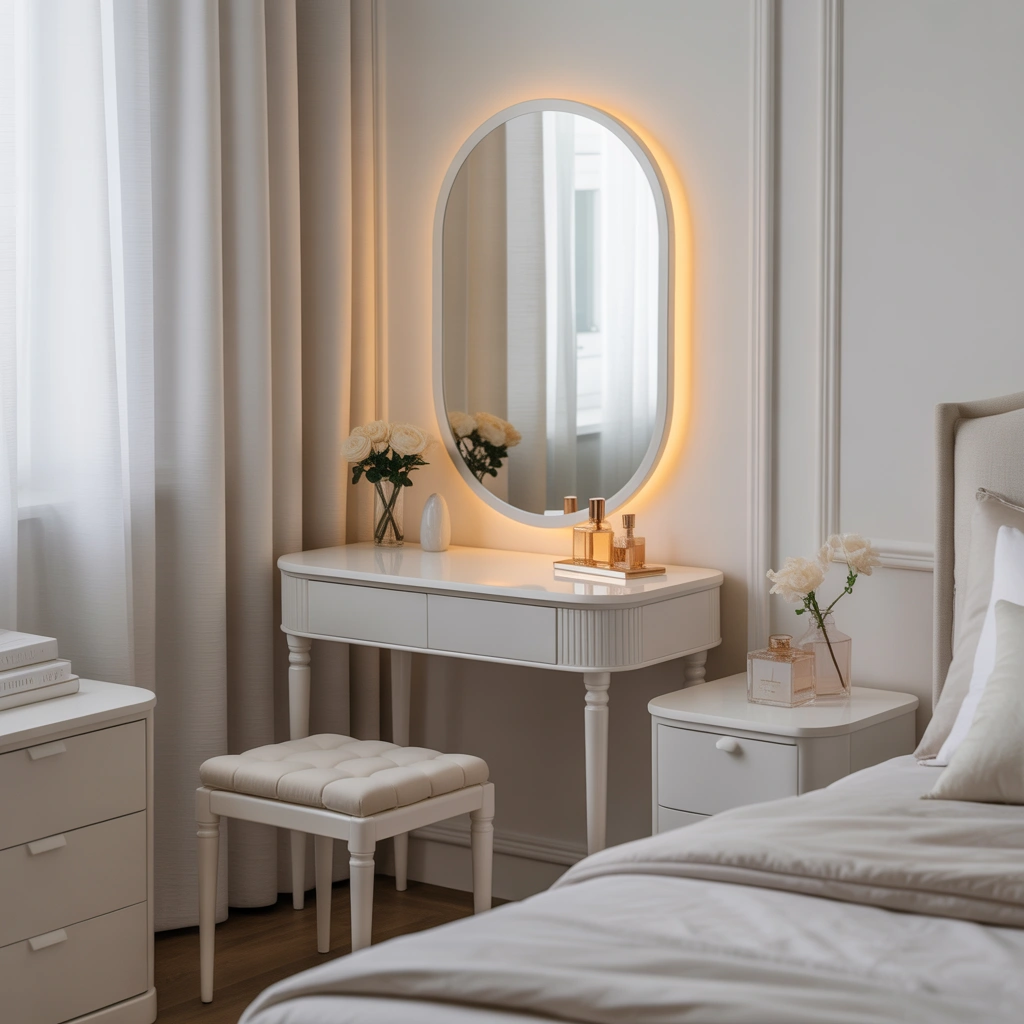
A white vanity can bring elegance and practicality to an unused bedroom corner.
Choose a design that suits the available space. A compact white console table can function as a vanity in a small room, while a larger dressing table with drawers provides more storage for beauty products, jewelry, and hair accessories.
Pair the vanity with a comfortable chair or upholstered stool. A blush pink, beige, gray, or patterned seat can add color and personality without competing with the white furniture.
Lighting is extremely important around a vanity. Natural light is ideal, but you can also use wall-mounted sconces, a lighted mirror, or a stylish table lamp. Position lighting so that it illuminates your face evenly rather than creating strong shadows.
Keep frequently used items organized in trays, containers, or drawers. A crowded vanity can quickly make the entire bedroom feel messy.
For a refined finishing touch, add a small vase of flowers, a jewelry stand, or a framed photograph. The goal is to create a personal corner that feels beautiful while remaining easy to use every day.
8. Combine White Furniture With a Dark Accent Wall
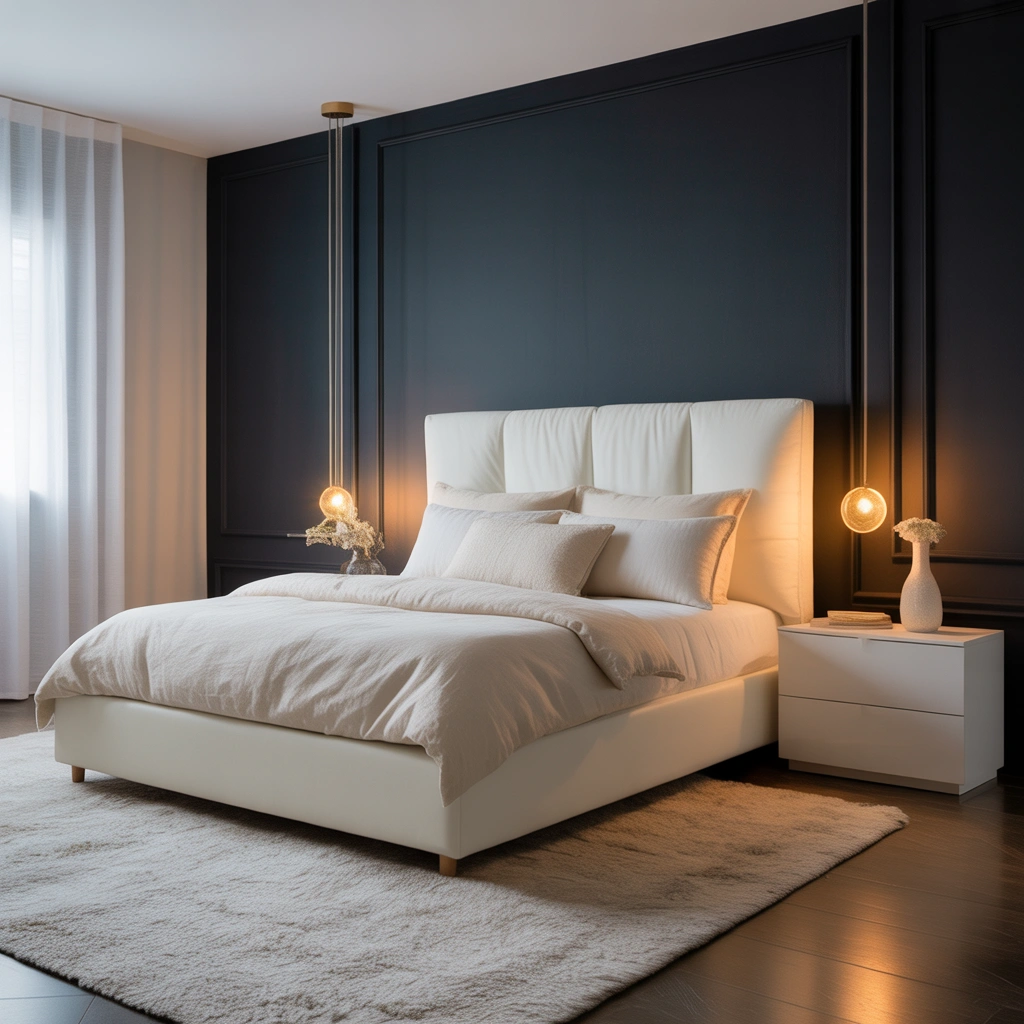
White bedroom furniture looks especially striking against a dark accent wall.
Deep colors such as navy blue, charcoal gray, forest green, chocolate brown, or even black create a dramatic background that makes white furniture stand out clearly.
The wall behind the bed is usually the best location for a dark accent color. A white headboard placed against a navy or green wall becomes an immediate focal point.
To maintain balance, repeat the dark color in small details around the room. You might include dark curtain rods, patterned cushions, picture frames, lamps, or a bench at the foot of the bed.
Do not feel that a dark wall will automatically make the room appear smaller. When balanced with white furniture, light bedding, mirrors, and good lighting, a deep wall color can actually add depth and character.
I particularly love the combination of white furniture, dark green walls, natural wood flooring, and brass lighting. It feels rich and elegant while still maintaining the freshness associated with white bedroom décor.
9. Introduce White Furniture Into a Coastal Bedroom
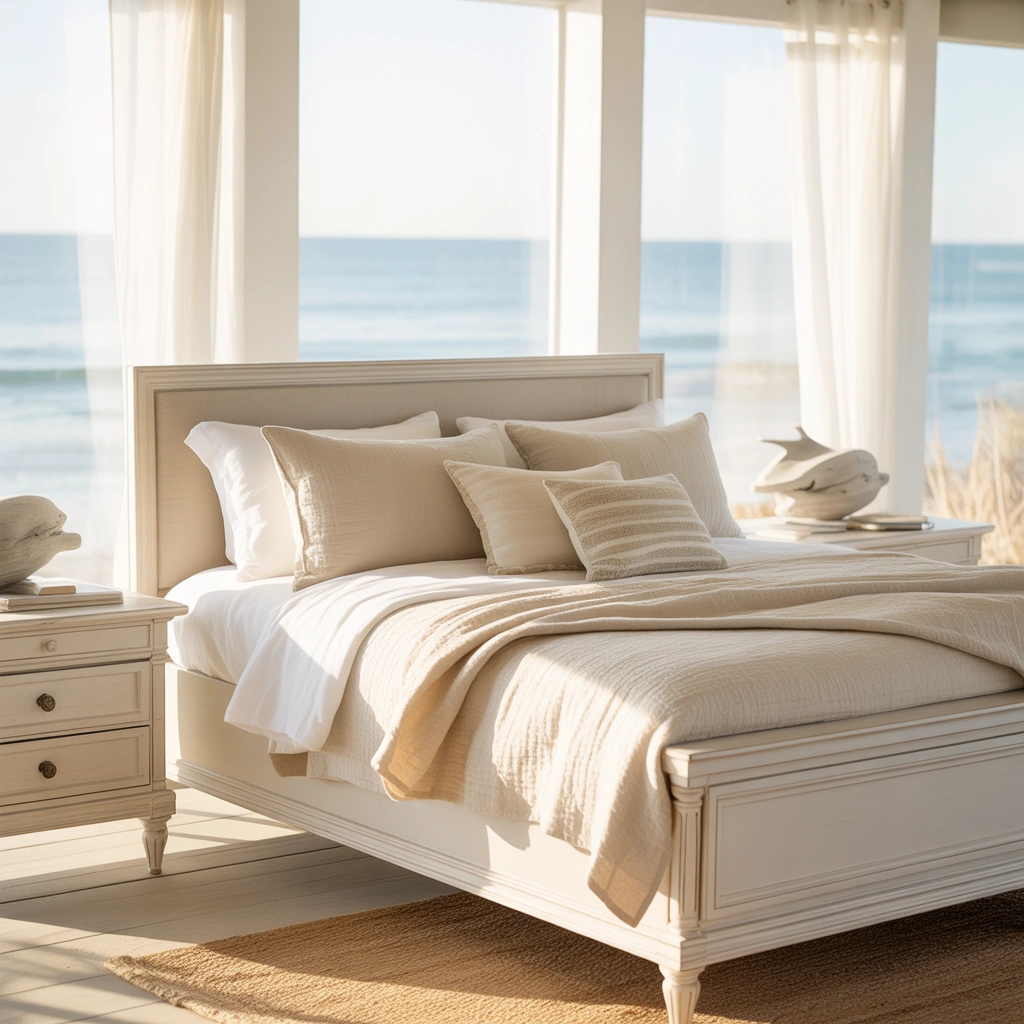
White furniture is a natural choice for coastal-style bedrooms because it creates the bright, relaxed atmosphere associated with seaside living.
Begin with a white wooden bed, dresser, or wardrobe. Pair the furniture with shades of soft blue, sea green, sandy beige, and pale gray.
Use natural materials such as rattan, jute, linen, cotton, and light wood to create warmth and texture. A woven pendant light, jute rug, or rattan chair can prevent the room from looking too polished.
For bedding, choose breathable fabrics and simple patterns. Blue stripes, subtle botanical prints, or textured white duvets work beautifully in coastal interiors.
Decorate carefully rather than filling the room with obvious nautical objects. A framed ocean photograph, a glass vase, or a few shell-inspired details can establish the theme without making the bedroom feel overly themed.
Sheer curtains are another lovely addition because they allow natural light to filter gently into the room.
The final result should feel fresh, casual, and comfortable, as though the room belongs in a peaceful home near the coast.
10. Use Distressed White Furniture for Farmhouse Charm
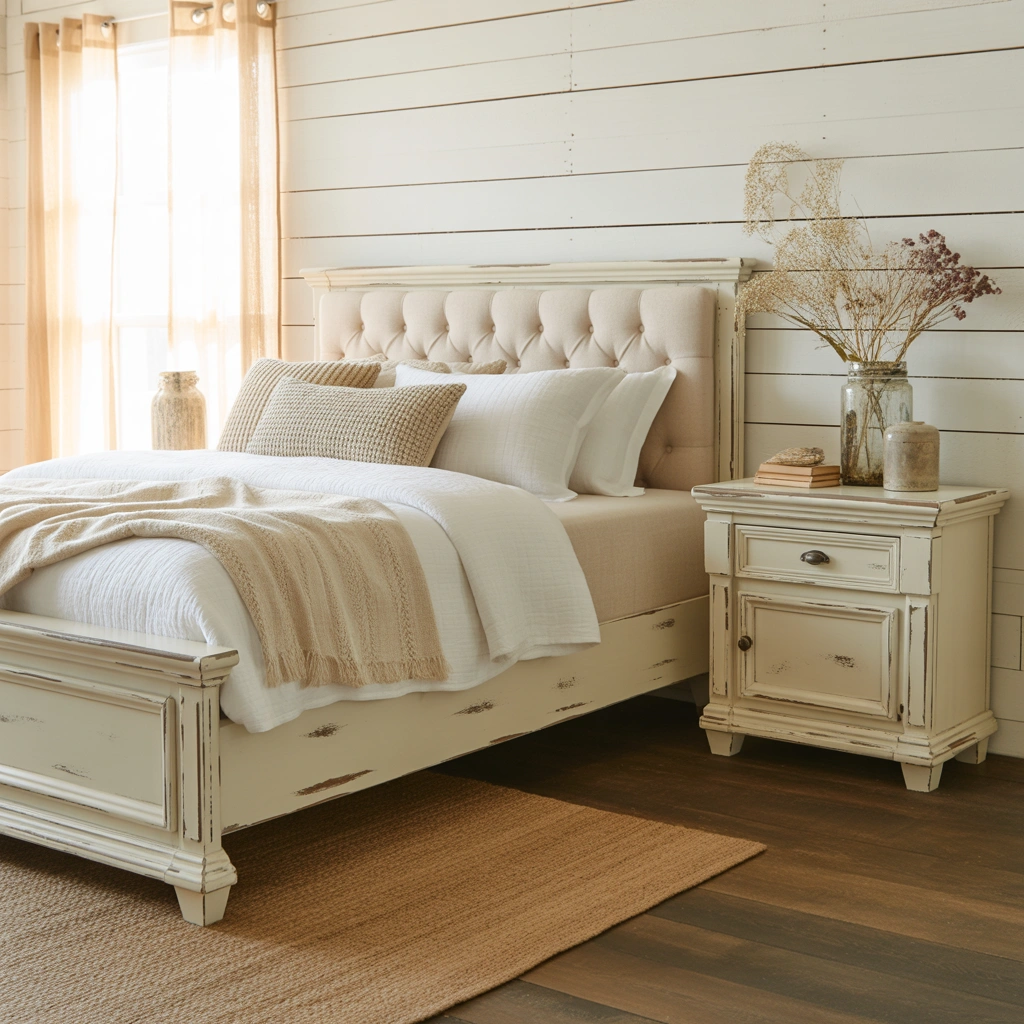
Perfectly smooth white furniture suits modern interiors, but distressed white finishes can bring warmth and personality to a farmhouse bedroom.
Distressed furniture usually features slightly worn edges, visible wood grain, or layered paint that gives the piece an aged appearance. This style works well for bed frames, dressers, wardrobes, benches, and nightstands.
Pair distressed white furniture with warm wood, floral fabrics, checked patterns, vintage-style lighting, and soft neutral bedding.
A white farmhouse bed with a paneled headboard can become the central feature of the room. Add a wooden blanket ladder, woven storage baskets, and a cozy quilt to complete the relaxed look.
The room should feel collected over time rather than perfectly matched. You can mix different white furniture pieces as long as they share a similar rustic character.
Antique-style hardware can also enhance the farmhouse appearance. Look for black iron handles, aged brass knobs, or cup pulls.
The beauty of distressed furniture is that minor marks and imperfections become part of its charm, making it a practical choice for busy households.
11. Add a White Storage Bench at the Foot of the Bed
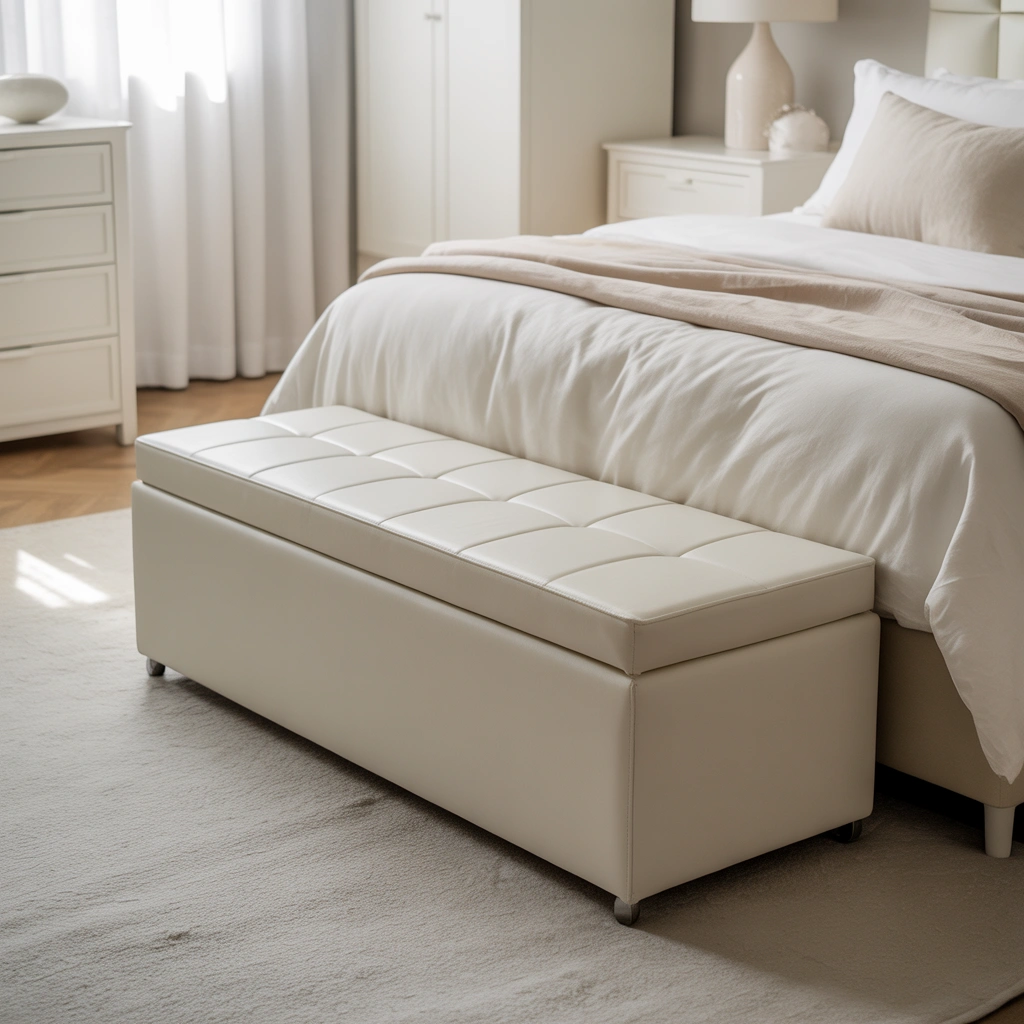
A white bench at the foot of the bed can improve both the style and functionality of your bedroom.
It provides a convenient place to sit while putting on shoes, arranging clothes, or preparing for the day. A storage bench also offers space for extra blankets, pillows, seasonal bedding, or other items that need to remain close at hand.
Choose a bench that is slightly narrower than the bed so the proportions feel balanced. An oversized bench may make it difficult to move around the room, while a very small bench can appear disconnected.
An upholstered white or cream bench creates a soft, luxurious look. A white wooden bench feels more casual and suits farmhouse, coastal, or cottage interiors.
You can also place a folded throw or decorative cushion on top to introduce color and texture.
Before adding a bench, make sure there is enough walking space between the bench and the opposite wall or furniture. In a small bedroom, a compact storage ottoman may be a more practical alternative.
12. Create a Modern Black-and-White Bedroom
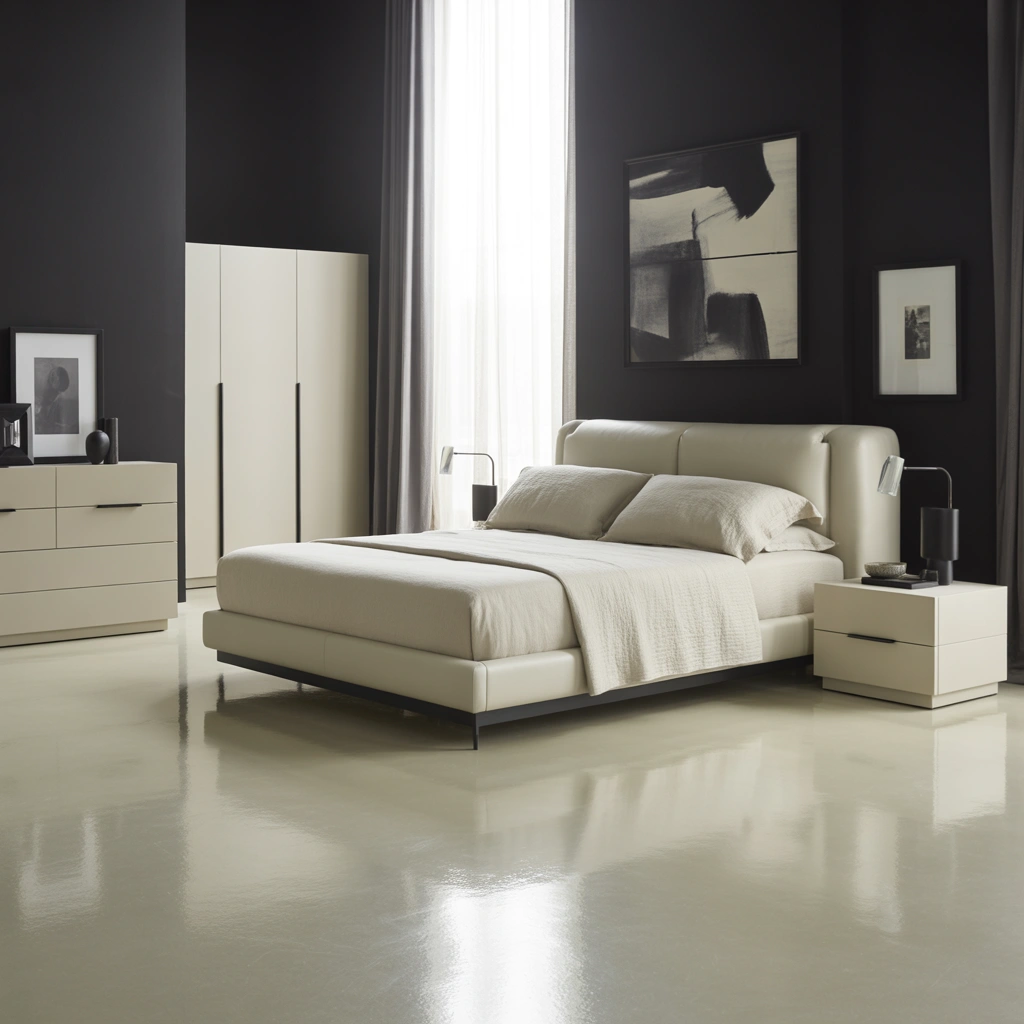
Black and white is a classic combination that can make bedroom furniture look bold and sophisticated.
Use white furniture as the main foundation, then introduce black through lighting, artwork, bedding patterns, hardware, and window treatments.
For example, pair a white platform bed with black wall sconces and monochrome artwork. A white dresser with matte black handles can reinforce the modern contrast.
The key is to control how much black you use. Too many dark surfaces may overpower the freshness of the white furniture. Instead, distribute black accents evenly throughout the room.
You can soften the contrast with warm gray textiles, wooden flooring, indoor plants, or beige accessories. These additions prevent the room from feeling too sharp or formal.
Geometric patterns work particularly well in black-and-white bedrooms. Consider a patterned rug, striped throw, or abstract cushions.
This approach is perfect for anyone who wants white bedroom furniture to feel contemporary rather than romantic or traditional.
13. Choose White Furniture for a Small Bedroom
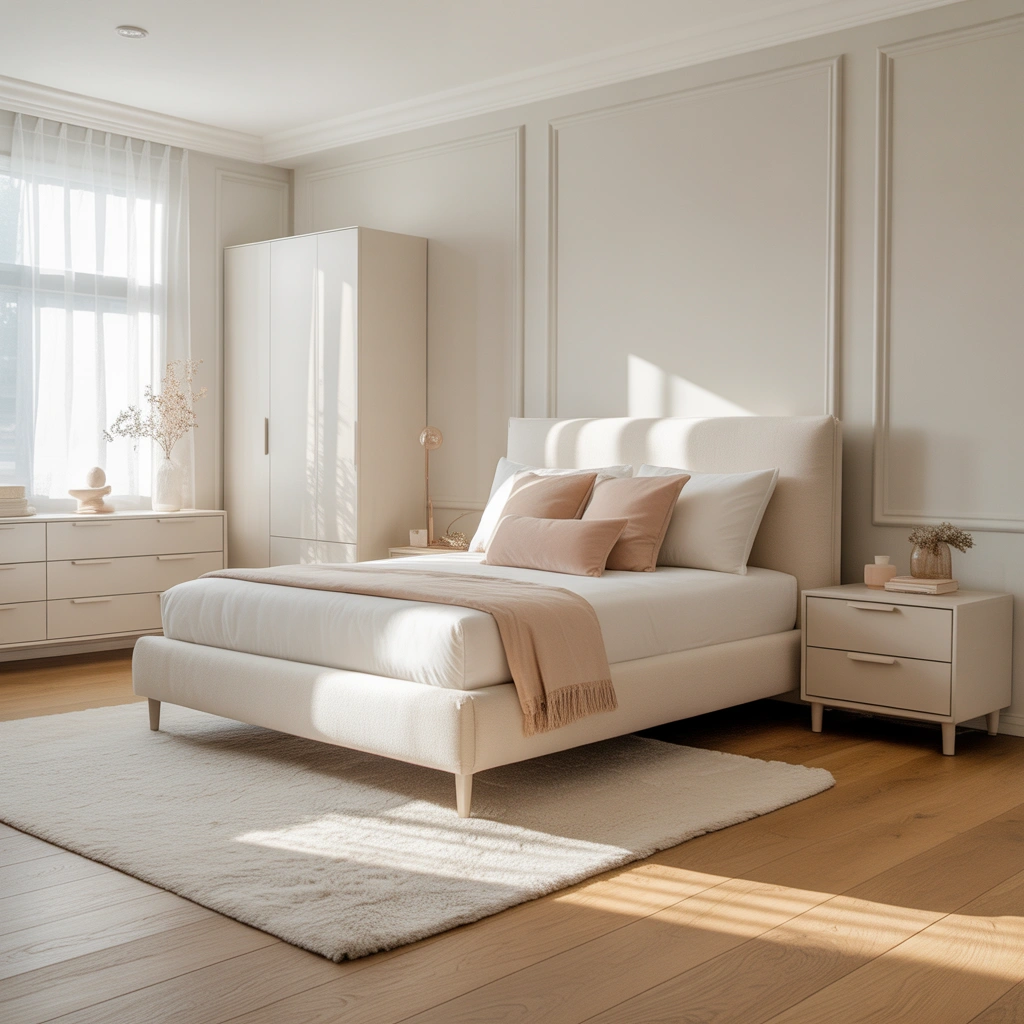
White bedroom furniture is an excellent solution for limited spaces because it reflects light and creates less visual weight than dark furniture.
However, the size and design of each piece still matter. Choose furniture with clean lines, raised legs, or multifunctional features.
A white storage bed can provide drawers underneath the mattress, reducing the need for a separate chest of drawers. A narrow white wardrobe can offer vertical storage without occupying too much floor space.
Floating white nightstands are another smart choice. They provide bedside storage while leaving the floor visible, which can make the room feel more spacious.
Avoid purchasing a complete oversized bedroom set simply because every piece matches. In a small room, carefully selected furniture is more effective than filling every available wall.
Mirrors, light curtains, and pale wall colors can enhance the spacious effect. Keep decorative accessories limited so the room remains calm and organized.
The goal is not to make the room completely empty. Instead, choose furniture that performs more than one function and maintains a bright visual flow.
14. Style White Furniture With Colorful Bedding

One of the greatest advantages of white furniture is that it allows colorful bedding to become the main decorative feature.
You can change the appearance of the bedroom seasonally without replacing expensive furniture. Soft pastels can create a peaceful spring atmosphere, while rust, mustard, and deep green are ideal for autumn. Rich jewel tones can bring drama during colder months.
For a cheerful bedroom, combine a white bed frame with floral bedding, patterned cushions, and a coordinating throw. For a more controlled look, choose one main accent color and repeat it in several places.
Blue bedding feels fresh and calming, blush pink creates softness, green introduces a natural mood, and terracotta adds warmth.
When using strong colors, keep larger surfaces such as curtains and rugs relatively simple. This allows the bedding to attract attention without making the room feel visually chaotic.
White furniture acts like a blank canvas, so you can experiment with color more confidently. Even bold patterns feel easier to manage when the main furniture remains neutral.
15. Mix Different Shades of White
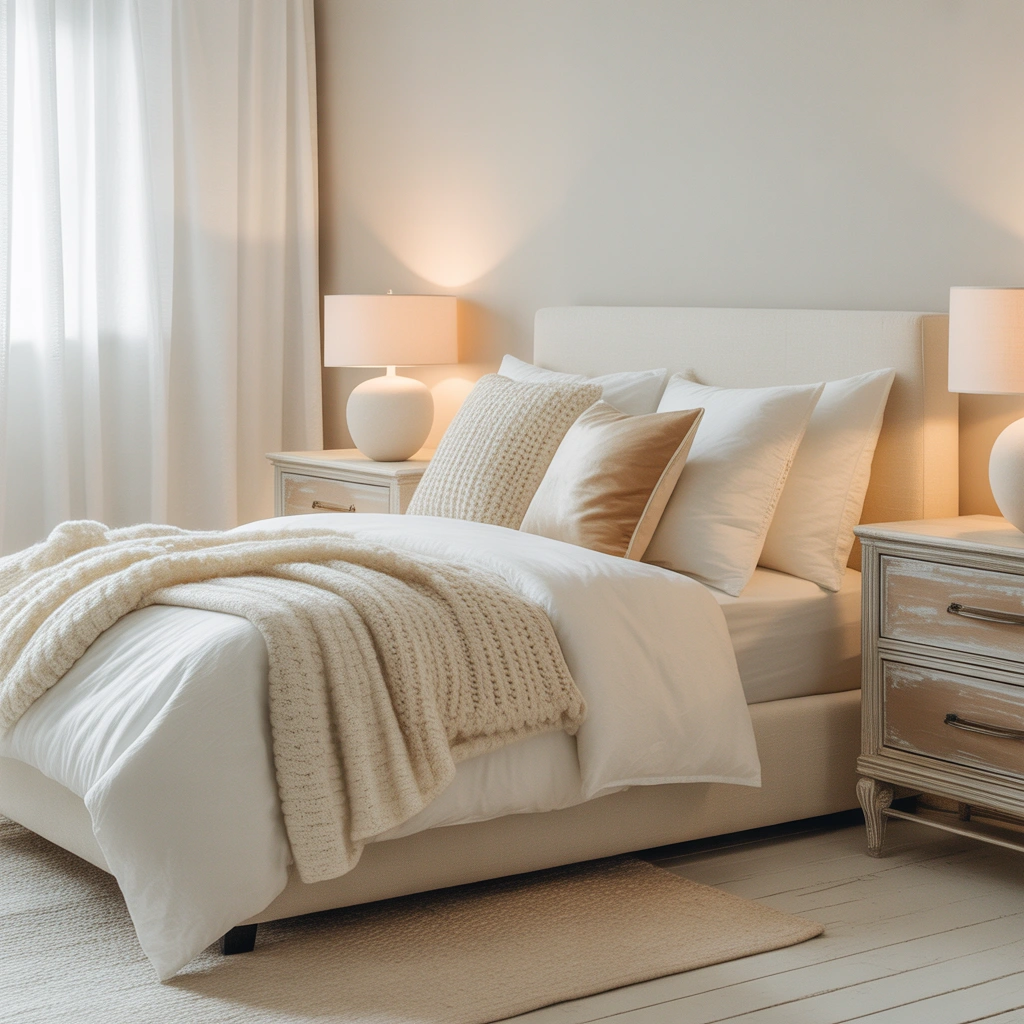
A white bedroom does not require every furniture piece to be exactly the same shade.
In fact, mixing pure white, warm white, ivory, cream, and soft gray-white can make the room feel more layered and natural.
The difference between shades should appear intentional. For example, you could combine a bright white wardrobe with an ivory upholstered bed and off-white nightstands. Use bedding and accessories that include several related tones to connect the pieces.
Lighting also affects how white furniture appears. Warm bulbs can make bright white surfaces look creamier, while cool lighting may emphasize blue undertones.
Before purchasing multiple pieces, examine them in similar lighting whenever possible. This helps you avoid combinations that clash noticeably.
If two white finishes look awkward together, place a contrasting element between them. A wooden floor, colored wall, patterned rug, or darker accessory can visually separate the shades.
A layered white palette often feels more comfortable than a perfectly matched furniture set because it adds softness and character.
How to Keep White Bedroom Furniture Looking Clean
Many people hesitate to choose white furniture because they worry about visible dust, marks, or discoloration. Fortunately, regular care can keep it looking fresh.
Dust the furniture with a soft microfiber cloth at least once a week. Pay attention to drawer edges, handles, carved details, and the tops of wardrobes.
For painted wood or laminate furniture, use a lightly damp cloth with mild soap when necessary. Avoid harsh chemicals or abrasive sponges because they may damage the finish.
Clean spills quickly, particularly on upholstered white furniture. Fabric protectors may help, but always test products on a hidden area first.
Direct sunlight can sometimes cause uneven fading or yellowing. Curtains, blinds, or UV-filtering window treatments can protect furniture in very sunny rooms.
It is also helpful to avoid placing hot styling tools, wet glasses, or strongly colored cosmetics directly on white surfaces. Decorative trays and protective mats can prevent stains and heat damage.
Best Wall Colors for White Bedroom Furniture
White furniture can work with almost any wall color, but the wall shade will strongly influence the mood of the bedroom.
Warm beige, cream, and greige create a cozy neutral space. Pale blue and sage green feel calming and natural. Blush pink adds a soft romantic quality, while navy, charcoal, and forest green create dramatic contrast.
White walls can also work beautifully, especially when the room includes textured fabrics, wooden elements, artwork, and layered lighting.
When selecting paint, consider the undertone of your furniture. A creamy white dresser may look yellow beside a cool blue-white wall, while bright white furniture can appear harsh against certain warm shades.
Testing paint samples near your furniture is always the safest approach.
Final Thoughts
White bedroom furniture offers far more design possibilities than many people realize. It can look modern, traditional, coastal, rustic, romantic, or luxurious depending on the colors, materials, and accessories placed around it.
My favorite approach is to use white furniture as a calm foundation and then introduce warmth through natural wood, layered textiles, soft lighting, and a few carefully chosen accent colors. This creates a bedroom that feels bright without becoming cold and stylish without sacrificing comfort.
You do not need to replace every piece of furniture at once. Begin with one important item, such as a white bed frame, dresser, or wardrobe, and gradually build the room around it.
Whether you are decorating a spacious primary suite or a compact guest room, these white bedroom furniture ideas can help you create a peaceful, organized, and beautiful space that continues to feel fresh for years.
Frequently Asked Questions About White Bedroom Furniture
Is white bedroom furniture still in style?
Yes, white bedroom furniture remains popular because it is versatile, timeless, and easy to coordinate with changing décor trends. The overall style depends on the furniture design, hardware, bedding, and surrounding colors.
Does white furniture make a bedroom look bigger?
White furniture can make a bedroom feel more spacious because it reflects light and creates less visual heaviness than dark furniture. Simple designs, mirrors, and good lighting can strengthen this effect.
What colors look best with white bedroom furniture?
White furniture pairs beautifully with beige, gray, blue, green, blush pink, black, navy, terracotta, and natural wood tones. The best color depends on whether you want the bedroom to feel soft, dramatic, warm, or modern.
How can I make white bedroom furniture feel warmer?
Introduce wooden elements, warm lighting, woven baskets, textured rugs, linen curtains, knitted throws, and cream or beige accessories. These details soften the white surfaces and create a more inviting atmosphere.
Should all white bedroom furniture match?
The pieces do not need to match perfectly. Different white finishes can work together when the room includes connecting elements such as consistent hardware, coordinated bedding, similar design styles, or repeated accent colors.
What flooring works with white bedroom furniture?
White furniture works well with light oak, medium-toned wood, dark hardwood, neutral carpet, and patterned rugs. Wooden flooring is especially effective because it adds natural warmth and contrast.
How do I stop a white bedroom from looking boring?
Use different textures, layered fabrics, artwork, plants, decorative lighting, contrasting hardware, patterned bedding, and natural materials. A few thoughtful details can make a white bedroom feel personal and visually interesting.
