
Designing a home is about much more than choosing attractive furniture or painting the walls in a fashionable color. Your home’s interior should reflect your personality, lifestyle, daily routine, and the way you want to feel when you enter each room.
Some people feel comfortable in clean, minimal spaces, while others prefer rooms filled with colors, artwork, patterns, and meaningful objects. There is no single interior design style that works for everyone. The best style is the one that makes your home feel practical, welcoming, and genuinely yours.
When I explore interior design ideas, I always start by thinking about the atmosphere I want to create. Do I want the space to feel calm and relaxing? Warm and traditional? Bold and creative? Luxurious and polished? Once the desired mood becomes clear, selecting colors, furniture, lighting, materials, and decorative accessories becomes much easier.
In this guide, I am sharing 15 house interior design styles ideas that can help you plan a beautiful and functional home. Whether you are decorating a new property, renovating an old house, or simply refreshing one room, these interior styles will give you plenty of inspiration.
1. Modern Interior Design Style
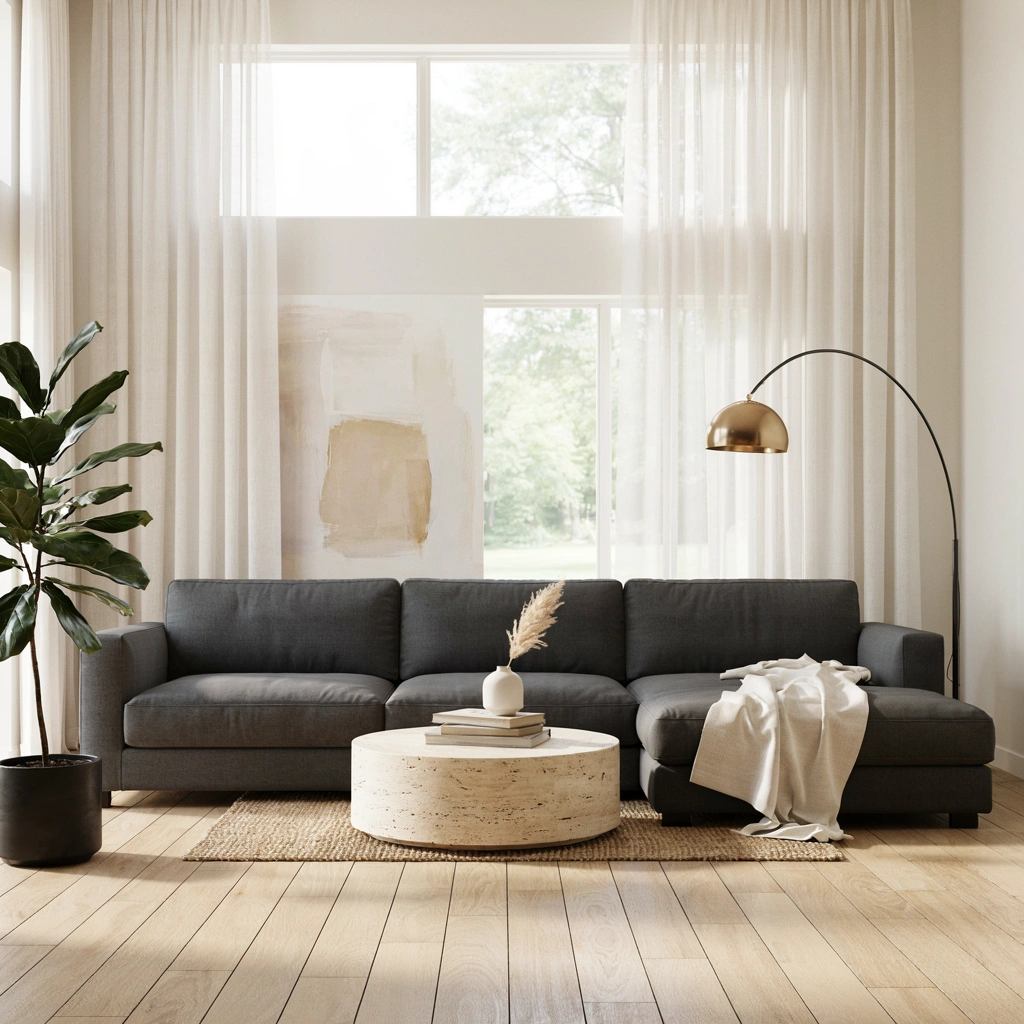
Modern interior design is one of the most popular choices for homeowners who appreciate clean lines, open spaces, and practical furniture. This style focuses on simplicity without making the home look empty or uncomfortable.
A modern interior usually includes a neutral color palette with shades of white, gray, beige, black, and brown. These colors create a clean foundation, while carefully selected accent colors add personality. For example, a gray living room can be made more interesting with mustard cushions, green plants, or deep blue artwork.
Furniture in a modern home often has straight edges, smooth surfaces, and simple shapes. Instead of heavily carved wooden pieces, you will usually find streamlined sofas, glass tables, metal lighting fixtures, and built-in storage.
Natural light is also important in modern house interior design. Large windows, open curtains, and reflective surfaces can make the room appear brighter and more spacious.
To create a modern interior:
- Choose furniture with simple, clean silhouettes.
- Avoid excessive decoration and clutter.
- Use a combination of wood, glass, metal, and stone.
- Add large artwork instead of many small decorative pieces.
- Keep walkways open and furniture arrangements functional.
Modern design is ideal for people who want a stylish, organized, and low-maintenance home.
2. Minimalist Interior Design Style
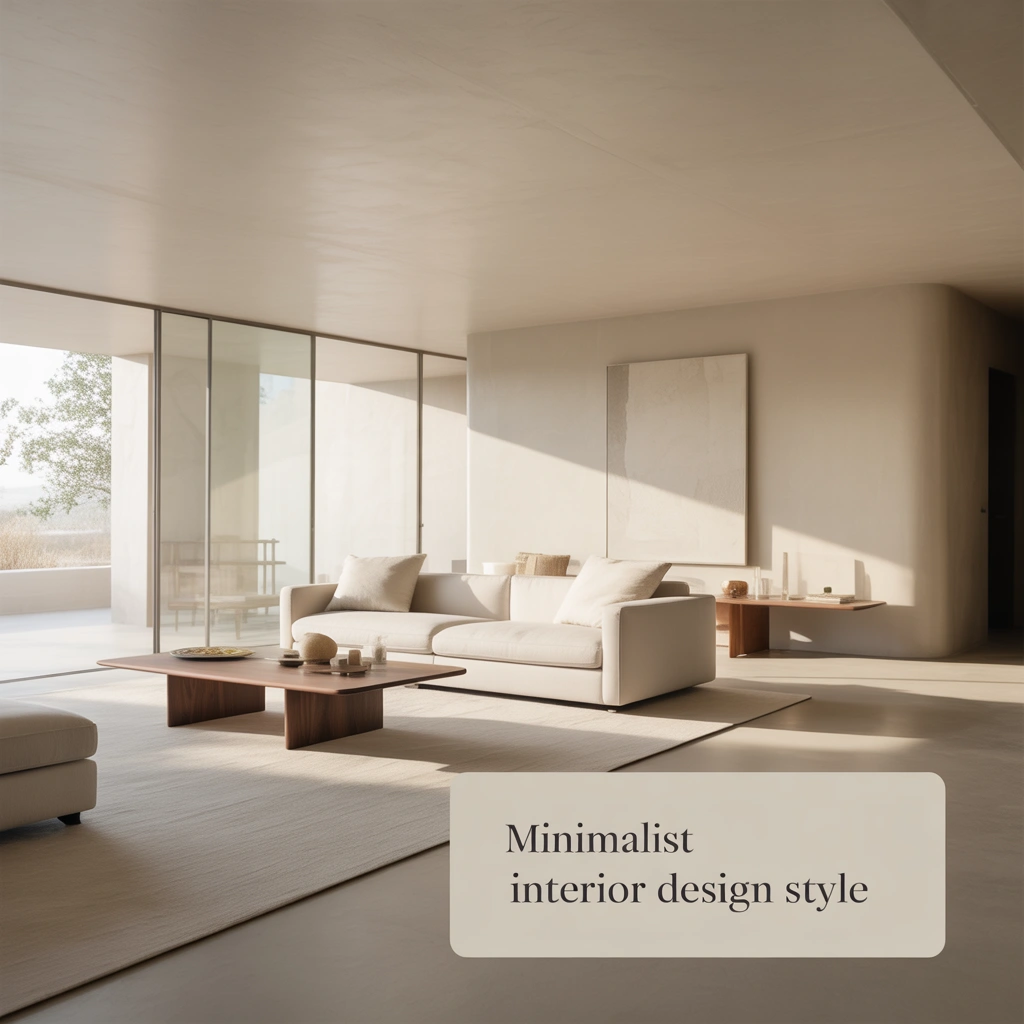
Minimalist interior design follows the principle that fewer, better-chosen items can create a more peaceful and attractive home. However, minimalism does not mean living in a cold, empty room. It means removing unnecessary items and keeping only what is useful, meaningful, or beautiful.
A minimalist house usually features soft neutral colors, uncluttered surfaces, hidden storage, and multifunctional furniture. Each item has a clear purpose, and there is enough open space for the room to breathe.
When creating a minimalist interior, I recommend focusing on quality rather than quantity. One well-made sofa, a simple coffee table, and a carefully selected floor lamp can look more elegant than a room filled with mismatched furniture.
Texture is essential because minimalist color schemes are often simple. You can add visual interest through linen curtains, wool rugs, wooden furniture, stone surfaces, and soft cotton cushions.
The key elements of minimalist home design include:
- Neutral and calming colors
- Clean architectural lines
- Limited decorative accessories
- Smart storage solutions
- Functional furniture
- Natural textures and materials
Minimalism works especially well in small apartments and compact houses because it reduces visual clutter and creates a greater sense of space.
3. Scandinavian Interior Design Style
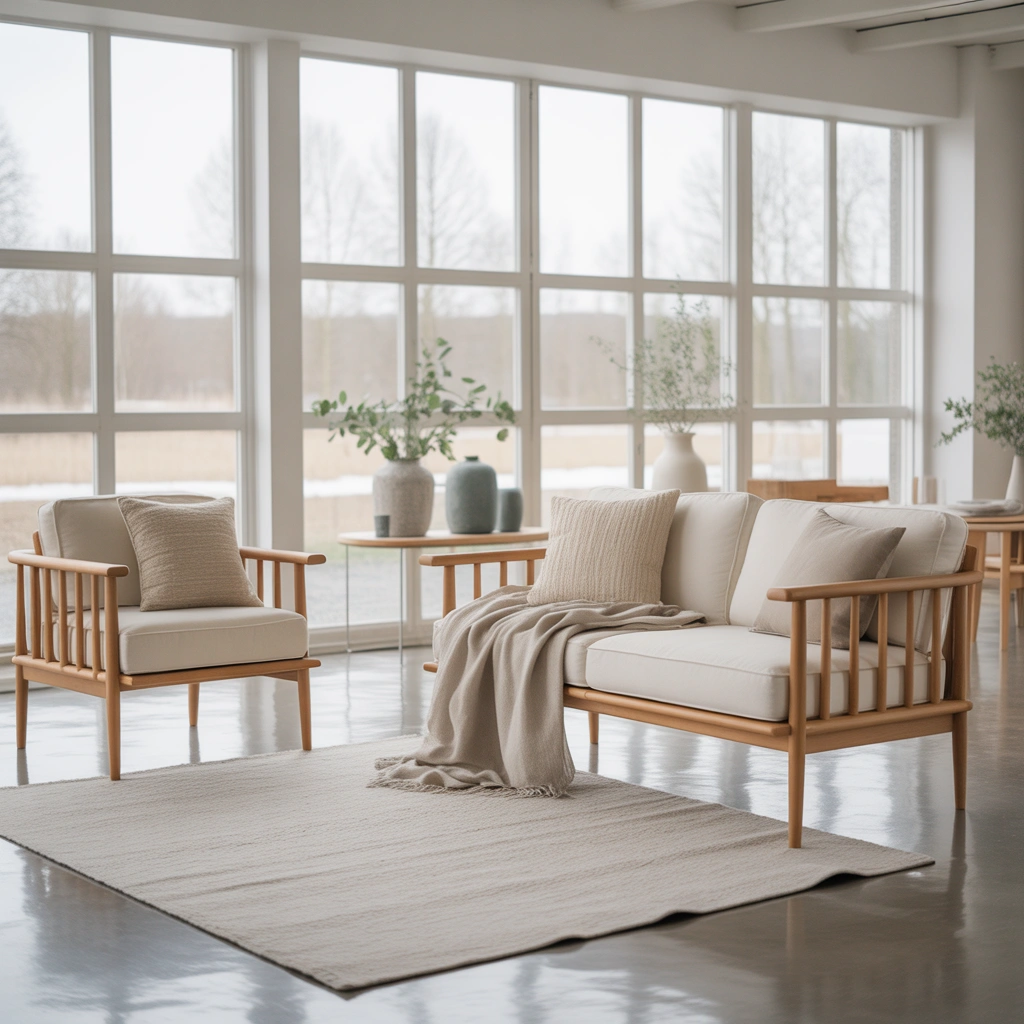
Scandinavian interior design is known for its bright, cozy, and functional appearance. Inspired by homes in Denmark, Norway, Sweden, and Finland, this style combines simplicity with warmth.
White and light gray are common base colors in Scandinavian interiors because they help reflect natural light. Pale wooden floors, simple furniture, soft textiles, and indoor plants prevent the space from feeling too plain.
One of my favorite features of Scandinavian design is the balance between beauty and comfort. A Scandinavian living room may look clean and organized, but it will also include a soft blanket, a textured rug, warm lighting, and comfortable seating.
To achieve this look, use light woods such as pine, ash, birch, or oak. Add black details through picture frames, lamps, cabinet handles, or chair legs to create contrast.
Important Scandinavian interior elements include:
- White or pale neutral walls
- Light-colored wooden furniture
- Simple and functional layouts
- Warm blankets and cushions
- Soft, layered lighting
- Green indoor plants
- Minimal but meaningful decoration
This style is perfect for homeowners who want a home that feels fresh, relaxed, welcoming, and easy to live in.
4. Traditional Interior Design Style
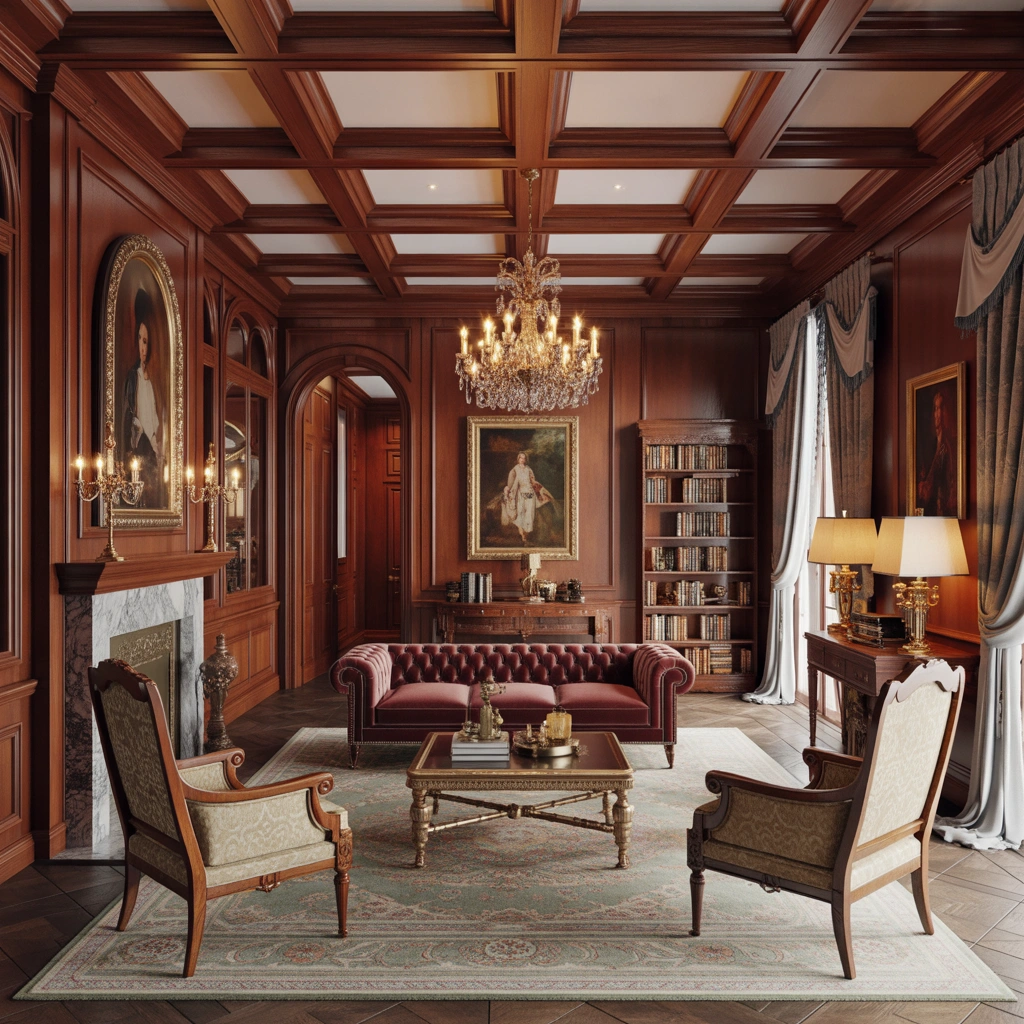
Traditional interior design creates a sense of elegance, history, and comfort. It is inspired by classic European homes and often includes rich colors, detailed furniture, decorative molding, and balanced room arrangements.
Unlike modern interiors, traditional rooms usually feature furniture with curved lines, carved wooden details, and upholstered fabrics. Common materials include dark wood, leather, velvet, silk, and patterned textiles.
Colors such as cream, burgundy, navy blue, forest green, gold, brown, and deep red work beautifully in traditional homes. Floral patterns, damask wallpaper, Persian-style rugs, framed artwork, and elegant curtains can add character.
Symmetry is another important feature. You may place matching lamps on both sides of a sofa, identical chairs around a fireplace, or balanced artwork above a console table.
To create a traditional interior:
- Select classic wooden furniture.
- Use elegant curtains and layered window treatments.
- Add decorative wall molding or paneling.
- Include patterned rugs and cushions.
- Use warm lighting from table lamps and chandeliers.
- Display books, artwork, ceramics, or family photographs.
Traditional interior design is an excellent option for people who appreciate timeless beauty and formal yet comfortable spaces.
5. Contemporary Interior Design Style
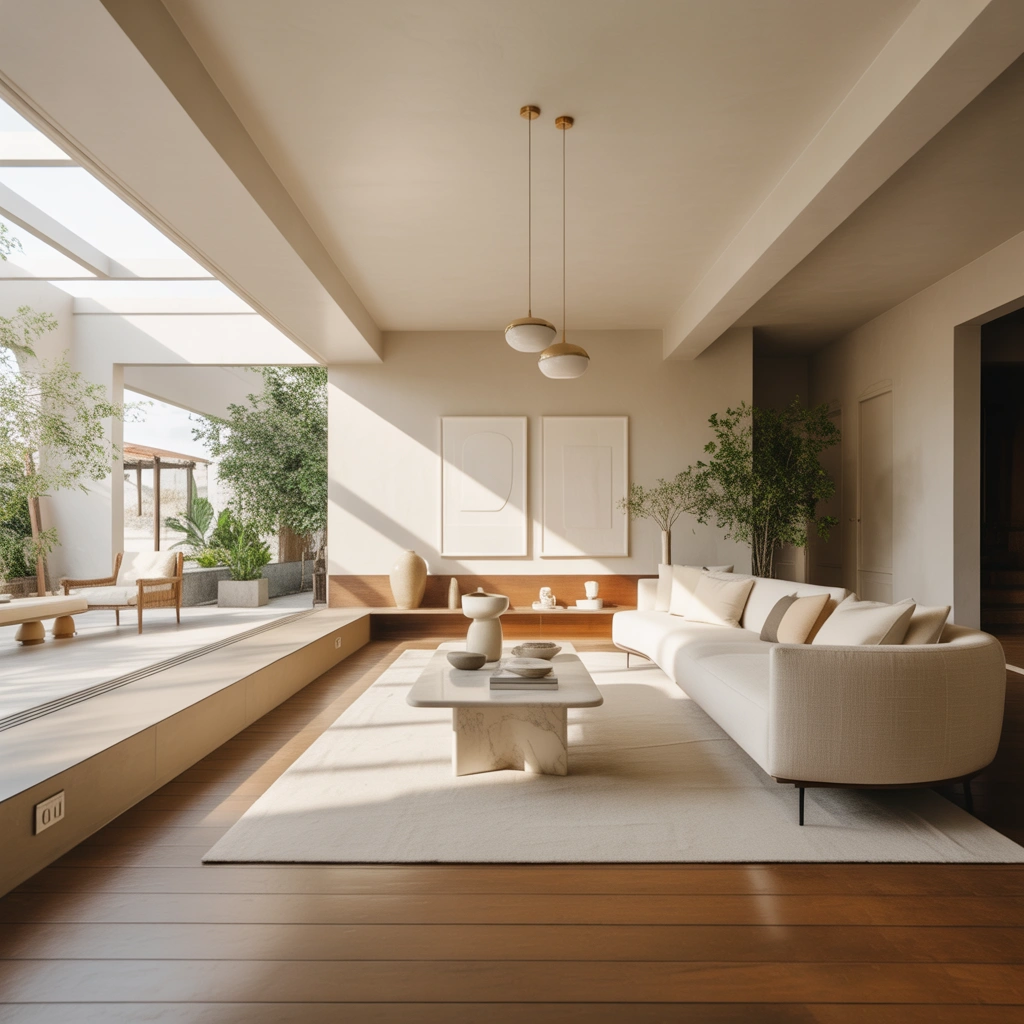
Modern and contemporary interior design are often confused, but they are not exactly the same. Modern design refers to a specific historical design movement, while contemporary design reflects current trends and continues to evolve.
Contemporary interiors often combine clean lines with curved furniture, neutral colors, bold artwork, modern technology, and interesting materials. The style feels polished and current without following one strict formula.
A contemporary living room might include a cream sectional sofa, a sculptural coffee table, floor-to-ceiling curtains, metallic lighting, and oversized abstract art. The space may be minimal, but it usually contains one or two strong visual features.
Contemporary design commonly includes:
- Open and flexible floor plans
- Neutral walls with bold accents
- Statement lighting fixtures
- Curved or sculptural furniture
- Large artwork
- Smooth, polished surfaces
- A mixture of natural and manufactured materials
I recommend contemporary design for anyone who likes updating their home occasionally. Because this style changes with current trends, you can refresh the look through lighting, artwork, rugs, and accessories without replacing everything.
6. Industrial Interior Design Style
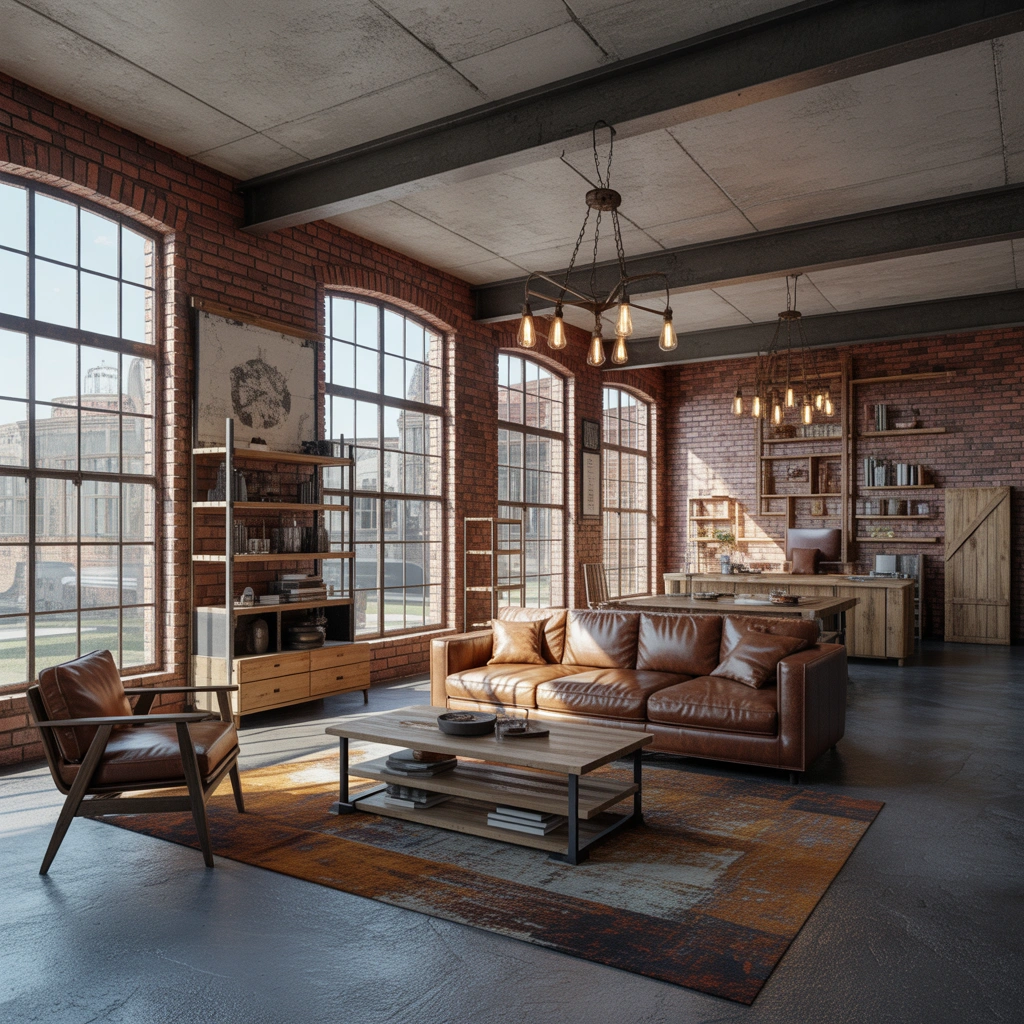
Industrial interior design takes inspiration from warehouses, factories, workshops, and converted loft apartments. It celebrates raw materials and architectural details that other styles often try to hide.
Exposed brick walls, concrete floors, metal pipes, black-framed windows, reclaimed wood, and steel furniture are common features. The result is bold, urban, and full of character.
An industrial home does not have to feel dark or unfinished. You can soften the raw materials with comfortable sofas, warm wooden furniture, rugs, cushions, and warm-toned lighting.
For a balanced industrial interior, combine hard and soft elements. For example, pair a metal coffee table with a textured rug or place leather chairs beside a warm brick wall.
Industrial design ideas include:
- Exposed brick or concrete-effect walls
- Black metal shelving and lighting
- Reclaimed wooden tables
- Leather seating
- Open shelving
- Edison-style bulbs
- Neutral colors such as charcoal, brown, black, and gray
This house interior design style works especially well in open-plan homes, lofts, studios, home offices, kitchens, and entertainment rooms.
7. Bohemian Interior Design Style
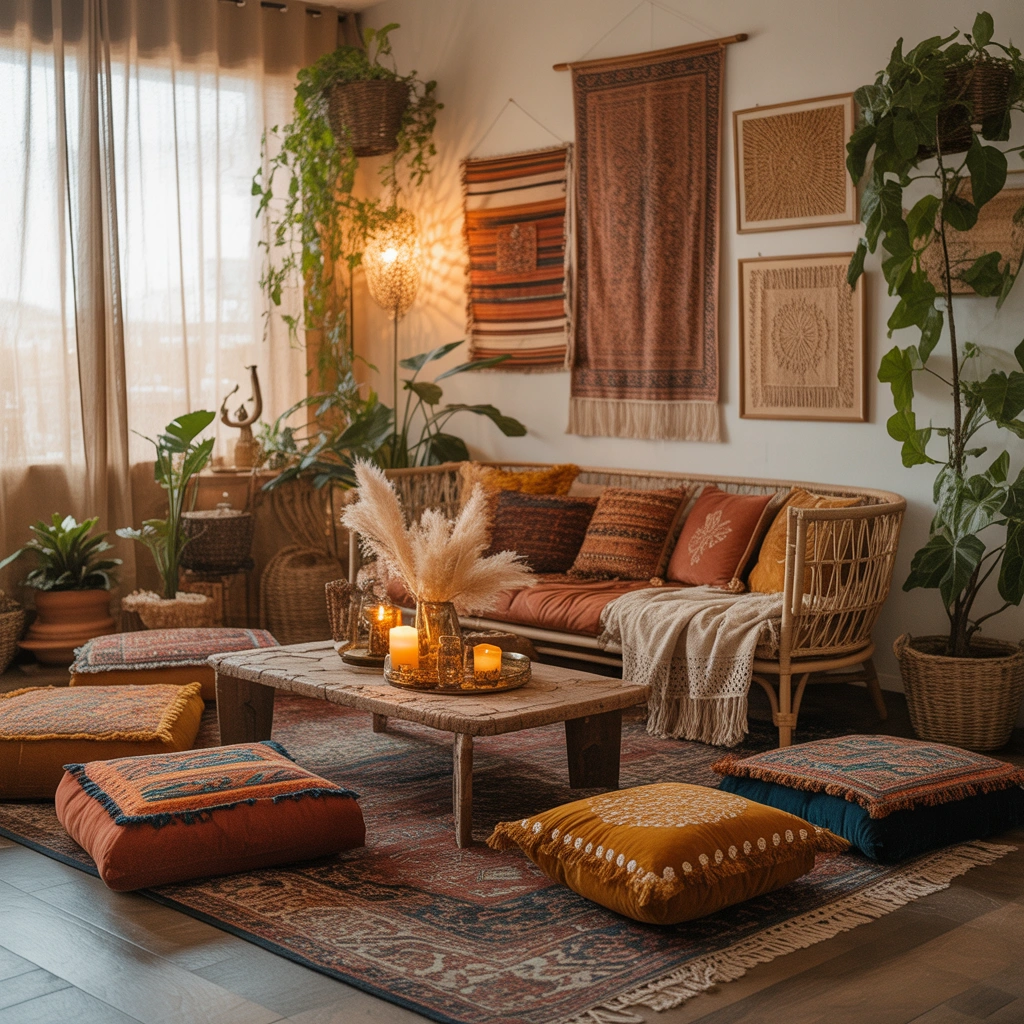
Bohemian, or boho, interior design is ideal for creative people who enjoy color, texture, travel-inspired decoration, and a relaxed atmosphere. Unlike highly structured styles, bohemian design allows you to mix different influences and display objects that tell a personal story.
A bohemian room may include patterned rugs, woven baskets, colorful cushions, handmade pottery, vintage furniture, plants, wall hangings, and artwork collected from different places.
The style looks layered rather than perfectly matched. However, successful bohemian interiors still need some visual connection. You can create balance by repeating certain colors or materials throughout the room.
For example, if you use terracotta, cream, olive green, and rust as your main palette, repeat these shades in cushions, rugs, artwork, and decorative accessories.
Bohemian interior design often includes:
- Layered rugs and textiles
- Natural materials such as jute, rattan, and wood
- Global or handmade accessories
- Indoor plants
- Warm and earthy colors
- Vintage furniture
- Relaxed seating arrangements
The goal is to create a home that feels collected over time rather than purchased as a complete matching set.
8. Farmhouse Interior Design Style
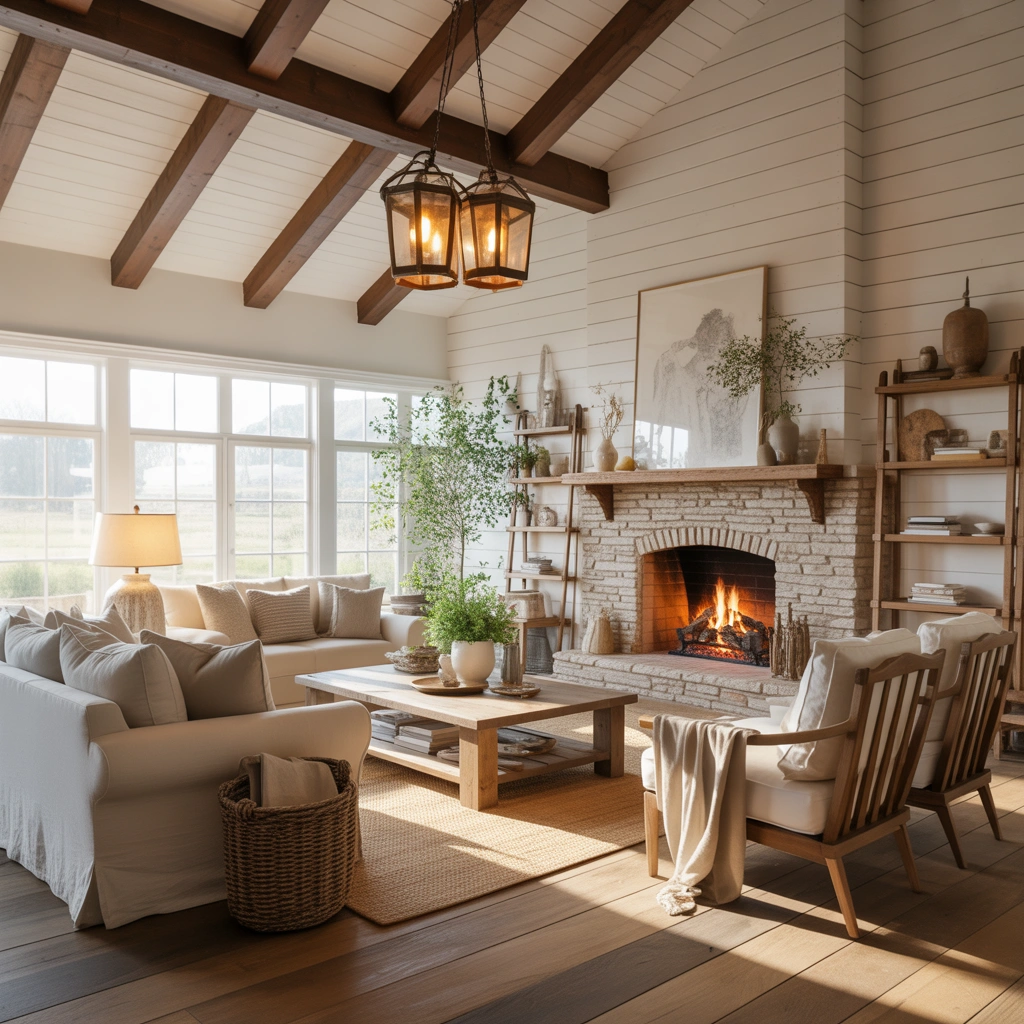
Farmhouse interior design combines rustic charm with practical comfort. It is inspired by country houses, traditional farm properties, and simple rural living.
Classic farmhouse interiors feature wooden furniture, exposed beams, neutral walls, natural fabrics, vintage accessories, and welcoming kitchens. White, cream, beige, soft gray, and muted green are commonly used.
The modern farmhouse variation has become especially popular. It combines traditional farmhouse materials with cleaner lines, black accents, and more contemporary furniture.
A farmhouse kitchen might include shaker-style cabinets, a large wooden dining table, open shelves, ceramic dishes, pendant lights, and a deep apron-front sink.
To create a farmhouse interior:
- Use natural or reclaimed wood.
- Choose comfortable, practical furniture.
- Add linen, cotton, or checked fabrics.
- Decorate with ceramic vases, baskets, and vintage pieces.
- Use black metal hardware for contrast.
- Keep the color palette soft and natural.
Farmhouse design is perfect for families because it feels comfortable, durable, welcoming, and suitable for everyday living.
9. Mid-Century Modern Interior Design Style
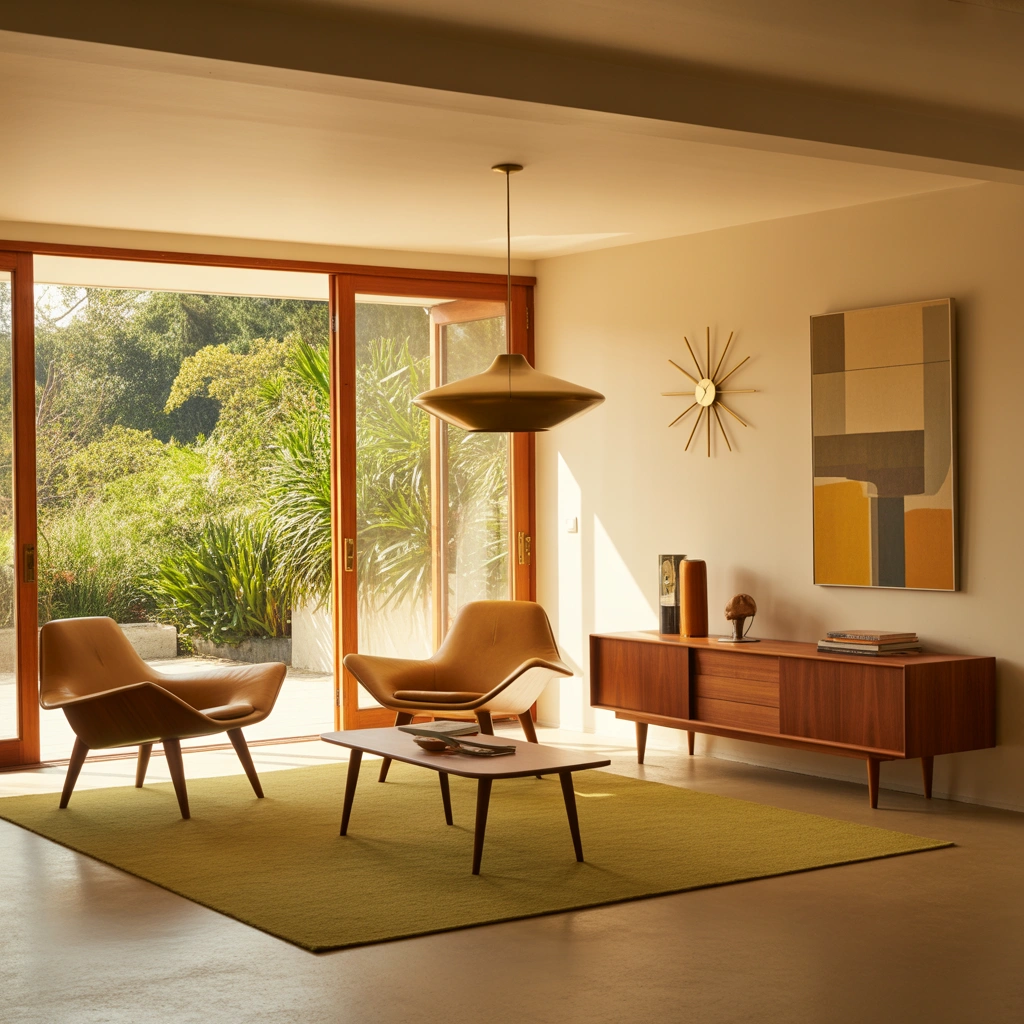
Mid-century modern design became popular during the middle of the twentieth century and continues to influence modern homes today. It is recognized by clean lines, tapered furniture legs, organic shapes, and a strong connection between indoor and outdoor spaces.
Furniture is often the main attraction in a mid-century modern interior. Low-profile sofas, wooden sideboards, molded chairs, round coffee tables, and statement lamps are common choices.
Popular colors include mustard yellow, olive green, burnt orange, teal, walnut brown, cream, and black. These colors can be used carefully to create a retro-inspired look without making the room feel outdated.
Mid-century modern interiors usually include:
- Functional wooden furniture
- Tapered or angled legs
- Geometric patterns
- Large windows
- Organic and curved shapes
- Simple decorative accessories
- Bold but controlled accent colors
One reason I like this style is its versatility. Mid-century furniture can be combined with contemporary, Scandinavian, industrial, or minimalist interiors.
10. Coastal Interior Design Style
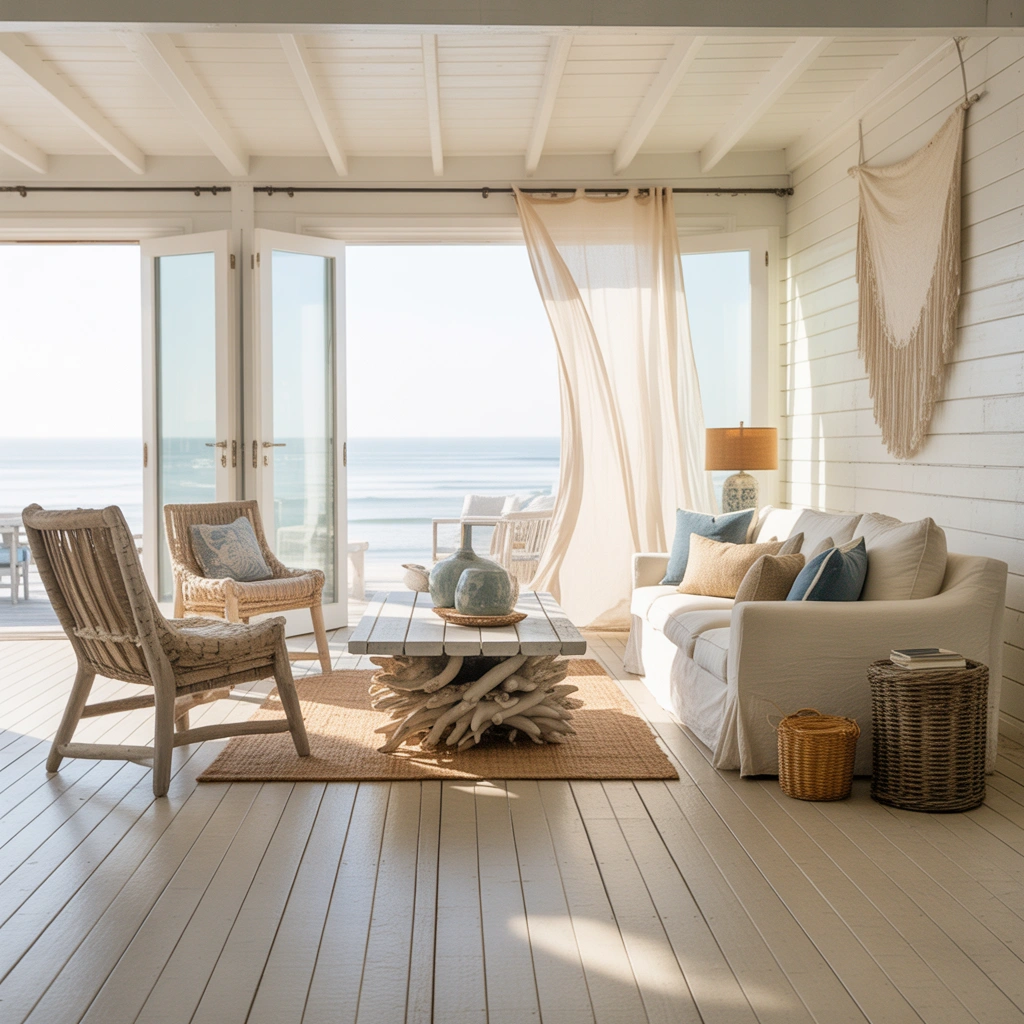
Coastal interior design creates the light, relaxing feeling of a beachside home. It is inspired by the sea, sky, sand, and natural coastal landscapes.
The color palette usually includes white, cream, soft blue, sea green, beige, and sandy brown. Natural materials such as rattan, jute, linen, driftwood, and light-toned timber strengthen the coastal atmosphere.
A good coastal interior should feel fresh and airy rather than overly themed. You do not need to fill every room with shells, anchors, and boat decorations. Instead, focus on natural colors, comfortable fabrics, open spaces, and plenty of light.
For a refined coastal home:
- Use white or pale walls.
- Choose light wooden furniture.
- Add blue and green accents.
- Use linen or cotton upholstery.
- Include woven baskets and jute rugs.
- Keep window treatments light and simple.
- Add subtle ocean-inspired artwork.
Coastal interior design is suitable for anyone who wants their home to feel peaceful, bright, casual, and connected to nature.
11. Rustic Interior Design Style
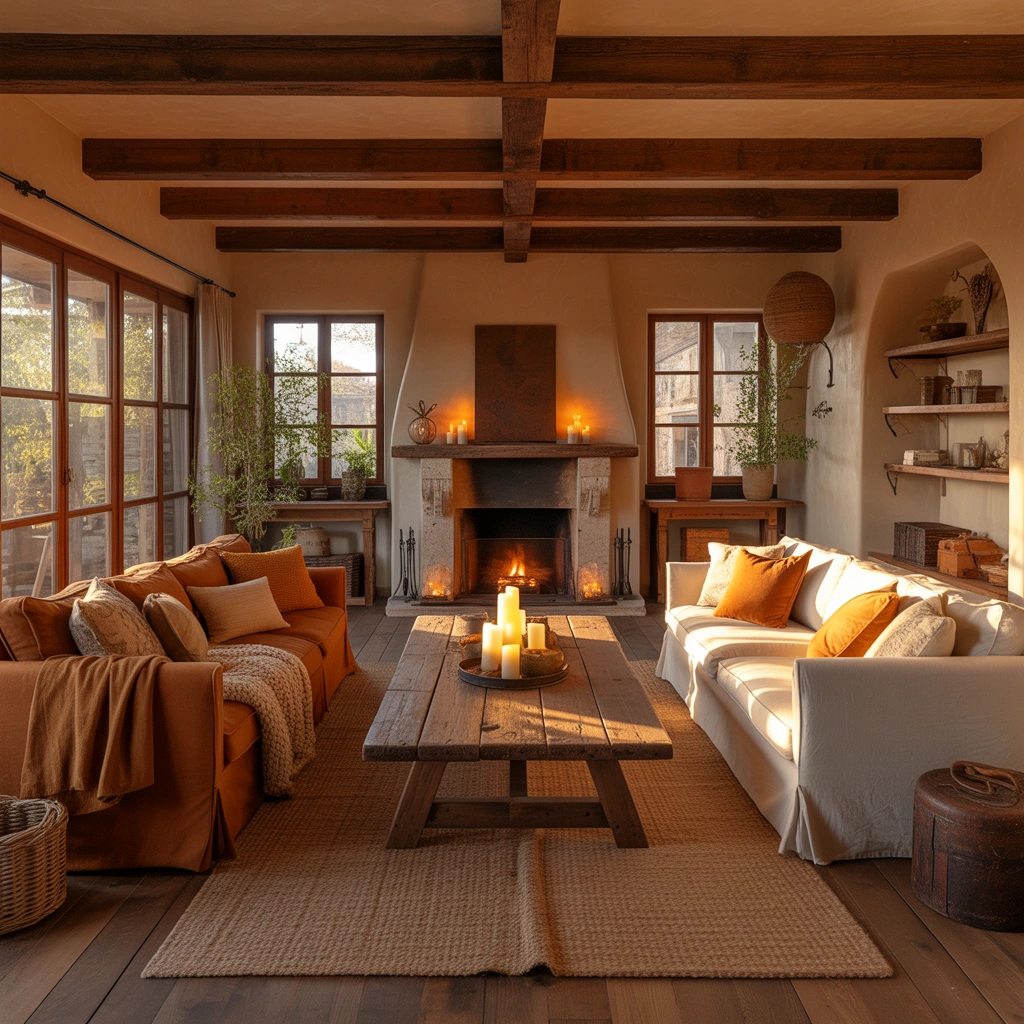
Rustic interior design celebrates natural beauty, handmade craftsmanship, and slightly imperfect materials. It creates a warm, grounded atmosphere that feels connected to the countryside.
Wood is the most important material in rustic interiors. You may see exposed wooden beams, solid timber tables, distressed cabinets, wooden wall panels, and natural flooring. Stone fireplaces, leather furniture, wool rugs, and iron lighting fixtures also work well.
The rustic color palette is inspired by nature, including warm brown, cream, gray, forest green, clay, and charcoal.
To prevent a rustic home from feeling too heavy, balance dark wood with lighter walls, soft fabrics, and natural light. You can also combine rustic features with modern furniture for a cleaner appearance.
Rustic home decor ideas include:
- Reclaimed wooden furniture
- Stone or brick features
- Handmade ceramics
- Woven blankets
- Iron or bronze accessories
- Leather chairs
- Nature-inspired artwork
This style is particularly effective in living rooms, bedrooms, cottages, mountain homes, and homes with fireplaces.
12. Luxury Interior Design Style
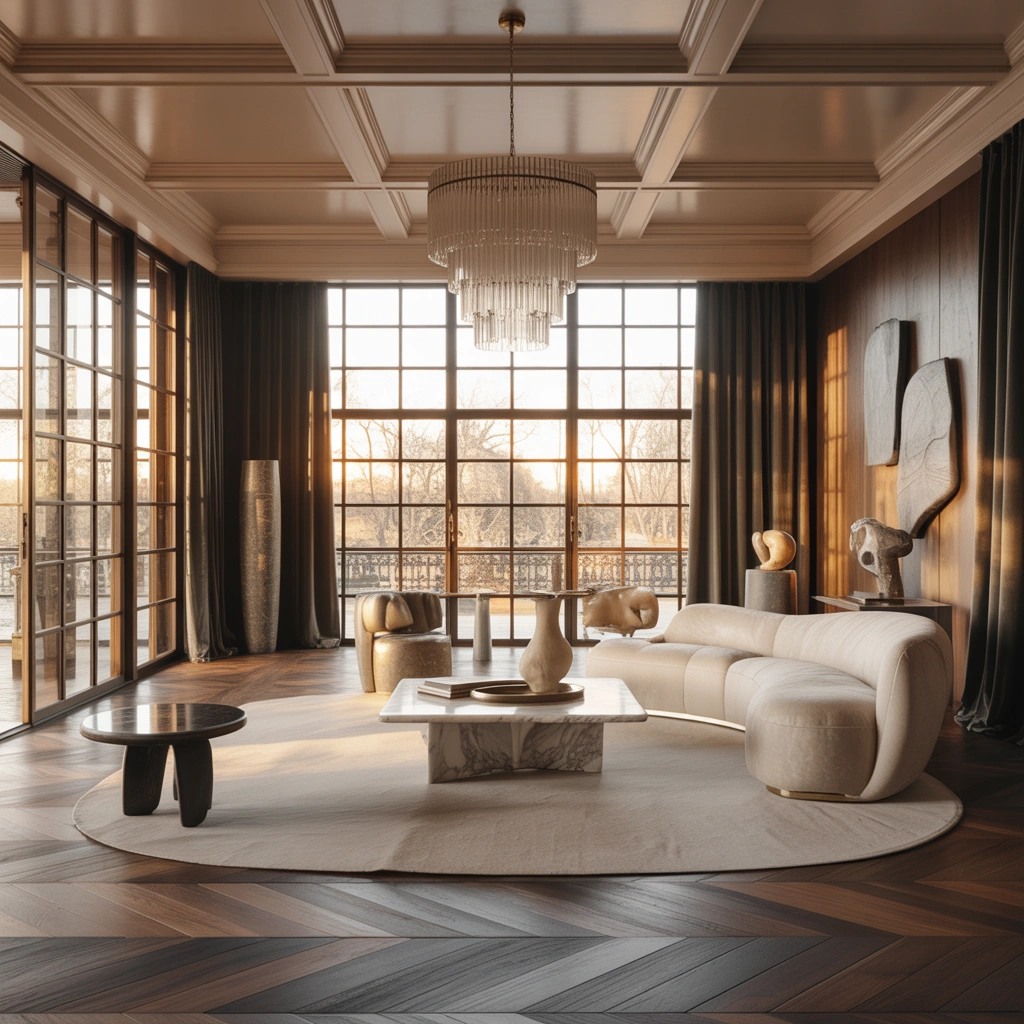
Luxury interior design focuses on quality, comfort, elegance, and carefully considered details. A luxurious home does not simply contain expensive items. It feels refined because the materials, furniture, lighting, proportions, and finishes work together.
Materials such as marble, velvet, silk, polished metal, dark wood, glass, and natural stone are commonly used. The color scheme may be neutral and understated or rich and dramatic.
Lighting plays a major role in luxury interiors. Chandeliers, wall sconces, concealed LED lighting, table lamps, and floor lamps can be layered to create a sophisticated atmosphere.
Luxury design often includes:
- Custom or high-quality furniture
- Statement lighting
- Marble or stone surfaces
- Floor-to-ceiling curtains
- Metallic details
- Large mirrors
- Elegant artwork
- High-quality rugs and textiles
The secret is restraint. Too many shiny surfaces, decorative objects, or bold features can make the room feel overwhelming. Choose a few premium focal points and allow them to stand out.
13. Japandi Interior Design Style
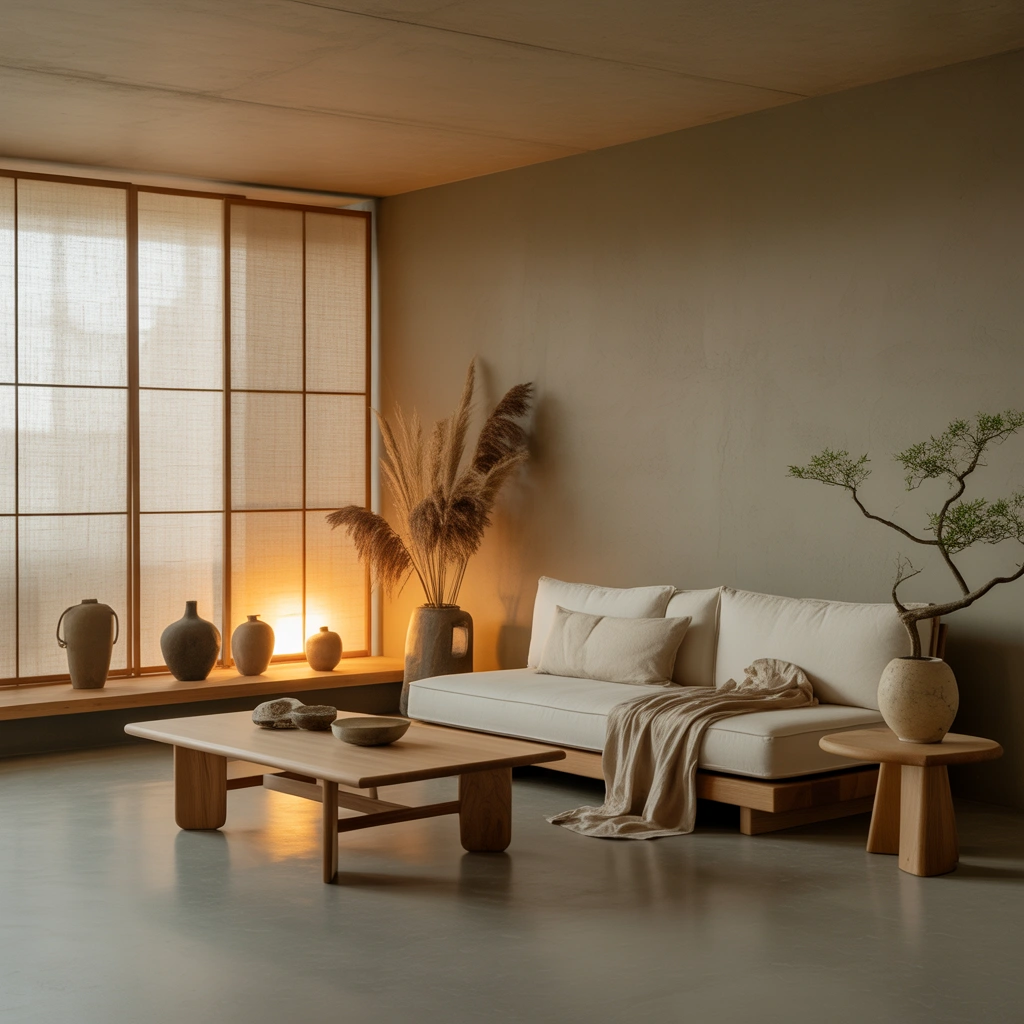
Japandi interior design combines Japanese minimalism with Scandinavian warmth. It has become popular among homeowners who want a calm, natural, and beautifully organized living environment.
This style uses clean lines, low-profile furniture, neutral colors, natural materials, and carefully selected decoration. The Japanese influence introduces simplicity and craftsmanship, while the Scandinavian influence adds comfort and softness.
Japandi colors often include warm white, beige, taupe, charcoal, muted green, soft brown, and black. Wood, bamboo, linen, clay, stone, and woven materials are excellent choices.
To create a Japandi home:
- Keep furniture simple and functional.
- Choose low or visually lightweight pieces.
- Use warm neutral colors.
- Add handmade ceramics or simple artwork.
- Keep surfaces clean and uncluttered.
- Include a few natural plants.
- Focus on quality and craftsmanship.
Japandi design is ideal for bedrooms, living rooms, bathrooms, and home offices where a peaceful atmosphere is important.
14. Art Deco Interior Design Style
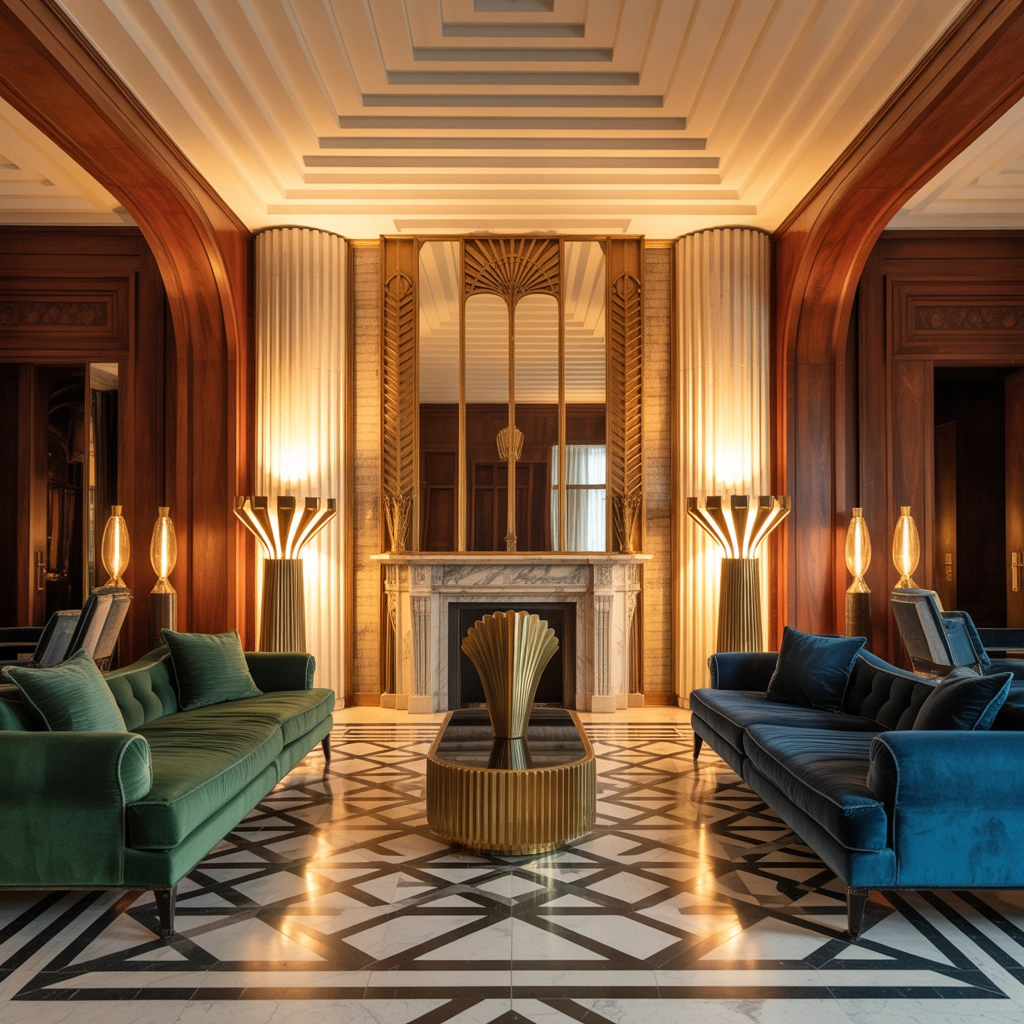
Art Deco interior design is bold, glamorous, and visually dramatic. It became popular in the 1920s and 1930s and is known for geometric shapes, rich colors, luxurious materials, and metallic details.
Common Art Deco colors include black, gold, emerald green, navy blue, burgundy, cream, and deep purple. Velvet furniture, mirrored surfaces, brass lighting, marble tables, and patterned wallpaper can help achieve the look.
Symmetry and geometric patterns are important. You may find fan-shaped mirrors, stepped designs, sunburst details, curved furniture, and repeating angular patterns.
Art Deco interior ideas include:
- Bold geometric wallpaper
- Gold or brass accents
- Velvet sofas and chairs
- Mirrored furniture
- Sculptural lighting
- Dark, dramatic colors
- Marble or high-gloss surfaces
Because Art Deco is visually strong, I recommend using it thoughtfully. A statement chandelier, velvet chair, geometric rug, and gold-framed mirror may be enough to introduce the style without making the room feel like a movie set.
15. Eclectic Interior Design Style
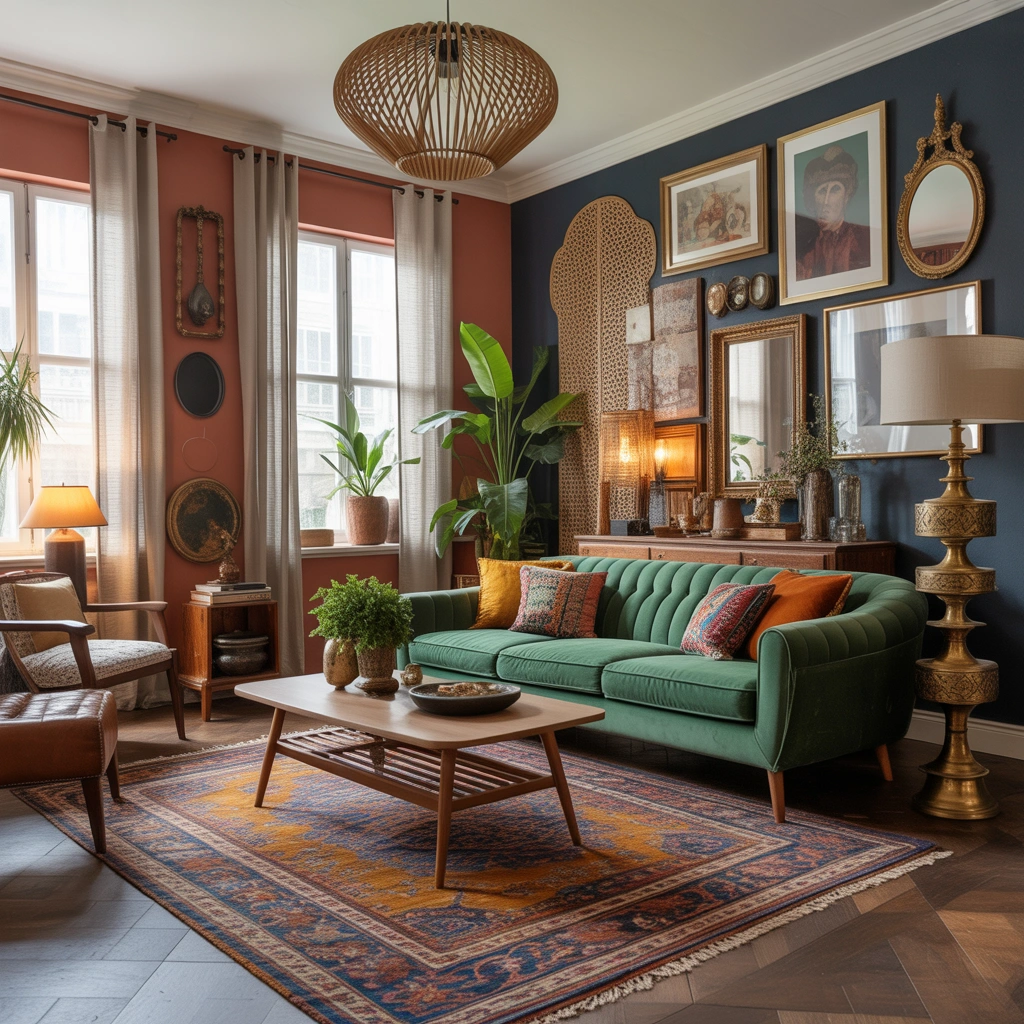
Eclectic interior design combines elements from different styles, periods, and cultures. It is an excellent choice for people who cannot choose just one design style or who already own a variety of furniture and decorative pieces.
However, eclectic design does not mean placing random items together. The room still needs balance, rhythm, and a sense of connection.
You can unify an eclectic space by using a consistent color palette. For example, modern furniture, vintage artwork, traditional rugs, and industrial lighting can work together when they share similar colors or materials.
A successful eclectic interior may include:
- Furniture from different periods
- Mixed patterns and textures
- Vintage and modern accessories
- Personal collections
- Bold artwork
- Repeated colors
- A balance between decorative and open spaces
I find eclectic homes especially interesting because they often reveal the homeowner’s personality. Every piece can have a story, whether it came from a family member, a local market, a favorite trip, or a modern furniture store.
How to Choose the Right Interior Design Style for Your House
With so many beautiful house interior design styles, choosing one can feel difficult. You may like the clean appearance of minimalism, the comfort of farmhouse design, and the personality of bohemian interiors at the same time.
The good news is that you do not always have to follow one style strictly. Many attractive homes combine two or three related styles. For example, you can create a Scandinavian-modern interior, a rustic-industrial home, or a coastal farmhouse look.
Here are a few questions I recommend asking before making major decorating decisions.
Consider Your Daily Lifestyle
Your home should support the way you live. A family with young children may need durable fabrics, washable surfaces, rounded furniture, and plenty of storage. Someone who entertains guests regularly may prefer an open living area, flexible seating, and a large dining table.
Do not select a style based only on photographs. Think about whether it will remain practical during everyday life.
Review Your Existing Furniture
Before purchasing new items, look at what you already own. You may have a wooden dining table that suits farmhouse, rustic, Scandinavian, or traditional design. A vintage armchair could work in an eclectic, bohemian, or mid-century interior.
Reusing suitable furniture can reduce costs and give your home more character.
Create a Color Palette
Choose three to five main colors for your home. One or two should be dominant neutral shades, while the others can be supporting or accent colors.
A consistent palette helps different rooms feel connected, even when they have slightly different designs.
Think About Maintenance
Glossy surfaces, white fabrics, open shelving, and delicate materials may look beautiful, but they can require regular cleaning. Choose materials that suit your available time, household size, pets, children, and daily routine.
Start With One Room
You do not need to redesign the entire house at once. Start with the room you use most, such as the living room or bedroom. Once you understand which colors, furniture, and decorative features work for you, continue the same design direction throughout the house.
Tips for Mixing Different Interior Design Styles
Mixing styles can make your home look personal and original, but it should be done with a clear plan.
Start by selecting one main style that will guide approximately 70 to 80 percent of the room. Use a second style for accent furniture, lighting, artwork, or accessories.
For example, you can create a mainly modern living room and add warmth through a rustic wooden coffee table, vintage rug, and handmade ceramics.
Repeat certain elements to connect the room. These may include similar wood tones, matching metals, repeated colors, or consistent shapes.
Most importantly, avoid adding too many competing focal points. If the room already has bold wallpaper, a colorful sofa, and a dramatic rug, keep the remaining accessories simple.
Affordable Ways to Update Your House Interior
You do not need a large renovation budget to improve your home. Small, carefully planned updates can create a major visual difference.
Painting the walls is one of the most effective and affordable changes. A fresh neutral color can make the room look cleaner and brighter, while a darker accent wall can add depth.
You can also update a room by changing cushion covers, curtains, rugs, lamps, cabinet handles, mirrors, or artwork. Rearranging furniture may improve the layout without costing anything.
Other affordable interior design ideas include:
- Adding indoor plants
- Repainting old furniture
- Installing floating shelves
- Framing personal photographs
- Replacing outdated light fixtures
- Using baskets for attractive storage
- Adding a large mirror to reflect light
- Creating a gallery wall
- Changing bedding and soft furnishings
The goal is to make intentional changes rather than purchasing many unrelated decorative items.
Final Thoughts
Exploring different house interior design styles is an exciting part of creating a home. Each style offers a different mood, from the peaceful simplicity of Japandi design to the colorful creativity of bohemian interiors and the timeless elegance of traditional decor.
My advice is to use interior design styles as inspiration rather than strict rules. Your home does not need to look exactly like a showroom or magazine photograph. It should reflect your real life, your memories, your favorite colors, and the objects that matter to you.
Choose a style that supports your lifestyle, invest in functional furniture, create a balanced color palette, and decorate gradually. A beautiful interior is rarely created in one day. It develops over time as you understand what makes you feel comfortable and happy in your own space.
Whether you prefer modern, minimalist, rustic, coastal, luxury, farmhouse, or eclectic design, thoughtful planning will help you create a house that looks attractive and feels like home.
Frequently Asked Questions About House Interior Design Styles
What is the most popular house interior design style?
Modern, contemporary, Scandinavian, minimalist, and modern farmhouse styles are among the most widely used choices. Their popularity comes from their practical layouts, neutral colors, and ability to work in houses of different sizes.
Which interior design style is best for a small house?
Minimalist, Scandinavian, Japandi, and modern design work especially well in small homes. These styles use clean lines, functional furniture, light colors, and limited decoration to make rooms feel more open.
Can I use different interior styles in different rooms?
Yes, but the rooms should still feel connected. You can create consistency by repeating similar colors, flooring, wood tones, lighting finishes, or decorative materials throughout the house.
How can I identify my interior design style?
Save photographs of rooms you like and look for repeated features. Notice the colors, furniture shapes, materials, lighting, and decorative details that appear most often. These patterns will help you identify your preferred style.
Is it okay to mix modern and traditional furniture?
Modern and traditional furniture can work beautifully together. Keep the color palette consistent and balance decorative traditional pieces with simpler modern elements.
How can I make my house look more luxurious?
Use high-quality-looking materials, layered lighting, large curtains, coordinated colors, statement artwork, elegant mirrors, and uncluttered surfaces. Luxury depends more on balance and detail than on filling the house with expensive objects.
What is the easiest interior design style to maintain?
Modern, minimalist, and Scandinavian interiors are usually easier to maintain because they contain fewer decorative objects and prioritize simple furniture, clear surfaces, and organized storage.
How often should I update my home interior?
There is no fixed schedule. Well-chosen furniture can remain attractive for many years. You can refresh the home seasonally or occasionally by changing cushions, artwork, plants, rugs, and small accessories rather than replacing major furniture.
