
Neutral bedrooms have always had a special place in my heart. There is something incredibly calming about walking into a room filled with soft whites, warm beige tones, natural textures, and simple decorative details. Unlike bold color schemes that can sometimes feel overwhelming, neutral bedroom decor creates a peaceful atmosphere that makes it easier to relax at the end of a long day.
The best thing about decorating a neutral bedroom is that neutral does not have to mean boring. In fact, some of the most beautiful bedrooms I have seen use very little color. Their charm comes from texture, layering, lighting, furniture, natural materials, and thoughtful styling.
Whether you love modern interiors, farmhouse bedrooms, Scandinavian spaces, minimalist design, or cozy traditional rooms, a neutral palette can work beautifully.
If you are planning a bedroom makeover, these 15 neutral bedroom decor ideas will help you create a space that feels warm, stylish, comfortable, and timeless.
Why Neutral Bedroom Decor Works So Well
Before getting into the decorating ideas, it is worth understanding why neutral bedrooms remain so popular.
Neutral colors naturally create a sense of visual calm. Shades such as cream, ivory, beige, taupe, soft gray, sand, and warm white do not demand too much attention. Instead, they create a relaxing background where furniture, fabrics, artwork, and decorative accessories can work together naturally.
I also love neutral interiors because they are incredibly flexible. You can change a few pillows, add a different throw blanket, replace your artwork, or introduce seasonal decorations without completely redesigning the bedroom.
Neutral bedroom decor also tends to age gracefully. Instead of following one short-lived trend, you can build a foundation that continues to look beautiful for years.
Here are my favorite ways to do it.
1. Start With Warm White Walls
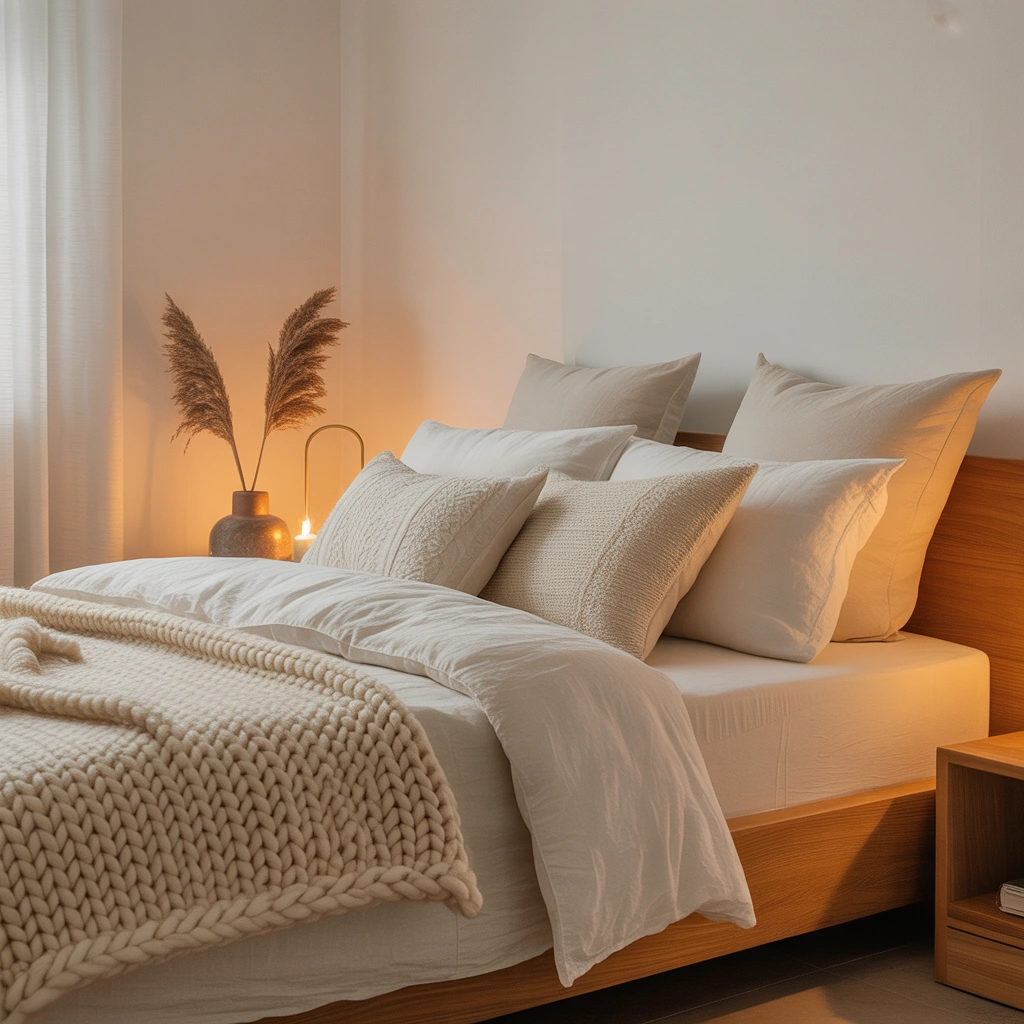
When creating a neutral bedroom, I usually start with the walls because they set the mood for everything else.
Instead of choosing a bright, clinical white, consider a warmer white with cream, beige, or subtle gray undertones. Warm white walls create a softer atmosphere and work beautifully with wood furniture, linen bedding, woven accessories, and warm lighting.
They also make smaller bedrooms feel brighter and more spacious.
One mistake I often see is choosing a pure white paint and then filling the room with warm-toned furniture. The result can feel slightly disconnected. A warm white helps everything blend together more naturally.
If you prefer more depth, consider soft ivory, light greige, oatmeal, or pale taupe.
These colors still create the airy feeling associated with neutral bedroom design, but they give the room more personality.
2. Layer Different Neutral Shades
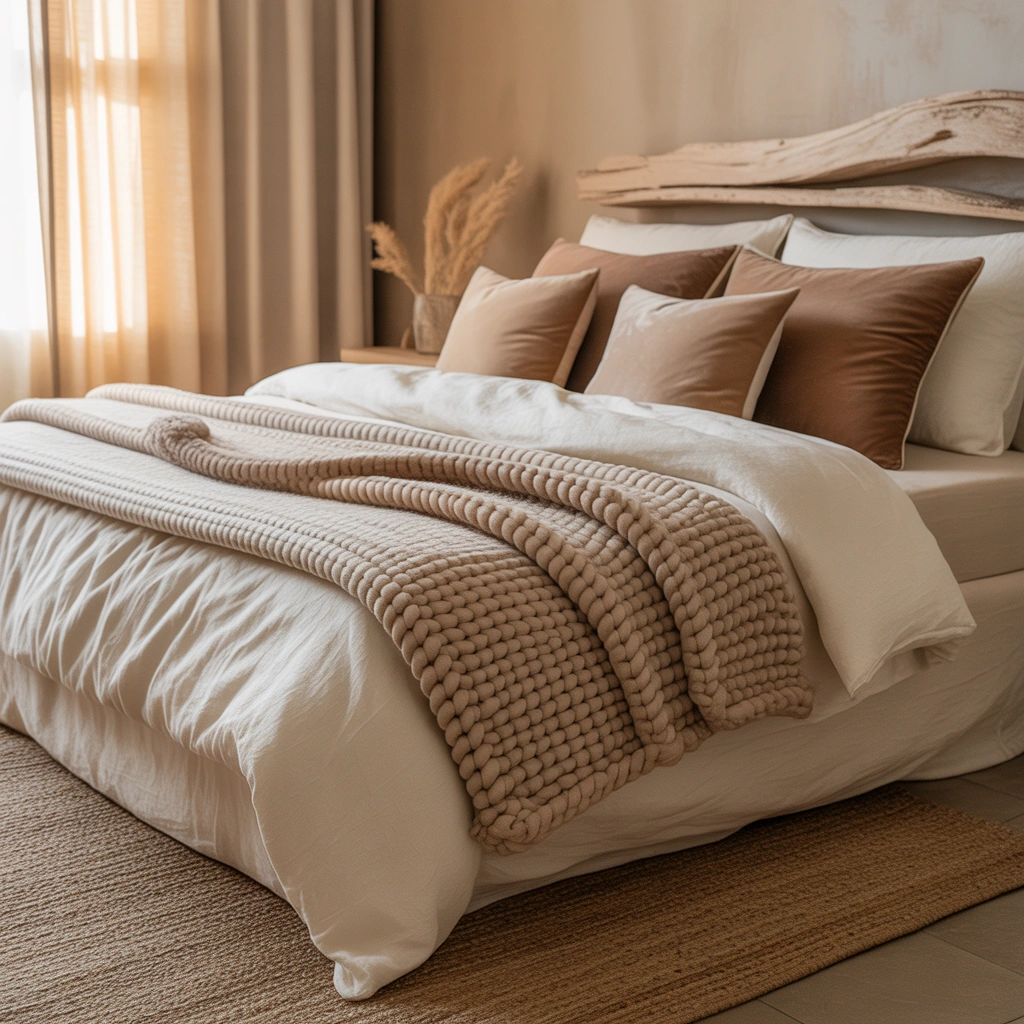
A beautiful neutral bedroom rarely uses only one color.
Instead, the secret is layering several similar tones.
For example, you could combine:
- Warm white walls
- Cream bedding
- Beige curtains
- Taupe decorative pillows
- Light brown furniture
- Natural wood accessories
- Soft gray details
The small differences between these shades give the room dimension.
Whenever I decorate with neutrals, I like to think of the color palette as a family rather than a single shade. Each color should feel connected, but they do not need to match perfectly.
Using multiple shades prevents the bedroom from looking flat while still maintaining that peaceful, coordinated appearance.
3. Make the Bed the Main Attraction
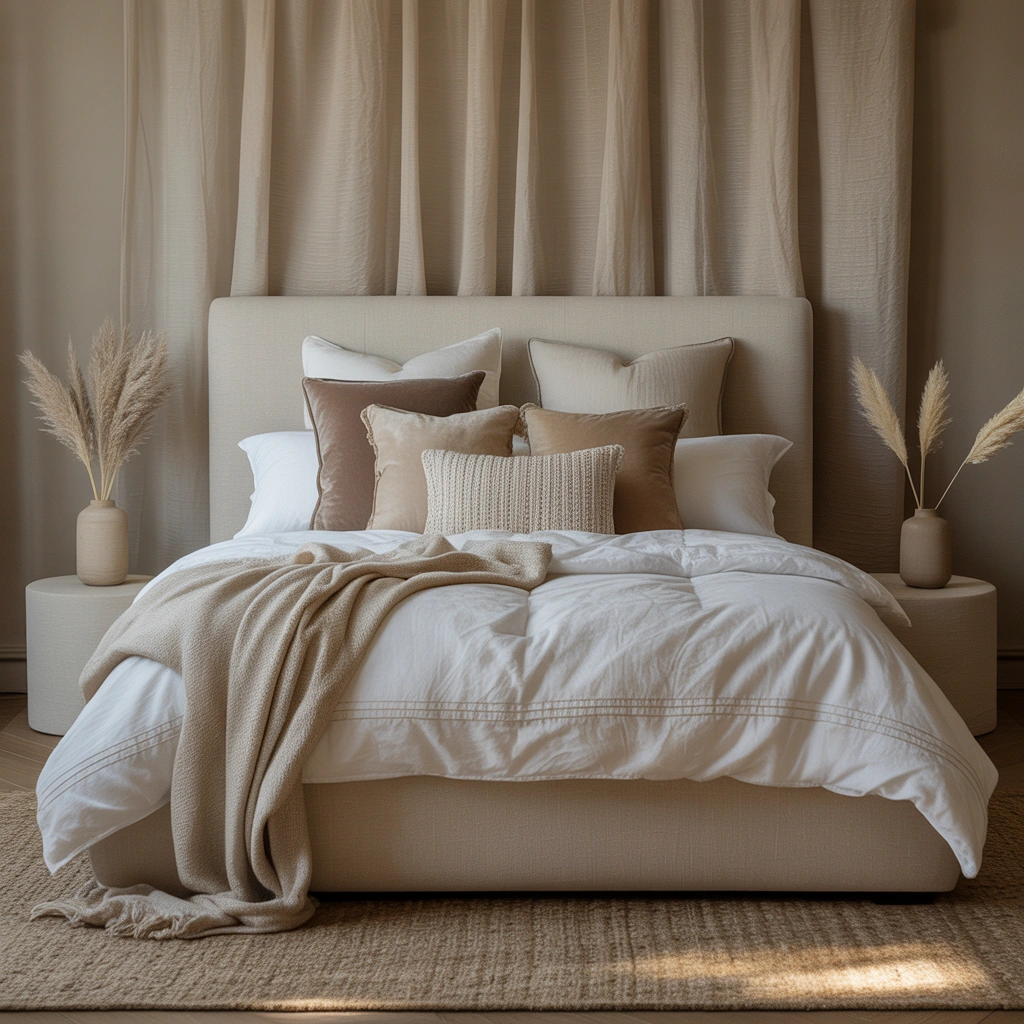
The bed is usually the largest piece of furniture in a bedroom, so it naturally becomes the visual center of the space.
For that reason, I recommend giving your bed extra attention when planning your neutral bedroom decor.
Start with simple bedding in white, cream, beige, or another soft neutral tone. Then add layers using pillows, cushions, quilts, blankets, and throws.
A neutral bed can look incredibly luxurious when different textures are combined.
For example, pair crisp cotton sheets with a linen duvet, knitted throw, velvet cushion, and textured lumbar pillow.
The colors may all be similar, but the materials create enough contrast to make the bed visually interesting.
I personally prefer an inviting bed that looks comfortable rather than perfectly arranged. Slightly relaxed linen and casually placed throws can make the bedroom feel much more welcoming.
4. Introduce Natural Wood Furniture
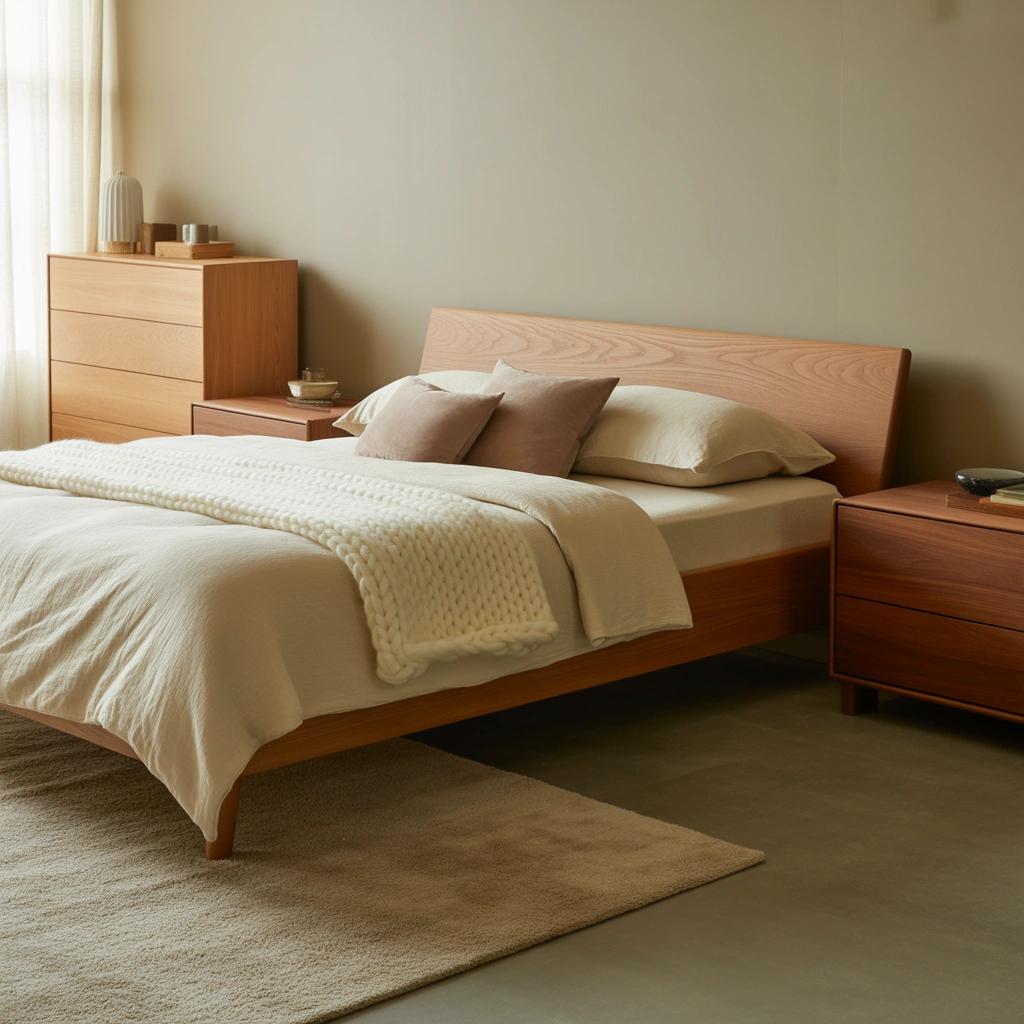
Wood is one of the easiest ways to add warmth to a neutral bedroom.
Without wood or another warm natural material, rooms decorated mainly in white and beige can sometimes feel cold.
A wooden bed frame, nightstand, dresser, bench, or accent chair can immediately make the space feel more grounded.
Light oak works particularly well in Scandinavian and contemporary bedrooms, while medium and darker woods can create a more sophisticated or traditional appearance.
You do not necessarily need all your furniture to match.
In fact, I often prefer a slightly collected look. A light wood bed can work beautifully with darker bedside tables if the overall tones complement each other.
Small wooden accessories can also make a difference. Consider wooden picture frames, decorative bowls, trays, stools, or lamp bases.
5. Add Texture Instead of Extra Color
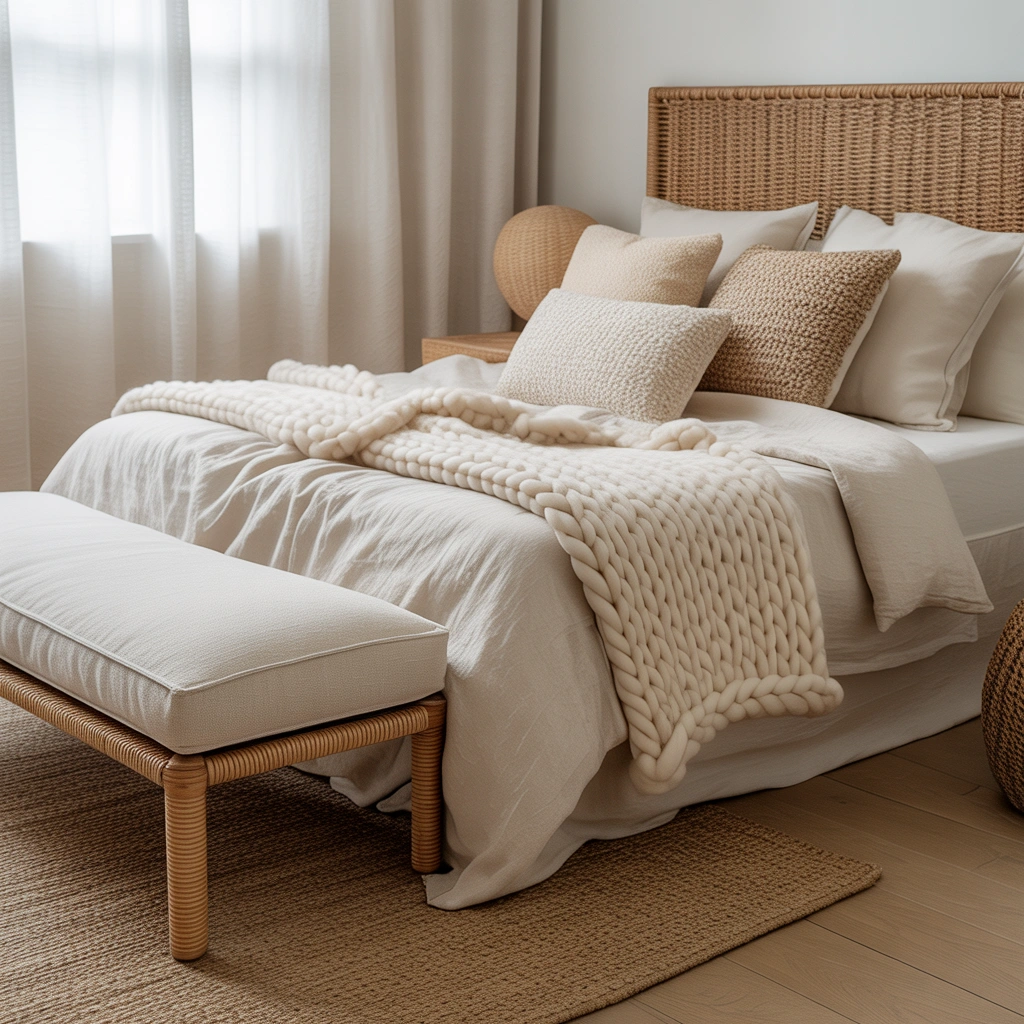
If your neutral bedroom feels boring, you probably do not need more color.
You may simply need more texture.
Texture is one of the most important elements in neutral interior design because it creates visual interest without disturbing the calm color palette.
Some of my favorite textures for neutral bedrooms include:
- Linen
- Bouclé
- Cotton
- Wool
- Jute
- Rattan
- Cane
- Velvet
- Knitted fabrics
- Natural wood
Imagine a cream upholstered bed against a warm white wall, layered with linen bedding, a chunky knitted throw, woven baskets, and a jute rug.
Almost everything could be cream or beige, yet the bedroom would still feel rich and detailed because the surfaces are different.
When decorating a neutral room, texture often becomes your version of color.
6. Choose Soft, Flowing Curtains
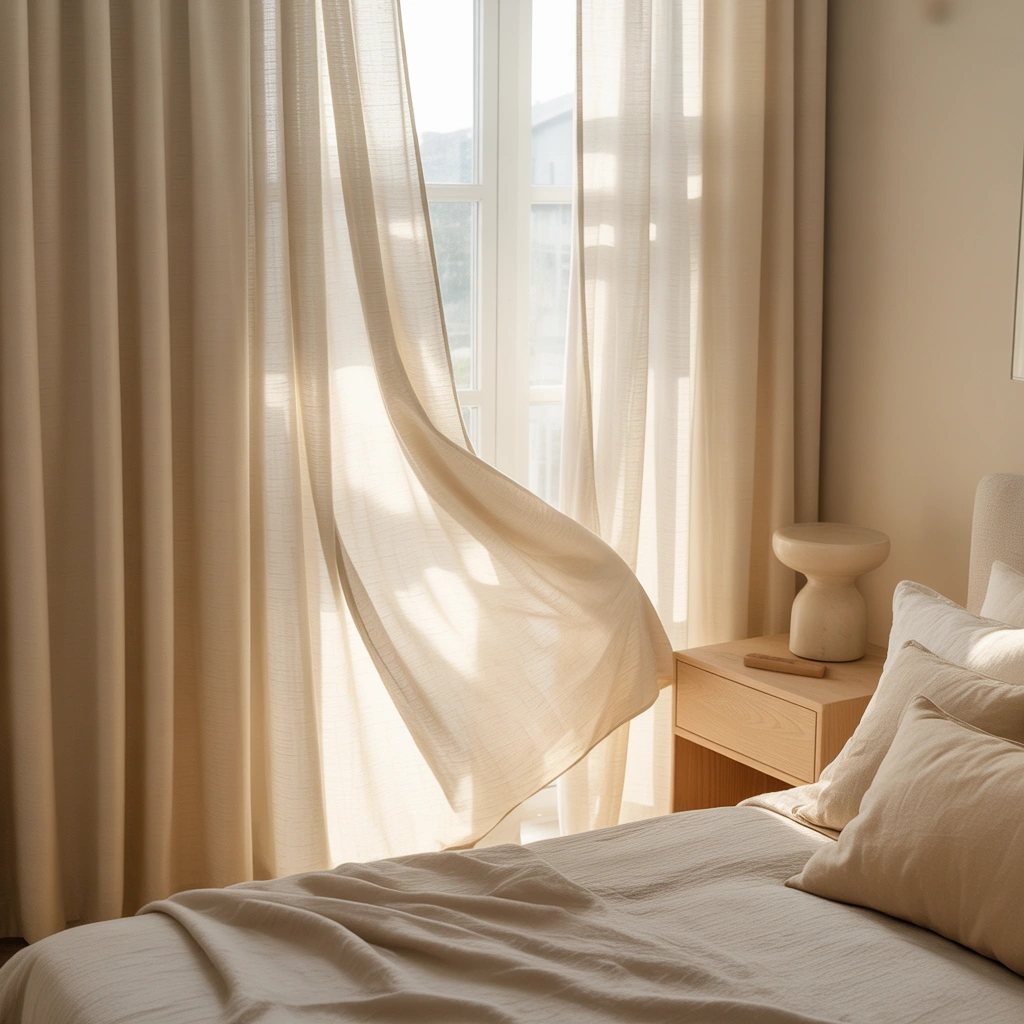
Window treatments can completely change how a bedroom feels.
For a soft neutral bedroom, I prefer curtains that reach from close to the ceiling all the way down to the floor. This makes the windows appear taller and gives the room a more polished look.
Linen or linen-look curtains are especially beautiful because they have a slightly relaxed texture.
Choose warm white, ivory, oatmeal, light beige, or soft greige.
If privacy is important, layer sheer curtains with heavier blackout panels. During the day, the sheer fabric allows natural light to enter while maintaining a soft atmosphere. At night, the blackout layer makes the bedroom more comfortable for sleeping.
Avoid curtains that are too short. Floor-length panels usually make a neutral bedroom look much more elegant.
7. Use a Large Neutral Area Rug
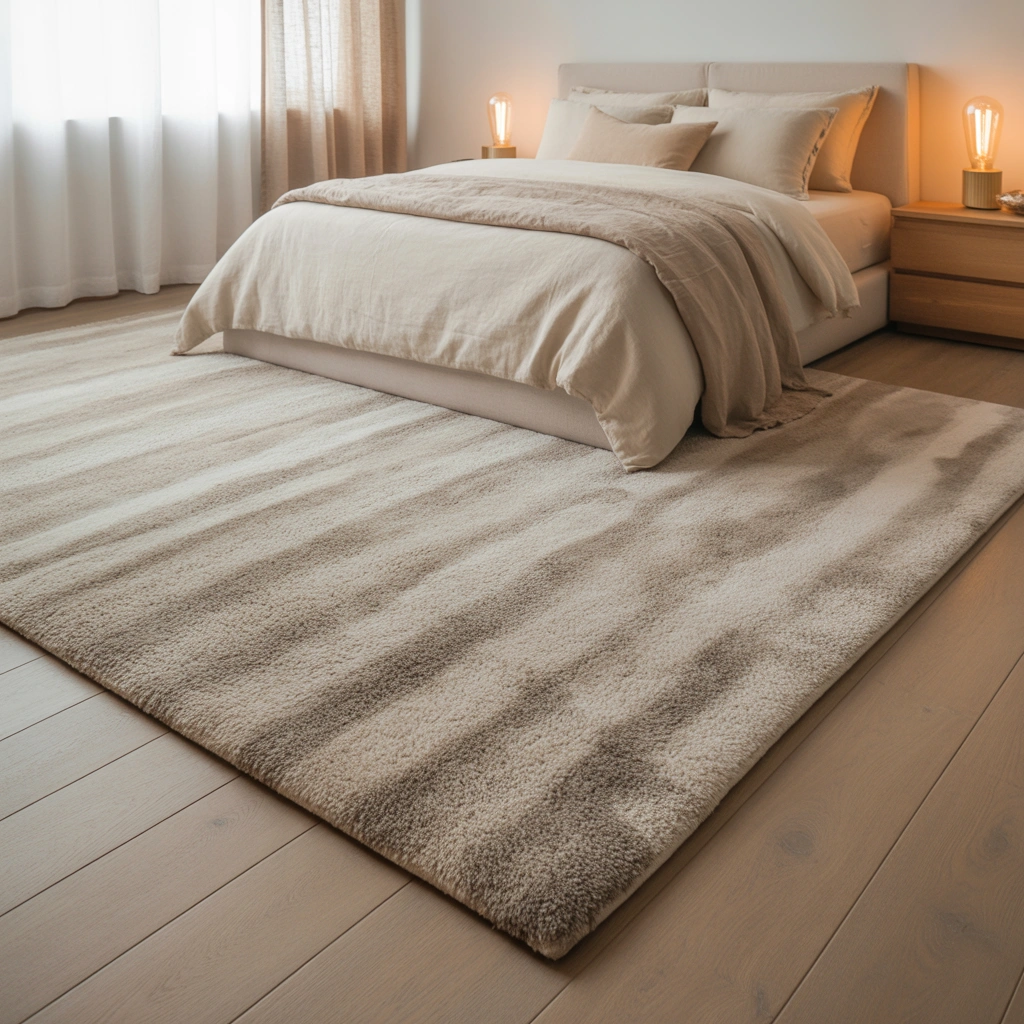
Even if your bedroom already has carpet, adding an area rug can make the space feel more finished.
A large rug placed underneath the bed creates softness and helps visually anchor the furniture.
For neutral bedroom decor, look for rugs in cream, beige, tan, ivory, gray, or soft brown.
I especially like rugs with subtle patterns because they add personality without becoming the dominant feature of the room.
Vintage-inspired designs, faded geometric patterns, stripes, and textured wool rugs can all work beautifully.
For a natural look, jute is another great option. However, because jute can feel rough underfoot, you may prefer a softer wool or cotton blend in a bedroom where comfort is important.
The key is choosing a rug large enough to extend beyond the sides of the bed.
8. Create a Neutral Accent Wall
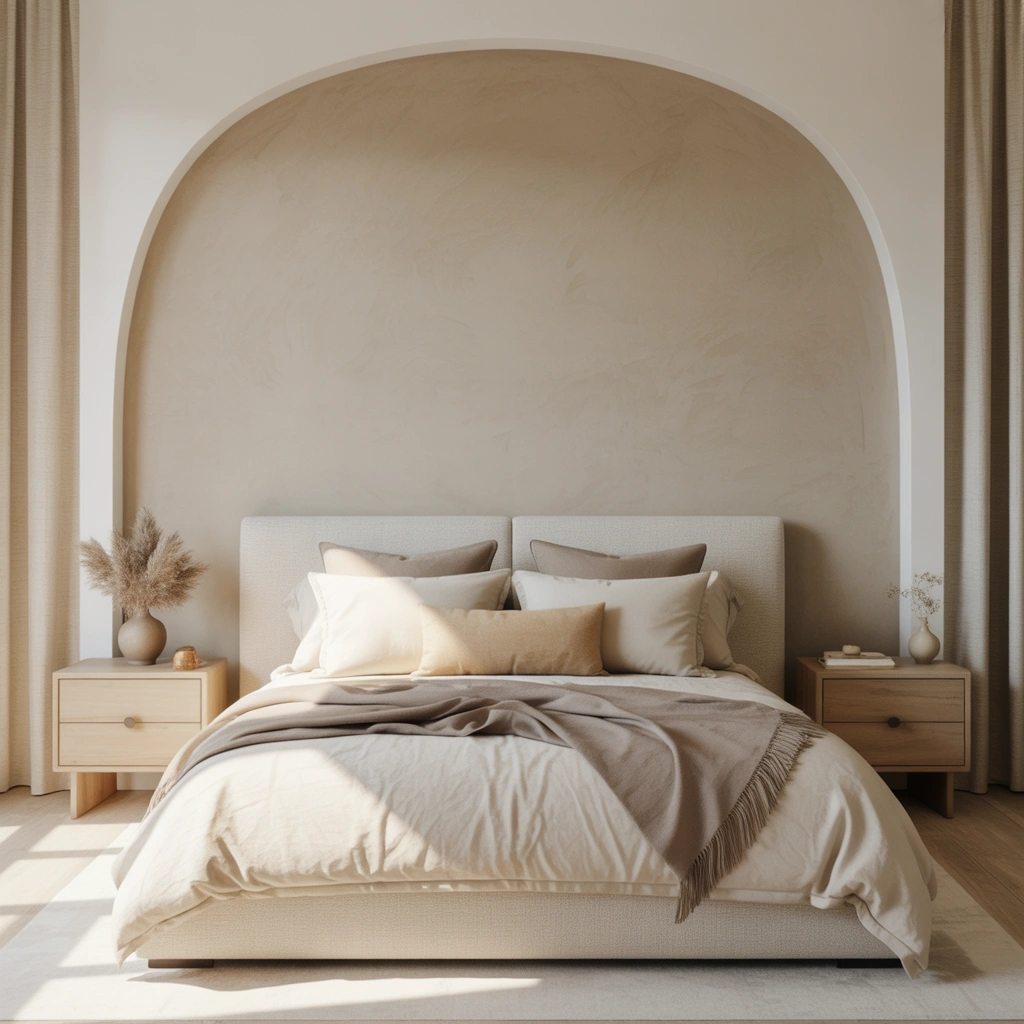
Neutral does not mean every wall needs to look identical.
An accent wall can give your bedroom character while keeping the overall atmosphere peaceful.
Instead of using a bright color, try a darker neutral shade such as taupe, warm gray, mushroom, mocha, or muted brown.
There are also many ways to create texture on an accent wall.
You could use:
- Wood paneling
- Vertical slats
- Board and batten
- Limewash paint
- Textured wallpaper
- Plaster-style finishes
- Neutral patterned wallpaper
I particularly love subtle wall treatments behind the headboard because they help frame the bed.
If you are decorating a small bedroom, keep the accent wall relatively simple so it does not make the room feel crowded.
9. Bring in Woven and Natural Materials
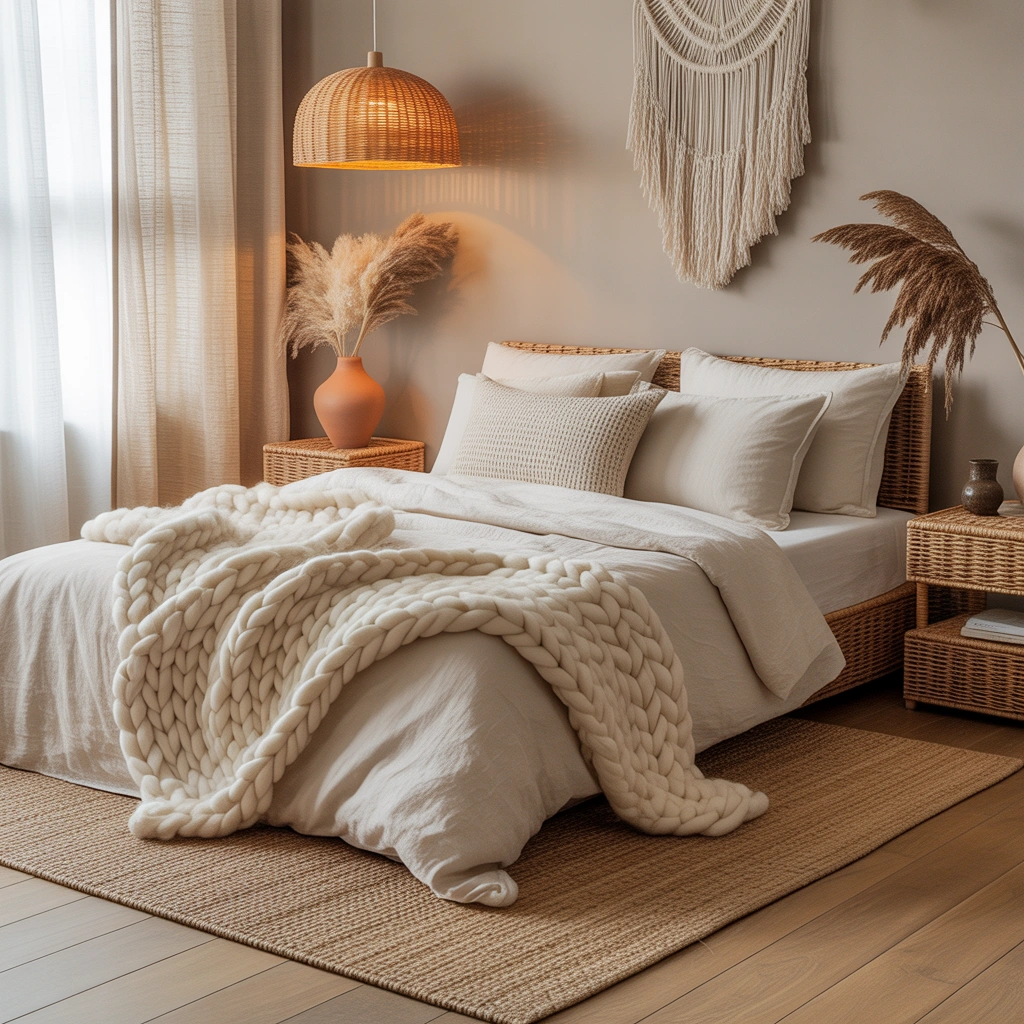
Natural materials fit beautifully into neutral interiors.
They add warmth, texture, and an organic quality that makes the bedroom feel more relaxed.
Consider adding woven baskets for storage, a rattan chair, cane-front nightstands, bamboo blinds, wicker lampshades, or seagrass accessories.
You do not need to use all of these materials together. Even one or two carefully chosen pieces can soften a modern bedroom.
A woven basket beside the bed, for example, is both decorative and practical. I like using large baskets for extra blankets and smaller ones for everyday items.
Natural materials also work particularly well if you are creating a boho neutral bedroom, coastal bedroom, farmhouse bedroom, or Scandinavian-inspired space.
10. Keep Your Nightstands Simple
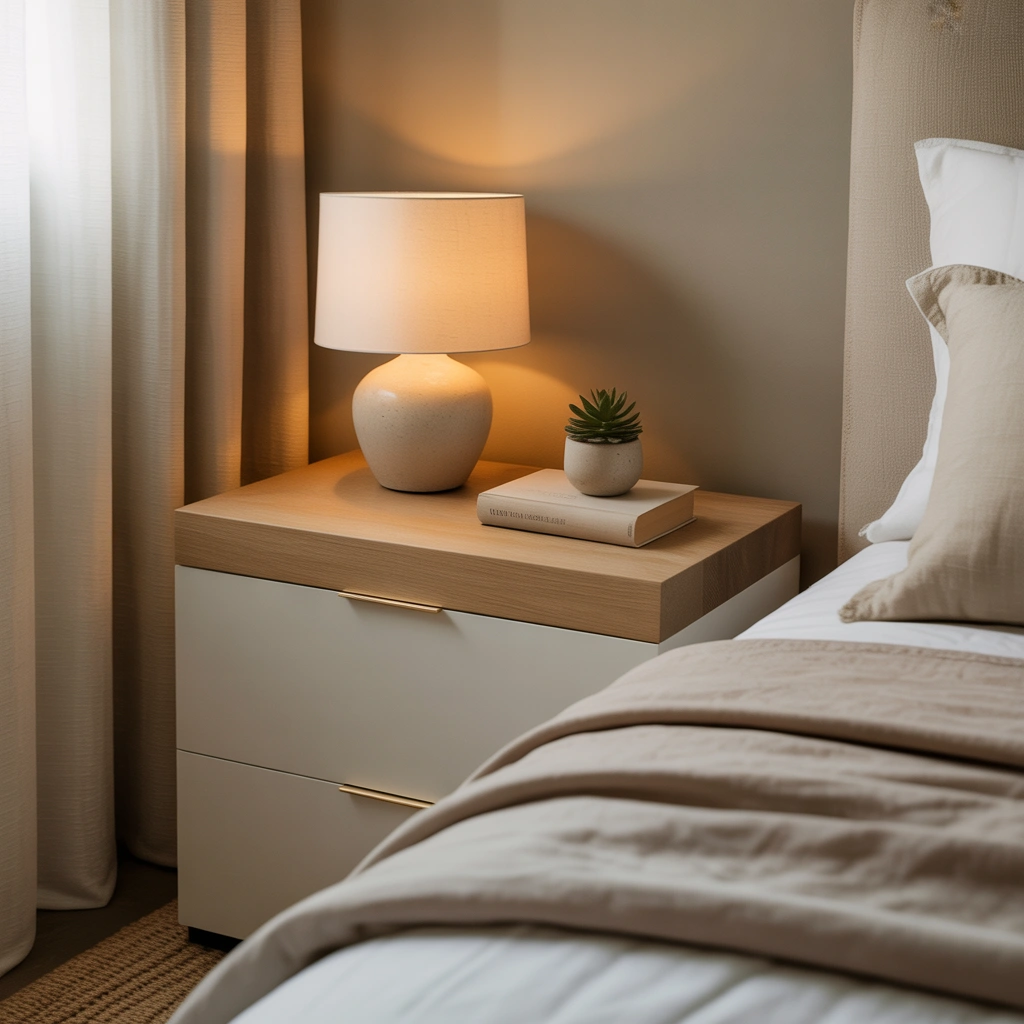
A cluttered nightstand can quickly take away from the peaceful feeling of a neutral bedroom.
I prefer keeping bedside styling simple.
Usually, a lamp, small decorative object, book, and perhaps a vase or candle are enough.
If you need more storage, choose nightstands with drawers so personal items can stay hidden.
Symmetrical bedside tables and lamps can create a clean, hotel-inspired appearance. However, you do not have to make both sides exactly identical.
For a more casual style, use similar materials or colors rather than matching every item perfectly.
For example, both lamps could have cream fabric shades, while the bases have slightly different designs.
The goal is balance rather than perfect duplication.
11. Add Neutral Artwork With Personality
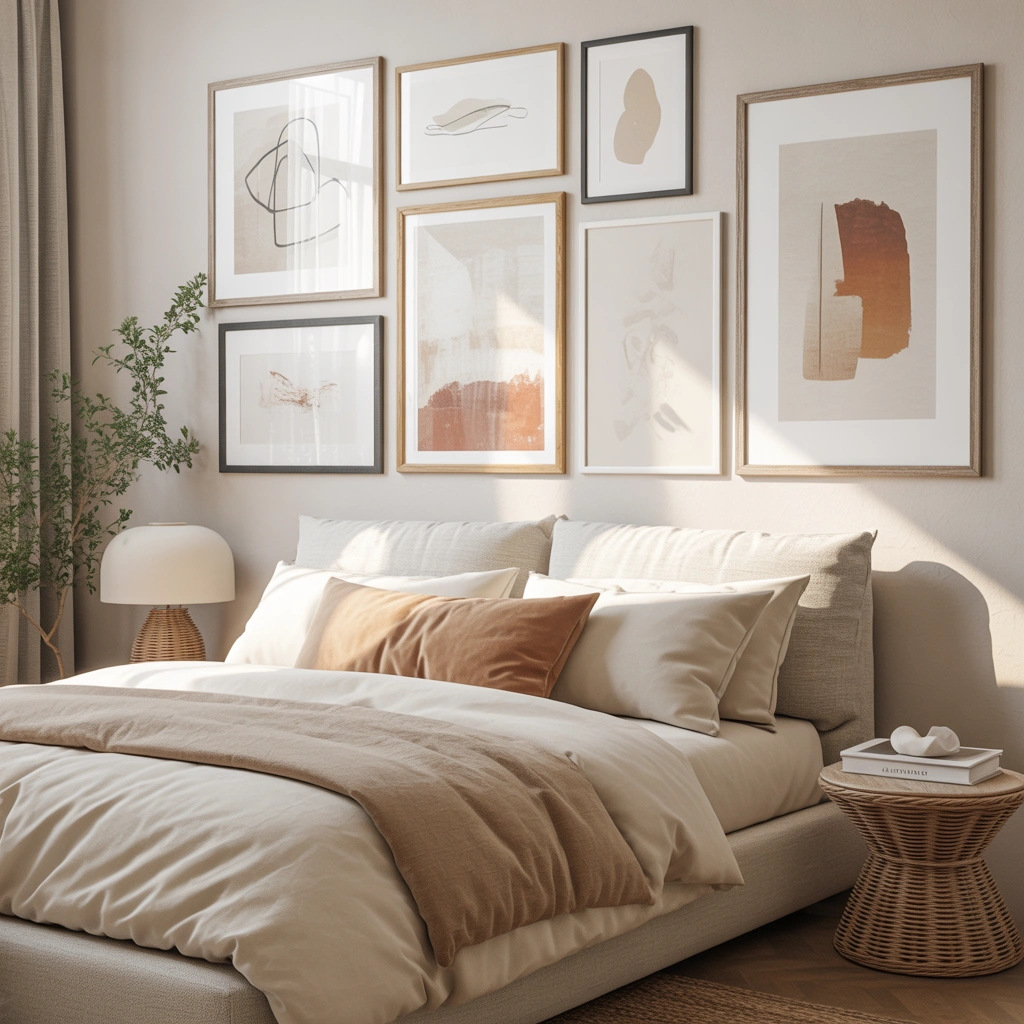
Artwork is an easy way to give a neutral bedroom personality without introducing strong colors.
Some options that work particularly well include:
- Minimalist line drawings
- Abstract beige artwork
- Black-and-white photography
- Botanical sketches
- Landscape paintings
- Textured canvas art
- Architectural prints
Choose pieces that connect with the rest of the room rather than artwork simply because it matches the wall color.
I especially like oversized artwork above a bed or dresser because one large piece often looks cleaner than several smaller decorations.
You can also create a gallery wall using neutral prints and simple wooden, black, white, or brass frames.
Remember that neutral decorating does not require removing personality. Your artwork should still reflect your interests and style.
12. Use Black Accents for Contrast
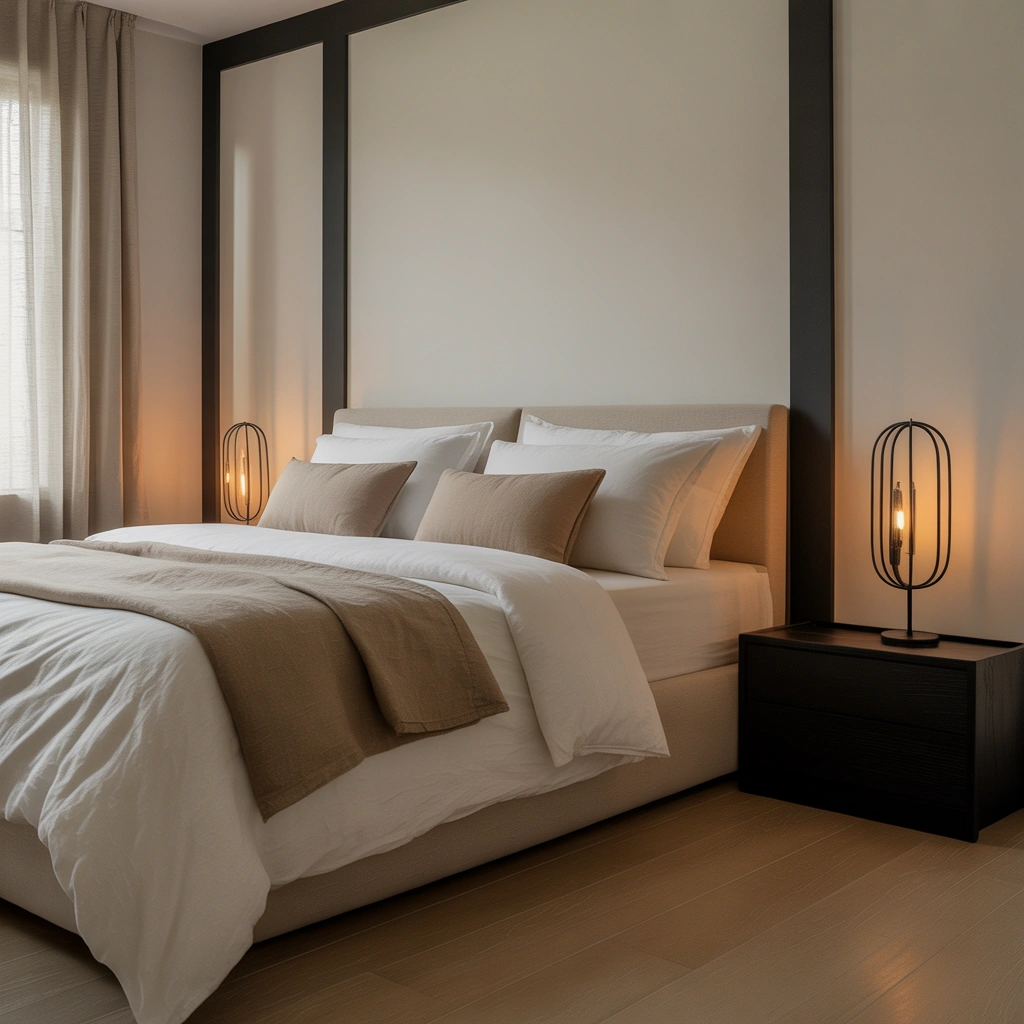
A completely beige or white room can sometimes feel too soft.
Adding a small amount of black creates definition.
Think of black accents almost like eyeliner for the room—they outline certain details and give the space structure.
You could introduce black through:
- Bedside lamps
- Curtain rods
- Picture frames
- Furniture legs
- Door handles
- Mirrors
- Decorative objects
I recommend using black sparingly.
A few carefully placed accents are usually enough. Too many dark elements can change the overall mood and make the bedroom feel heavier.
This technique works particularly well for modern neutral bedroom decor where clean lines and subtle contrast are important.
13. Bring Nature Into the Bedroom
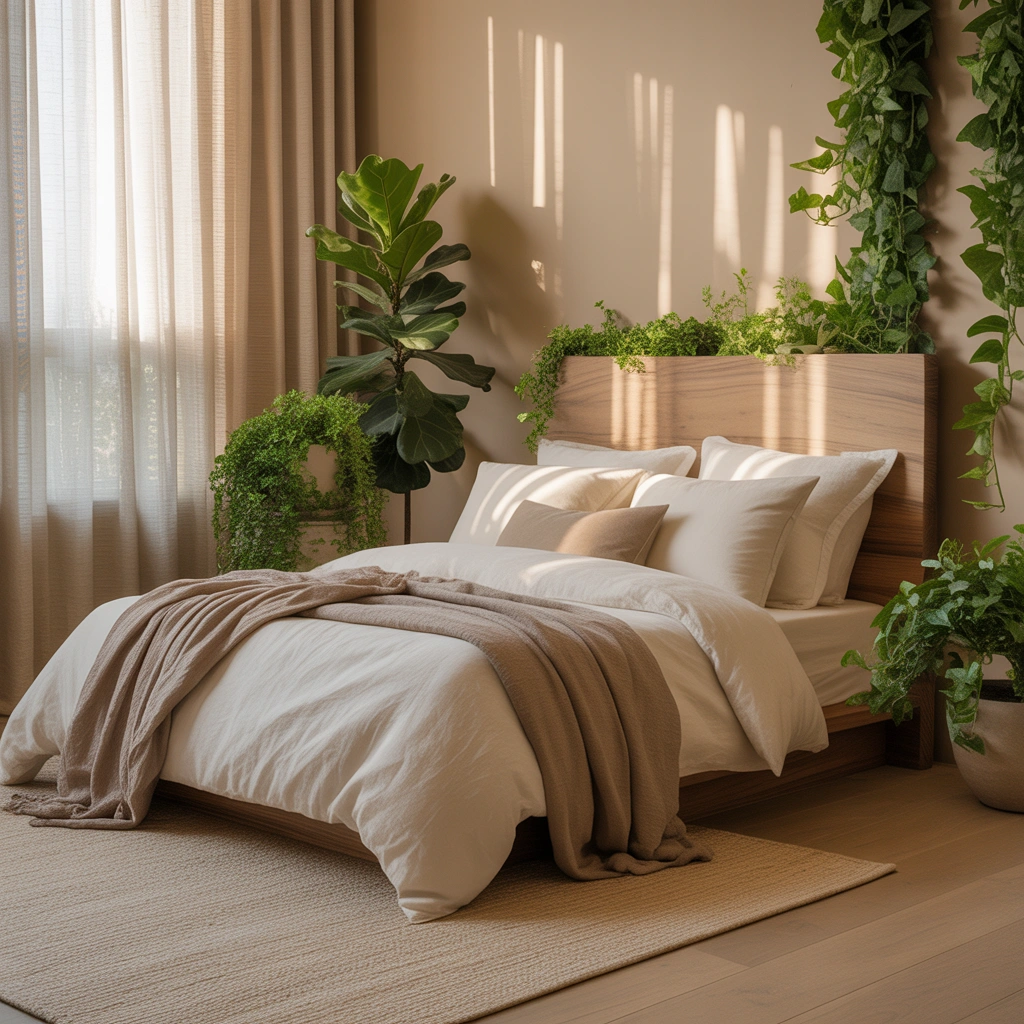
Plants add life to a neutral room without disrupting its peaceful palette.
The combination of green leaves, neutral walls, and natural wood is almost always beautiful.
If your bedroom receives good natural light, consider placing a larger plant in an empty corner.
Smaller plants can sit on a dresser, windowsill, nightstand, or floating shelf.
If caring for plants is not your strength, dried branches, pampas grass, eucalyptus stems, or realistic artificial greenery can provide a similar effect.
I personally love placing a few simple branches in a ceramic vase. It looks elegant, organic, and effortless.
Neutral ceramic or stone vases work especially well because they blend into the room instead of competing with the greenery.
14. Choose Warm Bedroom Lighting
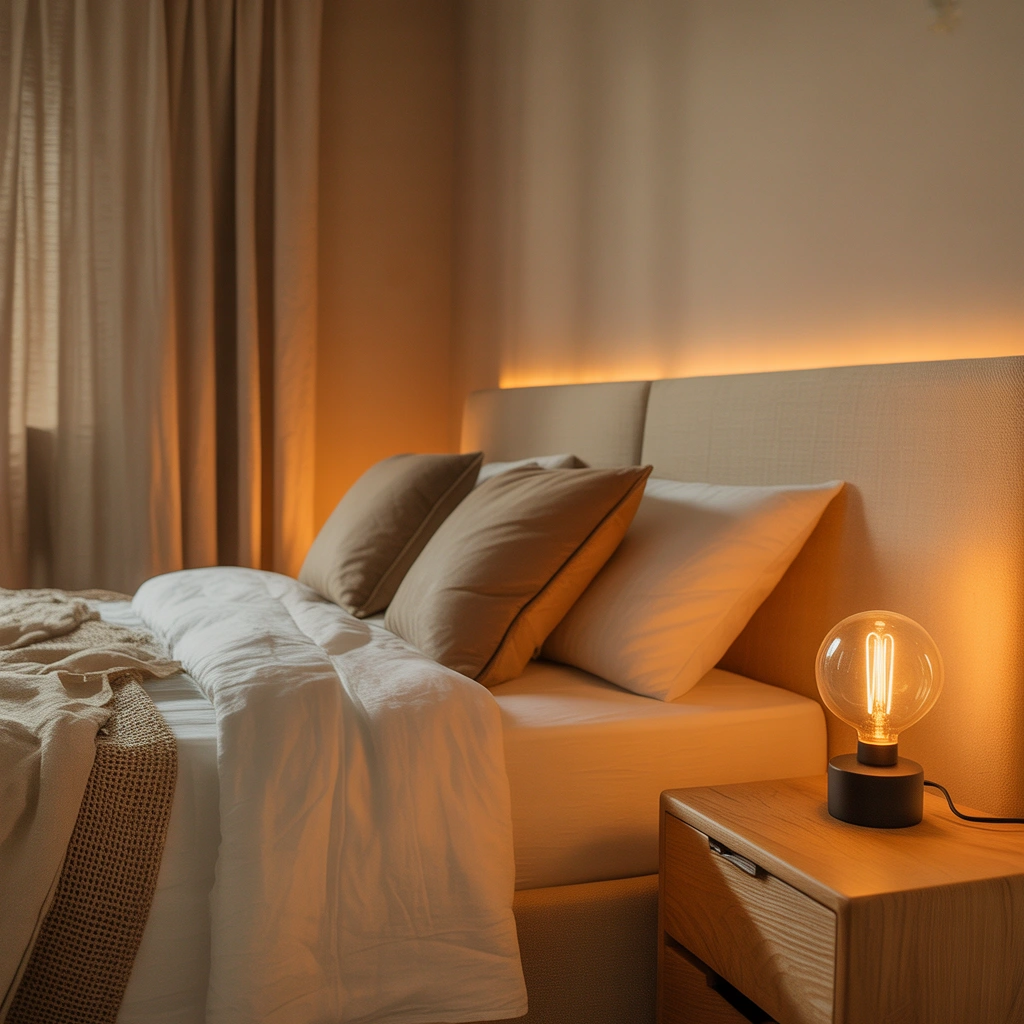
Lighting can make or break neutral bedroom decor.
A room filled with warm beige fabrics and beautiful wooden furniture can suddenly feel cold if the lighting is harsh.
Whenever possible, use warm, soft lighting rather than very bright overhead lighting.
Layering different lighting sources creates the best result.
For example, your bedroom might include:
- A ceiling fixture
- Bedside table lamps
- Wall sconces
- A floor lamp
- Small decorative lighting
Bedside lighting is particularly important because it creates a cozy mood in the evening.
Fabric lampshades usually produce softer light than exposed bulbs.
Pendant lights or wall-mounted sconces beside the bed can also free up nightstand space while creating a sophisticated look.
Dimmers are another great addition because they allow you to adjust the atmosphere depending on the time of day.
15. Add Cozy Finishing Touches
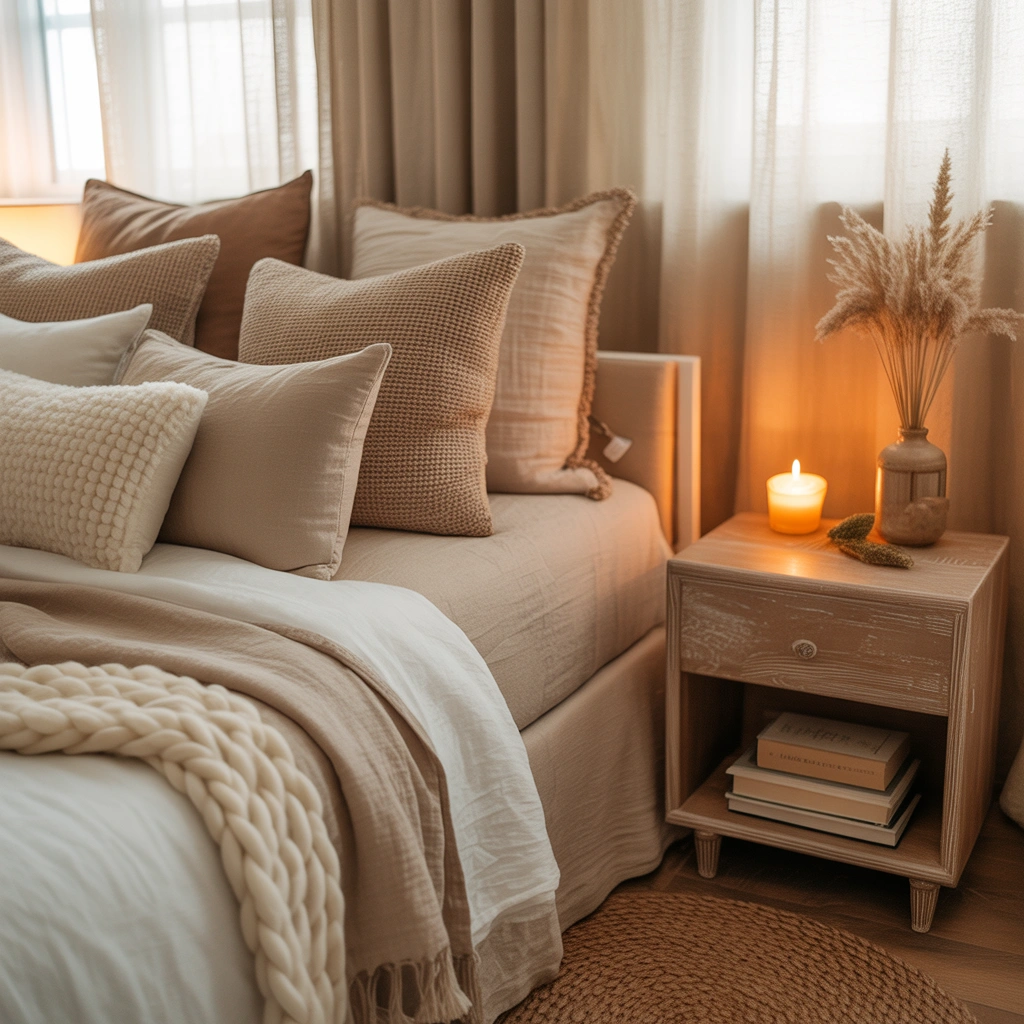
Once the main furniture and color palette are in place, finishing touches make the bedroom feel personal and complete.
This is my favorite part of decorating because small details can completely change the atmosphere.
Consider adding a soft throw blanket over the corner of the bed, decorative cushions, a ceramic vase, books, candles, a tray, framed photographs, or a comfortable bench.
You might also place an upholstered chair in an empty corner with a small side table to create a reading area.
However, avoid filling every surface.
One of the reasons neutral bedrooms feel relaxing is because they usually allow some visual breathing room.
Instead of displaying ten decorative pieces on a dresser, choose three or four items that you genuinely like.
Thoughtful simplicity often looks more luxurious than excessive decoration.
How to Choose the Right Neutral Color Palette
One of the biggest decisions when designing a neutral bedroom is whether you want warm or cool undertones.
Warm neutrals include cream, beige, camel, tan, oatmeal, taupe, and warm brown. These colors create a cozy, comfortable atmosphere.
Cool neutrals include crisp white, cool gray, charcoal, and gray-beige shades. They tend to feel more modern and minimal.
You can mix warm and cool tones, but I recommend choosing one temperature as the dominant direction.
For example, if your walls are warm cream, choose bedding and furniture with similarly warm undertones. Small amounts of gray or black can then provide contrast.
Always test paint and fabric samples inside the bedroom before making a final decision. Natural and artificial lighting can make the same color appear completely different from one room to another.
How to Make a Neutral Bedroom Look Expensive
Creating an elegant bedroom does not necessarily require expensive furniture.
The overall styling often matters more than individual items.
If I wanted to give a neutral bedroom a more luxurious appearance, I would focus on scale, texture, symmetry, and simplicity.
Use generously sized curtains, a properly sized rug, substantial bedside lamps, comfortable bedding, and artwork that fits the wall.
Avoid decorating with too many tiny accessories. Larger, intentional pieces usually create a more sophisticated look.
Bedding is another area where presentation makes a big difference. Layering pillows and blankets can make even relatively simple bedding look much more luxurious.
Good lighting also has a major effect. Soft lamps and warm light instantly create a more inviting atmosphere than one bright ceiling bulb.
Neutral Bedroom Decor for Small Spaces
Neutral colors are particularly useful in small bedrooms because lighter shades can make the space feel brighter and more open.
Start with light walls and keep large furniture pieces relatively simple.
Use vertical space whenever possible. Tall curtains, wall-mounted lighting, floating shelves, and vertical artwork can draw the eye upward.
Mirrors are another useful addition. A large mirror can reflect both natural and artificial light, making a compact bedroom feel larger.
Storage also becomes important in smaller spaces.
Choose beds with built-in storage, nightstands with drawers, storage benches, and baskets that hide visual clutter.
A clean, organized room will almost always feel larger than a crowded one.
Common Neutral Bedroom Decorating Mistakes
Although neutral rooms are relatively easy to decorate, a few mistakes can make them feel unfinished.
The first is using only one shade. If the walls, bedding, rug, and furniture are all exactly the same beige, the room may lack dimension.
Instead, use several related tones.
Another common mistake is ignoring texture. Neutral interiors depend heavily on fabrics, wood grain, woven details, and different finishes.
Poor lighting can also make neutral colors look dull. Warm layered lighting usually works better than harsh overhead light.
Finally, avoid removing too much personality. Neutral does not mean empty.
Family photographs, artwork, books, meaningful objects, and favorite textiles can all be part of a neutral bedroom.
The goal should be creating a calming room that still feels like your home.
Frequently Asked Questions About Neutral Bedroom Decor
What colors are best for a neutral bedroom?
Some of the best neutral bedroom colors include warm white, ivory, cream, beige, taupe, greige, soft gray, camel, sand, and muted brown. The best choice depends on the amount of natural light in your bedroom and whether you prefer warm or cool interiors.
How do you make a neutral bedroom cozy?
Add layers of texture through bedding, rugs, curtains, pillows, knitted blankets, upholstered furniture, and natural materials. Warm lighting and wooden furniture can also make neutral bedrooms feel much more comfortable.
Can you use dark colors in a neutral bedroom?
Absolutely. Black, charcoal, dark brown, or deep taupe can be used as accents. The key is keeping darker colors balanced with lighter neutral shades so the bedroom still feels calm and open.
What furniture works with neutral bedroom decor?
Wooden furniture, upholstered beds, cane furniture, simple painted pieces, and modern black or metal accents can all work beautifully. Choose furniture based on your overall decorating style rather than trying to make every piece match.
Is neutral bedroom decor still in style?
Neutral bedroom design remains popular because it is flexible and timeless. Specific trends may change, but warm whites, natural materials, textured fabrics, simple furniture, and calming palettes can work with many interior styles.
Final Thoughts
Creating a beautiful neutral bedroom is less about removing color and more about creating balance.
I think the most successful neutral bedrooms combine soft colors, layered textures, natural materials, warm lighting, comfortable bedding, and a few personal details. Together, these elements create a room that feels peaceful without becoming plain.
Start with a simple foundation such as warm white or beige walls. Build around it using natural wood, textured bedding, soft curtains, a comfortable rug, and carefully chosen accessories. Then add contrast with artwork, plants, darker accents, or interesting materials.
You also do not need to redesign your entire bedroom at once. Sometimes replacing the bedding, adding better curtains, bringing in a rug, or changing the lighting is enough to transform the room.
These 15 neutral bedroom decor ideas can work whether you are decorating a large primary bedroom, a small apartment bedroom, a guest room, or simply refreshing your current space.
Most importantly, create a bedroom that feels comfortable to you. Trends may influence the details, but your bedroom should ultimately be a place where you can slow down, relax, and genuinely enjoy being at home.
