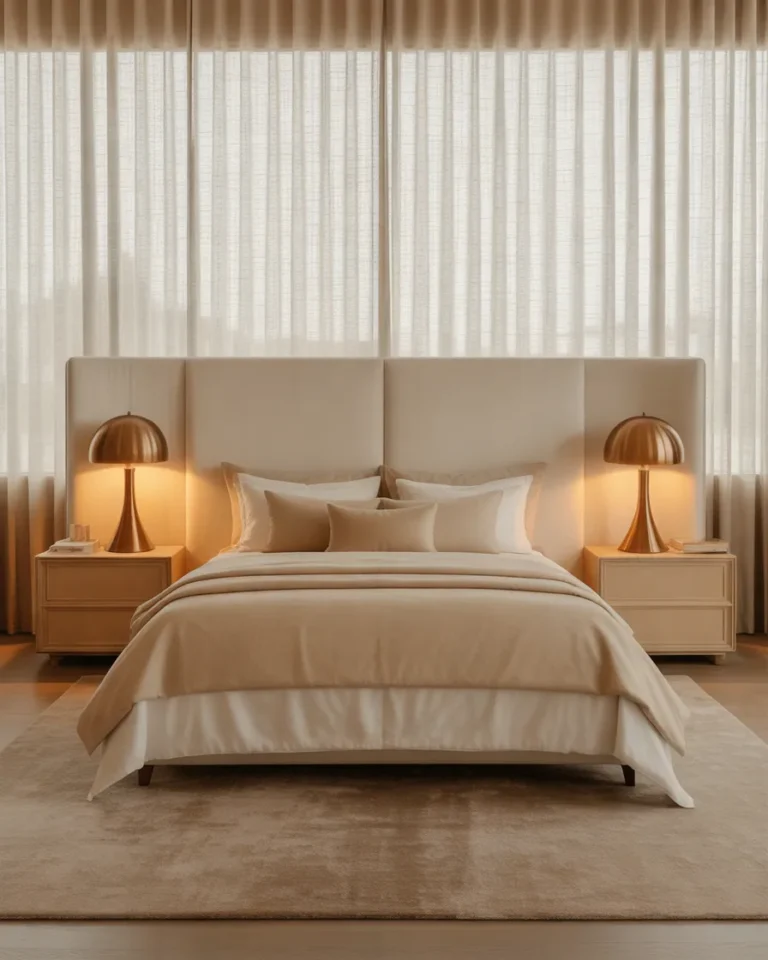
Choosing the right bedroom paint color can completely change the way your space looks and feels. I have always loved how a simple change in wall color can make a bedroom feel brighter, cozier, more elegant, or even a little more luxurious without replacing all the furniture. If you want a color that feels timeless but still looks modern, grey is one of my favorite options to consider.
The best part about grey is its versatility. Some shades have warm beige undertones that make a bedroom feel soft and inviting, while others have cool blue or silver undertones that create a fresh, peaceful atmosphere. Dark grey can add drama and sophistication, whereas pale grey makes a small bedroom appear more open and airy.
However, not every grey paint color looks the same in every room. Natural light, artificial lighting, flooring, bedding, and furniture can all affect how a particular shade appears on your walls. That is why I recommend exploring several options before settling on one.
In this guide, I am sharing 15 grey paint colors for bedroom walls that work beautifully with different decorating styles. Whether you love minimalist interiors, cozy farmhouse bedrooms, contemporary spaces, or elegant traditional decor, you will find plenty of inspiration here. I have also included practical styling tips to help you visualize each color in a beautifully designed bedroom.
1. Agreeable Gray for a Soft and Balanced Bedroom
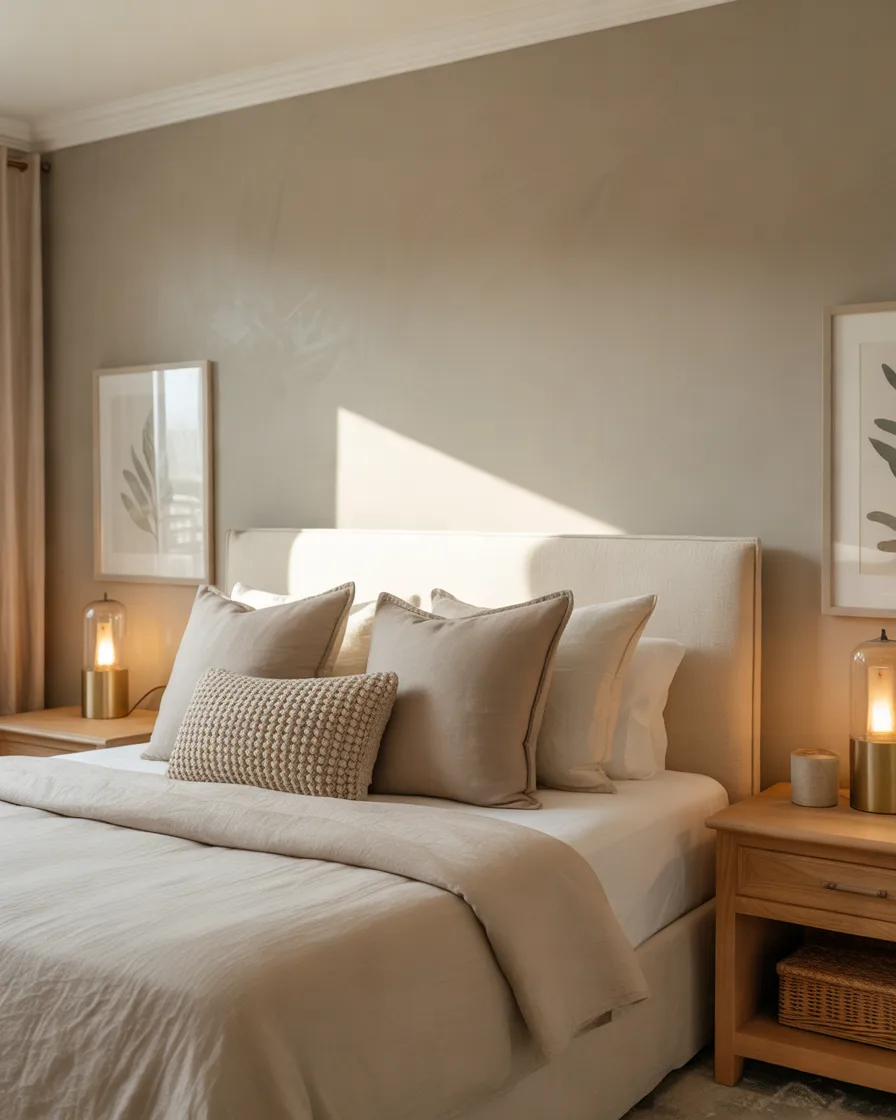
If I wanted a grey bedroom that felt welcoming rather than cold, Agreeable Gray would be one of the first shades I would explore. This popular warm greige from Sherwin-Williams combines grey with subtle beige undertones, giving it a balanced appearance that works with many different interior styles.
Agreeable Gray is particularly attractive in bedrooms where you want a neutral backdrop without making the walls look stark white. It pairs beautifully with cream bedding, natural wood furniture, linen curtains, and warm metallic accents. You can also combine it with white trim to create a clean, polished finish.
I especially like this color for a master bedroom because it feels sophisticated without demanding too much attention. You can introduce darker accents through bedside tables, lamps, picture frames, or cushions while allowing the walls to maintain a peaceful atmosphere.
This shade can look warmer in rooms with warm lighting and more neutral in different lighting conditions. Before painting the entire room, test a sample on multiple walls to see how it changes throughout the day.
Best for: Master bedrooms, transitional interiors, modern farmhouse decor, and warm neutral color schemes.
2. Repose Gray for a Modern and Relaxing Retreat
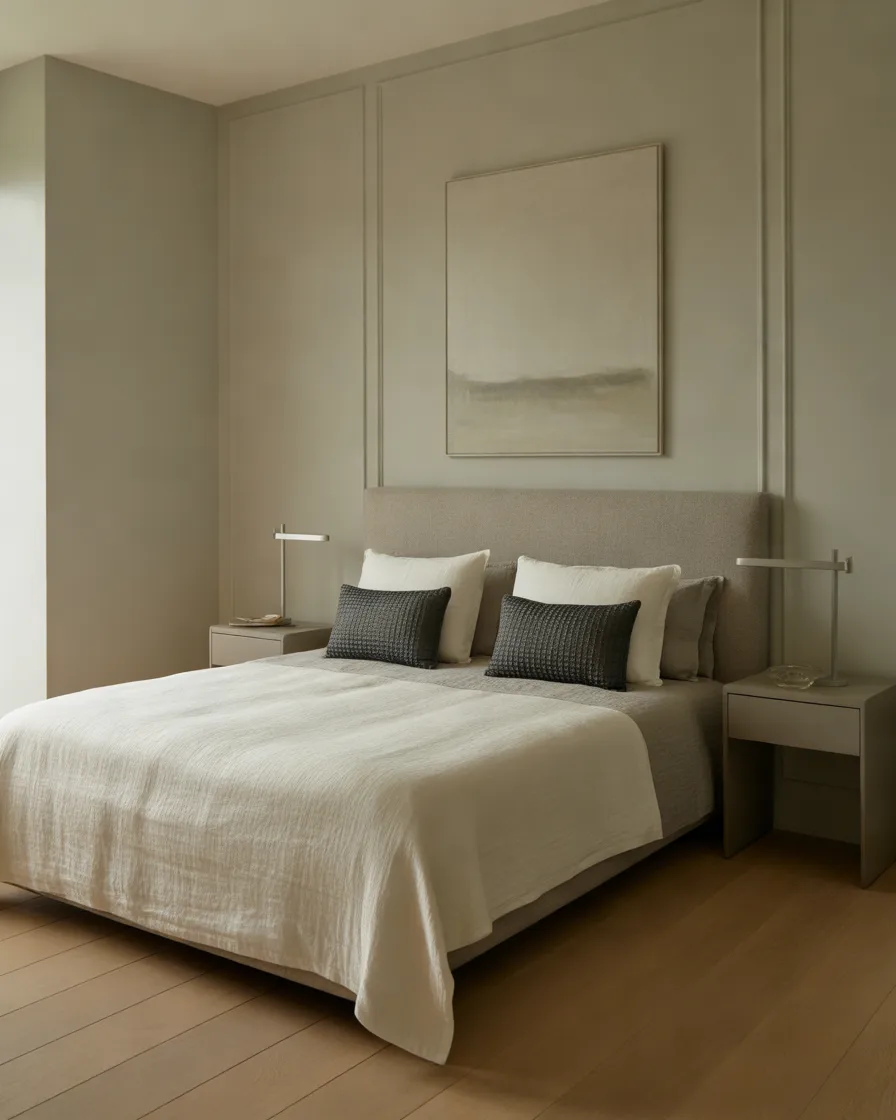
Repose Gray by Sherwin-Williams is a wonderful choice if you prefer a more traditional grey appearance with subtle warmth. It is not overly dark or excessively pale, which makes it a flexible option for bedrooms of different sizes.
What I appreciate about this shade is how easily it works with contemporary furniture. Imagine grey walls paired with a low-profile upholstered bed, crisp white sheets, black bedside lamps, and light wooden flooring. The result feels modern, but it does not become visually overwhelming.
Repose Gray can also work beautifully in a guest bedroom. Because it sits comfortably between light and medium grey, it provides a neutral foundation for different bedding colors. You could use white and beige for a soft appearance or introduce navy blue and muted green for additional depth.
Its undertones may shift depending on the direction of the room and the type of light it receives. In cooler light, it can appear more noticeably grey, while warmer light may bring out its softer side.
Best for: Modern bedrooms, guest rooms, minimalist interiors, and understated contemporary decor.
3. Classic Gray for a Bright and Airy Bedroom
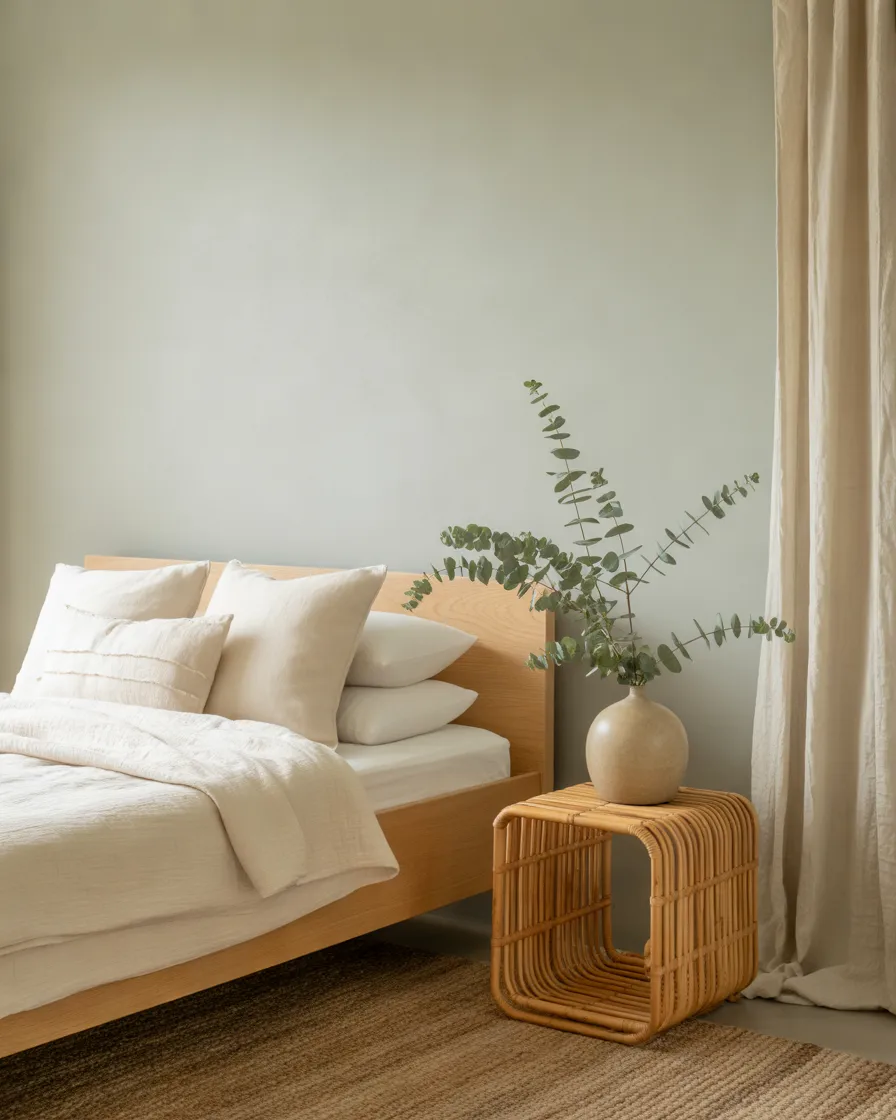
If your bedroom is small or receives limited natural light, Classic Gray by Benjamin Moore is worth considering. Despite its name, this shade is extremely light and can read as a soft off-white with a gentle grey influence.
I would choose Classic Gray when I wanted the walls to feel bright without using a completely plain white. It offers just enough color to create a subtle difference between the walls, white ceiling, and white bedding.
This shade looks especially beautiful with natural materials. Light oak, rattan furniture, cream upholstery, cotton bedding, and woven rugs can make the entire bedroom feel relaxed and inviting.
Classic Gray is also useful if you enjoy changing your decor seasonally. You can introduce dusty pink in spring, sage green in summer, caramel accents in autumn, or deeper charcoal accessories in winter without needing to repaint the walls.
Because this color is so light, the underlying wall color and lighting conditions can influence the final result. A sample is essential if you want to maintain a soft grey appearance rather than an off-white look.
Best for: Small bedrooms, Scandinavian interiors, bright guest rooms, and light neutral decor.
4. Revere Pewter for a Warm and Elegant Bedroom
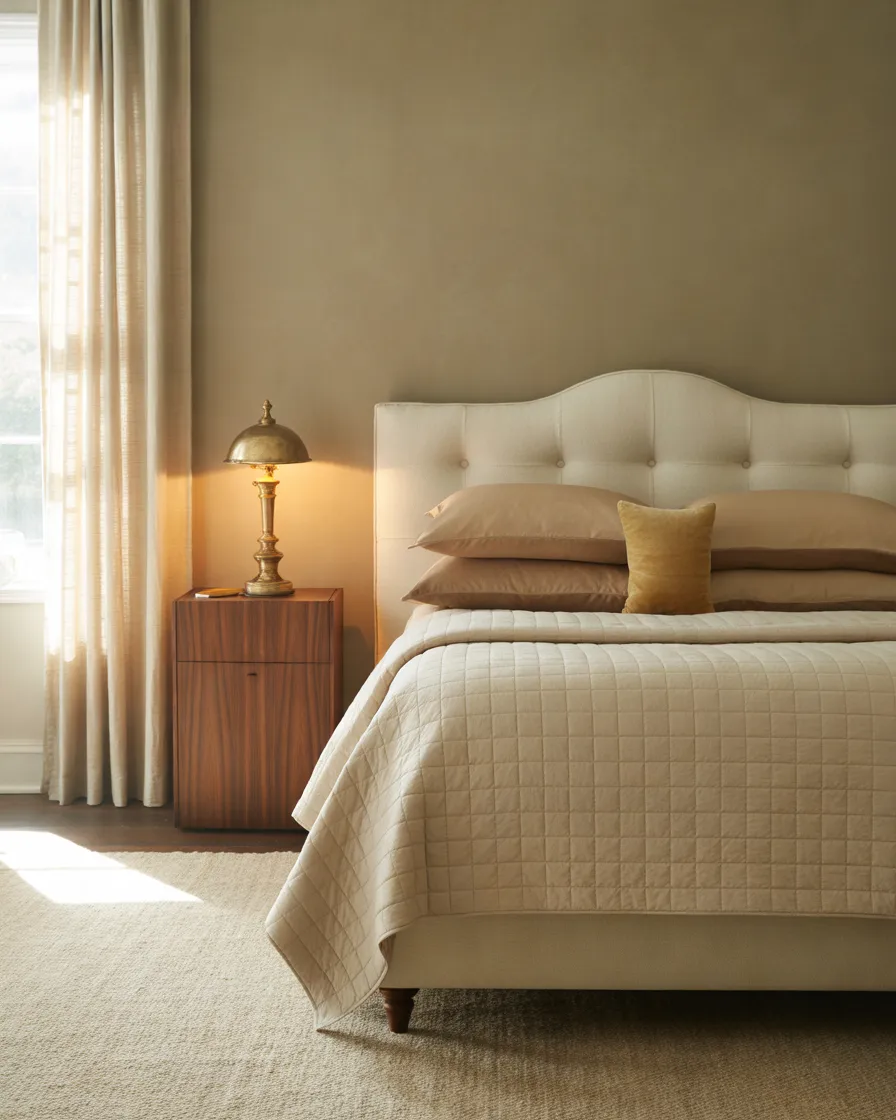
Revere Pewter by Benjamin Moore is a classic greige that combines grey with noticeable warmth. If you like neutral bedrooms but find some grey shades too cool, this is a color worth adding to your shortlist.
I particularly like Revere Pewter in bedrooms with traditional furniture, upholstered headboards, warm wooden floors, and layered textiles. Its earthy character helps the room feel comfortable, making it a good match for a relaxed yet polished interior.
For bedding, I would lean toward ivory, oatmeal, warm white, and muted taupe. These colors complement the walls without creating too much contrast. If you prefer a more dramatic look, dark bronze lighting, walnut furniture, or deep olive-green cushions can provide a beautiful finishing touch.
Revere Pewter is not a simple flat grey. Its appearance can shift toward warmer beige or more recognizably grey depending on the surrounding finishes and lighting.
If your bedroom has cool white flooring and very blue-toned daylight, test it carefully to make sure the warmth fits the rest of the space.
Best for: Traditional bedrooms, transitional interiors, cozy master suites, and warm neutral palettes.
5. Balboa Mist for a Soft Contemporary Look
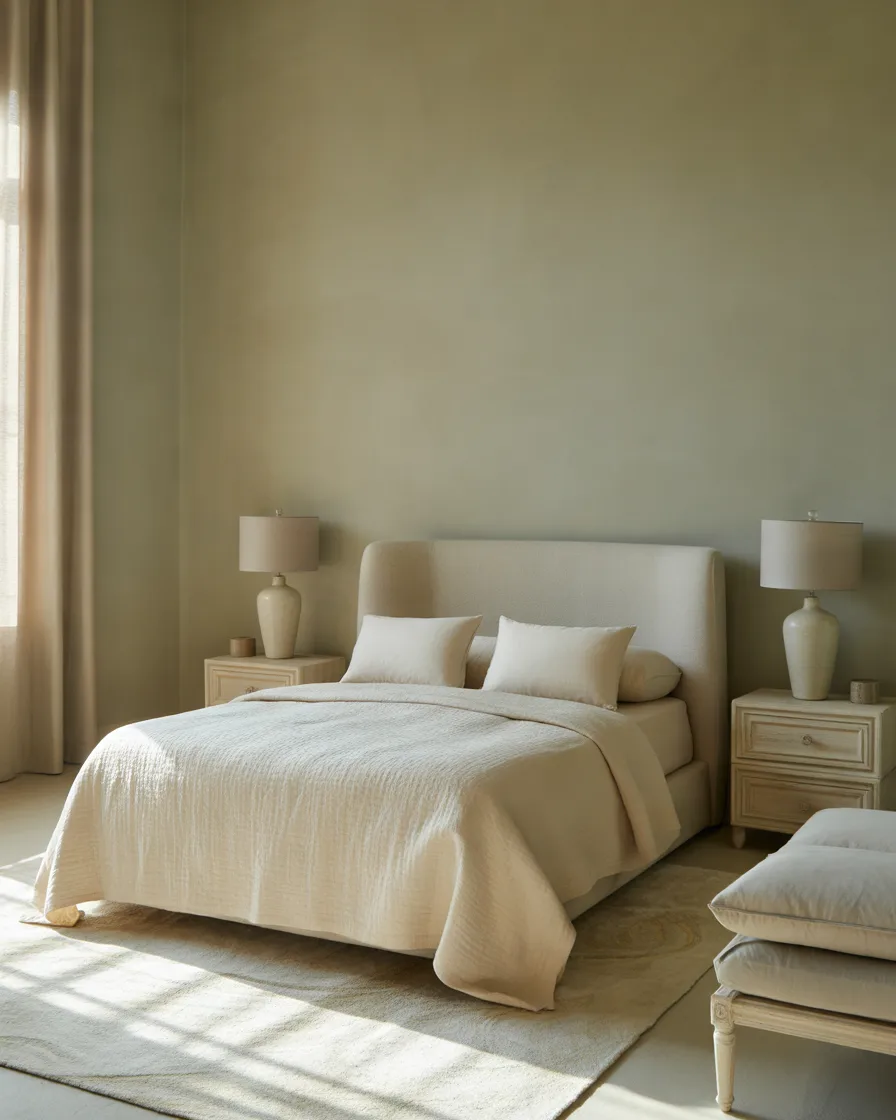
Balboa Mist by Benjamin Moore is a light, delicate greige that can bring a sophisticated softness to bedroom walls. It is a lovely option for anyone who wants something between pale grey and warm off-white.
One reason I would consider this color is its ability to complement both contemporary and classic decor. It works with streamlined furniture, but it can also look beautiful alongside curved headboards, traditional bedside tables, and elegant upholstered benches.
To create a cohesive bedroom, pair Balboa Mist with creamy bedding, pale wood furniture, and soft grey curtains. If you want a little more definition, use medium-grey cushions or a darker upholstered headboard.
This color is particularly appealing when you want the bedroom to feel calm rather than overly decorated. It gives other elements room to stand out while maintaining a gentle background.
Keep in mind that light greige shades can sometimes appear almost off-white under bright lighting. Testing the paint beside your flooring and furniture will help you decide whether it provides enough contrast for your space.
Best for: Contemporary bedrooms, elegant apartments, neutral interiors, and soft minimalist styling.
6. Stonington Gray for a Crisp and Sophisticated Bedroom
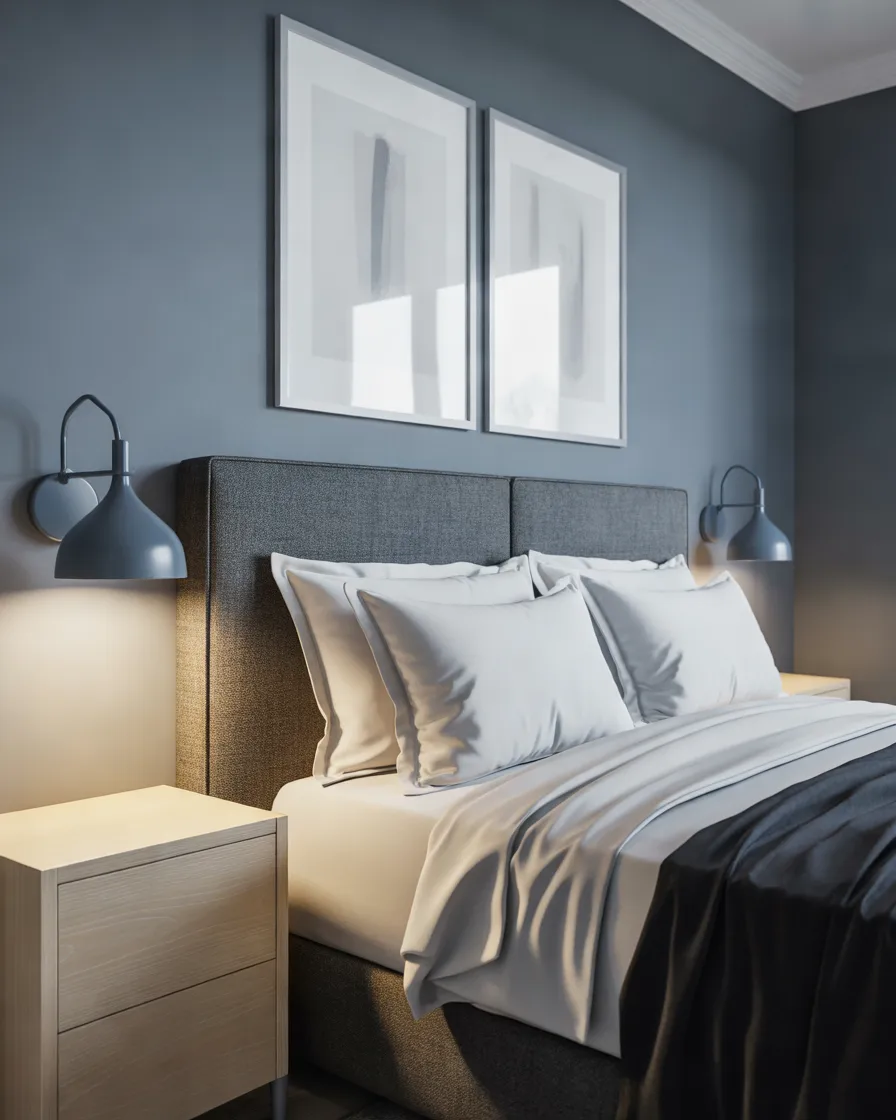
Stonington Gray by Benjamin Moore is a cool-leaning medium-light grey that creates a more defined grey appearance than many warm greige shades.
I would consider it if I wanted a bedroom that felt clean, modern, and slightly architectural. It works particularly well with white trim, black hardware, contemporary furniture, and crisp bedding.
For a balanced result, combine Stonington Gray walls with a white duvet, a charcoal upholstered headboard, and light oak or ash furniture. The mix of cool walls and natural wood prevents the room from feeling too stark.
This shade can also complement blue, navy, and muted green accents. A navy throw or a pair of blue-grey cushions can introduce color while keeping the overall design calm.
Because Stonington Gray has cool undertones, it may feel cooler in north-facing rooms or spaces with limited warm light. If your bedroom already has cool flooring, consider using warmer fabrics and soft lamps to bring balance.
Best for: Contemporary bedrooms, cool neutral palettes, modern apartments, and crisp white-and-grey interiors.
7. Gray Owl for a Fresh and Natural Bedroom
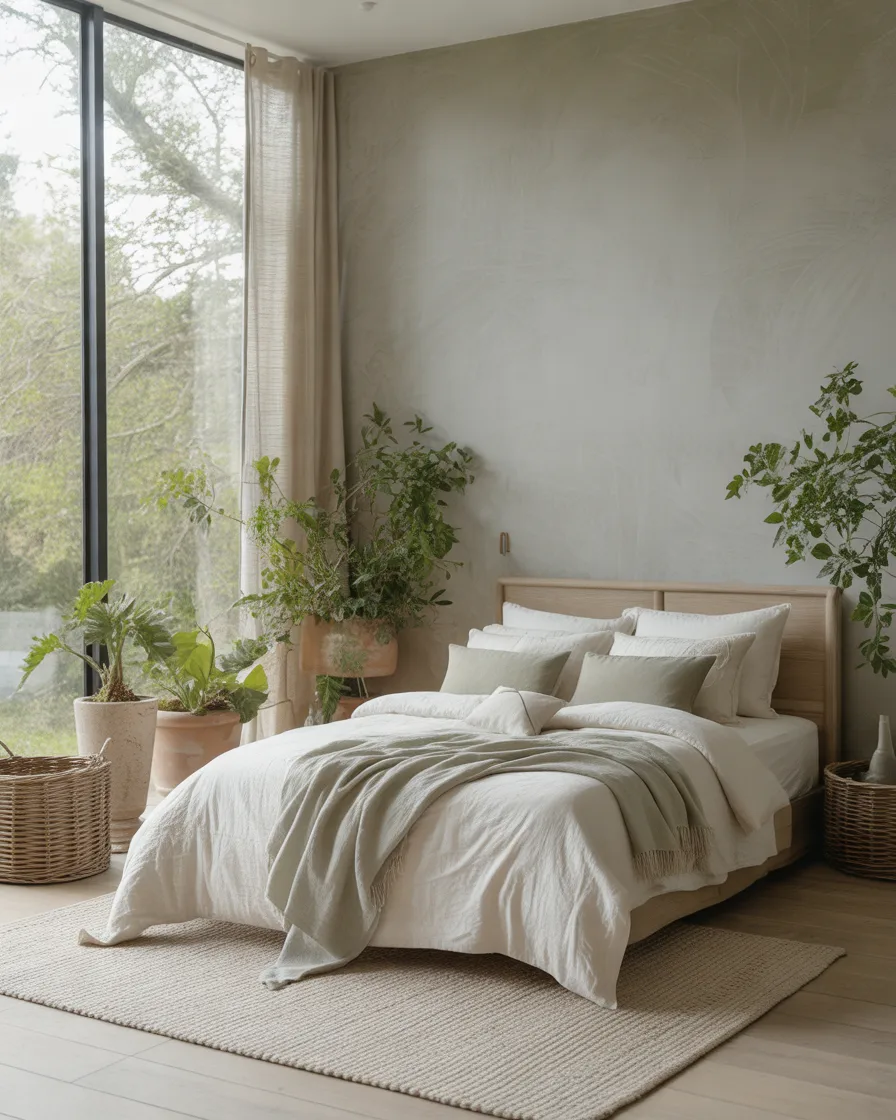
Gray Owl by Benjamin Moore is a light grey that can reveal subtle green or blue influences depending on the lighting and surrounding colors. This gives it a slightly different personality from a straightforward neutral grey.
If you enjoy bedrooms inspired by nature, Gray Owl is a shade I would explore. It pairs beautifully with sage-green accessories, white bedding, pale wood, linen curtains, and simple botanical artwork.
I like the idea of using it in a bedroom with plenty of daylight. The walls can provide a fresh backdrop without competing with plants, woven textures, or natural materials.
You could also introduce muted blue cushions or a soft green upholstered chair to create a gentle color scheme. For a cleaner look, keep the bedding white and use only a few decorative accents.
Gray Owl’s undertones are worth checking carefully because they may become more noticeable in certain lighting conditions. A large sample will give you a better idea of whether the room looks neutral, greenish, or cool grey in your particular space.
Best for: Nature-inspired bedrooms, fresh minimalist interiors, botanical decor, and light-filled spaces.
8. Mindful Gray for a Cozy and Balanced Bedroom
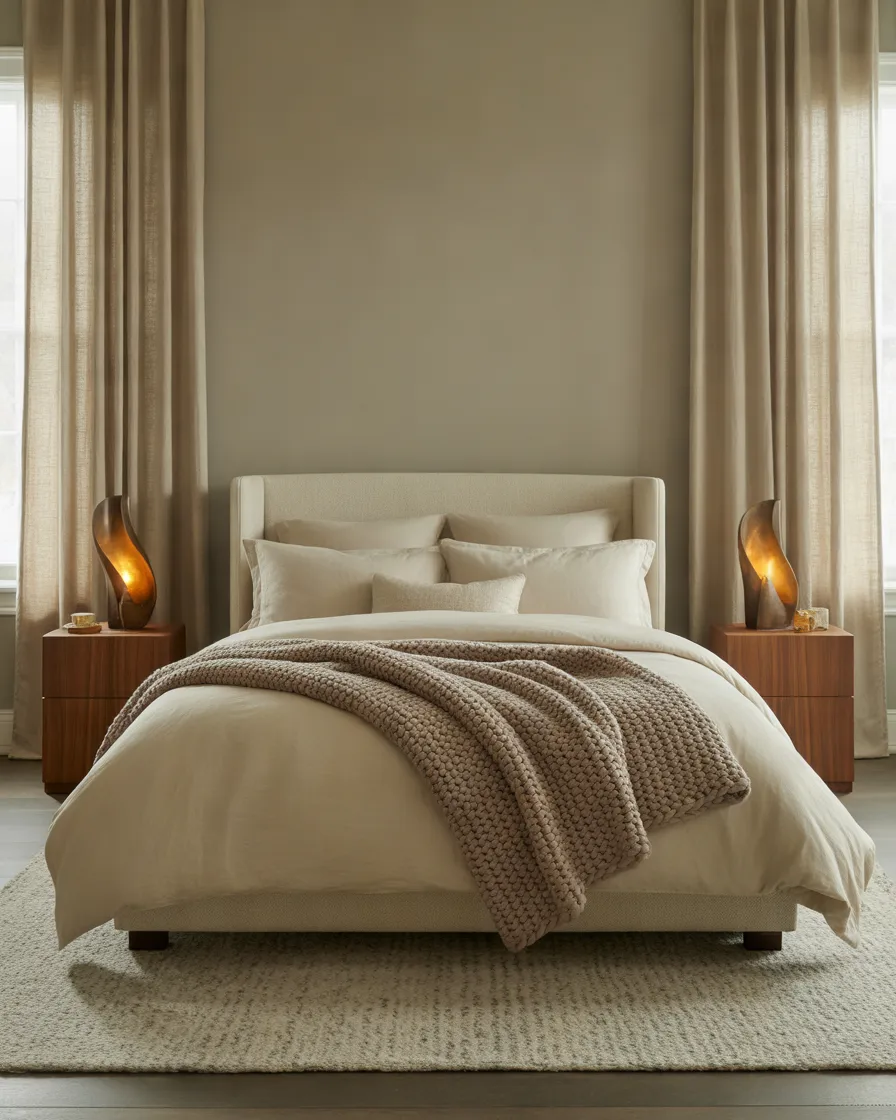
Mindful Gray by Sherwin-Williams is a medium-light warm grey that offers more depth than the palest grey shades without feeling too dark for an ordinary bedroom.
I would choose it when I wanted a neutral color that felt substantial enough to anchor the furniture. It can work beautifully with cream upholstery, medium-tone wood, warm white bedding, and bronze or black lighting.
Mindful Gray is also a useful option for a larger bedroom where very pale walls might feel a little plain. Its additional depth gives the space definition while leaving room for contrasting decor.
If you want to create a layered neutral palette, use Mindful Gray on the walls, ivory on the bedding, taupe in the curtains, and darker charcoal in a few accessories. This approach creates visual interest without requiring bright colors or busy patterns.
The shade can read differently depending on the room’s natural light. Pair it with warmer textures if the space feels cool, or use crisp white accents if you prefer a cleaner contemporary finish.
Best for: Master bedrooms, warm modern interiors, transitional decor, and layered neutral schemes.
9. Dorian Gray for a Rich and Modern Bedroom
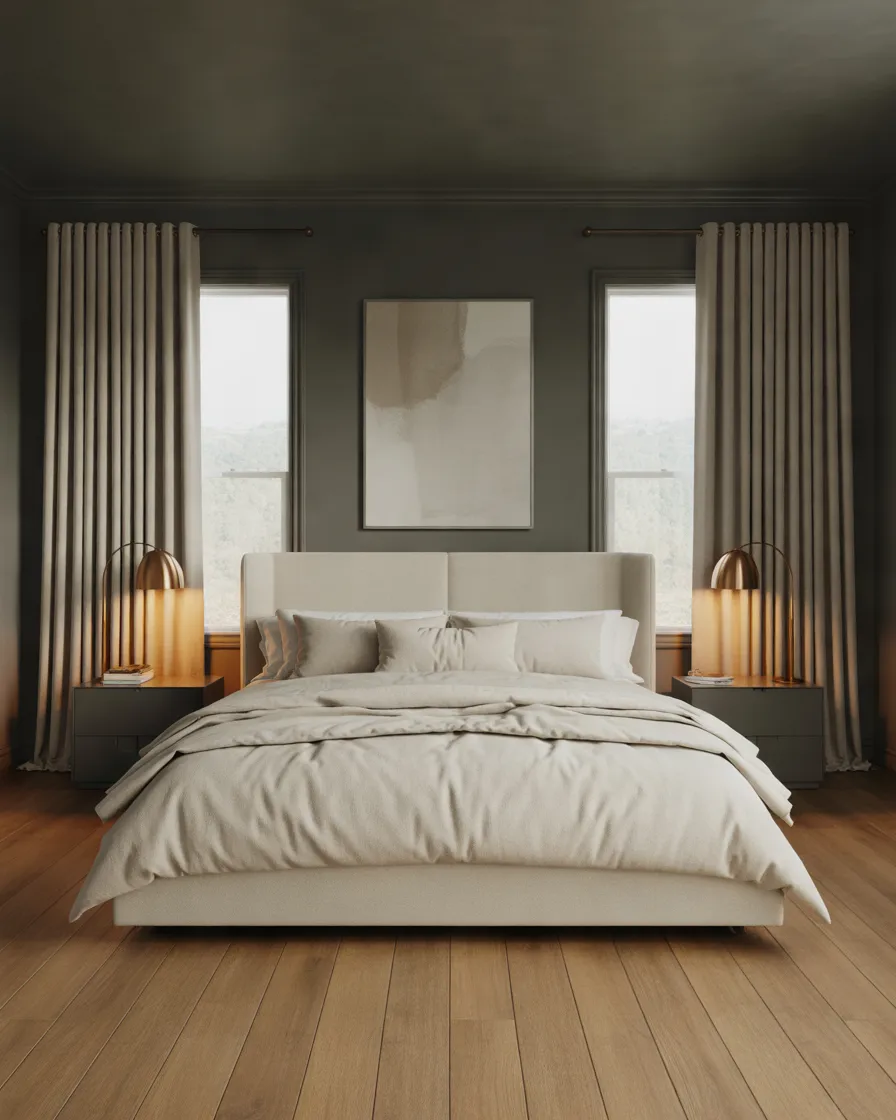
Dorian Gray by Sherwin-Williams is a deeper medium grey that gives bedroom walls a more noticeable presence. It is a good option if you like the sophistication of darker colors but are not ready to commit to charcoal.
I find this type of grey especially appealing in bedrooms with simple furniture and carefully chosen accents. The walls create depth, while lighter bedding and furniture prevent the room from feeling too heavy.
Try pairing Dorian Gray with a white upholstered bed, cream curtains, black bedside lamps, and natural oak flooring. If you want a warmer look, introduce caramel leather accents, walnut furniture, or beige decorative pillows.
Another possibility is to paint the entire bedroom Dorian Gray and use white ceilings and trim for contrast. In a room with limited daylight, however, the color may appear considerably deeper than expected.
Lighting is important with this shade. Warm bedside lamps can soften the walls in the evening, while daylight will reveal a different side of the paint color.
Best for: Modern master bedrooms, medium-sized rooms, contemporary furniture, and sophisticated neutral interiors.
10. Chelsea Gray for a Bold and Elegant Bedroom
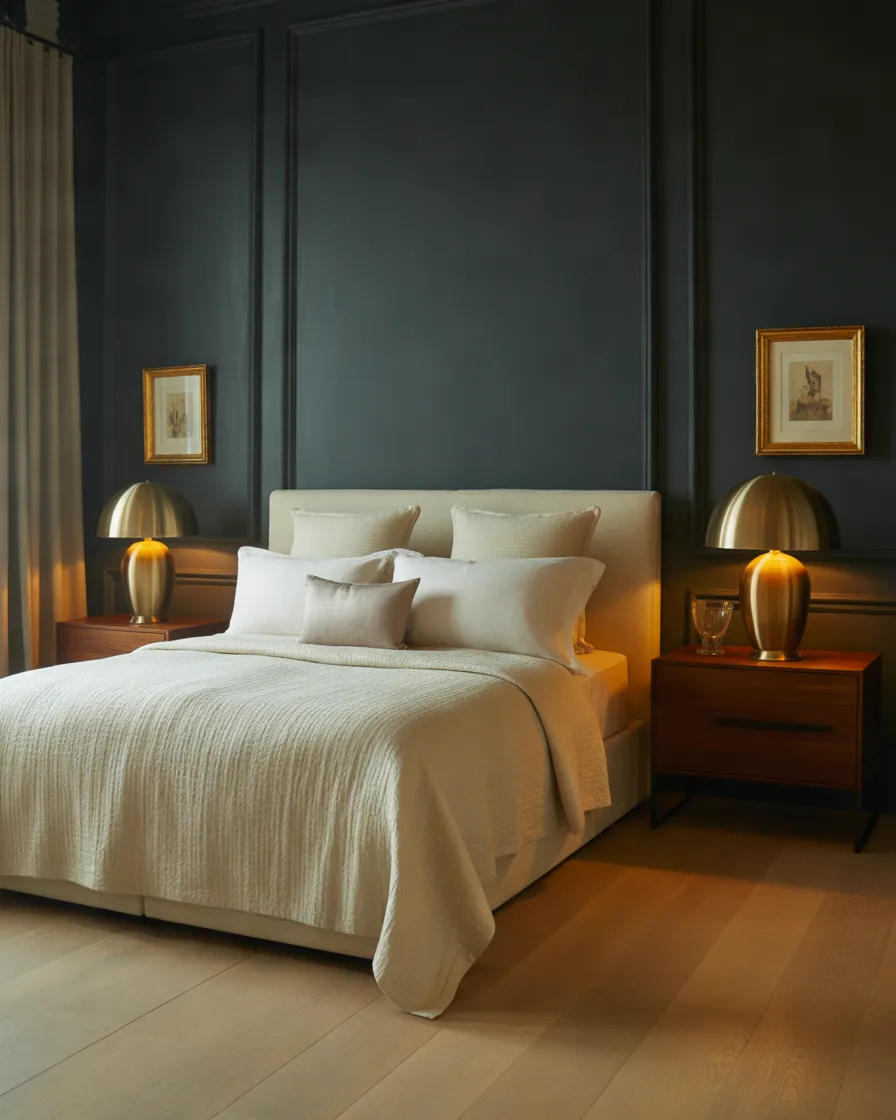
Chelsea Gray by Benjamin Moore is a deeper grey that can make a bedroom feel polished and dramatic. It is particularly suitable for people who prefer a stronger wall color instead of an almost-white neutral.
One of my favorite ways to use this shade would be on the wall behind the bed. A darker accent wall can create a natural focal point, especially when paired with a lighter upholstered headboard and simple artwork.
If you prefer a more enveloping design, Chelsea Gray can also be used across all four walls. Balance it with cream bedding, light wood, soft curtains, and warm lighting to maintain a comfortable atmosphere.
Metallic details such as brushed brass lamps or dark bronze handles can add sophistication without making the space look overly glamorous. For a more contemporary appearance, use black accents and streamlined furniture.
Before choosing Chelsea Gray for a small bedroom, evaluate the amount of natural light available. Deeper shades can make a room feel intimate and cozy, but they may also emphasize its lack of light if the rest of the palette is too dark.
Best for: Accent walls, sophisticated master bedrooms, contemporary interiors, and elegant dramatic styling.
11. Kendall Charcoal for a Moody and Luxurious Bedroom
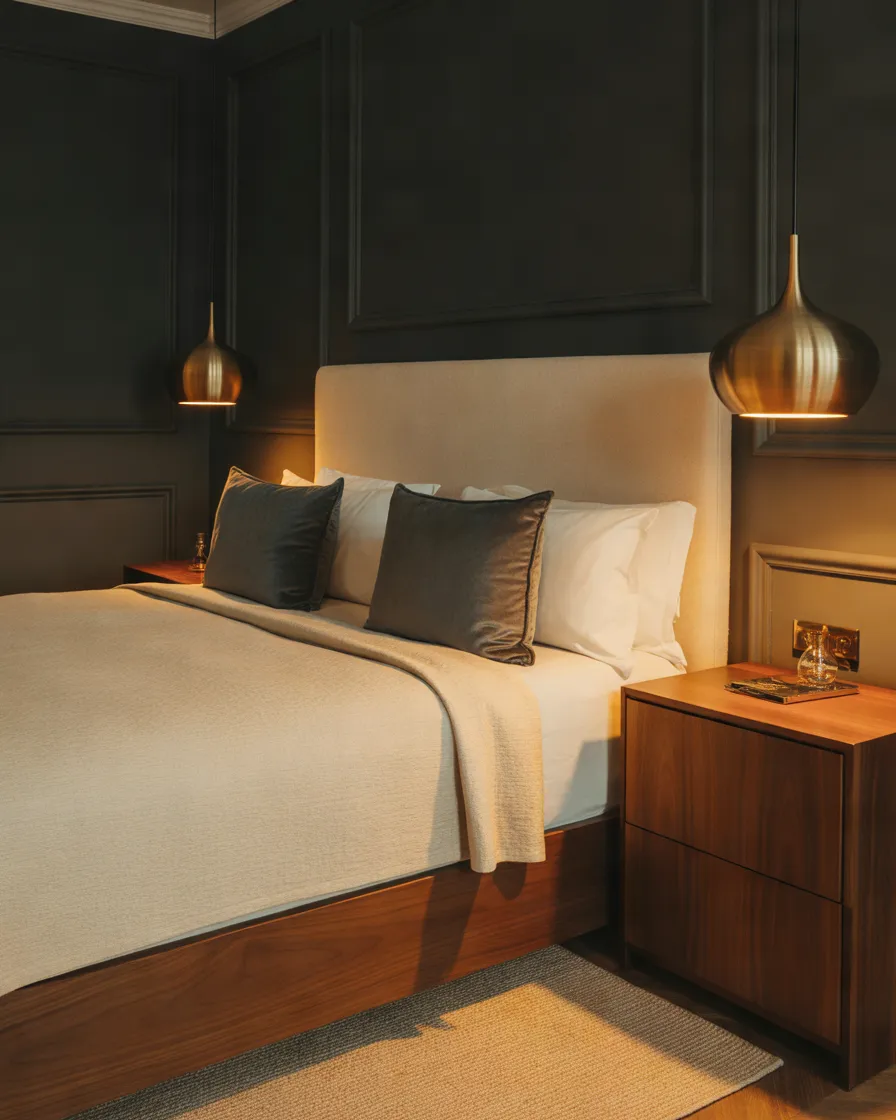
Kendall Charcoal by Benjamin Moore is a rich, dark grey that creates an intimate and dramatic atmosphere. If you love bedrooms with a boutique-hotel feeling, this shade can be an excellent inspiration.
Dark grey walls are not necessarily difficult to decorate around. In fact, they can make light-colored bedding, artwork, and furniture stand out beautifully. I would start with an upholstered bed in cream or oatmeal, white sheets, warm wooden bedside tables, and soft bedside lamps.
For an even more luxurious look, consider velvet cushions, textured throws, and subtle brass details. These finishes add dimension and prevent the dark walls from looking flat.
You could use Kendall Charcoal on a single accent wall if you want to introduce drama gradually. Alternatively, painting all the walls can create a cocoon-like effect, especially in a bedroom designed for relaxing in the evening.
Good lighting is essential. Use a combination of bedside lamps, overhead lighting, and natural daylight rather than relying on a single light source.
Best for: Moody bedrooms, boutique-hotel-inspired interiors, dramatic accent walls, and luxurious modern decor.
12. Peppercorn for a Dramatic Contemporary Bedroom
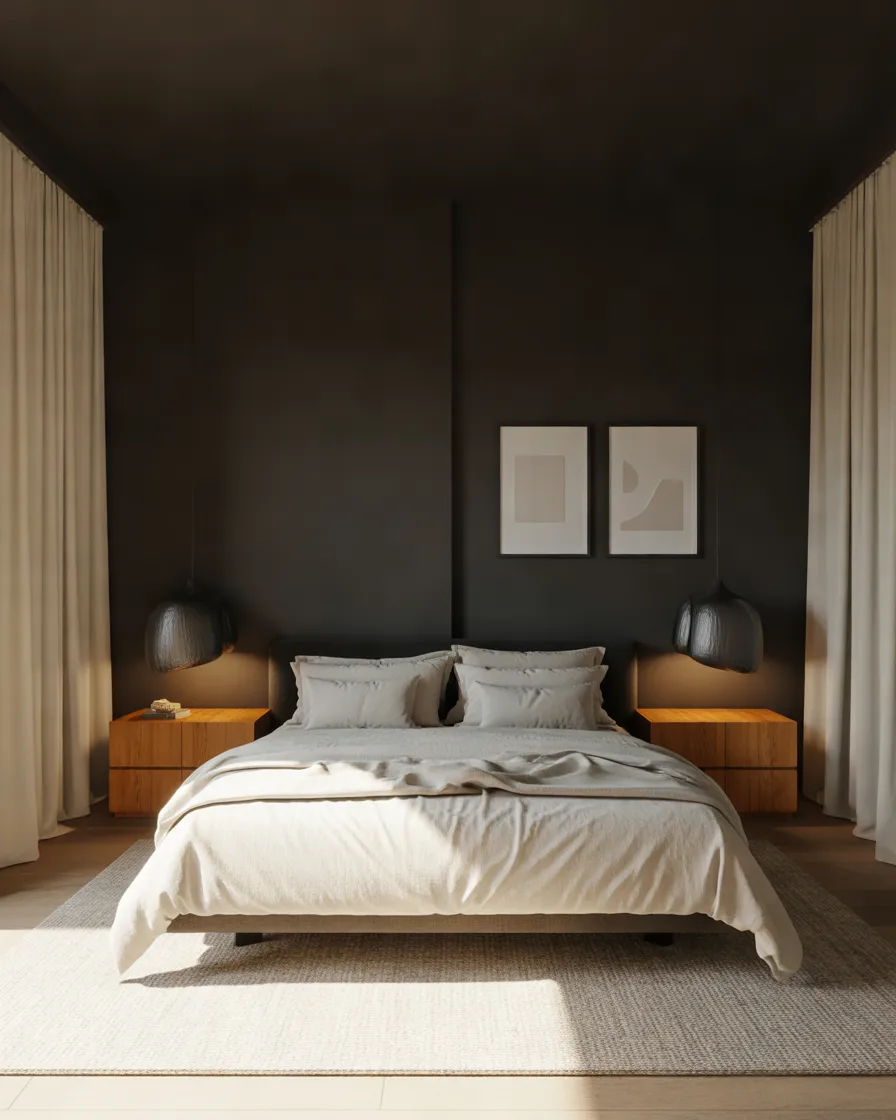
Peppercorn by Sherwin-Williams is a dark charcoal grey that looks striking in modern bedrooms. It offers a bold alternative to black while preserving the softness associated with grey.
I would use Peppercorn when I wanted the bedroom to feel confident, contemporary, and visually memorable. It pairs particularly well with white bedding, black metal details, warm wood, and streamlined furniture.
For a balanced design, introduce several lighter elements rather than making every surface dark. A cream duvet, light oak nightstands, and pale curtains can help the walls stand out without overwhelming the room.
Peppercorn can also look beautiful in a bedroom with carefully planned lighting. Wall sconces beside the bed, concealed LED lighting, and warm table lamps can bring out the depth of the walls in the evening.
If your room is small, consider using Peppercorn behind the headboard rather than throughout the entire space. An accent wall can provide a dramatic focal point while keeping the remaining walls light.
Best for: Contemporary bedrooms, charcoal accent walls, industrial-inspired interiors, and modern monochromatic schemes.
13. Edgecomb Gray for a Warm and Comfortable Bedroom
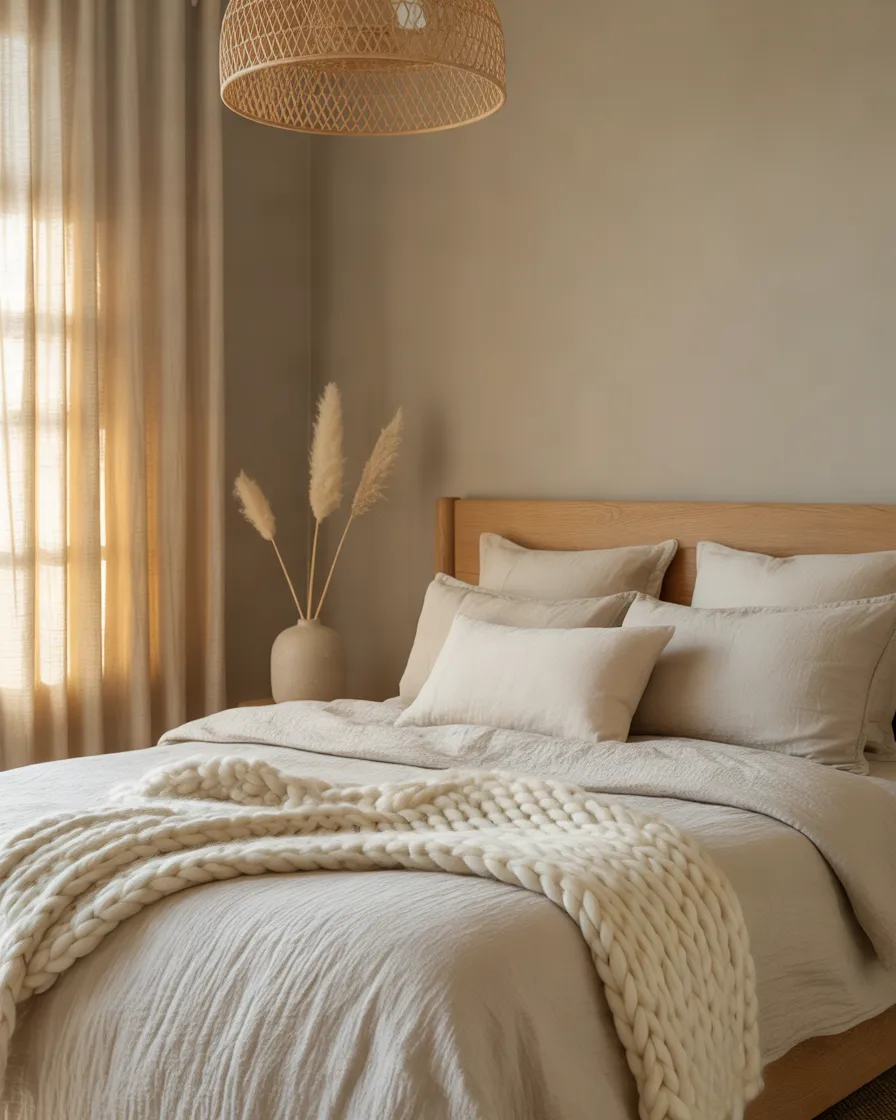
Edgecomb Gray by Benjamin Moore is a warm greige that sits between beige and grey. If you enjoy neutral bedrooms with a softer, more natural character, this is a shade I would seriously consider.
Unlike cooler greys, Edgecomb Gray works particularly well with creamy fabrics, honey-toned wood, woven accessories, and warm white finishes. It can make a bedroom feel welcoming without introducing a strong color that limits your decorating choices.
I would use it in a relaxed bedroom with linen bedding, a natural wood headboard, soft curtains, and a few carefully selected decorative objects. The overall look would feel comfortable rather than overly styled.
This shade is also helpful when your existing furniture includes warm wood or beige upholstery. Instead of fighting those undertones, it complements them and creates a more cohesive color palette.
Depending on the light, Edgecomb Gray may appear more beige than grey. If your main goal is a distinctly cool grey bedroom, another option on this list may suit you better.
Best for: Cozy bedrooms, warm minimalist decor, natural materials, and timeless neutral interiors.
14. Silver Drop for a Light and Peaceful Bedroom
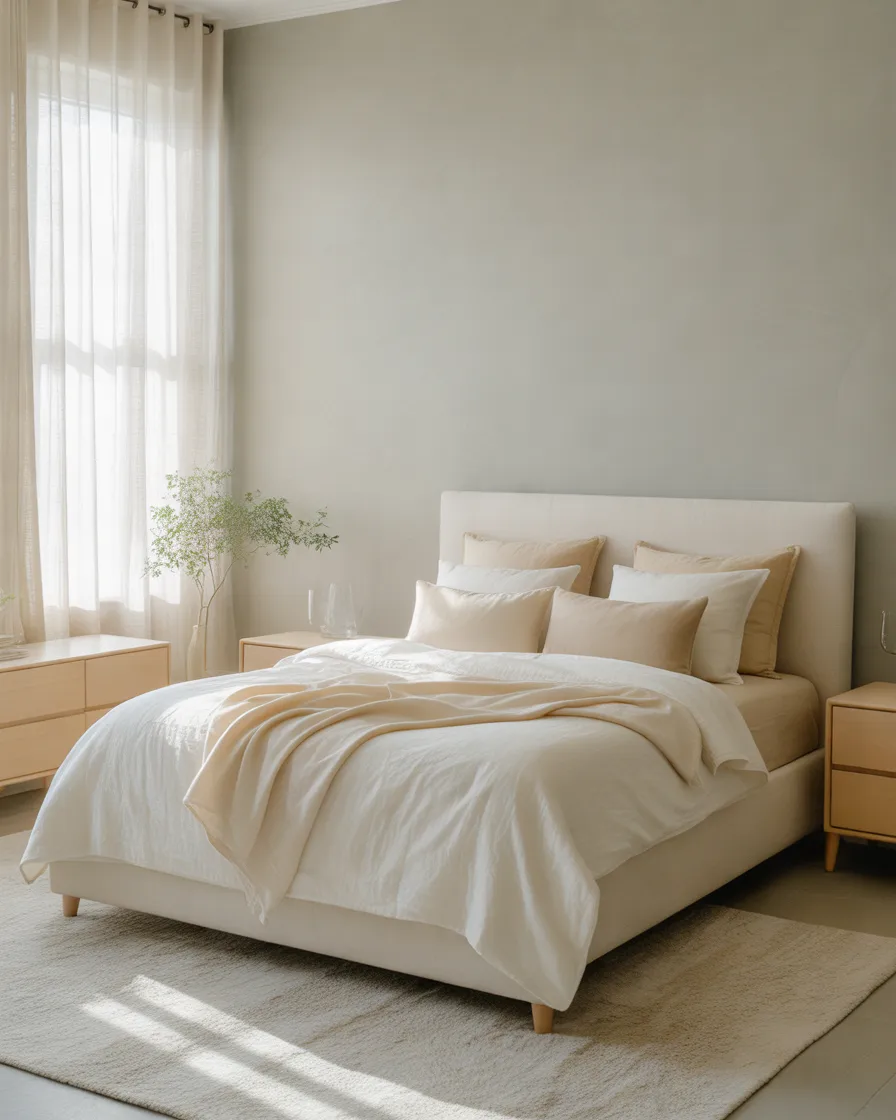
Silver Drop by Behr is a very light, subtle neutral grey that can create a fresh and peaceful bedroom. It is an attractive choice for anyone who wants the walls to feel airy without defaulting to plain white.
I would consider this color for a guest room, a compact apartment bedroom, or a space where the main goal is to create a clean and relaxing environment. It works well with white furniture, light wood, simple bedding, and delicate decorative accents.
Silver Drop is particularly versatile when you prefer a restrained color palette. You can keep the entire room light with white and beige or introduce muted blue, sage green, or soft charcoal for more contrast.
The most important thing to remember is that very light grey paints can appear almost white in bright rooms. That is not necessarily a disadvantage, but it is worth checking the sample under both daylight and evening lighting.
For a cohesive result, coordinate the wall color with your floor and trim rather than choosing each finish independently.
Best for: Small bedrooms, airy guest rooms, minimalist interiors, and soft contemporary decor.
15. Skimming Stone for an Elegant Grey-Beige Bedroom
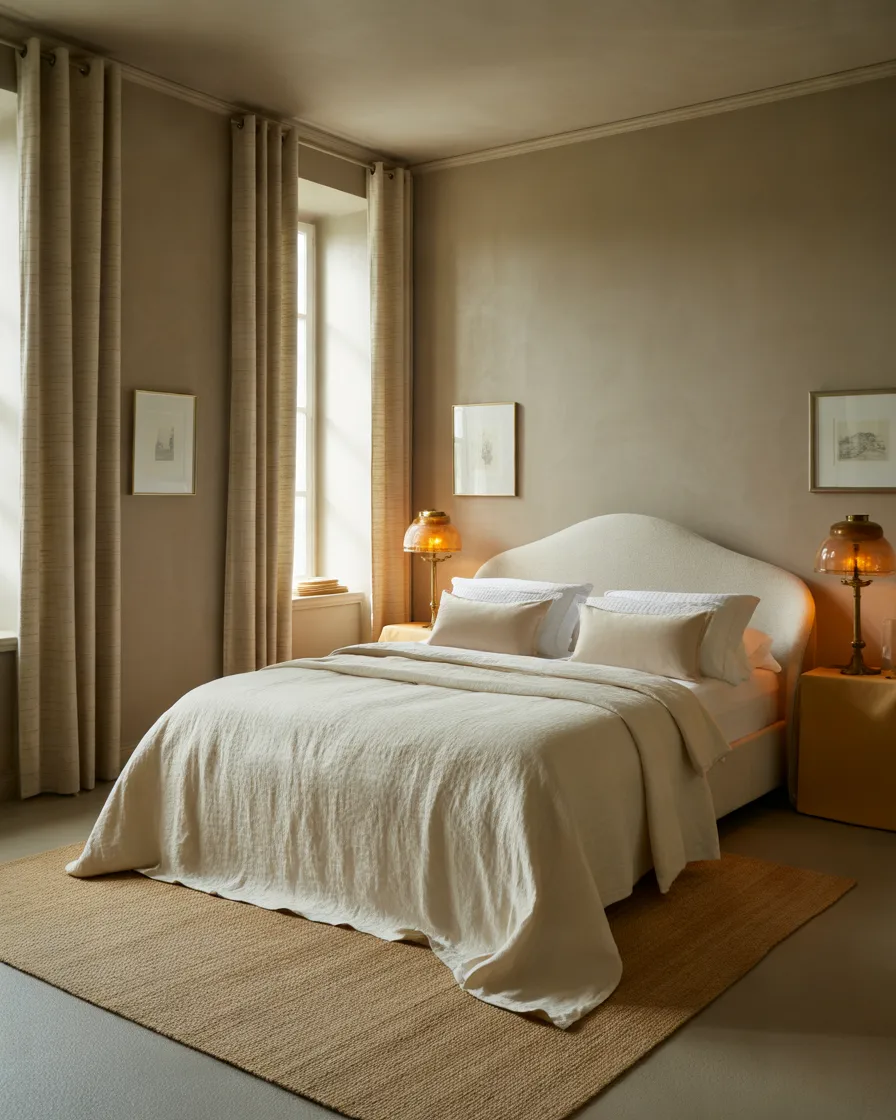
Skimming Stone by Farrow & Ball is a warm, understated neutral that leans toward grey-beige. It is a beautiful option for anyone who prefers soft, earthy colors rather than a distinctly cool grey.
I would choose this shade for a bedroom designed around texture, natural materials, and timeless furniture. Think of an upholstered bed, creamy bedding, warm oak furniture, linen curtains, and a few sculptural accessories.
Skimming Stone works especially well in interiors where you want the walls to feel connected to the other finishes. Instead of creating a sharp contrast, it helps the room feel coordinated and visually gentle.
You can make the bedroom look more modern by introducing black accents and simple lighting fixtures. Alternatively, use brass lamps, traditional furniture, and layered fabrics for a more classic atmosphere.
As with other warm neutral paints, the color may appear more beige in some lighting conditions. Test it beside your flooring and bedding to ensure the overall effect is the one you want.
Best for: Elegant bedrooms, warm contemporary interiors, classic decor, and natural neutral palettes.
How to Choose the Best Grey Paint Color for Your Bedroom
With so many beautiful options, selecting the right grey paint color can feel more complicated than expected. I recommend starting with the atmosphere you want to create rather than choosing a shade simply because it looks attractive in a photograph.
If you want a light and airy bedroom, consider Classic Gray, Gray Owl, Silver Drop, or Balboa Mist. For a warm and comfortable atmosphere, explore Agreeable Gray, Revere Pewter, Edgecomb Gray, or Skimming Stone. If you prefer a stronger, more dramatic appearance, Chelsea Gray, Kendall Charcoal, and Peppercorn are worth sampling.
Once you have narrowed your options, think about your existing furniture, flooring, curtains, and bedding. A grey paint color should complement these elements rather than compete with them.
Consider Your Bedroom’s Natural Light
Natural light has a significant effect on how grey paint appears. A bedroom with large south-facing windows may make certain colors look warmer or brighter, while a north-facing room can emphasize cooler undertones.
If your bedroom receives limited daylight, start by testing lighter shades and warm greiges. If you have abundant sunlight, you may have more flexibility to explore medium and dark greys.
Remember that the direction of natural light is only one factor. Nearby buildings, trees, window size, and surrounding surfaces can also affect the final appearance.
Understand Warm Grey and Cool Grey Undertones
Not all grey paints are purely grey. Some contain beige, brown, blue, or green undertones that become more visible when the paint covers a large area.
Warm greys and greiges generally work well with cream bedding, warm wood, and beige textiles. Cool greys often complement crisp white bedding, black accents, and cooler contemporary finishes.
Neither option is automatically better. The right choice depends on the furniture and overall atmosphere you want.
Test Paint Samples Before Making a Decision
I would never recommend selecting a bedroom paint color based only on a small online swatch. Digital images can display colors differently because of screen settings, lighting, and photography.
Purchase sample pots or suitable sample boards for your shortlisted colors. Paint large sample areas and observe them in the morning, afternoon, and evening. Check them with your bedroom lights switched on as well.
This simple step can help you avoid expensive repainting and give you a much clearer idea of how the finished bedroom will look.
What Colors Go Best With Grey Bedroom Walls?
One of the reasons I love grey bedrooms is that they can accommodate so many complementary colors. You do not have to buy a completely new furniture set to make the room look coordinated.
White and ivory: These are excellent choices if you want a clean, peaceful bedroom. White bedding creates contrast against medium and dark grey walls, while ivory adds softness to warm greys.
Beige and taupe: These colors are ideal for a comfortable, layered neutral scheme. They work especially well with greige walls and natural wood furniture.
Sage green: If you want a gentle connection to nature, use sage-green cushions, a throw, or indoor plants. Green accents pair particularly well with soft grey and grey-beige walls.
Navy blue: Navy introduces depth and sophistication. Try it in cushions, curtains, or an upholstered headboard against light or medium grey walls.
Blush pink: Muted blush can soften a grey bedroom without making the overall design look overly colorful. Use it sparingly through bedding and decorative accessories.
Black: Black picture frames, lamps, and hardware can create a crisp contemporary appearance. Balance these darker details with lighter textiles.
Natural wood: Oak, walnut, ash, and other wood finishes help bring warmth and texture to grey interiors. The best wood tone depends on whether your chosen grey is warm or cool.
What Is the Best Finish for Grey Bedroom Paint?
The paint finish matters almost as much as the color itself. For most bedroom walls, I would consider a matte or low-sheen finish because it creates a soft, understated appearance.
Matte finish: Matte paint offers minimal shine and can help create a smooth, contemporary look. It is particularly attractive in bedrooms where you want the walls to feel soft rather than reflective.
Eggshell finish: Eggshell has a subtle sheen and is often easier to clean than traditional matte paint. It can be a practical choice for bedrooms that need a little more durability.
Satin finish: Satin is more reflective and may be useful for certain trim or surfaces, but it can highlight imperfections on walls. I would generally compare it with matte or eggshell before choosing it for an entire bedroom.
The best option depends on the specific paint product, wall condition, and cleaning requirements. Always check the manufacturer’s recommendations before buying.
Grey Bedroom Paint Ideas for Small and Large Rooms
The size of your bedroom can help guide your choice, although there is no absolute rule that small rooms must have light walls or large rooms must have dark ones.
For a small bedroom, lighter colors such as Classic Gray, Silver Drop, and Balboa Mist can help create an open appearance, especially when paired with pale bedding and uncluttered furniture. Using similar tones on the walls and curtains can also make the room feel more cohesive.
For a large bedroom, medium greys such as Repose Gray, Mindful Gray, and Dorian Gray can introduce definition. If you prefer a dramatic interior, darker shades such as Chelsea Gray or Kendall Charcoal can make the space feel intimate.
An accent wall is another useful approach. Painting the wall behind the headboard a deeper grey while keeping the other walls light creates contrast without committing to a fully dark bedroom.
Ultimately, lighting, furniture placement, and your preferred style matter more than room size alone.
Frequently Asked Questions About Grey Paint Colors for Bedrooms
Is grey a good color for a bedroom?
Yes. Grey can create a calm, sophisticated, and versatile bedroom when you choose a shade that works with your lighting and decor. Lighter greys feel fresh and airy, warm greiges feel welcoming, and deeper charcoal shades create a dramatic atmosphere.
What is the most popular shade of grey for bedroom walls?
There is no single best or universally most popular shade for every bedroom. Agreeable Gray, Repose Gray, Classic Gray, and Revere Pewter are widely recognized options worth exploring, but the ideal choice depends on your room and personal preference.
Which grey paint color makes a bedroom look bigger?
Very light grey shades such as Classic Gray, Silver Drop, and Balboa Mist can help a bedroom feel brighter and more open. Pairing them with light bedding, good lighting, and uncluttered furniture can reinforce that effect.
Is warm grey or cool grey better for a bedroom?
Warm grey is often a good match for cream fabrics, beige decor, and warm wood furniture. Cool grey works well with crisp whites, black accents, and contemporary finishes. The better option is the one that coordinates with your existing room.
What bedding looks best with grey walls?
White, ivory, beige, taupe, sage green, navy, and muted blush are all attractive options. For a simple and timeless look, I would start with white bedding and introduce color through cushions, throws, and artwork.
Should all four bedroom walls be painted grey?
That depends on the shade and the effect you want. Light and medium greys can work beautifully across all four walls. Deep charcoal shades can also look excellent throughout a room, but an accent wall may be easier if you are concerned about the space feeling too dark.
Can I combine different shades of grey in one bedroom?
Absolutely. Layering light grey walls with a darker headboard, charcoal cushions, and pale bedding can create depth without relying on bright colors. Try to coordinate undertones and introduce texture so the room does not look flat.
Final Thoughts on the Best Grey Paint Colors for Bedroom Walls
Finding the right grey paint color is about more than choosing a shade that looks beautiful on a screen. It is about creating a bedroom that feels comfortable, reflects your personal style, and works with the lighting and furniture you already have.
If I were choosing a soft, versatile neutral, I would begin with Agreeable Gray or Repose Gray. For a bright and airy bedroom, I would explore Classic Gray or Silver Drop. If I wanted a warmer atmosphere, Revere Pewter and Edgecomb Gray would be on my shortlist. For a bold, sophisticated look, I would sample Chelsea Gray or Peppercorn.
My biggest recommendation is to take your time with paint samples. Observe your favorite shades throughout the day, compare them with your bedding and flooring, and consider how you want the room to feel when you walk in at night.
The perfect grey bedroom does not need expensive furniture or elaborate decorations. Sometimes, the right wall color, comfortable bedding, warm lighting, and a few thoughtful accessories are all you need to create a beautiful space you will enjoy every day.
Whether you prefer a light minimalist bedroom or a dark, luxurious retreat, these 15 grey paint colors offer a practical starting point for creating a bedroom that feels timeless, personal, and stylish.