
Two kids, one tiny room, and approximately zero square feet to spare. Sound familiar? Getting siblings to share a small bedroom without daily warfare is basically an Olympic sport, and most of us are failing the qualifying rounds.
I learned this the hard way when my kids had to share a 10×10 room after we downsized. The first week involved tears (theirs and mine), territorial disputes over exactly 4 inches of floor space, and my daughter literally drawing a line down the middle with washable marker.
But here’s the thing – small shared bedrooms can actually work brilliantly once you know the tricks.
After three years of trial, error, and one memorable incident involving a DIY loft bed collapse at 2 AM (everyone survived), I’ve figured out what actually works.
These aren’t Pinterest-perfect solutions that require a contractor and trust fund – these are real ideas for real kids who need to share real tiny spaces without losing their minds.
1. Bunk Bed Transformations for Small Shared Kids Bedrooms
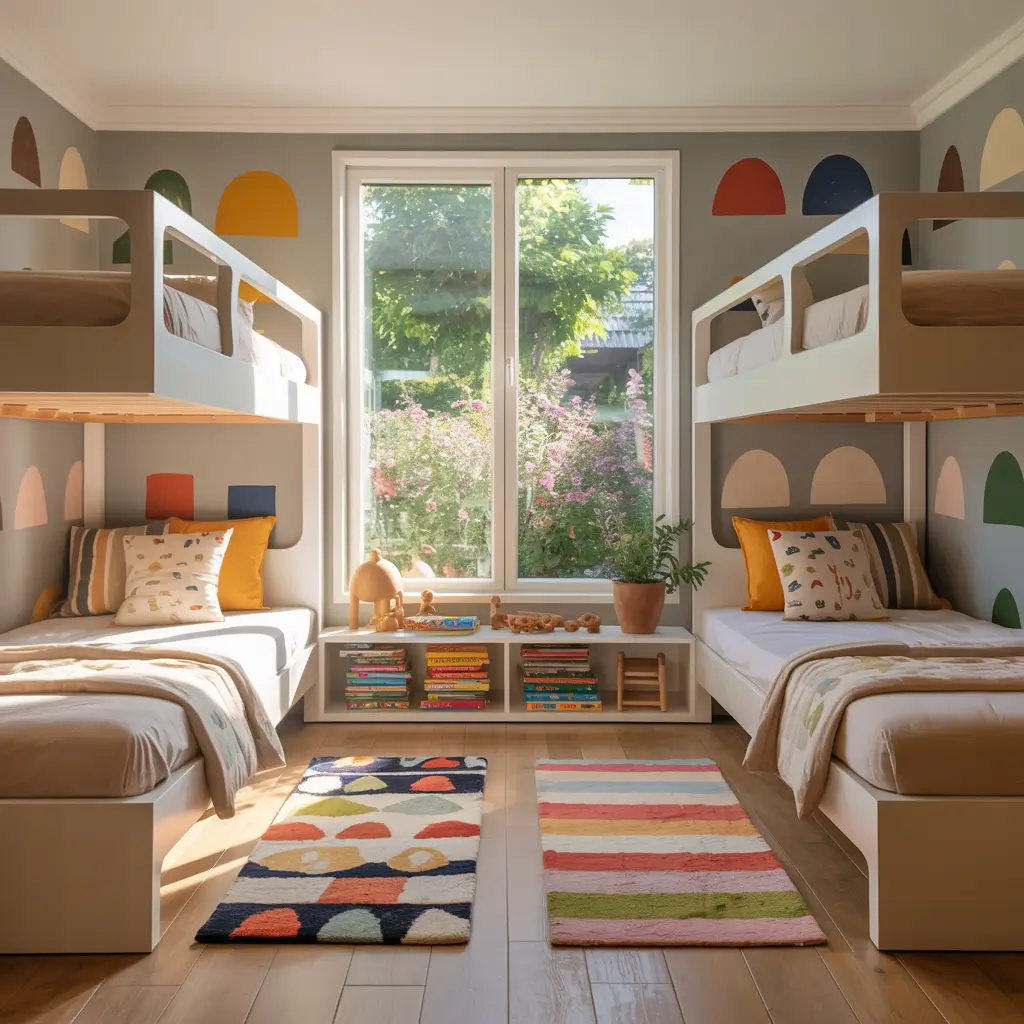
Bunk beds are the obvious solution for shared rooms, but most people stop at “stack two beds and call it done.” The real magic happens when you transform basic bunks into personalized spaces that give each kid their own territory.
My kids’ bunk bed started as a basic IKEA model that looked like every other bunk bed on the planet. Then we added curtains to create private “rooms” for each bunk, installed battery-powered LED strips for individual reading lights, and attached small shelves to the side rails. Suddenly each kid had their own mini apartment within the shared space.
Making Bunk Beds Actually Work
Here’s what transforms bunks from functional to fantastic:
• Curtains or canopies for privacy and cozy factor
• Individual reading lights – no more “turn off the light” fights
• Side-mounted caddies for books and water bottles
• Different bedding for each bunk – let personalities shine
The biggest game-changer was letting each kid completely control their bunk design. My son went full superhero with his bottom bunk, while my daughter created a fairy lights paradise up top. They stopped fighting over space because they each had their own defined territory.
Want to know the secret to bunk bed success? Make the bottom bunk feel just as special as the top. Add a canopy, string lights underneath, or create a fort-like feeling – suddenly both kids want the bottom bunk.
2. Creative Loft Bed Setups for Sibling Rooms
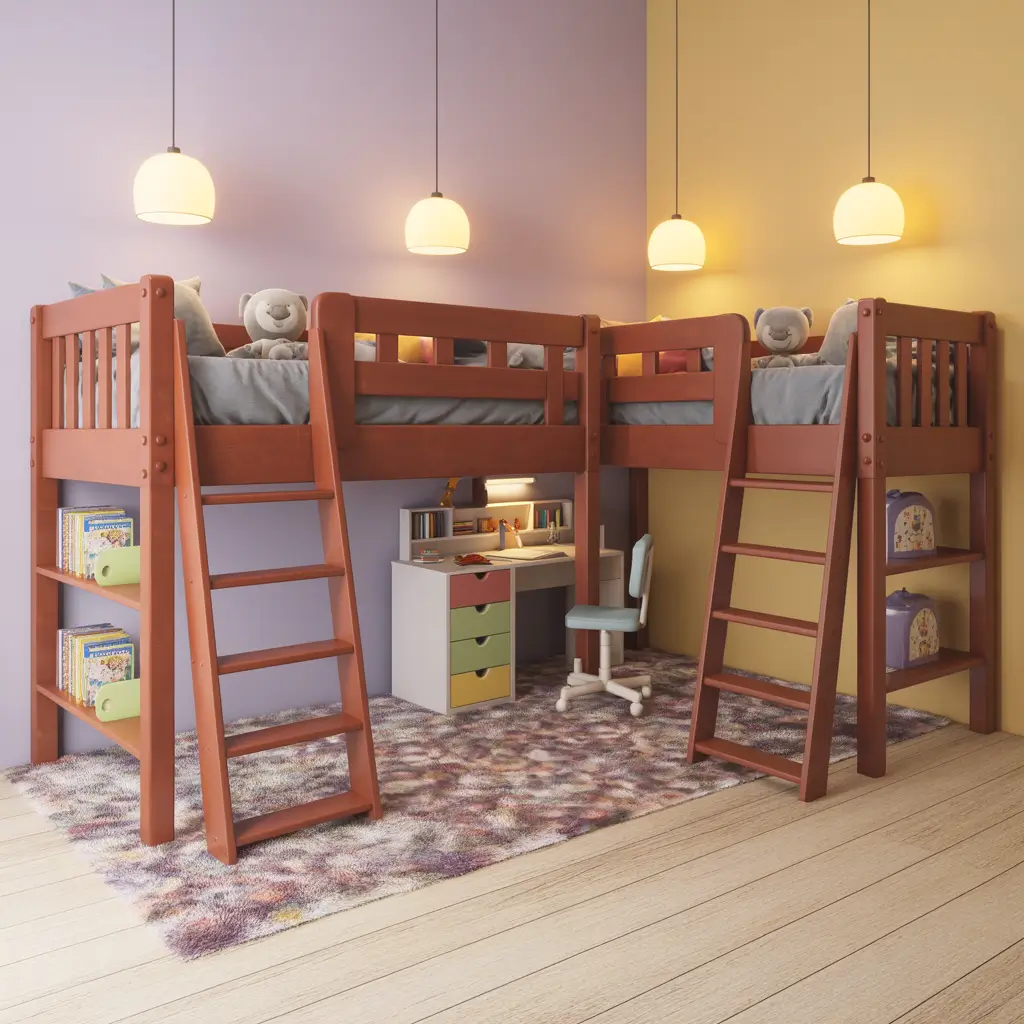
Loft beds are bunk beds’ cooler cousin – they free up floor space like nobody’s business. One kid sleeps up high while the space below becomes anything you need – play area, study zone, or second bed.
I discovered loft bed magic when my kids’ room felt more like a storage unit than a bedroom. We lofted my older child’s bed and suddenly gained 35 square feet of floor space. That’s huge in a small room. The area underneath became a reading cave complete with bean bags and fairy lights.
Maximizing Loft Bed Potential
Make loft beds work harder:
• Desk underneath for homework space
• Cozy fort below with curtains and pillows
• Second bed perpendicular for unique L-shaped setup
• Play zone with toy storage built in
My favorite loft setup puts one bed high with a desk below, while the sibling’s regular bed sits perpendicular, creating an L-shape. This arrangement gives each kid distinct space while maximizing every square inch.
The key to loft bed success? Height matters. Too low and adults bonk heads, too high and kids feel scared. Aim for 5.5 feet of clearance underneath – enough for kids to stand but not so high that bedtime becomes terrifying.
3. Smart Storage Solutions for Tiny Kids Bedrooms
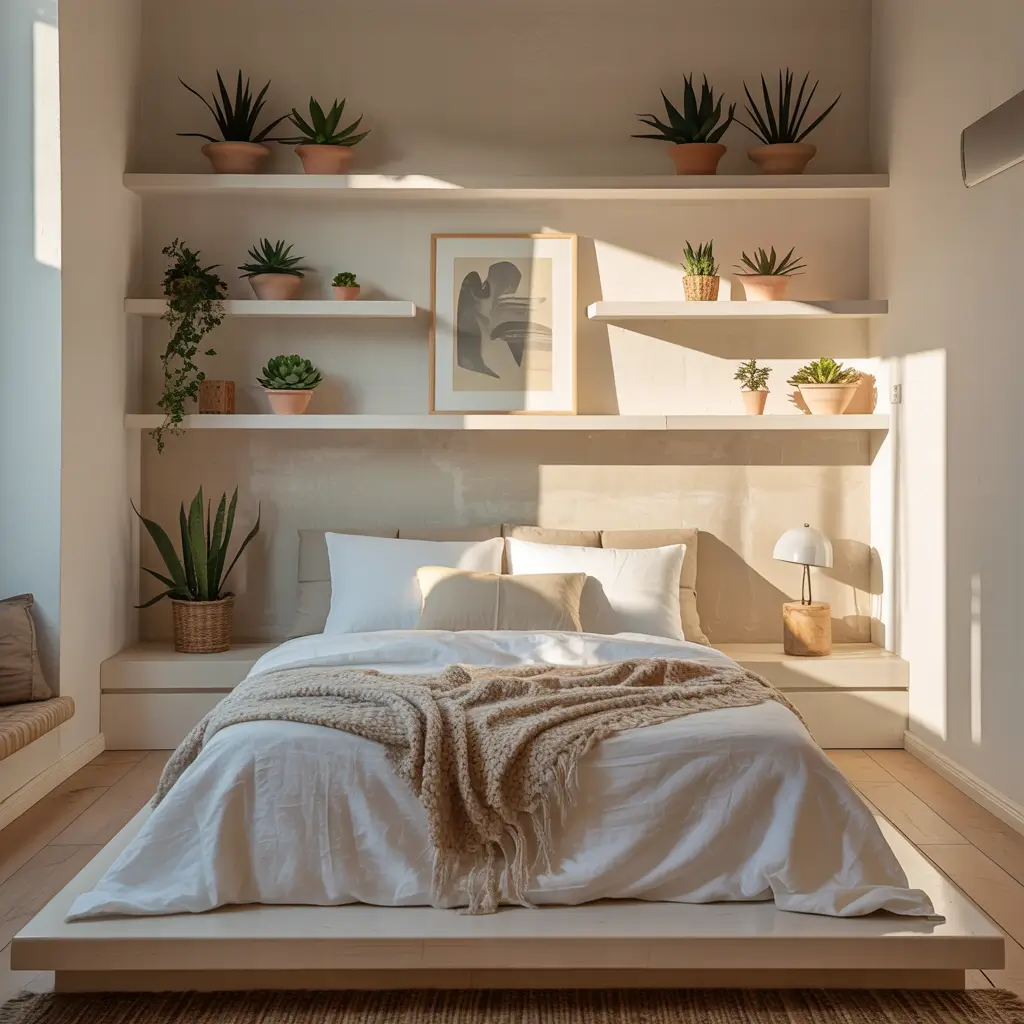
Storage in shared kids’ rooms is basically playing Tetris with toys, clothes, and random rocks they insist are “special.” The secret isn’t more storage – it’s smarter storage that kids will actually use.
My storage awakening came after stepping on approximately my 400th LEGO at 3 AM. We needed systems that made sense to kids, not just adults. Labeled bins at kid height changed everything – suddenly they could actually put things away without my help.
Storage That Kids Actually Use
Focus on these solutions:
• Under-bed rolling bins for seasonal clothes
• Wall-mounted cubbies at kid height
• Over-door organizers for small toys
• Ceiling nets for stuffed animals
The game-changer in our room was installing a whole wall of cube storage at kid height. Each child got their own color-coded cubes – blue for him, purple for her. No more arguments about whose stuff goes where.
FYI, clear bins seem logical but kids just see “chaos in a box.” Solid colored bins hide the mess while teaching kids that everything has a home. Label with pictures for non-readers, words for older kids.
Also Read: 10 Cute Small Kids Bedroom Ideas to Transform Rooms
4. Color-Coded Zones for Shared Spaces
Want to stop the “that’s mine!” fights before they start? Color coding everything creates instant ownership without arguments.
I stumbled onto color coding by accident when I bought sheets on sale – blue for one kid, green for the other. Suddenly they knew exactly which bed was theirs. We expanded the system to bins, hangers, towels, even toothbrushes. The fighting dropped by like 80% overnight.
Making Color Coding Work
Implement color zones strategically:
• Bedding in each kid’s chosen color
• Storage bins matching their zone
• Wall decor on their side in their color
• Shared items in neutral colors
My kids picked their colors at ages 4 and 6, and we’ve stuck with them for three years. The consistency helps – they automatically know blue = his, purple = hers. Even visiting friends understand the system immediately.
The trick with color coding? Let kids pick their own colors but you control the shades. My daughter wanted pink everything but we compromised on dusty rose that doesn’t clash with her brother’s navy. Everyone wins.
5. Multifunctional Furniture Ideas for Small Rooms
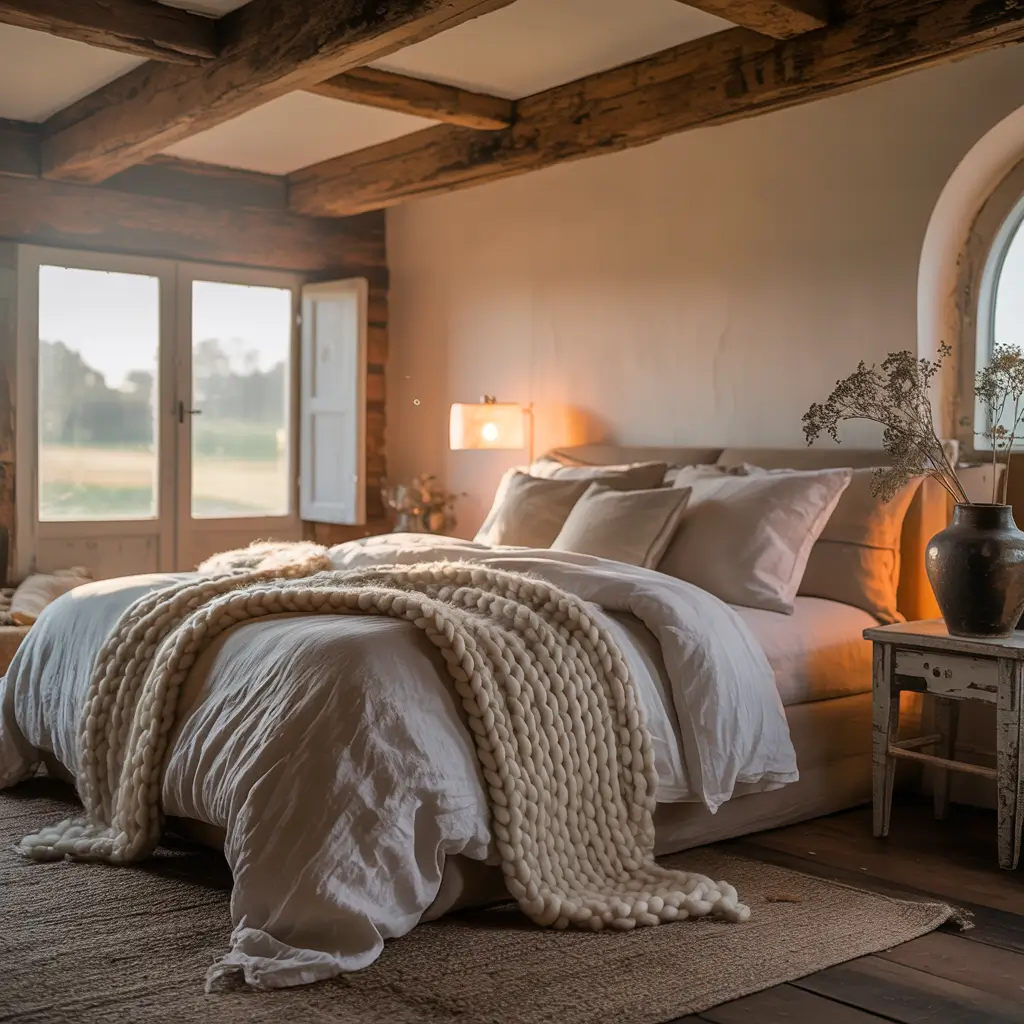
Every piece of furniture in a small shared room needs to work overtime. Single-purpose furniture is basically wasting precious space you don’t have.
I learned this after buying a cute little chair for the room that literally never got used. Now everything serves at least two purposes. The ottoman stores toys AND provides seating. The desk doubles as a LEGO table. Even the toy box has a cushioned top for reading.
Furniture That Multitasks
Invest in these workhorses:
• Storage benches for seating plus toy storage
• Trundle beds for sleepovers without permanent space loss
• Fold-down desks that disappear when not needed
• Bookshelf room dividers for storage and privacy
Our MVP furniture piece is a storage bench that runs the full width under the window. It holds all the dress-up clothes, provides window seating, and acts as a stage for performances. Three functions, one piece of furniture.
The multifunctional rule I follow? If it only does one thing, it doesn’t belong in a shared small room. That adorable decorative stool? Nope. That storage ottoman that also works as a table? Yes please.
6. Cozy Reading Nooks in Compact Bedrooms
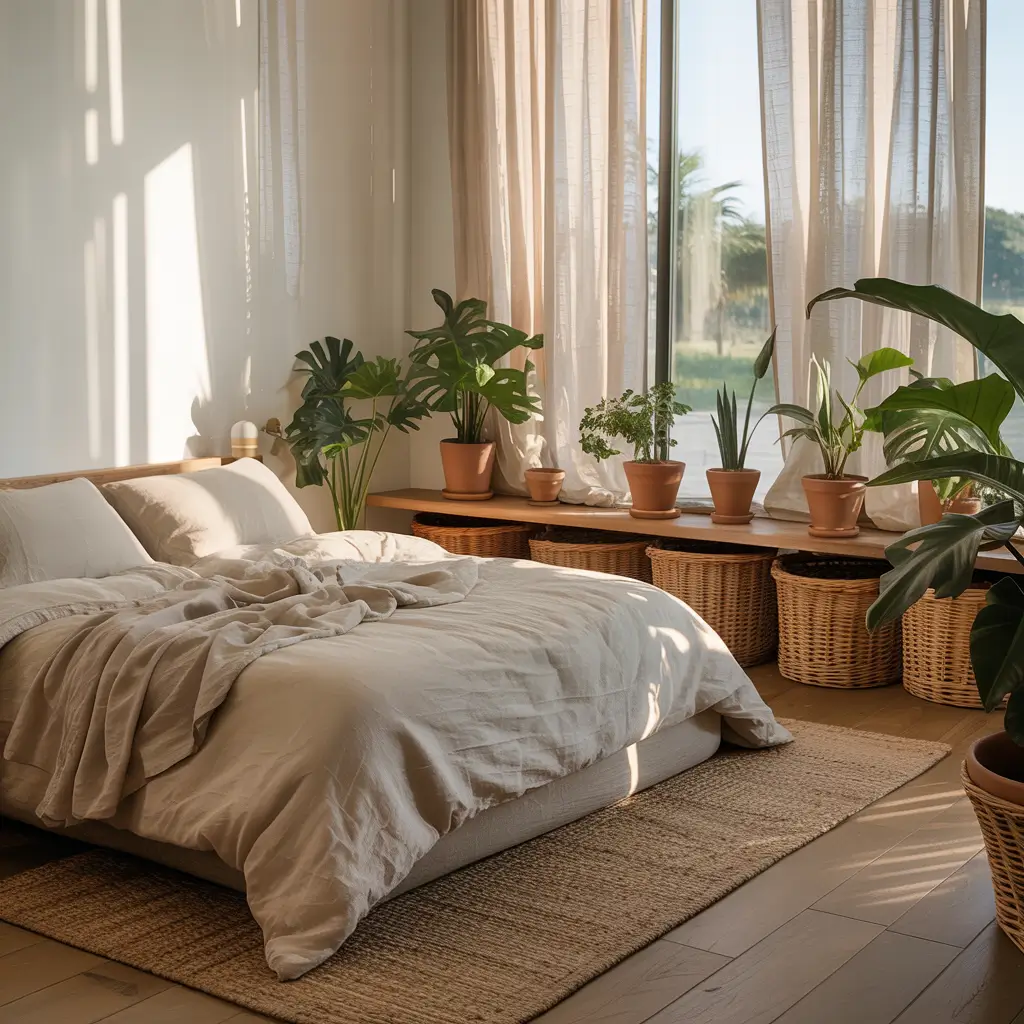
Every kid needs a quiet escape spot, especially when sharing a room. Creating individual reading nooks gives each child their own retreat without requiring actual separate rooms.
My kids were constantly fighting over the “good spot” for reading until we created two distinct nooks. One in the closet (door removed, fairy lights added), another in the corner with a canopy. Each kid claimed their spot and the fighting stopped.
Building Mini Escapes
Create cozy corners with:
• Corner canopies using ceiling hooks and fabric
• Closet conversions into reading caves
• Under-loft hideaways with pillows and lights
• Window seat cushions if you have a deep sill
The closet transformation was shockingly easy. Removed the door, added battery-powered lights, threw in pillows. My introvert kid practically lives in there now with her books. Total cost? Maybe $30.
What makes reading nooks work? They need to feel separate from the main room. Use curtains, different lighting, or even just a different rug to create that “other space” feeling kids crave 🙂
Also Read: 10 Smart Small Guest Bedroom Ideas for Perfect Organization
7. Playful Wall Murals and Decals for Shared Rooms
Walls are free real estate in small rooms – use them! Murals and decals add personality without taking up floor space or causing permanent damage.
I was terrified of letting my kids decorate the walls until I discovered removable wall decals. We created an entire underwater scene on one wall, outer space on another. The room felt twice as big because the walls drew the eye up and out.
Wall Decor That Works
Smart wall solutions include:
• Removable decals for commitment-phobes
• Chalkboard paint sections for creativity
• Gallery walls of kids’ art in matching frames
• Washi tape designs they can change themselves
Each kid got one wall to control completely. My son’s space wall versus my daughter’s rainbow wall somehow works because each has their defined area. The other two walls stay neutral to prevent visual chaos.
The best part about wall decals? Kids can help apply them, making the room truly theirs. My kids spent hours arranging their decals exactly how they wanted. That investment made them actually care about keeping the room nice.
8. Minimalist Design Hacks for Two Kids in One Room
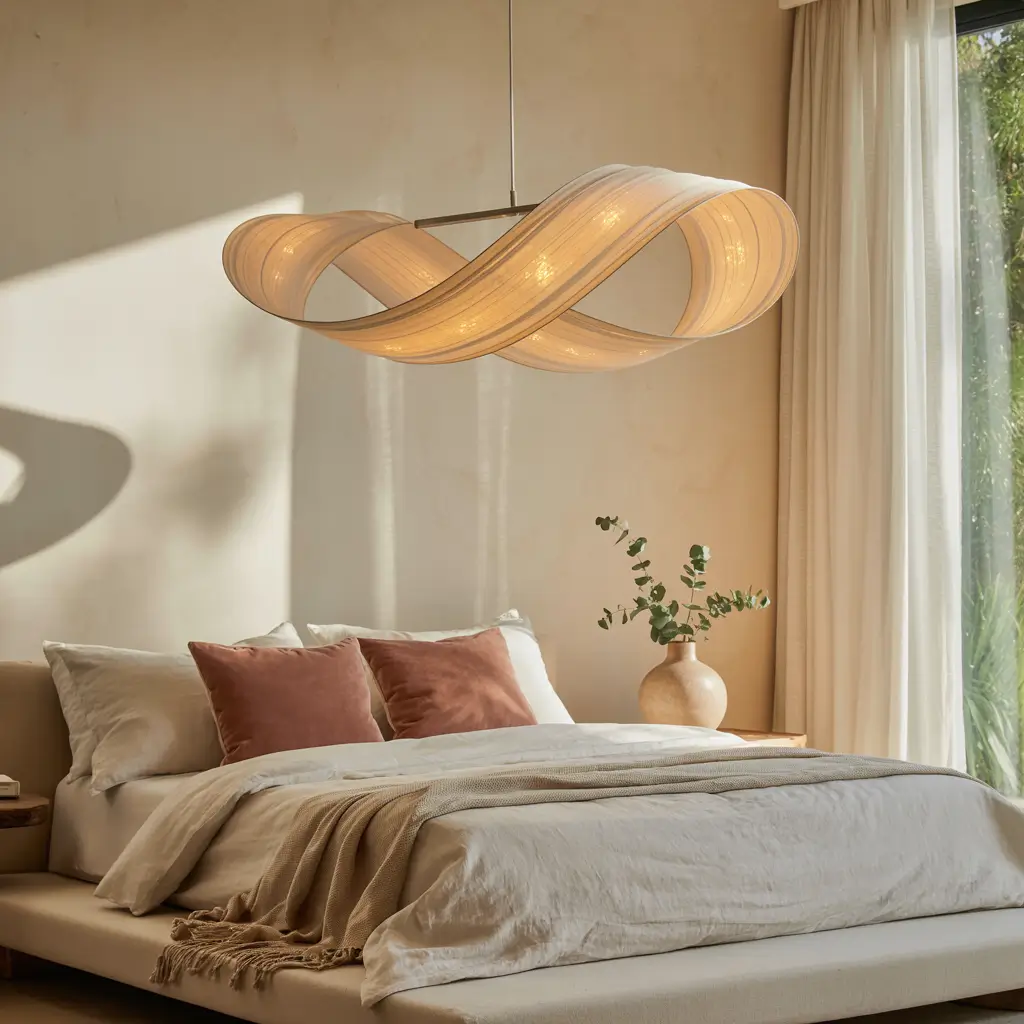
Minimalism with kids sounds like an oxymoron, but hear me out. Less stuff means less to fight over and less to clean up.
I went minimal after realizing my kids played with the same 10 toys despite owning approximately 7,000. We did a massive purge (donated, didn’t trash), kept favorites, and suddenly the room felt huge. The kids actually played better with fewer choices.
Minimalism That’s Kid-Friendly
Make minimalism work with:
• Toy rotation – store half, swap monthly
• One in, one out rule for new items
• Capsule wardrobes – fewer clothes, less laundry
• Digital books when possible to reduce physical storage
Our minimalist approach keeps 20 books displayed, 3 bins of toys accessible, and 7 days of clothes per kid in the room. Everything else lives in basement storage and rotates monthly. The kids get “new” toys without accumulating more stuff.
IMO, minimalism with kids isn’t about having nothing – it’s about having the right things. Quality over quantity means one really good building set beats five crappy ones every time.
9. Under-Bed Storage & Hidden Play Areas
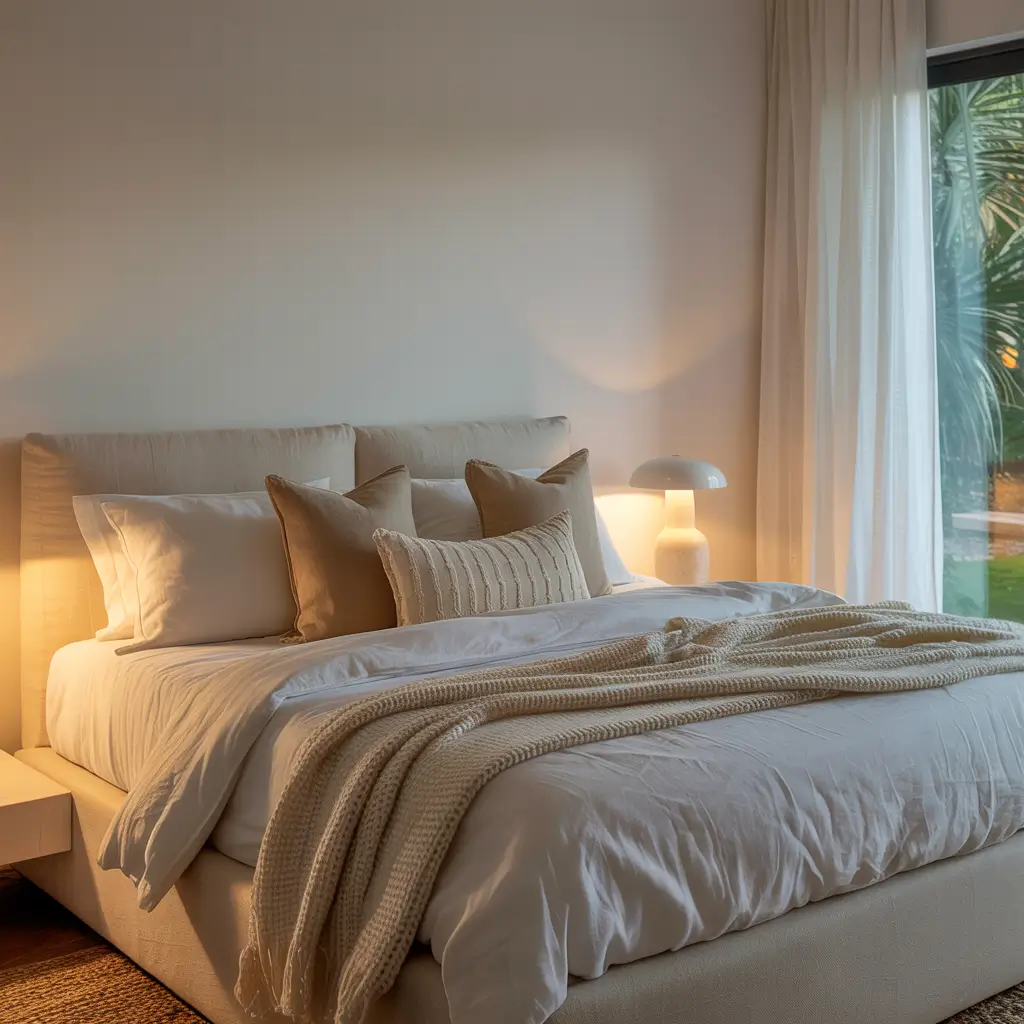
The space under beds is gold in small shared rooms. Most people shove random junk under there – but strategic under-bed use changes everything.
My kids’ beds sit on risers, creating 16 inches of storage underneath. Rolling bins hold off-season clothes, while a thin play mat slides out to create an instant play surface. It’s like having a secret room that appears when needed.
Maximizing Under-Bed Space
Use this space wisely:
• Rolling drawers for easy access
• Vacuum bags for out-of-season bedding
• Slide-out play trays for LEGO or trains
• Hidden fort supplies – pillows and blankets
The coolest under-bed hack? We created a pull-out train table that slides completely under the bed when not in use. The kids pull it out, play, slide it back – no permanent floor space lost.
Pro tip: Measure your under-bed height before buying storage. Nothing worse than bins that almost fit but stick out just enough to stub toes. Ask me how I know :/
Also Read: 12 Fun Small Bedroom Ideas for Personal Touch
10. Space-Saving Desk and Study Corners for Siblings
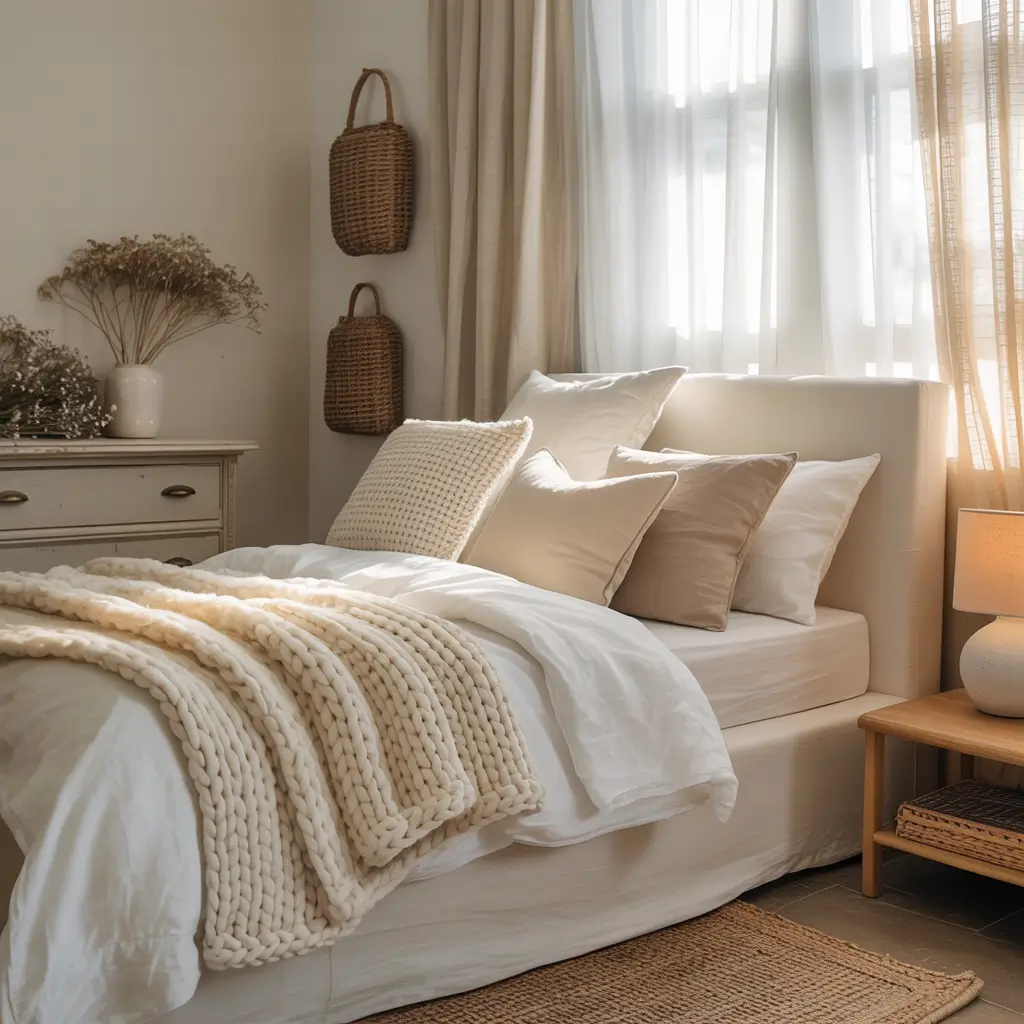
Homework happens whether you have space or not. Creating functional study spaces in tiny shared rooms requires creativity and probably some arguing about who gets the window spot.
We solved the desk dilemma with a floating desk that spans one entire wall at window height. Both kids sit side by side with a small divider between them. Total depth? 16 inches. But it works perfectly for homework and art projects.
Study Spaces That Actually Work
Create homework zones with:
• Wall-mounted folding desks that disappear after homework
• Floating shelves as desks – seriously, this works
• Lap desks for bed homework (controversial but practical)
• Kitchen table overflow when room desks aren’t enough
Our floating desk cost $50 to build – just a piece of butcher block and some brackets. Each kid decorated their section, has their own lamp, and knows their homework zone. No excuses about not having space to work.
The reality about desk space? Kids use it maybe 30 minutes daily. Don’t sacrifice tons of room for occasional use. Our fold-down solution means the desk exists when needed and disappears when it’s play time.
Making Small Shared Bedrooms Actually Work
So there you have it – 10 ways to make a small shared kids’ bedroom functional without losing your mind. The biggest lesson I’ve learned? Perfect doesn’t exist, but functional and happy does.
The secret to successful room sharing isn’t really about the furniture or storage systems. It’s about giving each kid some control over their limited space. When they help design solutions, they’re invested in making it work.
Start with one change that addresses your biggest pain point. Constant fighting? Try color coding. No floor space? Go vertical with loft beds. Small improvements compound quickly, and suddenly that impossible room becomes totally liveable.
Here’s my challenge: pick one idea from this list and implement it this weekend. Just one. Watch how that single change shifts the entire room dynamic.
Once you see progress, you’ll get motivated to tackle more. And remember – if my kids can successfully share a 10×10 room for three years without major injury, yours can too. You’ve got this!
