
Look up. No, seriously, look up right now. What do you see? If you’re like most people, you’re staring at a boring white expanse that’s about as exciting as watching grass grow. Here’s the thing though – your ceiling is literally the fifth wall of your room, and ignoring it is like wearing a killer outfit with terrible shoes.
I learned this lesson the hard way after spending thousands on a living room makeover, only to realize my popcorn ceiling was ruining the entire vibe. That’s when I discovered the transformative power of ceiling design. Trust me, once you start paying attention to ceilings, you’ll never look at a room the same way again.
Whether you’re dealing with standard 8-foot ceilings or blessed with soaring cathedral heights, I’ve got ideas that’ll make your ceiling the star of the show. Ready to turn that forgotten surface into something fabulous? Let’s talk about 15 ceiling designs that’ll have your guests craning their necks for all the right reasons.
Coffered Ceiling Elegance
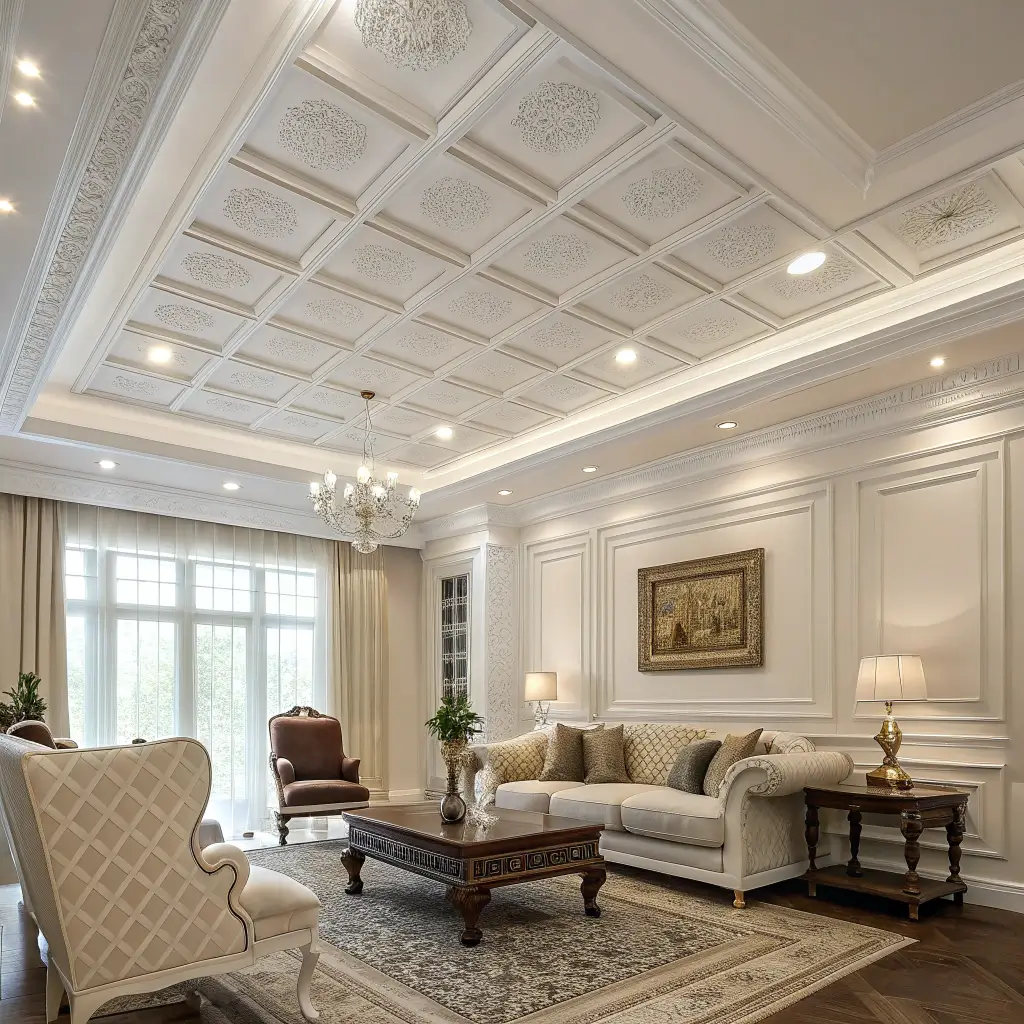
Nothing says “I’ve got my life together” quite like a coffered ceiling. These grid-like recessed panels create depth and drama that instantly elevates any space from basic to bougie. I remember walking into a friend’s newly renovated dining room with coffered ceilings – suddenly their IKEA furniture looked like it belonged in a mansion.
Why Coffered Ceilings Work Magic
The beauty of coffered ceilings lies in their versatility. You can go full traditional with deep, dark wood beams or keep it contemporary with painted white coffers that add subtle dimension. The shadow play alone makes rooms feel more expensive than they actually are.
Here’s what makes coffered ceilings a winner:
- Instant architectural interest without major structural changes
- Perfect for hiding imperfections in older ceilings
- Creates the illusion of height in standard rooms
- Works in any room from bedroom to basement
The cost factor? Yeah, it’s not cheap. But here’s my hack: faux beam kits give you 90% of the look for 30% of the price. Nobody’s getting up there with a ladder to check if your beams are solid wood, I promise.
Wooden Beam Rustic Charm
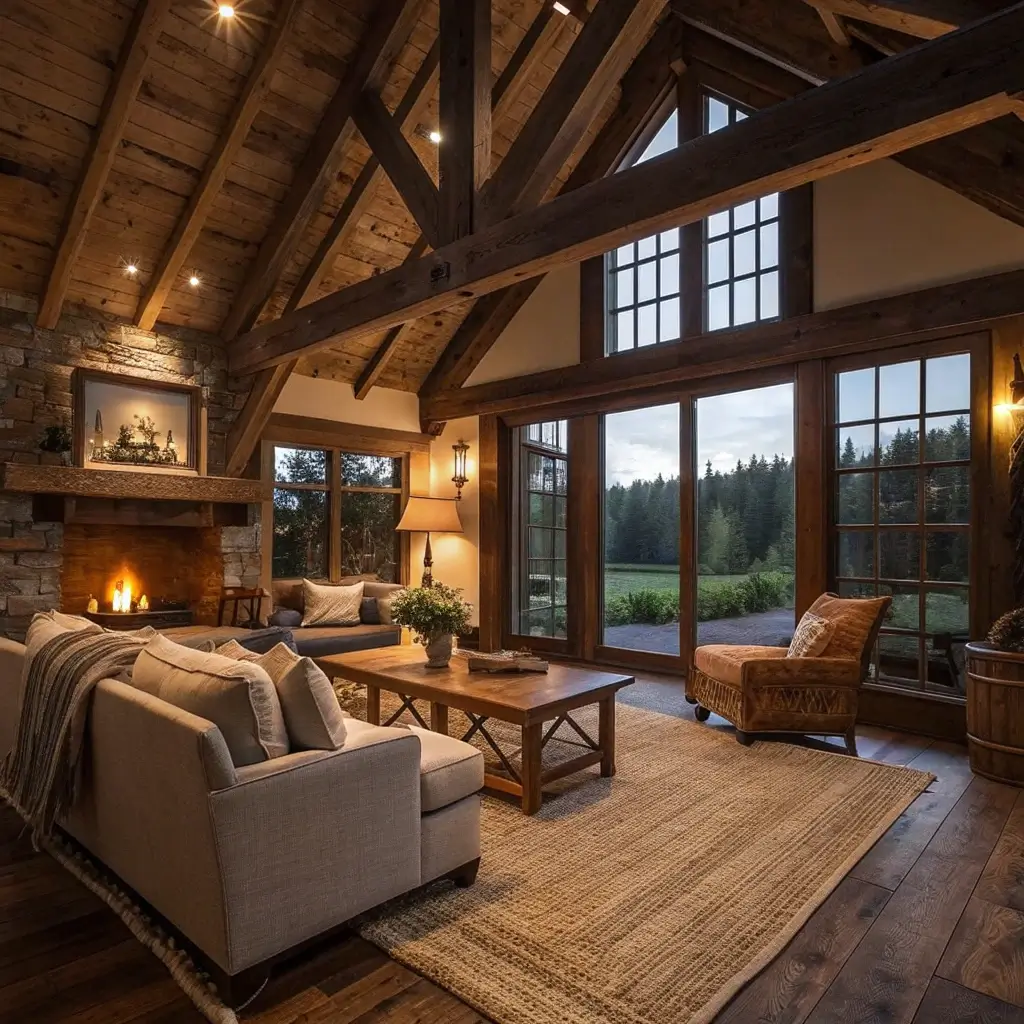
Want to make your suburban home feel like a cozy mountain lodge? Exposed wooden beams are your ticket to instant rustic charm. And before you panic about load-bearing structures, relax – decorative beams work just as well.
Getting That Authentic Beam Look
I spent months hunting for reclaimed barn beams for my kitchen (spoiler: they cost more than my car payment). Then I discovered hollow decorative beams that look identical once installed. The trick is choosing the right wood tone and texture for your space.
Natural wood beams work best when you:
- Match or complement your existing wood tones
- Space them proportionally to room size
- Consider the grain pattern and knots for character
- Seal them properly to prevent dust collection
Ever noticed how wooden beams make a room feel both grander and cozier at the same time? That’s the rustic paradox working its magic. Pro tip: dark beams on white ceilings create the most dramatic effect, while matching ceiling and beam colors offers subtle sophistication.
Floating Panel Modern Look
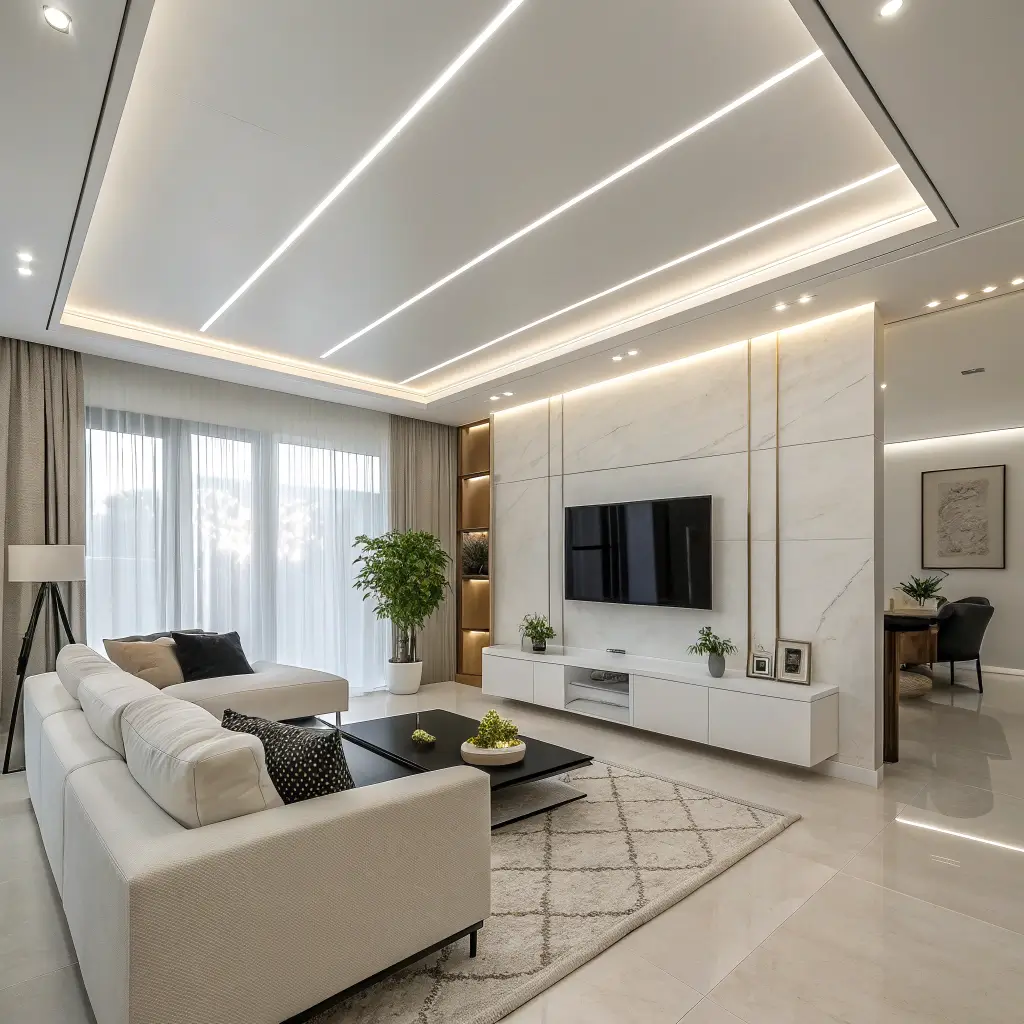
Floating panels are having a moment, and honestly, it’s about time. These suspended geometric shapes add dimension without the commitment of permanent installation. Think of them as ceiling art that happens to improve your acoustics too.
Making Panels Float Like Magic
The first time I saw floating panels, I thought they’d fall on someone’s head. Turns out, proper mounting systems make them incredibly secure. Plus, they’re usually made from lightweight materials like acoustic foam or molded fiberglass.
Key considerations for floating panels:
- Strategic placement above dining tables or seating areas
- Mix sizes for visual interest
- LED backlighting for extra drama
- Sound absorption benefits in echo-prone rooms
The installation isn’t as scary as it looks. Most systems use cable suspension or direct mounting that any confident DIYer can handle. Just maybe practice on a less visible spot first – learned that one the hard way.
Also Read: 15 Pretty Pink Christmas Bedroom Ideas Sweet Decor
Tray Ceiling with LED Glow
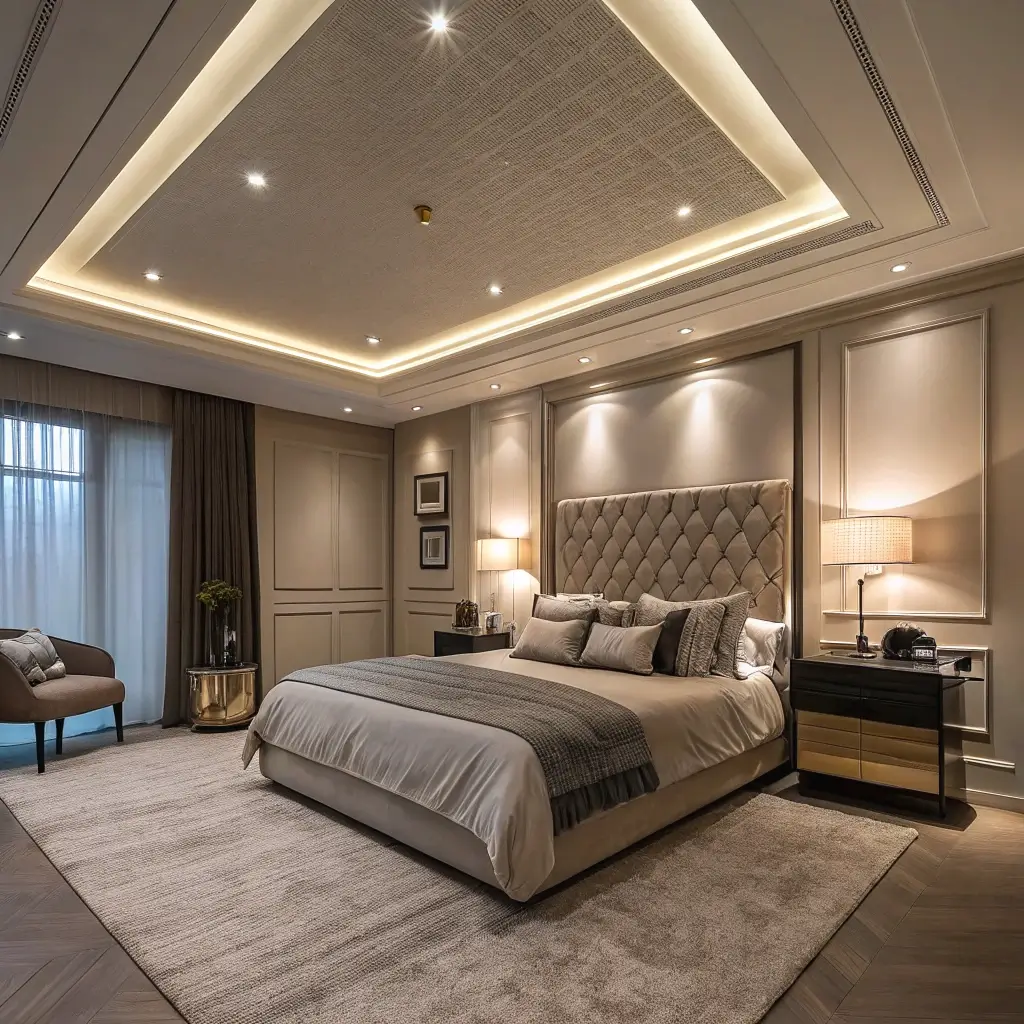
Tray ceilings are like the mullet of ceiling design – business in the middle, party around the edges. Add LED strip lighting to that recessed border, and suddenly you’ve got ambiance that would make any Instagram influencer jealous.
Creating the Perfect Glow
My bedroom tray ceiling with warm white LEDs has literally changed my life. No more harsh overhead lighting that makes everyone look like they need more sleep. The indirect lighting bounces off the ceiling for that perfect soft glow.
Essential tray ceiling elements:
- Minimum 6-inch border for proper light diffusion
- Dimmable LED strips (non-negotiable)
- Color-changing options for mood lighting
- Hidden transformer placement for clean look
Want to know the secret to professional-looking tray ceiling lighting? Use aluminum channels for your LED strips. They dissipate heat, create even light distribution, and hide any visible dots from individual LEDs.
Textured Plaster Patterns
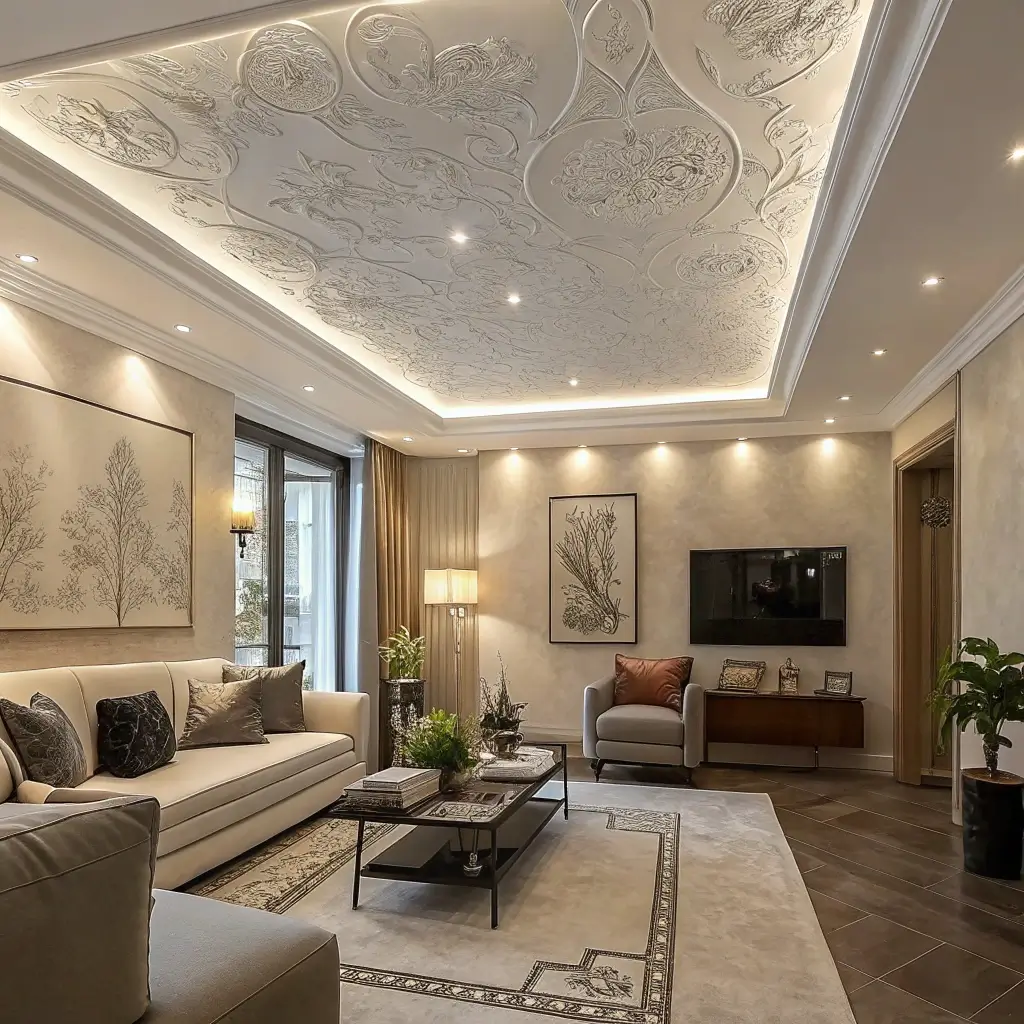
Smooth ceilings are fine, but textured plaster adds personality that paint alone never could. From subtle orange peel to dramatic Spanish lace, texture transforms flat surfaces into tactile art.
Mastering the Texture Game
I’ll admit it – my first attempt at skip trowel texture looked like a toddler’s art project. But once you get the hang of it, creating custom textures becomes oddly therapeutic. Plus, textured ceilings hide imperfections better than any primer ever could.
Popular texture techniques:
- Knockdown for subtle dimension
- Venetian plaster for Old World elegance
- Stipple brush for uniform patterns
- Swirl patterns for artistic flair
Here’s the thing nobody tells you: practice on cardboard first. Seriously. Texture techniques require muscle memory, and ceilings are unforgiving canvases. Also, FYI, removing texture later is a nightmare, so commit wisely.
Metallic Finish Luxe Ceiling
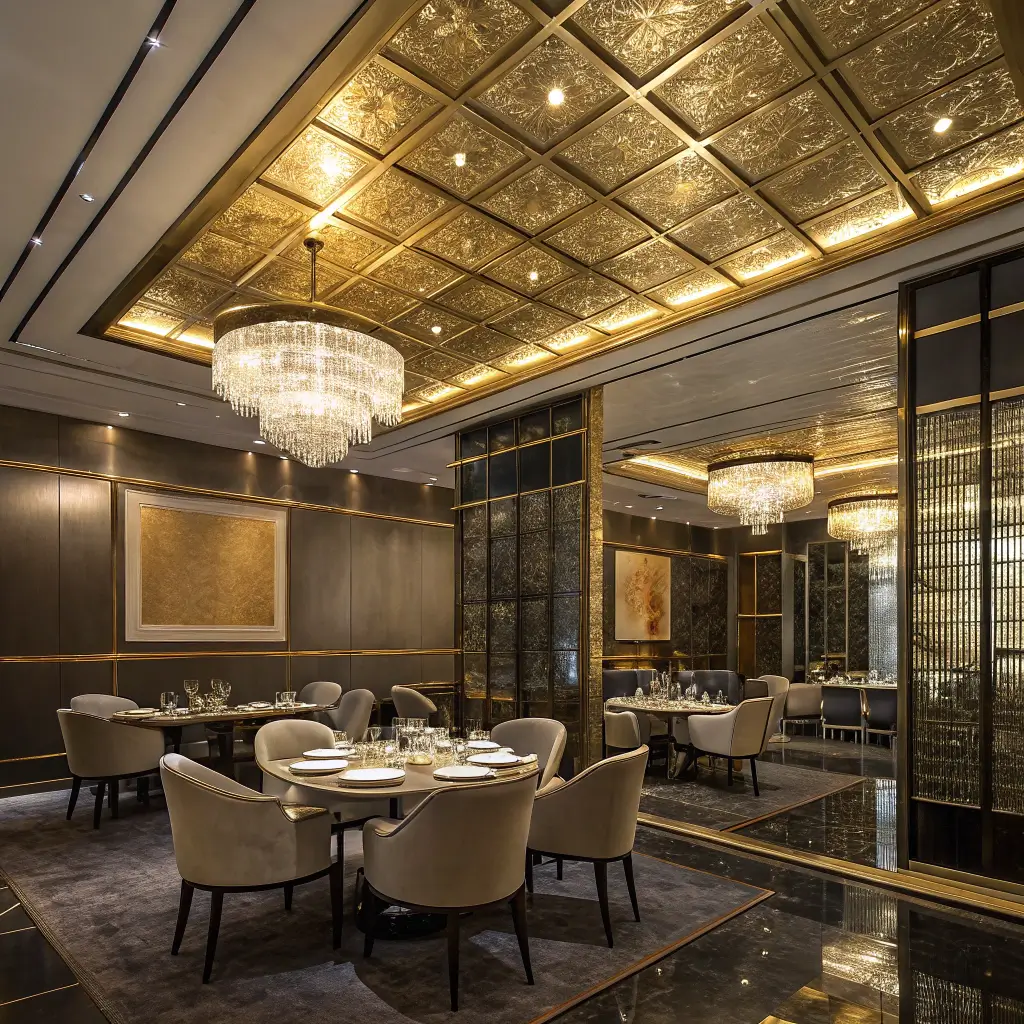
Metallic ceilings sound excessive until you see one done right. Copper, gold, or silver finishes reflect light in ways that make rooms feel alive. I painted my powder room ceiling in bronze metallic, and now it’s everyone’s favorite room at parties.
Achieving That Metallic Magic
The key to metallic ceilings that don’t look like a disco ball? Layering and subtlety. Start with a base coat in a complementary color, then apply metallic paint with varying techniques for depth.
Metallic application methods:
- Sponging for organic patterns
- Dry brushing for subtle shimmer
- Glazing for uniform coverage
- Stenciling for geometric precision
Temperature matters with metallic paint. Too cold and it won’t spread properly; too hot and it dries too fast for blending. 65-75°F is your sweet spot. And please, spring for quality metallic paint – the cheap stuff looks like aluminum foil.
Also Read: 15 Festive Cozy Christmas Bedroom Ideas for Warm Glow
Painted Sky or Mural Effect
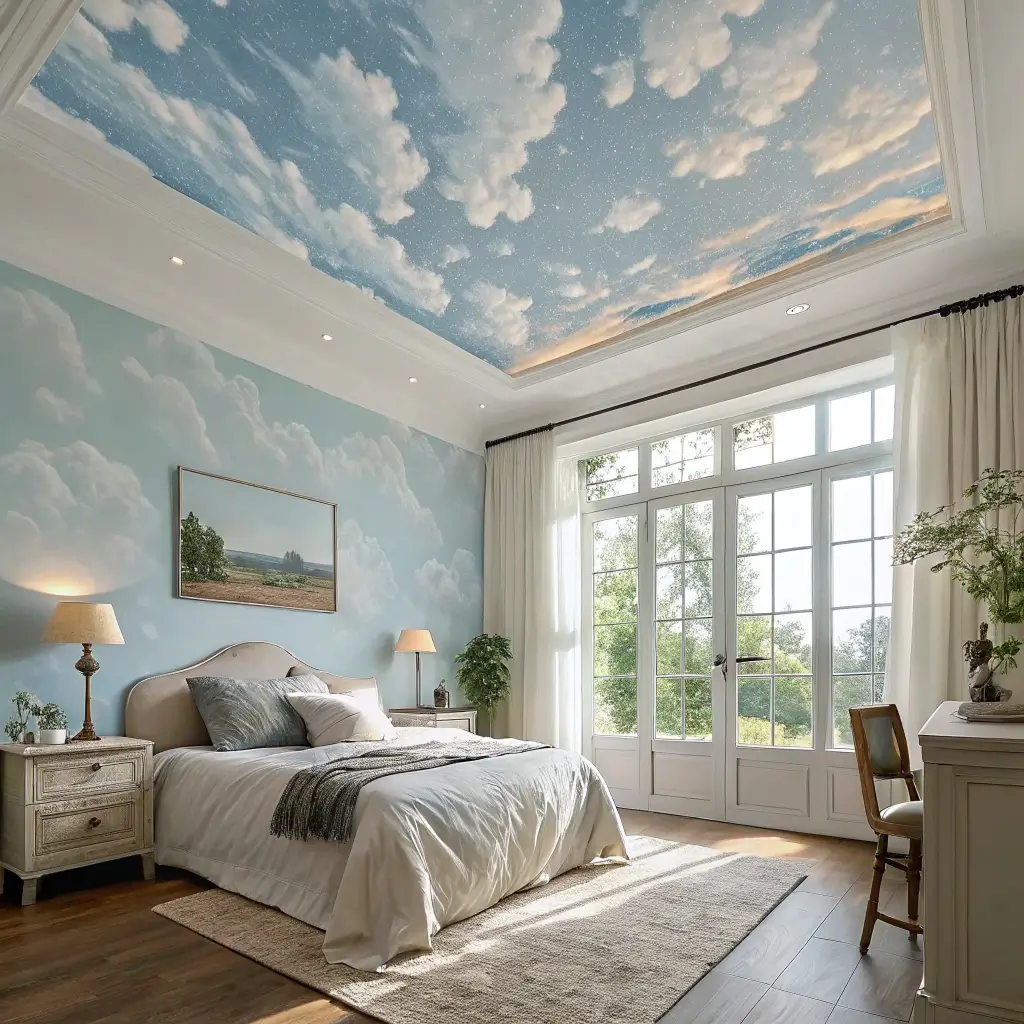
Remember lying on your back as a kid, staring at clouds? Ceiling murals bring that wonder indoors. Whether you go full Renaissance chapel or simple sky blue with clouds, painted ceilings create escape without leaving home.
Creating Your Ceiling Canvas
My daughter’s room features a galaxy mural complete with glow-in-the-dark stars. Did it take three weekends? Yes. Do I regret it? Not even slightly. The joy on her face makes every paint-splattered shirt worth it.
Mural planning essentials:
- Grid system for scaling designs
- Quality primer for paint adhesion
- Projector for complex patterns
- Scaffolding for comfortable painting position
Not artistically inclined? Wall decals and stencils can create mural effects without freehand skills. Or hire a local art student – they’re usually thrilled for the portfolio piece and charge way less than established muralists.
Geometric 3D Ceiling Tiles
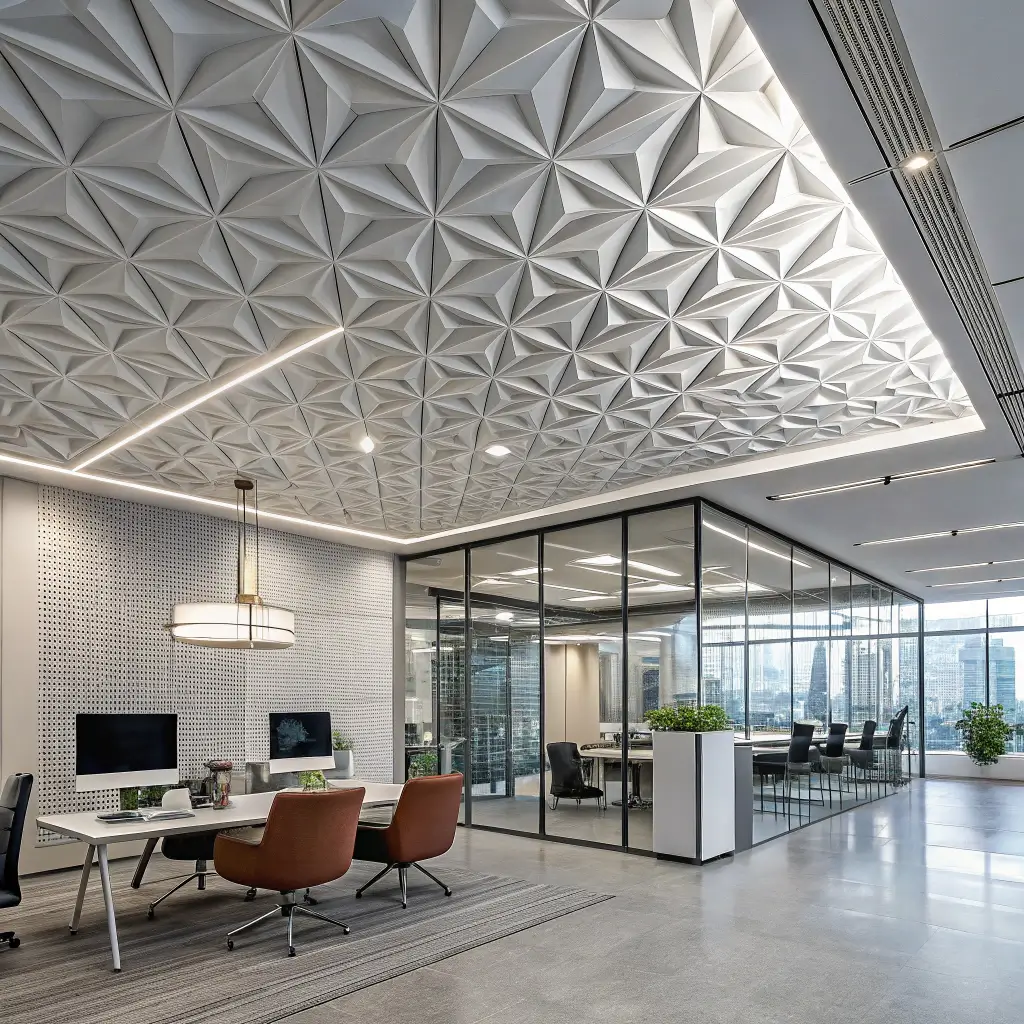
3D ceiling tiles are like the pop-up books of interior design. These dimensional panels create shadows and depth that shift with lighting throughout the day. Plus, they’re way easier to install than you’d think.
Tile Installation Without Tears
After watching approximately 47 YouTube videos, I installed 3D tiles in my home office. The transformation from boring to brilliant took one weekend and about $200. Not bad for a complete ceiling makeover, right?
Installation must-knows:
- Clean, flat surface is non-negotiable
- Adhesive choice matters (ask me about the ones that fell)
- Start from center and work outward
- Leave expansion gaps at edges
The variety available now is insane. From Art Deco patterns to modern minimalist designs, there’s a 3D tile for every style. Just avoid super deep patterns in rooms with ceiling fans – trust me on this one.
Minimalist Smooth White Finish
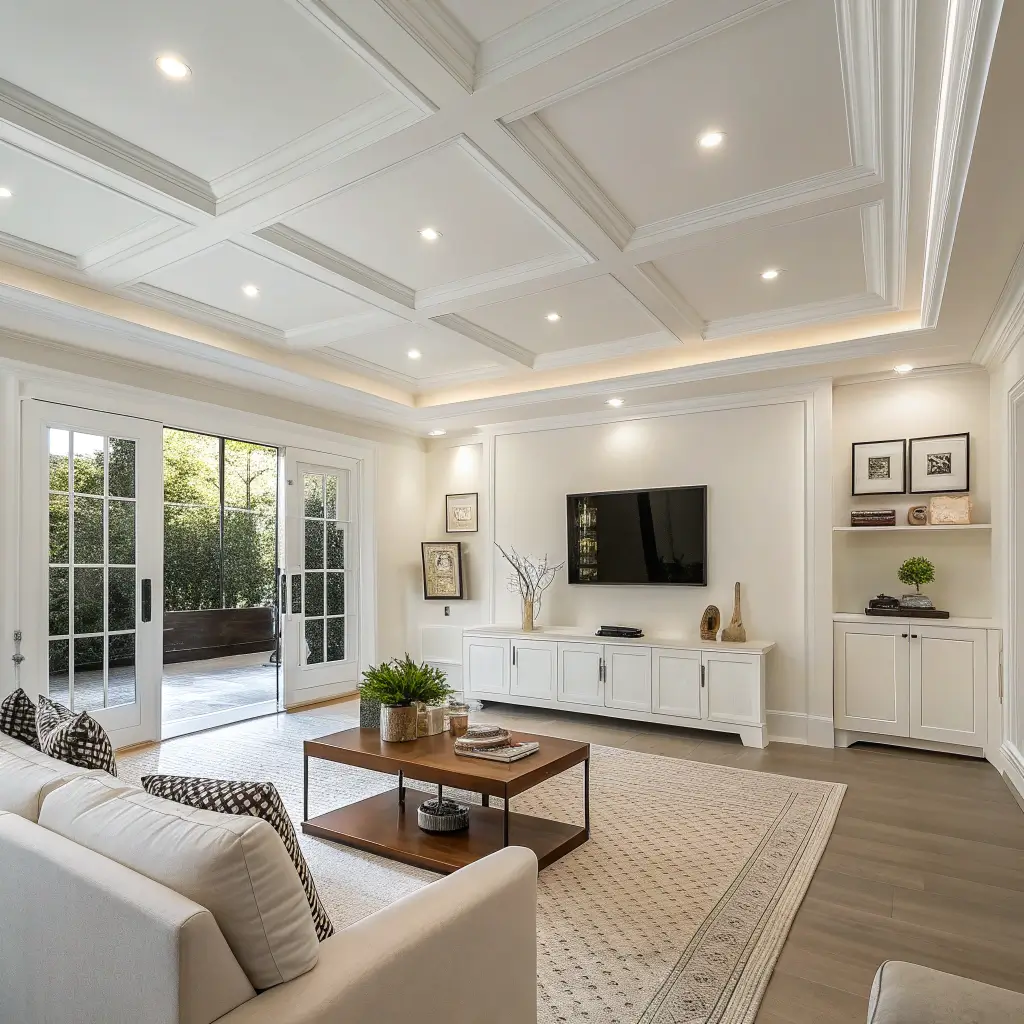
Sometimes the best design is no design at all. A perfectly smooth, pristine white ceiling creates calm that busy patterns can’t match. But achieving that flawless finish? That takes skill.
The Art of Perfect White
Minimalist doesn’t mean boring – it means intentional. My living room’s level 5 smooth finish took three skim coats, but the seamless result makes the room feel twice as large.
Achieving smooth ceiling perfection:
- Multiple thin coats beat one thick coat
- Sand between applications
- Prime before painting (always!)
- Use flat or matte paint to hide minor imperfections
The biggest mistake people make? Rushing the process. Smooth ceilings reveal everything, so take your time with prep work. And invest in good lighting while you work – shadows are your enemy here.
Also Read: 10 Cozy Christmas Decorations Bedroom Ideas and Merry Moments
Fabric Draped Ceiling Softness
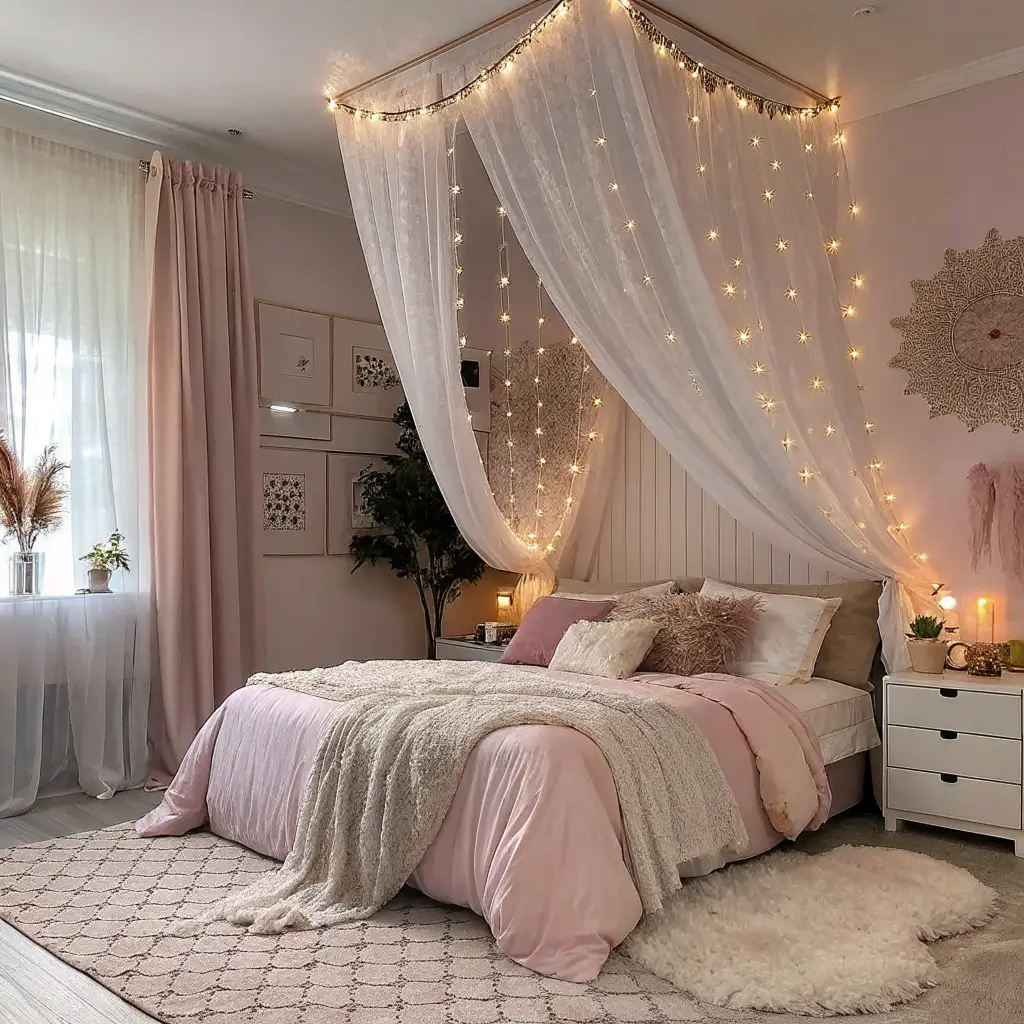
Fabric ceilings transform harsh spaces into soft, romantic retreats. Whether you’re going for Arabian nights or garden party vibes, draped fabric adds movement and warmth that rigid materials can’t match.
Draping Like a Designer
My friend’s wedding reception featured draped ceiling fabric, and I immediately stole the idea for my bedroom. The key is choosing the right fabric weight – too heavy and it sags, too light and it looks cheap.
Fabric ceiling considerations:
- Fire-retardant materials for safety
- Secure mounting points every 3-4 feet
- Steam or iron before installation
- Consider washable fabrics for longevity
Want the look without commitment? Temporary mounting systems using hooks or tension wire let you change with seasons or moods. Perfect for renters who can’t make permanent changes 🙂
Recessed Lighting with Cove Detail
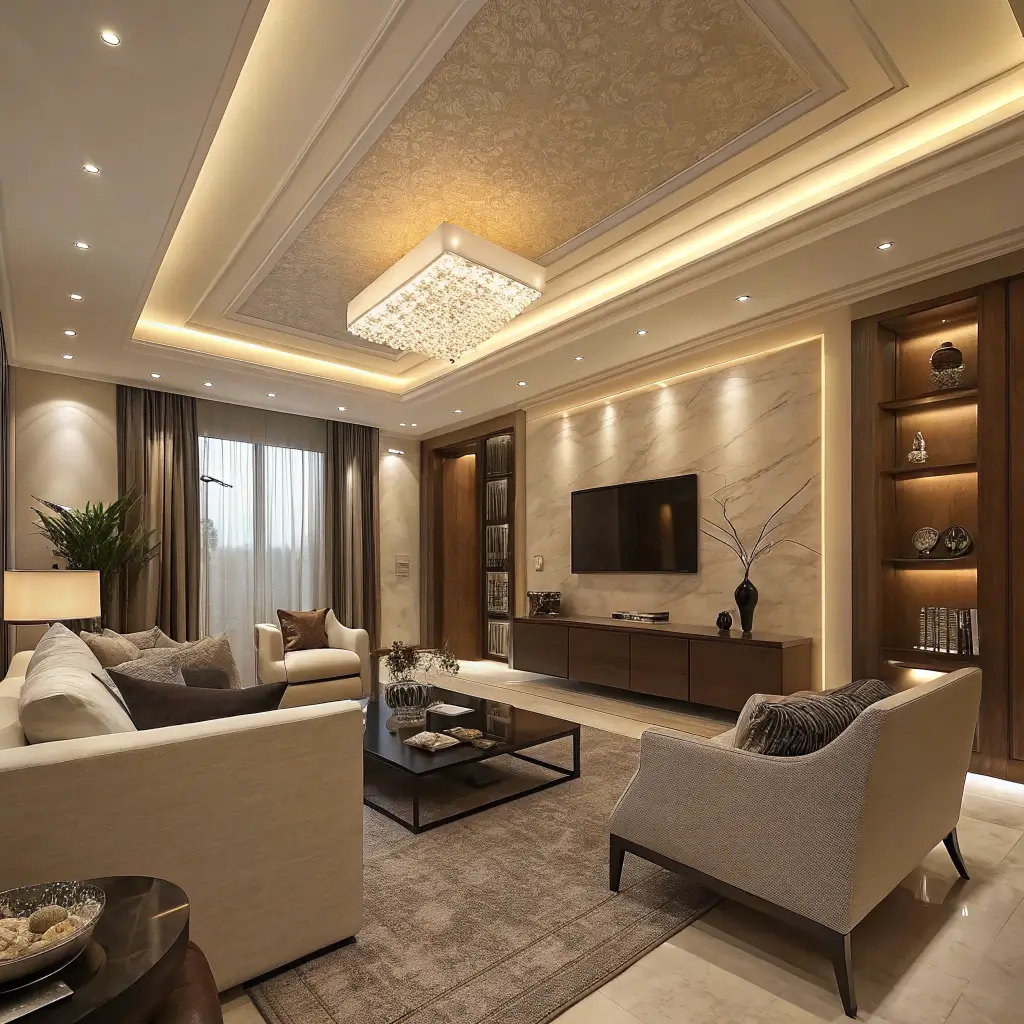
Cove ceilings with recessed lighting create architectural interest while solving lighting challenges. The indirect light eliminates harsh shadows and makes everyone look like they have their own personal photographer.
Planning Your Cove Lighting
Installing cove lighting in my dining room eliminated the need for that ugly chandelier I inherited. The perimeter lighting creates ambiance while recessed cans provide task lighting where needed.
Cove lighting essentials:
- Minimum 2-inch gap for light spread
- Calculate lumens per square foot
- Zone controls for flexibility
- Consider color temperature carefully
The electrical work isn’t DIY-friendly unless you’re licensed, but planning the layout yourself saves money. Map out your lighting zones based on room function, not just symmetry.
Stenciled Artistic Motifs

Stenciled ceilings offer custom artistry without artistic skill. From Moroccan patterns to Art Nouveau designs, stencils let you create professional-looking patterns that would cost thousands if hand-painted.
Stenciling Success Secrets
My first stenciling attempt looked like a drunk spider’s web. Second attempt? Magazine-worthy. The difference? Proper technique and patience. Stenciling isn’t hard, but it is methodical.
Stenciling best practices:
- Registration marks prevent pattern drift
- Less paint prevents bleeding
- Quality brushes make a difference
- Seal with clear coat for durability
Choose patterns that complement your room’s scale. Large patterns in small rooms feel overwhelming, while tiny patterns in large spaces get lost. And always do a test patch first – some patterns that look great close up disappear from normal viewing distance.
Mirror or Reflective Panels
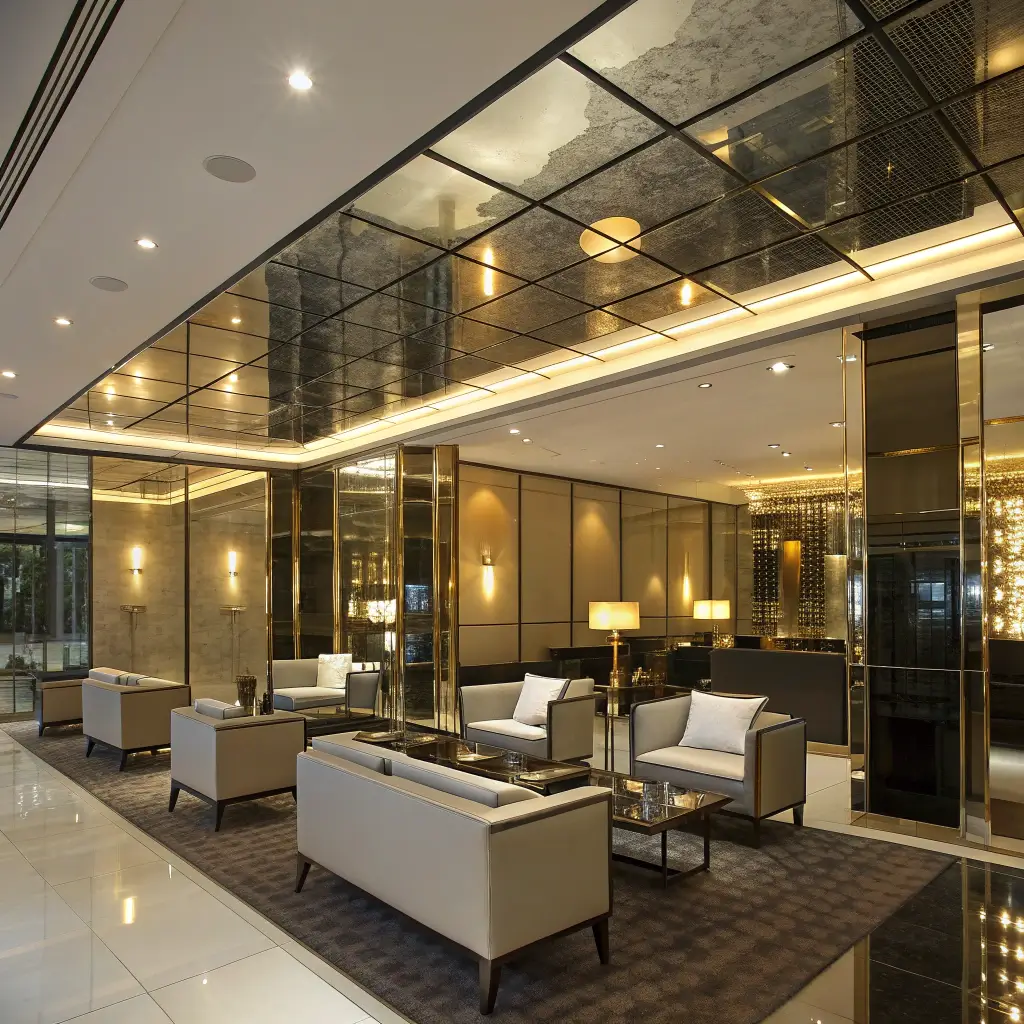
Mirror ceilings might trigger disco flashbacks, but modern reflective panels create sophistication without the Saturday Night Fever vibe. They double your visual space and bounce light like nobody’s business.
Reflection Without Regret
Installing antiqued mirror tiles in my narrow hallway made it feel twice as wide. The slightly distressed finish prevents that fun-house effect while still maximizing light.
Reflective ceiling options:
- Smoked mirror for subtle reflection
- Metallic tiles for partial reflection
- Acrylic panels for safety
- Strategic placement to avoid awkward angles
Here’s what nobody mentions: cleaning reflective ceilings is a pain. Factor in maintenance before committing to a full mirror ceiling. Maybe start with an accent area first?
Exposed Industrial Pipes & Ducts

Industrial ceilings celebrate what others hide. Exposed pipes, ducts, and beams create urban loft vibes even in suburban split-levels. The trick is making it look intentional, not unfinished.
Industrial Without Looking Unfinished
When I exposed the ductwork in my basement, everyone thought I’d lost it. After painting everything matte black and adding track lighting, that same basement became everyone’s favorite hangout spot.
Industrial ceiling elements:
- Consistent color scheme unifies different materials
- Strategic lighting highlights architectural elements
- Balance raw and refined elements
- Keep it clean and dust-free
The biggest challenge? Knowing when to stop. Too many exposed elements look chaotic rather than industrial chic. Pick your focal points and treat the rest as supporting cast.
Bamboo or Natural Fiber Ceiling

Natural fiber ceilings bring organic warmth that synthetic materials can’t replicate. Bamboo, rattan, or grass cloth panels add texture while maintaining eco-friendly credentials.
Going Natural Overhead
Installing bamboo panels in my sunroom created the tropical retreat I couldn’t afford to actually visit. The natural variation in color and texture makes every panel unique, creating visual interest without overwhelming patterns.
Natural fiber benefits:
- Sustainable materials for eco-conscious design
- Natural sound absorption
- Unique texture variations
- Ages beautifully over time
The main consideration? Humidity control. Natural fibers can warp or mold in damp conditions, so proper ventilation is crucial. But in the right environment, they’ll outlast most synthetic alternatives.
Making Your Ceiling Dreams Reality
So there you have it – fifteen ways to transform that blank canvas above your head into something spectacular. The ceiling you choose depends on your style, budget, and how much drama you want to add to your space.
Remember, ceilings set the mood for entire bedrooms. That coffered ceiling makes dinner parties feel more elegant. The LED-lit tray ceiling turns your bedroom into a sanctuary. Even that simple smooth white ceiling creates calm in chaotic times.
My advice? Start with one room and go bold. IMO, it’s better to have one show-stopping ceiling than five mediocre ones. Pick the design that made you think “I want that,” then figure out how to make it happen within your budget.
The best part about ceiling design? Nobody expects it. While everyone obsesses over wall colors and furniture, you’ll create spaces that literally make people look up in wonder. And isn’t that exactly the kind of refresh your home deserves?
