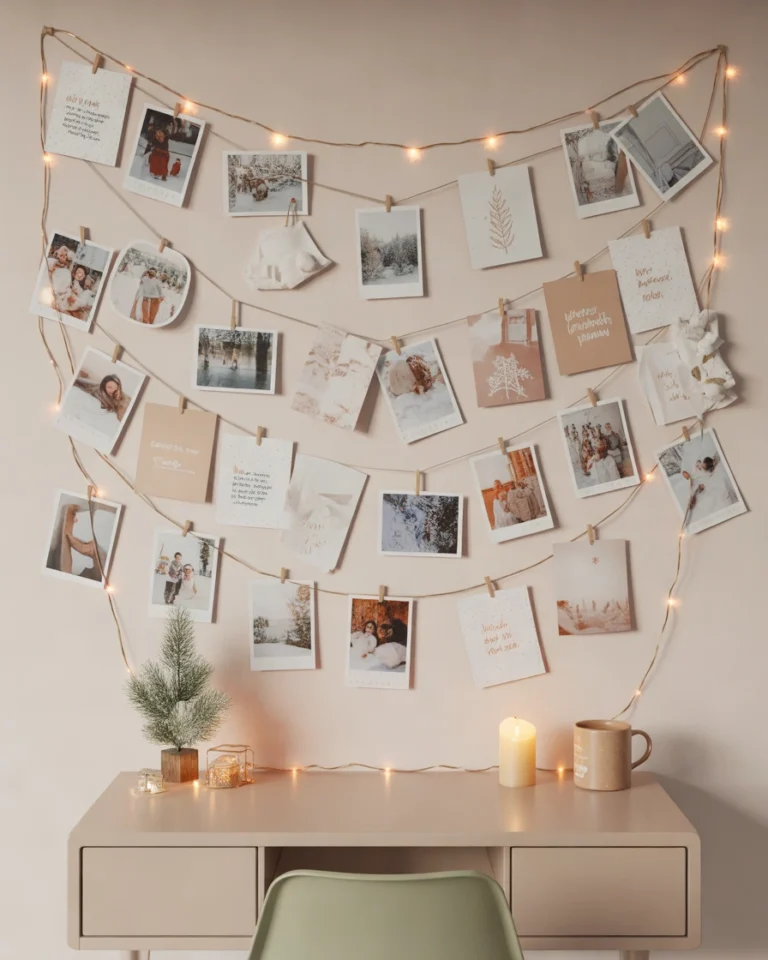
There is always a strange little moment after Christmas when the house suddenly feels empty. One day, there are twinkling lights, ribbons, ornaments, garlands, and a beautifully decorated tree. A few days later, everything gets packed away, and the rooms can feel surprisingly bare.
I used to think that taking down Christmas decorations meant returning the house completely to normal. Over time, though, I realized that January and the rest of winter deserve their own decorating style. You can remove the obvious Christmas pieces without losing the warmth, comfort, and personality that made your home feel so inviting in December.
That is where winter home decor after Christmas comes in.
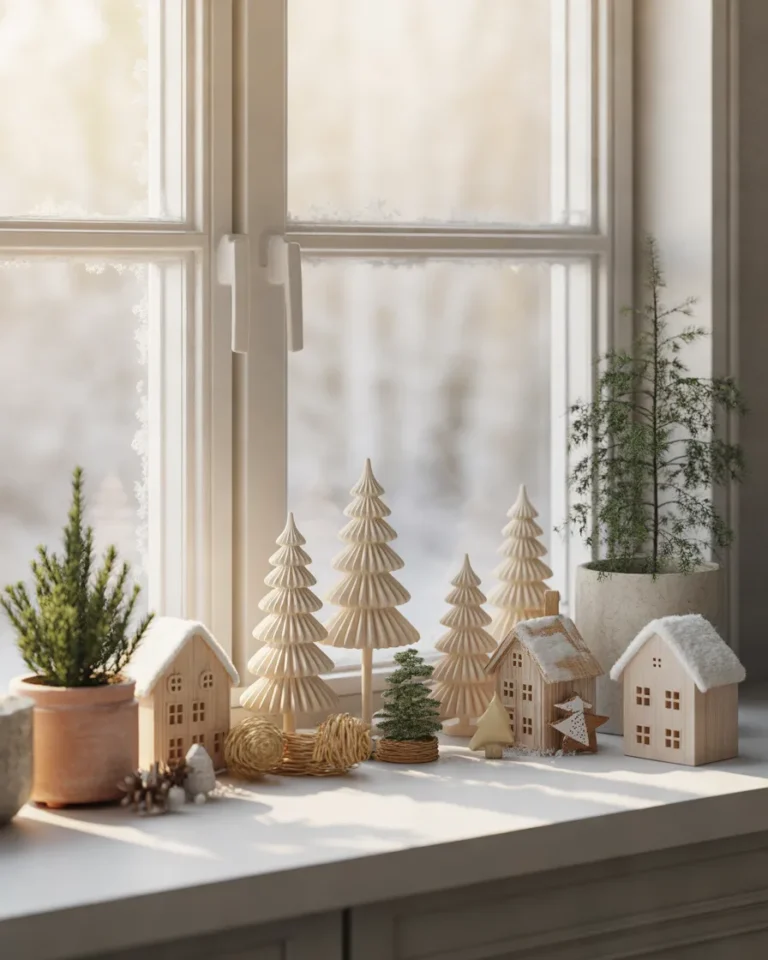
Instead of red bows, glittery ornaments, Santa figures, and Christmas signs, I like to focus on texture, natural materials, soft lighting, winter greenery, warm neutral colors, and simple seasonal details. The result feels peaceful rather than festive and cozy rather than cluttered.
The best part is that you usually do not need to completely redecorate. A few thoughtful changes can carry your home beautifully through January and February.
If your rooms are feeling a little empty after the Christmas decorations come down, these 15 winter decorating ideas will help you create a warm, comfortable home that still feels seasonal without looking like Christmas has overstayed its welcome.
1. Create a Warm Neutral Living Room
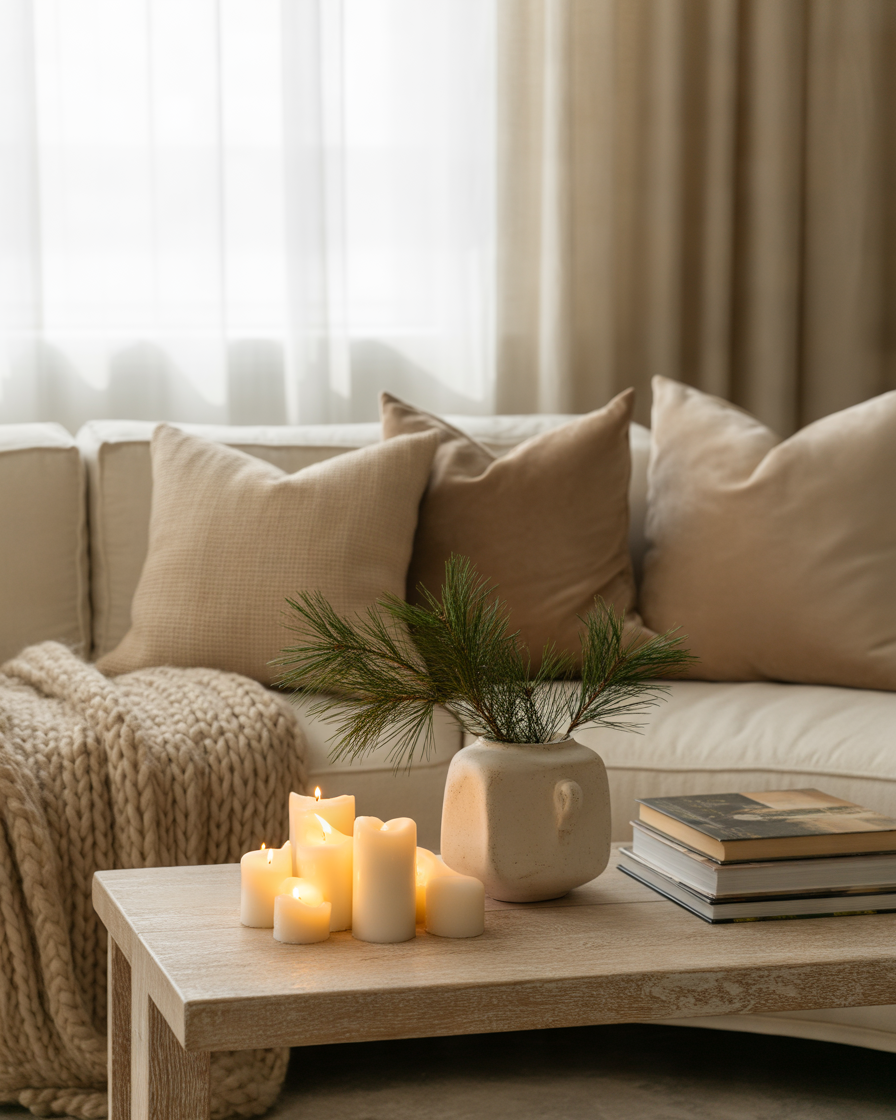
One of the easiest ways I transition my home after Christmas is by simplifying the color palette. Once the bright holiday colors disappear, I like bringing the room back to soft shades such as cream, oatmeal, warm beige, taupe, light gray, and natural brown.
A neutral room does not have to feel cold or boring. The secret is layering several different textures.
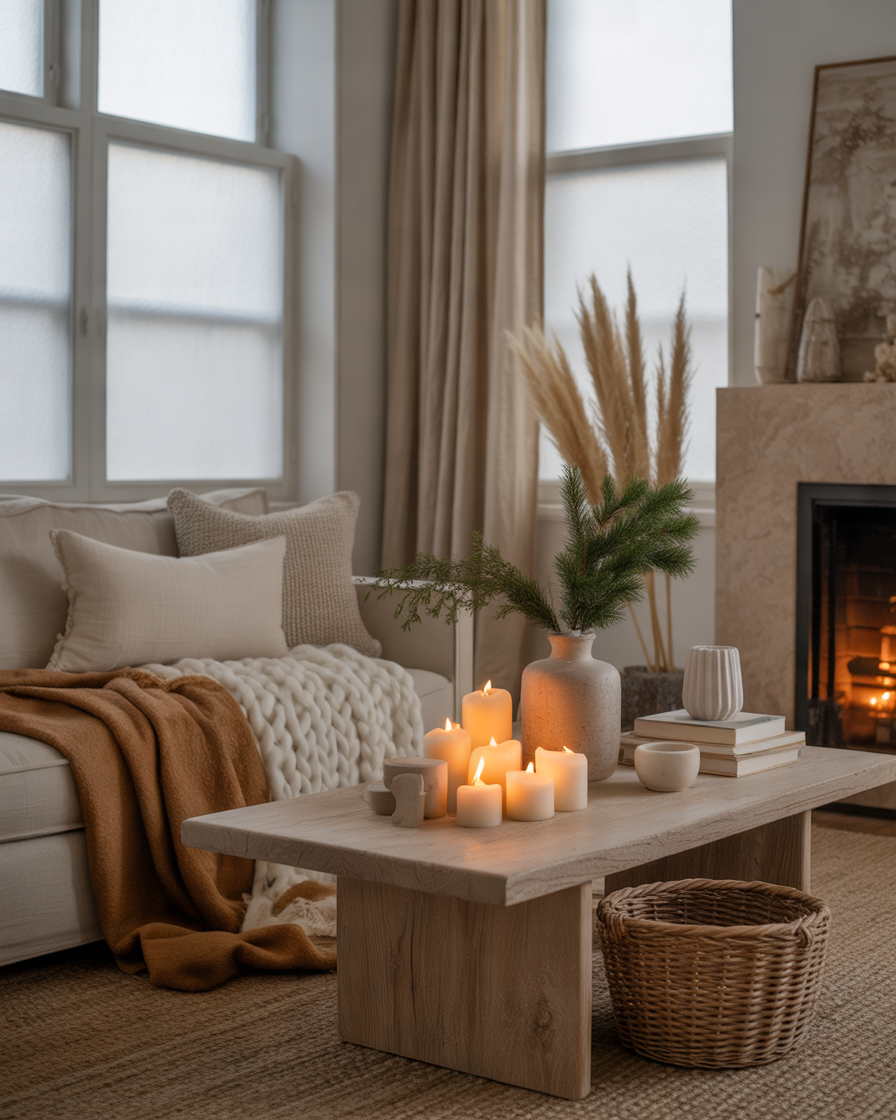
For example, I might place a chunky knit blanket over the sofa, add a pair of linen pillows, bring in a woven basket, and place a wooden tray on the coffee table. Even though the colors are quiet, the different materials give the space depth.
I also like leaving one simple arrangement of winter greenery in the room. A few pine or cedar branches in a stoneware vase are enough.
This creates a wonderful middle ground between Christmas decor and spring decor. The room still feels appropriate for cold weather, but there is nothing obviously holiday-themed about it.
If your living room feels empty after removing the Christmas tree, resist the temptation to immediately fill every corner. A little breathing room can actually make your home feel fresh for the new year.
2. Give Your Entryway a Simple Winter Refresh
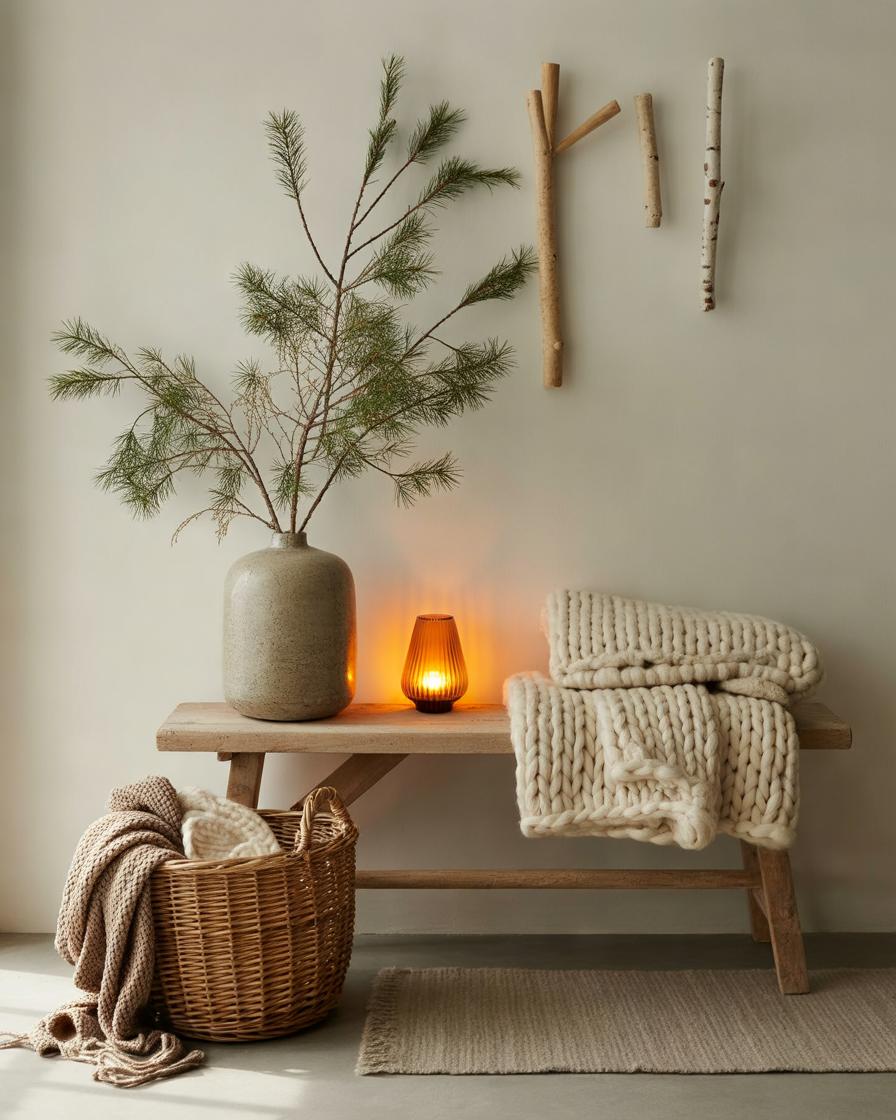
The entryway is one of the first areas I change after Christmas because holiday decorations tend to collect around the front door.
Instead of replacing Christmas decor with more decorative accessories, I prefer making the space functional and cozy.
A wooden bench with a folded wool throw instantly creates a winter feeling. Underneath, a woven basket can hold gloves, scarves, or slippers. If you have wall hooks, winter coats and scarves can actually become part of the visual styling.
For the console table, keep things simple. Try a ceramic vase filled with pine branches, one small lamp, and perhaps a wooden bowl for keys.
I would also replace strongly Christmas-themed doormats with something neutral in charcoal, tan, cream, or natural coir.
The goal is to create a welcoming entrance without making it look like another holiday display.
Winter decor often looks best when it feels effortless. A soft light, natural greenery, a beautiful basket, and a warm textile may be all your entryway needs.
3. Keep Evergreen Branches Without the Christmas Look
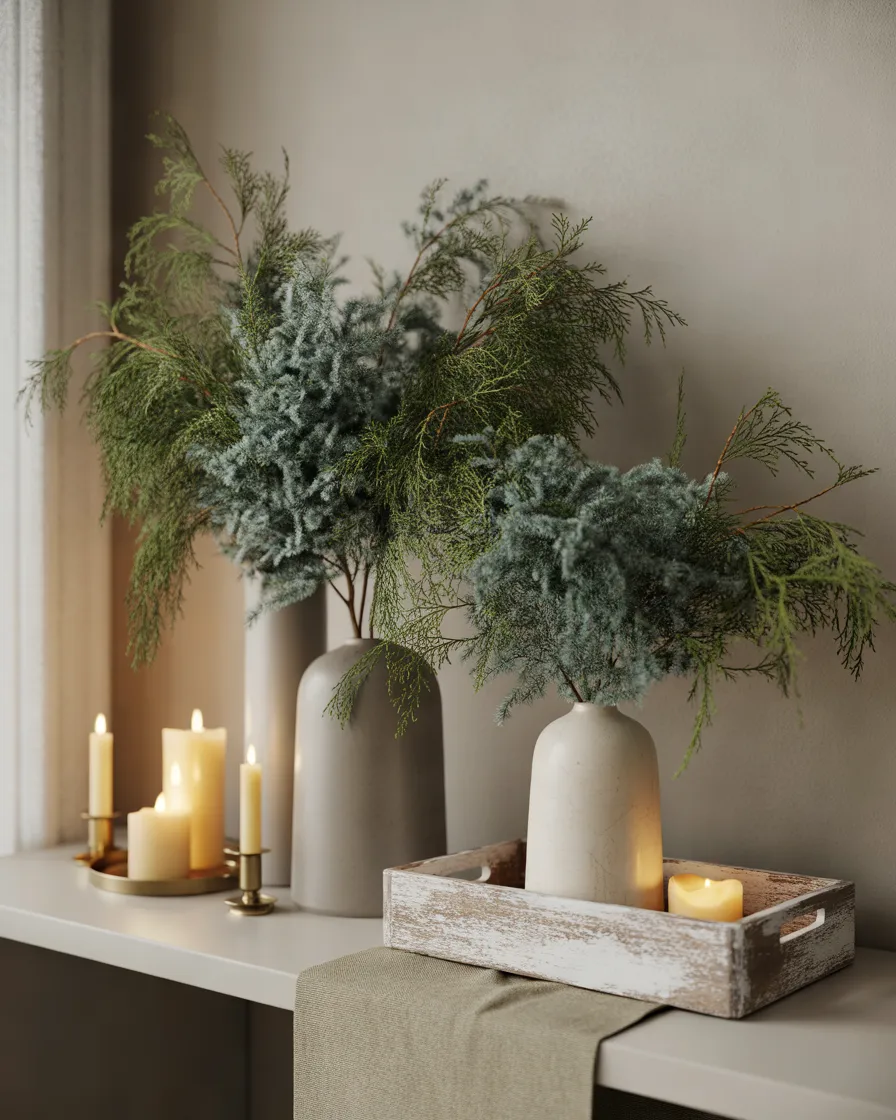
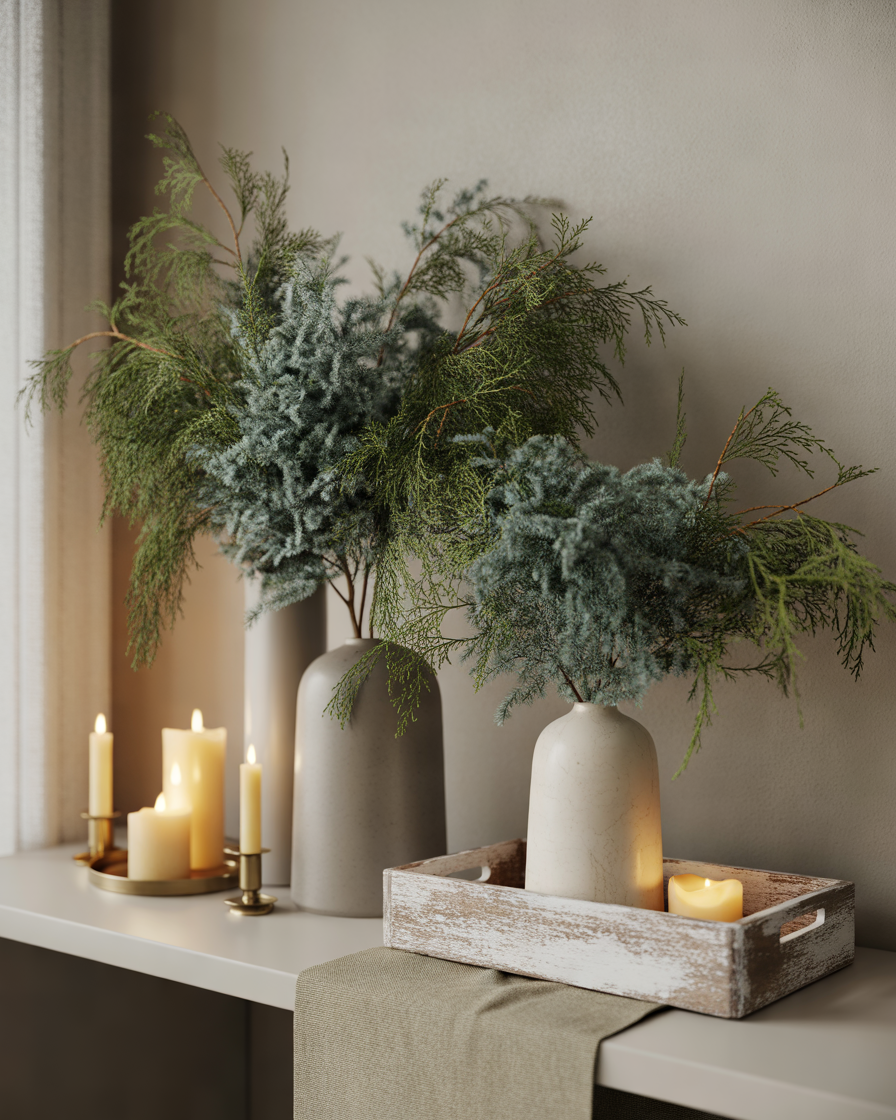
I never feel like all the greenery has to disappear just because Christmas is over.
Evergreen branches are naturally part of winter, so pine, cedar, juniper, and similar greenery can continue working beautifully in January and February.
The trick is removing the Christmas elements around them.
Take away red berries, ribbons, ornaments, bells, glitter, plaid bows, and anything that immediately reads as holiday decor. Then place simple evergreen branches inside neutral ceramic, glass, or stoneware containers.
I especially love slightly imperfect arrangements because they look more natural.
You can display them on an entry table, kitchen island, dining table, mantel, bookshelf, or bedside table.
If you have artificial Christmas garlands, you may even be able to reuse parts of them. Remove the decorative ornaments and ribbons and simplify the greenery.
Pairing evergreen stems with wood, linen, stone, and cream-colored accessories creates a calm winter look that feels completely different from Christmas.
It is one of the easiest ways to reuse seasonal pieces rather than packing everything away immediately.
4. Restyle Your Fireplace Mantel for Winter
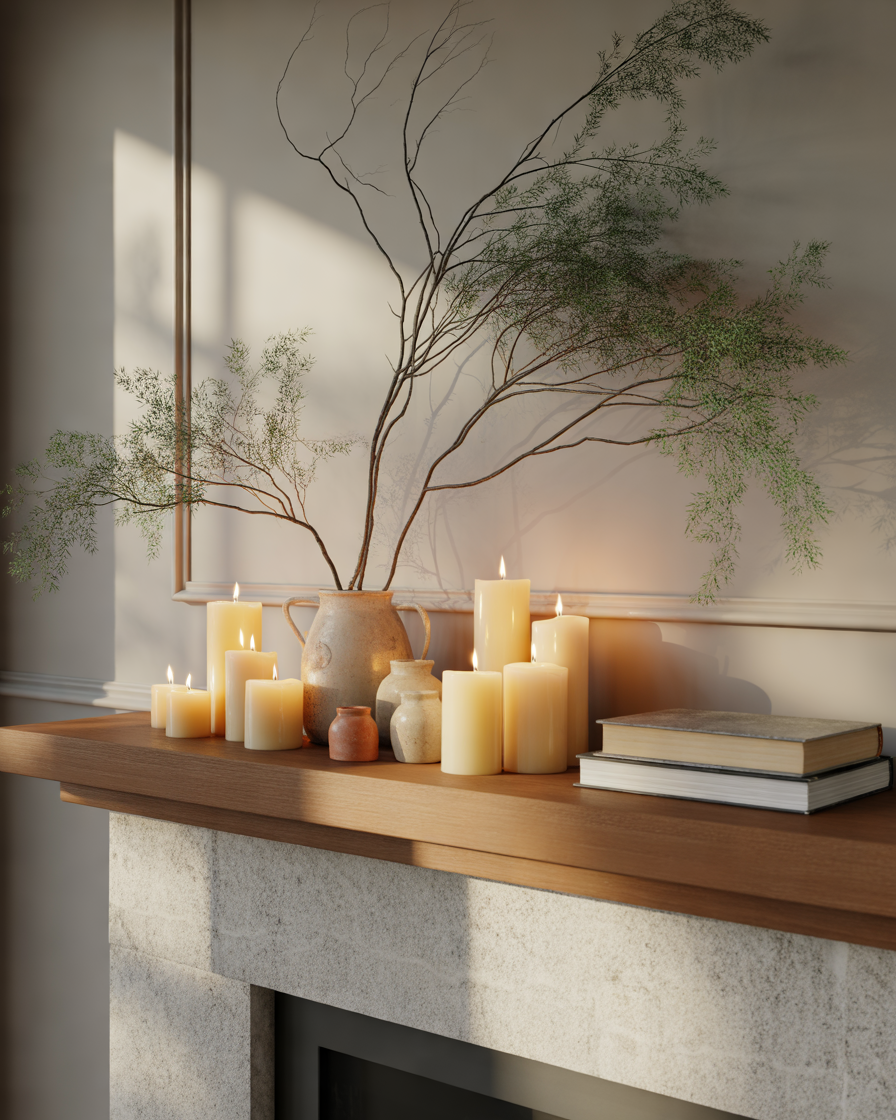
The fireplace mantel often looks especially empty once stockings, garlands, Christmas signs, and decorative trees come down.
Instead of leaving it completely bare, I like creating a simpler winter version.
Start with one main focal point. This might be a mirror, framed artwork, or a large ceramic vase.
From there, layer just a few objects around it. Ivory candles, neutral pottery, vintage books, bare branches, or small amounts of greenery all work beautifully.
One important difference between Christmas mantel styling and winter mantel styling is restraint.
Christmas mantels often look their best when they are full and festive. Winter mantels usually feel better when they are quieter.
Leave some empty space between objects rather than filling the entire surface.
If you use candles, vary their height to create dimension. If you include branches, let their shape bring movement to the arrangement.
A simple winter mantel can become one of the most calming features in your living room, especially when a fire is burning underneath it on a cold evening.
5. Layer Cozy Winter Textiles
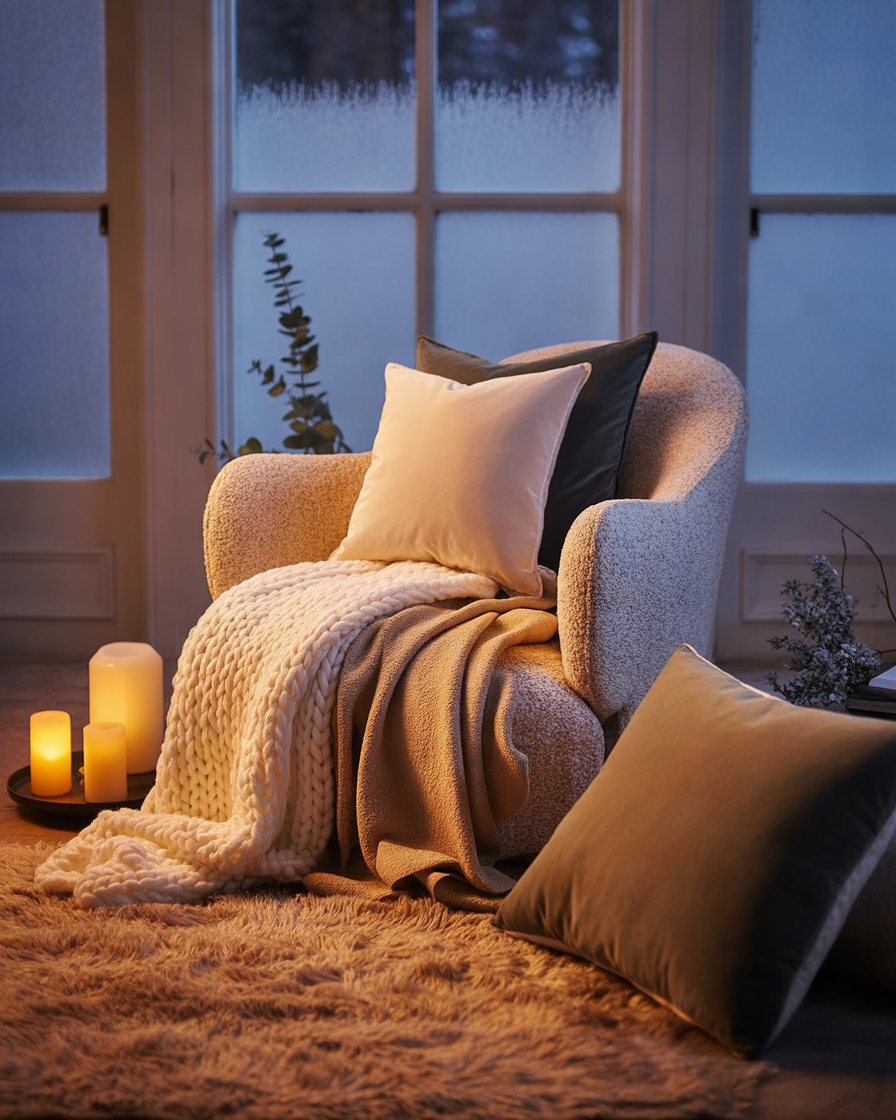
When Christmas decorations disappear, texture becomes one of my favorite decorating tools.
Winter is the perfect season for thick, touchable fabrics that make a room feel physically warmer.
Think chunky knit blankets, boucle, velvet, wool, faux fur, brushed cotton, linen, and heavy woven fabrics.
You do not need all of them in one room. Even two or three textures layered together can completely change the atmosphere.
For example, I might combine a linen sofa pillow with a velvet lumbar cushion and a wool throw. On a nearby chair, a small faux-fur accent can add another soft layer.
Rugs matter too. If your floor feels bare during winter, a textured rug can make an enormous difference.
I personally prefer keeping winter textiles fairly neutral because it makes them easy to mix.
Cream, camel, charcoal, warm gray, muted brown, and soft green all work well after Christmas.
Instead of decorating with lots of small objects, let fabrics create the cozy feeling. The room will feel warmer while remaining clean and uncluttered.
6. Use Candlelight to Replace Christmas Lights
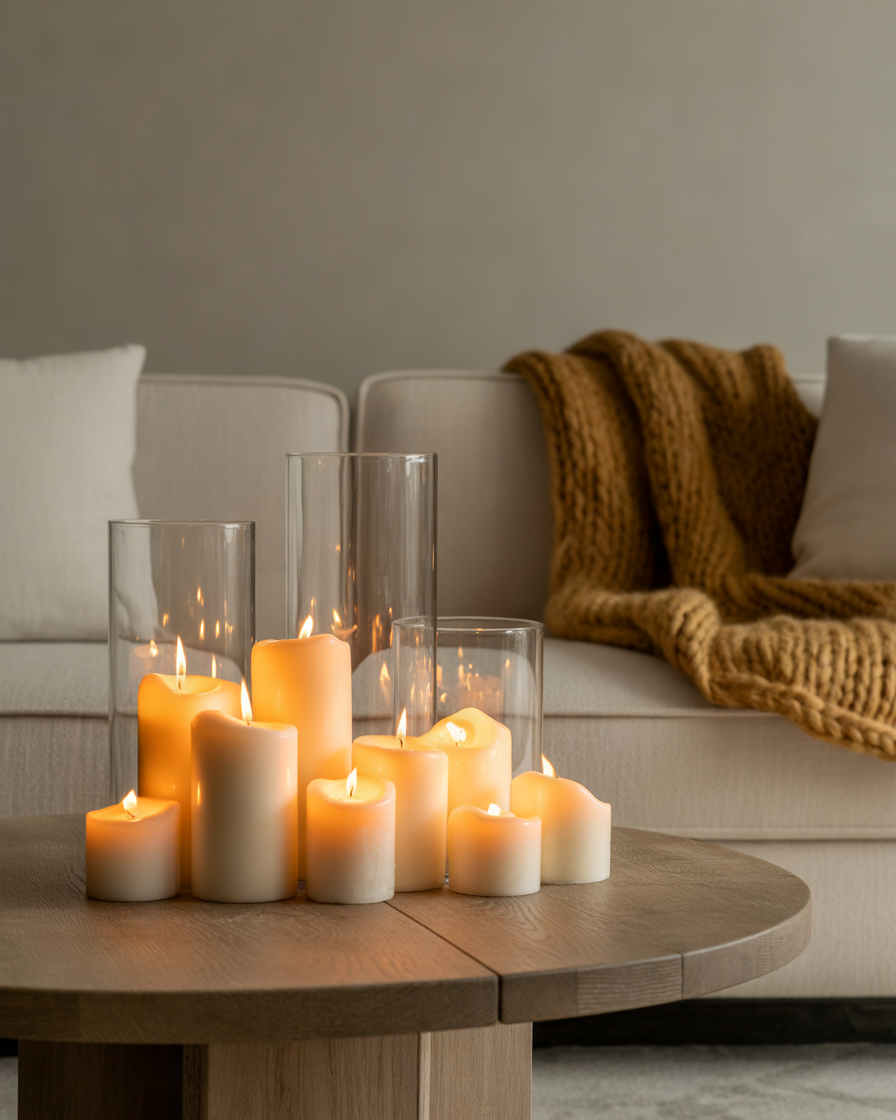
One thing I genuinely miss after Christmas is the glow from all those little lights.
Once the tree lights and window lights disappear, evenings can suddenly feel much darker.
Candles are my favorite solution.
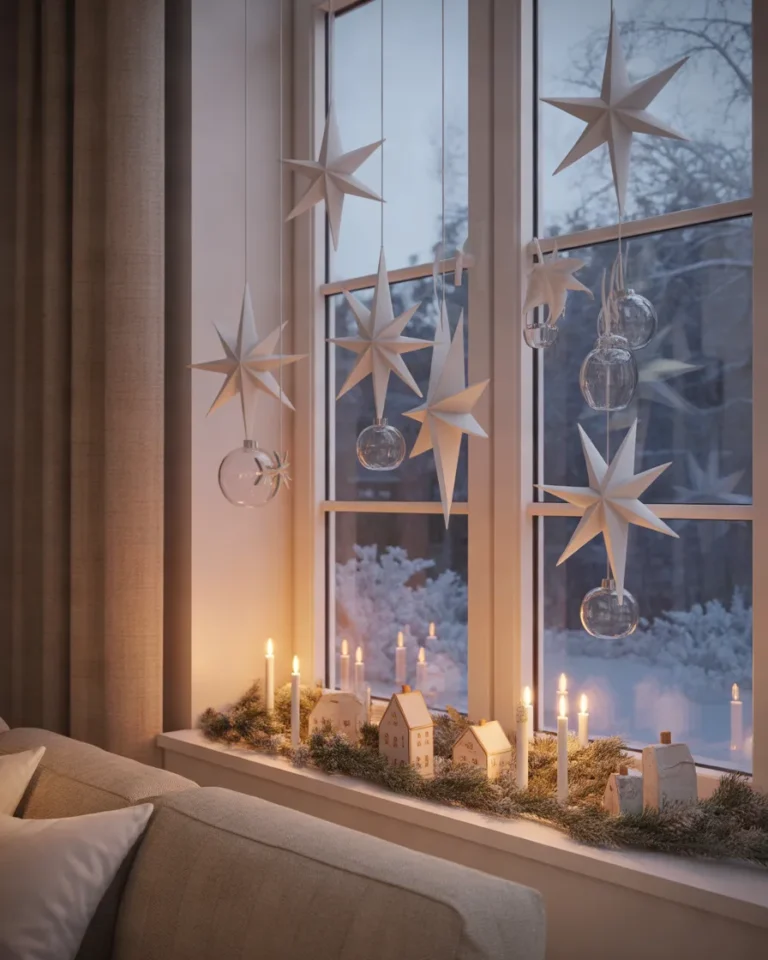
Clusters of pillar candles look beautiful on a coffee table, fireplace hearth, dining table, or console. Glass hurricanes make them feel slightly more polished while also protecting the flame.
For homes where open flames are not practical, good-quality flameless candles can create a similar atmosphere.
I like using candles in different heights rather than matching everything perfectly.
Keep the colors simple—ivory, cream, taupe, or muted brown are especially versatile.
You can also place candles near mirrors because the reflection makes the glow feel stronger.
Warm table lamps are another important part of cozy winter decorating. During January, I rely much more on lamps than overhead lighting.
Together, candles and lamps recreate some of the magical evening atmosphere that disappears when the Christmas lights come down, but in a much more understated way.
7. Bring More Natural Wood Into Your Decor
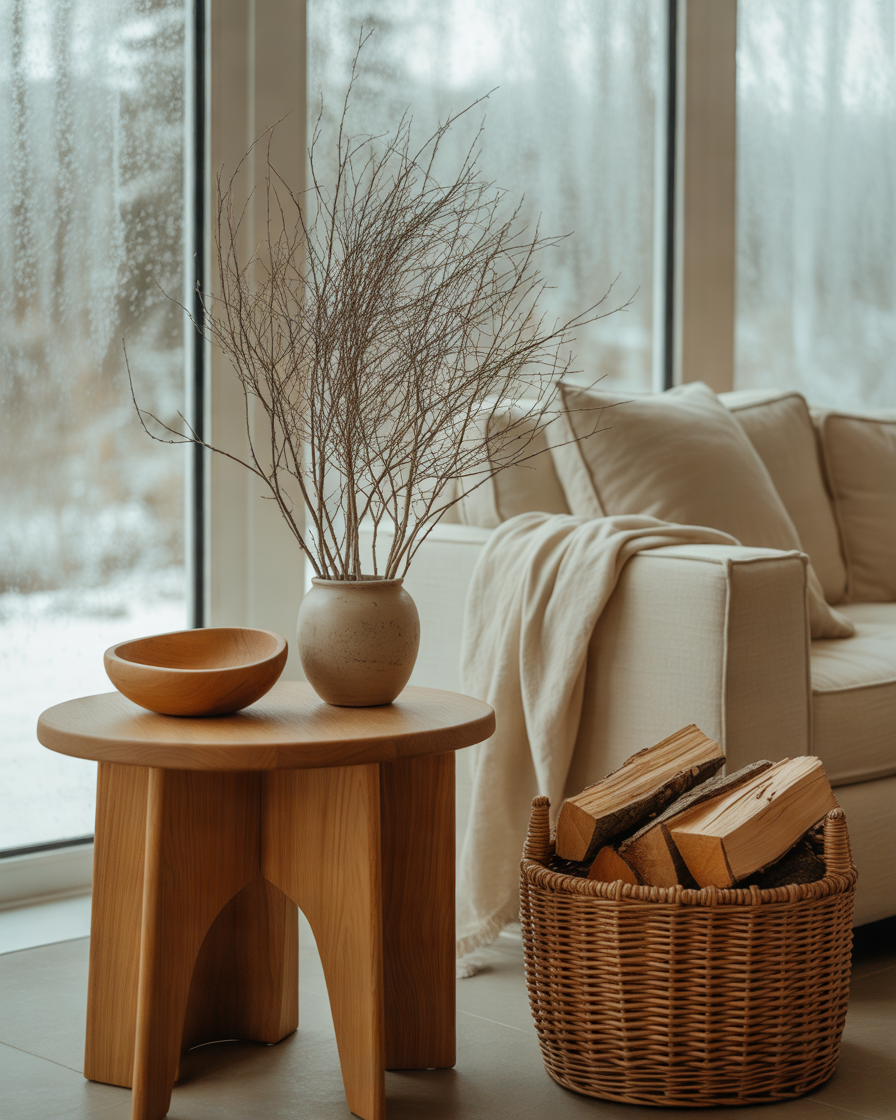
Natural wood has a warmth that works especially well during colder months.
After removing shiny Christmas decorations, wooden elements can help a room feel grounded and comfortable.
This does not mean buying new furniture.
Look around your home for pieces you already own. Wooden bowls, cutting boards, trays, stools, picture frames, candlesticks, boxes, and small side tables can all become part of your winter decor.
In the kitchen, I like leaning a few wooden cutting boards against the backsplash. In the living room, a wooden bowl filled with pinecones can create a subtle seasonal centerpiece.
If you have a fireplace, neatly stacked firewood can become a decorative feature too.
Wood looks especially beautiful beside cream fabrics, stoneware, greenery, and woven baskets.
The combination feels organic and timeless rather than themed.
That is something I appreciate about decorating after Christmas. Instead of using decorations that only work for a few weeks, I can highlight everyday materials that naturally feel right for winter.
8. Decorate With Different Shades of White and Cream
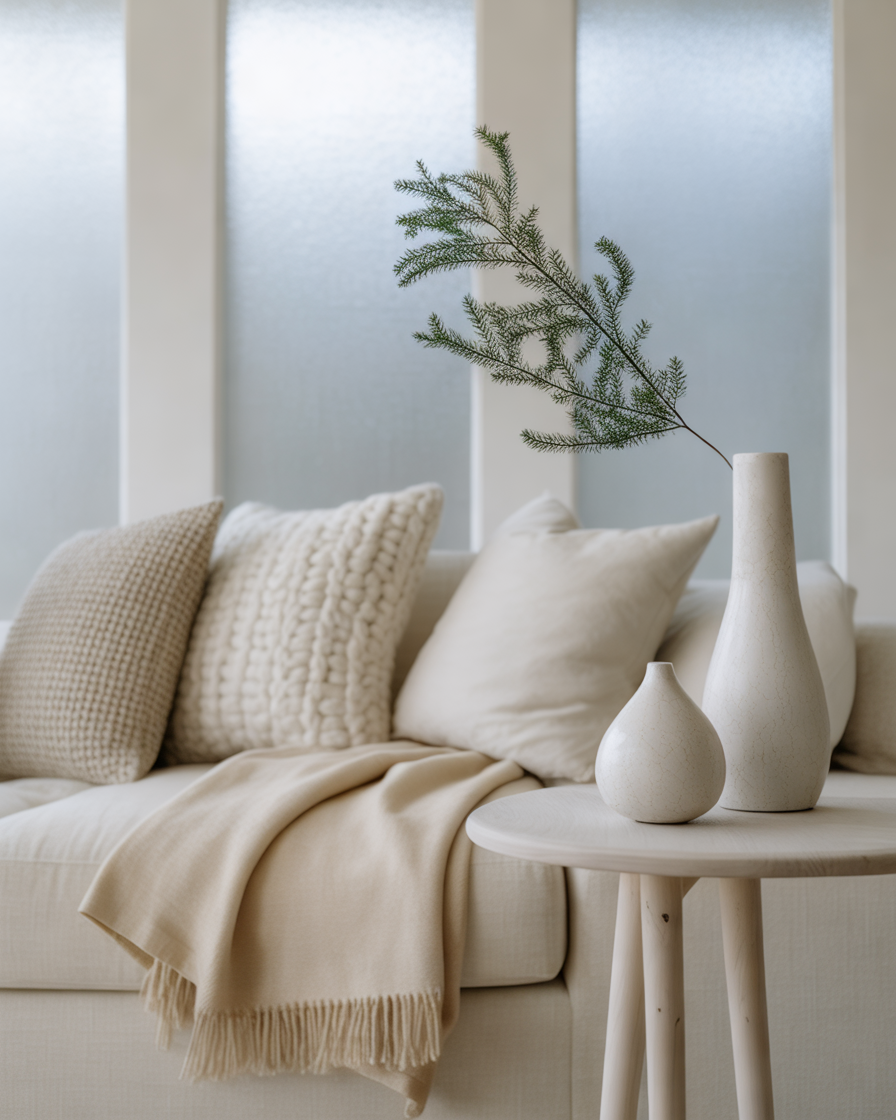
A winter white palette can be beautiful, but I think it works best when the colors are not perfectly identical.
Pure white everywhere can sometimes feel too stark.
Instead, I like layering ivory, cream, oatmeal, pale beige, warm white, and soft greige.
These slight differences create dimension while keeping the room peaceful.
For example, you could pair a warm white sofa with cream pillows, an oatmeal throw, a pale wood table, and an ivory ceramic vase.
Texture becomes especially important when decorating with similar colors. Boucle, wool, linen, ceramic, wood, and woven fibers prevent the space from looking flat.
This approach is especially useful if you want a lighter home during the dark winter months.
It reflects natural light beautifully and makes rooms feel fresh after the visual busyness of December.
You can still include darker details for contrast. A charcoal candle holder, dark wooden frame, or small black accent can help anchor the pale palette.
The final look feels snowy and seasonal without relying on literal snowflake decorations.
9. Turn Your Bedroom Into a Winter Retreat
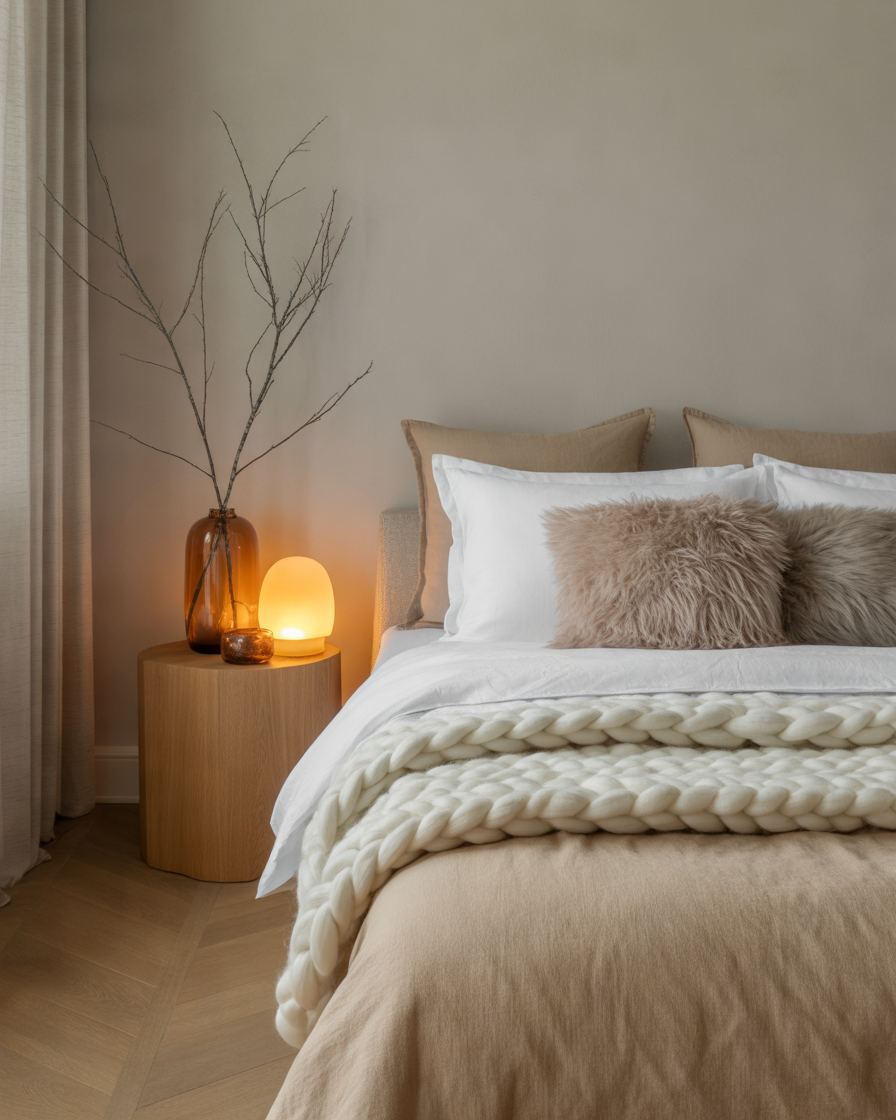
January always makes me want my bedroom to feel extra comfortable.
Instead of decorating it heavily, I focus on the bed and lighting.
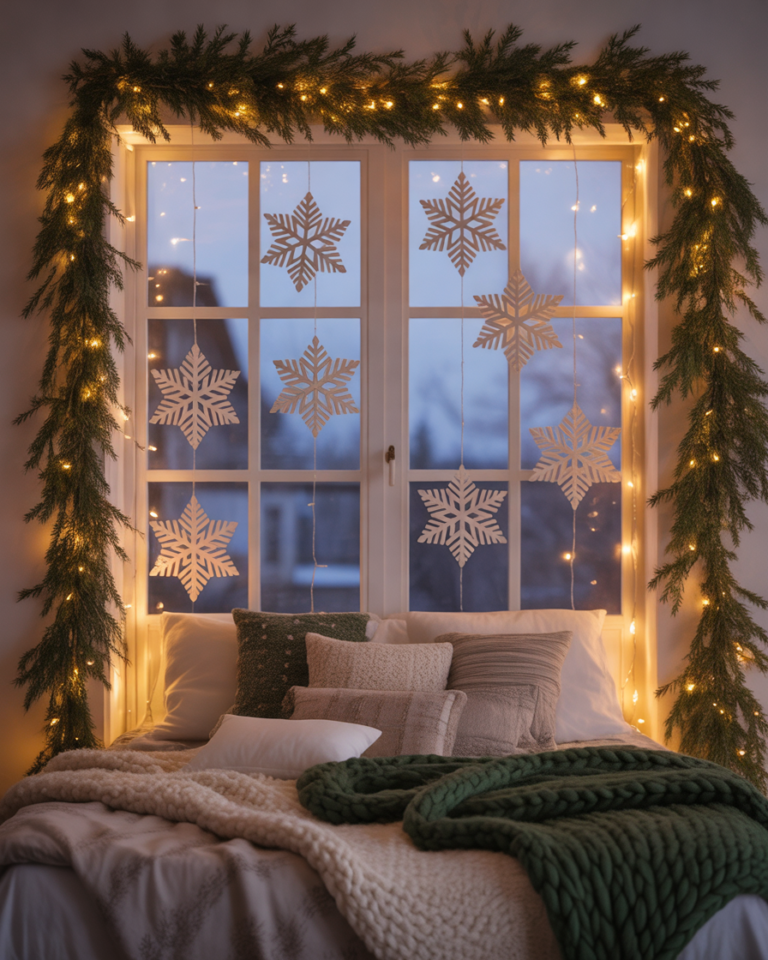
Start by layering your bedding. A duvet, folded quilt, knit throw, and a few soft pillows can make the entire room feel more inviting.
If possible, switch very lightweight summer fabrics for materials with a little more texture.
You do not necessarily need dark colors. Cream, oatmeal, beige, dusty blue, muted green, and warm gray all create a relaxing winter atmosphere.
On the bedside table, keep the styling simple. A small lamp, a book, a ceramic mug, and a vase containing one or two bare branches can be enough.
I also like replacing bright overhead lighting with softer bedside lamps in the evening.
Winter bedroom decor should make you want to slow down.
You are not trying to recreate Christmas in the room. You are creating a comfortable retreat for long nights, quiet mornings, weekend reading, and the slower rhythm that naturally comes with winter.
10. Give the Kitchen Subtle Winter Details
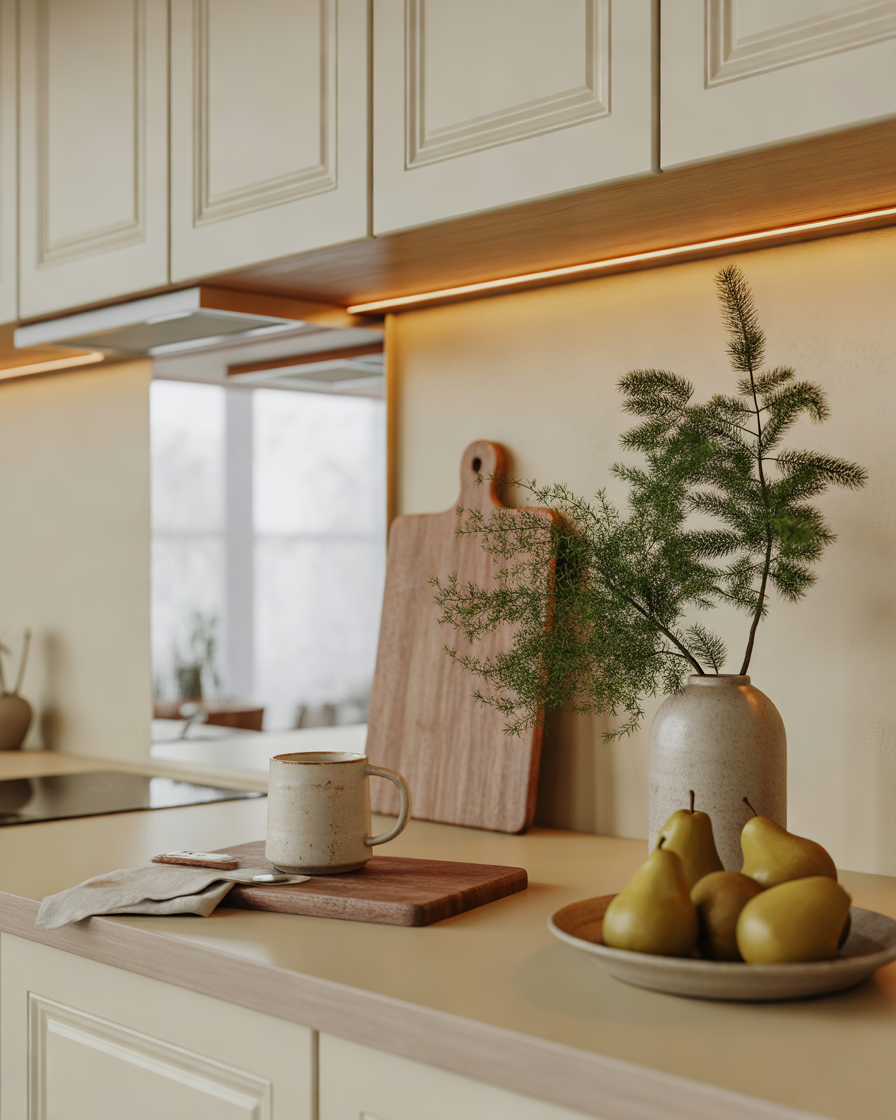
The kitchen is one room where I try not to overdecorate.
After Christmas, I prefer winter kitchen decor that still serves a practical purpose.
Stoneware mugs are perfect because they look cozy while actually being useful. Wooden cutting boards, linen tea towels, ceramic bowls, and glass jars can all contribute to the look without creating countertop clutter.
For greenery, try a small vase containing rosemary, cedar, eucalyptus, or another simple winter branch.
Fresh fruit can also become part of the color palette. Pears, green apples, or citrus arranged in a simple bowl add life to the room.
If your kitchen feels dark, consider warm under-cabinet lighting or a small countertop lamp if the space allows it.
One of my favorite post-Christmas changes is removing anything overly red or glittery and allowing natural food, wood, pottery, and textiles to become the decoration.
The kitchen still feels seasonal, but everything looks more relaxed and intentional.
11. Create a Simple Winter Dining Table
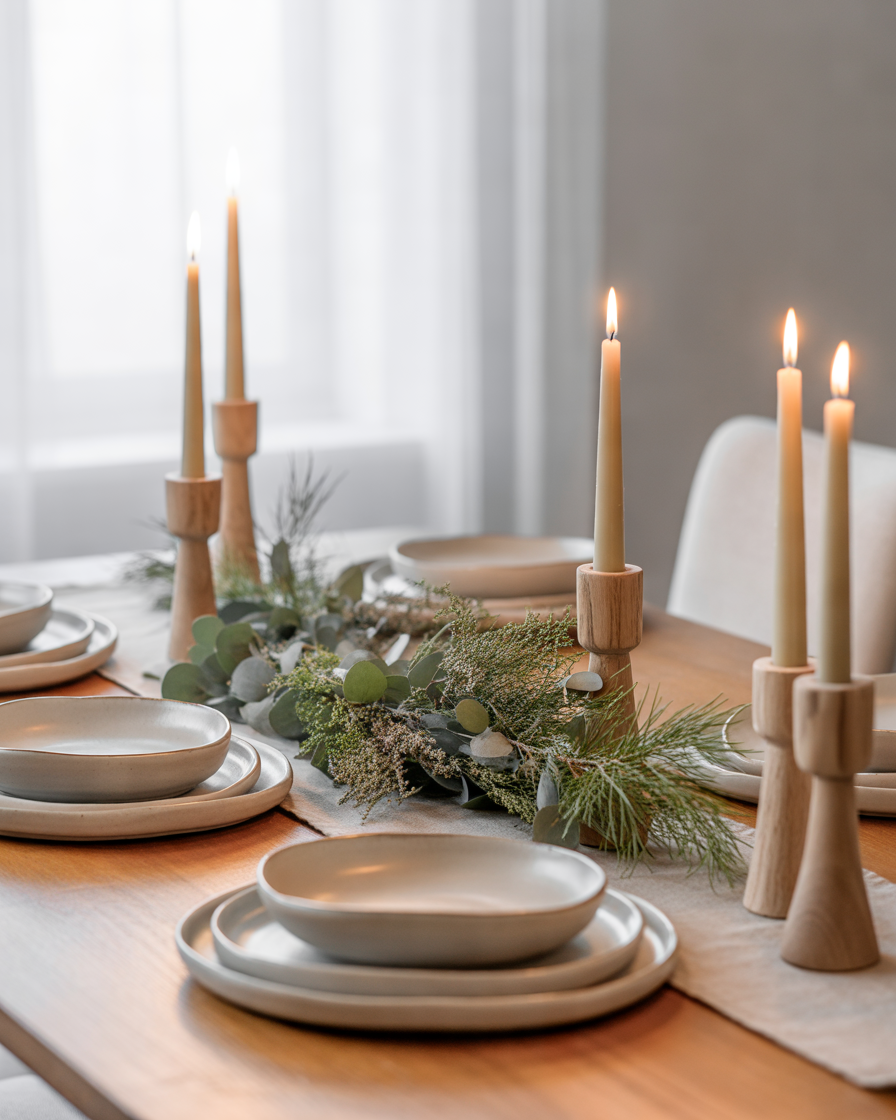
Your dining table does not need a large centerpiece once Christmas is over.
In fact, January is a great time to simplify it.
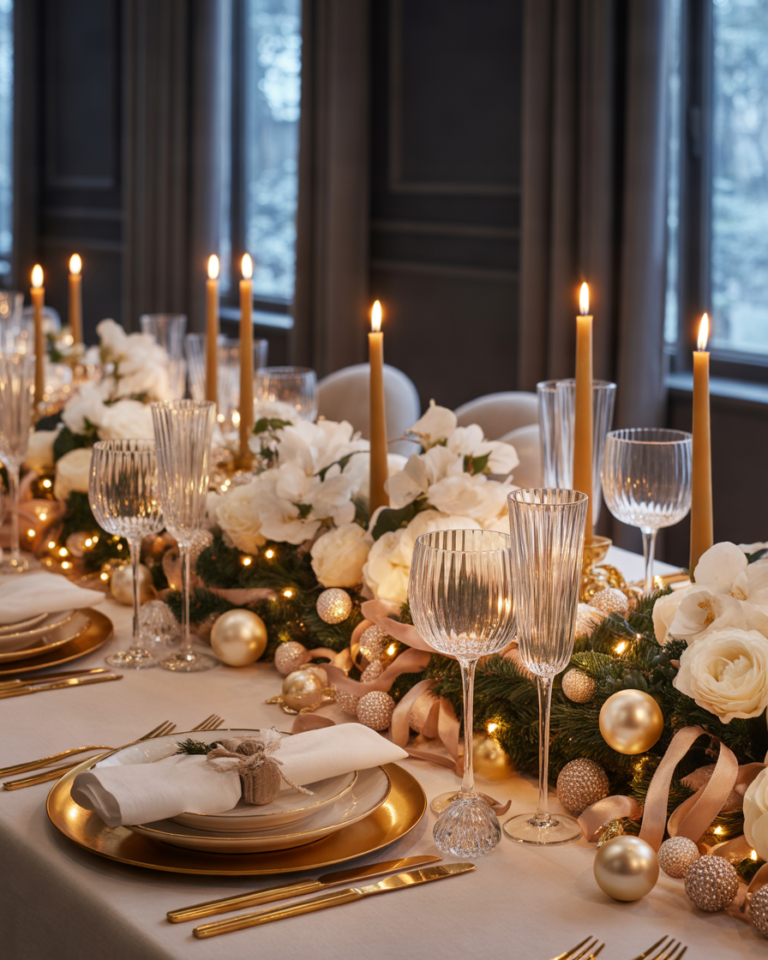
I love starting with a linen runner down the center of the table. Then I add two or three candle holders with ivory tapers and a very loose arrangement of greenery.
You could use eucalyptus, pine, cedar, olive branches, or even bare branches depending on what you have available.
Ceramic bowls and stoneware pieces also work beautifully.
For everyday dining, keep the centerpiece low enough that it does not become annoying when you sit down to eat.
If your Christmas centerpiece used red flowers, ornaments, ribbon, or glitter, you may even be able to reuse the container. Simply replace the festive contents with natural winter materials.
The dining room will still feel styled without looking like you forgot to take down your Christmas decorations.
That balance is exactly what I want from winter home decor after Christmas.
12. Create a Cozy Winter Reading Corner
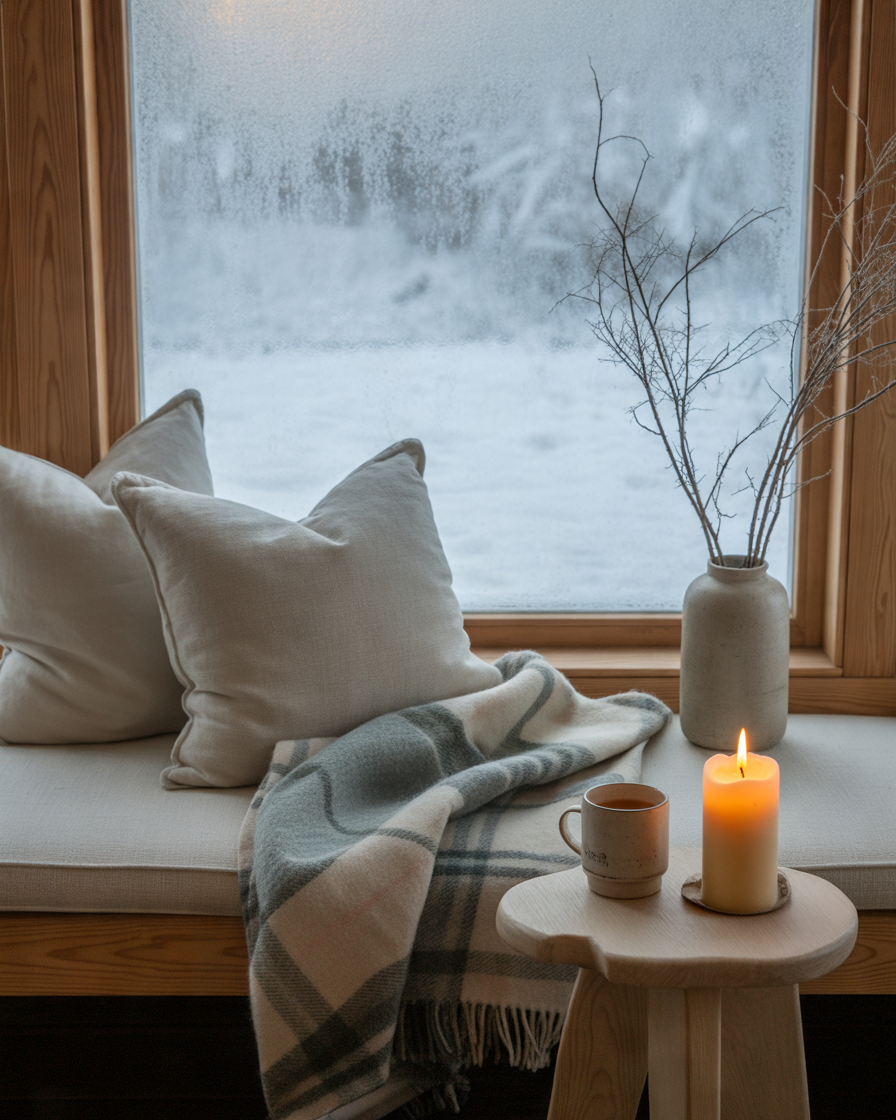
Winter is the perfect excuse to create one corner of the house that is designed entirely around comfort.
You do not need a built-in window seat to make this work.
Choose an armchair near a window, place a small side table beside it, and add a warm floor or table lamp.
Then add one soft blanket and a supportive pillow.
Keep a basket nearby for books, magazines, or an extra throw.
I love including a little table large enough for tea or coffee because it makes the space feel intentionally designed for slow winter mornings.
If the view outside is gray or snowy, let that become part of the atmosphere instead of fighting it.
Keep the surrounding decor quiet. A small vase with bare branches or one candle is usually enough.
This kind of winter decorating improves how you actually use your home. It is not simply about making a room look pretty; it creates a place where you genuinely want to spend time.
13. Restyle Bookshelves With Quiet Winter Accents
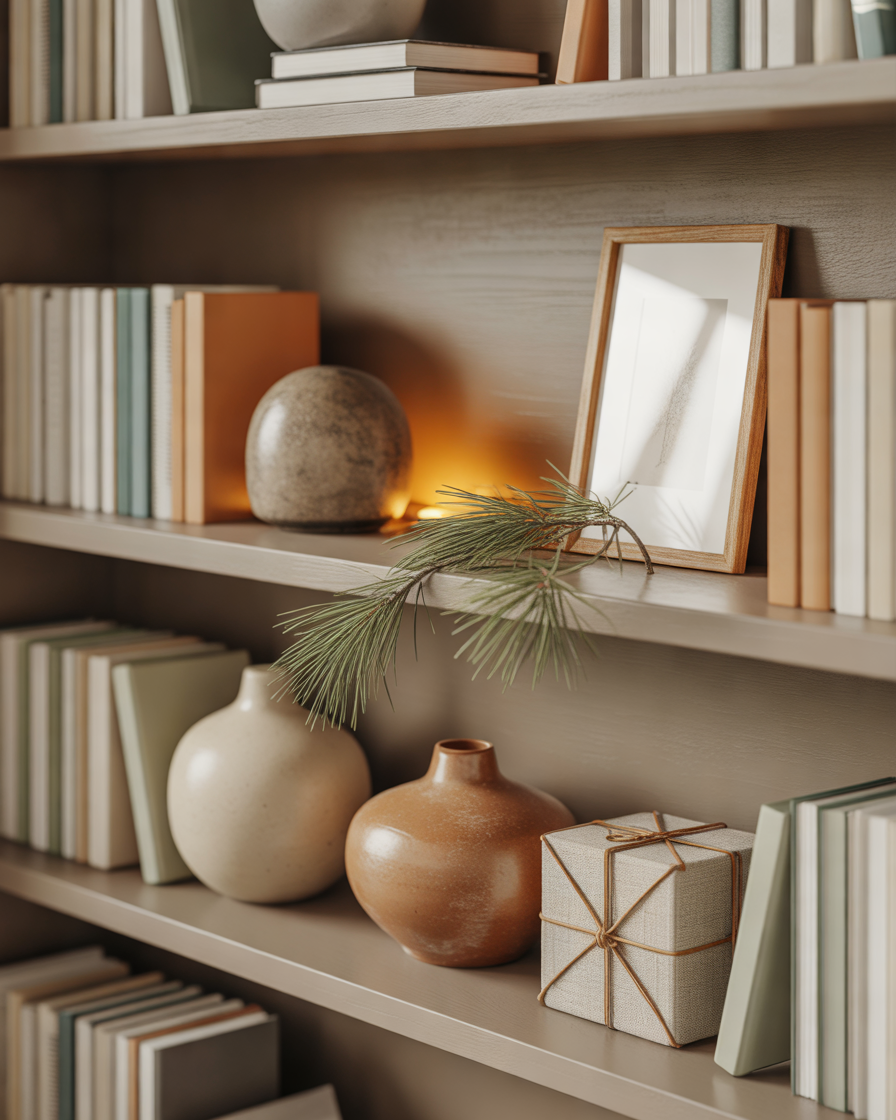
Bookshelves often collect a surprising amount of Christmas decor.
When I remove those seasonal pieces, I like taking the opportunity to restyle the shelves rather than simply putting everything back exactly where it was.
Start by removing unnecessary clutter.
Then arrange books in small groups and mix in a few simple objects such as pottery, framed artwork, wooden pieces, small baskets, or sculptural accessories.
For winter, add one subtle natural element. A short evergreen branch, a pinecone in a bowl, or a vase with bare stems is enough.
Try leaving some empty space too.
Not every inch of a bookshelf needs to hold something.
Negative space makes the objects you keep feel more intentional and can help your entire room feel calmer after the fullness of Christmas.
If your shelves have built-in lighting, use it during dark winter evenings. The soft illumination makes books and natural textures look especially warm.
Think of winter bookshelf styling as editing rather than adding.
14. Give the Bathroom a Cozy Winter Spa Feeling
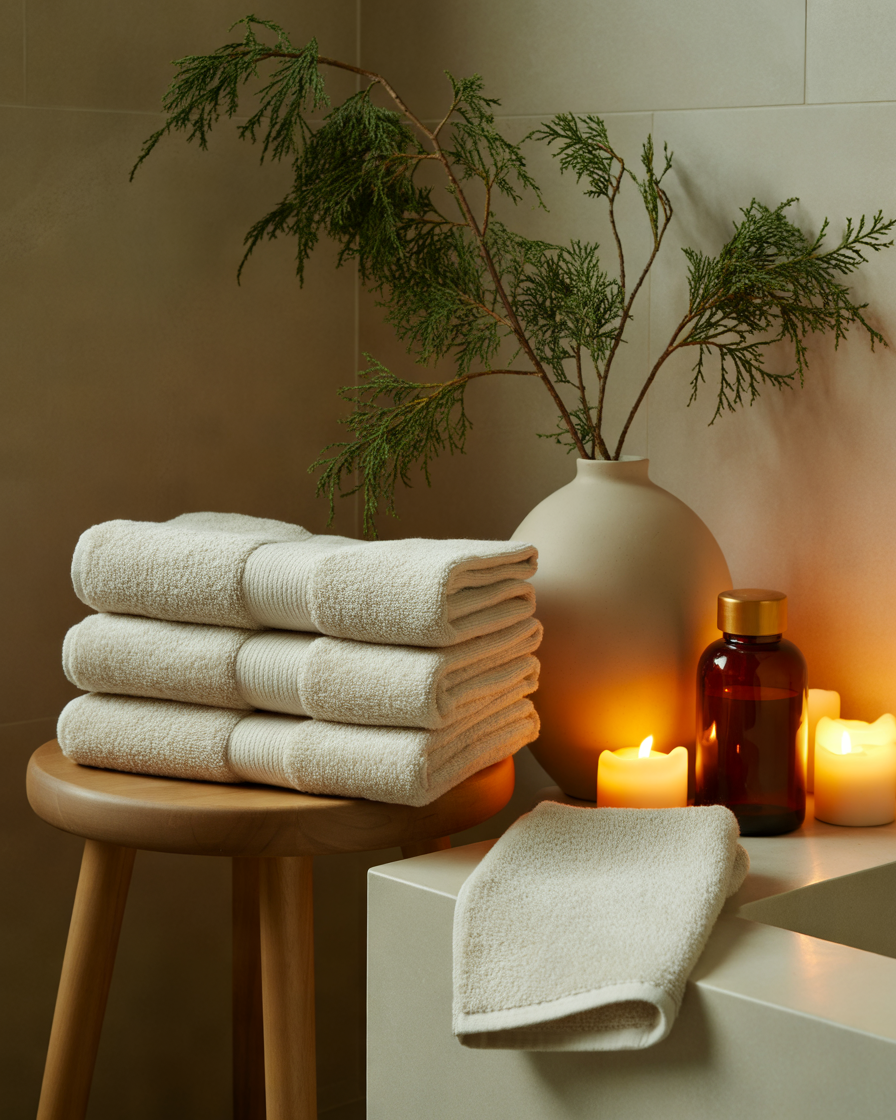
Bathrooms are often forgotten when we talk about seasonal decorating, but a few small changes can make them feel much warmer during winter.
Fresh white or cream towels are a good starting point.
Add a wooden stool, bamboo tray, or small woven basket to introduce natural texture.
A little vase containing cedar, eucalyptus, or another simple green branch can bring in a seasonal detail without making the room look decorated for a holiday.
Amber glass bottles also look lovely during winter, especially against white tile or stone.
If you enjoy baths, candles are an obvious addition. Even beside a shower or sink, one softly glowing candle can make the room feel more peaceful.
I also like keeping the bathroom visually simple during January.
After the activity and color of December, a clean, spa-like space feels refreshing.
The aim is not to fill the bathroom with winter-themed objects. It is to make everyday routines feel slightly warmer, calmer, and more luxurious.
15. Keep Your Winter Decor Simple and Intentional
The most important lesson I have learned about decorating after Christmas is that winter decor does not require a lot of stuff.
In fact, I usually enjoy my home more when I decorate less.
Choose a few repeating materials and use them throughout the house. For me, that might be natural wood, cream textiles, woven baskets, ceramic pieces, winter greenery, and candles.
Repeating similar colors and materials from room to room makes the entire home feel connected.
It also saves money because you can move pieces around instead of constantly buying new seasonal decorations.
Before purchasing anything, I recommend shopping your own home first. A blanket from the bedroom might work beautifully in the living room. A ceramic pitcher could become a vase. A wooden bowl from the kitchen might become a coffee table centerpiece.
January can be a wonderful month for editing your surroundings.
After the abundance of Christmas, simpler rooms often feel surprisingly luxurious.
Keep the pieces that make your home warmer, more comfortable, or more beautiful and let the rest of the room breathe.
Decorating for winter after Christmas does not have to mean replacing one collection of seasonal decorations with another. For me, the best winter home decor after Christmas is softer and more natural.
It is about candlelight on dark evenings, blankets within easy reach, warm wood, comfortable fabrics, simple branches, beautiful everyday objects, and rooms that invite you to slow down.
Christmas may be finished, but the cozy season certainly is not.
By removing the obvious holiday decorations while keeping warmth, texture, nature, and soft lighting, you can create a home that feels fresh for January and comfortable enough to enjoy all the way until the first signs of spring arrive.