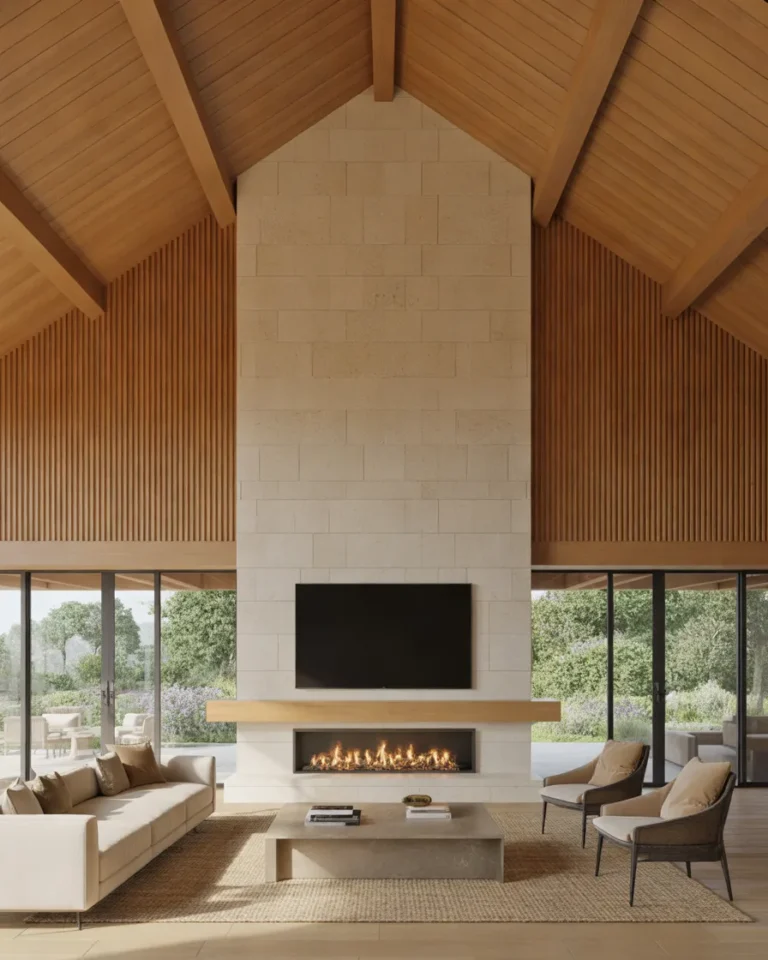
Living room corners are often the most overlooked areas of a home. We spend so much time choosing the perfect sofa, arranging coffee tables, selecting wall colors, and decorating shelves that those little empty spaces in the corners sometimes get forgotten. However, I believe these small areas have much more potential than we give them credit for. With the right furniture, lighting, plants, and decorative accessories, even an awkward corner can become one of the most attractive features of your living room.
The best part is that decorating a living room corner does not always require expensive furniture or a complete room makeover. Sometimes, a comfortable accent chair, a beautiful indoor plant, or a thoughtfully placed floor lamp is all you need to make the space feel intentional. Whether you have a spacious family living room, a small apartment, or an open-plan layout, there are plenty of creative ways to make those unused corners more functional and visually appealing.
In this guide, I am sharing 15 living room corner decor ideas that combine beauty, comfort, and practicality. From cozy reading spots and stylish floating shelves to elegant display cabinets and indoor garden corners, these ideas will help you make better use of every available inch while creating a living room that feels welcoming and thoughtfully decorated.
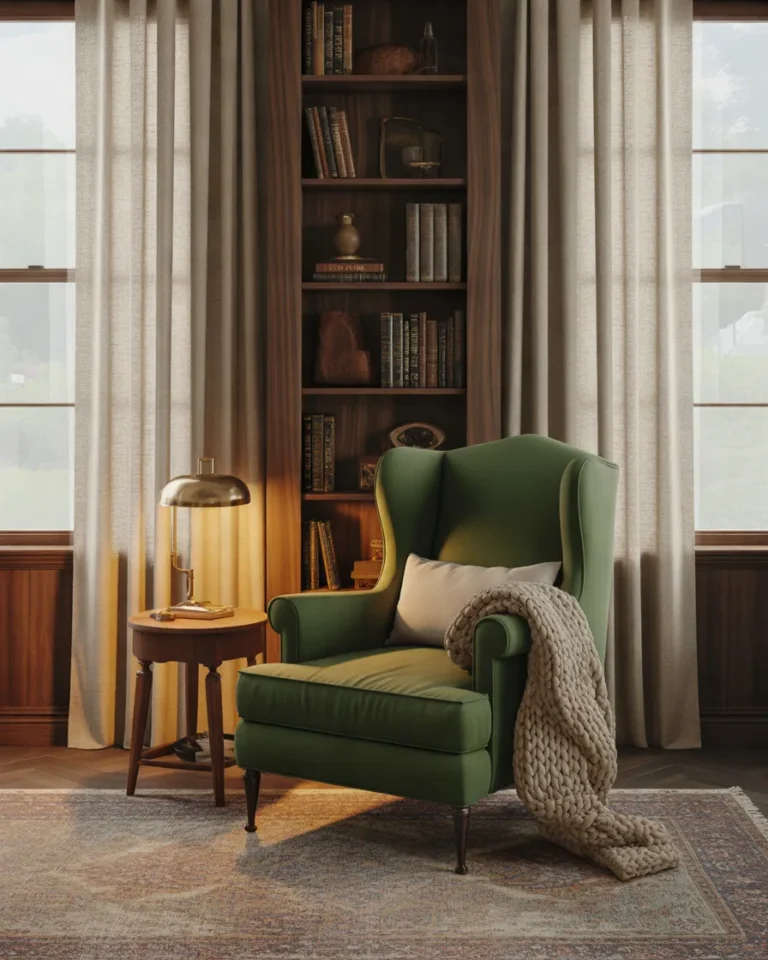
1. Create a Cozy Reading Nook With a Comfortable Accent Chair
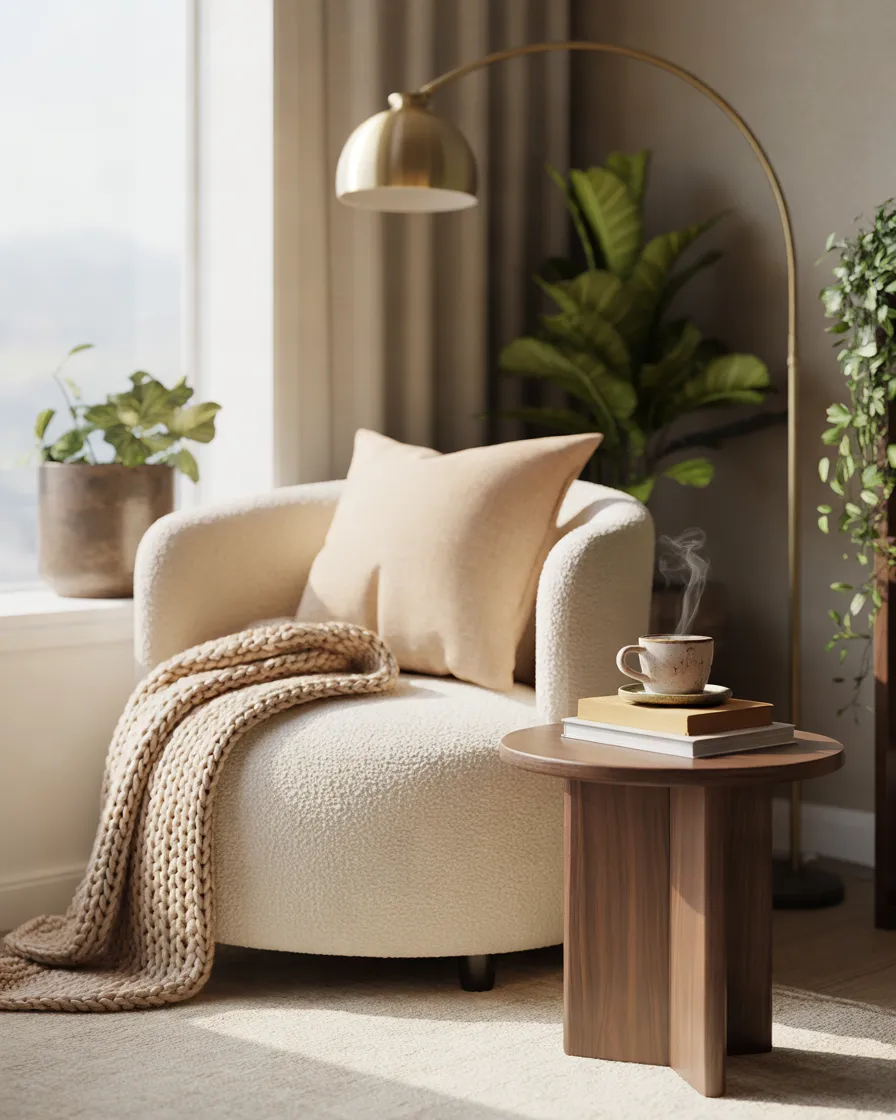
One of my favorite ways to decorate an empty living room corner is to turn it into a small reading nook. Instead of leaving the space unused, you can create a comfortable little retreat where you can enjoy your morning coffee, read a book, or simply relax after a busy day.
Start with a comfortable accent chair that complements your existing living room furniture. A soft upholstered armchair in beige, cream, olive green, or warm brown can make the corner feel inviting without overwhelming the room. Add a small round side table next to the chair to hold books, reading glasses, or a coffee cup. A soft throw blanket and one or two decorative cushions will make the arrangement even more comfortable.
Lighting is particularly important in a reading nook. I recommend adding an adjustable floor lamp beside the chair so you have enough light for reading in the evening. If you have a little extra space, consider adding a narrow bookshelf to keep your favorite books within reach.
This idea works beautifully in both large and small living rooms. Even a relatively narrow corner can accommodate a compact chair and a small table if you choose furniture with suitable proportions.
2. Add a Statement Accent Chair for an Elegant Look
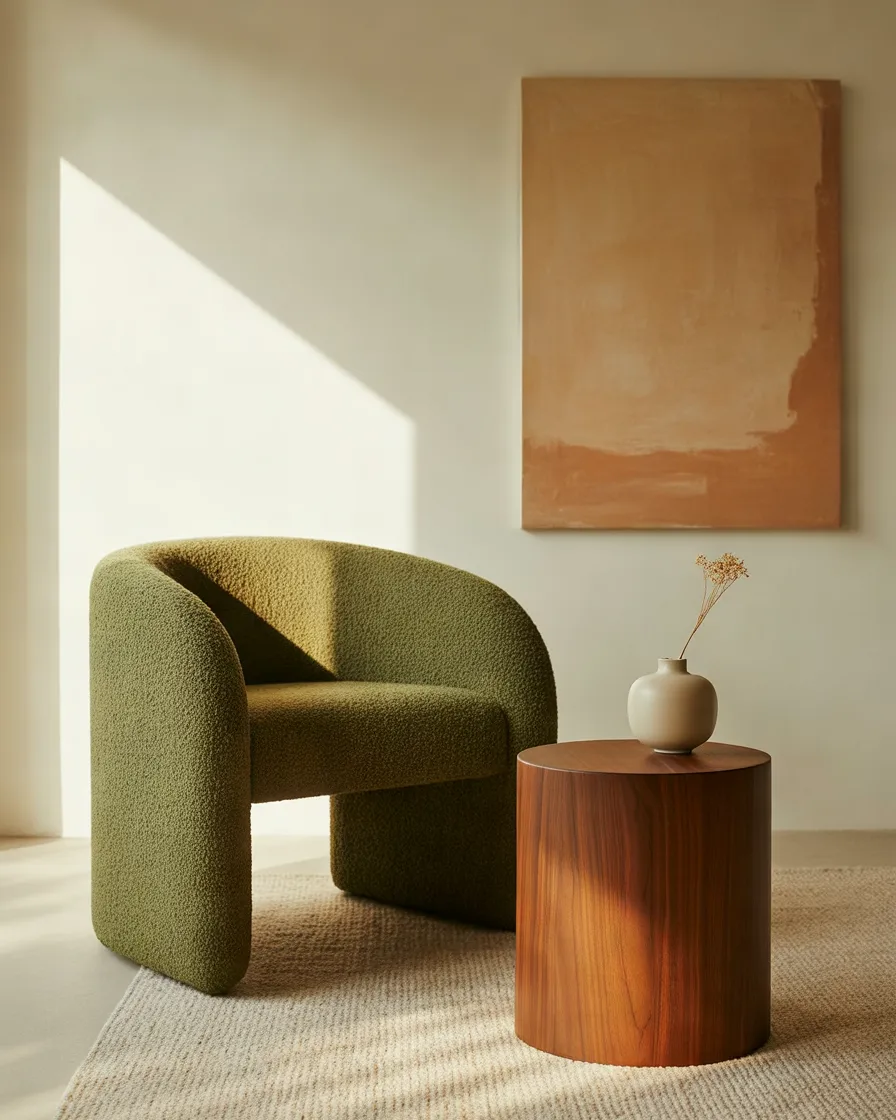
Sometimes, the simplest decorating solution is also the most effective. If your living room has an empty corner that feels incomplete, placing a beautiful statement chair there can instantly make the entire space look more polished.
Rather than choosing an ordinary chair, look for something with an interesting shape, distinctive upholstery, or an attractive frame. A curved accent chair, sculptural wooden armchair, or modern swivel chair can become a decorative feature even when nobody is using it.
I particularly like accent chairs in colors that complement the existing living room palette without matching everything exactly. For example, a deep olive green chair looks beautiful against warm white walls, while a caramel leather chair can introduce warmth into a contemporary neutral interior.
To complete the arrangement, add a small side table, a decorative cushion, and perhaps a textured rug underneath. Keep the surrounding area relatively simple so the chair remains the main attraction.
This is one of the easiest living room corner decorating ideas for homeowners who want to improve the appearance of their space without adding too many accessories. It also works particularly well when you already have enough seating but want your living room to feel more thoughtfully styled.
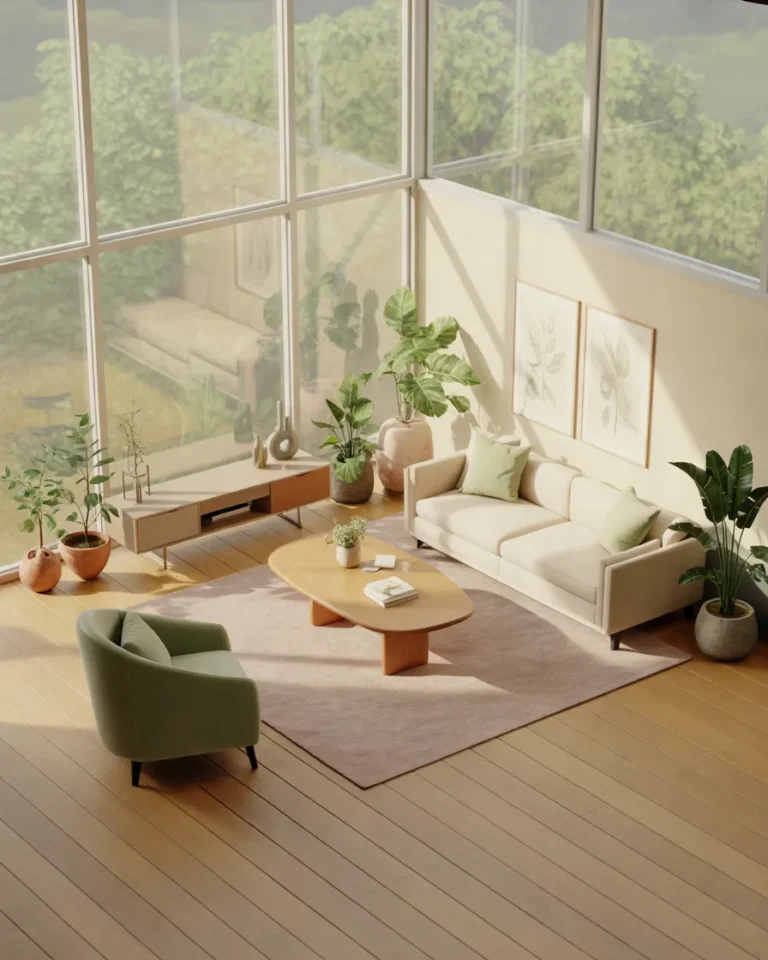
3. Bring Nature Indoors With a Tall Indoor Plant
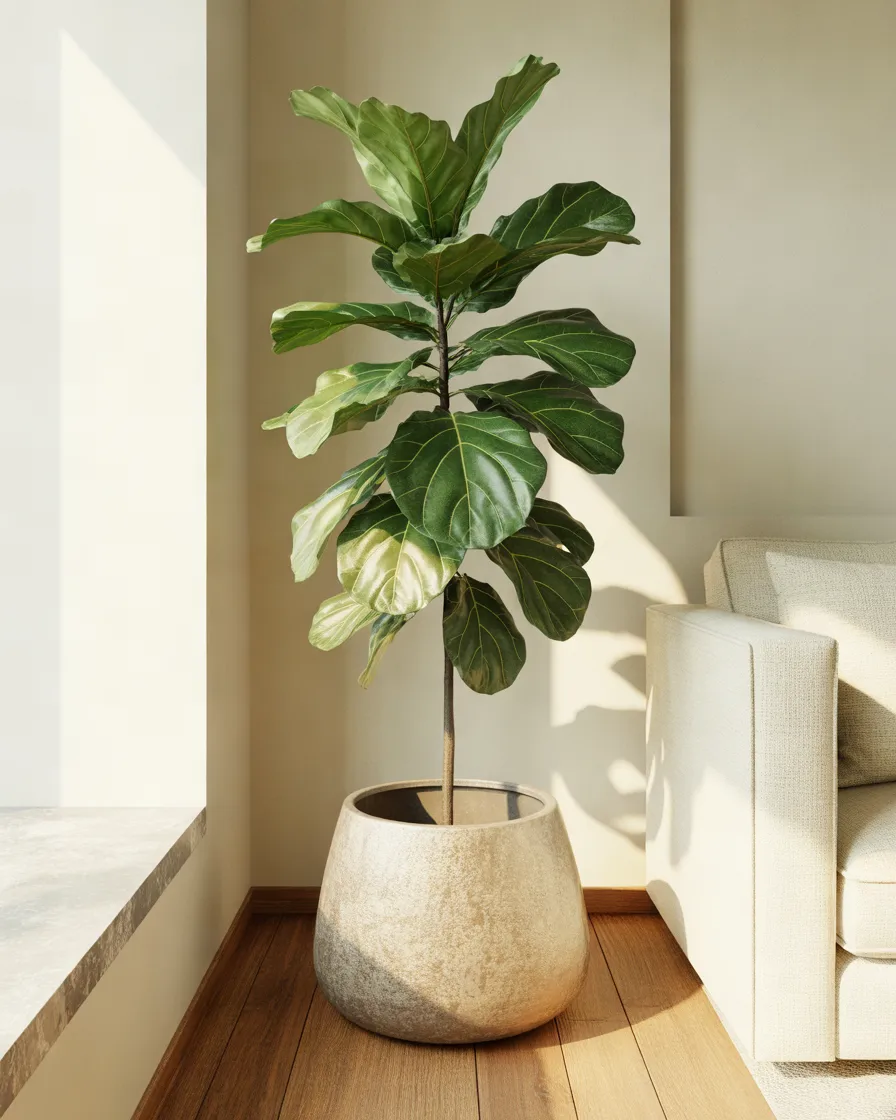
An empty living room corner is a wonderful place to introduce natural greenery. Indoor plants soften the appearance of furniture, add visual interest, and help create a more relaxed atmosphere. If your living room feels a little too formal or has too many hard surfaces, a beautiful plant can make a noticeable difference.
For a corner with sufficient ceiling height, consider a fiddle-leaf fig, bird of paradise, rubber plant, or indoor olive tree. These plants have attractive silhouettes and can fill vertical space without requiring additional furniture.
Choose a decorative planter that complements your interior design. A large terracotta pot works beautifully in rustic and Mediterranean-inspired rooms, while a matte white or textured stone planter suits minimalist interiors. Woven baskets are another lovely option if you prefer a softer, natural appearance.
Before selecting a plant, consider the amount of natural light available in your chosen corner. Some plants need bright indirect sunlight, while others tolerate lower-light conditions. You can also use a realistic, high-quality artificial plant if your corner does not receive enough natural light.
I would avoid placing several large plants together in a small corner because they can make the room feel crowded. One carefully selected plant with an attractive planter often creates a much better result.
4. Install Floating Corner Shelves for Stylish Storage
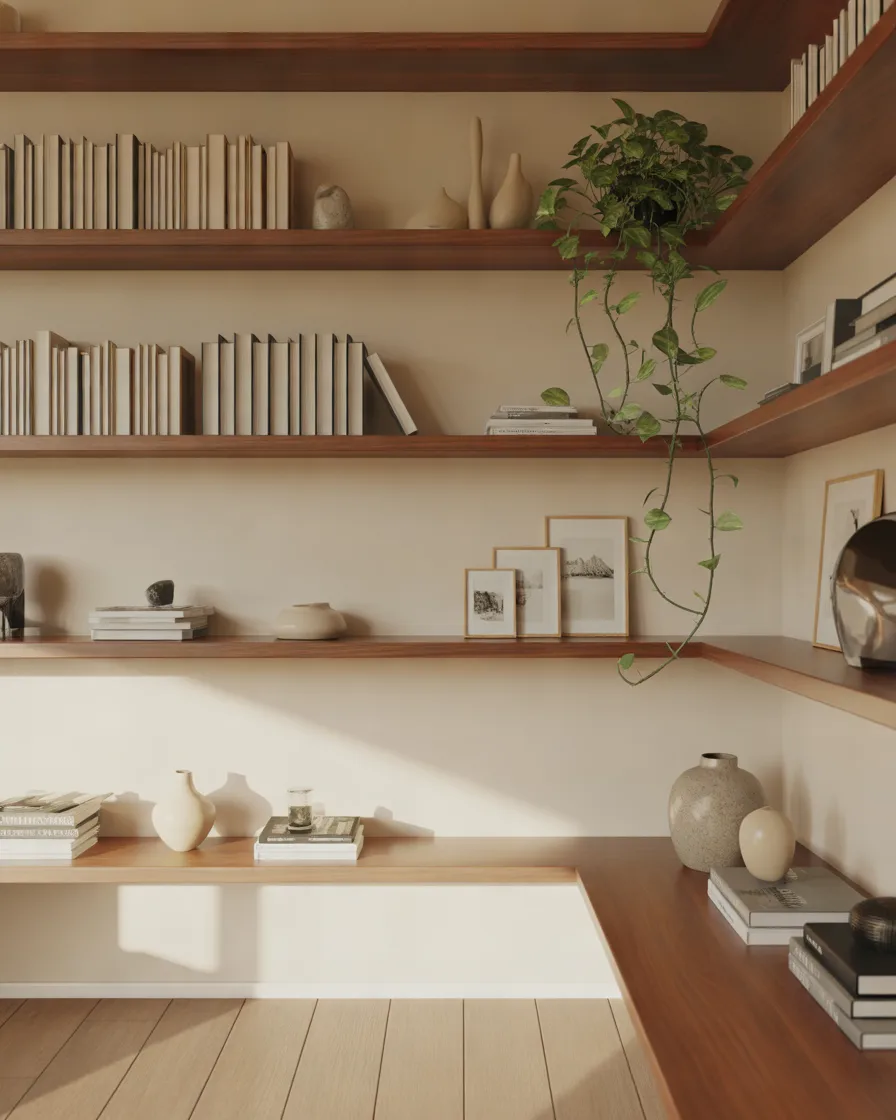
If you want your living room corner to look attractive while providing additional storage, floating shelves are an excellent option. They make use of vertical wall space and allow you to display decorative objects without taking up valuable floor area.
You can install triangular shelves designed specifically for corners or use two sets of slim floating shelves that meet along adjoining walls. Wooden shelves are particularly versatile because they introduce warmth and work with many interior styles. For a more contemporary appearance, consider white, black, or natural stone-look finishes.
The secret to making floating shelves look beautiful is choosing what to display. I recommend combining a few hardcover books, small ceramic vases, framed photographs, decorative bowls, and one or two trailing plants. Vary the heights and shapes of the objects so the arrangement feels natural rather than overly organized.
Avoid filling every shelf with decorations. Leaving some empty space creates visual balance and makes individual accessories stand out.
Floating corner shelves are especially useful in apartments and smaller living rooms where bulky cabinets might make the space feel cramped. They also provide a great opportunity to introduce your personality through meaningful objects and favorite decorative pieces.
5. Use a Stylish Floor Lamp to Create a Warm Corner
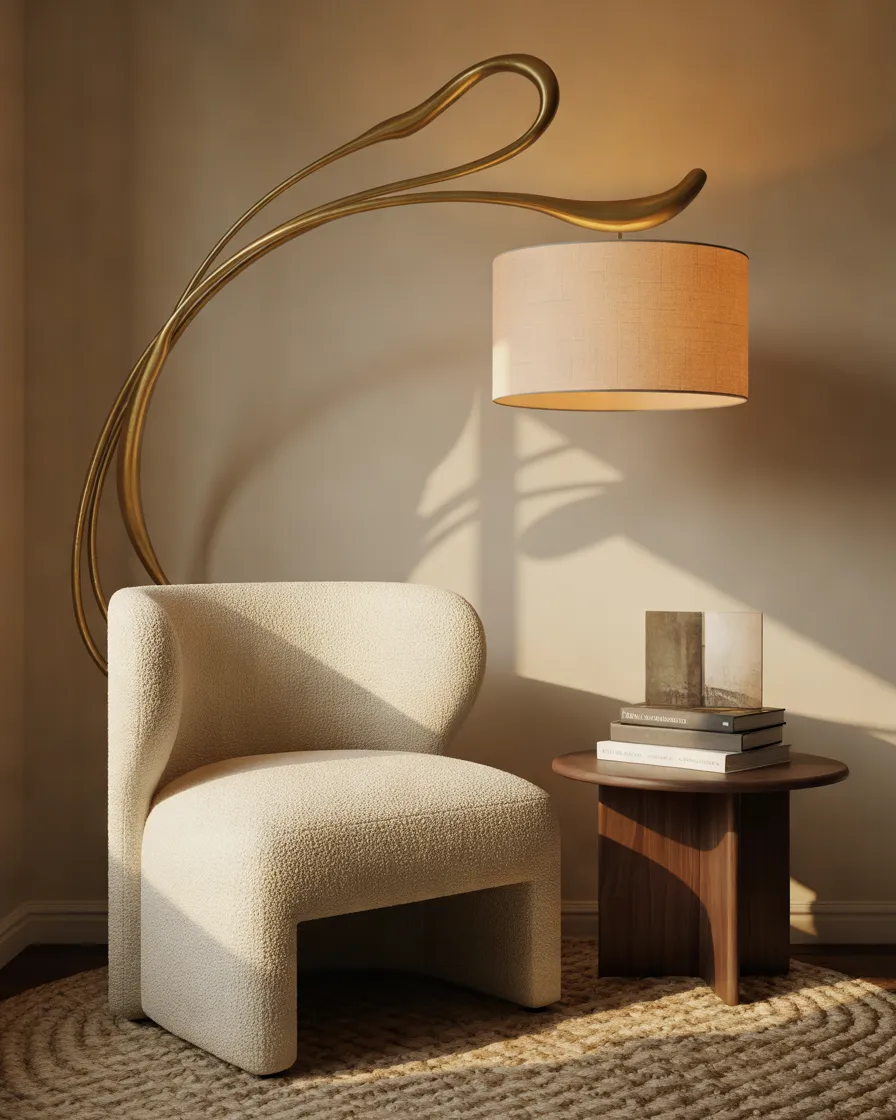
Lighting can completely change how a living room looks and feels. An empty corner that appears dull during the evening can become a beautiful feature with the addition of a carefully selected floor lamp.
I particularly like arc floor lamps because their curved shapes create visual movement and allow light to extend over a nearby seating area. However, tripod lamps, sculptural metal lamps, and tall fabric-shade lamps can also work beautifully depending on your interior style.
For a modern living room, choose a slim black metal floor lamp with a simple shade. If you prefer a softer and more traditional appearance, consider a brass lamp with a warm fabric shade. Wooden floor lamps are another lovely choice for Scandinavian and organic modern interiors.
Think about the type of light you want to create. Warm white lighting generally produces a comfortable atmosphere that works well for relaxing and entertaining. You can also select a dimmable lamp so you can adjust the brightness depending on the occasion.
Complete the corner with a small side table or a decorative floor vase if there is enough room. The goal is to create a balanced arrangement rather than filling the area with unnecessary objects.
6. Design a Beautiful Gallery Wall Around the Corner
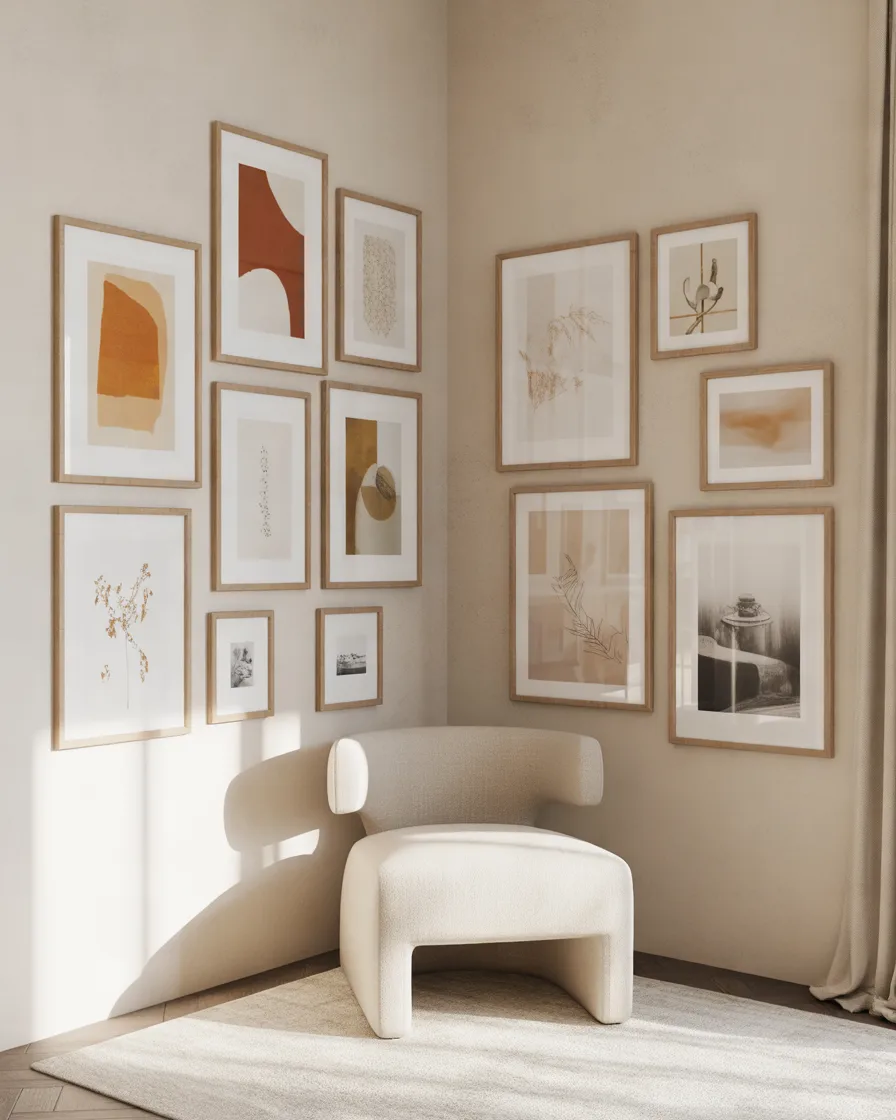
If you enjoy artwork and personal photographs, consider transforming an empty corner into a small gallery-style display. Instead of decorating only one wall, use the adjoining walls to create a visually connected arrangement that makes the corner feel like a deliberate design feature.
You can combine framed abstract paintings, black-and-white photography, botanical illustrations, and meaningful personal photographs. Choose frames in complementary finishes such as natural oak, matte black, brushed brass, or soft white.
One approach I particularly recommend is keeping the artwork within a consistent color palette. For example, a combination of beige, charcoal, muted green, and warm brown artwork can create a sophisticated gallery wall without making the space feel too busy.
Pay attention to the spacing between frames. You do not necessarily need every frame to be identical, but maintaining reasonably consistent gaps will help the arrangement look organized.
A gallery wall can work beautifully above a small console table or an accent chair. If the corner is particularly narrow, choose fewer larger pieces instead of squeezing many small frames into the available area.
This idea is especially useful when you want to make your living room feel personal and expressive without introducing additional furniture.
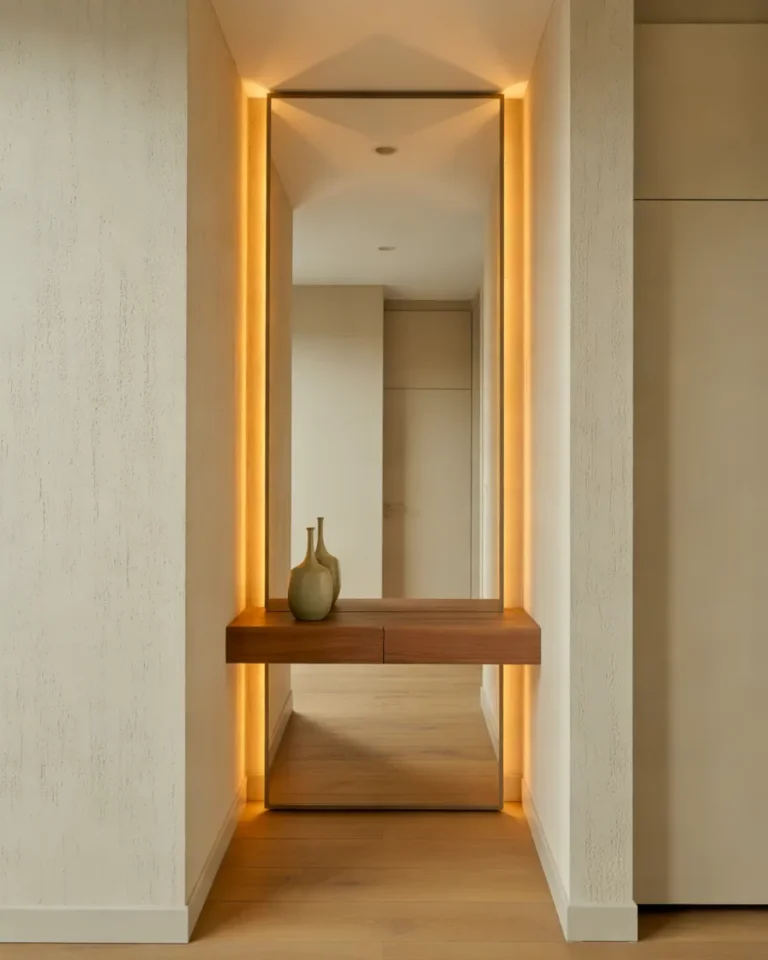
7. Place a Small Console Table in an Empty Corner
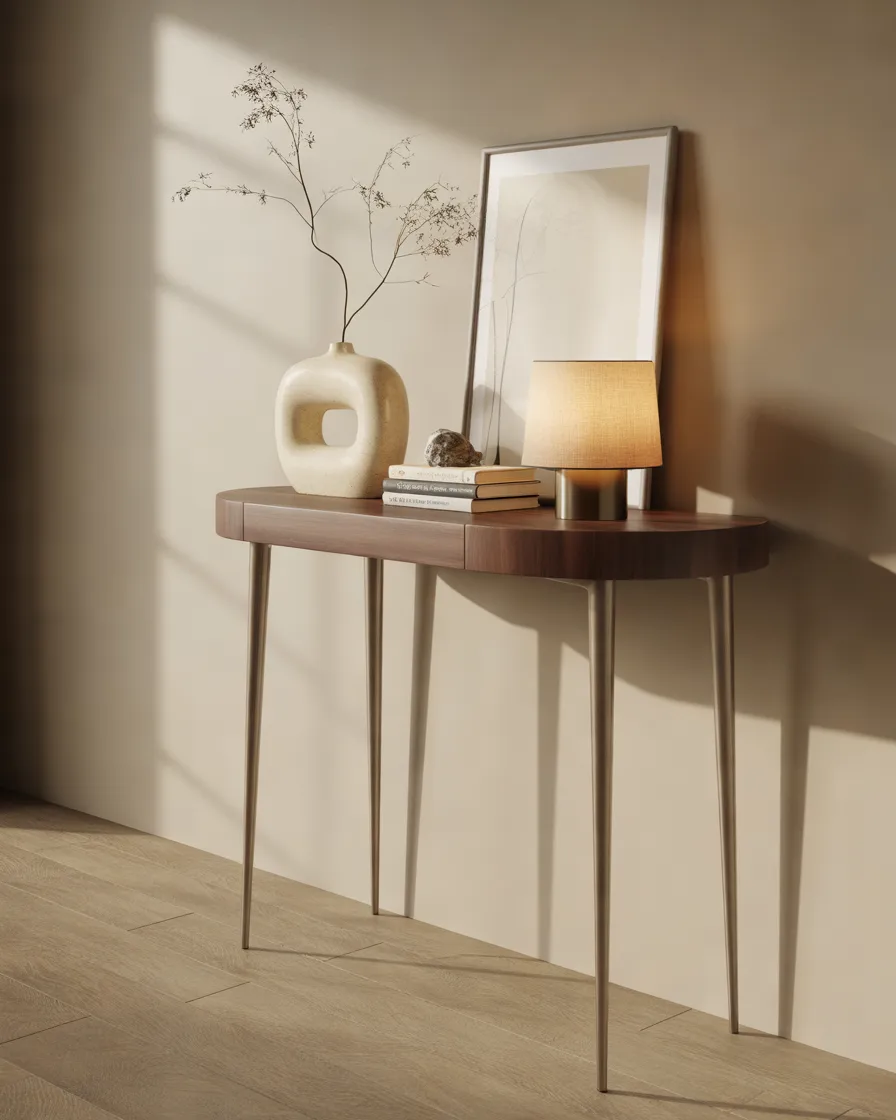
A console table is a versatile furniture piece that can turn an awkward living room corner into a stylish decorative area. It provides a surface for displaying accessories while creating a sense of structure in a space that might otherwise look unfinished.
For a compact living room, I recommend choosing a narrow console table with a slim profile. A curved or half-moon design can work particularly well because it takes up less visual space and softens the sharp lines of the surrounding walls.
Style the tabletop with a decorative ceramic vase, a small stack of books, a framed photograph, and a sculptural accessory. You can also add a table lamp to introduce soft lighting.
If the table has an open lower shelf, use a woven basket or a couple of carefully selected decorative storage boxes. This provides additional functionality without making the arrangement look cluttered.
For a more sophisticated appearance, consider a walnut console table with brass details or a natural stone top. These finishes can add character while remaining relatively timeless.
A console table is also a practical solution for living rooms where you need a small surface for everyday objects but do not have enough space for another large cabinet.
8. Turn an Unused Corner Into a Compact Home Office
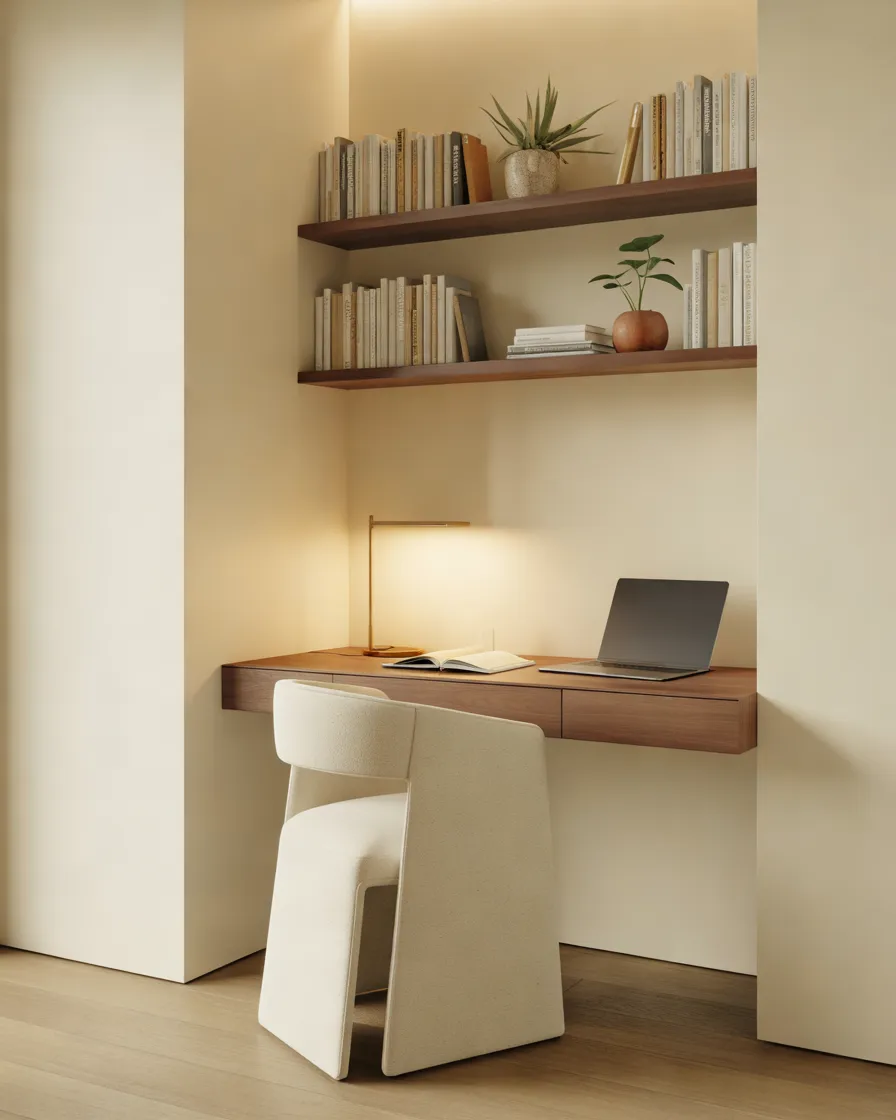
With more people working and studying from home, creating a small workspace in the living room can be a very practical decorating decision. If you have an unused corner, you may be able to turn it into a functional home office without sacrificing too much living space.
Start with a compact writing desk that fits comfortably between the adjoining walls. A floating desk is particularly useful in smaller rooms because it keeps the floor area open. Alternatively, choose a slim wooden desk with built-in drawers for storing stationery and everyday essentials.
Pair the desk with a comfortable chair that complements the rest of your living room furniture. Instead of choosing a traditional bulky office chair, consider an upholstered dining-style chair with proper back support for occasional work.
Add a small desk lamp, a simple organizer, and one or two decorative accessories. If you need extra storage, install a couple of floating shelves above the desk.
One important thing I would recommend is keeping cables, paperwork, and office equipment organized. A living room workspace should feel like a natural extension of your home rather than an office that has taken over the entire corner.
9. Decorate With an Oversized Floor Vase
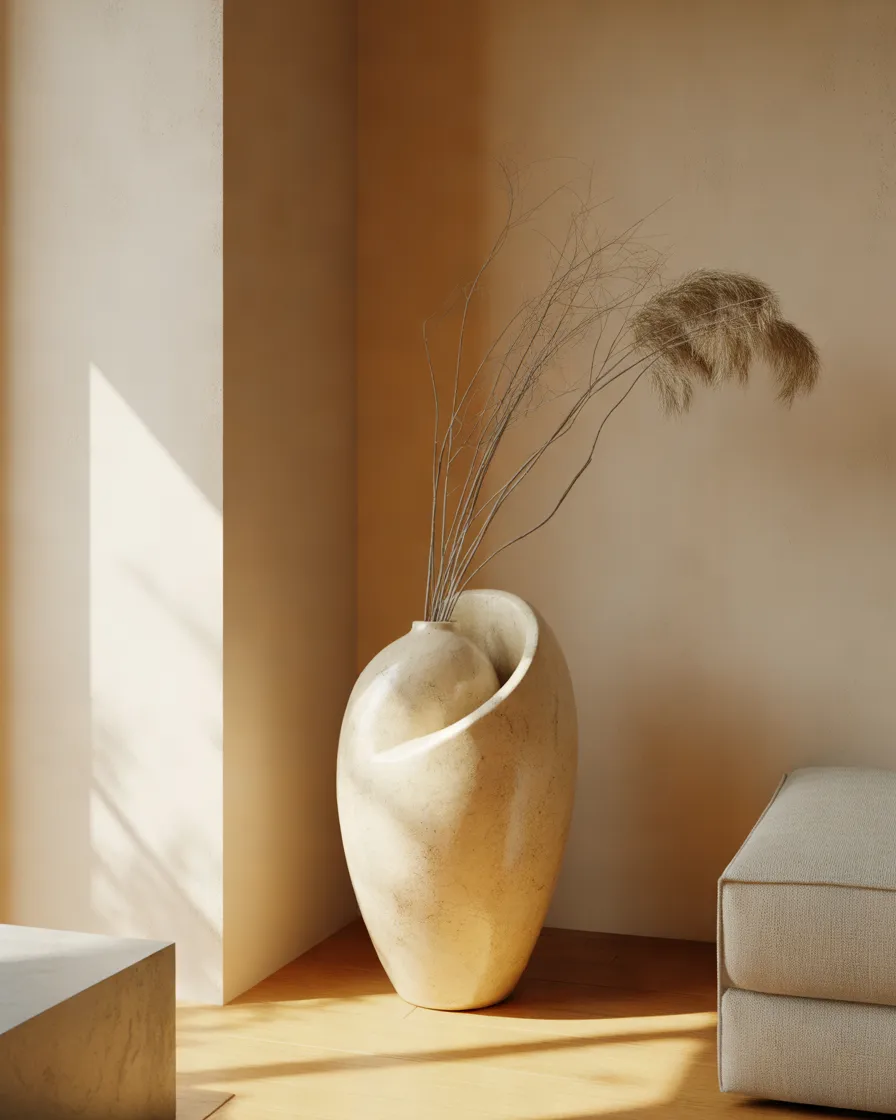
Sometimes an empty corner does not need furniture at all. A beautifully shaped oversized floor vase can provide enough visual interest to make the area feel complete while keeping the floor relatively open.
This is an especially attractive solution if you prefer minimalist interiors or do not want to introduce additional seating and storage furniture.
Look for a large ceramic, stoneware, or textured terracotta vase with an interesting silhouette. Organic shapes and handmade finishes are particularly popular in contemporary and earthy interior styles. Choose a color that complements your existing decor, such as warm white, sand, charcoal, muted brown, or olive.
You can leave the vase empty for a sculptural appearance or fill it with dried pampas grass, decorative branches, eucalyptus stems, or seasonal foliage.
For a more balanced arrangement, consider placing the vase next to a small framed artwork or a simple wall light. However, avoid adding too many accessories around it. The beauty of this idea comes from its simplicity.
This is one of the best living room corner decor ideas for people who want an elegant result with very little effort. It is also easy to update whenever you want to refresh the appearance of your room.
10. Build a Small Corner Bench for Extra Seating
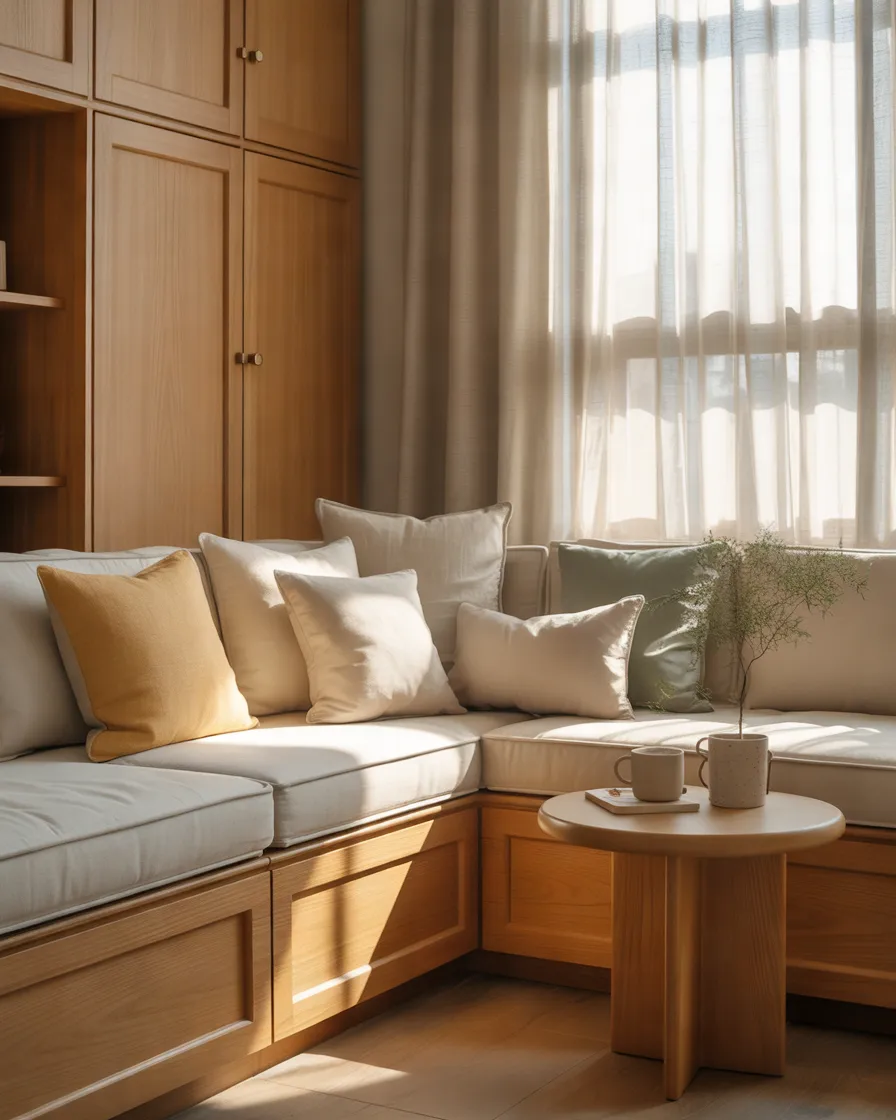
If your living room has an awkward corner near a window or along two adjoining walls, a built-in corner bench can be an excellent way to make the area more functional.
A custom-built L-shaped bench can provide comfortable seating while making use of space that might otherwise remain empty. It is particularly useful for larger families, people who regularly entertain guests, or homeowners who want additional seating without introducing another full-size sofa.
Choose upholstery that complements your existing furniture. Neutral fabrics such as linen, cotton blends, and textured upholstery are versatile options. Add a combination of comfortable seat cushions and decorative pillows to create a welcoming appearance.
You can also incorporate hidden storage beneath the bench. This is especially useful for keeping extra blankets, children’s toys, magazines, or other living room essentials out of sight.
If the bench is positioned near a window, consider using light curtains or Roman blinds to create a softer atmosphere. A small round table nearby can make the space even more useful.
Although a built-in bench requires more planning than ordinary decorative accessories, it can provide a beautiful long-term solution for an awkward corner.
11. Create a Stylish Coffee or Beverage Station
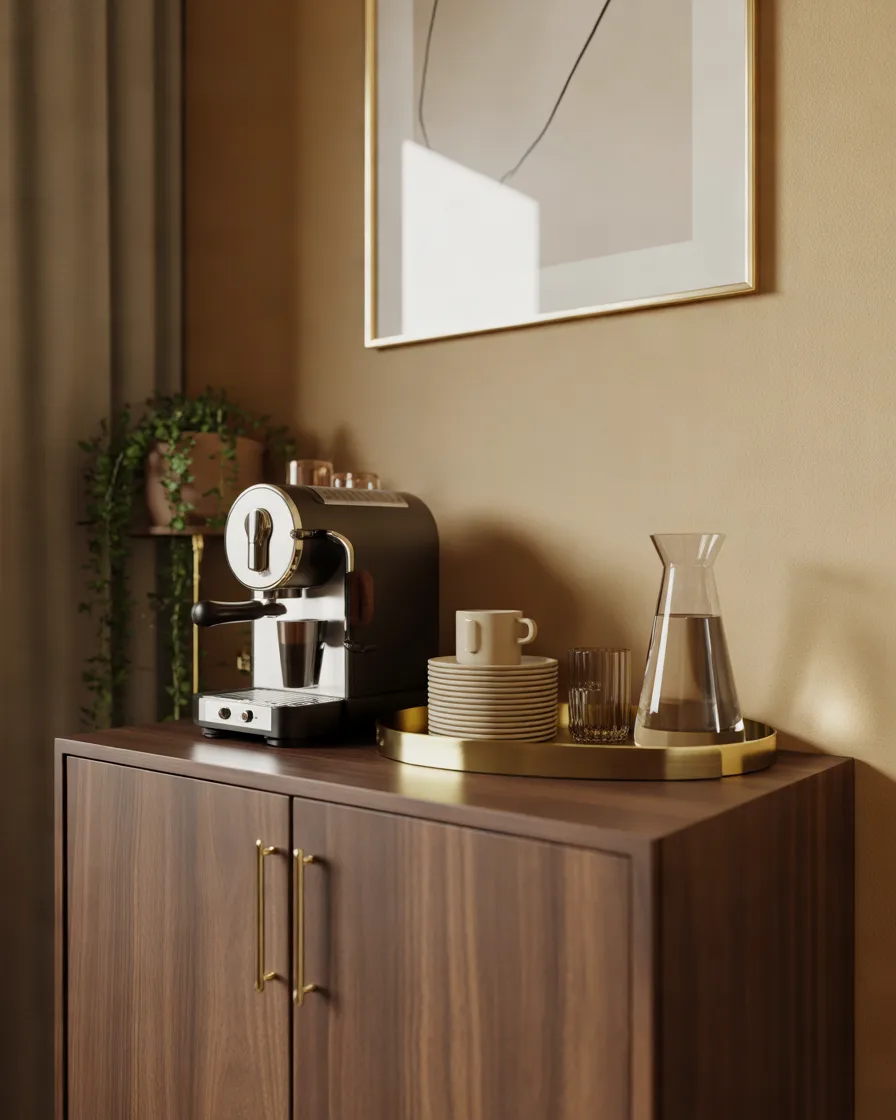
If you enjoy entertaining guests or simply love having your favorite drinks nearby, consider turning a living room corner into a small beverage station.
This idea works particularly well in open-plan homes where the living room connects to the dining area or kitchen. Instead of leaving the corner empty, you can introduce a compact cabinet, small bar cart, or narrow wooden serving table.
For a coffee station, display a coffee machine, attractive mugs, a small tray, and a decorative jar for coffee capsules or accessories. If you prefer a general beverage station, you can arrange glassware, a water carafe, and elegant serving accessories.
Choose furniture that complements your living room rather than looking like an unrelated kitchen unit. Walnut wood, dark stained oak, and simple black metal frames can create a sophisticated appearance.
You can also hang a small framed print above the station or place a table lamp nearby to make the area feel more intentional.
The most important thing is to avoid overcrowding the surface. Keep everyday essentials accessible and store additional supplies inside the cabinet.
12. Add a Glass Display Cabinet for Decorative Collections
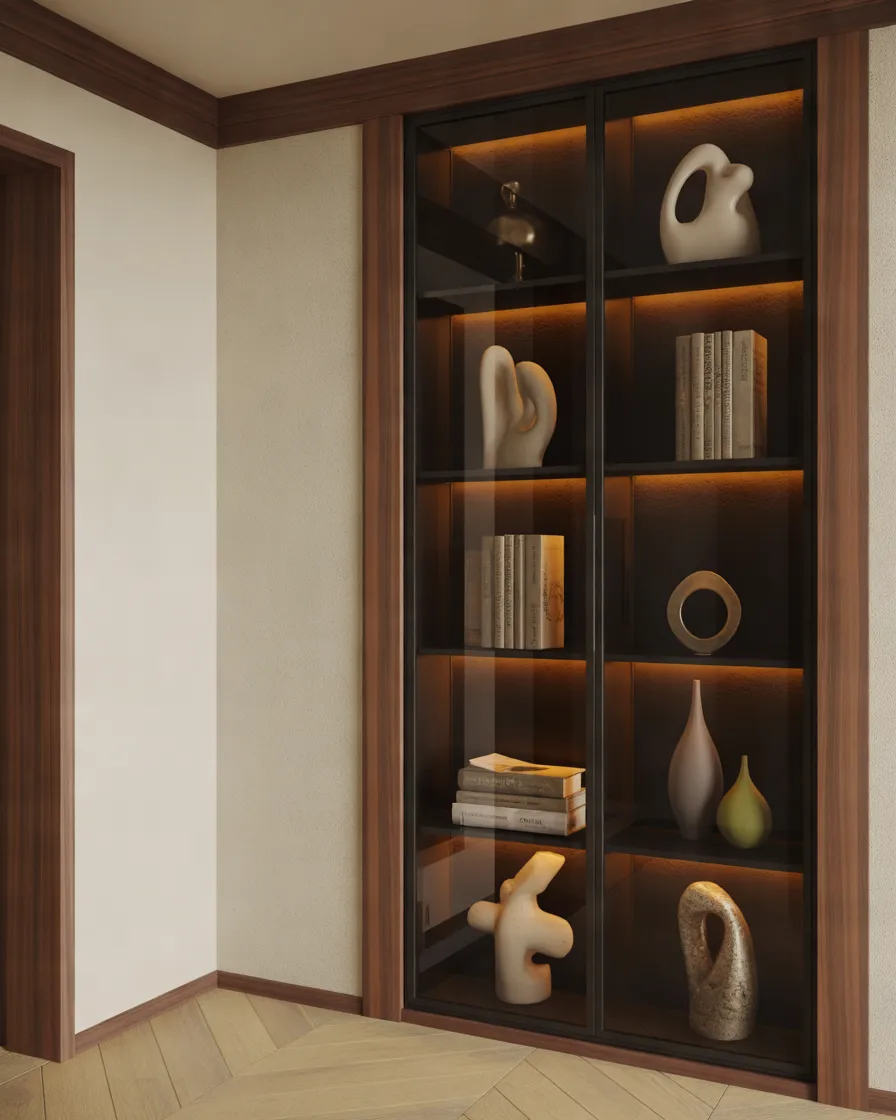
A glass display cabinet is a beautiful way to use a larger living room corner, especially if you have decorative collections, souvenirs, books, or meaningful objects you would like to showcase.
Unlike ordinary closed storage cabinets, glass-fronted furniture allows your favorite pieces to become part of the room’s decoration. A tall cabinet can also introduce vertical interest and make an otherwise empty corner feel more complete.
Choose a cabinet that matches your living room’s overall style. A black-framed glass cabinet looks elegant in modern interiors, while a warm wooden display cabinet can bring character to traditional and transitional spaces.
Inside the cabinet, arrange decorative ceramics, glassware, small sculptures, books, and collected objects. I recommend grouping items by color or material so the display feels coordinated.
If the cabinet includes integrated lighting, use warm LED illumination to highlight the objects without creating excessive brightness. You can also install small battery-operated cabinet lights if appropriate.
Remember to leave some empty space between decorative pieces. A display cabinet should feel curated rather than packed with everything you own.
13. Use a Large Decorative Mirror to Make the Corner Feel Bigger
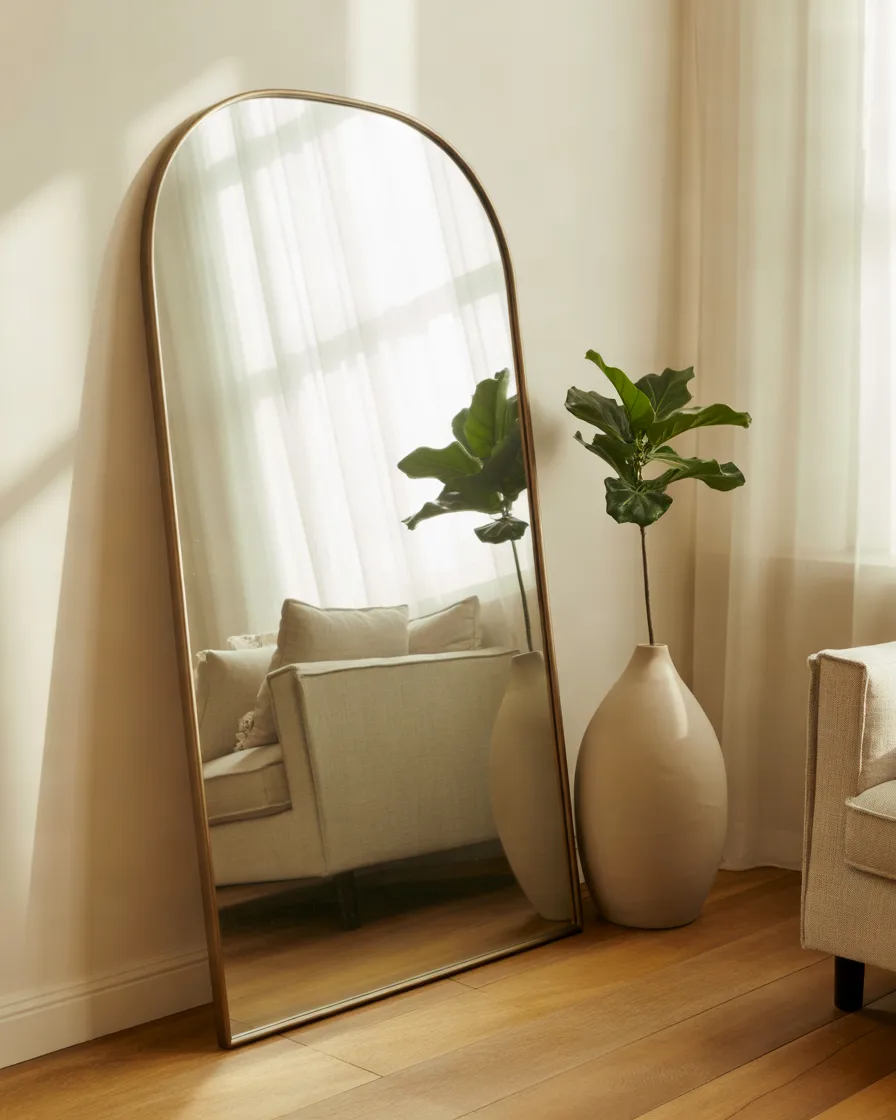
Mirrors are among the most useful decorative elements for living rooms because they can reflect natural light and create a greater sense of visual openness. If your living room has a narrow or slightly dark corner, a large decorative mirror can make a noticeable difference.
You can choose a tall leaning mirror, an oversized round mirror, or a beautifully framed rectangular design. Arched mirrors are particularly attractive in contemporary and transitional interiors because their curved shape softens the appearance of straight architectural lines.
For a warm and elegant look, consider a mirror with a natural wood or antique brass frame. A slim black frame is another excellent choice if you prefer a more modern appearance.
Position the mirror where it reflects something attractive, such as a window, a beautiful light fixture, or a decorative part of your living room. This makes the reflection feel intentional and improves the overall visual balance.
You can place a small plant or decorative floor vase beside the mirror to complete the arrangement.
One detail worth remembering is that a mirror should not reflect clutter or an unattractive area. Think carefully about what will appear in the reflection before deciding where to position it.
14. Design a Small Children’s Play and Reading Corner
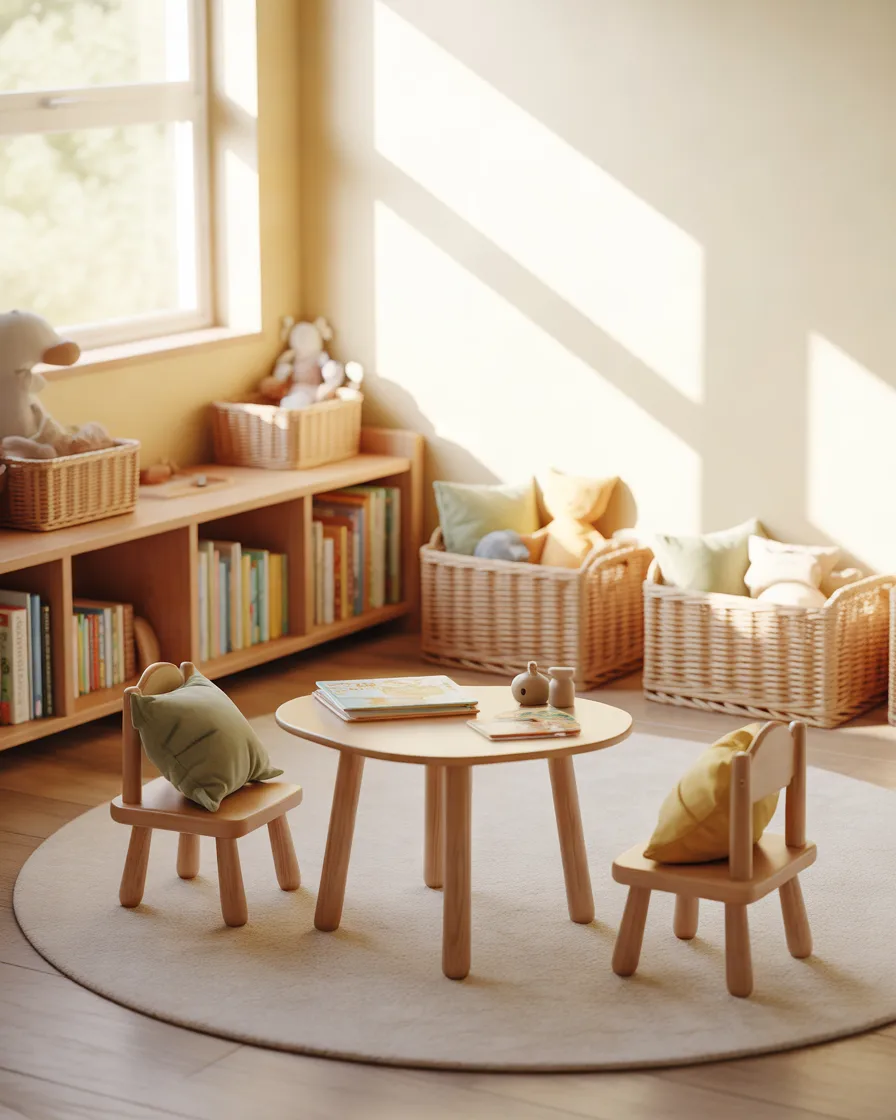
If you have children, an unused living room corner can become a lovely little space dedicated to reading, drawing, and quiet play. This is a particularly practical option for families who want to keep children engaged while maintaining a shared family living area.
Start with a soft washable rug or a comfortable floor cushion to create a defined activity area. Add a low bookshelf or front-facing book rack so children can easily see and select their favorite stories.
A small storage basket can hold toys, coloring books, puzzles, and other creative materials. If you have enough room, include a child-sized table and chair for drawing or simple craft activities.
Choose colors that complement the rest of your living room. Soft sage, warm beige, dusty blue, and muted yellow can introduce a playful atmosphere without making the space look overly colorful.
I would also recommend choosing rounded furniture edges, stable shelving, washable fabrics, and securely anchored storage units. Safety should always come first when designing a space for children.
With a little planning, this corner can become a functional family-friendly area that encourages creativity while keeping toys and books organized.
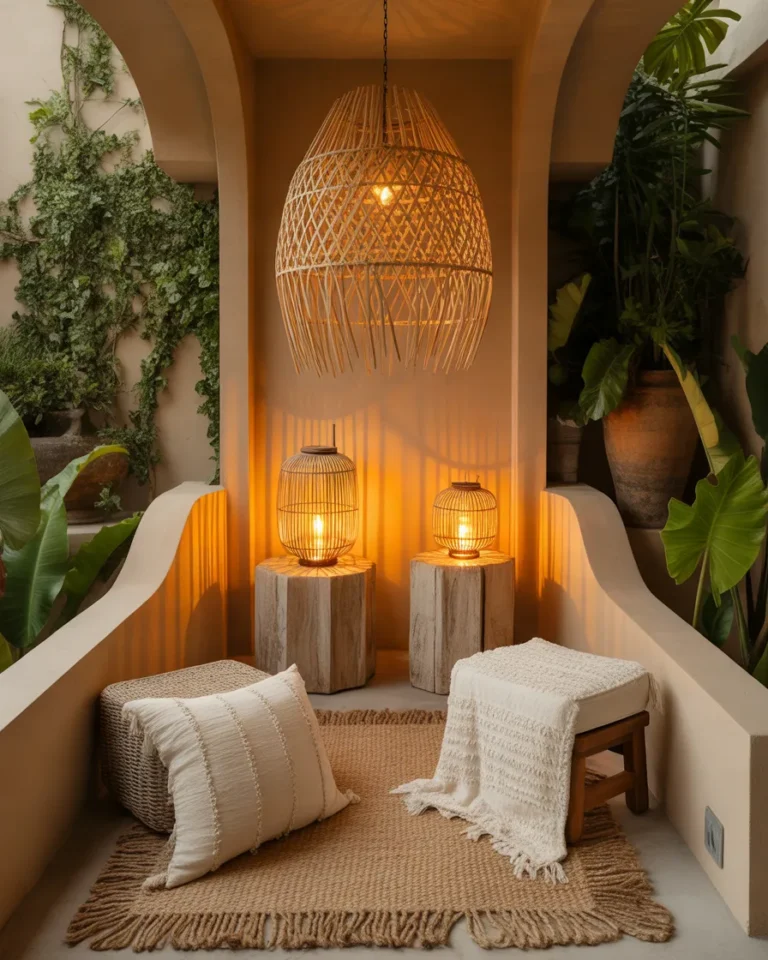
15. Create a Relaxing Meditation and Wellness Corner
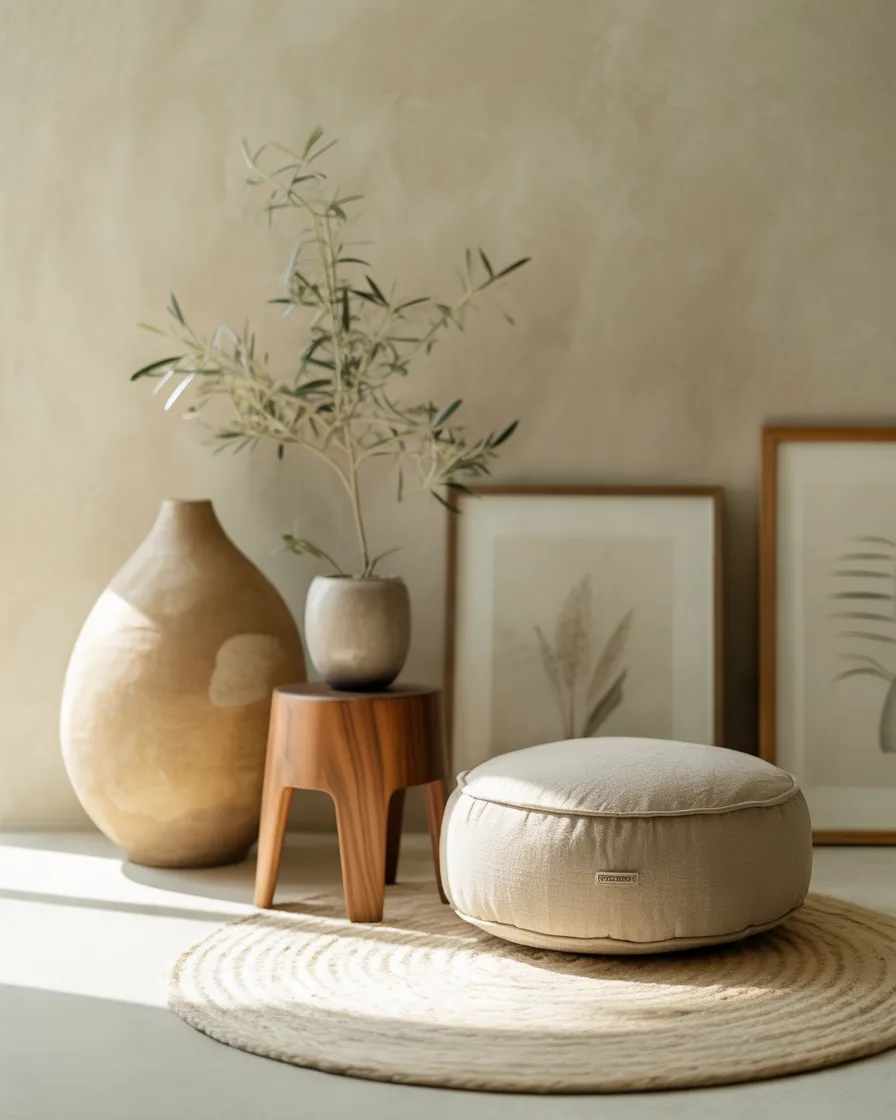
Not every living room corner needs to serve a traditional purpose such as storage or seating. If you prefer a peaceful home environment, consider creating a small meditation and wellness corner where you can relax, practice mindfulness, or simply enjoy a few quiet moments.
Begin with a comfortable floor cushion or a small upholstered meditation chair. Add a soft textured rug to define the area and make it feel separate from the main seating arrangement.
Natural materials work particularly well here. Consider incorporating a wooden side stool, a woven basket, a ceramic vase, and a small indoor plant. You can also use a few carefully selected decorative objects, such as a small sculpture or a framed botanical print.
Lighting should remain soft and calming. A warm table lamp, subtle wall light, or indirect ambient lighting can create a peaceful atmosphere in the evening. During the day, make the most of natural light whenever possible.
If you enjoy aromatherapy, you can introduce a suitable diffuser or scented candle, keeping ventilation and fire safety in mind.
The key is to keep this corner uncluttered. A simple arrangement with comfortable textures and natural finishes can create a beautiful place to pause and recharge without requiring a large amount of space.
How to Choose the Best Living Room Corner Decor Ideas for Your Space
Before decorating an empty corner, take a little time to understand how the space relates to the rest of your living room. A corner that looks beautiful in a large open-plan home might not work in a compact apartment. The most successful decorating choices are those that complement your available space, existing furniture, and everyday lifestyle.
Start by measuring the width and depth of the corner. This will help you determine whether you can accommodate a full-size accent chair, a console table, or only a few decorative accessories. Remember that furniture should not block walkways, doors, windows, or access to other seating areas.
Next, think about the purpose of the corner. If you need extra seating, an accent chair or corner bench makes sense. If you want additional storage, floating shelves or a display cabinet may be more useful. If your main goal is to improve the appearance of the room, a tall plant, floor vase, or decorative mirror could be enough.
Finally, consider the colors and materials already present in your living room. You do not need every item to match perfectly, but choosing complementary finishes will help the entire space feel connected. Natural wood, textured fabrics, ceramic accessories, and soft lighting are particularly versatile choices.
Common Mistakes to Avoid When Decorating Living Room Corners
Even beautiful furniture and decorative accessories can look out of place if they are arranged without considering the proportions of the room. Here are a few mistakes worth avoiding when working with empty corners.
- Choosing furniture that is too large: An oversized chair or cabinet can make a small living room feel cramped. Always consider the available floor space before purchasing furniture.
- Filling every empty space: A corner does not need multiple decorative objects to look attractive. Sometimes, one statement piece creates a better result.
- Ignoring lighting: A beautifully decorated corner can still look dull if it does not receive enough light. Consider natural daylight, floor lamps, or subtle accent lighting.
- Using too many contrasting colors: Too many unrelated shades can make the corner look disconnected from the rest of the room. Choose colors that complement your existing interior.
- Forgetting functionality: Decorative furniture should not interfere with everyday activities. Make sure there is enough space to walk comfortably and access other areas.
- Ignoring wall height: Tall corners can benefit from vertical decoration, such as plants, artwork, or shelves. However, avoid placing everything at the same height.
Final Thoughts
Decorating an empty living room corner is a wonderful opportunity to make your home feel more complete, comfortable, and personal. You do not need an expensive renovation or a collection of new furniture to achieve a beautiful result. Sometimes, a comfortable accent chair, a tall indoor plant, or an oversized decorative vase is all it takes to transform an overlooked area.
The most important thing is to choose a decorating idea that suits your lifestyle and complements your existing interior. If you love reading, create a cozy nook. If you need additional storage, consider floating shelves or a display cabinet. And if you simply want to bring more warmth into your home, natural greenery and soft lighting can make a wonderful difference.
I would personally start with one corner rather than trying to decorate every empty space at once. Experiment with different arrangements, pay attention to proportions, and give yourself time to find the right combination.
After all, the best living room corner decor ideas are not necessarily the most expensive or elaborate ones. They are the ideas that make your home feel more welcoming and help every part of your living room serve a purpose.