
There is something incredibly comforting about walking into a home that feels connected to nature. Soft neutral colors, warm wood, woven textures, handmade pottery, natural fabrics, and touches of greenery can instantly make a room feel calmer and more welcoming. That is exactly why I have always loved earthy home decor.
For me, an earthy home is not about making every room brown or filling every corner with plants. It is more about creating a balanced atmosphere that feels organic, peaceful, warm, and lived-in. Earthy interiors tend to feel timeless because they rely on colors, textures, and materials inspired by nature rather than short-lived decorating trends.
The wonderful thing about this decorating style is that you can make small changes or completely transform your home. You do not need to replace all of your furniture. Sometimes adding a textured rug, a ceramic vase, linen curtains, or a warm clay-colored accent wall is enough to change the entire mood of a room.
If you are looking for inspiration, I have put together 15 earthy home decor ideas that can help you create a relaxing, stylish, and naturally beautiful home.
What Is Earthy Home Decor?
Earthy home decor is an interior design style inspired by the natural world. It usually includes warm neutral colors, organic materials, natural textures, simple shapes, plants, handcrafted pieces, and comfortable furnishings.
Typical earthy colors include:
- Warm beige
- Cream
- Sand
- Terracotta
- Clay
- Taupe
- Olive green
- Sage green
- Rust
- Caramel
- Chocolate brown
- Soft gray
Natural materials such as wood, stone, rattan, jute, linen, cotton, clay, bamboo, and leather are also commonly used.
What I personally love about earthy decor is that it does not have to look overly polished. Slight imperfections actually make the space more interesting. A handmade ceramic bowl, weathered wooden stool, irregular stone vase, or slightly crumpled linen curtain can add character that mass-produced decorative items sometimes lack.
Now let us explore some beautiful ways to bring this style into your own home.
1. Start With a Warm Earth-Tone Color Palette
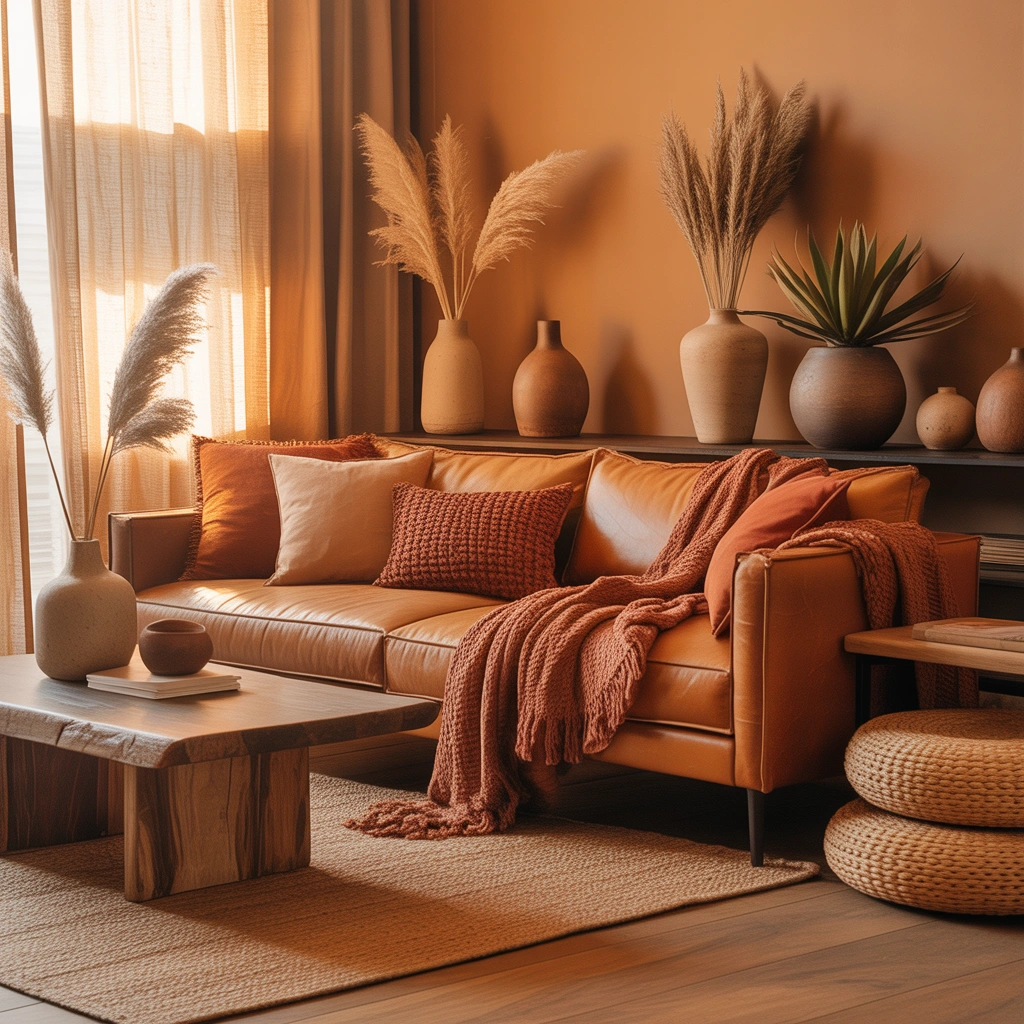
One of the easiest ways to create an earthy interior is to begin with the right color palette.
Instead of bright whites and cool grays, I prefer warmer shades such as cream, beige, oatmeal, sand, mushroom, caramel, and taupe. These colors immediately make a room feel softer and more inviting.
You can then introduce deeper nature-inspired tones through accessories or accent areas. Terracotta, olive green, chocolate brown, burnt orange, rust, muted mustard, and clay red all work beautifully.
For example, imagine a living room with creamy walls, a warm beige sofa, walnut furniture, olive cushions, and a rust-colored throw blanket. Nothing feels too dramatic, but the overall effect is rich and cozy.
If you are worried about the room becoming too brown, balance earthy shades with soft creams and natural greenery.
I also like layering several shades from the same color family. Instead of using one beige tone everywhere, combine light cream, tan, camel, and warm brown. This gives the room more depth while keeping everything visually connected.
2. Bring Natural Wood Into Your Home
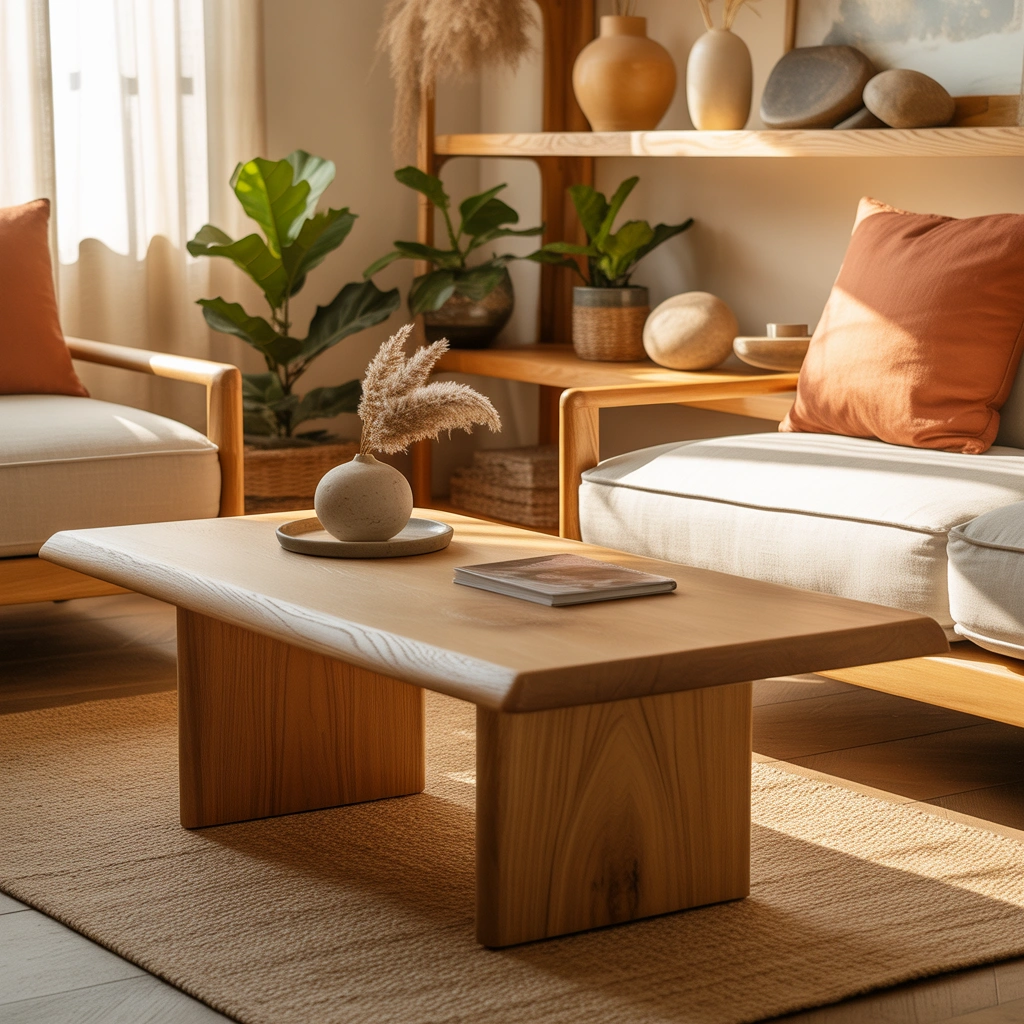
Wood is probably one of the most important materials in earthy home decor.
It brings warmth, texture, and an unmistakable connection to nature. You can introduce it through furniture, shelving, picture frames, flooring, bowls, benches, stools, or decorative objects.
Personally, I love wood that still shows visible grain and natural imperfections. Reclaimed wood, oak, walnut, teak, and unfinished wood can make a space feel much more organic than highly glossy furniture.
A large wooden coffee table can become a beautiful focal point in a living room. In a bedroom, wooden nightstands or a simple wood headboard can instantly soften the space.
If replacing furniture is not in your budget, start small. Add wooden candle holders, a wooden tray, carved bowls, or simple timber picture frames.
Mixing wood tones is perfectly fine too. Your home does not need to look like everything was purchased from one furniture collection. In fact, slightly different wood finishes can make the room feel more natural and collected over time.
3. Decorate With Terracotta and Clay Pieces
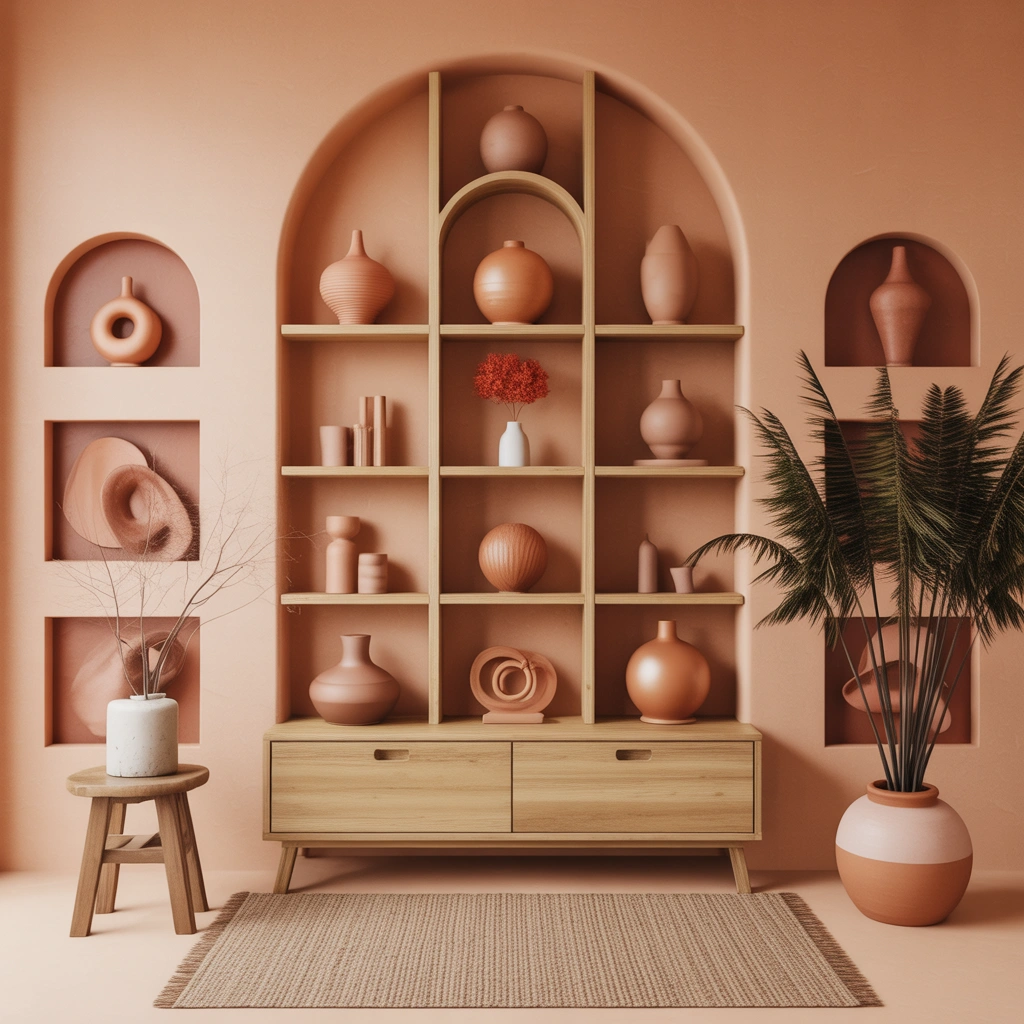
Terracotta instantly makes me think of warm Mediterranean homes, handmade pottery, and sun-baked landscapes.
Its reddish-orange color adds warmth without overwhelming a room.
One of my favorite ways to use terracotta is through planters. A simple terracotta pot filled with an olive tree, snake plant, or trailing plant can look beautiful in almost any room.
You can also use terracotta through:
Decorative bowls, ceramic vases, candle holders, table lamps, sculptures, tiles, and kitchenware.
Do not worry if every piece does not match perfectly. Handmade or slightly irregular pottery often looks even better because it brings personality into the room.
Try placing a few clay vases together on a console table or open shelf. Mix different heights and shapes while keeping the colors relatively similar.
Terracotta also looks especially beautiful when paired with cream, beige, olive green, natural wood, and black accents.
4. Layer Natural Textures
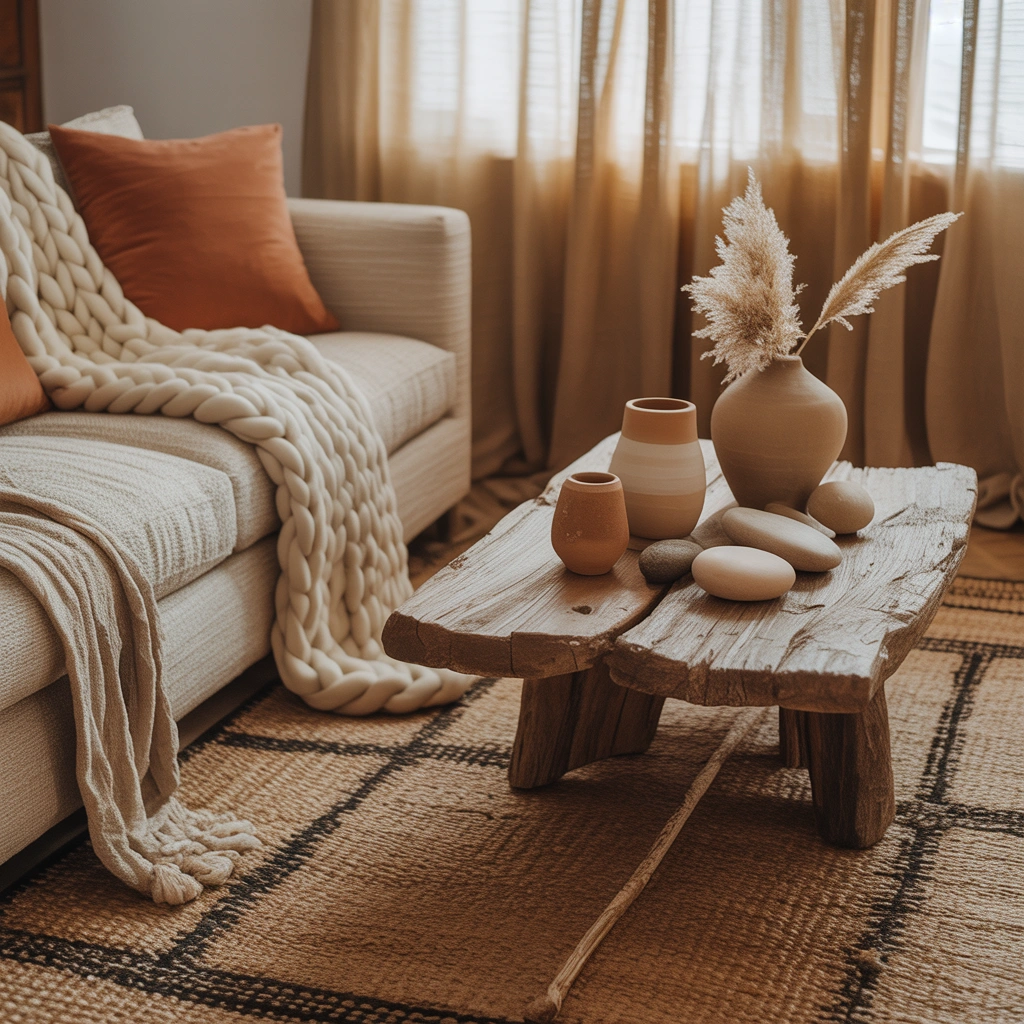
One mistake I often see in neutral interiors is relying too heavily on color while forgetting about texture.
Without texture, an earthy room can quickly feel flat.
Texture is what gives neutral spaces richness and visual interest.
Think about combining materials such as:
Linen, jute, rattan, wool, raw wood, stone, cotton, leather, boucle, and woven grass.
For example, your living room might include a linen sofa, chunky wool blanket, jute rug, wooden coffee table, woven basket, and ceramic vase.
Even if nearly everything is beige or brown, the room will still feel interesting because each material reflects light differently.
I especially love adding texture through throw pillows. Instead of buying several smooth cushions, mix linen, woven cotton, boucle, embroidery, and subtle patterns.
The goal is not to add clutter. It is simply to make the room feel tactile and layered.
5. Add Plenty of Indoor Plants
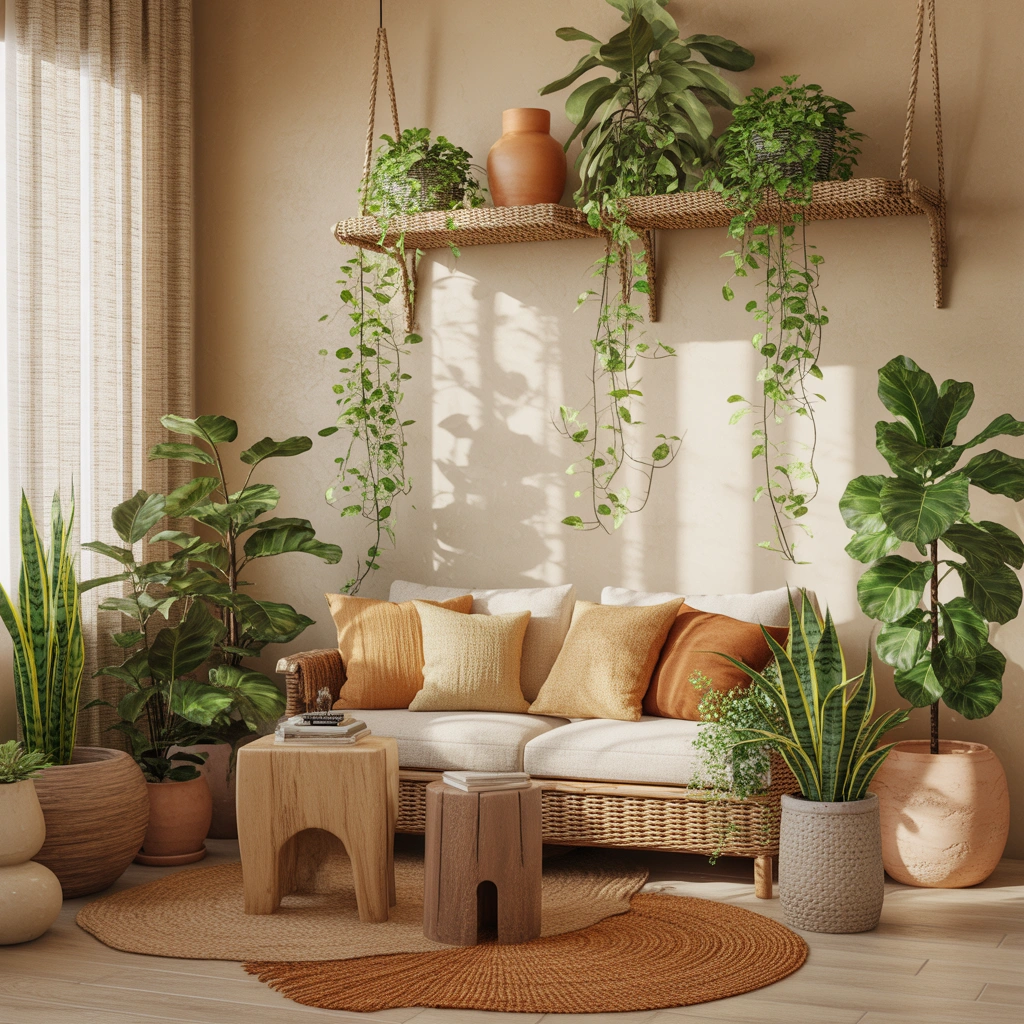
No earthy home feels complete without a little greenery.
Plants bring movement, color, texture, and life into a room. They also soften hard furniture lines and make a space feel more relaxed.
You do not have to create an indoor jungle unless that is your style.
Even one large plant can make a strong visual statement.
Some popular options for earthy interiors include:
Fiddle-leaf figs, olive trees, rubber plants, pothos, snake plants, palms, monstera, and eucalyptus.
I personally like placing plants inside simple terracotta pots, woven baskets, or neutral ceramic planters rather than bright plastic containers.
Try varying the height of your greenery as well.
Place one tall plant in a corner, a smaller one on a shelf, and perhaps a trailing plant on top of a cabinet.
If you struggle with keeping plants alive, high-quality artificial plants can still provide the visual effect. Just choose realistic varieties and avoid overly glossy leaves.
6. Use Linen and Cotton Fabrics
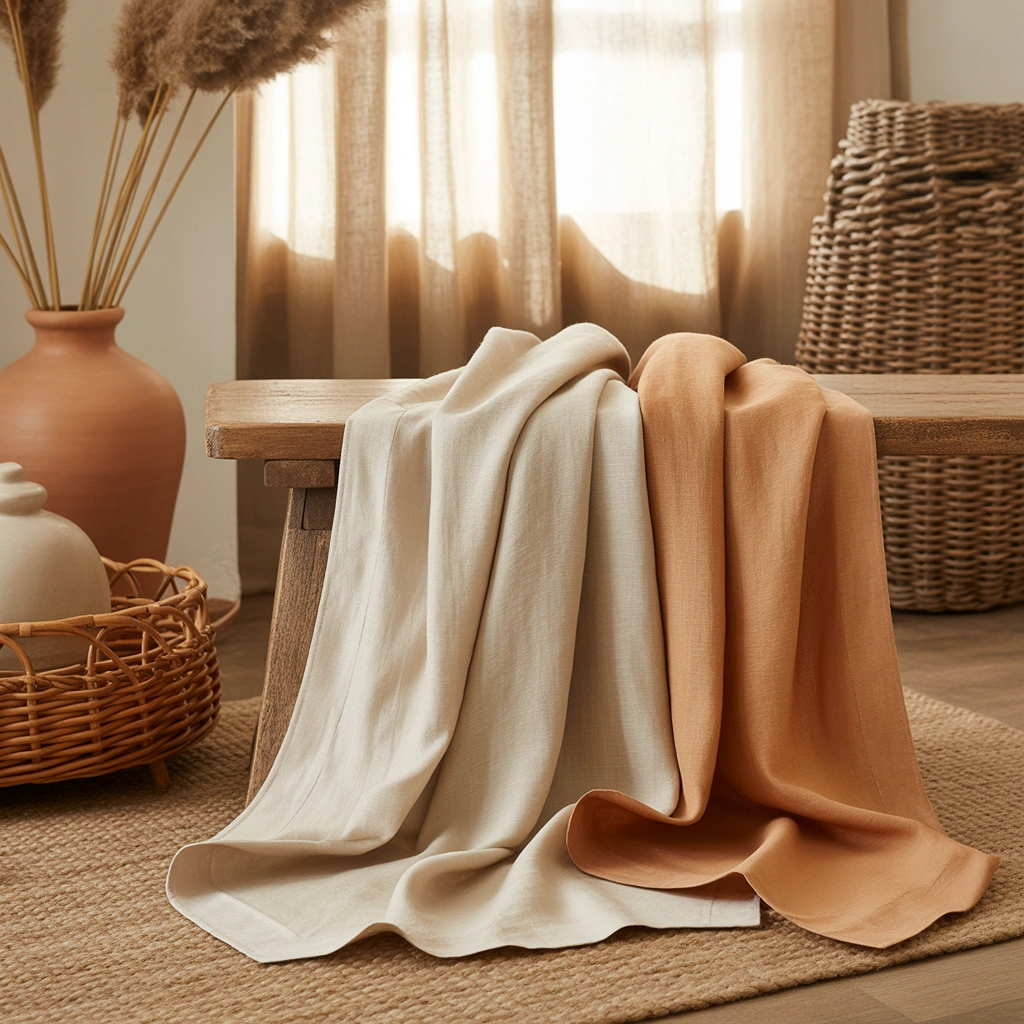
Natural fabrics immediately make a room feel softer and more relaxed.
Linen is especially perfect for earthy interiors because it has a slightly imperfect texture that feels casual but elegant.
I love linen curtains because they gently filter sunlight rather than completely blocking it. The result is a soft, airy atmosphere that works beautifully with neutral walls and wooden furniture.
You can also introduce natural fabrics through:
Bedding, tablecloths, napkins, cushions, slipcovers, and throws.
For bedrooms, layered linen bedding in cream, taupe, beige, olive, or warm gray can create a peaceful hotel-like environment without looking too formal.
Cotton is another practical choice because it is usually easier to maintain and often more affordable.
The important thing is to choose fabrics that feel comfortable rather than stiff.
An earthy home should invite you to sit down and relax.
7. Introduce Woven Baskets and Rattan Decor
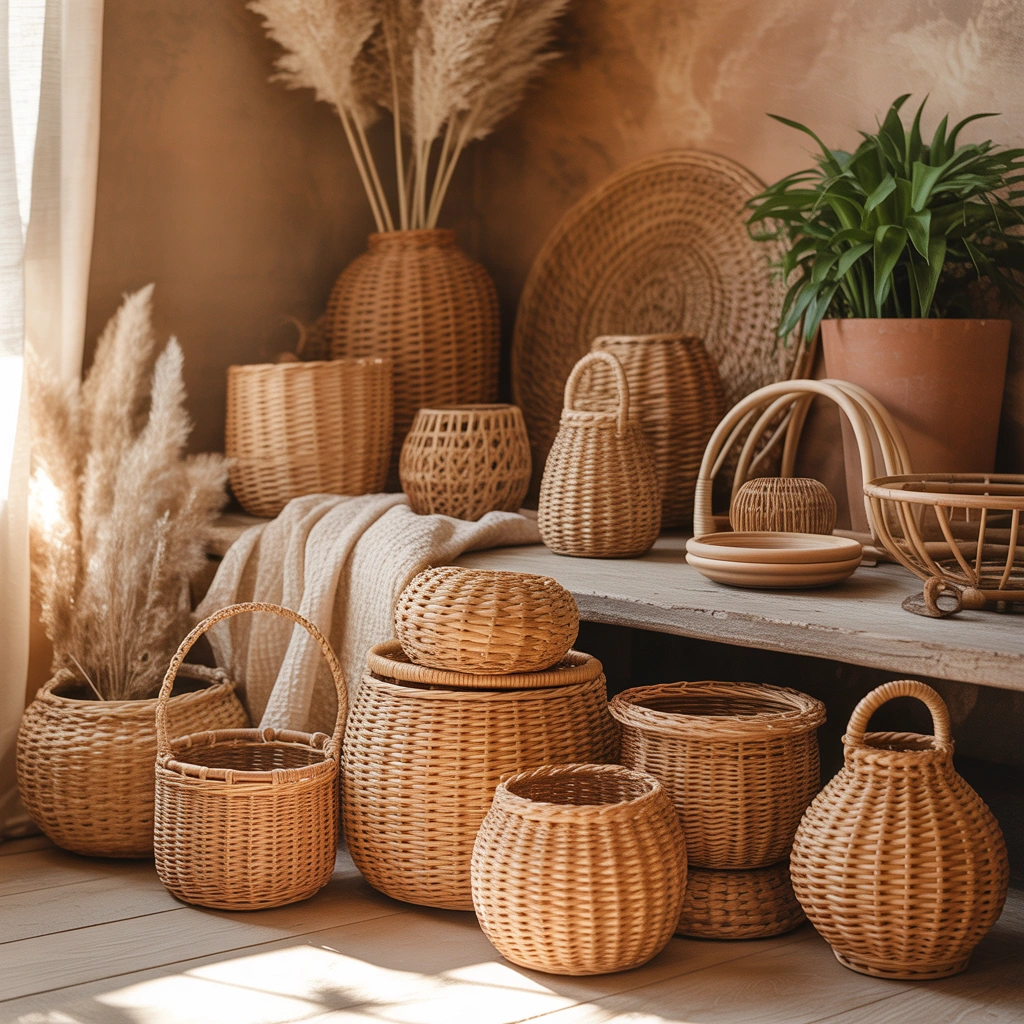
Rattan, cane, wicker, and woven grass can bring instant warmth to a room.
I especially love woven baskets because they are decorative and practical at the same time.
Use them to store blankets, toys, magazines, towels, firewood, laundry, or extra pillows.
A large woven basket beside a sofa can make an otherwise empty corner feel styled while still serving a purpose.
Rattan furniture is another lovely option.
A cane accent chair, woven bench, rattan headboard, or natural pendant light can introduce a relaxed organic element.
However, I recommend using woven pieces thoughtfully.
You do not need rattan furniture everywhere. One or two noticeable pieces are usually enough to create that natural feeling without making your home look overly themed.
8. Add a Jute or Natural Fiber Rug
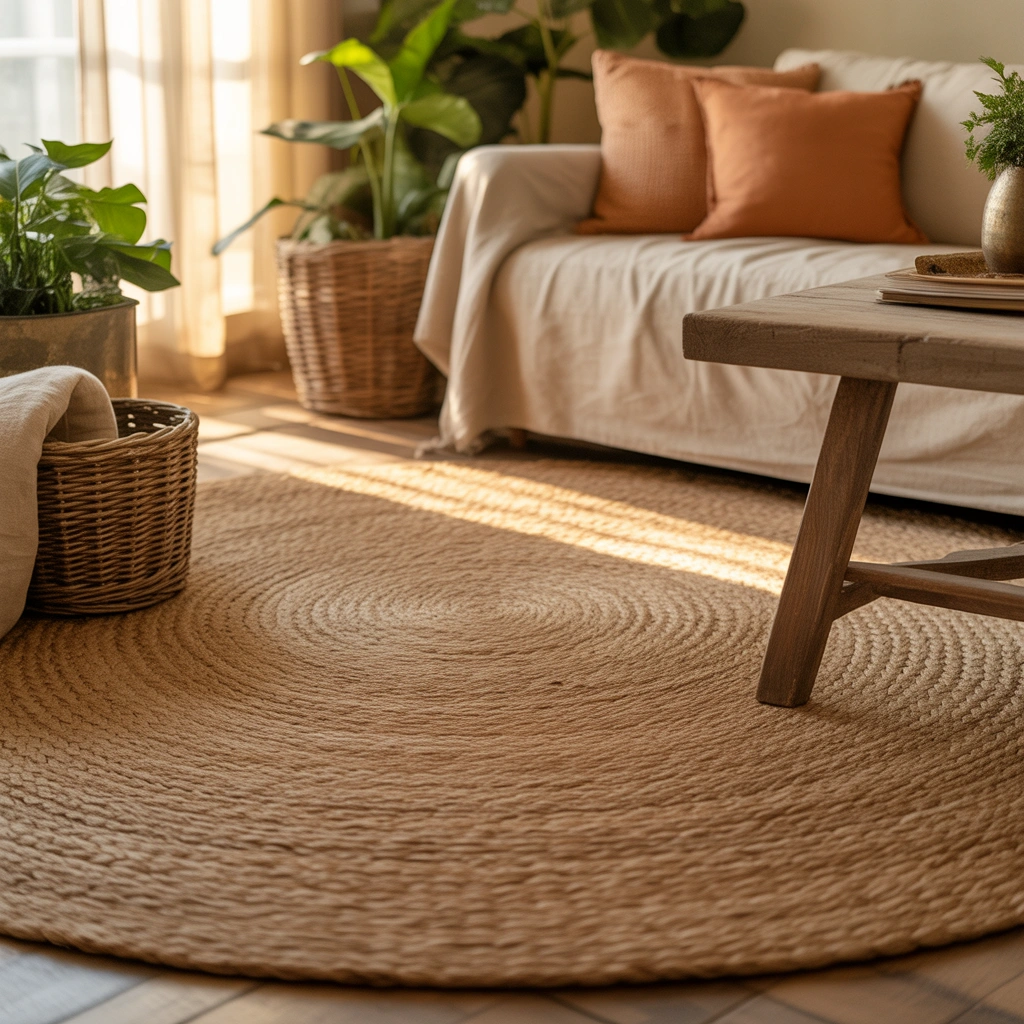
Whenever a room feels unfinished, I usually look at the floor first.
A rug can connect all the furniture pieces and make the entire space feel more intentional.
Jute rugs are especially popular in earthy home decor because their natural fibers add warmth and texture while remaining fairly neutral.
They work beautifully in living rooms, dining rooms, bedrooms, and entryways.
If a jute rug feels too rough for your bedroom, try layering it underneath a softer wool rug.
Layered rugs can create a wonderfully cozy, collected appearance.
Natural fiber rugs also pair beautifully with wooden floors because they add texture without hiding the beauty of the flooring.
Choose warm tan or sandy tones to keep the atmosphere natural.
9. Decorate With Stone and Marble Accents
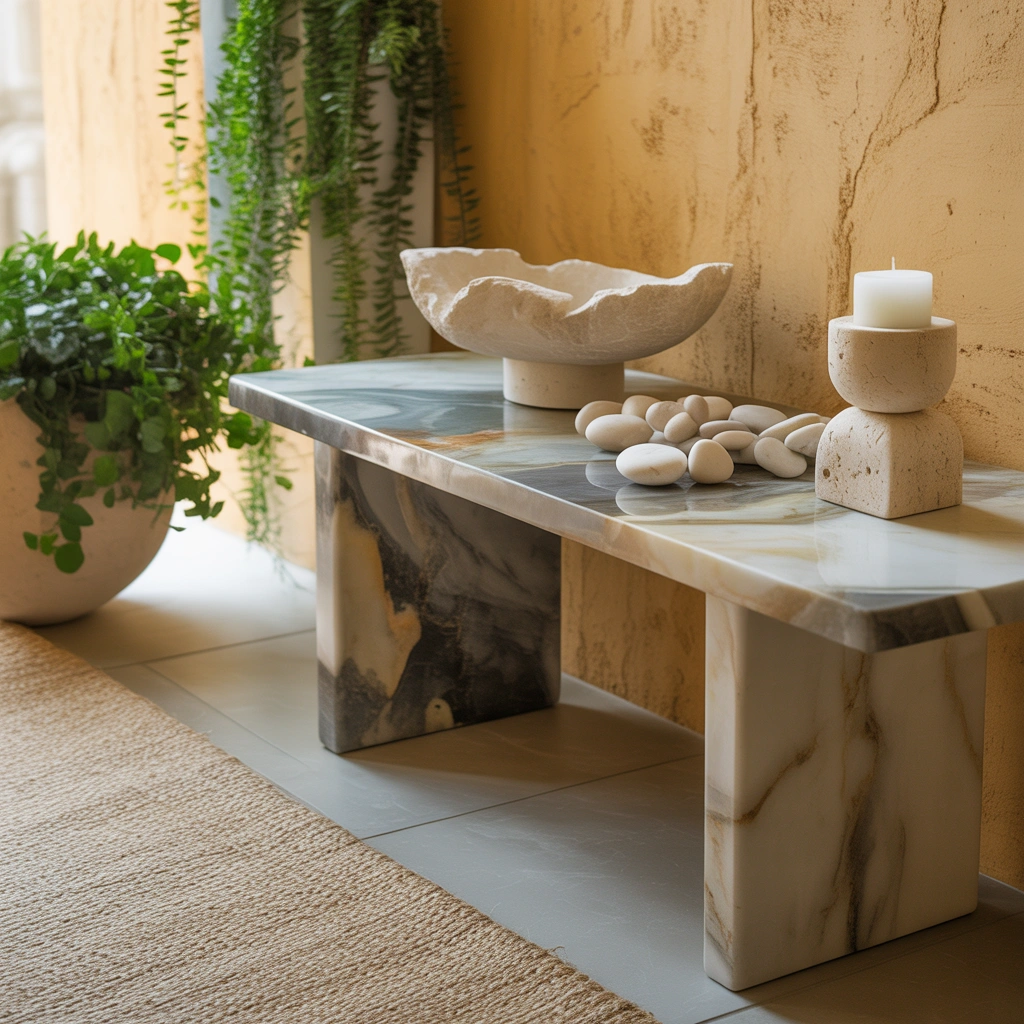
Earthy decorating is not limited to wood and woven materials.
Stone can add an entirely different layer of natural beauty.
I love using stone accessories because they bring a quiet sense of luxury while still feeling organic.
You could introduce stone through:
Travertine side tables, marble trays, stone candle holders, granite bowls, limestone decor, or sculptural objects.
Travertine has become especially popular because its warm beige color works beautifully with earthy interiors.
Even small pieces can make an impact.
For example, place a stone tray on a coffee table with a candle, small vase, and book. It creates a simple decorative arrangement without making the table look cluttered.
Stone surfaces also work wonderfully in kitchens and bathrooms where natural materials can make functional spaces feel more sophisticated.
10. Choose Warm and Soft Lighting
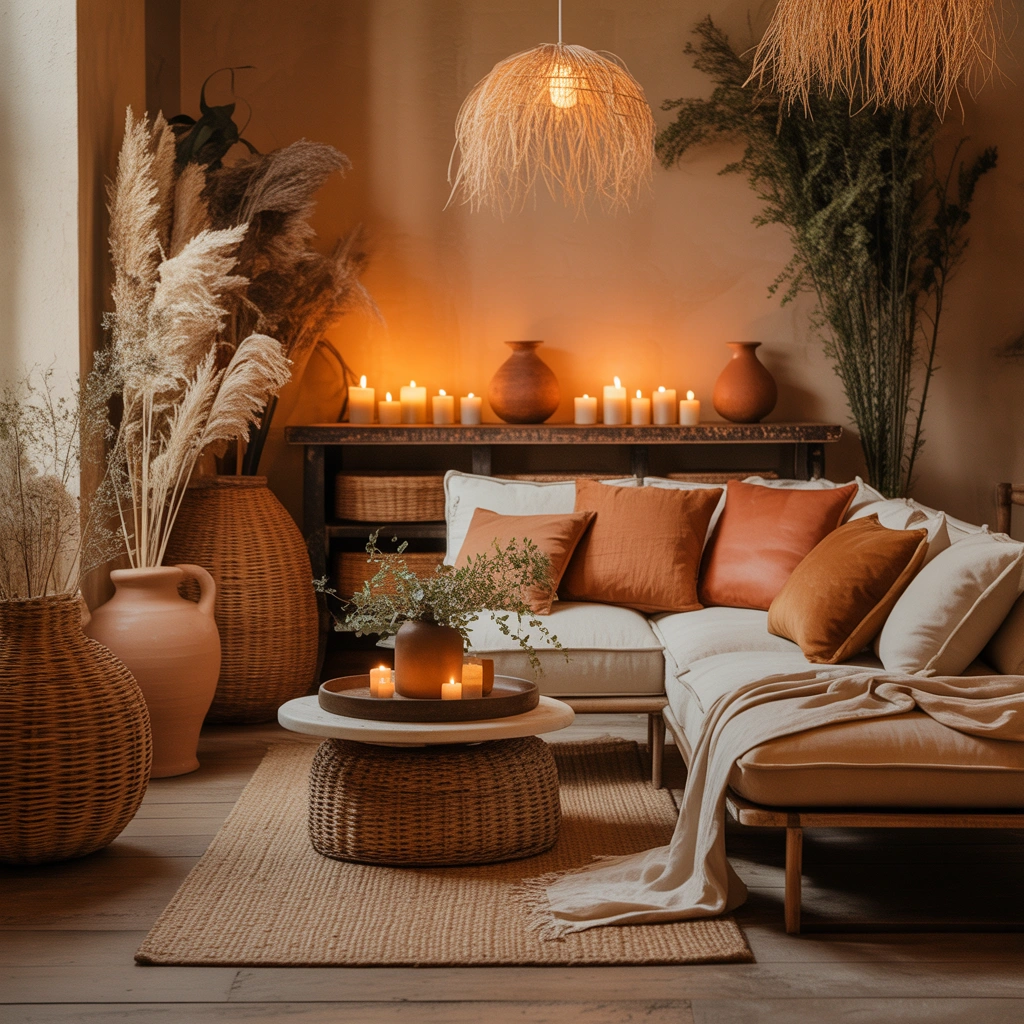
Lighting can completely change the atmosphere of an earthy home.
Harsh white lighting often makes natural interiors feel cold. Whenever possible, I prefer soft warm lighting that creates a cozy glow.
Instead of depending only on a large ceiling fixture, layer different light sources throughout the room.
Use table lamps, floor lamps, wall sconces, candles, and pendant lights.
Lamps with ceramic, wooden, stone, or woven bases can double as decorative pieces.
A linen or woven lampshade can also soften the light.
At night, warm lighting makes beige, terracotta, and wooden surfaces appear richer and more inviting.
Candles are another simple addition. Place them in ceramic or stone holders on coffee tables, consoles, or dining tables.
They create a calm atmosphere that works especially well during evenings.
11. Create an Earthy Gallery Wall
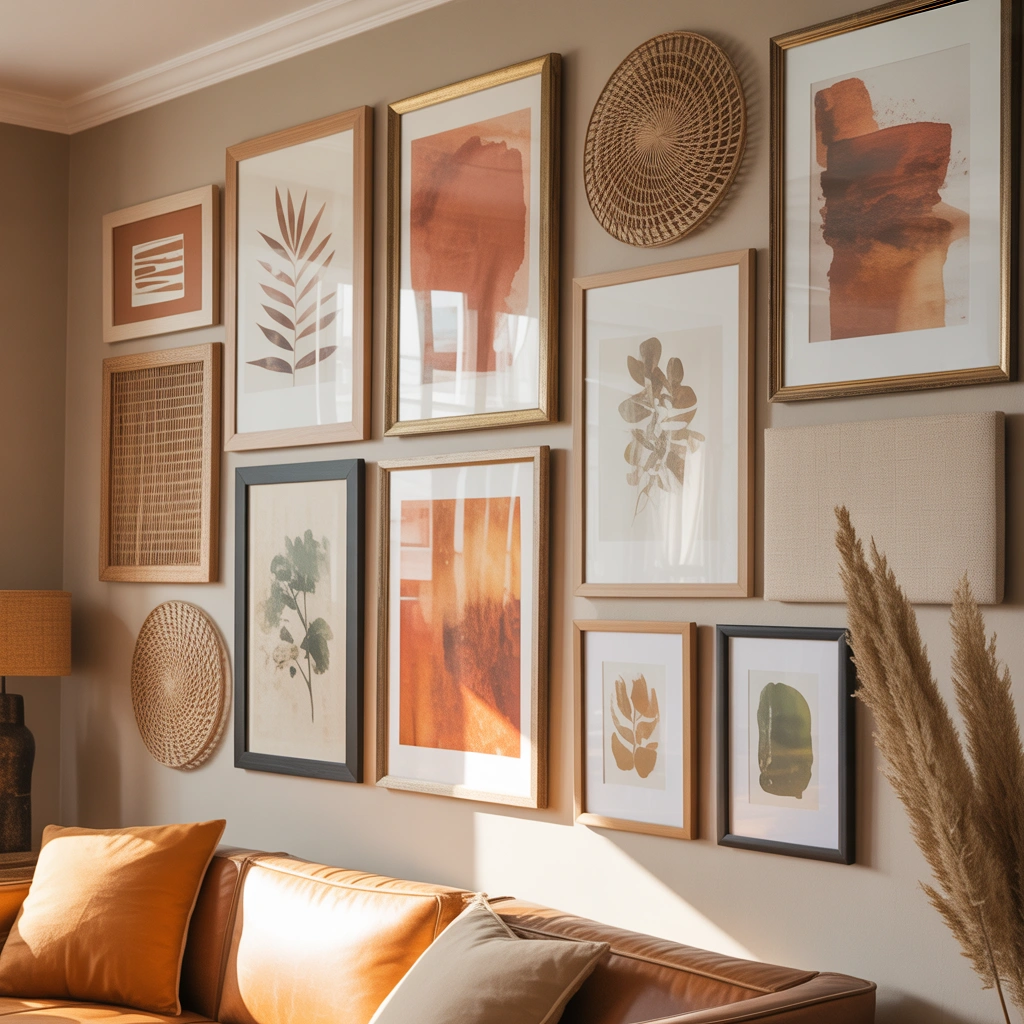
Artwork can easily support your earthy decorating theme.
Instead of brightly colored prints, consider artwork inspired by nature.
Some ideas include:
Botanical illustrations, landscapes, abstract earth-tone paintings, line drawings, vintage nature photography, pressed leaves, or minimalist sketches.
I like mixing different types of art rather than using identical prints.
You might combine a soft landscape painting with a simple abstract piece and a botanical drawing.
For frames, wood is an obvious choice, but black or aged brass frames can provide contrast.
Try not to overcrowd the wall.
Earthy interiors often look better when artwork has enough empty space around it.
You could also skip traditional art entirely and hang woven baskets, handmade wall hangings, or sculptural wood pieces.
12. Add Handmade and Artisan Decor
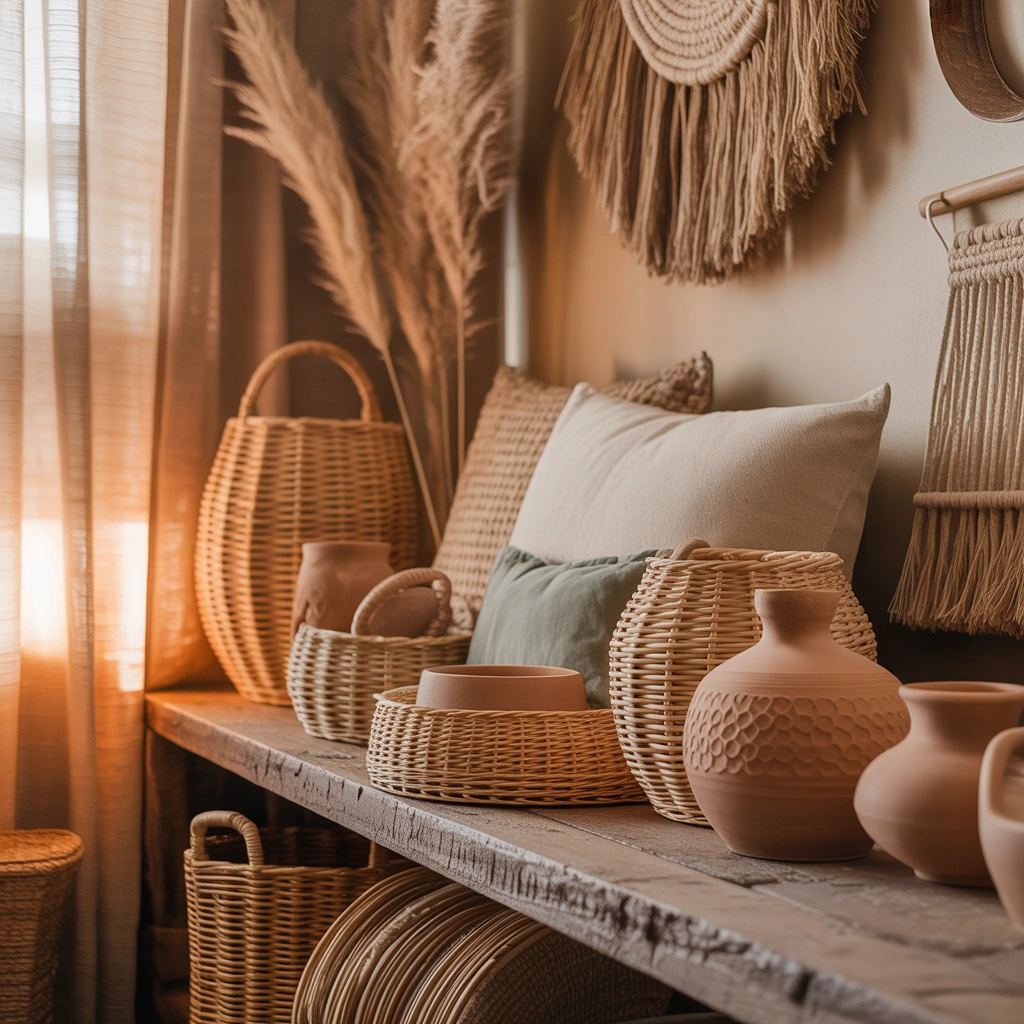
One of the most beautiful things about earthy interiors is that they celebrate craftsmanship.
Handmade objects often carry tiny imperfections, and those imperfections are exactly what give them character.
Look for decorative pieces such as:
Hand-thrown pottery, woven wall hangings, carved wooden bowls, handmade candles, ceramic mugs, artisan baskets, or embroidered textiles.
I like decorating with fewer meaningful pieces instead of filling shelves with dozens of small accessories.
A single handmade ceramic vase can be much more visually appealing than several generic decorations.
Local markets, independent artists, antique stores, and craft shops can be wonderful places to find unique objects.
You might even display something collected during a trip or passed down through your family.
An earthy home should feel personal rather than staged.
13. Incorporate Dried Flowers and Branches
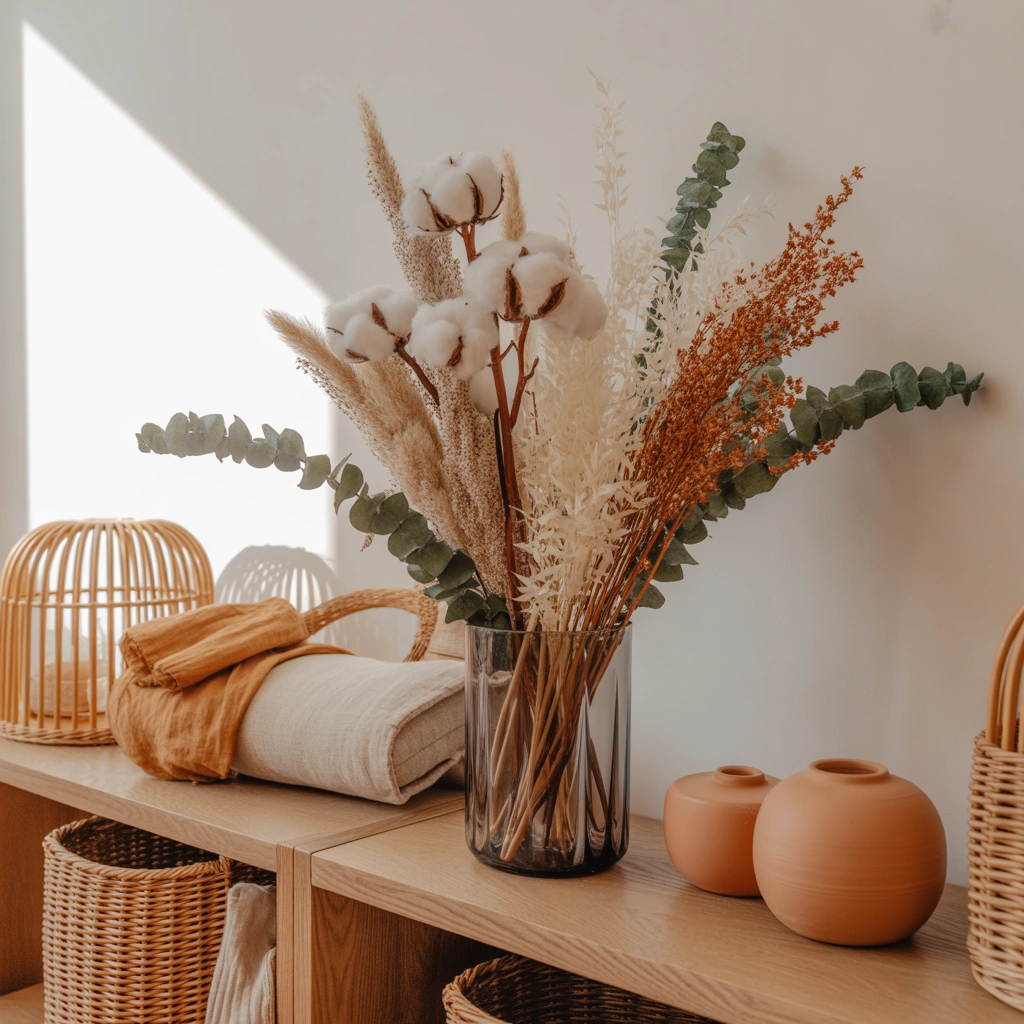
Fresh flowers are beautiful, but dried flowers and branches can work especially well with earthy decor.
They have muted colors and natural shapes that complement neutral rooms.
Try decorating with pampas grass, dried eucalyptus, wheat stems, dried palm leaves, cotton branches, or simple tree branches.
Place them inside large ceramic or clay vases.
I particularly love oversized branches because they add height and drama without looking overly formal.
A tall vase with branches on a console table can become an elegant focal point.
The key is to keep arrangements loose.
You want them to feel organic rather than perfectly symmetrical.
During different seasons, you can also swap branches to subtly refresh the room without changing the overall decorating style.
14. Keep Furniture Shapes Simple and Organic
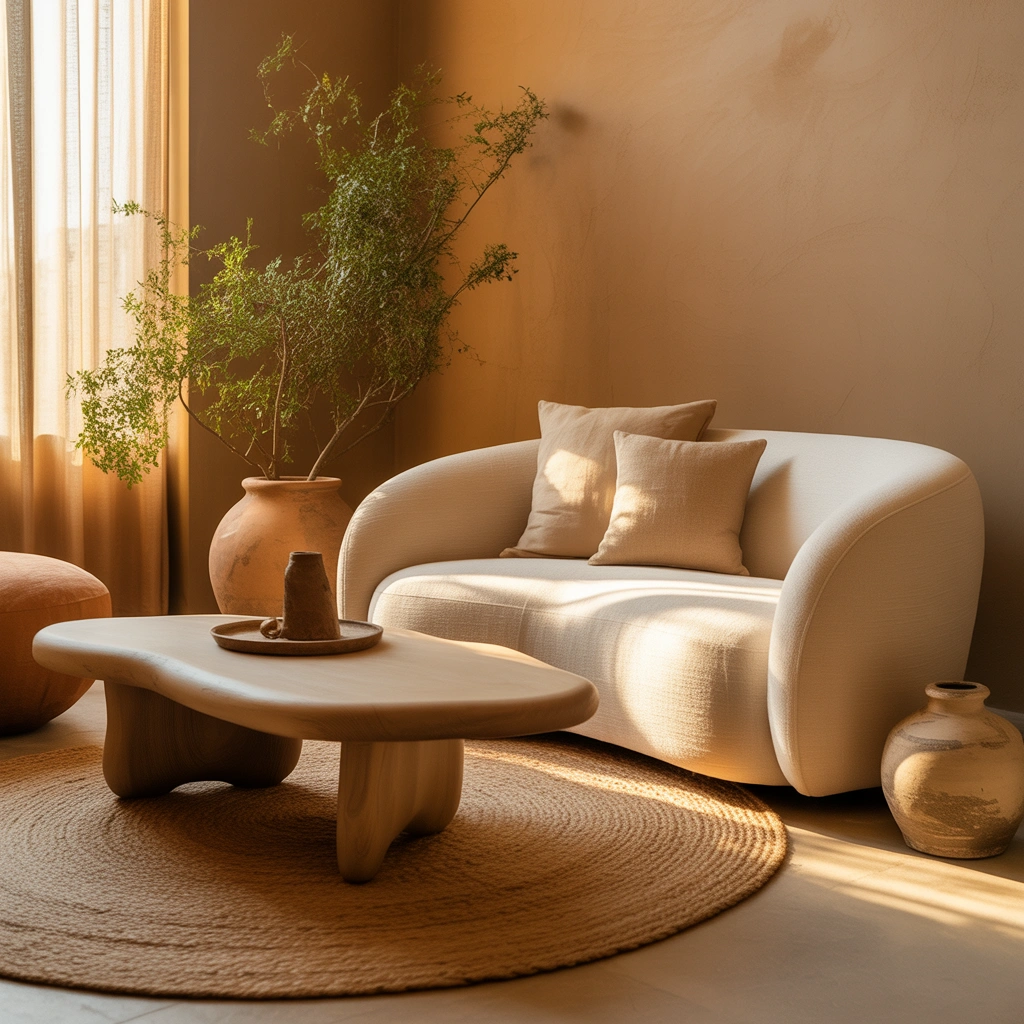
Earthy interiors often feel relaxed because the furniture does not look overly complicated.
Simple silhouettes, curved shapes, rounded edges, and low-profile furniture work beautifully.
Consider sofas with soft lines, round coffee tables, curved accent chairs, or oval dining tables.
Organic shapes help break up the straight lines typically found in walls, windows, cabinets, and flooring.
For example, placing a round wooden coffee table in front of a rectangular sofa can make the room feel more balanced.
I also love furniture that looks substantial and comfortable.
An earthy home should never feel like a museum where you are afraid to sit down.
Look for comfortable sofas, deep chairs, sturdy wooden tables, and benches that actually invite people to use them.
15. Bring Nature Into Your Small Decorative Details
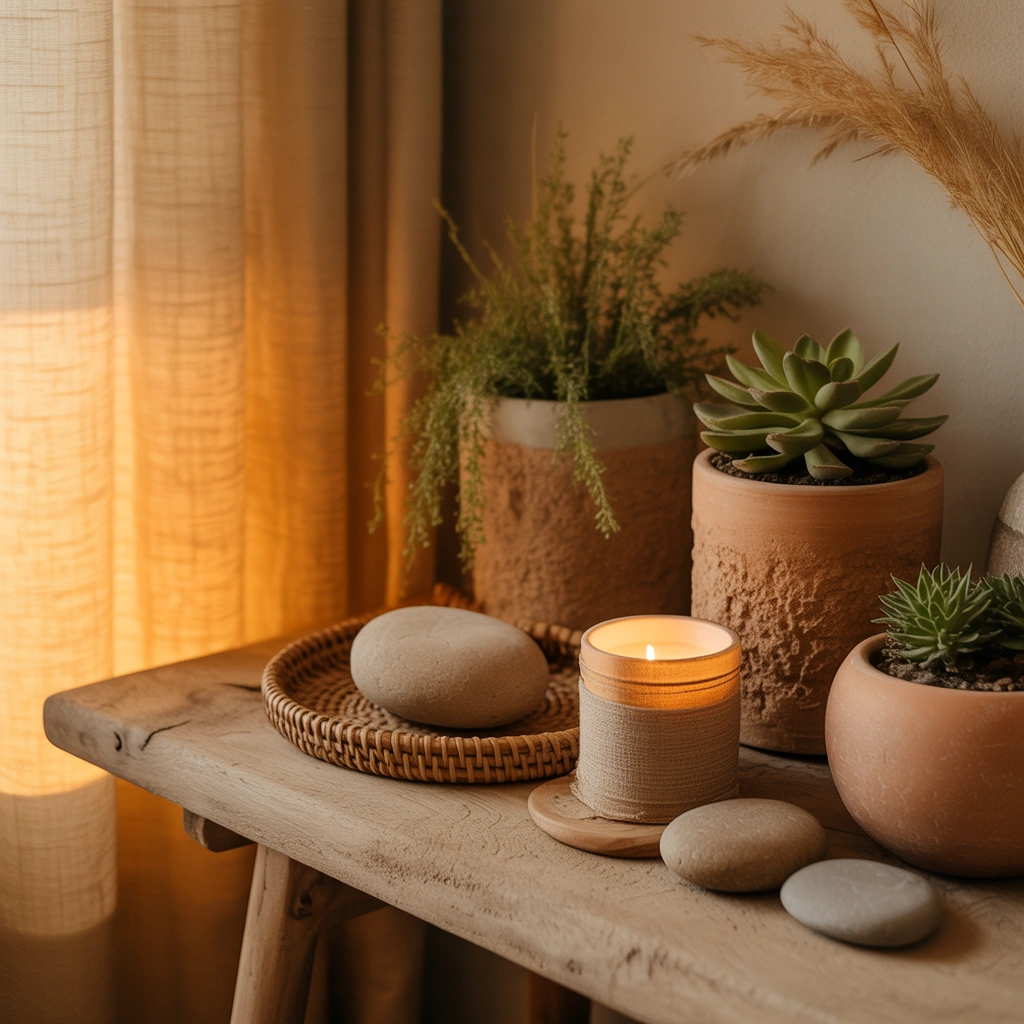
Sometimes the smallest details make the biggest difference.
Once you have your larger furniture pieces in place, look for subtle ways to continue the earthy theme.
You could add:
Wooden beads, stone coasters, shell details, natural candles, ceramic bowls, woven trays, linen books, dried seed pods, natural incense holders, or small sculptural objects.
Coffee-table styling is a perfect example.
Instead of filling your table with many decorative items, try arranging three or four complementary pieces.
You might stack two beautiful books, add a stone bowl, place a small ceramic vase beside them, and finish with a candle.
The arrangement feels intentional but not crowded.
Kitchen styling can be just as simple.
Display wooden cutting boards against the backsplash, keep olive oil in a ceramic bottle, and place fruit inside a handmade bowl.
These small natural details help connect the entire home.
How to Make Earthy Decor Look Modern
Sometimes people worry that earthy interiors will look rustic or outdated, but that does not have to happen.
The easiest way to keep your home modern is to mix natural materials with clean lines.
For example, combine a rustic wooden dining table with contemporary dining chairs. Pair a textured linen sofa with a sleek black floor lamp. Place handmade pottery on a minimal floating shelf.
Contrast is important.
If everything is rough, rustic, or distressed, the room may begin to feel farmhouse-inspired instead of modern earthy.
I recommend combining approximately equal amounts of natural texture and clean simplicity.
Black accents can also make earthy rooms look more contemporary.
Try matte-black lamps, picture frames, cabinet hardware, or side tables.
Use them sparingly so the room still feels warm rather than industrial.
Earthy Home Decor Ideas on a Budget
Creating an earthy home does not have to be expensive.
In fact, this style works particularly well with thrifted and secondhand pieces because aged materials often add character.
Check thrift stores, flea markets, charity shops, antique stores, and online resale platforms for:
Wooden furniture, ceramic pots, baskets, old frames, pottery, mirrors, stools, and decorative bowls.
You can also transform inexpensive items yourself.
Paint an old vase with textured neutral paint, refinish a wooden table, replace colorful pillow covers with linen alternatives, or add dried branches collected from your garden.
Rearranging your existing furniture can also make a surprising difference.
Remove unnecessary decorative items and allow a few natural pieces to stand out.
Earthy decorating is often about thoughtful simplicity rather than buying more.
Best Earthy Color Combinations
If you are unsure which colors to combine, here are several earthy palettes that work beautifully.
Cream, Beige, and Olive Green
This is one of my favorite combinations because it feels peaceful and timeless. Keep walls and large furniture neutral, then introduce olive through cushions, plants, artwork, or throws.
Terracotta, Sand, and Warm White
This palette feels sunny and Mediterranean. Terracotta adds personality while sand and warm white keep the room balanced.
Taupe, Walnut, and Black
For a modern earthy interior, combine taupe upholstery with dark wood furniture and small black accents.
Rust, Camel, and Cream
This combination feels especially cozy during autumn, although it can work throughout the year.
Sage Green, Natural Wood, and Linen
Perfect for bedrooms or relaxing living spaces, this palette feels soft and refreshing.
Common Earthy Decor Mistakes to Avoid
Although earthy decorating is fairly flexible, there are a few mistakes that can make a space feel less balanced.
The first is using too much brown. Earthy interiors need contrast, so remember to include cream, soft white, greenery, and lighter natural materials.
Another mistake is adding too many decorative objects. Natural interiors tend to look best when each object has space around it.
I also recommend avoiding artificial-looking textures. Extremely shiny wood, plastic plants, and heavily synthetic fabrics can interrupt the natural feeling you are trying to create.
Finally, do not make everything match perfectly.
Different wood tones, handmade pottery, slightly varied fabrics, and collected furniture make an earthy home feel authentic.
Final Thoughts
Creating an earthy home is really about slowing down and choosing materials, colors, and objects that feel natural and comfortable.
You do not have to redesign your entire house in one weekend.
Start with one room.
Maybe replace bright cushion covers with warm neutral ones. Add a jute rug. Bring in a few plants. Place a handmade ceramic vase on your coffee table. Switch cool lighting for warmer lamps.
Over time, those small changes can completely transform the feeling of your home.
The best earthy home decor ideas are not necessarily the most expensive ones. They are the ones that create warmth, texture, comfort, and a stronger connection to nature.
Personally, I think that is why this decorating style remains so appealing. In a world that often feels busy and overly digital, coming home to warm wood, soft linen, natural colors, plants, and beautifully imperfect objects can feel incredibly grounding.
Whether your style leans toward modern, bohemian, minimalist, rustic, Mediterranean, or Scandinavian design, earthy elements can easily become part of your space.
Start with the ideas that feel most natural to you and slowly build a home that feels calm, welcoming, and unmistakably yours.
Frequently Asked Questions About Earthy Home Decor
What colors are best for earthy home decor?
The best earthy colors are inspired by nature. Beige, cream, taupe, sand, terracotta, rust, olive green, sage, caramel, and warm brown are excellent choices. Mixing lighter neutrals with darker earth tones usually creates the most balanced look.
How do I make my living room look earthy?
Start with neutral furniture and then introduce natural materials through wood furniture, jute rugs, linen cushions, plants, woven baskets, ceramics, and warm lighting. You can also add olive, terracotta, or rust-colored accents.
Is earthy decor the same as boho decor?
Not exactly. The two styles often overlap because both use natural materials and textures. However, boho interiors usually include more patterns, global influences, layered accessories, and stronger colors. Earthy interiors can be much more minimal and neutral.
Can earthy decor work in a modern home?
Absolutely. Modern earthy interiors combine organic materials with clean lines and uncluttered layouts. Wood, stone, linen, warm neutral colors, and simple furniture can make modern spaces feel much warmer.
What materials should I use for earthy interior design?
Some of the best materials include wood, stone, clay, terracotta, jute, rattan, bamboo, linen, cotton, wool, leather, and natural fibers.
How can I create earthy decor without spending much money?
Start with affordable changes such as plants, thrifted pottery, secondhand wooden furniture, woven baskets, neutral pillow covers, dried branches, and natural-fiber accessories. Rearranging and simplifying your existing decor can also create a more organic look without spending anything.
