
Remember that moment when you tried opening your wardrobe door and knocked over your bedside lamp? Yeah, me too. That’s exactly when I realized traditional hinged wardrobes and modern bedrooms mix about as well as oil and water.
After living with sliding wardrobes for the past five years, I can’t imagine going back. They’ve transformed my cramped master bedroom into something that actually feels spacious. And the best part? No more morning obstacle courses just to grab a shirt.
Let’s talk about why sliding wardrobes have become the ultimate space-saving solution for contemporary homes and how you can pick designs that’ll make your friends ask for your designer’s number (even if you DIY’d the whole thing).
Space-Saving Sliding Wardrobe Ideas

Space – we never have enough of it, do we? My first apartment bedroom was so small, opening a regular wardrobe door meant climbing over the bed. Sliding wardrobes changed that game completely.
The beauty of sliding mechanisms lies in their zero clearance requirement. While traditional doors need about 24 inches of clear space to swing open, sliding doors need exactly zero. That’s 24 inches you get back for actual living.
I’ve seen people fit king-sized beds in rooms where they previously struggled with queens, all because they switched to sliding wardrobes. The floor space savings alone justify the investment, but the visual impact goes way beyond square footage.
Floor-to-Ceiling Maximization
Why waste that space between your wardrobe top and ceiling? Floor-to-ceiling sliding units create seamless storage walls that make rooms look taller and more organized. I extended mine up last year, and gained three extra shelves for seasonal storage.
The trick is using lighter materials for upper sections. Heavy sliding doors become harder to move when they’re extra tall, so I went with aluminum frames and lightweight panels for anything over 7 feet. Smooth as butter, even when my five-year-old operates them.
Corner Solutions That Actually Work
Corner sliding wardrobes solve that awkward corner dilemma brilliantly. L-shaped tracks allow doors to slide around corners, accessing storage that typically becomes a black hole. My corner unit holds twice what my old wardrobe did, yet takes up less visual space.
Install soft-close mechanisms on corner units though. Trust me, nothing ruins a peaceful morning like sliding doors crashing into corner joints at 6 AM.
Double-Stacked Rail Systems
Here’s something I discovered by accident – double-stacking sliding rails creates incredible depth efficiency. Install one rail system 12 inches behind another, and you’ve got two layers of accessible storage in the footprint of one.
I use the back rail for out-of-season clothes and the front for daily wear. Both sections remain fully accessible, just slide the front panels to access the back. It’s like having two wardrobes in one space.
Mirror-Front Sliding Wardrobe Designs

Mirrors on sliding wardrobes? Absolute game-changer. My bedroom literally doubled in size (visually, anyway) when I installed mirrored sliding doors. Plus, no more buying separate full-length mirrors that eat up wall space.
The reflective surfaces bounce natural light around the room, making even north-facing bedrooms feel brighter. I positioned mine opposite a window, and now my morning routine happens in basically double the light.
Choosing the Right Mirror Type
Standard mirrors work, but consider alternatives for added functionality. I chose bronze-tinted mirrors for my master bedroom – they’re forgiving in morning light and add warmth to the space. Clear mirrors in guest rooms, tinted in master suites.
Antiqued or foxed mirror finishes hide fingerprints better than clear glass. With kids constantly touching everything, those subtle imperfections in antiqued mirrors become your best friend. They add character while being ridiculously practical.
Safety Considerations
Always use safety-backed mirrors for sliding wardrobes. When (not if) someone accidentally hits them, safety backing prevents dangerous shards. I learned this from a friend’s near-miss with cheap mirrors that shattered during installation.
Frame your mirrors properly too. Unframed mirror panels might look sleeker, but frames protect edges from chipping and provide better structural support. My aluminum-framed mirrors have survived two house moves intact.
Strategic Placement for Maximum Impact
Position mirrored wardrobes where they’ll reflect the best views. Facing a window? Perfect. Facing a cluttered desk? Maybe reconsider. I angled mine slightly to reflect my bedroom’s reading nook instead of the laundry basket 🙂
Minimalist Sliding Wardrobe Concepts

Minimalism in wardrobe design doesn’t mean boring – it means every element serves a purpose. My minimalist sliding wardrobe makes my bedroom feel like a zen retreat instead of a storage facility.
Handle-free designs epitomize minimalist aesthetics. Push-to-open mechanisms or recessed grips maintain clean lines while remaining functional. I went with integrated aluminum channels that double as handles – invisible until you need them.
Color Palettes That Breathe
Stick to two colors maximum for true minimalist impact. I chose white oak frames with pure white panels, and the simplicity feels intentional, not cheap. Monochromatic schemes make spaces feel larger and calmer.
Matte finishes trump glossy for minimalist designs. They hide fingerprints, reduce visual noise, and create that sophisticated, understated elegance minimalism demands. My matte gray doors look as good today as installation day three years ago.
Internal Organization for Minimalists
The inside matters as much as the outside. Minimalist interiors need uniform organizational systems. I use identical white boxes for everything – no visual chaos when doors slide open.
Implement the one-in-one-out rule to maintain minimalist interiors. Every new item means something leaves. This keeps your beautifully designed wardrobe from becoming a cramped closet over time.
Hidden Technology Integration
Minimalist doesn’t mean primitive. Integrate LED lighting strips that activate when doors slide open. The technology stays hidden while providing perfect visibility. I installed warm white LEDs that make morning selection easier without disrupting the clean aesthetic.
Also Read: 15 Trendy Wardrobe Design Ideas for Contemporary Homes
Rustic Wooden Sliding Wardrobe Inspirations
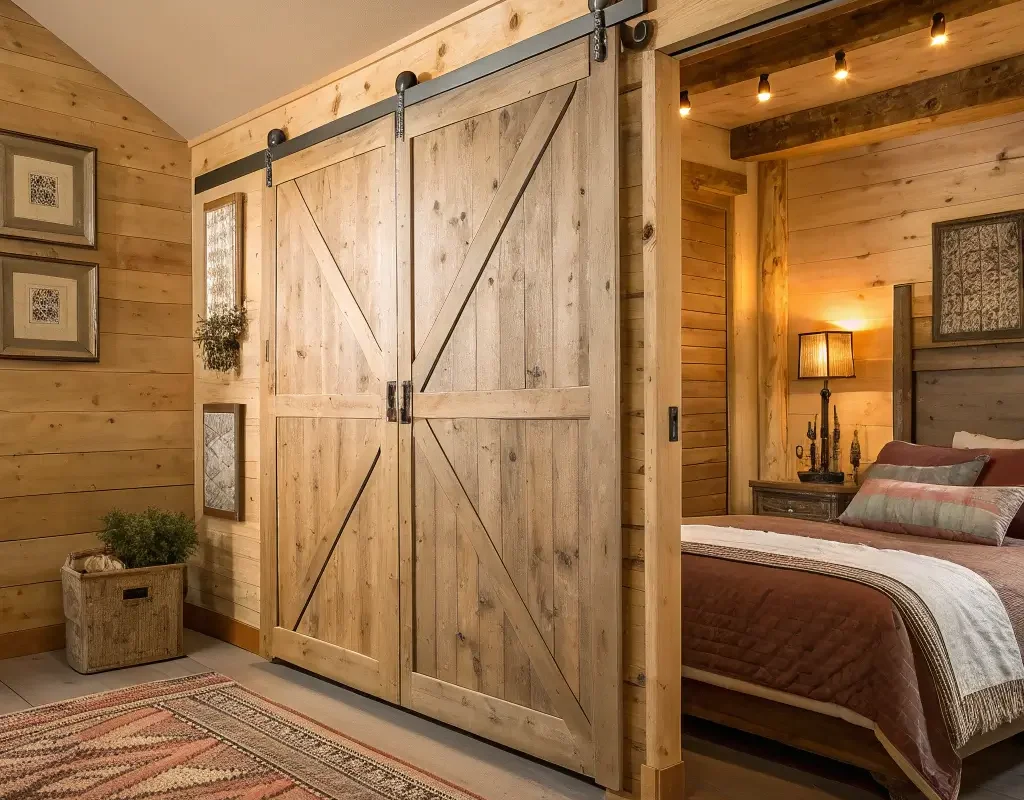
Rustic sliding wardrobes bring warmth and character that manufactured furniture can’t match. Real wood tells stories through its grain patterns and imperfections. My reclaimed barn wood doors get more compliments than any other bedroom feature.
The key to rustic without looking dated? Mix rough textures with modern hardware. I paired weathered oak panels with sleek black metal tracks and handles. The contrast keeps things contemporary while honoring natural materials.
Wood Selection for Authenticity
Reclaimed wood adds instant character but requires careful selection. Check for pest damage, structural integrity, and previous chemical treatments. I spent weeks finding the perfect reclaimed pine – worth every minute when you see the final result.
New wood can achieve rustic aesthetics too. Distressing techniques like wire brushing, strategic sanding, and vinegar-steel wool solutions create aged appearances. My guest room “antique” doors? Brand new lumber I aged myself over a weekend.
Protecting Natural Beauty
Seal rustic wood properly without losing texture. I use natural oil finishes that enhance grain while providing protection. Avoid high-gloss polyurethane – it kills the rustic vibe faster than anything.
Regular maintenance keeps rustic wardrobes beautiful. I oil mine quarterly and address any issues immediately. Small efforts prevent major restoration needs later.
Hardware That Complements
Industrial hardware pairs perfectly with rustic wood. Black iron tracks and handles create that modern farmhouse aesthetic everyone’s after. I found mine at a fraction of designer prices by shopping industrial suppliers directly.
Colorful Sliding Wardrobe Makeovers
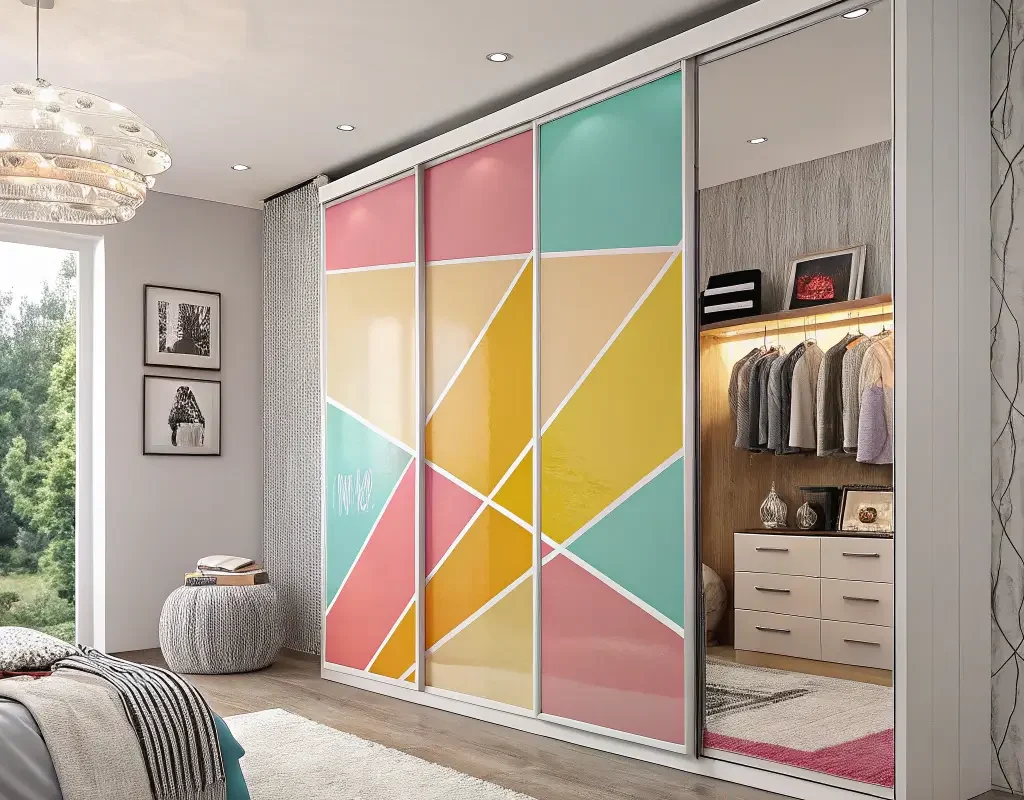
Who decided wardrobes had to be brown or white? Not me. My daughter’s room features sliding doors in gradient sunset colors – orange to pink to purple. Every morning starts with a smile.
Color transforms ordinary wardrobes into artistic focal points. Instead of hiding storage, celebrate it. My home office wardrobe in deep teal makes the whole room pop without overwhelming the space.
Choosing Colors That Last
Trendy colors date quickly, but classics endure. Navy, forest green, and burgundy offer boldness without the regret factor. I painted my first wardrobe millennial pink (RIP that trend), but my current sage green still looks fresh two years later.
Test colors in your actual space before committing. Light changes everything about how colors appear. That perfect blue might look completely different in your north-facing bedroom versus the store.
Application Techniques for Smooth Finishes
Spray painting delivers the smoothest results for sliding doors. Remove doors completely, prep properly, and apply thin, even coats. I learned this after brush-painting left visible streaks on my first attempt.
For those nervous about DIY, vinyl wrapping offers removable color options. High-quality architectural films look painted but peel off when you’re ready for change. Perfect for renters or commitment-phobes.
Coordinating With Room Decor
Echo wardrobe colors in small room accents. My teal wardrobe coordinates with throw pillows and artwork, creating cohesion without matchy-matchy boredom. Strategic color repetition ties everything together.
Contemporary Glass Sliding Wardrobes
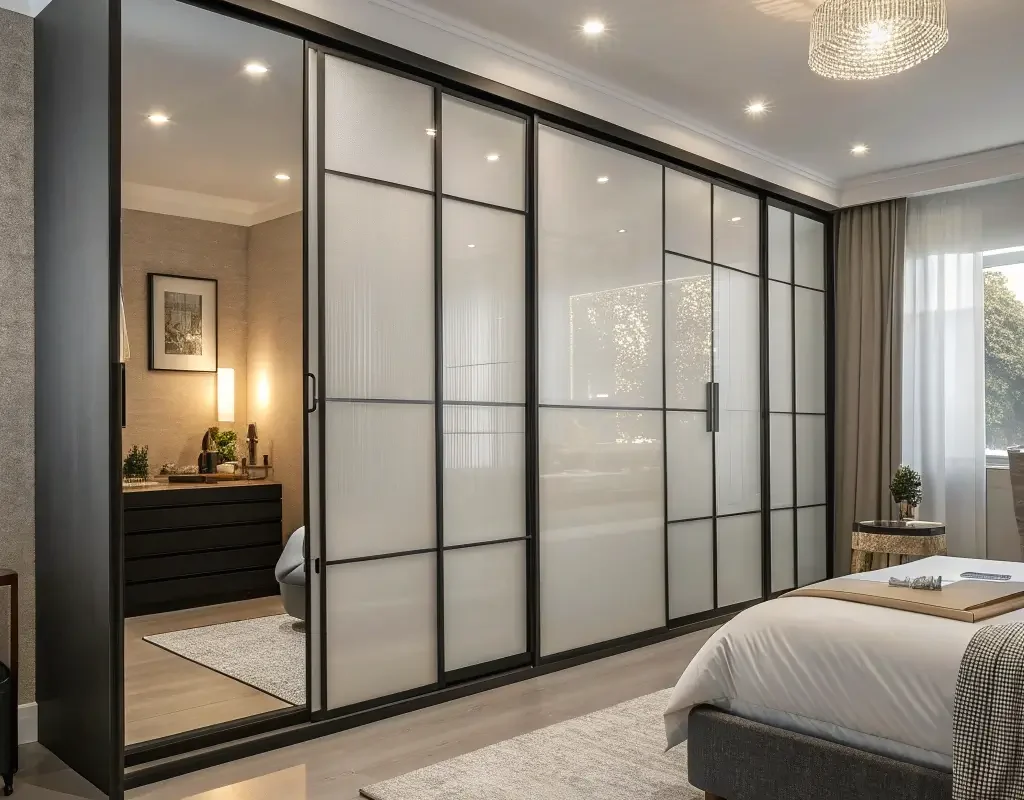
Glass sliding wardrobes scream sophistication. They make spaces feel larger while showcasing your organizational skills (or forcing you to develop them). My walk-in closet features glass doors, and yes, it keeps me tidier.
Frosted glass offers the best of both worlds – light transmission without full visibility. I chose acid-etched glass for consistent opacity that hides minor wardrobe chaos while maintaining the airy feel.
Glass Types and Treatments
Tempered glass is non-negotiable for safety. It costs more but shatters into safe granules instead of dangerous shards. I watched standard glass destroy someone’s wardrobe during installation – never again.
Consider smart glass if budget allows. It switches from transparent to opaque electrically. Expensive? Yes. Worth it for the James Bond factor? IMO, absolutely.
Frame Options for Glass Panels
Slim aluminum frames maximize glass visibility while providing necessary support. I chose black frames for contrast, but silver or bronze work beautifully too. Frame width affects the overall aesthetic significantly.
Frameless glass creates ultimate minimalism but requires perfect installation. One millimeter off and doors won’t slide properly. Hire professionals for frameless unless you’re exceptionally handy.
Maintenance Reality Check
Glass shows everything – dust, fingerprints, random mystery smudges. Keep microfiber cloths handy and establish weekly cleaning routines. I clean mine Sunday mornings while coffee brews. The streak-free shine makes the effort worthwhile.
Also Read: 15 Functional Wardrobe Design Bedroom Ideas Worth Saving
Built-In Sliding Wardrobe Solutions
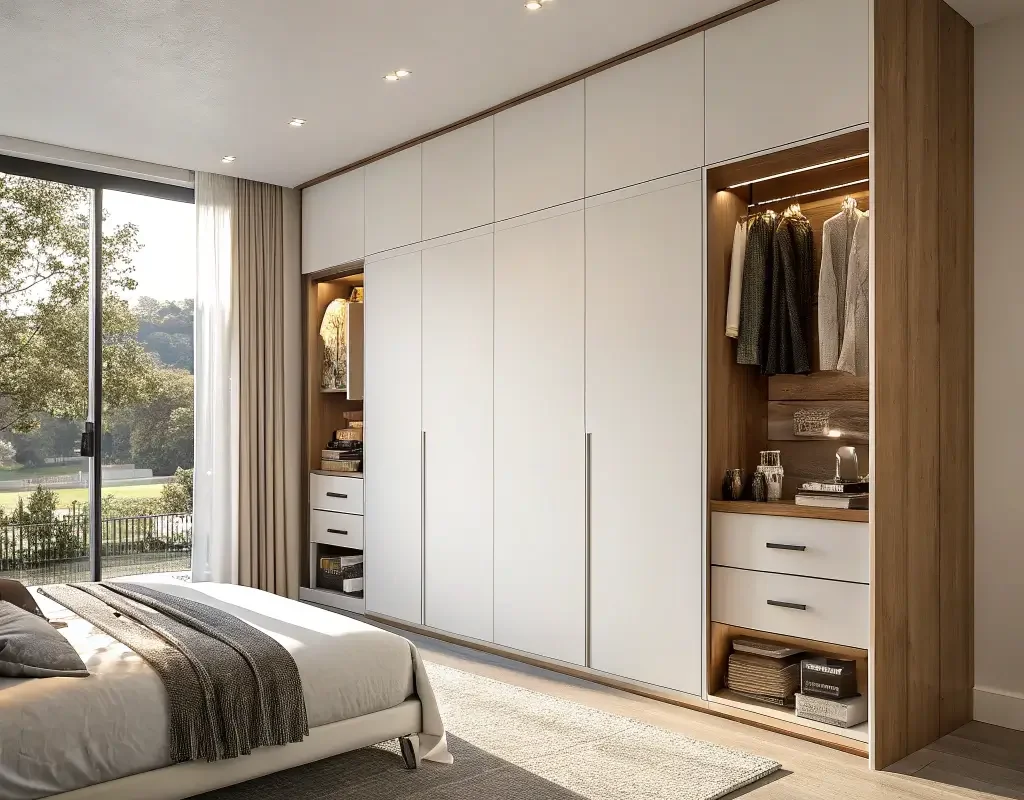
Built-in sliding wardrobes transform awkward spaces into storage gold. That weird alcove? Perfect wardrobe spot. Random wall indent? Storage opportunity waiting to happen.
I converted a pointless hallway nook into a fully functional wardrobe with sliding doors. What was dead space now holds our entire linen collection plus off-season clothes. Built-ins maximize every available inch.
Planning Around Architecture
Measure everything twice, cut once. Account for baseboards, crown molding, and any irregularities. My first built-in attempt ignored baseboard heating – expensive mistake. Detailed planning prevents costly surprises.
Work with existing features instead of against them. That annoying beam? Make it a natural divider between wardrobe sections. The slanted ceiling? Perfect for graduated storage heights.
Custom Versus Semi-Custom Options
Full custom costs fortune but fits perfectly. Semi-custom modular systems cost less while offering flexibility. I combined ikea frames with custom doors – saved thousands while achieving the built-in look.
Adjustable components future-proof built-ins. Life changes, storage needs evolve. My built-in started as baby clothes storage, now holds sports equipment. Adaptability matters.
Finishing Touches That Sell the Look
Paint built-in surrounds to match walls for seamless integration. Add crown molding to tops and baseboard extensions to bottoms. These small details make DIY built-ins look professionally installed.
Luxury Sliding Wardrobe Designs

Luxury wardrobes aren’t just about price tags – they’re about details that elevate daily routines. My splurge on a luxury wardrobe system three years ago still brings joy every morning.
Soft-close mechanisms on everything. Doors glide shut silently, drawers close themselves with a gentle push. Once you experience this, regular hardware feels barbaric.
Premium Materials Worth Considering
Solid hardwood versus veneer makes a noticeable difference. Real wood ages beautifully, developing patina over time. My solid walnut doors look richer every year, while friend’s veneer already shows wear.
Leather-wrapped handles add tactile luxury. They feel amazing and develop character with use. Small touches like these transform functional furniture into luxury experiences.
Integrated Lighting Systems
Motion-activated LED systems illuminate contents automatically. No fumbling in darkness or forgetting to turn lights off. I installed color-adjustable LEDs that shift from warm morning light to bright daylight for color matching.
Interior spotlights highlight specific sections. My shoe collection gets gallery-style lighting because why not? If you’re investing in luxury, make it count.
Technology Integration
Built-in charging stations keep devices organized. USB ports inside drawers charge watches and phones overnight. Wireless charging pads integrated into shelf surfaces eliminate cable chaos.
Some systems include inventory management apps. Photograph items, tag them digitally, and find everything instantly. Overkill? Maybe. But my morning routine takes half the time now.
Small Bedroom Sliding Wardrobe Hacks
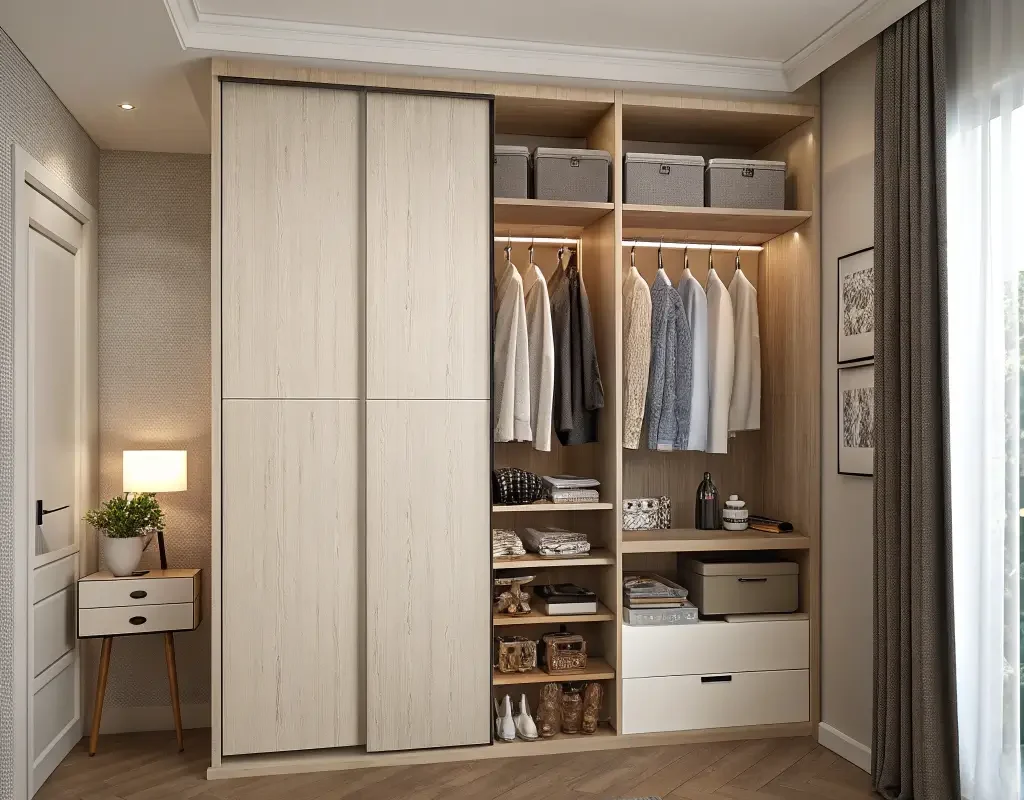
Small bedrooms require creative solutions. Every inch counts when you’re working with limited space. My 8×10 guest room now feels spacious thanks to strategic sliding wardrobe placement.
Over-bed sliding wardrobes utilize typically wasted space. Install tracks above headboard height, creating storage without sacrificing floor space. Guests always ask how we fit so much storage in such a tiny room.
Depth Modifications for Tight Spaces
Standard wardrobes are 24 inches deep, but you can go shallower. My narrow hallway wardrobe is only 16 inches deep – perfect for shirts and jackets. Reduced depth doesn’t mean reduced functionality with smart planning.
Angle hangers to maximize shallow wardrobes. Hanging rods at 45-degree angles let clothes overlap efficiently. This simple trick gained me four inches of walkway space.
Multi-Purpose Design Elements
Sliding doors with cork board or whiteboard surfaces add functionality. My home office wardrobe doors double as planning boards. Closed, they hide supplies; open, they’re workspace extensions.
Fold-down desks integrated into wardrobe systems save massive space. Mine folds flat against the wardrobe when not needed. Small bedroom to functional office in seconds.
Visual Tricks for Spaciousness
Paint sliding doors the same color as walls for visual continuity. The wardrobe “disappears” into the room instead of dominating it. My white-on-white setup makes the tiny room feel twice its size.
Also Read: 10 Inspiring White Tile Bathroom Ideas and Timeless Styles
Modern Sliding Wardrobe Storage Ideas

Modern storage goes beyond hanging clothes. Today’s sliding wardrobes accommodate everything from gym equipment to home offices. Mine houses workout gear, seasonal decorations, and craft supplies – organized and accessible.
Pull-out vertical dividers for bags and laptops changed my organization game. No more pile of bags falling over. Each has its designated slot, visible and accessible.
Accessory Organization Systems
Dedicated watch winders keep automatic watches running. Built-in jewelry displays prevent tangling. My velvet-lined drawers protect delicate items while keeping them visible.
Belt and tie racks that slide out maximize vertical space. Mine holds 30 ties and 20 belts in previously dead corner space. Everything visible, nothing forgotten in back corners.
Seasonal Storage Solutions
Vacuum storage bags aren’t sexy but they work. Combine with labeled clear boxes on upper shelves for easy seasonal swaps. I can switch entire seasonal wardrobes in under an hour.
Climate-controlled sections protect sensitive items. A small dehumidifier prevents mustiness, while cedar blocks deter pests naturally. These additions cost little but preserve clothing investments significantly.
Modular Interior Systems
Adjustable everything allows reconfiguration as needs change. My wardrobe interior has been rearranged four times as my lifestyle evolved. Modular components mean you’re never stuck with outdated organization.
Conclusion
Here’s the thing about sliding wardrobes – they’re not just furniture, they’re lifestyle upgrades. The right design transforms morning chaos into smooth routines. After years of testing different options, I can honestly say the sliding mechanism alone is worth the switch.
But picking the perfect design? That depends entirely on your space, style, and storage needs. Whether you go minimalist, rustic, or full-on luxury, focus on functionality first, then layer in aesthetics.
Start with one upgrade that solves your biggest annoyance. Can’t open doors fully? Go sliding. No mirror space? Mirror-fronted doors. Messy interior? Invest in organization systems. Small improvements compound into major lifestyle changes.
My journey from cramped, cluttered bedrooms to organized, stylish spaces started with one sliding wardrobe. Now I can’t imagine living any other way. And honestly? Your morning self will thank you every single day for making the switch.
So measure your space, pick a style that speaks to you, and prepare for compliments. Because great sliding wardrobe design doesn’t just store clothes – it elevates your entire bedroom experience. Ready to slide into better storage? Your dream wardrobe awaits.
